

What becomes of a cloth that once signalled clan allegiance when it enters the language of British millinery? Tracing tartan's journey from Highland dress into tailored hats uncovers museum holdings, milliners' records, and the shifting patterns of taste that followed.
This article explores tartan's Highland origins and its role in clan identity, traces how British hatmakers adopted and adapted the cloth, and sets out practical guidance for crafting tartan hats: selecting wool, traditional construction techniques, and situating a finished piece within its cultural context.

Tracing tartan's Highland origins and the meaning of clan identity
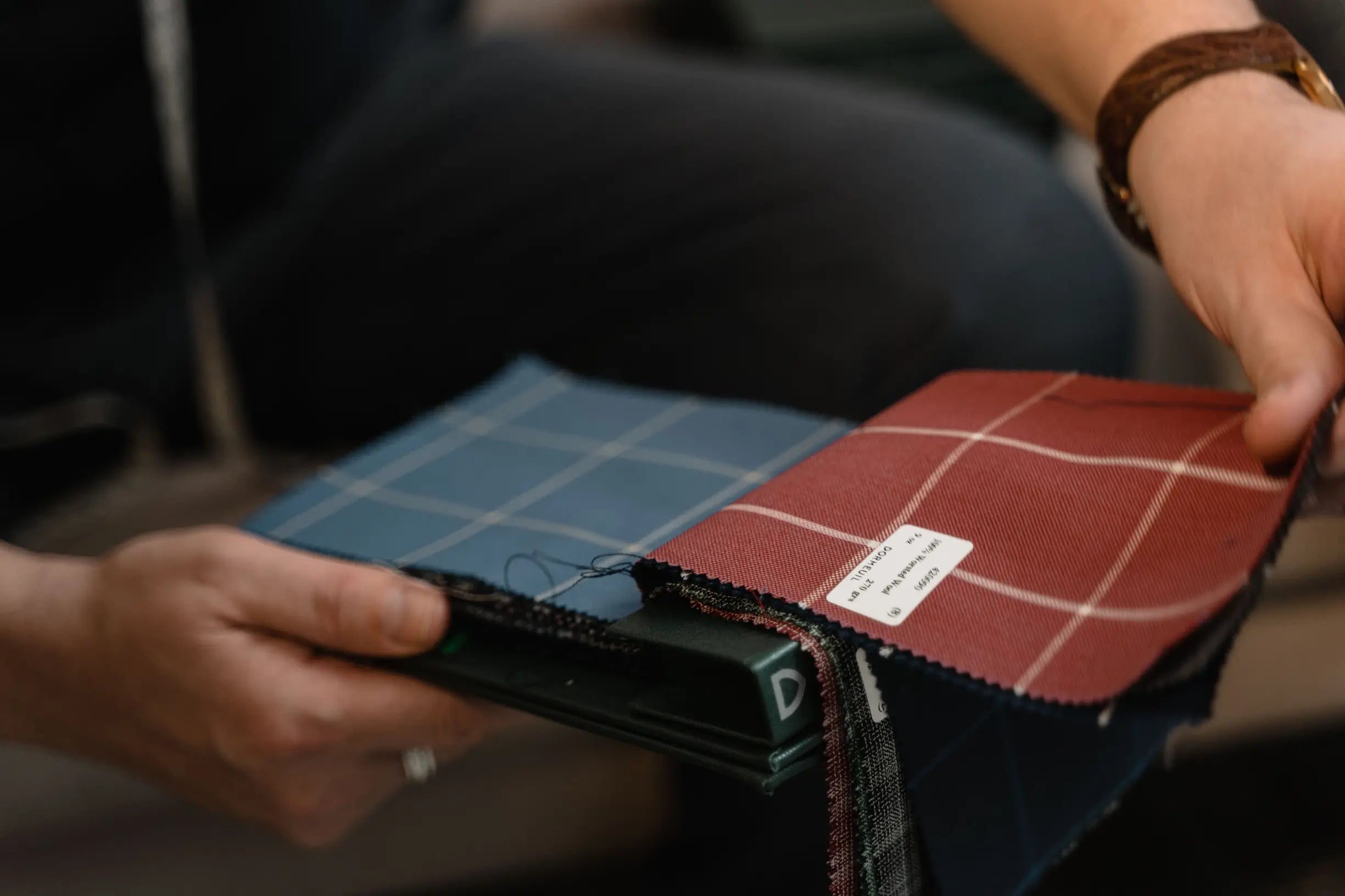
Tartan began as a Highland woollen twill. Its sett, the pattern of stripes and checks, together with the yarn count, determined the design that appears on the cloth. Loom width and the repeat required by the weave shaped local variants. Natural dyes such as woad, madder, and weld supplied the common colours, and surviving museum samples, estate inventories, and loom records provide direct evidence of construction and provenance. Particular setts and colour combinations appear in contemporary portraits, family seals, and recorded oral testimony, suggesting associations with kinship and district; however, those links require documentary confirmation.
The familiar idea of single, immutable clan tartans sits uneasily with archival evidence of regional variation, commercial standardisation, and comparatively late codification. To establish when particular associations formed, consult military uniform lists, pattern books, and legal records. Vectors that carried Highland cloth into wider British dress include military adoption, urban tailoring, itinerant weavers, and trade networks, each leaving traces in surviving garments, tailors' marks, and catalogue entries. For hands-on verification, inspect the weave and dye under magnification, photograph the sett repeat and measure thread counts, compare your findings with museum and specialist databases, record documented ownership and labels, and seek attribution guidance from specialist librarians or textile curators. These are the details that reward closer inspection and make a measured judgement possible.
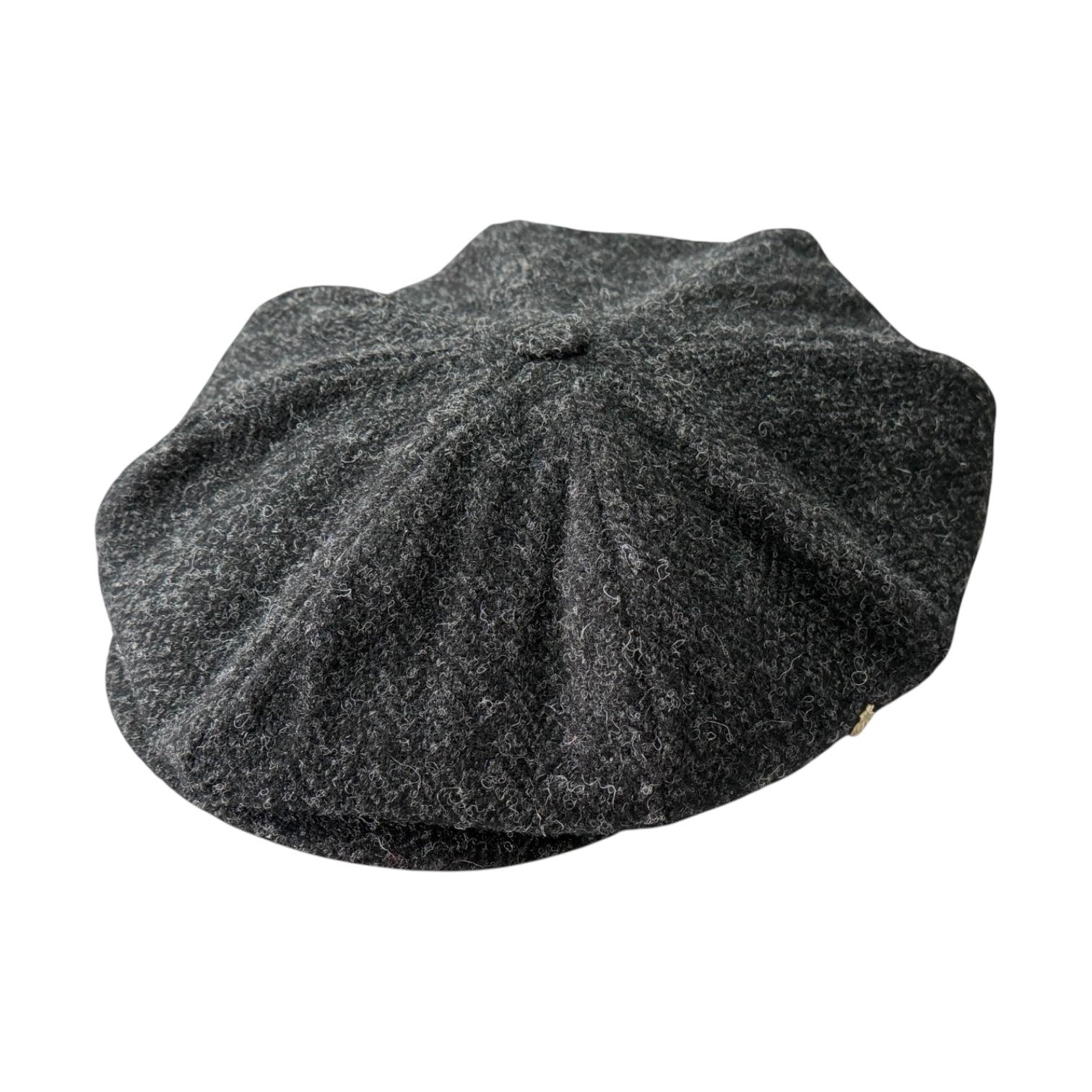
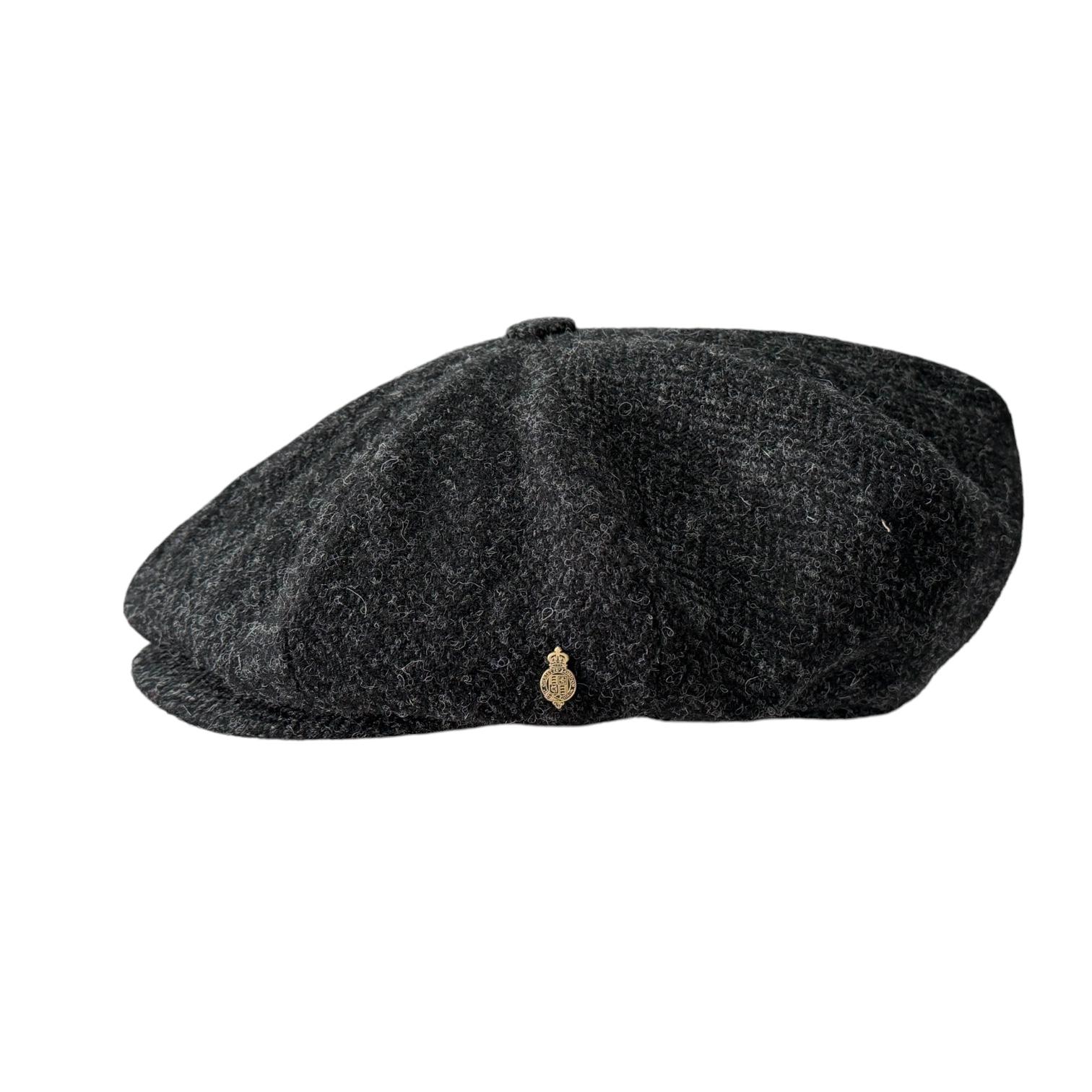
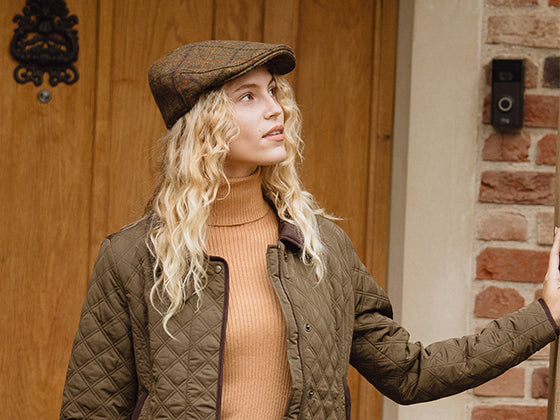
Choose a handcrafted tartan cap for authentic heritage style

Charting the migration of tartan into British millinery
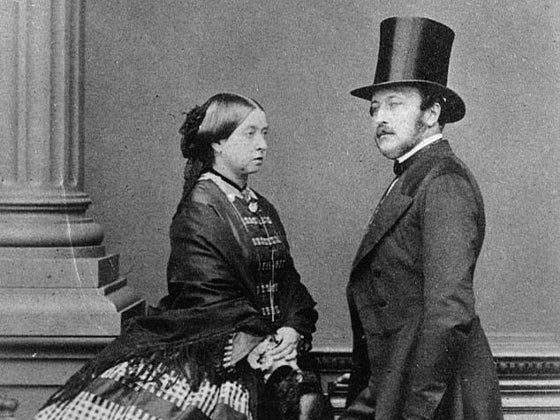
Museum holdings, painted portraits, and period trade catalogues together trace tartan's passage from Highland dress into city millinery. Military uniforms, leisurewear, and urban fashions acted as visible vectors, and surviving examples, alongside images of civilians and officers, show how hatmakers and wearers adopted tartan motifs to preserve continuity with other garments. Workshop notes and commercial catalogues record how the increased availability of woven tartans and regional weaving practices supplied both material and design templates to urban workshops.
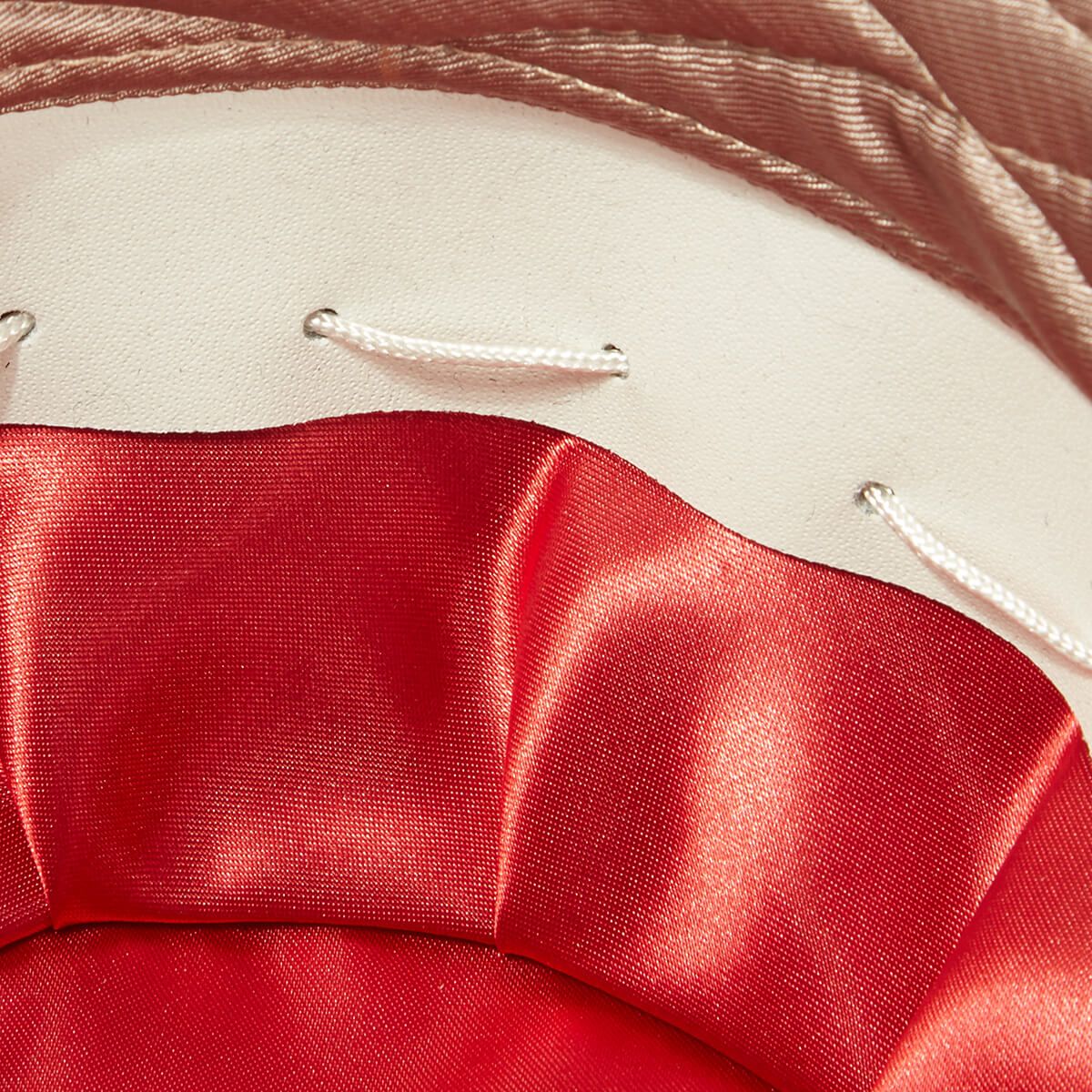
Milliners devised technical methods to make tartan read on three-dimensional forms: matching the sett across panels, orienting the nap to catch sheen and shed rain, choosing linings and interfacings that hold shape, and hand-finishing seams so the pattern reads cleanly over curves. Practical selection rules followed from these practices: scale the sett to the silhouette, favour higher-contrast repeats for small-brim styles and larger, subtler repeats for wide brims, and balance the colourway against typical outerwear to maximise versatility. Trade catalogues and workshop manuals record these solutions as pragmatic responses to form and function rather than mere decoration. Many of the construction choices reveal their purpose only when the hat is handled. For care, store hats on shaped supports, control humidity and light, use low-heat steam sparingly for gentle reshaping, brush along the nap to remove dust, and consult a conservator for antique pieces to reduce the risk of dye loss or structural damage.
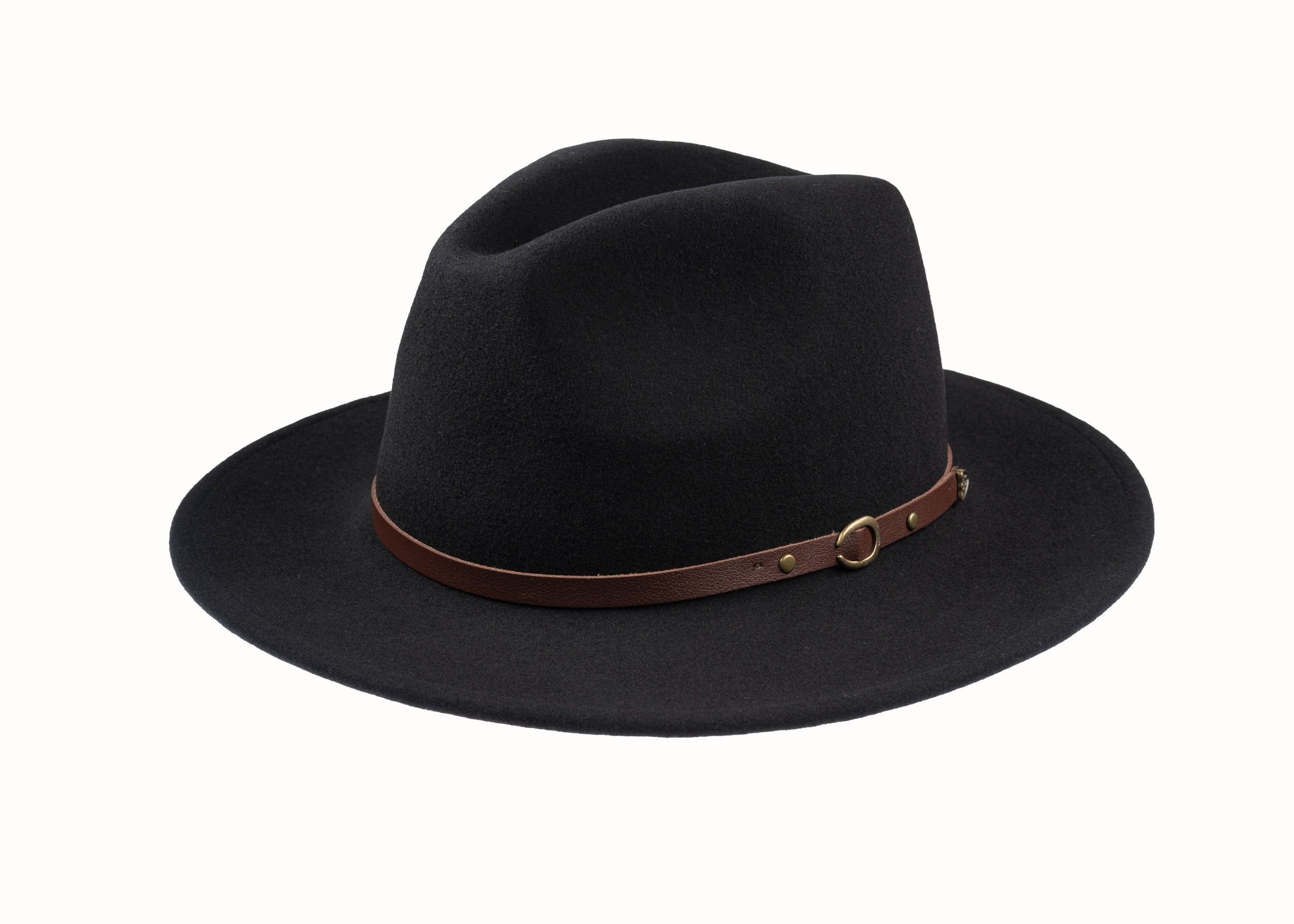
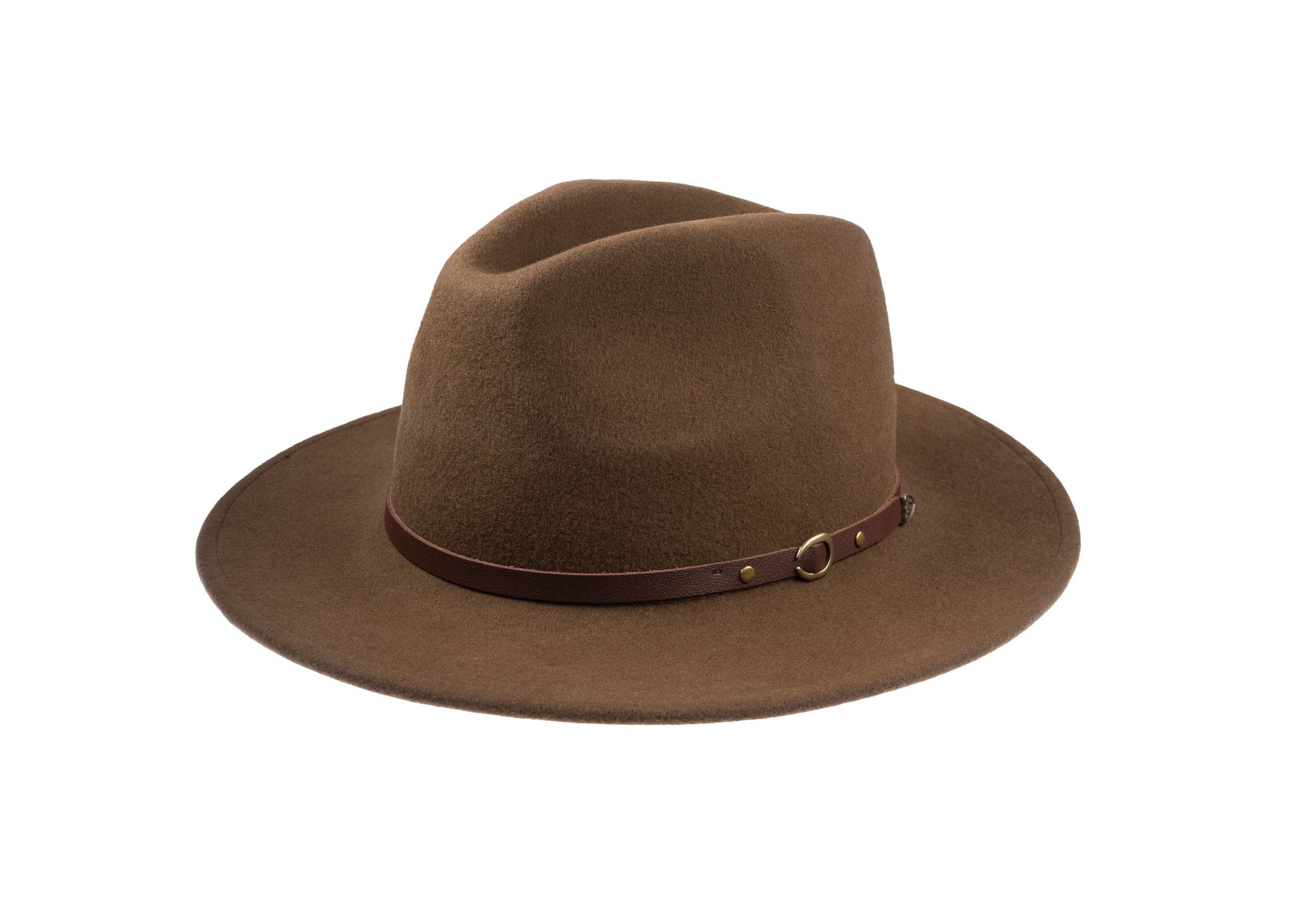
Choose a tailored tartan cap for shaped, heritage style

Crafting tartan hats: wool, hand shaping, and cultural context
Tartan found its way into British hatmaking via regimental caps, the Highland revival, and the countrywear market. As it moved from full garments into headwear, setts were reduced in scale to sit neatly on crowns and brims rather than across entire coats. For a crisp, clearly defined sett, choose worsted tartan; for a softer crown shape, prefer woollen flannel or a felted wool, which drape with less structure. Always test a scrap by steaming and gentle pressing to reveal potential shrinkage, nap change, and dye transfer, since these behaviours become apparent during blocking and finishing. Lightweight cloth will benefit from a horsehair canvas or buckram underlining to stabilise the shape. When cutting, align the pattern with the crown axis and centre any prominent stripe at the front. Cut in multiples of the full repeat so seams will match, baste the panels by hand, then trim allowances only after the pieces have been checked for fit and pattern registration.
Traditional construction begins with underlining to prevent stretch, and the hat is shaped on a wooden or resin block while gentle steam sets the form. Small, invisible stitches then secure the lining to prevent slippage. Finish the sweatband and brim with stay tape or canvas; trimming and final blocking retain geometry and wearer comfort. Read setts and colourways by scale, contrast, or playful intent to judge formality and country character, and consult textile archives or mill records when provenance matters. Preserve both cloth and shape with regular brushing, airing, and occasional reblocking.
Tracing tartan from Highland cloth into British hatmaking reveals how woven setts, dye recipes, and trade networks reshaped a regional emblem into urban millinery. Museum samples, portraits, and period catalogues show the practical choices, such as scale, nap, and underlining, that allowed tartan to read clearly on three-dimensional forms.
The chapters on origins, migration, and craft trace a course from dye and loom to blocking and finishing, offering practical steps for makers and conservators. Consult archival evidence and practical tests when attributing or making a piece, and regard conservation, pattern matching, and provenance as integral to a hat's story.