


Woven tartans endure because their colour and pattern are built into the fabric, not printed onto its surface. Yarn-dyeing carries colour through each thread, and the interlaced weave fixes the check at the yarn level, so abrasion and laundering remove surface fibre before they disrupt the pattern. Fabrics with a nap can be reshaped and refreshed by blocking and brushing, and traditional reinforcement and repair techniques preserve structural integrity over many years. Printed tartans, by contrast, depend on inks that sit on the fibre surface and are more likely to fade, flake, or blur where rubbing and repeated washes concentrate wear.
This guide unpicks how yarn choice and colourfastness lock in hue, how weave structure resists abrasion, and how mindful wear, shaping, cleaning, and mending sustain appearance and encourage a fine patina. Below are practical, craft-led steps to select, protect, and revive tartan so a piece gains character rather than showing obvious wear.

How yarn and weave determine a tartan's durability
Unlike printed tartan, yarn-dyed woven tartan embeds colour in each warp and weft yarn, so wear reveals dyed fibre rather than removing a surface pigment. A twill or a tightly interlaced plain weave spreads friction across many intersection points, so abrasion affects many threads slightly rather than a few threads severely. When durability matters, specify yarn-dyed construction and favour balanced, dense weaves with a tighter sett, that is, closer thread spacing, for garments that see repeated rubbing, such as jackets and kilts.
Worsted spinning aligns fibres and removes short ends to produce a smoother, stronger yarn that pills less. By contrast, woollen-spun yarns trap air and give more loft and warmth, but they tend to pill more readily. For high-wear applications, specify worsted-spun yarns made from long-staple wool, or blends chosen for tensile strength and colourfastness. Fulling, milling, and heat setting tighten and lock the cloth’s structure, and controlled brushing removes the loose fibres that would otherwise pill. When you need enhanced abrasion resistance and dimensional stability, request fulled and finished tartan. Mechanical wear is also a matter of construction. Reinforced selvedges, stay stitching at stress points, and considered seam placement reduce strain in use. When damage does occur, woven tartan can often be repaired by reweaving or darning rather than replaced. Reinforce high-stress areas during making, follow gentle cleaning and careful reshaping routines, and keep repairs localised to extend a piece’s service life.
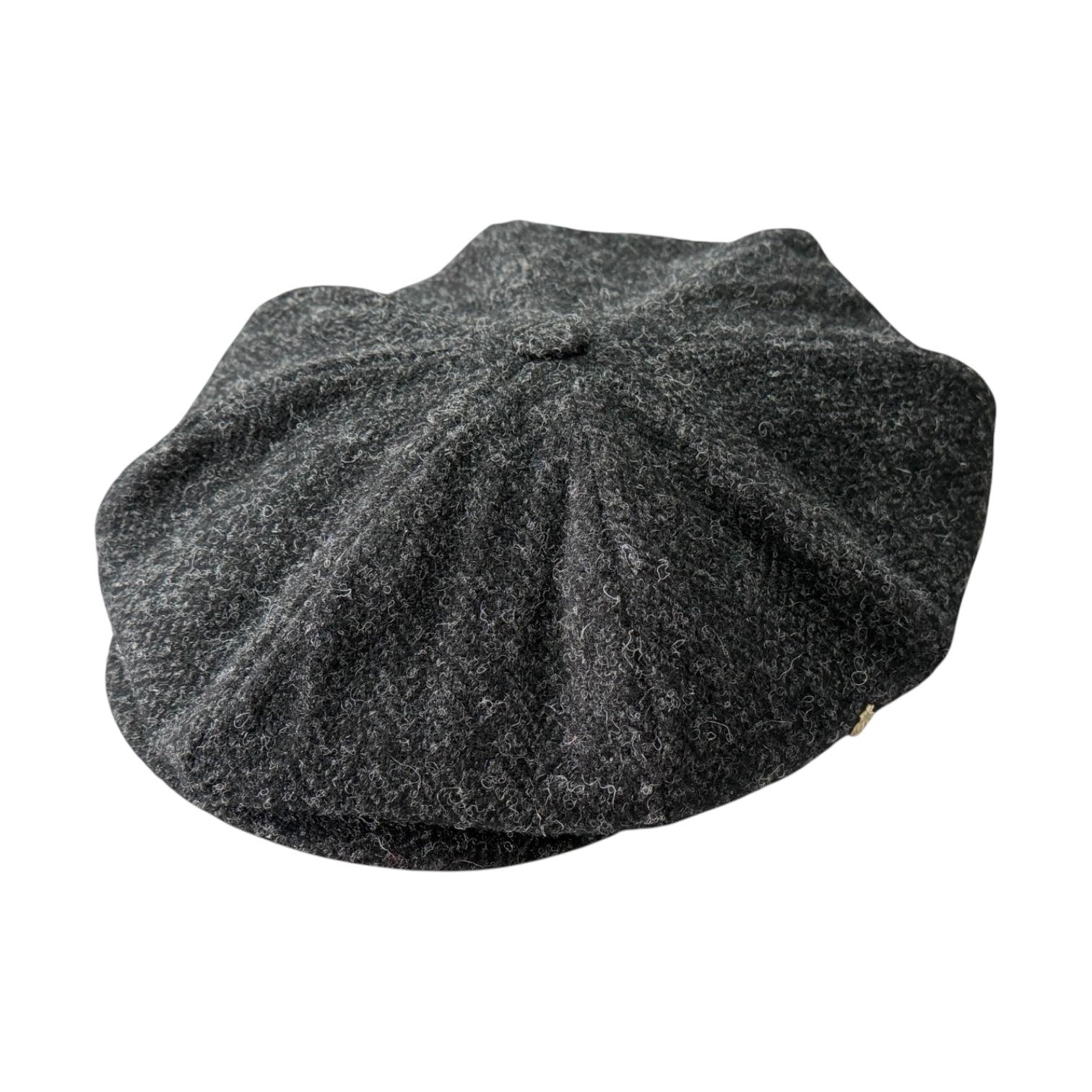
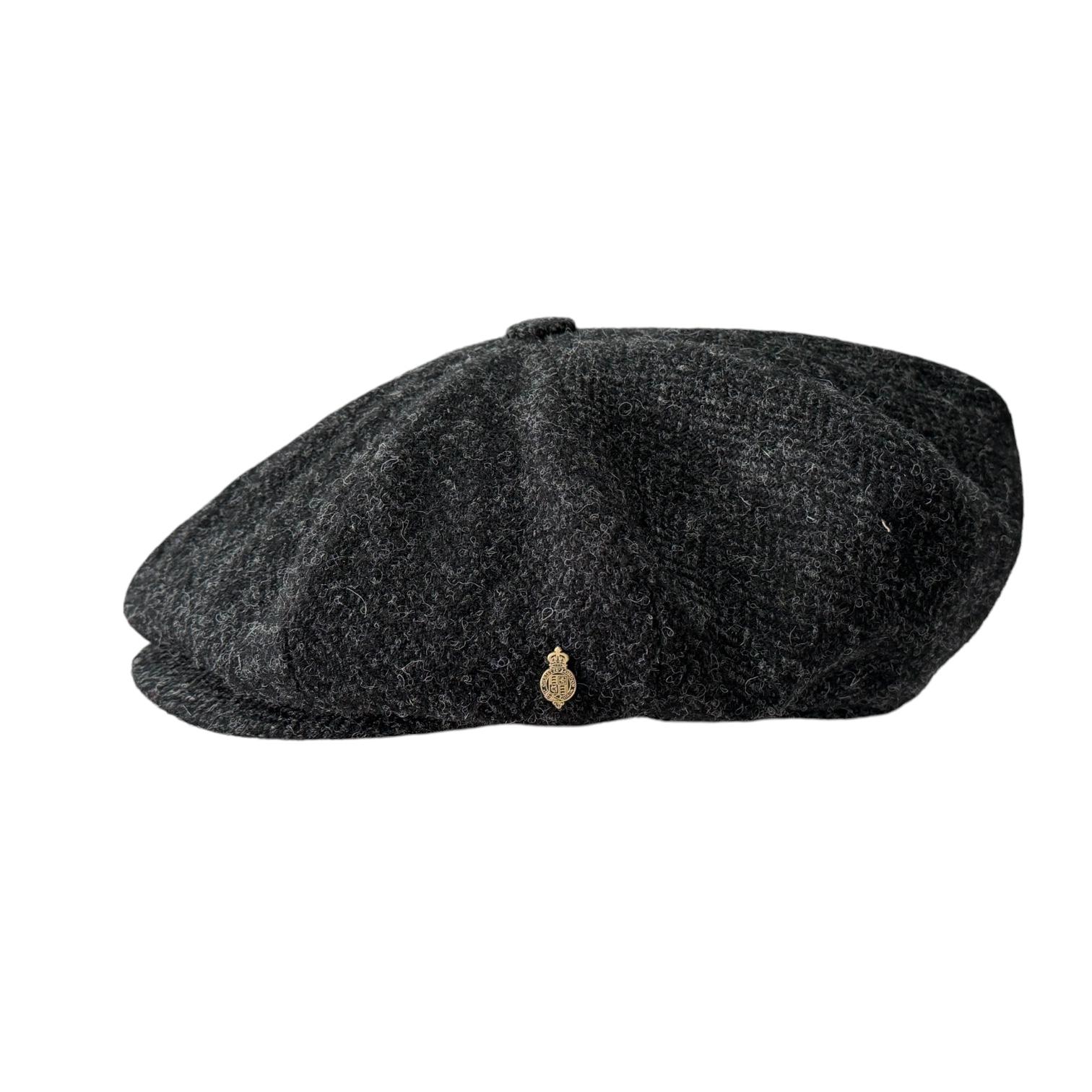
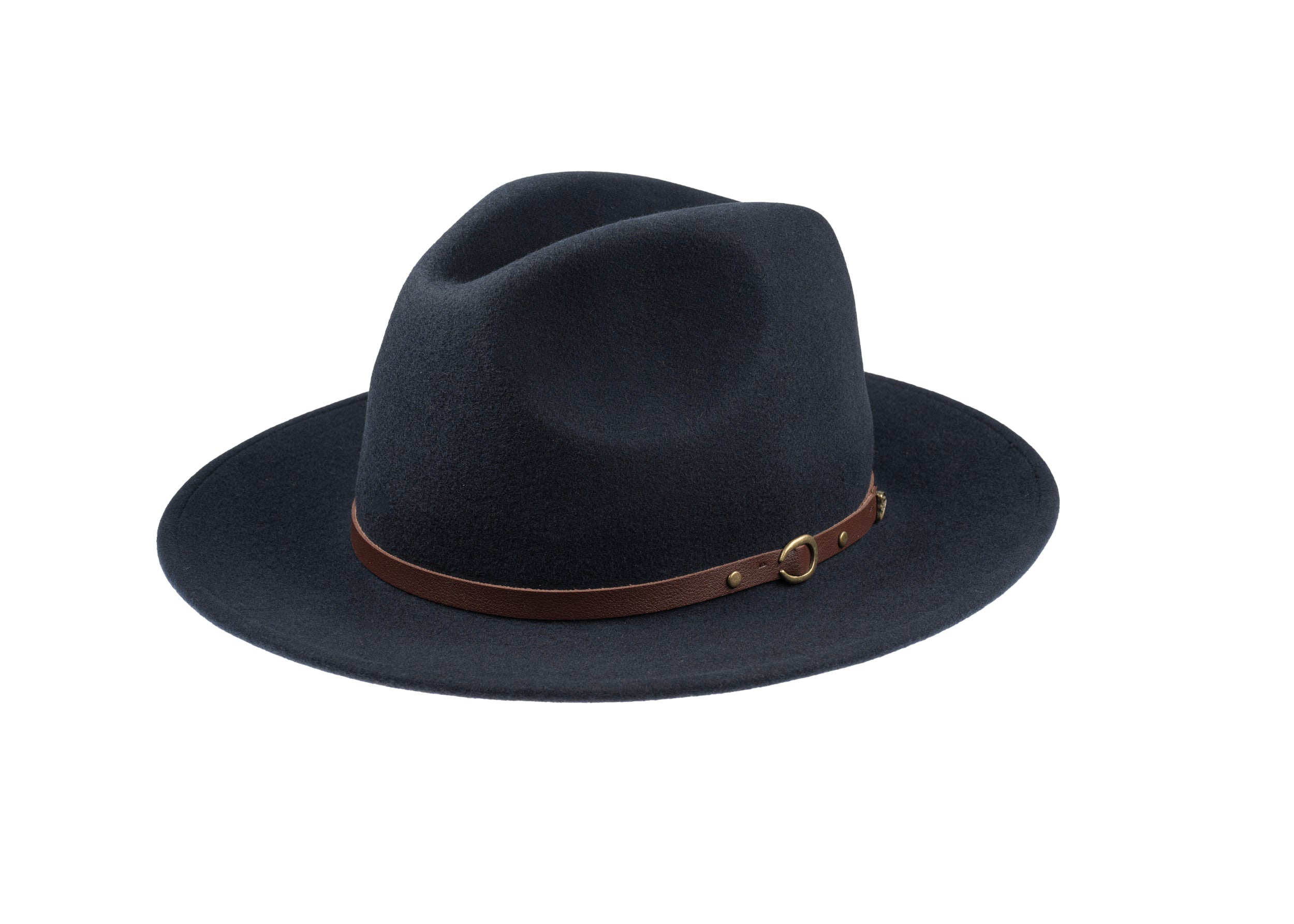
Select felted Merino for durable, everyday headwear.

How yarn dyeing produces lasting, colourfast textiles for traditional millinery
Yarn dyeing locks colour into the fibre by allowing dye molecules to penetrate the yarn core rather than remain on the surface. The result is that abrasion removes less visible colour than with surface-printed fabrics. A simple loupe inspection of a cut yarn end or a fabric selvedge will show the difference: colour running through the thread predicts a longer-lasting appearance, a detail that rewards closer inspection. Different fibres bond with dyes in different ways. Protein fibres such as wool form strong ionic links with acid dyes, while cellulosic and synthetic fibres typically rely on other dye classes and fixation methods. For that reason, a yarn-dyed wool tartan will generally retain a more even, durable colour than a printed cotton or synthetic alternative.
Colourfastness matters in three respects: washfastness, lightfastness, and crocking. Washfastness describes how a colour stands up to laundering, lightfastness how it endures exposure to light, and crocking the tendency for dye to transfer when rubbed. You can assess these qualities with simple, practical checks. Request swatches and inspect edges and joins; perform a crocking test by rubbing a damp, white cloth on an inconspicuous area to check for transfer; and launder a sample several times to judge wash performance. When evaluating production quality, ask mills to describe their fixation and finishing processes. Steps that reduce early bleed include thorough scouring, appropriate mordanting or chemical fixation, steam setting, and controlled washing to remove unfixed dye. For everyday care, pre-wash a new tartan separately to remove loose dye, use a neutral detergent, and avoid chlorine bleach. Dry items out of direct sunlight to slow fading, iron on the reverse, and treat stains promptly rather than over-washing. These measures preserve the woven pattern and the original vibrancy so the cloth, and anything made from it, improves with time.
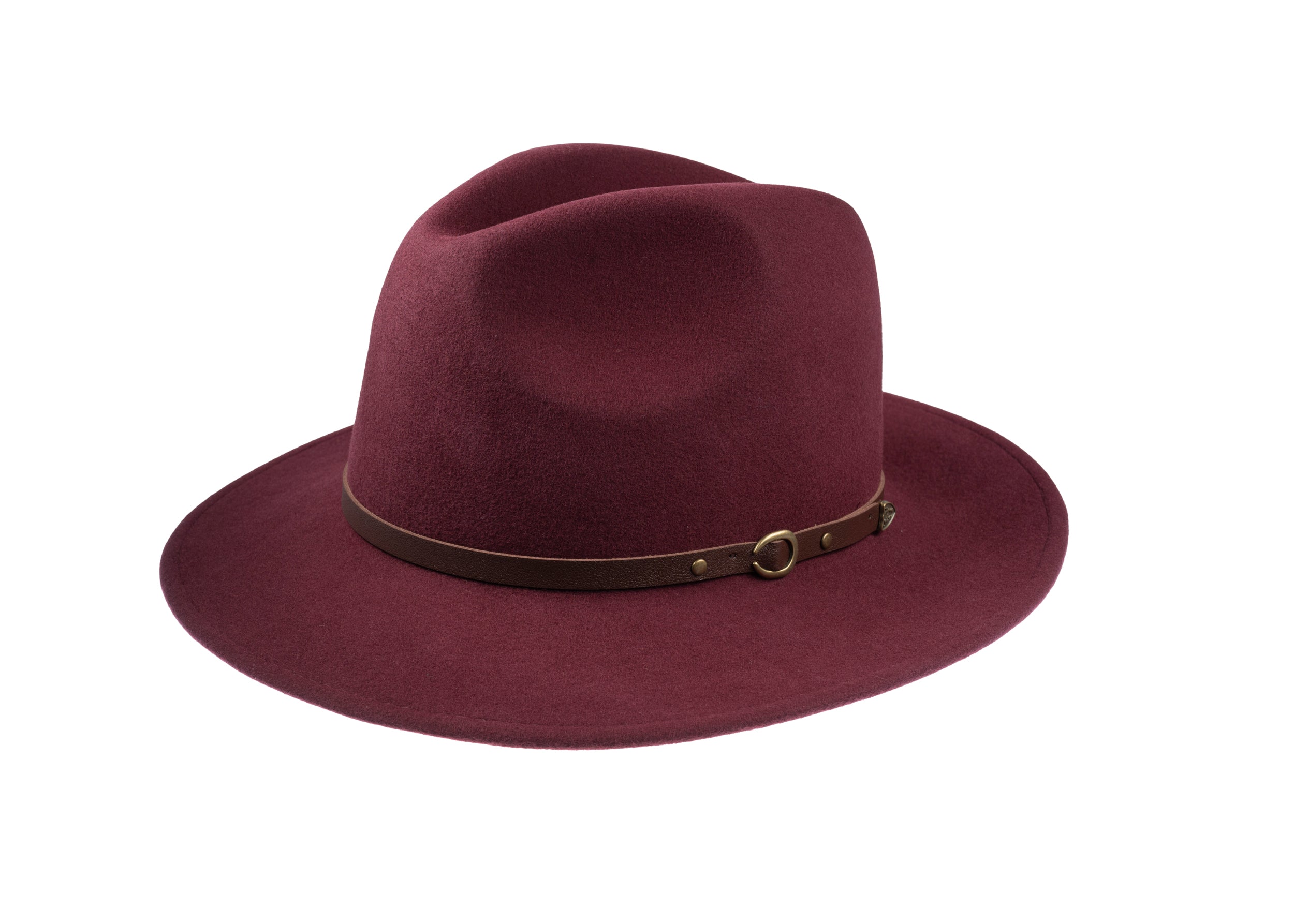
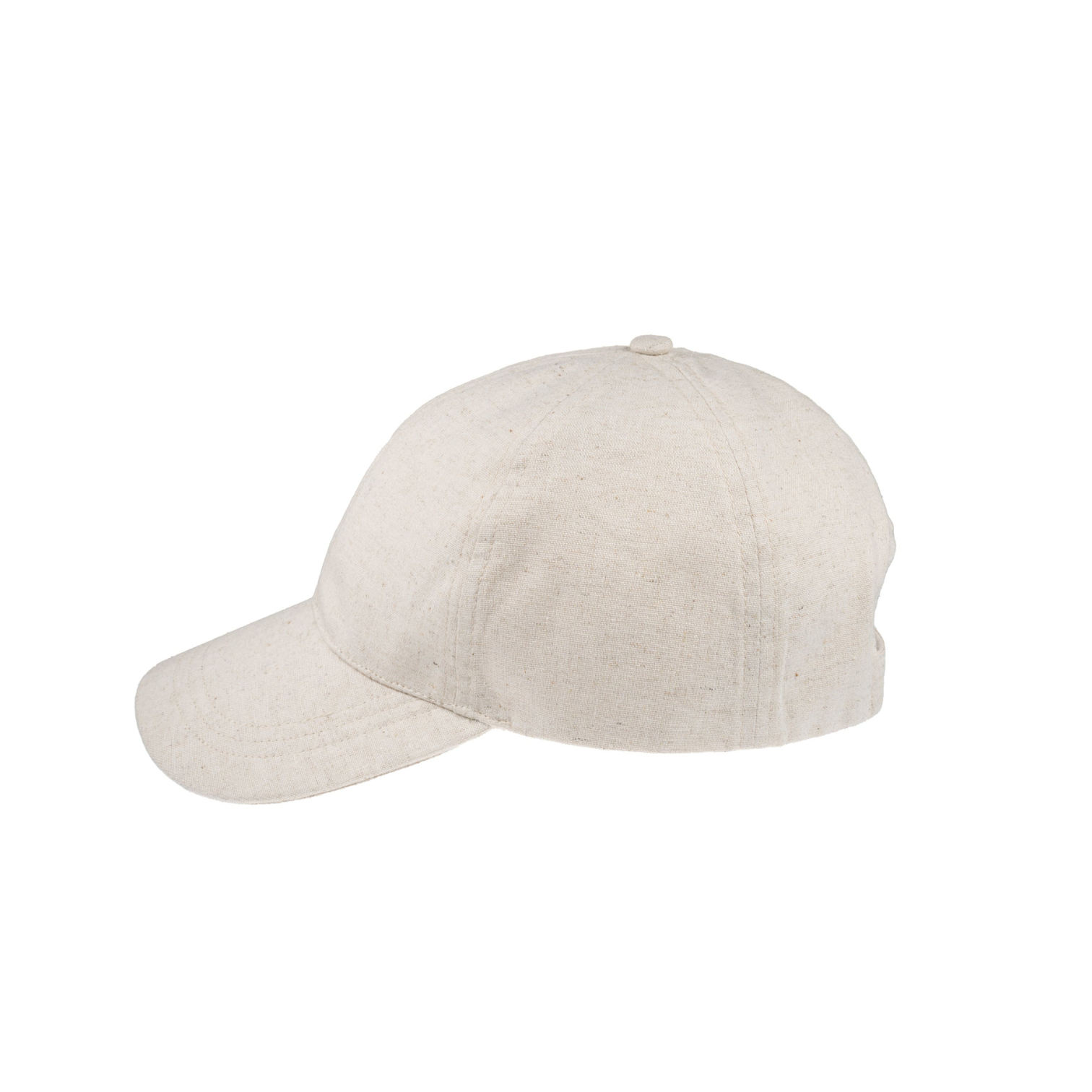
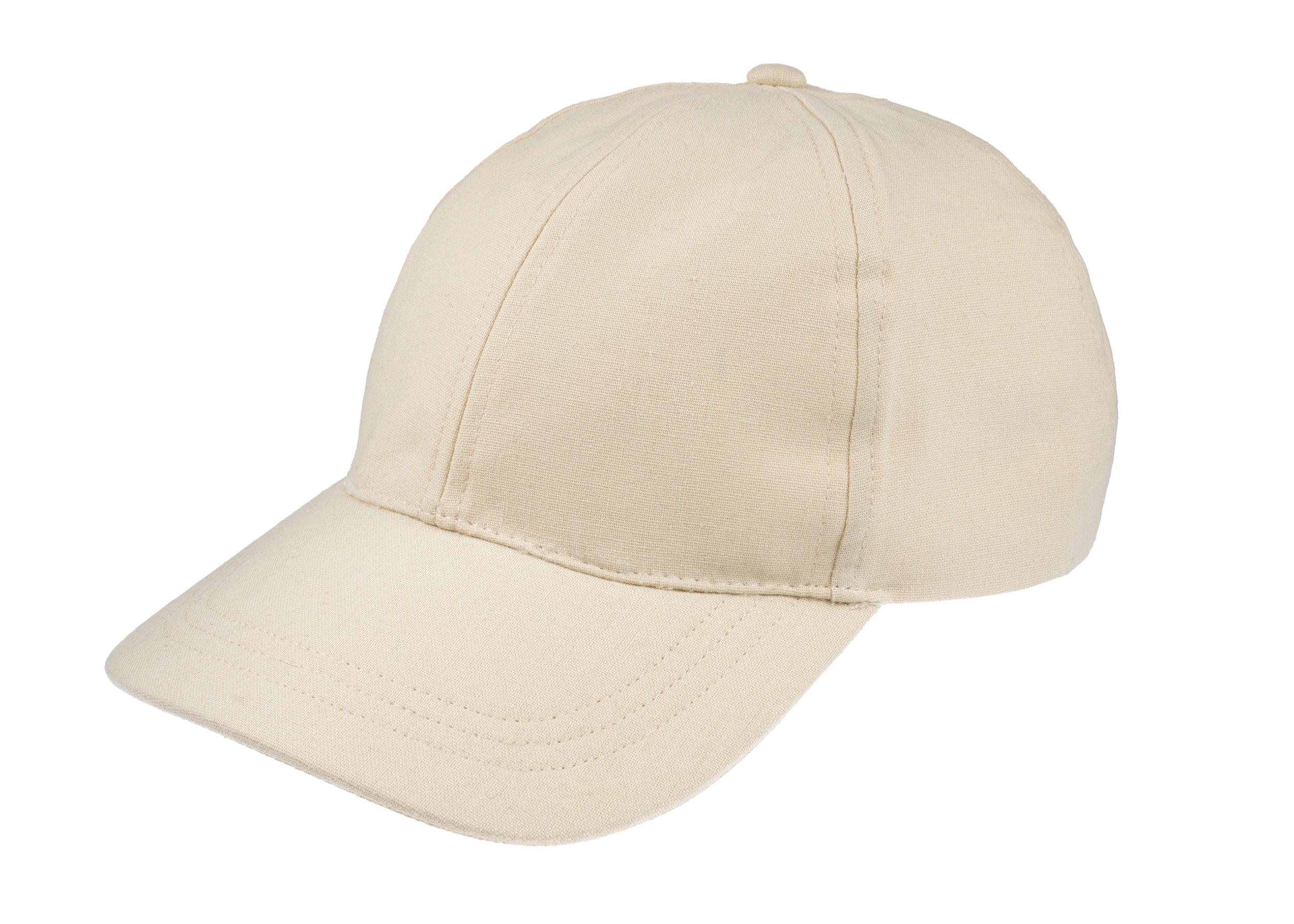
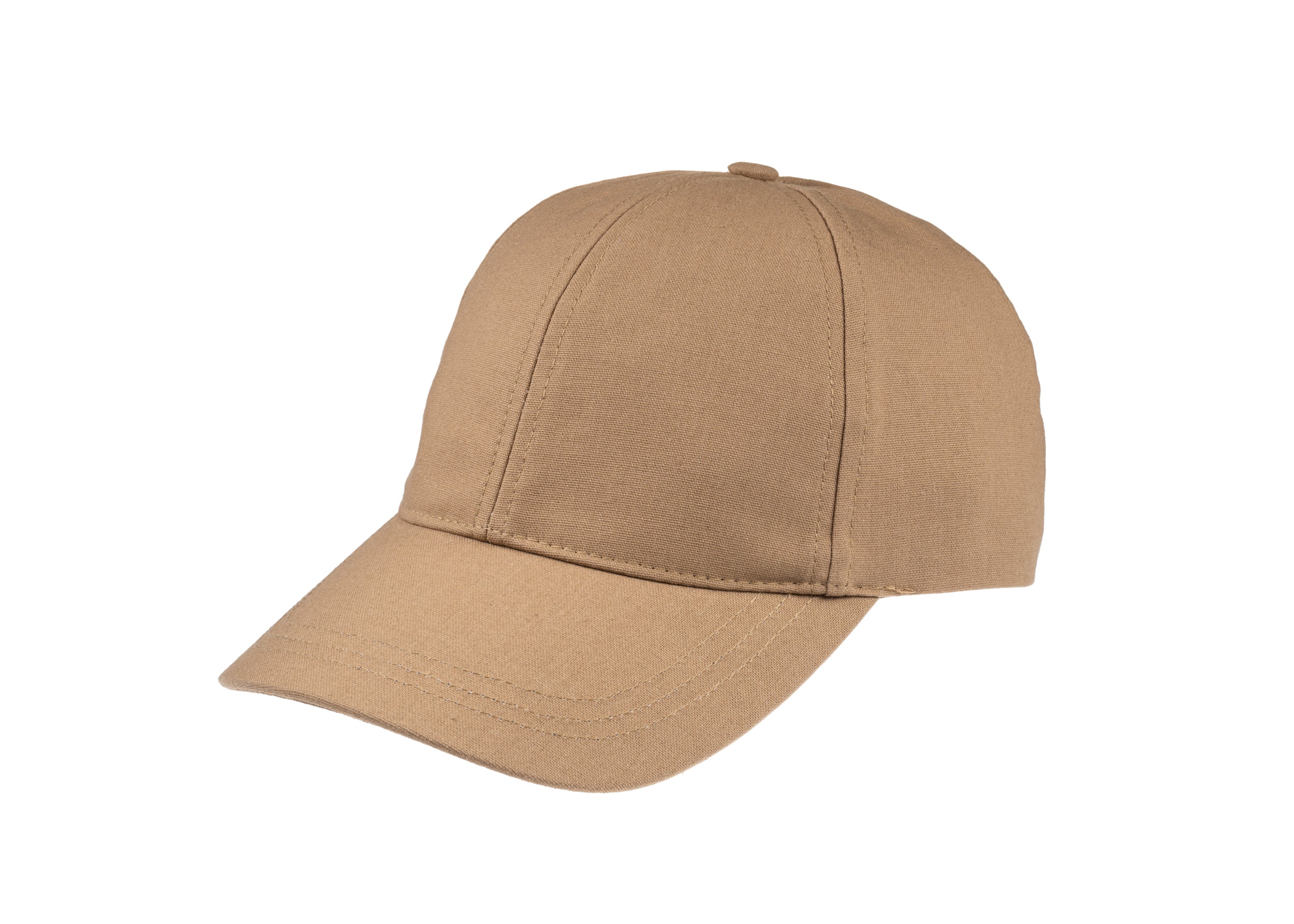
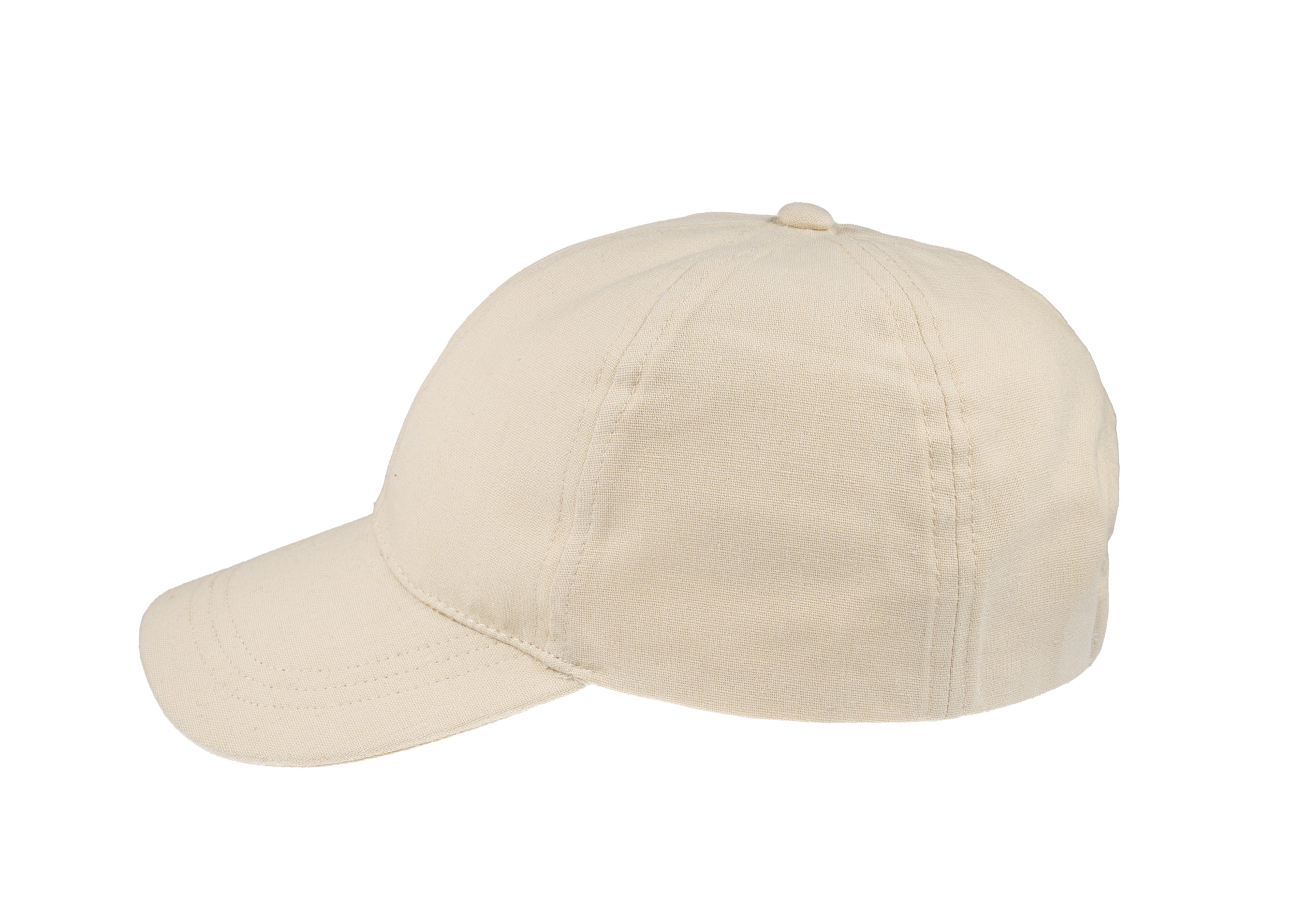
Choose a breathable wool‑linen cap for longer‑lasting colour.

How to manage wear to protect the felt pile and encourage patina
Printed tartan carries its pattern on the surface, so abrasion removes pigment and leaves a flattened appearance. Woven tartan embeds colour in each yarn; as the cloth wears, underlying threads show through and the fabric acquires a gradual, textile-friendly patina. A short diagram or photo sequence makes this distinction tangible: surface loss in printed cloth strips pigment from fibres, whereas worn woven cloth reveals thread-level fraying and a soft sheen. To check a garment, brush along the nap and inspect seams and fold lines for early crushing. Practical care is simple: brush gently with a soft clothes brush, avoid folding repeatedly on the same line, and store garments on padded hangers or rolled blankets to keep the pile responsive to light and touch.
When cleaning, test an unseen area first. For fresh spills, gently blot with cold water and a neutral soap, avoiding vigorous rubbing and keeping mechanical agitation to a minimum. Where practical, relax and reset the pile by steaming from a short distance; avoid aggressive washing, which accelerates pilling and fibre loss. Reduce predictable friction at cuffs, elbows, collar edges, and seat seams with discreet patches, internal shields, or strengthening stitches. Use invisible darning or reweaving as conservation techniques to restore integrity while preserving the woven pattern. Rotate garments, alternate upholstery covers, and allow gentle, real-world wear to develop a pleasing patina: a softened hand, mellowed contrast between yarns, and an even sheen along movement lines. For extensive reweaving or historic pieces, consult a textile specialist.
Practical steps to protect pile and encourage natural ageing
- Handle and store to prevent surface loss: brush along the nap to check for crushed areas before they become worn, avoid folding on the same line repeatedly, hang garments on padded hangers or roll blankets for storage, and control light and humidity to slow pigment fading and fibre breakdown.
- Adopt a gentle cleaning routine: test an unseen area, blot spills with cold water and a neutral soap rather than rubbing, keep mechanical agitation to a minimum, and use a short-distance steam to lift the fibres and smooth the nap instead of aggressive washing that accelerates pilling and colour loss.
- Reinforce high-friction zones discreetly: add internal shields or strengthening stitches at cuffs, elbows, collar edges, and seat seams, and use discreet patches where appropriate to reduce predictable abrasion while keeping the visual pattern intact.
- Choose conservation techniques that match your aim: use invisible darning or local reweaving to restore integrity without disrupting the weave, rotate garments and upholstery covers to spread wear and encourage an even, textile-friendly sheen, and consult a textile specialist for extensive reweaving or for historic pieces.

How to block and reinforce tartan for hat shaping and stress points
To test suitability for moulded headwear, remember that woven tartan gains its durability from the interlaced warp and weft, which distribute abrasion and resist distortion rather than merely sitting on the surface as a printed layer. A simple pull-and-steam test makes the difference visible: cut two matched swatches, apply equal tension, steam them, then compare thread alignment and any pattern shift. The woven structure will hold its form; printed cloth is more likely to show distortion. That direct, repeatable comparison is a practical way to judge fabric for moulded headwear.
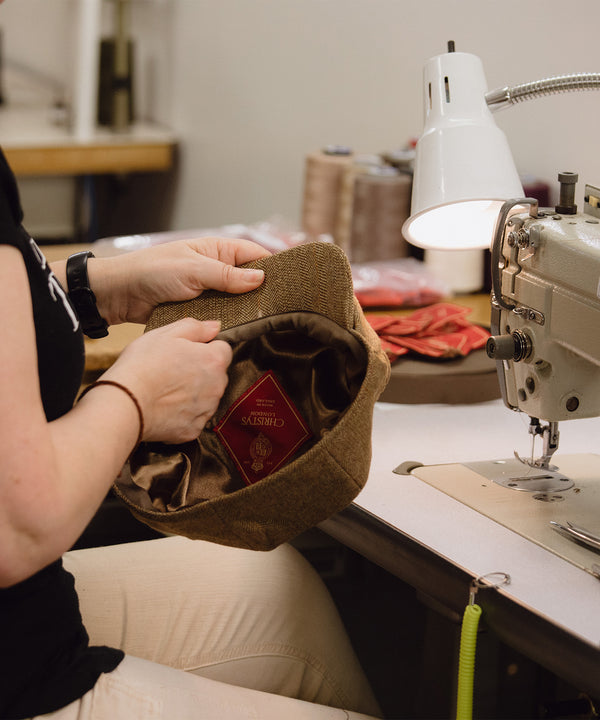
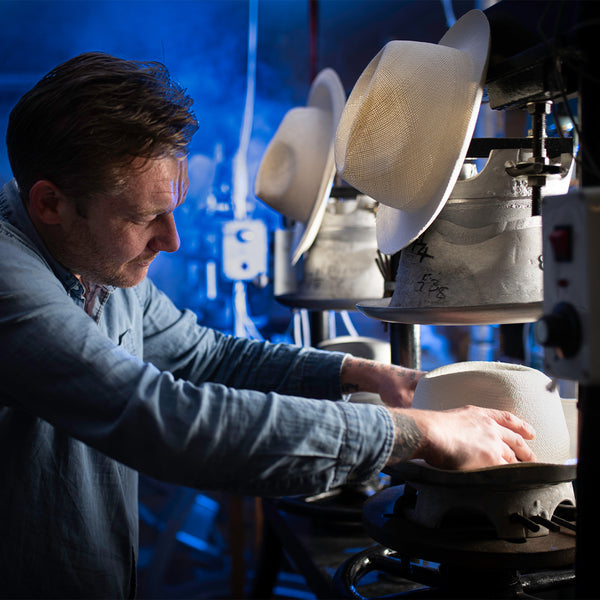
When shaping hats, wet-block or steam-block over a wooden or metal hat block, and introduce form gradually. Allow the cloth to dry on the mould so the weave sets and seam puckering is reduced. Woven tartan has greater dimensional stability, so it maintains pattern registration across crown and brim joins when panels are cut on the straight of grain and repeats are matched at the seams. Reinforce stress points with a lightweight canvas or twill underbrim, stitch stay tape across crown seams, and use bartacks or box stitching where the sweatband meets the shell; woven yarns accept these interventions without the surface delamination sometimes seen on printed finishes. Finish with internal supports such as horsehair canvas or wadding, and a lining that has a small degree of give so the hat moves with the weave. In practice, adhesives and sewn reinforcements behave more predictably on woven surfaces than on printed ones.
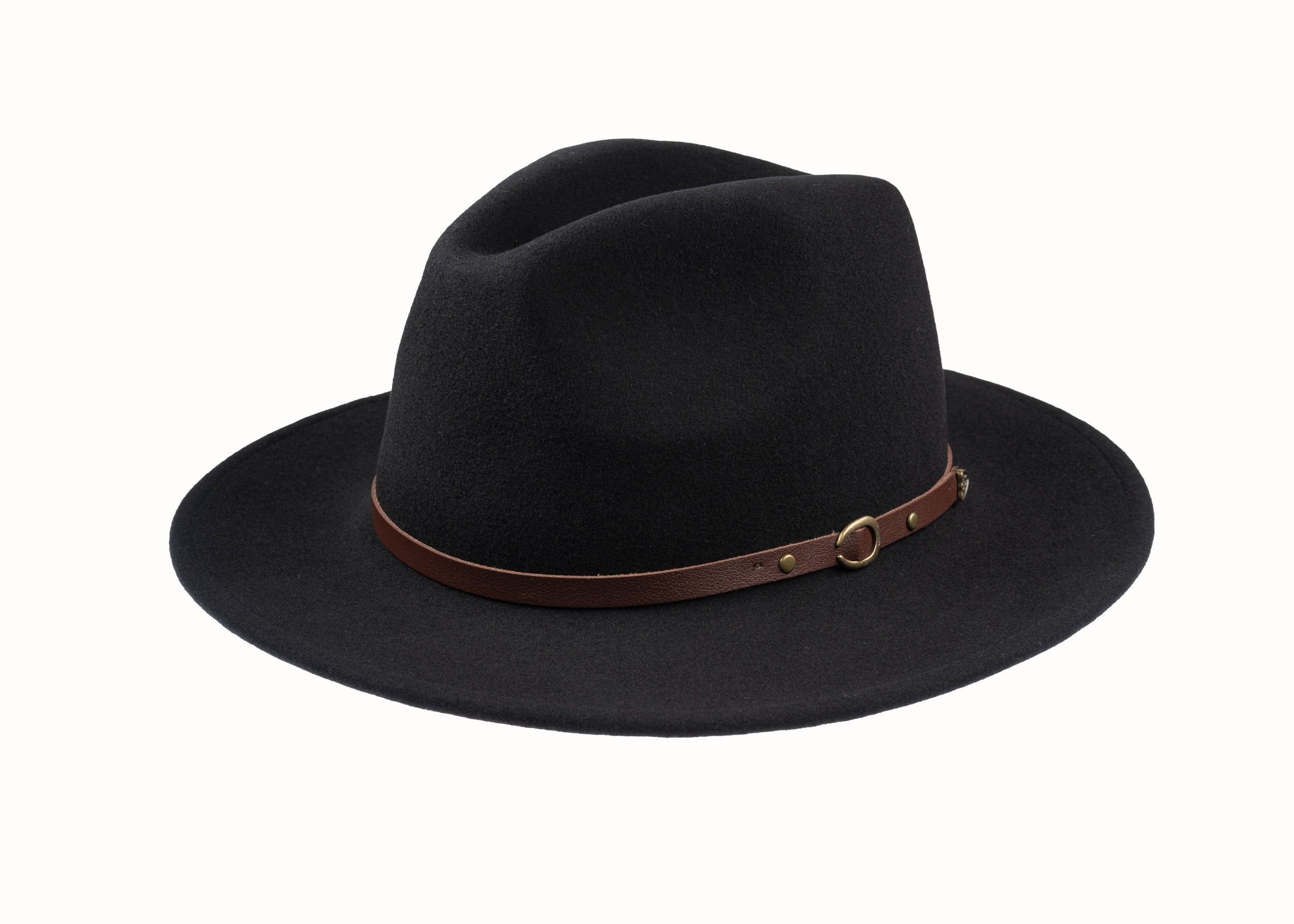
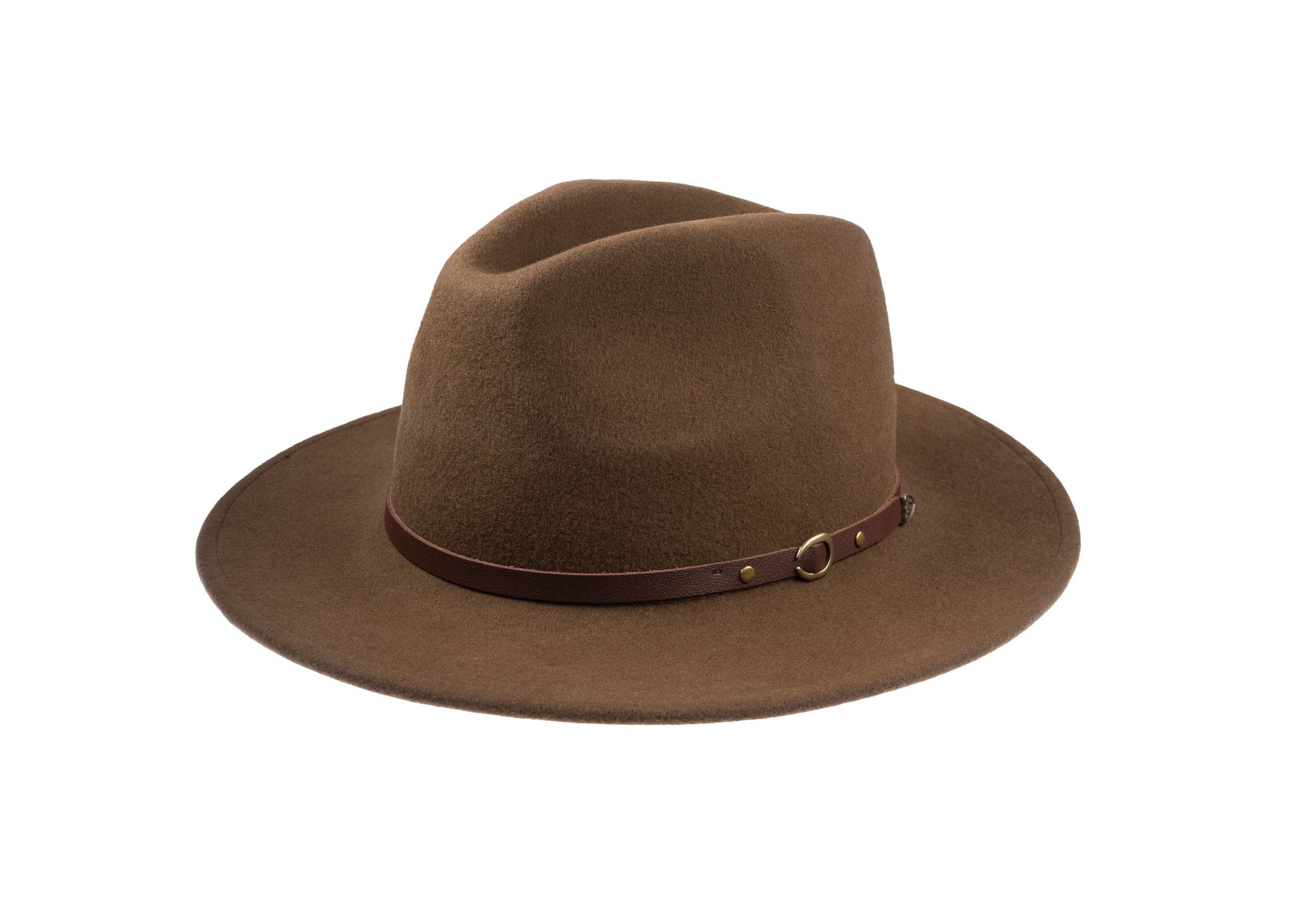
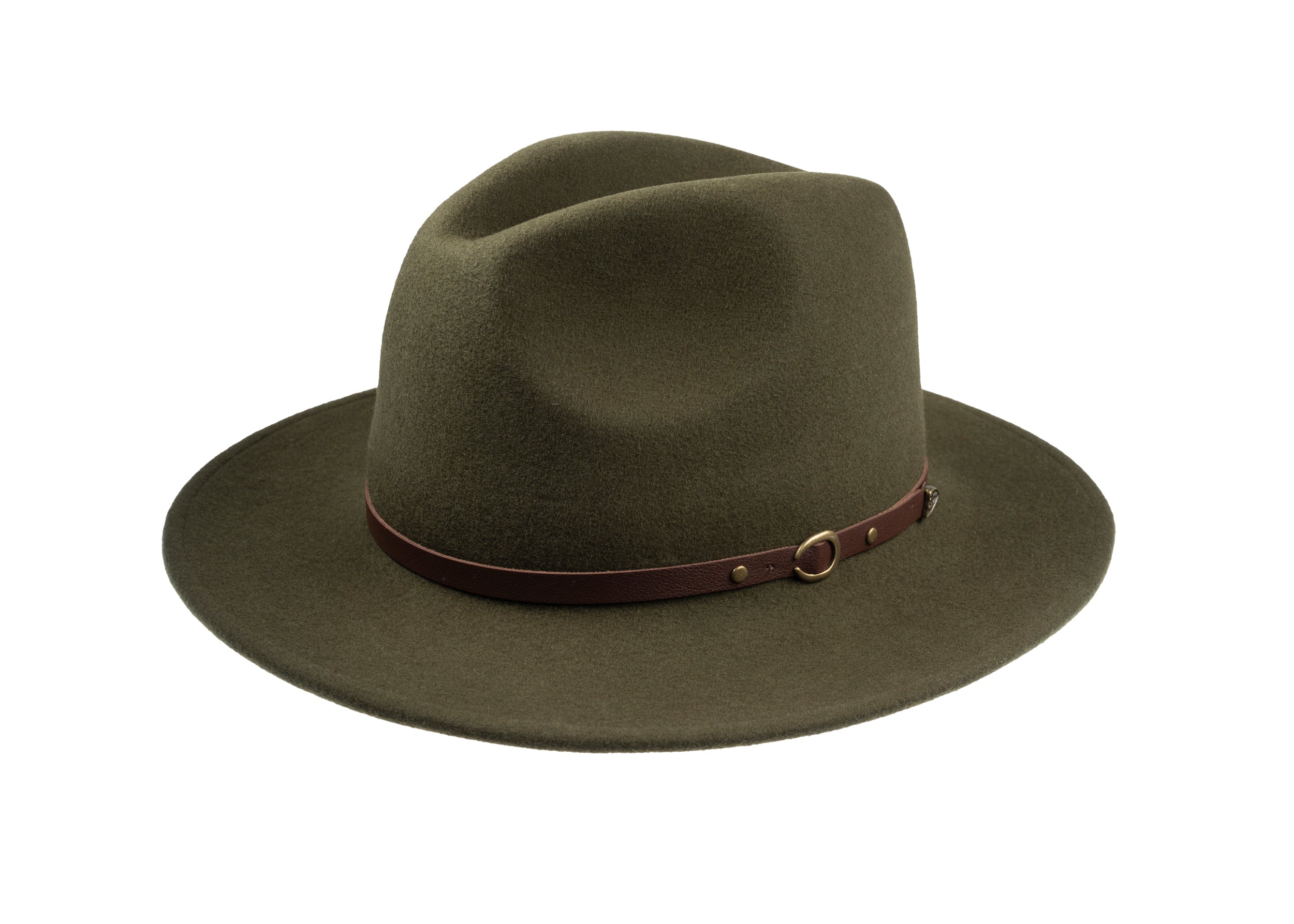
Choose a fully blocked felt hat for lasting shape.

How to clean and repair tartan to preserve its appearance
Because cleaning and repair depend on structural differences between constructions, note that woven tartan is yarn-dyed, so the sett, the tartan's pattern, runs through each thread. Printed tartan carries pigment only on the surface. Under magnification, woven cloth shows colour embedded in the fibres, while printed cloth reveals a paint-like layer that can rub off, crack, or fade. Because abrasion must remove whole fibres before a woven pattern fails, woven tartan tolerates wear better in practice. Those structural differences point to practical care priorities: favour mechanical cleaning over chemical treatments where possible, avoid solvents, and limit surface abrasion to preserve thread definition and keep the sett legible for longer.
Treat spills at once. Blot from the outside of the mark toward the centre, test any detergent on an inside seam first, rinse until the water runs clear, and dry flat. Prompt, careful attention reduces the risk of dye migration in yarn-dyed fabrics and preserves the clarity of the sett better than vigorous scrubbing. For laundering, hand wash or use a delicate cycle with a neutral detergent, avoid hot water and strong agitation, and reshape garments while damp. Do not tumble dry or expose to high heat, which can relax fibres, misalign the sett, and increase abrasion; finish, if required, with a low-heat press through a cloth. Extend the life of the cloth by reinforcing high-wear points along the weave: use invisible darning or reweaving for small holes, keep a sample of matching yarn for future mends, and maintain the surface with a soft brush. Rotate wear, store garments breathably folded along the sett with natural moth deterrents, and remove grit promptly to reduce repetitive stress.
To recap, woven tartan endures because colour is fixed in the yarn, and the interlaced warp and weft (warp refers to the lengthwise threads, weft to the crosswise) distribute abrasion across many crossing points. That structure causes little visible pigment loss and allows a gradual, textile-friendly patina to develop rather than abrupt surface wear.
Choose yarn-dyed, fulled cloth, reinforce seams subject to the most strain, and adopt gentle cleaning and reshaping routines to keep the tartan's sett (the pattern) clear and the fabric stable. Together, these practices extend the cloth's life and allow it to develop a mellow sheen and even wear that reward local mending and careful stewardship.
What makes woven tartan more durable than printed tartan?
Yarn dyeing colours each warp and weft thread through their core, and the interlaced warp and weft spreads abrasion across many crossing points, so wear removes fibres gradually rather than stripping a surface pigment layer.
How should I care for woven tartan to preserve colour and pile?
Blot spills with cold water and a neutral soap, keep mechanical agitation to a minimum, steam from a short distance to relax and reset the pile, avoid direct sunlight when drying, and iron on the reverse to protect the sett and dye.
Can woven tartan be repaired if it starts to wear or develop holes?
Yes; small defects respond well to invisible darning or local reweaving, and preventative measures such as reinforced selvedges, stay stitching, and keeping a matching yarn sample make repairs easier and preserve the pattern.
How can I test a tartan sample for colourfastness before I buy it?
Request swatches, inspect a cut yarn end or selvedge under a loupe to check for colour through the thread, rub a damp white cloth to test crocking, and launder a sample to judge washfastness and lightfastness.
When making shaped items like hats, how should I block and reinforce the tartan?
Wet or steam block gradually on a hat block and let the cloth dry under the mould to set the weave, cut panels on the straight of grain and match repeats, and add lightweight canvas underbrims, stay tape, and bartacks at stress points for predictable reinforcement.