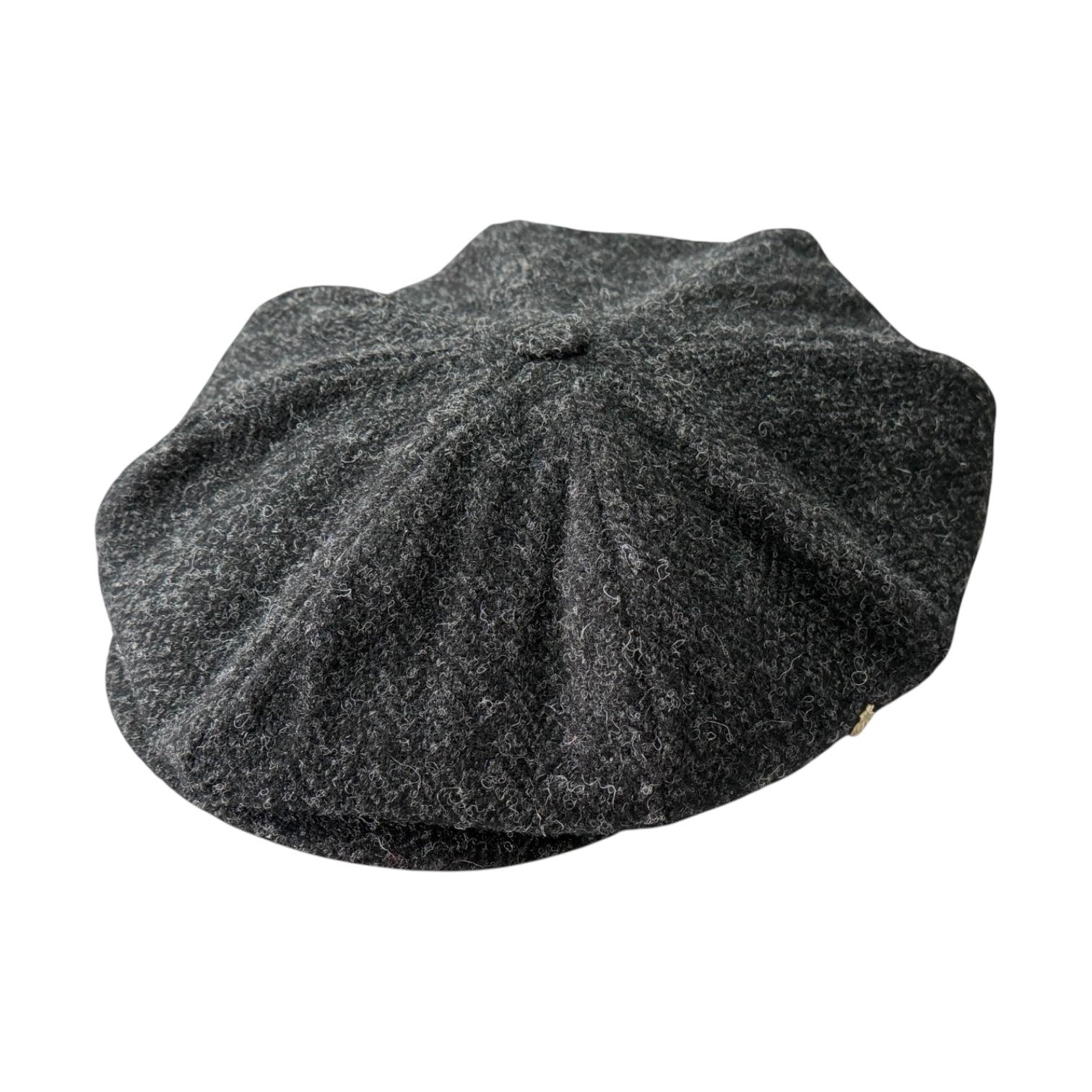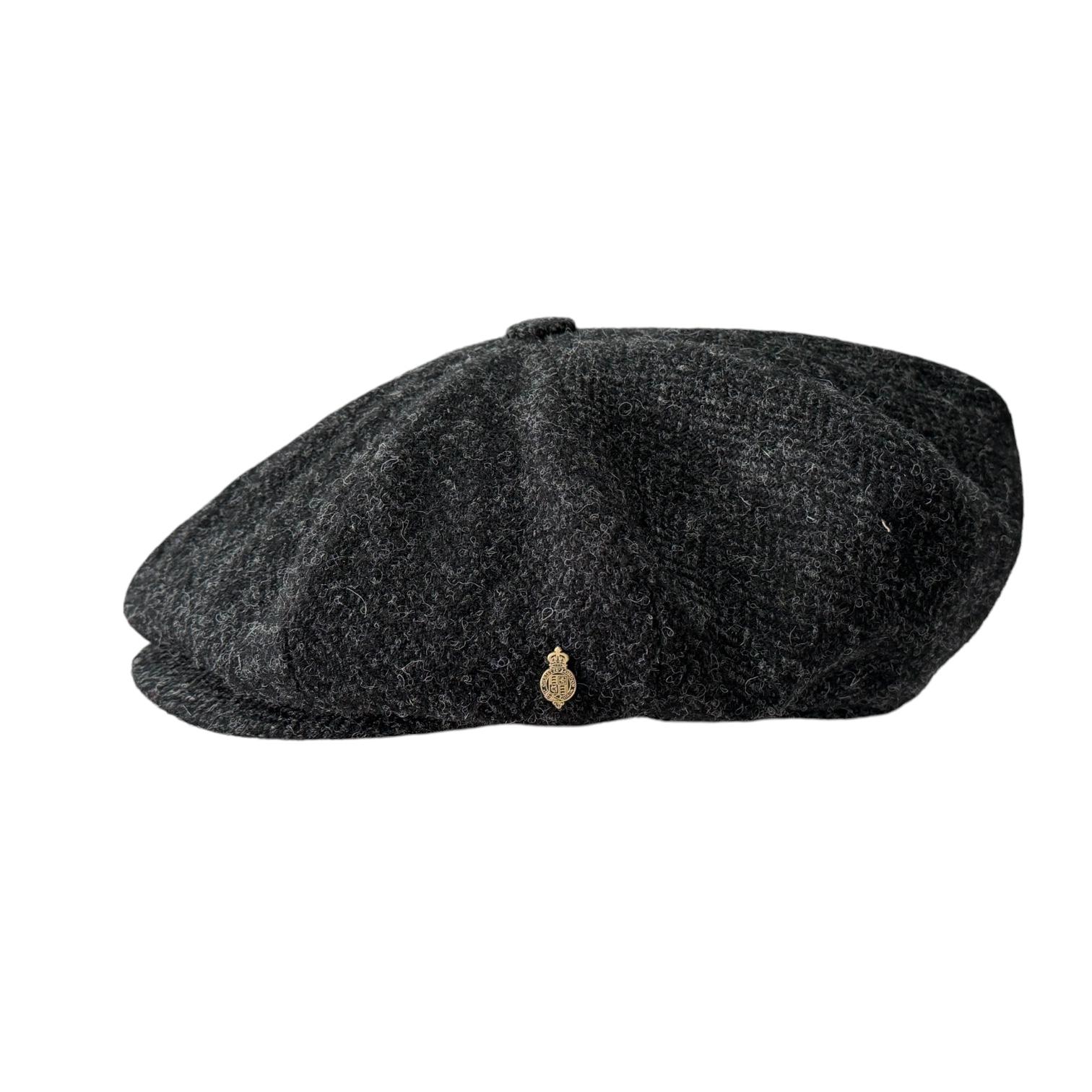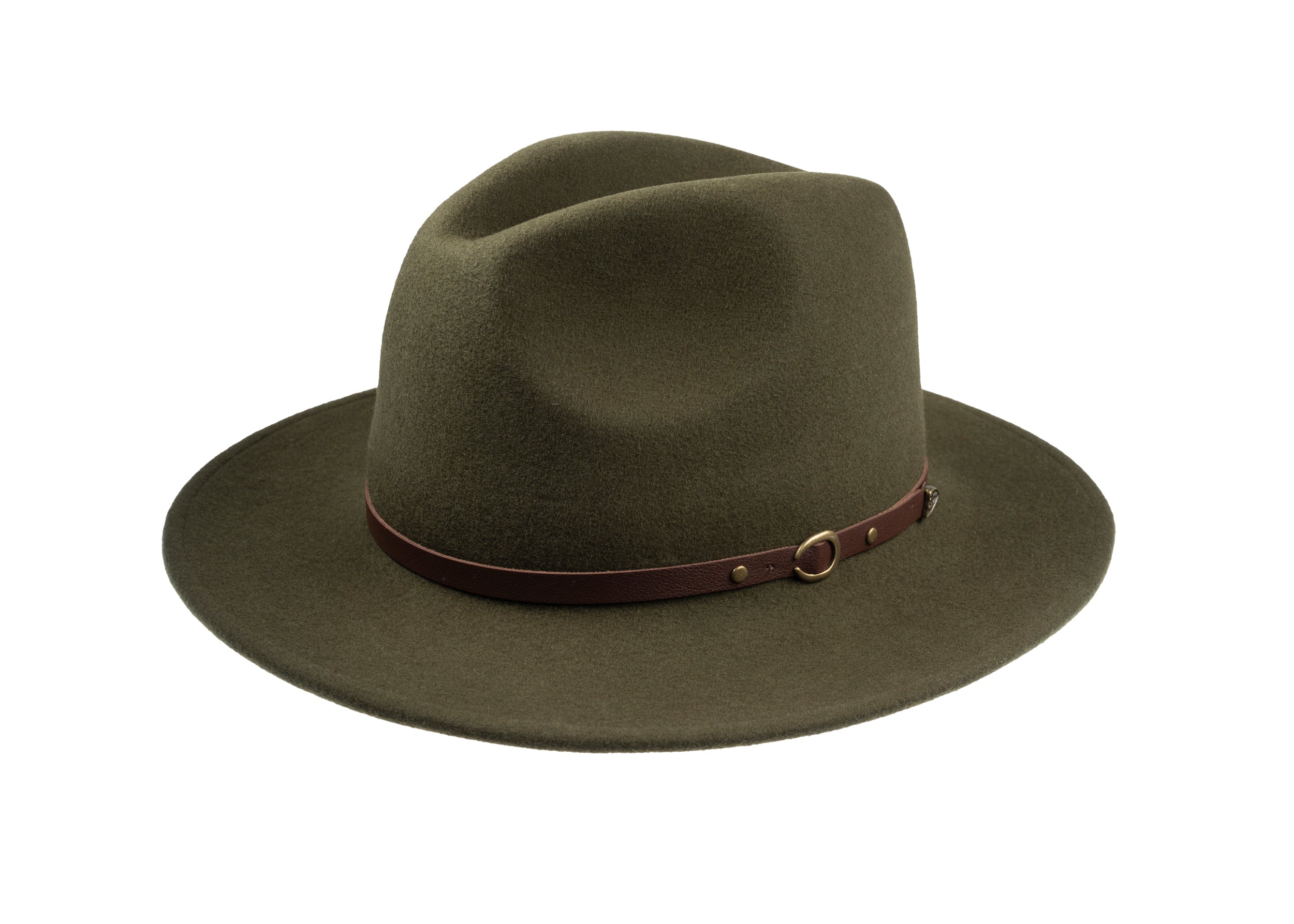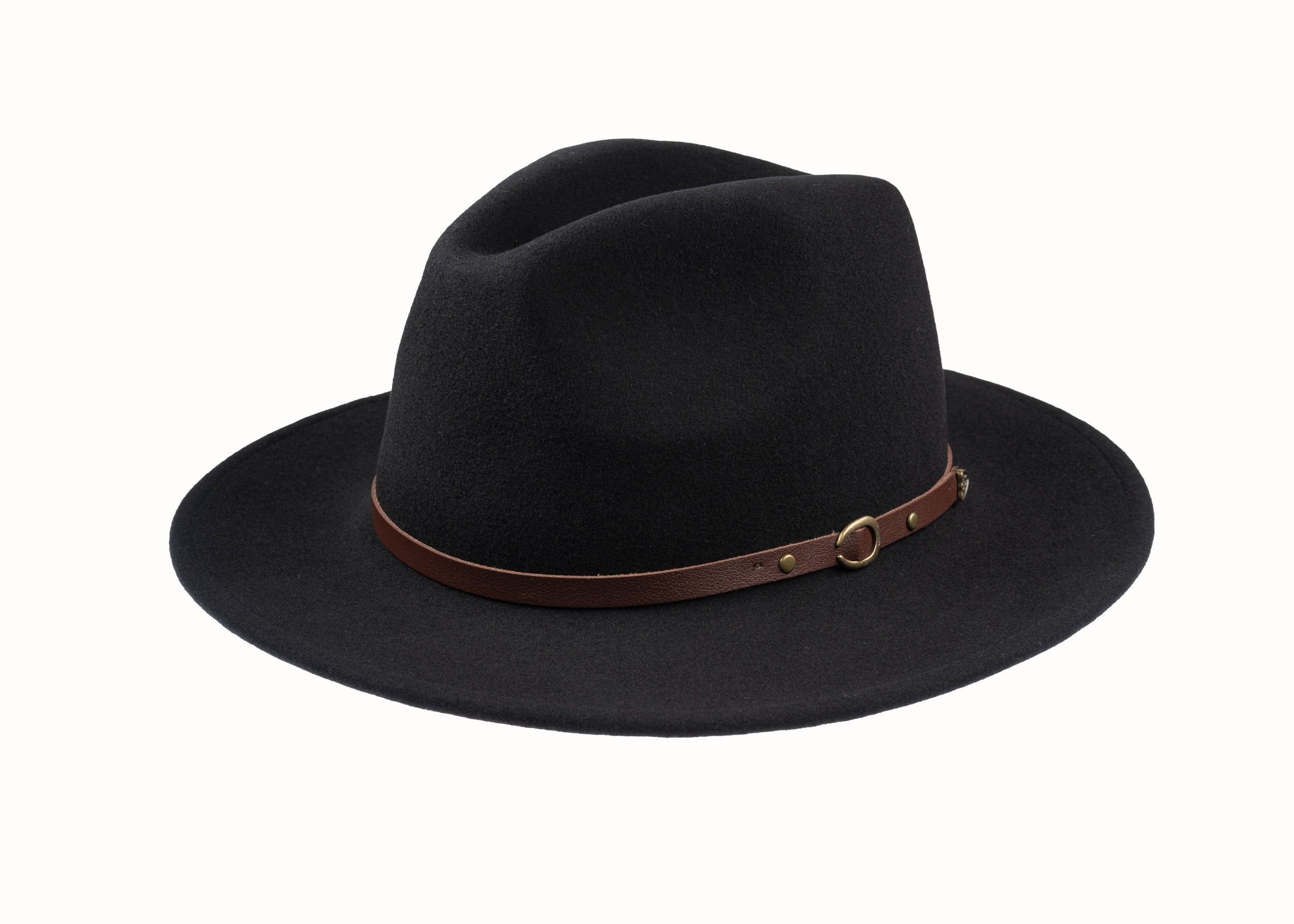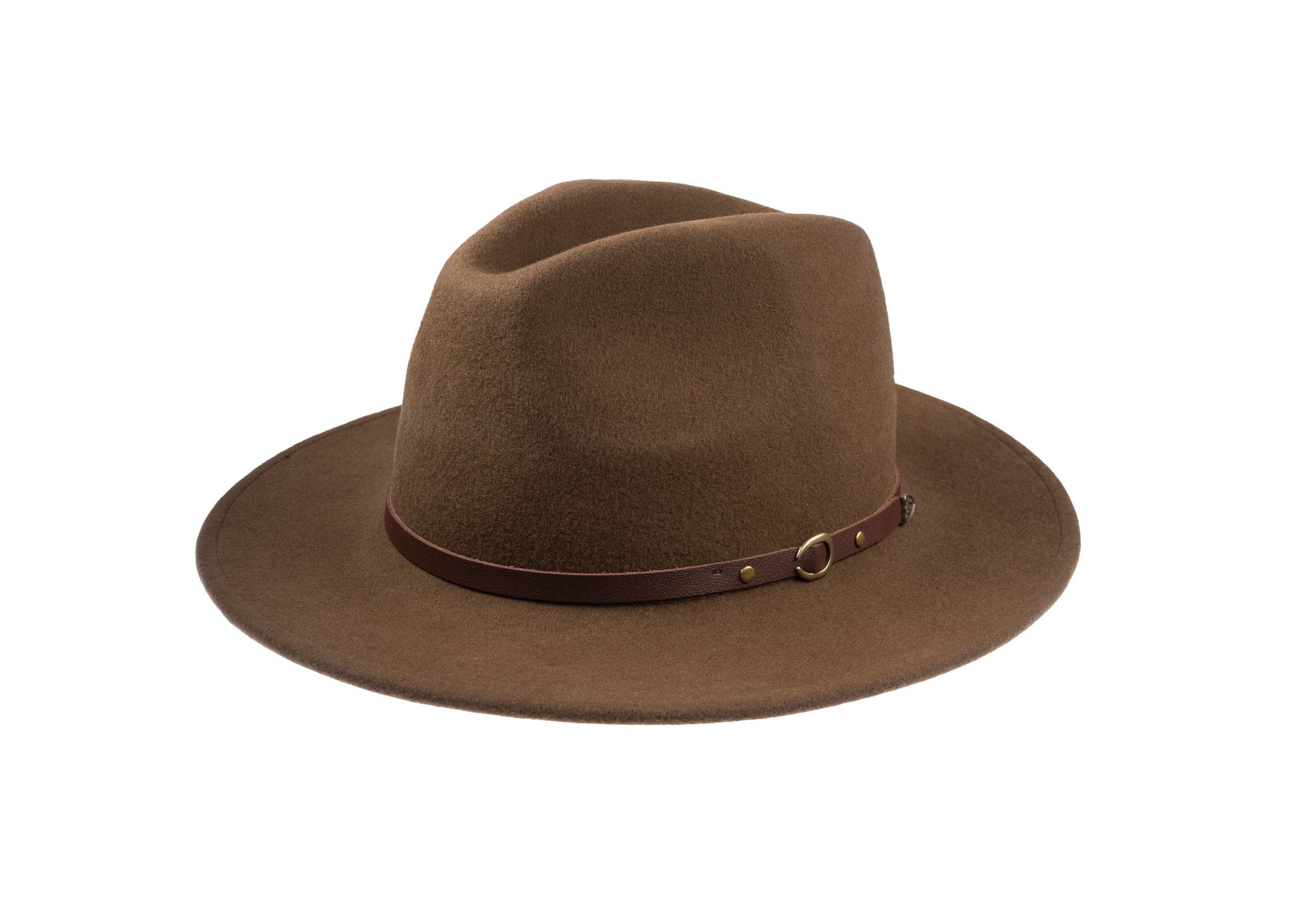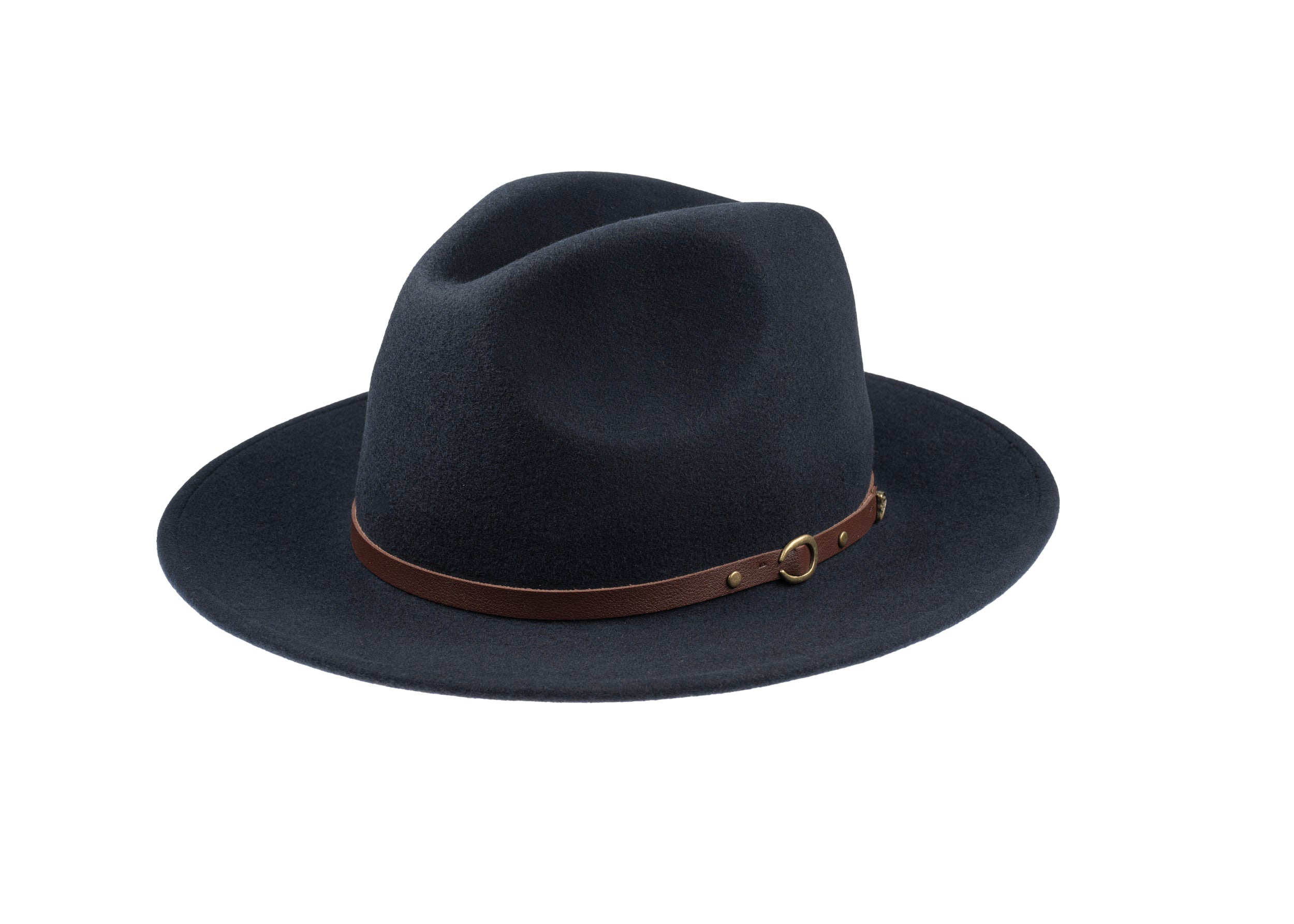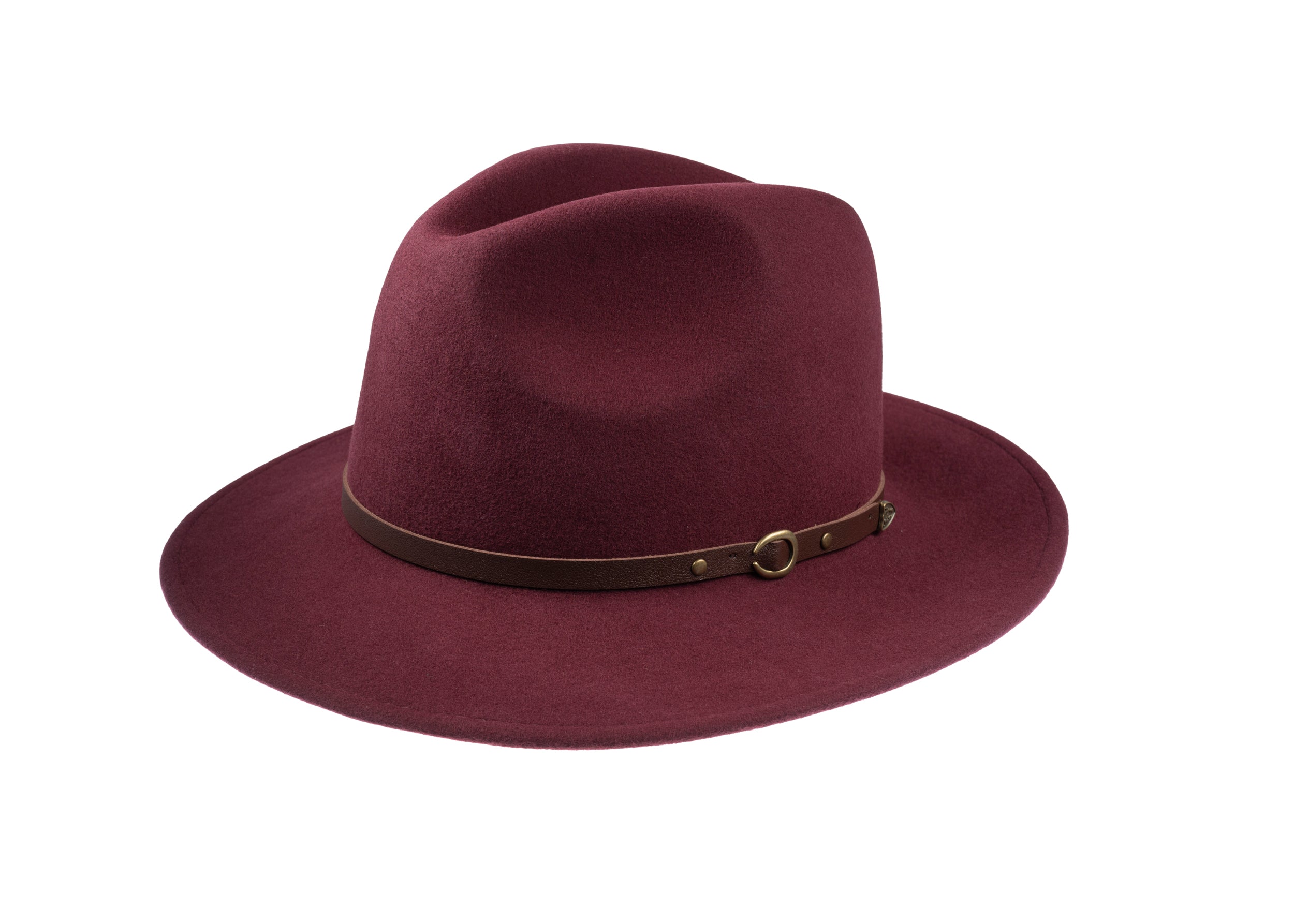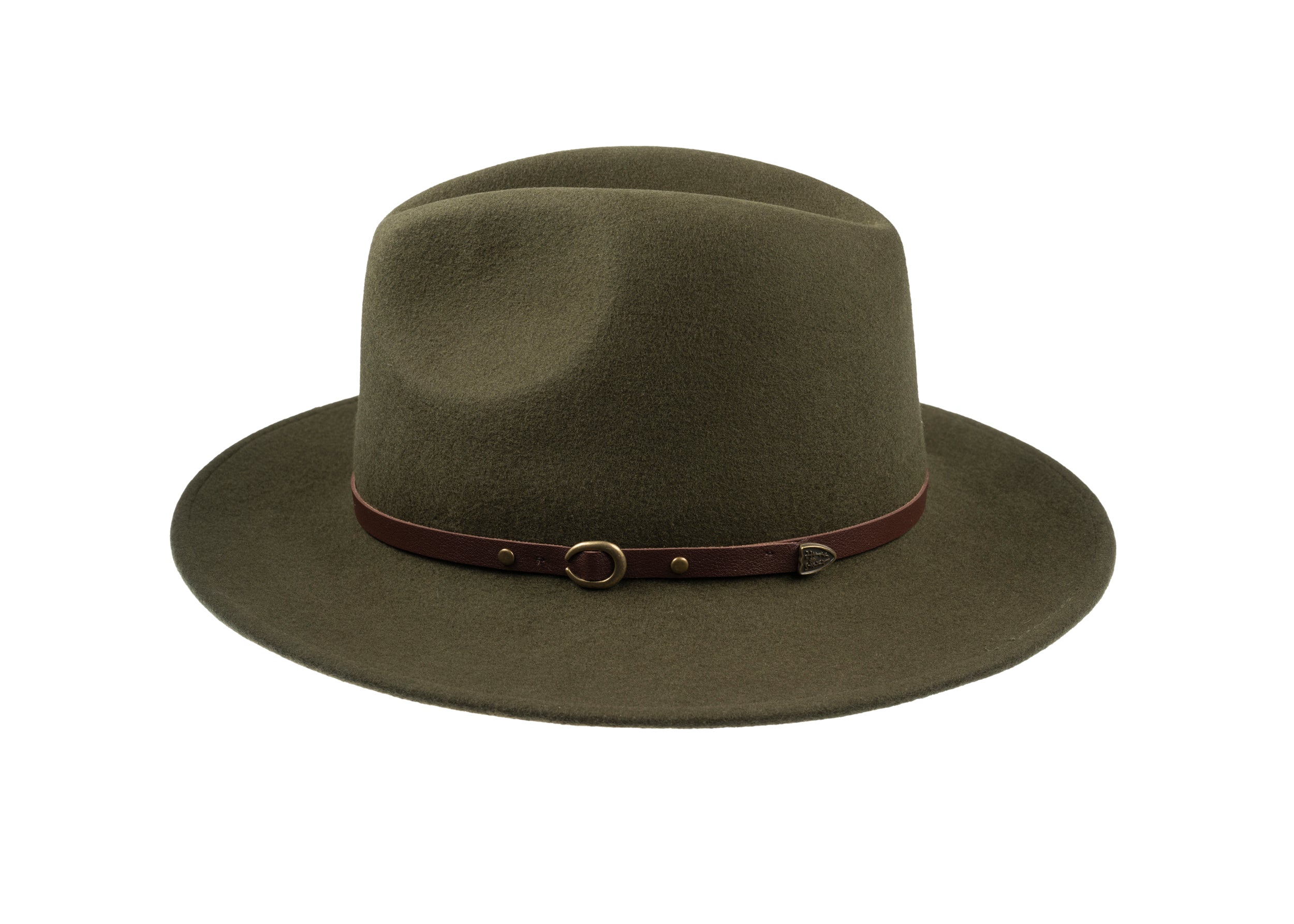

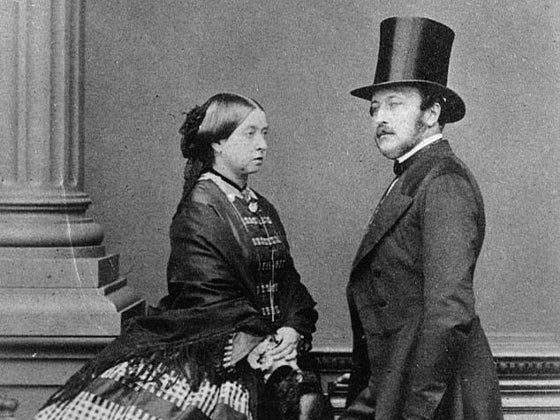




A Homburg can lend a composed finish to an outfit or unsettle its balance, depending on how it sits with your face, proportions, and bearing. A hat may look right on the shop stand yet feel at odds when worn; brim width, crown height, and trim should be chosen to suit the wearer and the occasion.
This guide explains how to assess your face, frame, and carriage, and then tailor a hat's proportions, materials, and trim so it complements rather than competes. It offers practical advice on fit, posture, formal styling, and upkeep, enabling you to wear a Homburg with quiet confidence, whether at a country gathering or a formal reception.

Assess your face, frame, and carriage for a considered hat fit
Begin by mapping your face and head proportions in a mirror and with front, three-quarter, and profile photographs. Note forehead height, cheekbone width, and jawline; crown height and brim width alter perceived facial planes. A taller crown will lengthen a round face, while a lower crown can temper an elongated one. A modest brim softens a strong jaw without obscuring the eyes. Observe how small tilts and posture change the effect: a slight forward tilt reduces perceived height and draws attention to the face, whereas centred, level wear appears more formal and authoritative.
Stand back and regard yourself full-length. Compare brim width to shoulder breadth and consider torso length: narrower shoulders favour a sleeker brim, while broader shoulders suit a slightly wider one. Taller frames can carry a taller crown or broader brim; shorter frames benefit from more restrained proportions so the hat does not overwhelm the silhouette. Test the fit in motion by looking up and down, turning briskly, and rising from a chair; any tendency to ride or slip indicates a need for a different size, altered internal shaping, or a revised sweatband. Take a full-length photograph and check how the brim and crown align with lapel width, collar height, and coat shoulder structure. Ask a trusted friend for a concise impression — often a small change in tilt, crown height, or brim width restores balance more effectively than an outright replacement.
Opt for a structured wool hat for arena-ready balance

Tailor proportions, materials, and trim to your frame and the occasion
Begin with a simple, practical check. Stand relaxed, measure from the hairline to the chin, and select a crown about half that length. If the brim throws a soft shadow across the brow without hiding the cheekbones, a Homburg will likely sit in proportion with your frame and posture. Let the crown rest at the natural temple line and keep the chin level, or very slightly lowered; a lower crown and a narrower brim visually shorten long faces and help those with forward head carriage appear more centred. If the hat shifts or intrudes on your sightlines when you walk, turn, or tilt, correct the fit or the sweatband rather than forcing a shape that undermines your poise.
Choose materials to suit the occasion and the climate. Midweight fur felt or a dense wool felt is appropriate for formal, all-season use, while a lighter, tightly woven felt breathes more readily in warm weather. For daytime, favour a matte finish and a narrow silk or grosgrain band; in the evening, a slightly glossier felt with subtler trim will read more naturally under artificial light. Match band width and brim edge to the scale of your lapel and collar: a wider brim balances peak lapels, a narrower brim complements slim lapels. A tonal band one or two shades darker than the crown helps maintain visual cohesion. To restore and protect a hat, steam-shape the crown, stuff the interior with tissue, and store it flat in a box or on a shelf. Finally, test how the hat behaves in motion; a correct fit and well-made internal linings should keep a Homburg steady.
Choose a close-fitting wool felt with internal adjustability.

Fit, posture, formal styling, and hat care
Measure your head with a soft tape at the fullest part of the skull, sitting just above the brows and ears. When you test a hat, it should sit one to two finger widths above the brow, with the crown contacting the head evenly; a hat that rocks or pinches usually indicates the wrong size or crown shape rather than merely a looser fit. Use carriage and angle to modulate presence. Keep the brim level for formal occasions, tilt it slightly forward to shorten the forehead and convey a more assertive bearing, and hold a level chin with relaxed shoulders so the hat frames the face rather than dominates it. Balance brim width and crown height against shoulder lines and lapels: slighter shoulders suit a shallower crown and modest brim, while broader frames can carry a fuller crown and wider brim. Contrasts in colour or texture will draw the eye up or down the silhouette, so consider them when choosing proportion.
Choose construction and material to suit the intended use and climate. Denser felts hold crisper creases and recover from rain more readily, while lighter felts and unlined crowns breathe in warm weather. Inspect the internal sweatband for stitching and substance: a properly made sweatband controls slippage, absorbs moisture, and helps preserve the fit and lining. After wear, brush with the grain of the nap and allow the hat to air thoroughly before storing it on a shaped form or in a hat box. Keep the hat away from direct heat and prolonged humidity, both of which soften brims and can collapse crowns. Small distortions often respond to careful steaming; persistent deformation should be returned to a competent hatter for reblocking, which restores shape without eroding the original proportions.
A well-chosen Homburg balances face, frame, and carriage so the hat supports your presence rather than competes with it. Use photographs to check proportions, observe the hat in motion, and set the crown, brim, and band in line with your shoulders and lapels so that balance becomes repeatable.
Use the headings as a simple checklist: assess face, frame, and carriage; tailor proportions, materials, and trim; and perfect fit, care, and upkeep to refine your choices with purpose. Attend to these elements, and the hat will read as deliberate, comfortable, and enduring, signalling a measured, assured presence when you opt for a Homburg.