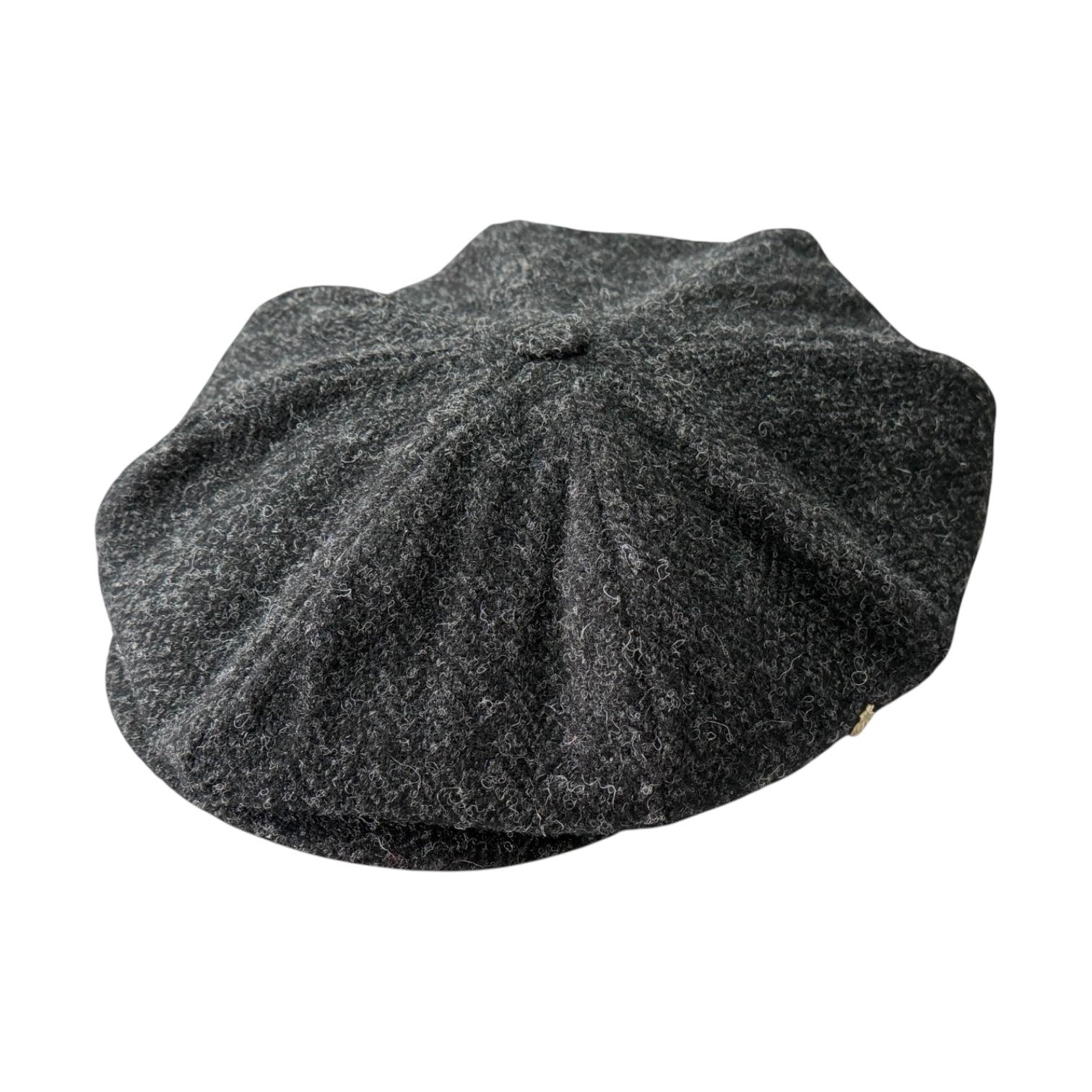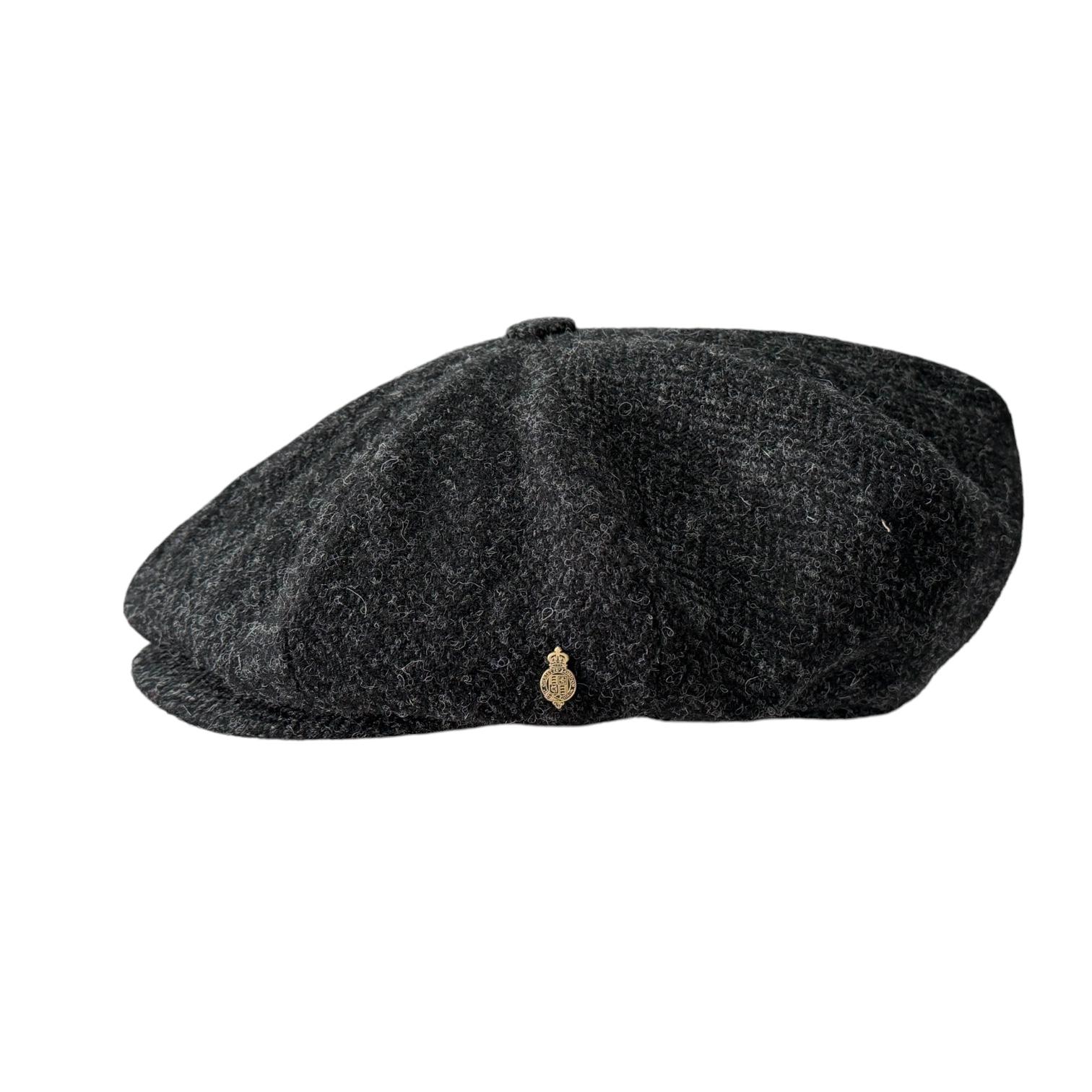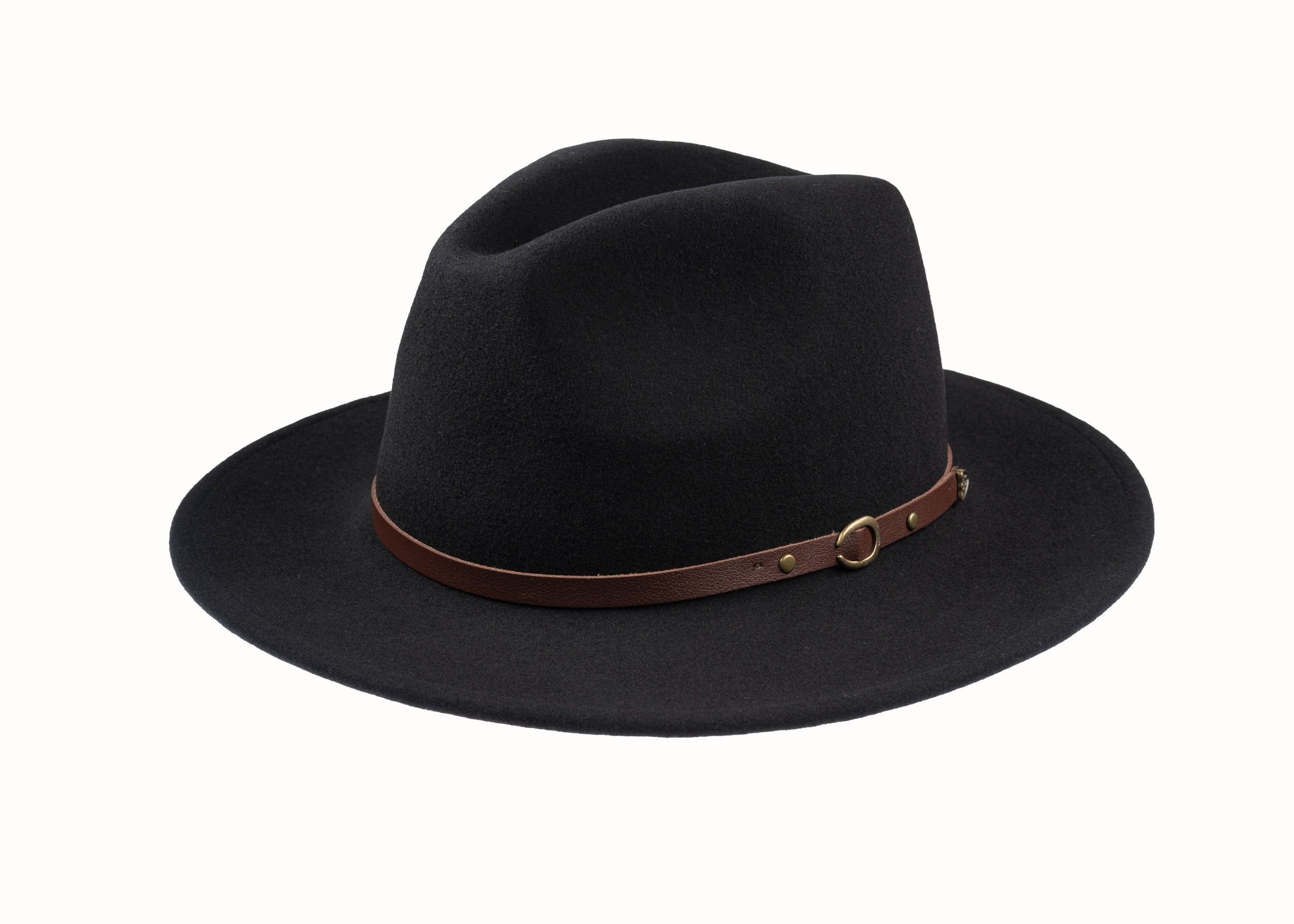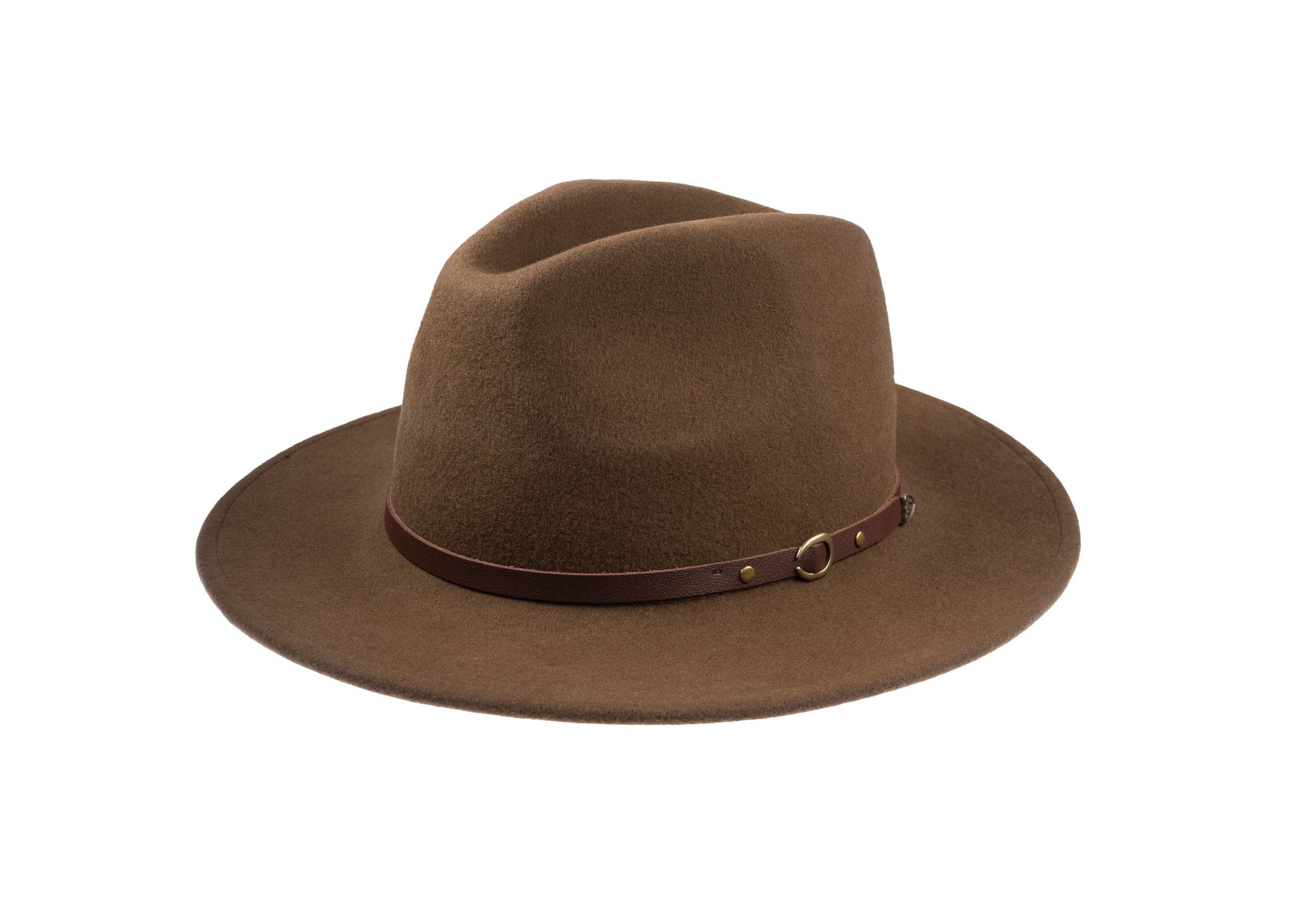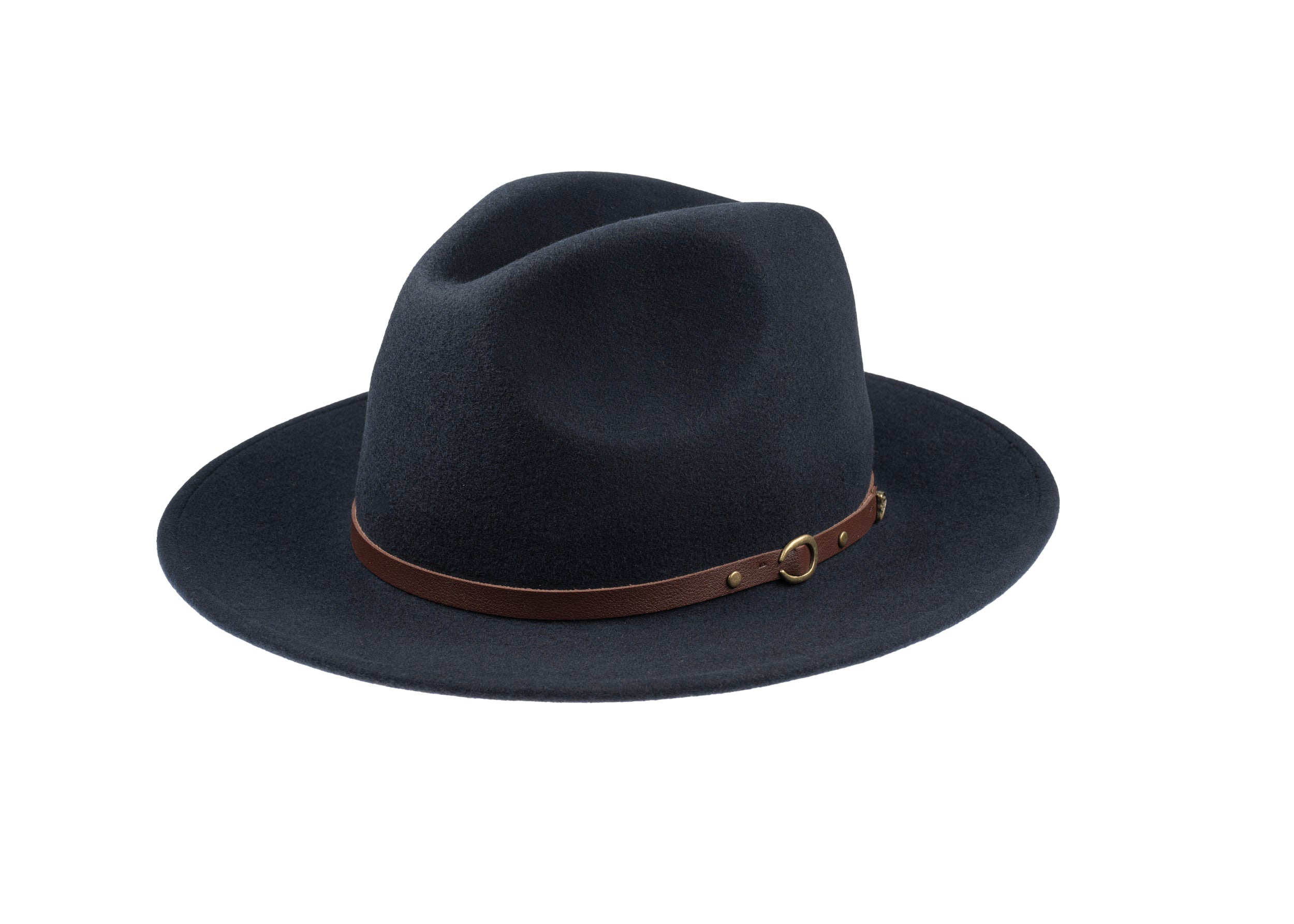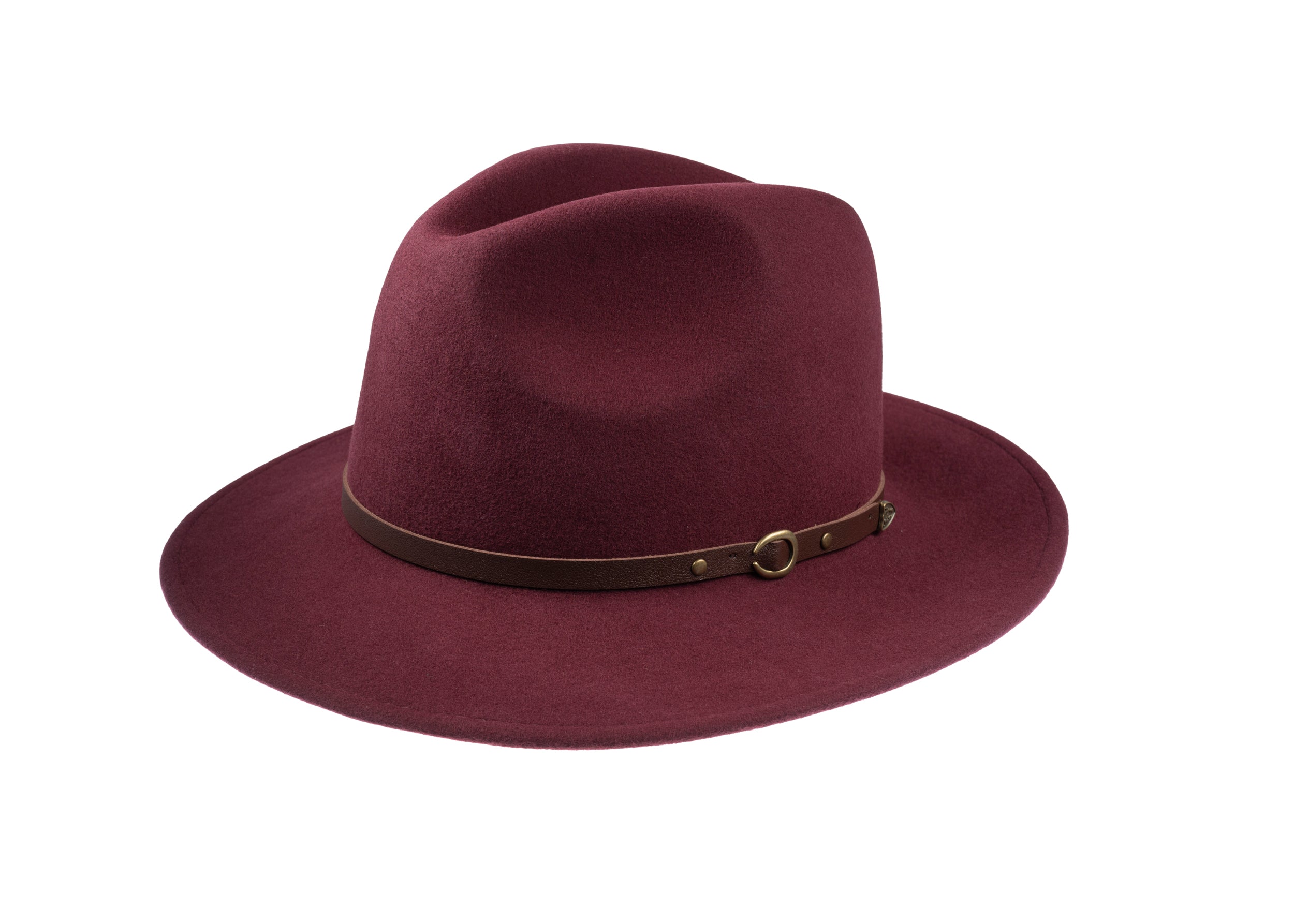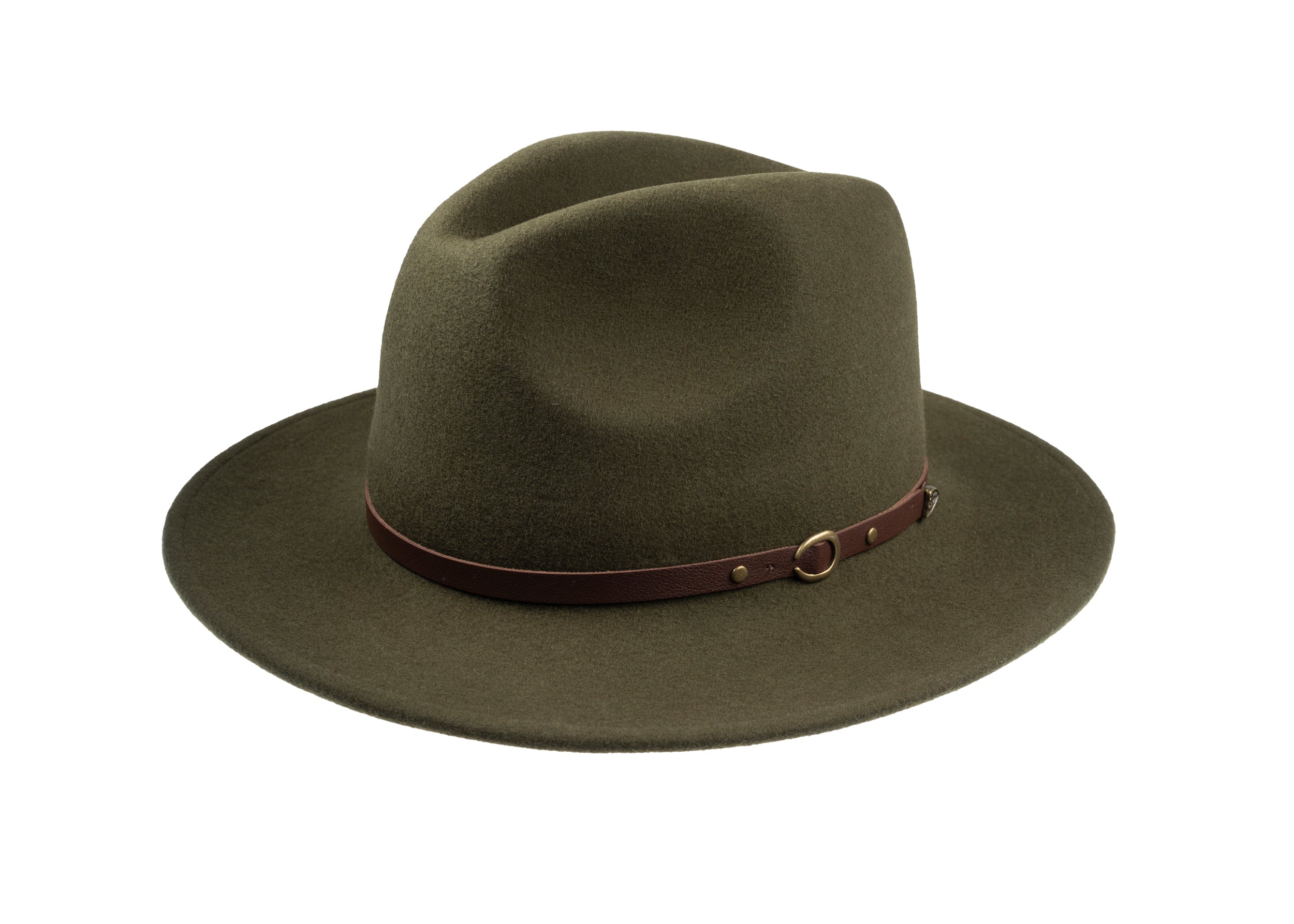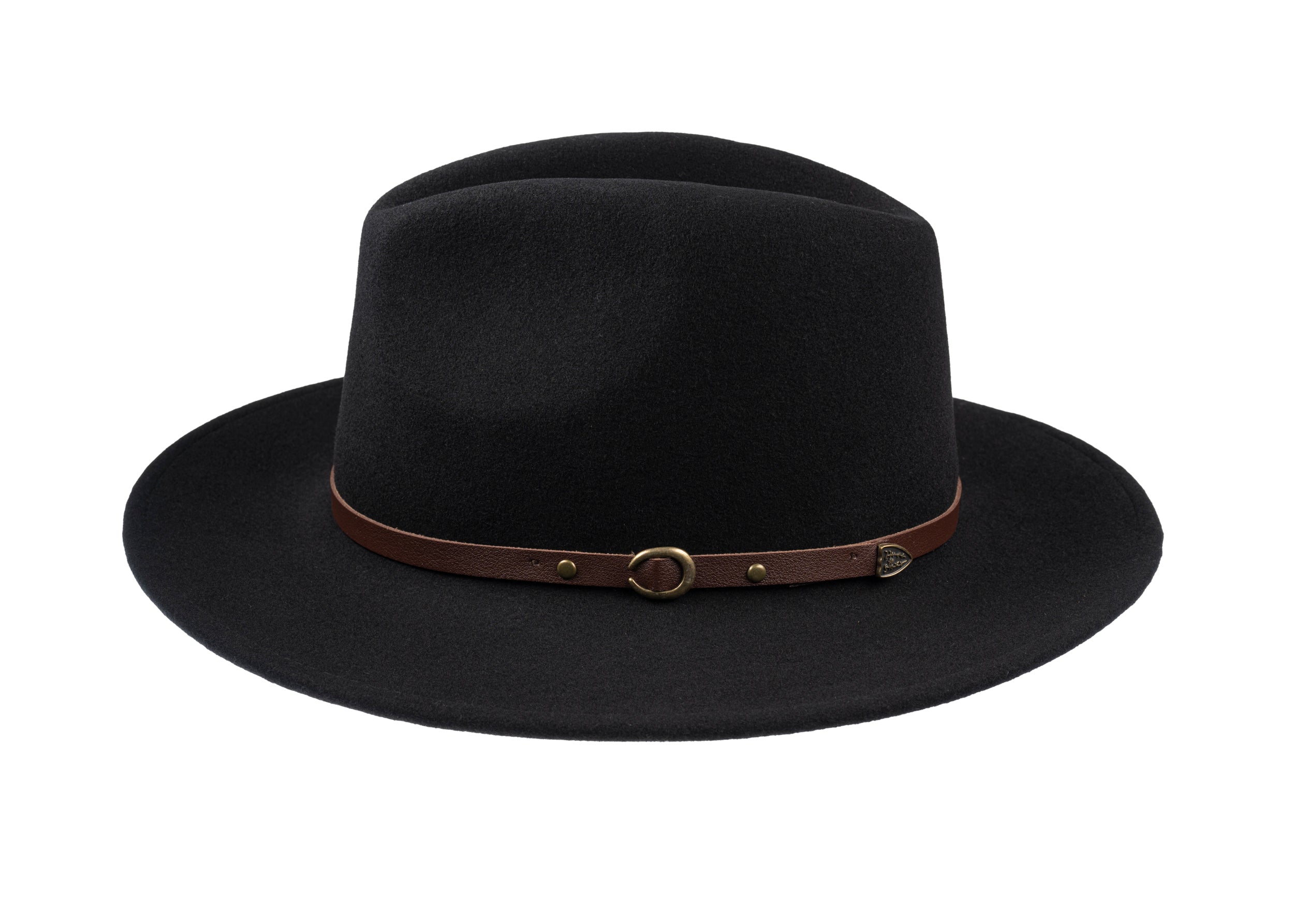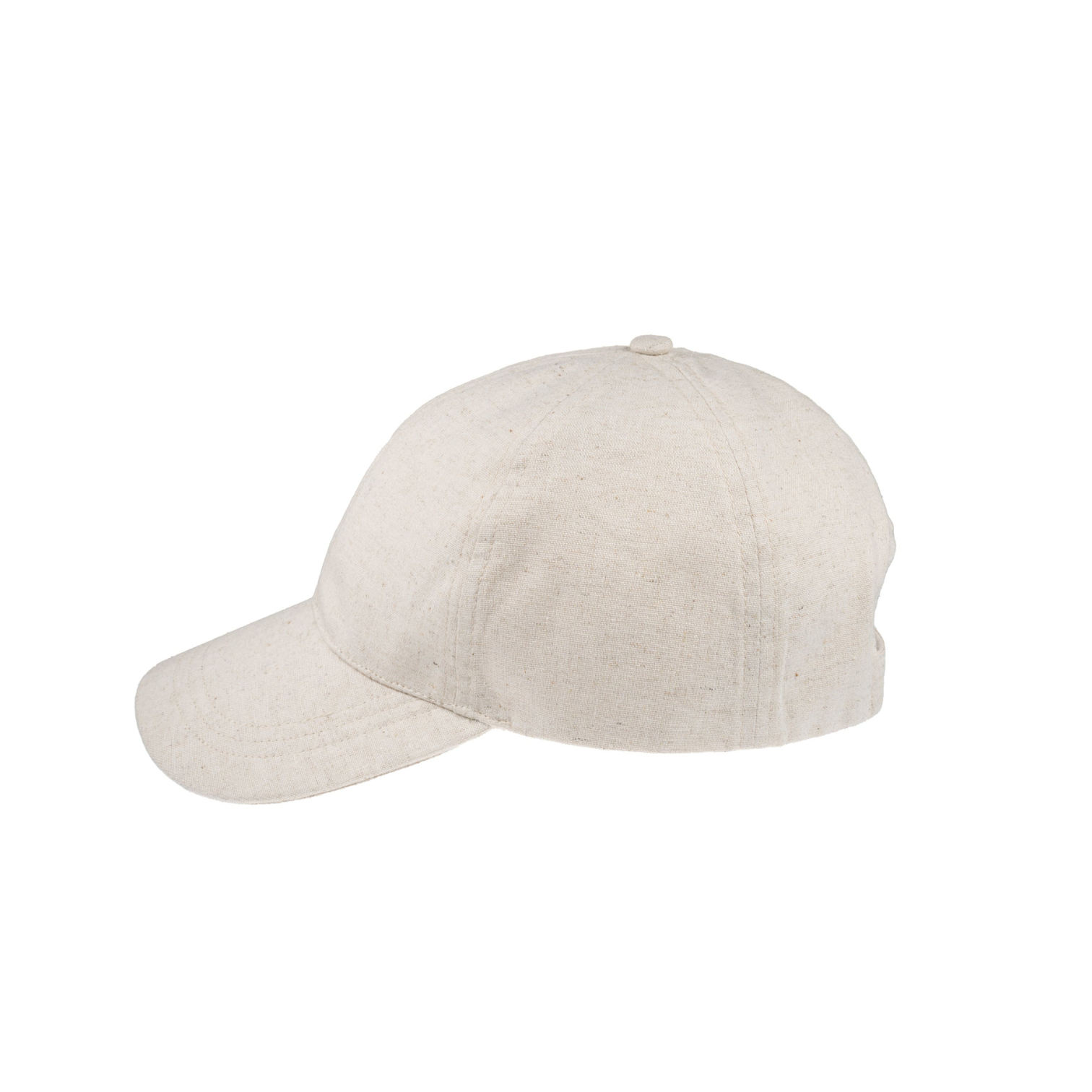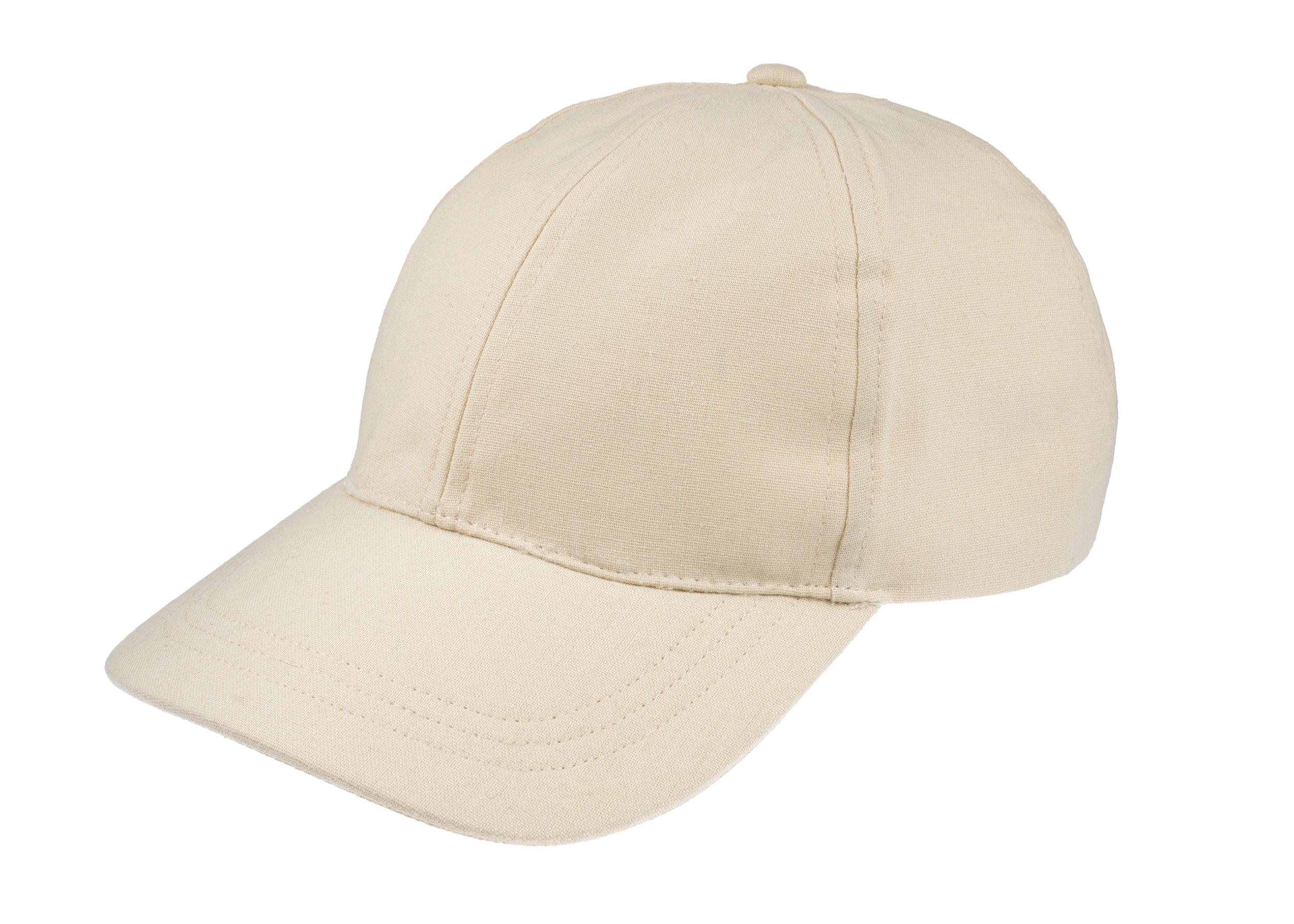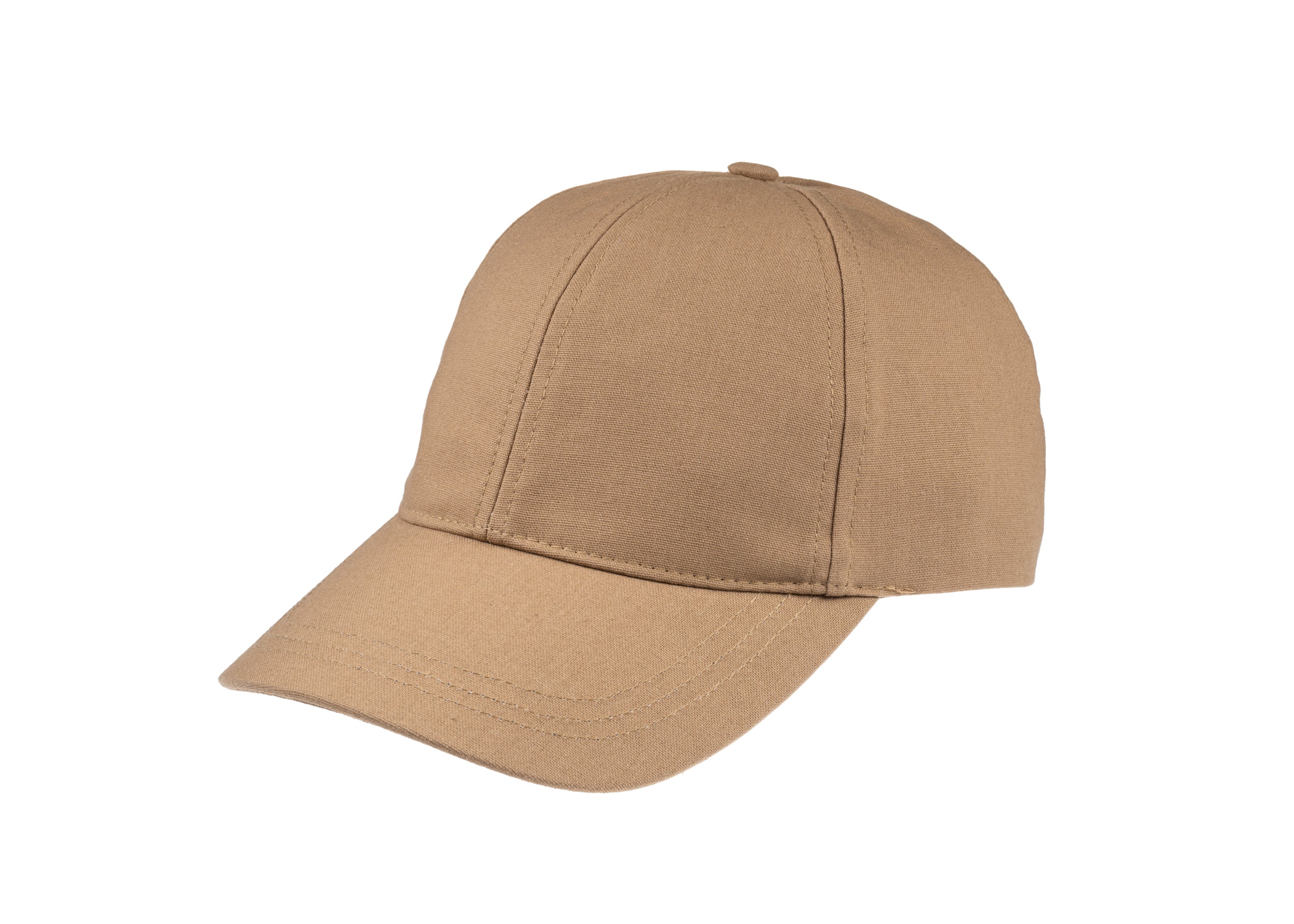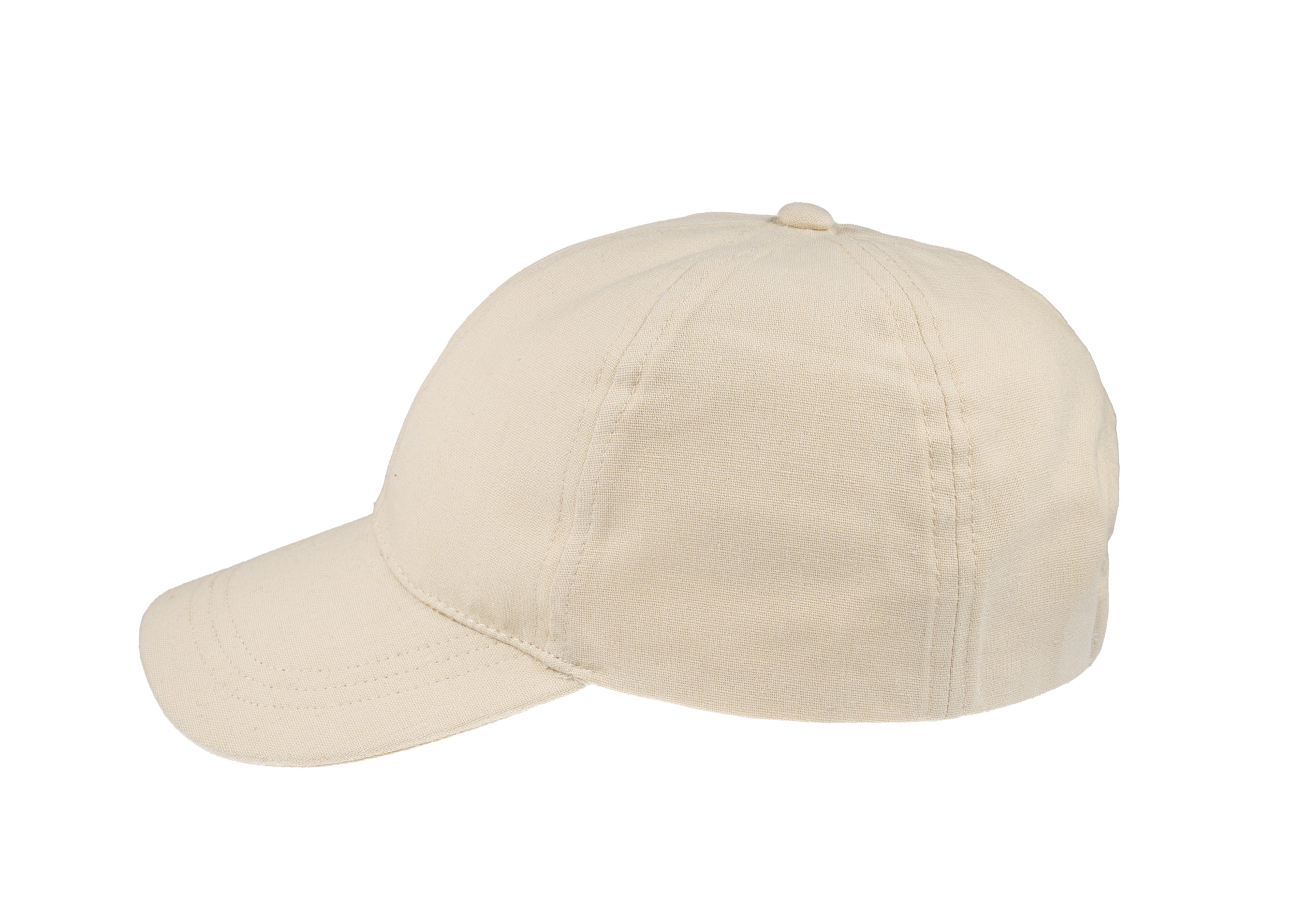





Some caps resist rain and compression; others lose their shape within a single season. The difference lies in making rather than luck. Hatmakers subject materials to a programme of tests that measure fibre memory, weave stability, and the resilience of the construction, indicators that predict how a cap will wear over time.
This post describes the three practical stages of shaping and preserving a cap: selecting materials that hold their form, conducting blocking and wear trials, and applying finishes and routine care to preserve structure. It explains how to recognise the signs of enduring shape, and sets out straightforward maintenance steps that extend a cap’s serviceable life.

Choose materials that preserve a hat's shape
Good hatmaking begins with a careful comparison of raw fibres and constructions. Cut small swatches of candidate fabrics and their interlinings, then subject them, on a hat block, to a controlled routine of steam and heat. Measure dimensional change and percentage recovery with a template and calipers to quantify permanent set; this distinguishes materials that hold form after steaming from those that only appear shaped while warm. Follow with a bend-and-recovery test on brim samples: fold repeatedly to a fixed angle, release, and record residual deformation until the results stabilise. Report recovery as a percentage of the original profile to produce a repeatable metric for brim spring and long-term pop back. These simple measures show which materials will keep a hand-shaped form, which will soften with use, and which demand further blocking and finish.
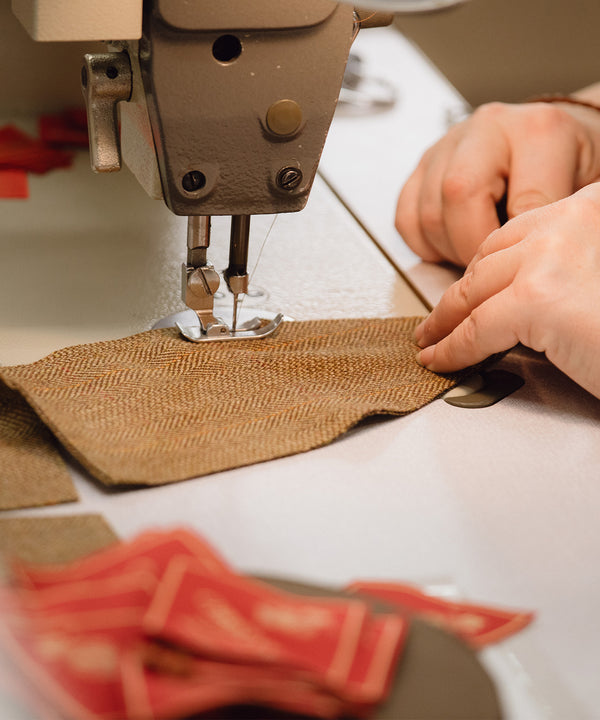
A typical durability protocol exposes swatches to wet and humid ageing by misting or immersion, then dries them on a weighted hat block. Measure shrinkage, loss of stiffness, and any distortion to reveal likely real-world failure modes. Simulated wear uses stitched sample panels subjected to abrasion tests and cyclic seam tension. Record pilling, stitch slippage, and backing delamination to identify where stronger interlinings or altered stitch patterns are required. Finally, make quick prototypes and handle them as a wearer would: wear, compress, and pack them into luggage. Re-measure crown height and brim straightness, and note how finishes such as resin coating, calendering, or fusing affect hand, and long-term yellowing.
Select a blocked felt that holds shape under strain.

Blocking and wear trials: shaping a hat for fit and finish
Hatmakers begin by defining a repeatable test protocol and selecting representative fabric batches and finished constructions, recording baseline dimensions and visual condition so results remain comparable. They then simulate everyday wear through controlled human trials and headform runs that reproduce don and doff actions, walking and travel movements, exposure to sweat and sebum simulants, and laundering cycles. Objective measurements of crown height, brim curvature, fabric stretch, and bending stiffness are taken before and after, and standardised photographs against a grid document absolute and percentage changes.
To predict how a hat will age, hatmakers put panels through accelerated mechanical stresses. Repeated folding, pinching, compression, abrasion, and cycles of humidity provoke permanent set and expose common failure modes such as seam extension, brim warp, and lining delamination. Test results are then compared with findings from wear trials to identify which actions drive the fastest degradation. Those insights inform design rules and acceptable deformation thresholds, and prompt changes to materials or construction. Finally, the blocking and wear trials are repeated to verify the improvements and close the feedback loop.
Restore a snug, distortion-free fit after wear.

How to apply finishes and care for a hat to preserve its shape
Hatmakers fix the crown and brim by heat-setting them on a hat block or by working with controlled steam, then block and finish the shape by hand. They apply a measured sizing, often a light polymer or resin, to add body while preserving the hat’s hand. Test swatches undergo repeated flex and rebound trials, with careful records of any change in crown height, brim spring, or surface sheen. Interlinings, whether sewn buckram, laminated layers, or removable stiffener strips, are inspected for stitching or bonding that avoids puckering. Simple wearer trials, comprising short wear sessions that note sweatband dampness, hot spots, and any change in fit, complement bench tests and reveal the comfort and breathability trade-offs that matter in everyday wear.
Spot-clean where necessary and, for reshaping, apply low steam over a hat block or form. Pat the crown and brim back into place, then air-dry the hat on a hat tree; this restores the silhouette without stressing seams. When packing, stuff the crown with tissue, surround the hat with soft garments to prevent crushing, and avoid tumble drying or prolonged compression. To understand how those care steps and finishes perform in practice, makers judge durability both in the laboratory and in the shop. Tests typically include accelerated humidity cycles, UV exposure, and repeated flexing, alongside practical trials such as packing, brief sitting, and a day of wear. Makers record crown recovery after a set number of bends to quantify any permanent deformation. Water-repellent or soil-release finishes can aid shape retention, but they may alter the hand, reduce breathability, or affect colour fastness. Test protocols therefore measure colour change, hand alteration, and wash resilience, and consider removable or lower-impact finishes where repairability and wearer comfort matter.
Building on those laboratory and shop durability assessments, hatmakers quantify how materials and construction respond to steam, bending, abrasion, humidity, and repeated wear to ensure a cap retains its silhouette. Measured tests such as dimensional change after heat setting, percentage recovery of the brim, abrasion rates, and records of seam extension turn craft judgement into repeatable, documented results.
In practice, choose materials that hold their shape. Measured blocking, controlled wear trials, and considered finishes reveal the trade-offs between handle, breathability, and durability for particular uses. Look for makers who document shape recovery, wear trial results, and the effects of their finishing methods. Follow simple care routines: low steam reshaping, gentle brushing, and careful packing to prolong a cap’s life.