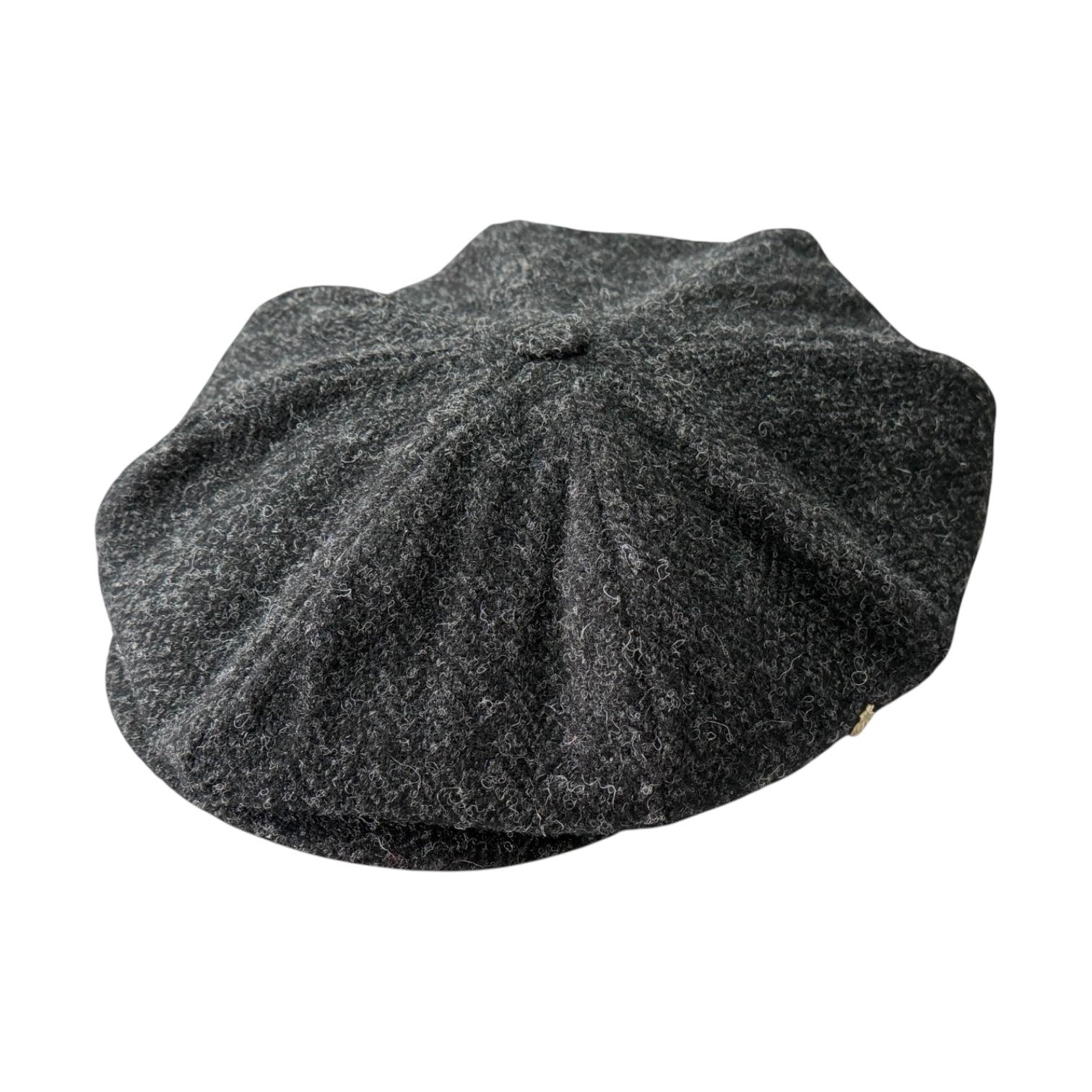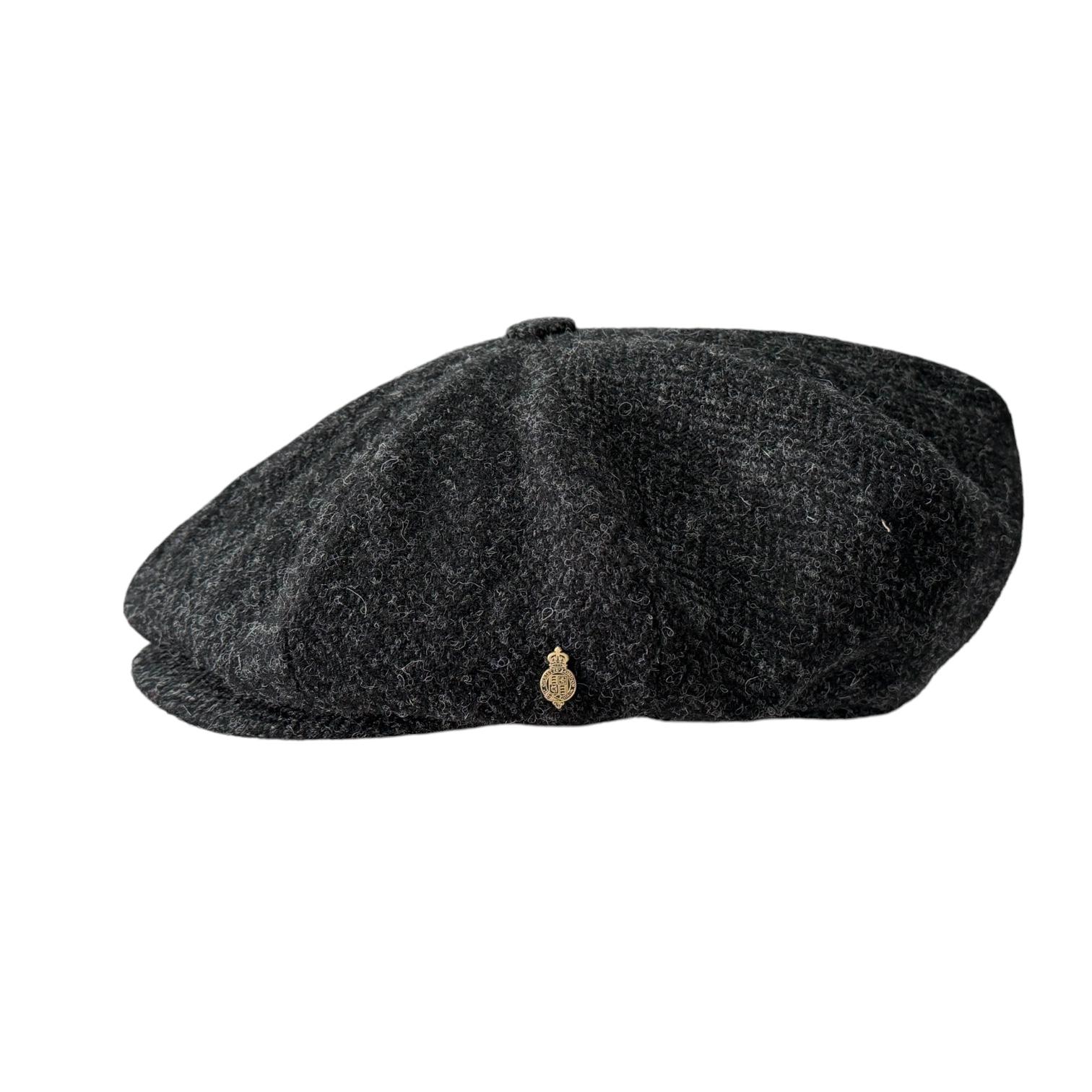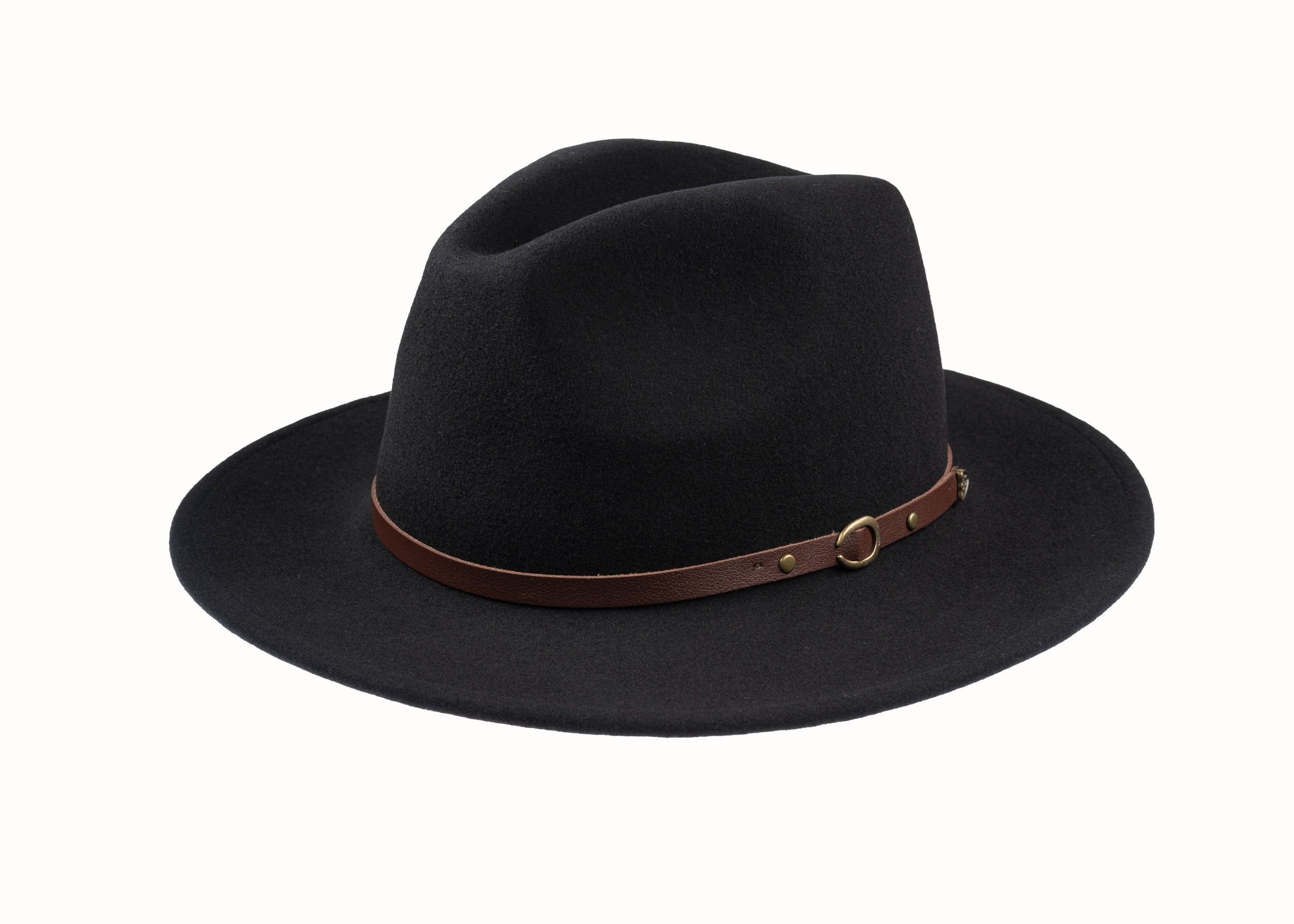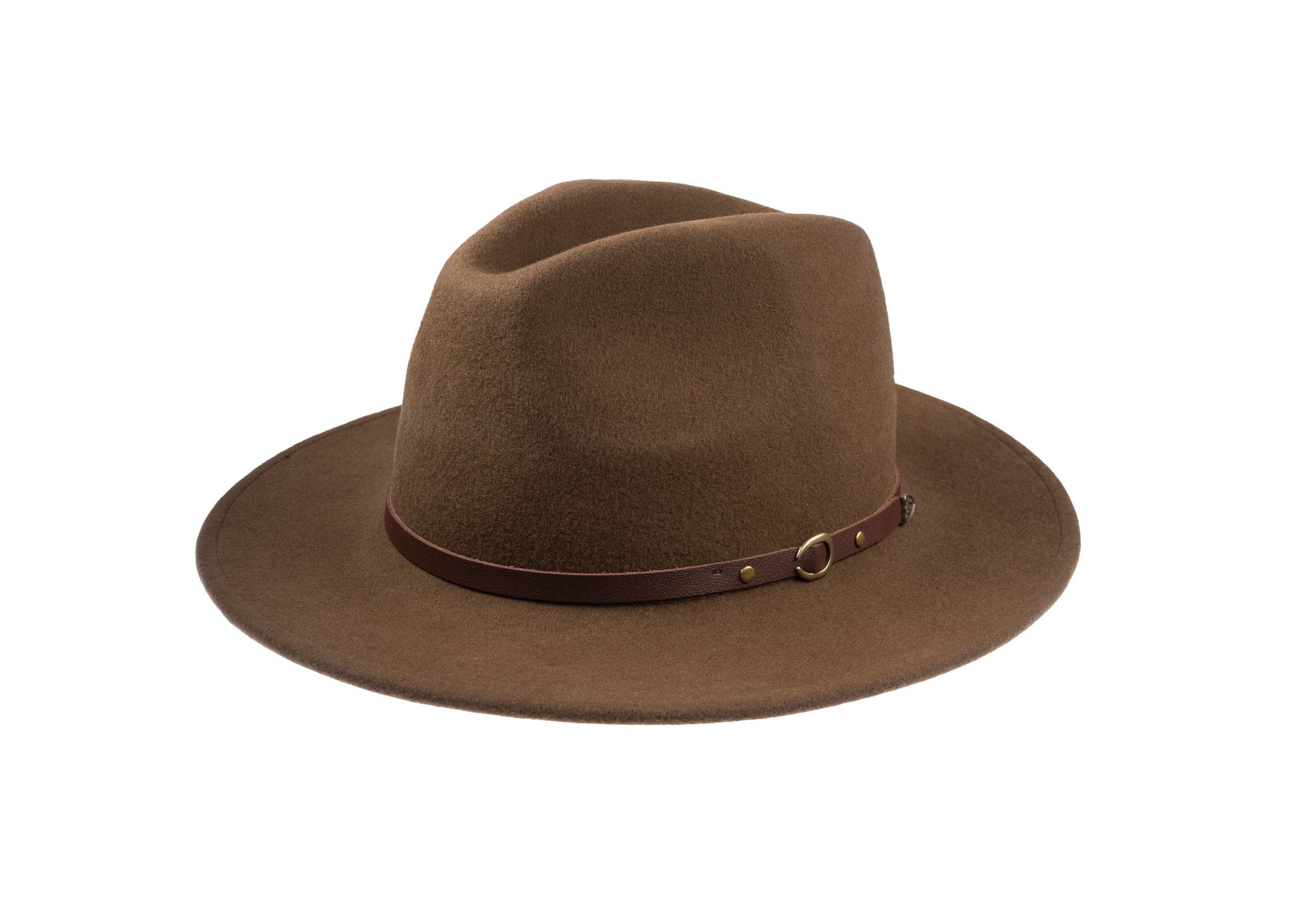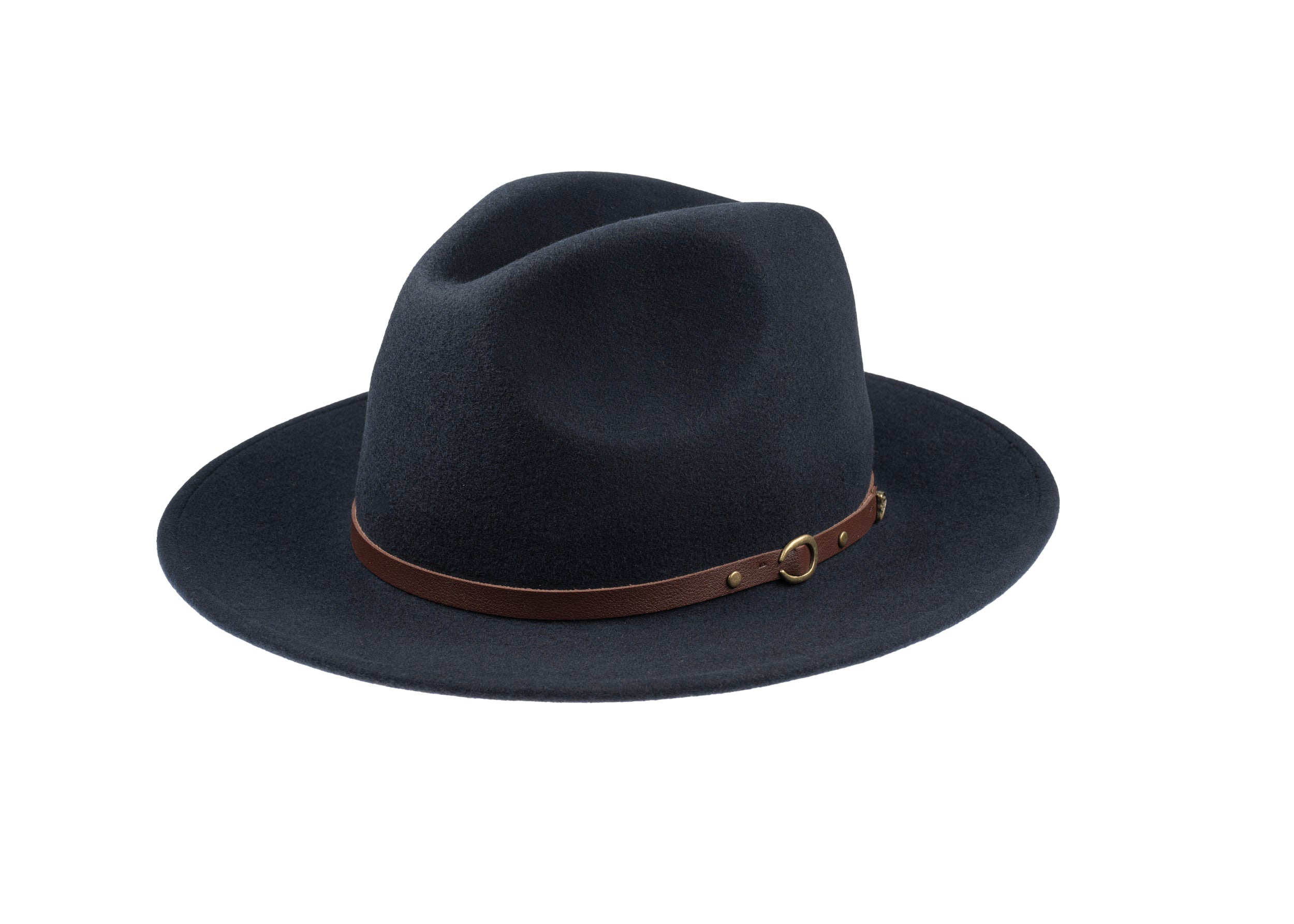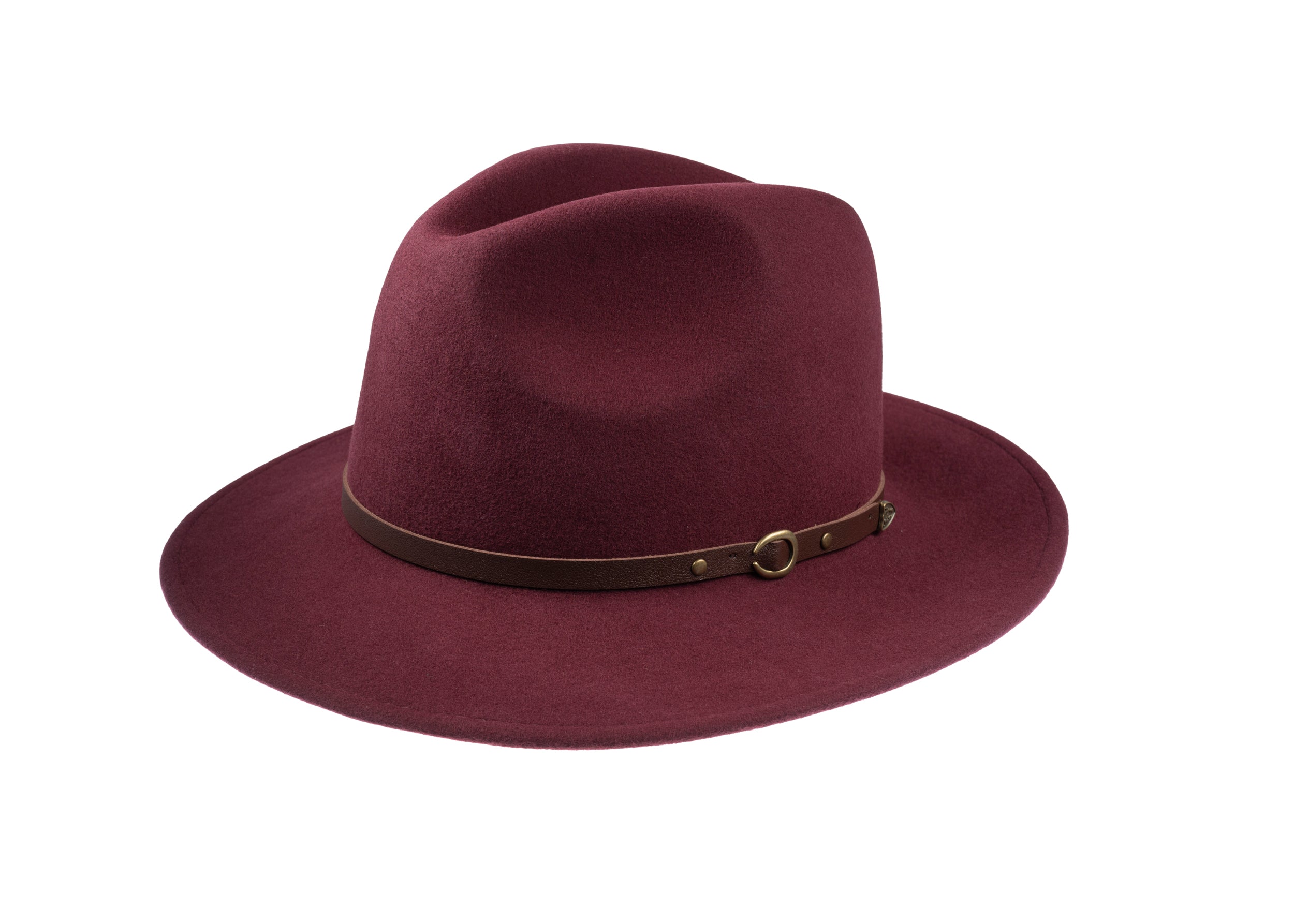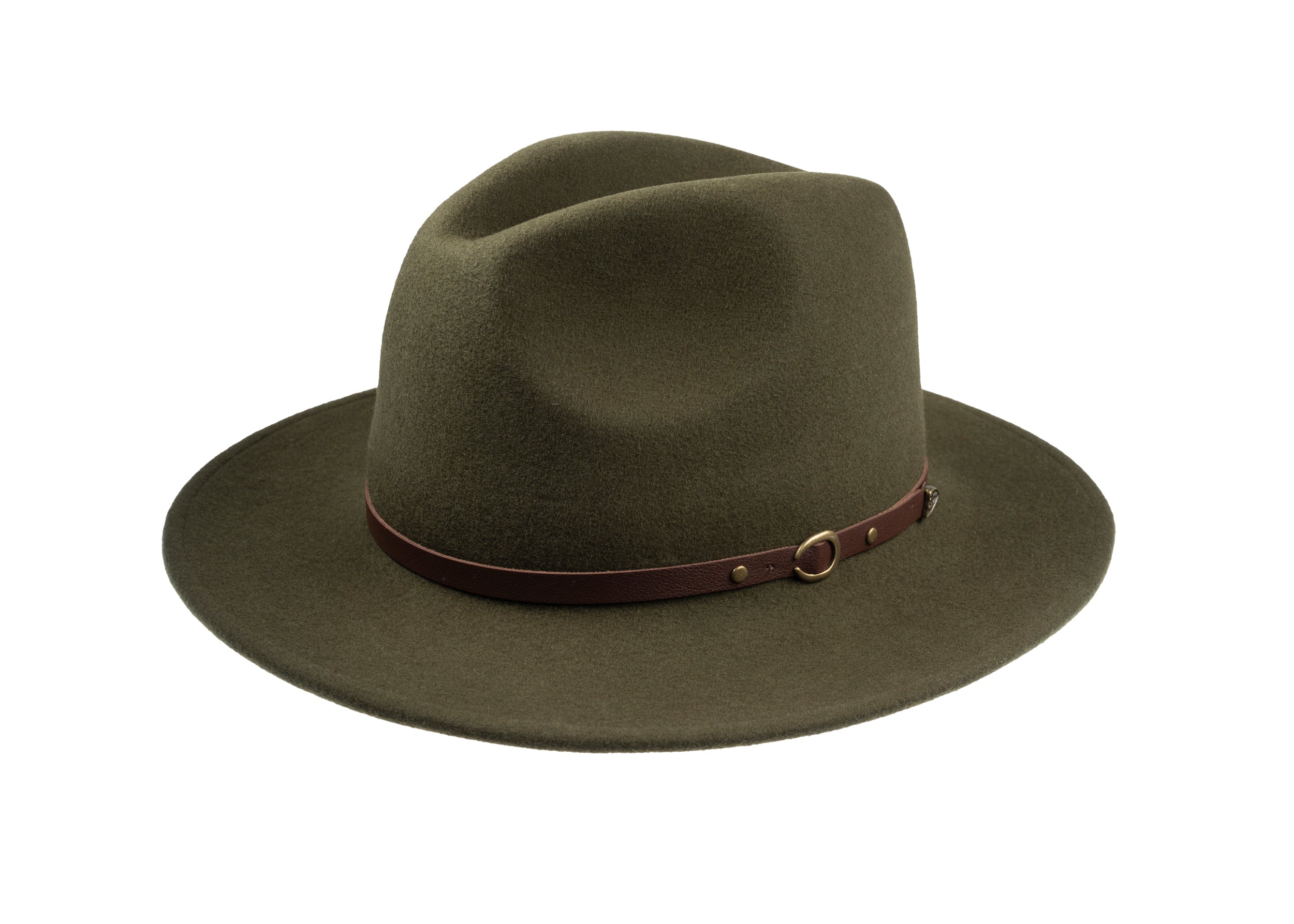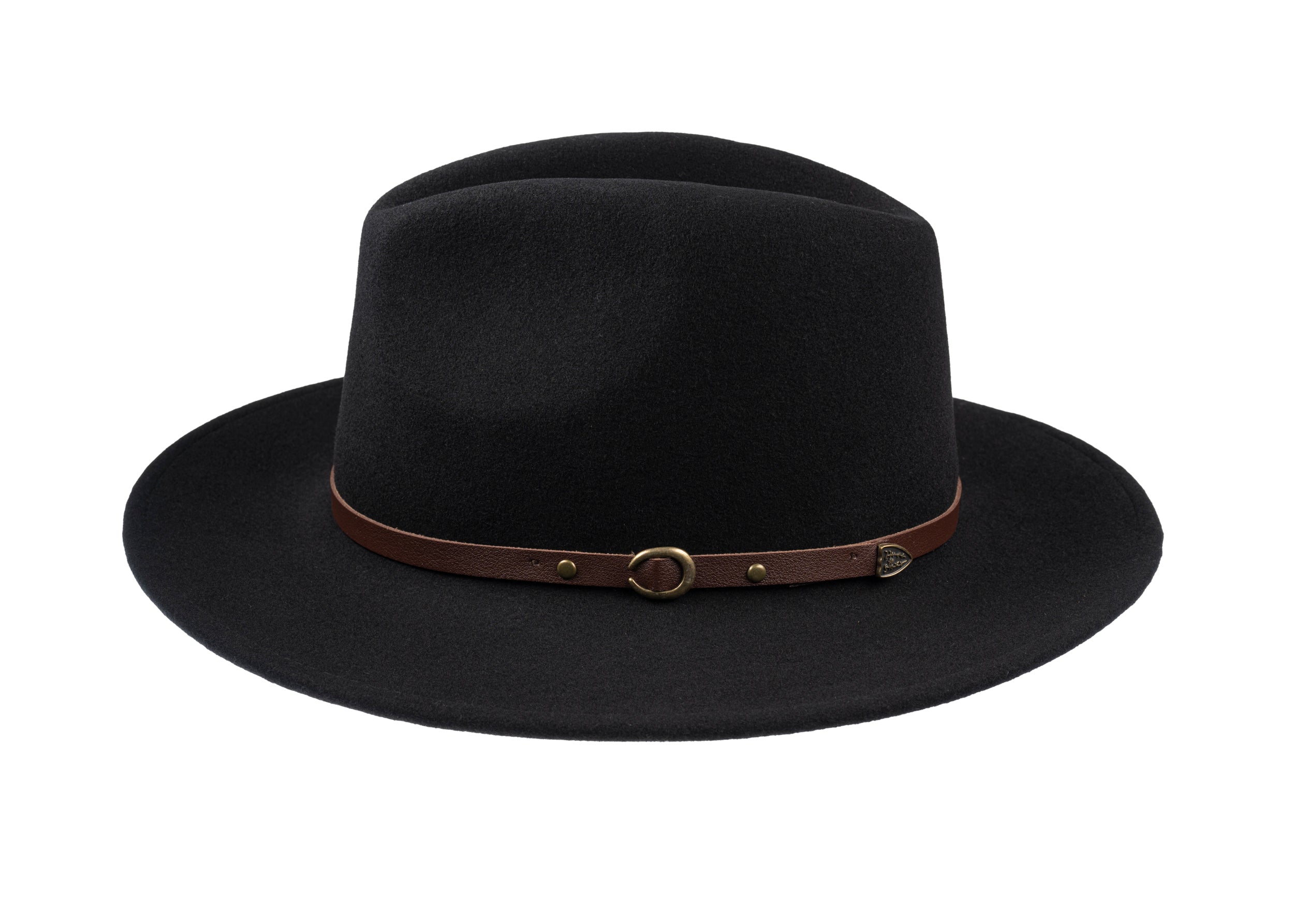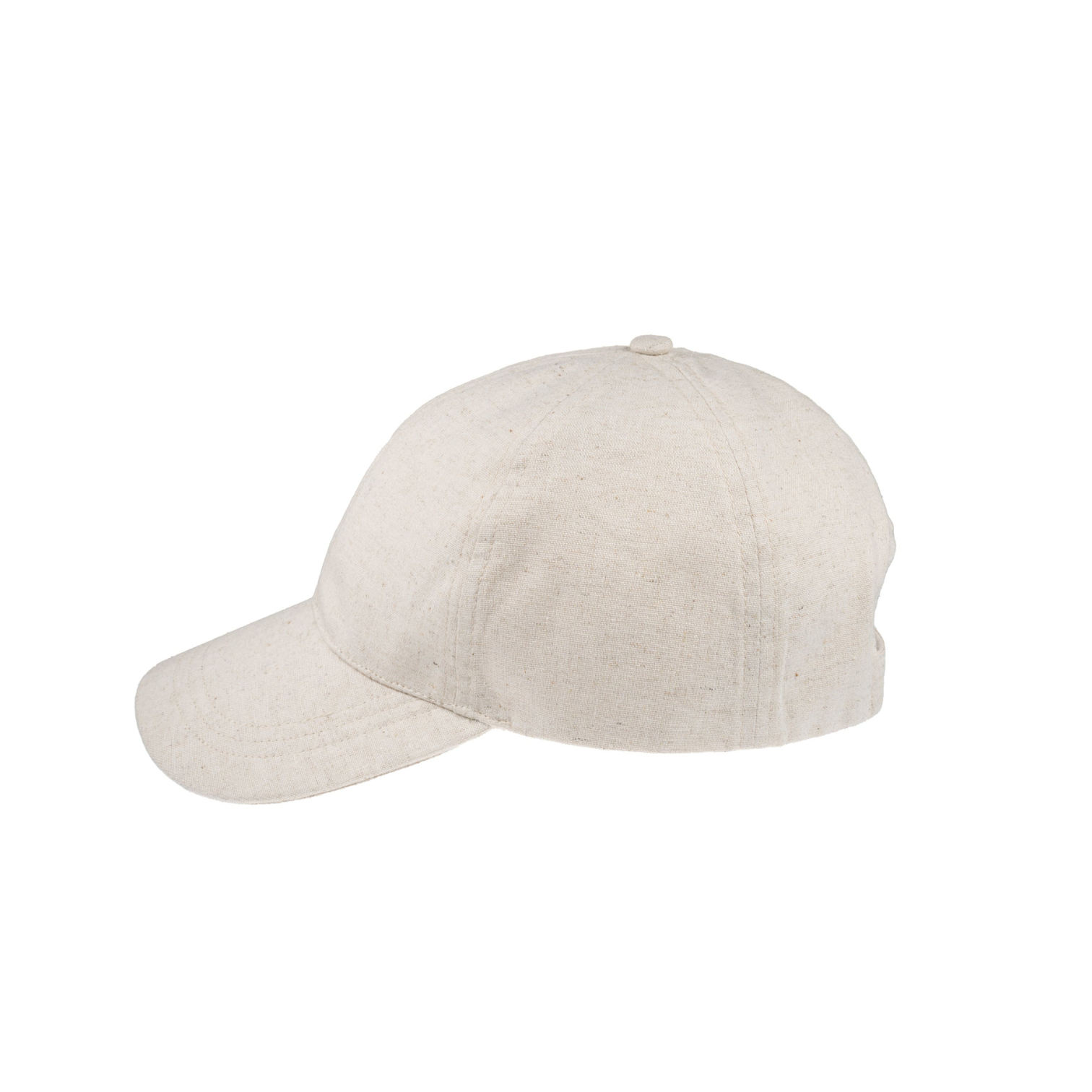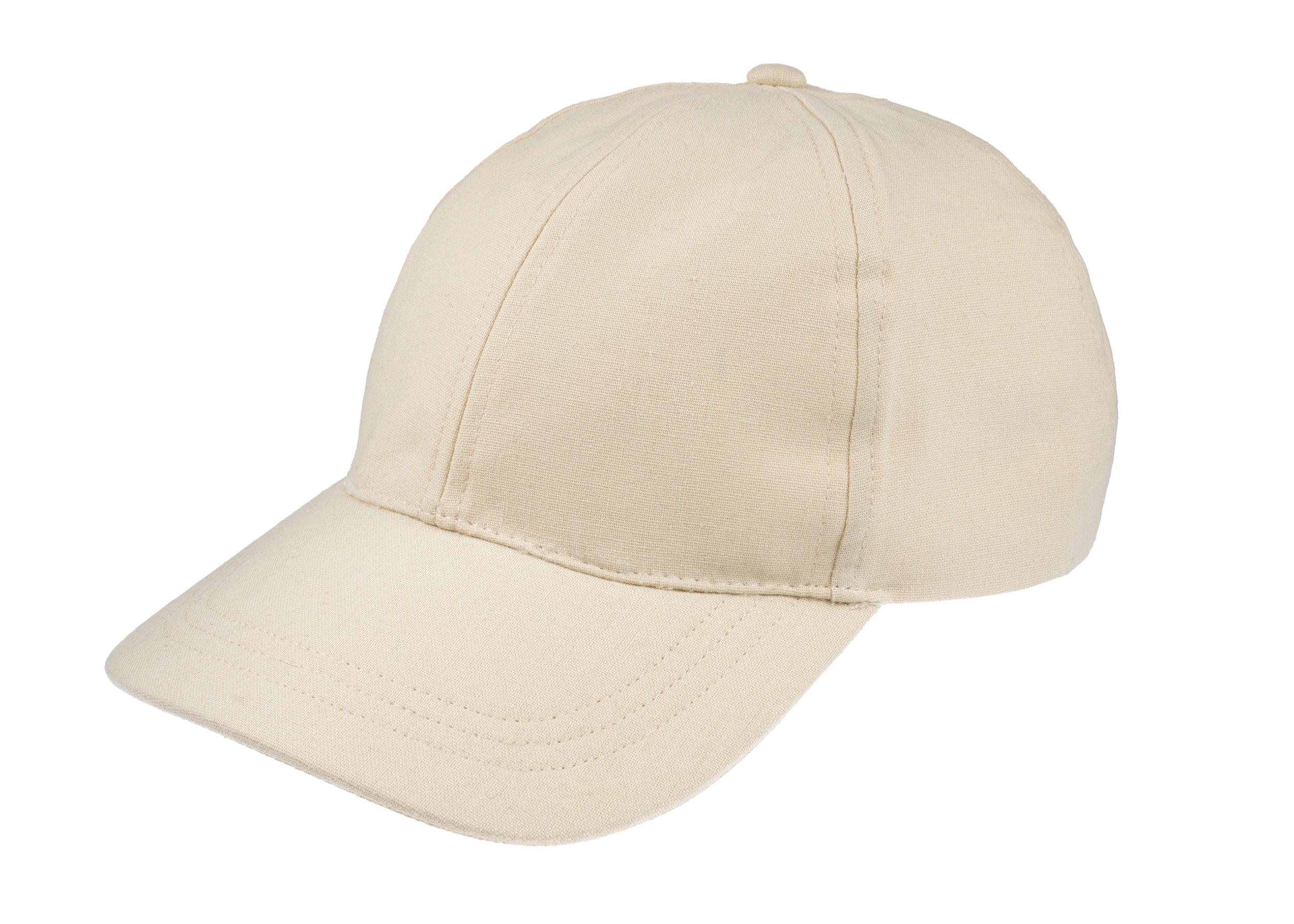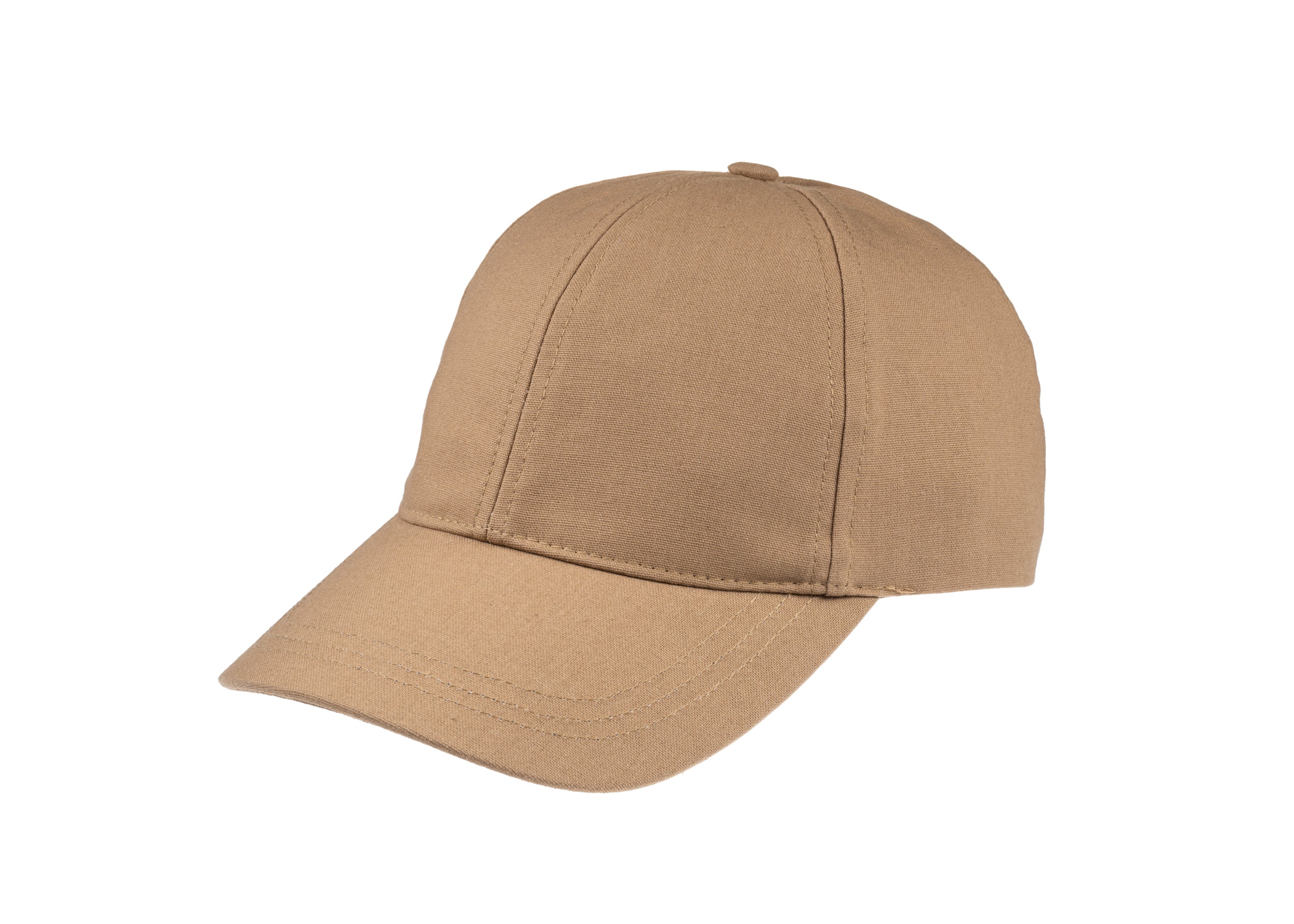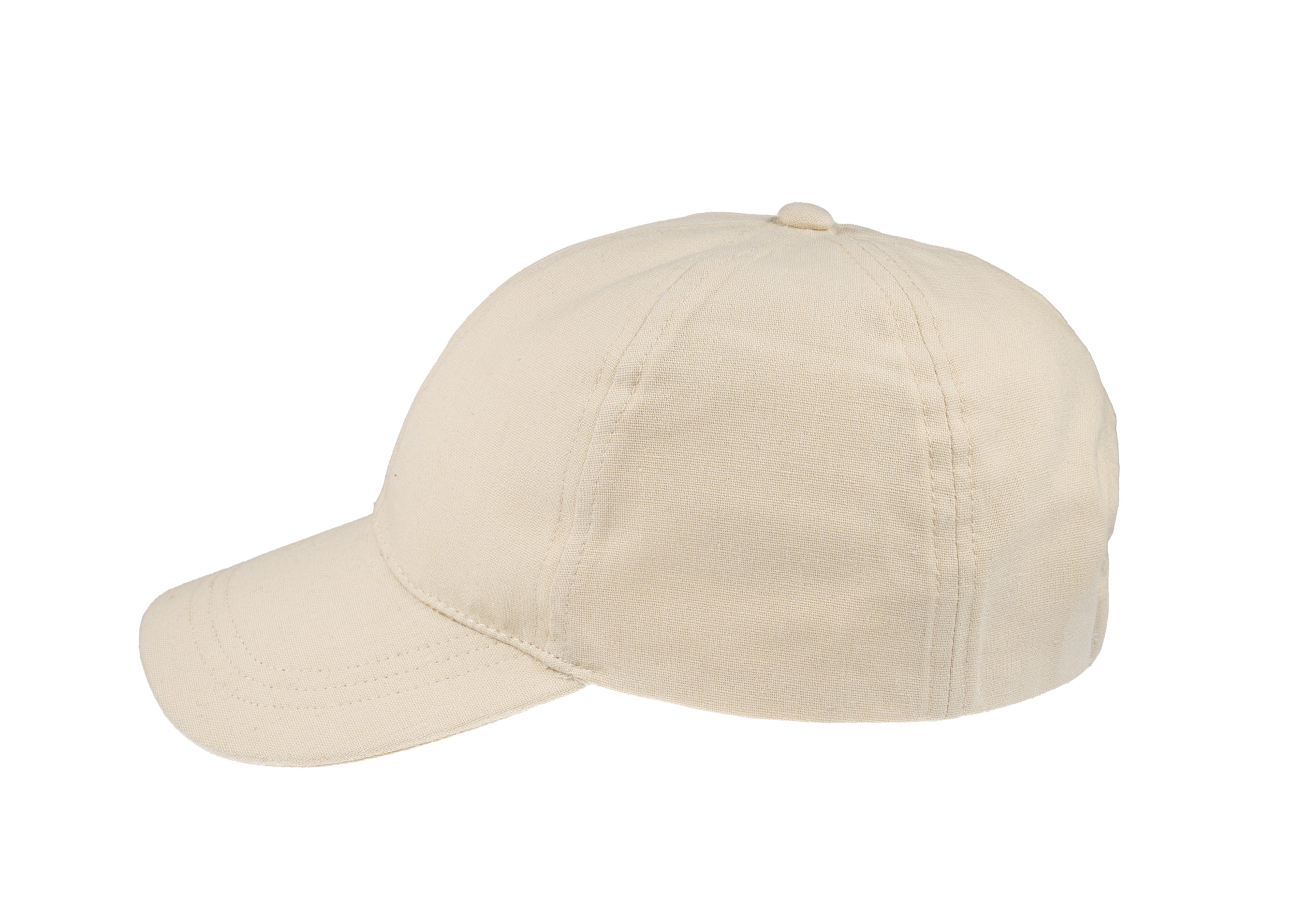




Choosing the right headwear quietly shapes how you are read at a ceremony. The homburg, defined by its structured crown, curled brim, and single centre dent, occupies a middle ground between the top hat’s formality and the everyday felt hat’s restrained presence.
This post explains how the Homburg's heritage, materials, colour, trim, and fit shape an occasion's formality, and how to judge when it will complement the setting rather than distract. Use those cues to choose the right proportion, or a suitable alternative, so your hat quietly serves the occasion.

The Homburg: Heritage, Craft, and Quiet Character
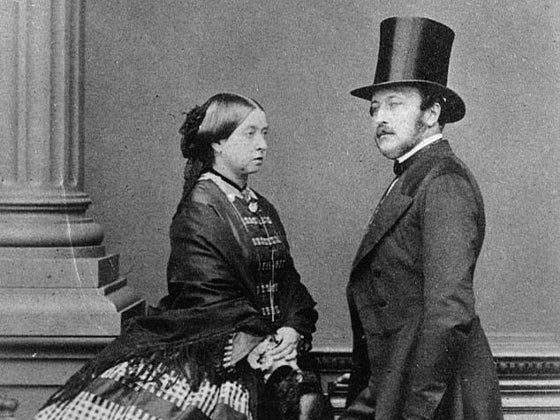
Born in 19th-century courtwear, the Homburg's signature centre dent crown and stiff, bound brim deliver a composed silhouette that reads more formal than a trilby but less ceremonial than a top hat. Craft cues such as fur-felt or wool finishes, internal sweatbands, and varying brim-stiffening methods determine weight and sheen, so a dense fur-felt with a hard brim suits outdoor processions while softer felts and lighter brims are better indoors. On the formality spectrum it pairs naturally with a morning coat, a lounge suit, or dark tailoring, and it sits comfortably beneath an overcoat without competing with tailcoat-level dress.
Simple rules of etiquette keep the Homburg appropriate. Wear it level, or with a discreet forward tilt; doff it when greeting indoors; and coordinate a modest hatband with the tones of a lapel flower or gloves, so proportions remain balanced. The Homburg finds its place at state occasions, weddings, memorials, and covered enclosures at race meetings, where its measured formality avoids the extremes of taller or more casual headwear. Contemporary makers offer softer felts, muted colours, and packable constructions that preserve the classic silhouette while making the hat more forgiving of travel and handling.
Choose a lighter top-hat for races and formal weddings.

How to match a homburg to the formality of a ceremony
Choose black or deep charcoal felt for funerals and formal civic occasions, mid-grey or navy for traditional weddings and church services, and straw or lighter-coloured felt for outdoor garden parties and country events. Colour and material immediately set the tone: a dense, shaped fur felt with grosgrain trim will hold its form in damp weather and read as the most formal choice, while a softer felt relaxes the look without losing refinement, and straw keeps the Homburg breathable for outdoors. Try the hat on with your coat and view it in varied light to confirm its colour, finish, and how it sits with the rest of your outfit. These simple trials help avoid last-minute surprises on the day.
Balance crown height and brim width with your jacket and body type. A medium crown and modest brim maintain proportion with most jackets. A slightly narrower brim complements a slimmer face and slim lapels by lengthening the silhouette, while a wider brim helps balance a broader build. Try the complete outfit both seated and standing, since posture changes how the hat sits relative to shoulders and lapels. In ceremonial settings, protocol varies. As a rule, keep your hat on during processions and the formal, standing parts of a service, but remove it when seated in many places of worship or if the officiant asks. When not wearing the hat, carry it brim down, or otherwise mirror the officiant or the senior guests. The Homburg carries a statesmanlike lineage. For a traditional effect, wear it with a tailored suit, sober accessories, and polished shoes. To modernise the look, preserve the hat's structured form but simplify patterns and omit casual items so the overall impression remains composed and considered.
Choose a structured straw brim for sunny, formal garden events.

Choose material, colour, and trim to suit the occasion
Match felt and construction to climate and occasion. Fur felt holds a sharper crown and sheds water more readily, while wool felt breathes and relaxes with heat. For warm, outdoor ceremonies, favour lighter, open-fibre felts and simple linings; for damp conditions or very formal indoor events, choose denser felts and reinforced internal bands so the shape and comfort endure. Colour also signals formality: darker tones read as more formal, while mid-grey, navy, and muted browns sit comfortably for daytime weddings and country gatherings. If uncertain, opt for a conservative, tonal match with the suit rather than a high-contrast pairing; the overall effect will remain coherent and quietly considered.
Choose trims so they sit quietly with the rest of the outfit: silk grosgrain ribbon, subtle piping, or a single feather. Match ribbon width, sheen, and colour to lapel finish, shoe tone, and the metalwork on cufflinks. Balance brim width and crown height with the wearer’s stature and the coat lines; a simple rule of thumb is that the hat should follow the shoulder line in profile and not overwhelm the collar. Photograph the complete outfit at full length to judge proportion before the ceremony. Observe local etiquette by removing the hat indoors when the host or custom dictates. For everyday care, use light steaming to restore shape, a soft brush to lift dust, and store the hat on a form or shaped block to preserve the silhouette. These small, considered practices are the detail that rewards closer inspection.
Selecting hat material, trim and fit for the occasion
- Choose felt and internal construction for the climate and formality: for warm outdoor ceremonies favour lighter, open‑fibre felts, simple cotton or silk linings, and breathable sweatbands so the hat flexes with heat; for damp conditions or very formal indoor events select denser, water‑resistant felts with reinforced internal bands and firmer crowns to hold a sharp profile. Consider how fur felt holds a crisper crown and sheds water, while wool felt breathes more readily.
- Coordinate trim to the outfit with clear pairing rules: match ribbon width and sheen to lapel proportions and shoe finish, echo metalwork colour in any hat pins or buckle detail, and keep feather or ornament minimal — a single, well placed accent reads better than multiple competing trims. When in doubt, prefer a tonal match with the suit rather than high contrast to preserve a coherent silhouette.
- Balance proportion, observe etiquette, and perform simple upkeep: ensure the hat follows the shoulder line in profile and does not overwhelm the collar, choose brim width and crown height to suit the wearer’s stature and coat lines, and photograph the full outfit to check proportion. Remove the hat indoors when the host or custom dictates, steam lightly to restore shape, brush gently to remove dust, and store on a form to retain the silhouette.

Match a hat's proportion and fit to ceremonial dress
Fit a Homburg to your proportions by aligning brim width and crown height with the lines of your body and suit. Choose a brim that balances lapel width and shoulder breadth, and adjust crown height to alter perceived face length. A slightly lower crown or wider brim will shorten a long face, while a taller crown with a narrower brim produces a more vertical silhouette for broader faces. The hat should sit comfortably without sliding, with the brim level and resting just above the eyebrow line. Test the fit by nodding or turning your head briskly; minimal movement indicates correct sizing. Fine-tune with a discreet sweatband or hat tape rather than forcing a tight fit.
The Homburg is best reserved for weddings, memorials, civic ceremonies, and other formal daytime occasions where traditional dignity is expected. It reads more formal than a trilby or fedora, and less formal than a top hat, so avoid it for strict white tie events. For colder, more solemn ceremonies choose a dense felt or fine wool; for warm daytime gatherings opt for a finely woven straw or a lightweight felt. Prefer matte finishes or subtle textures for sombre occasions, and lighter tones or textured weaves for less solemn ones. Match tonal depth between hat, suit, and shoes rather than chasing exact colour matches. Keep trim minimal, avoid large badges or conspicuous ornament, and check the hat in photographs before the event, since camera angles reveal tilt, shadow, and proportion more clearly than a mirror.
Wear a broad straw brim for sunny formal occasions.

How to read contextual cues and select suitable alternatives
A Homburg is recognisable by its single centre crease, slightly upturned brim with a bound edge, firm felt body, and a silk hatband. When comparing styles, check crown shape and brim stiffness at a glance. In the hierarchy of formality it sits above informal soft hats and many fedoras, but below the top hat reserved for the most ceremonial dress; its historical presence at state occasions and on senior officials makes that distinction evident. Use those historical cues as a practical test: if most visible attendees wear structured hats, a Homburg is likely appropriate. If hats are absent, take the host’s lead or seek clarification from the organisers rather than assuming one is required.
Begin by reading the invitation and, on arrival, noting what the hosts and senior guests wear. If the protocol is unclear, ask the organisers so you can decide with confidence. For solemn or civic ceremonies, favour plain, darker felts and restrained trims; for celebratory or garden settings, choose finer felts or lighter tones. Denser felts hold their shape and read as more formal, while open, breathable finishes suit warmer conditions. Where dress codes call for greater formality, a top hat remains appropriate; a bowler suits certain civic ensembles. For informal country gatherings, a soft fedora or flat cap is generally suitable. If custom dictates otherwise, omit a hat, and in any case practise removing and handling one before the event.
A Homburg announces measured formality through its centre dent, bound brim, and felt construction, occupying the space between a top hat and everyday headwear. When material, colour, trim, and proportion respond to the occasion and your tailoring, the hat complements the setting rather than distracting from it.
Work through these headings in turn: heritage and character, match to formality, material and trim, proportion and fit, and context cues. Use them to select the right Homburg and to judge how it will sit with your coat. Try the combination on and photograph it to confirm scale and tone. Observe simple etiquette: favour sober trims and tonal matches, and follow the host's signals so the hat contributes composed dignity rather than attracting attention to itself.