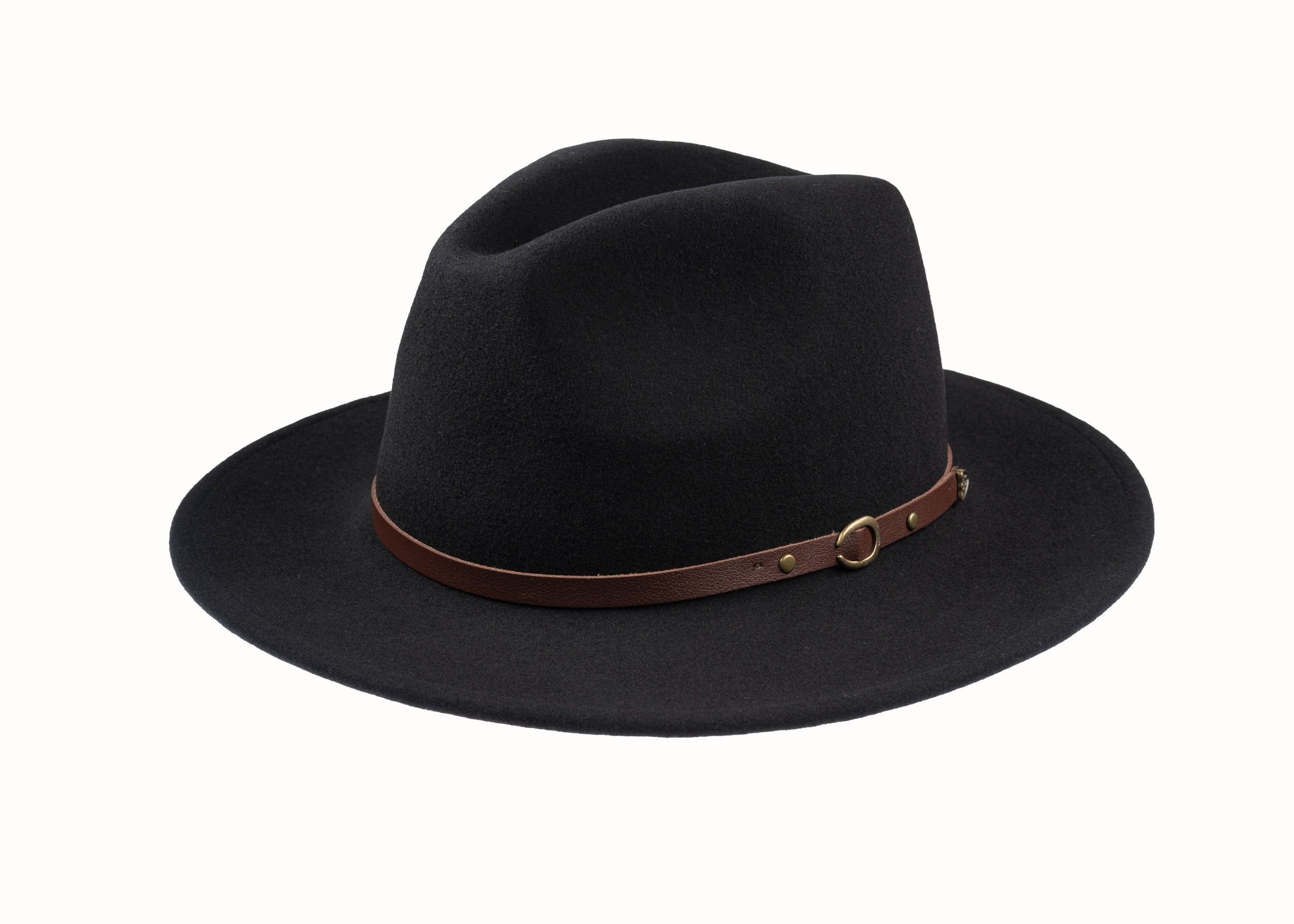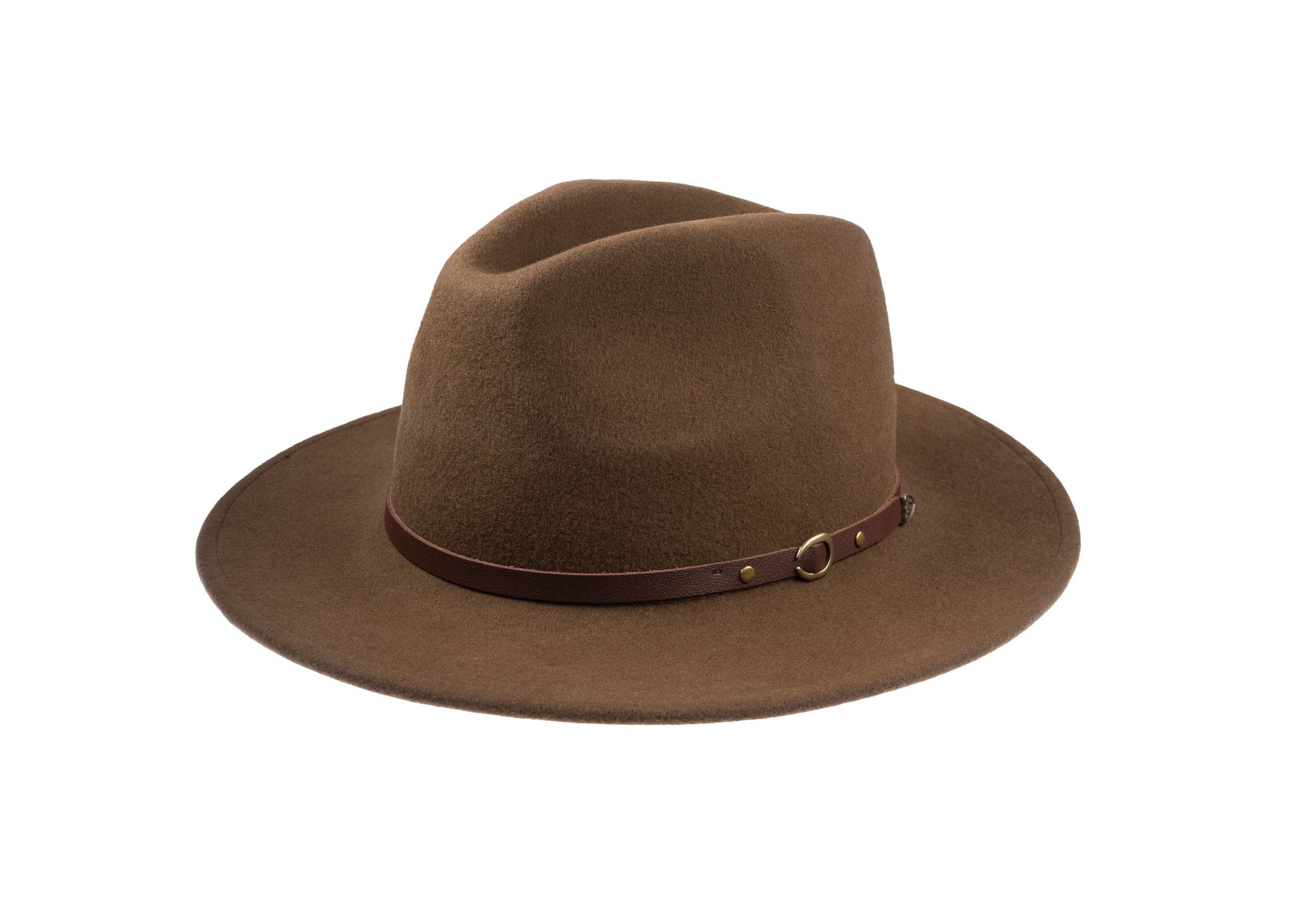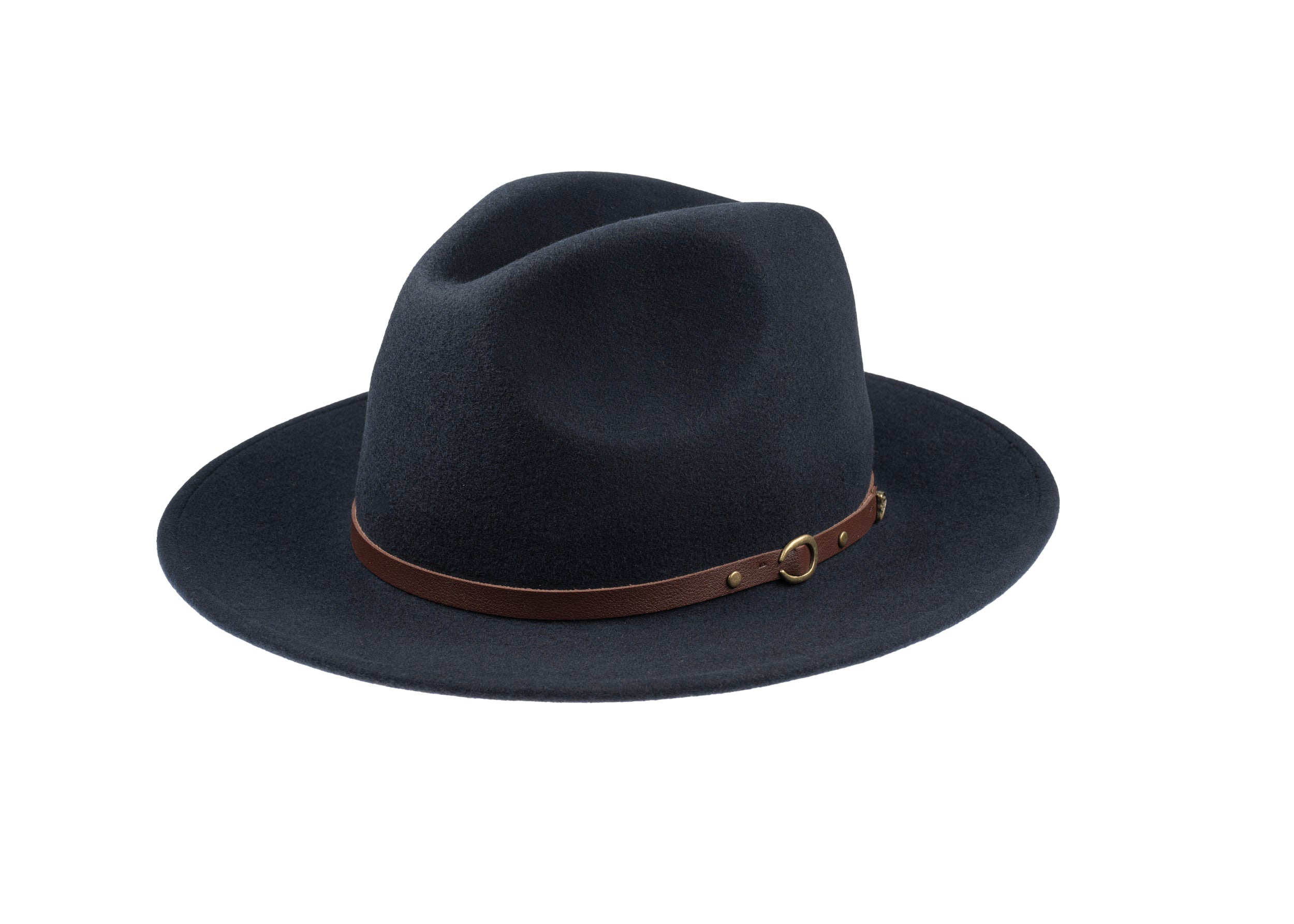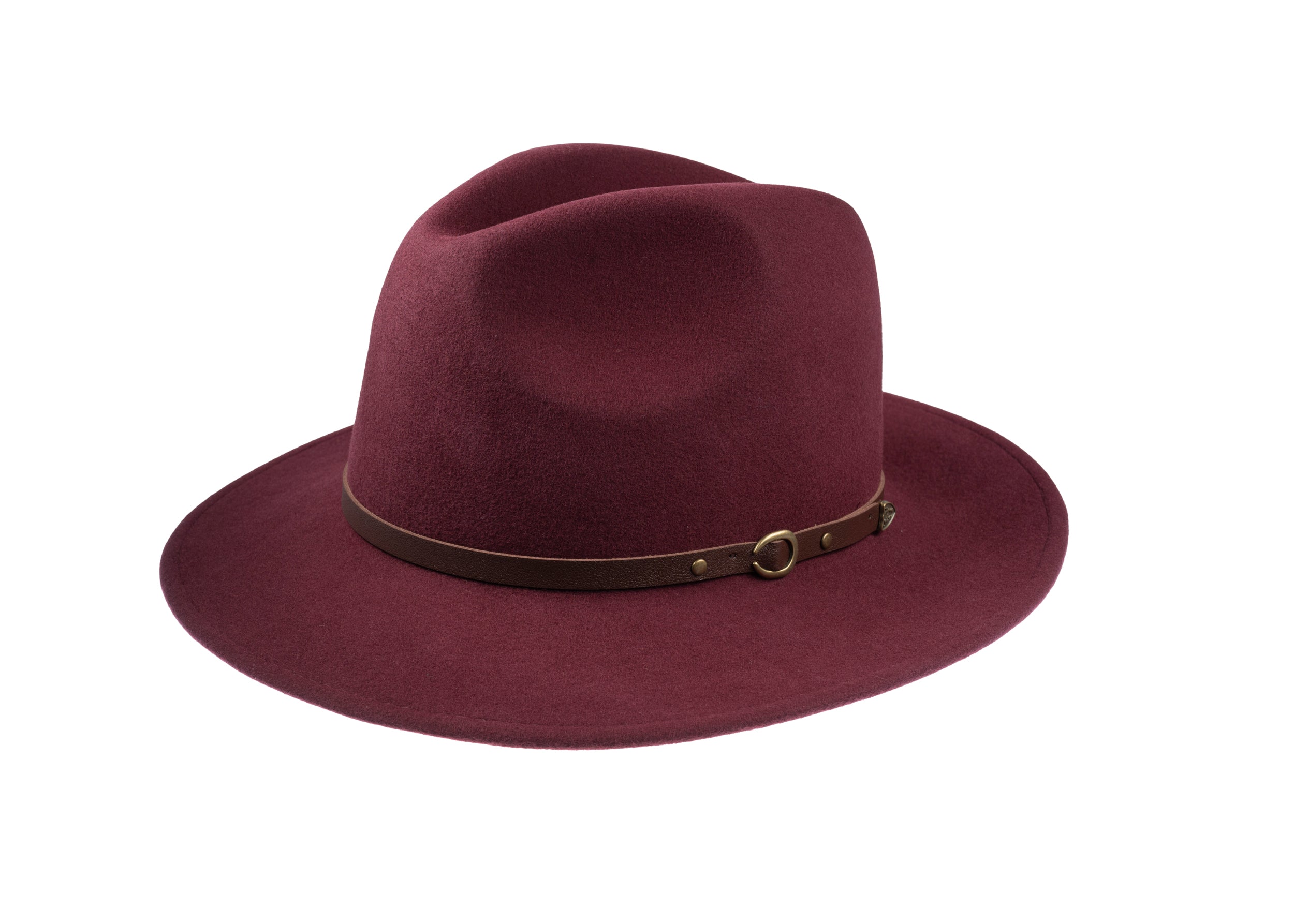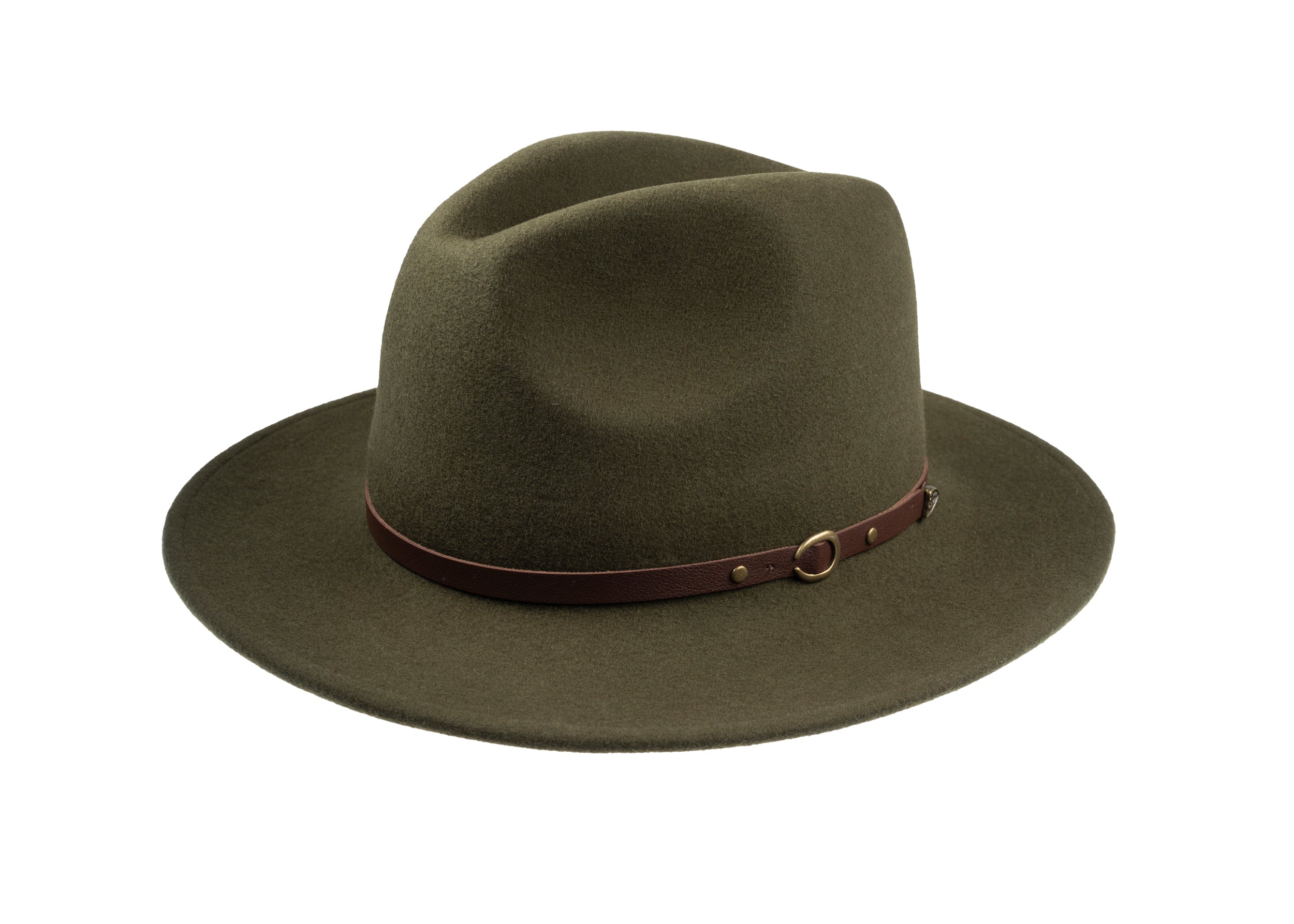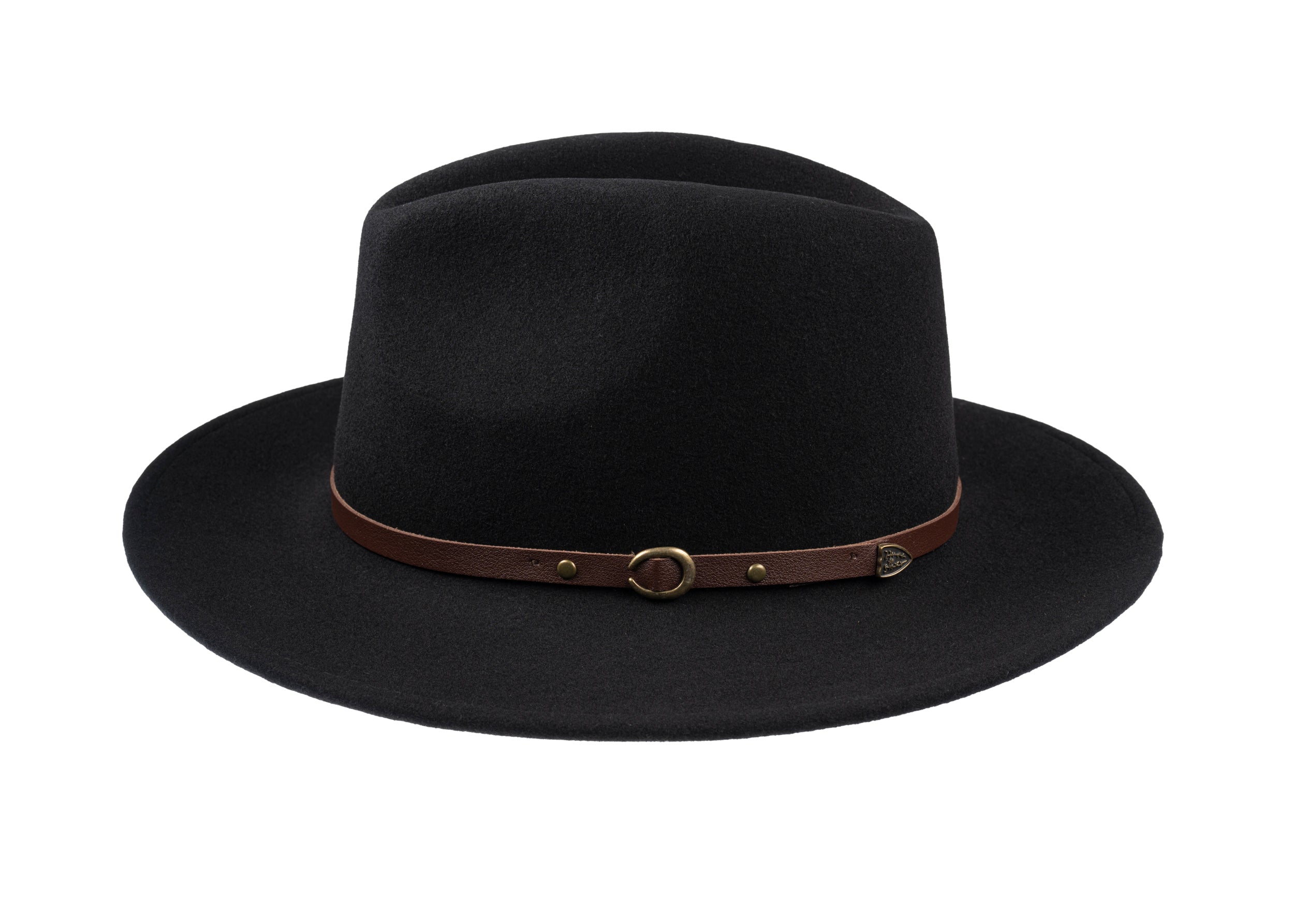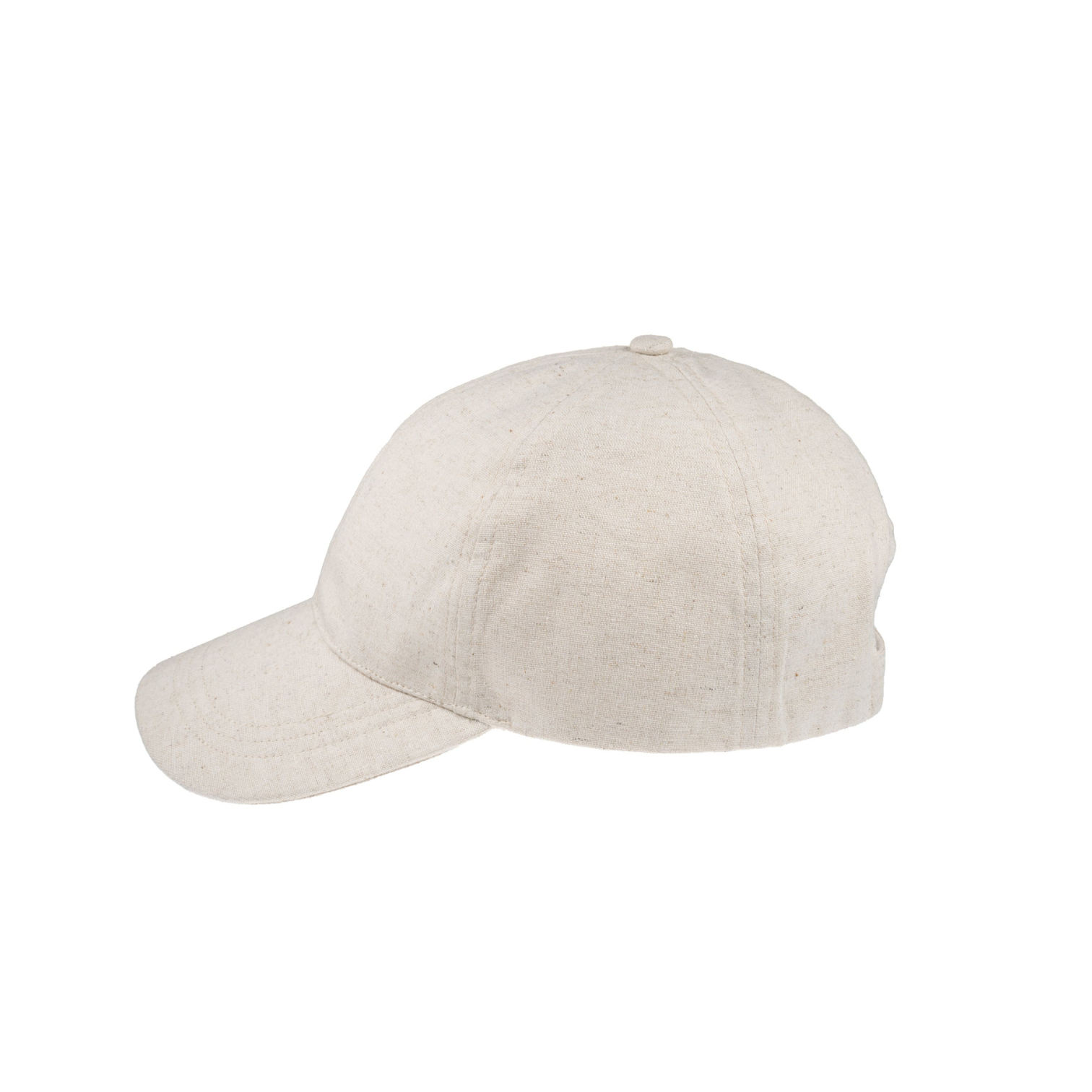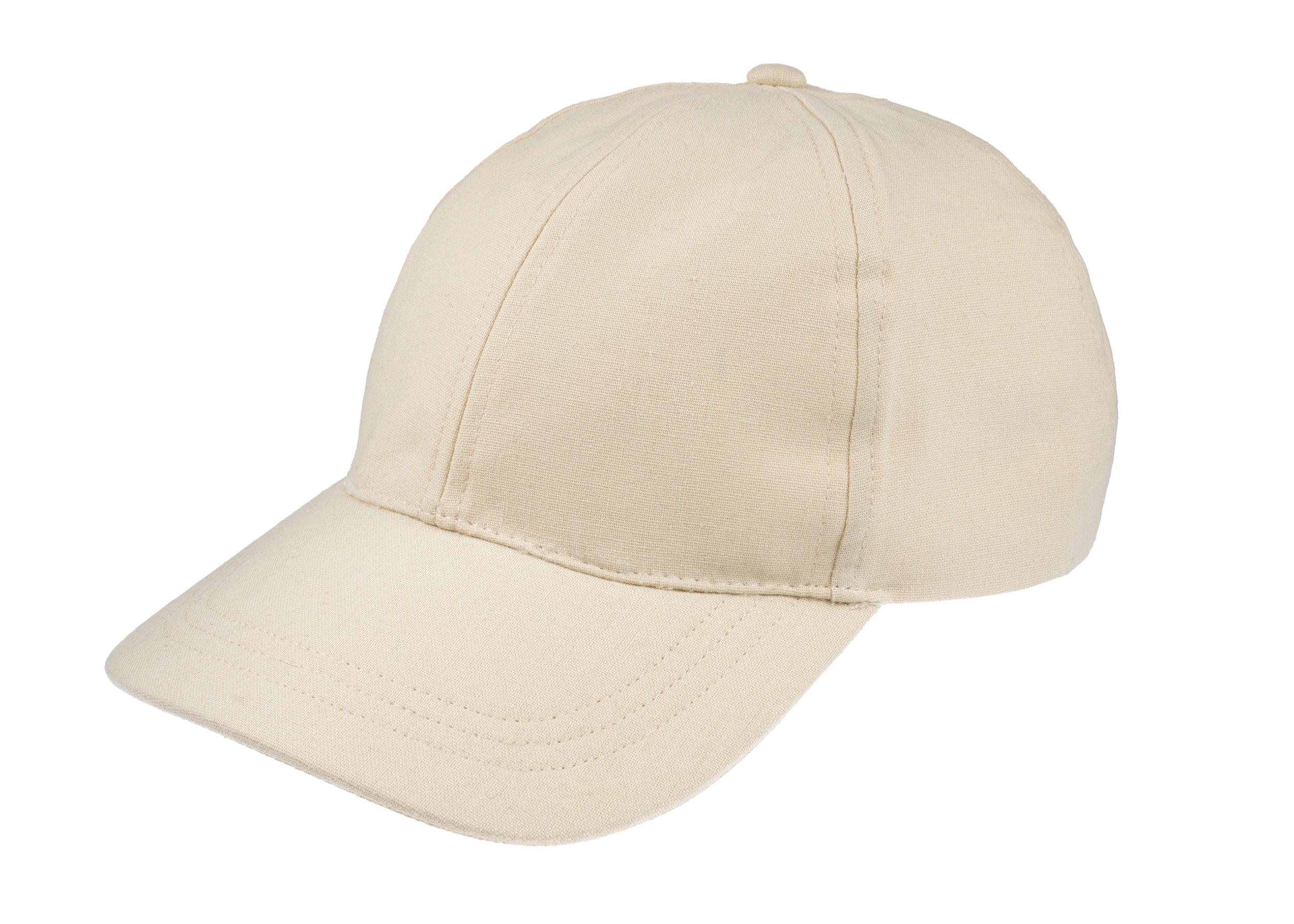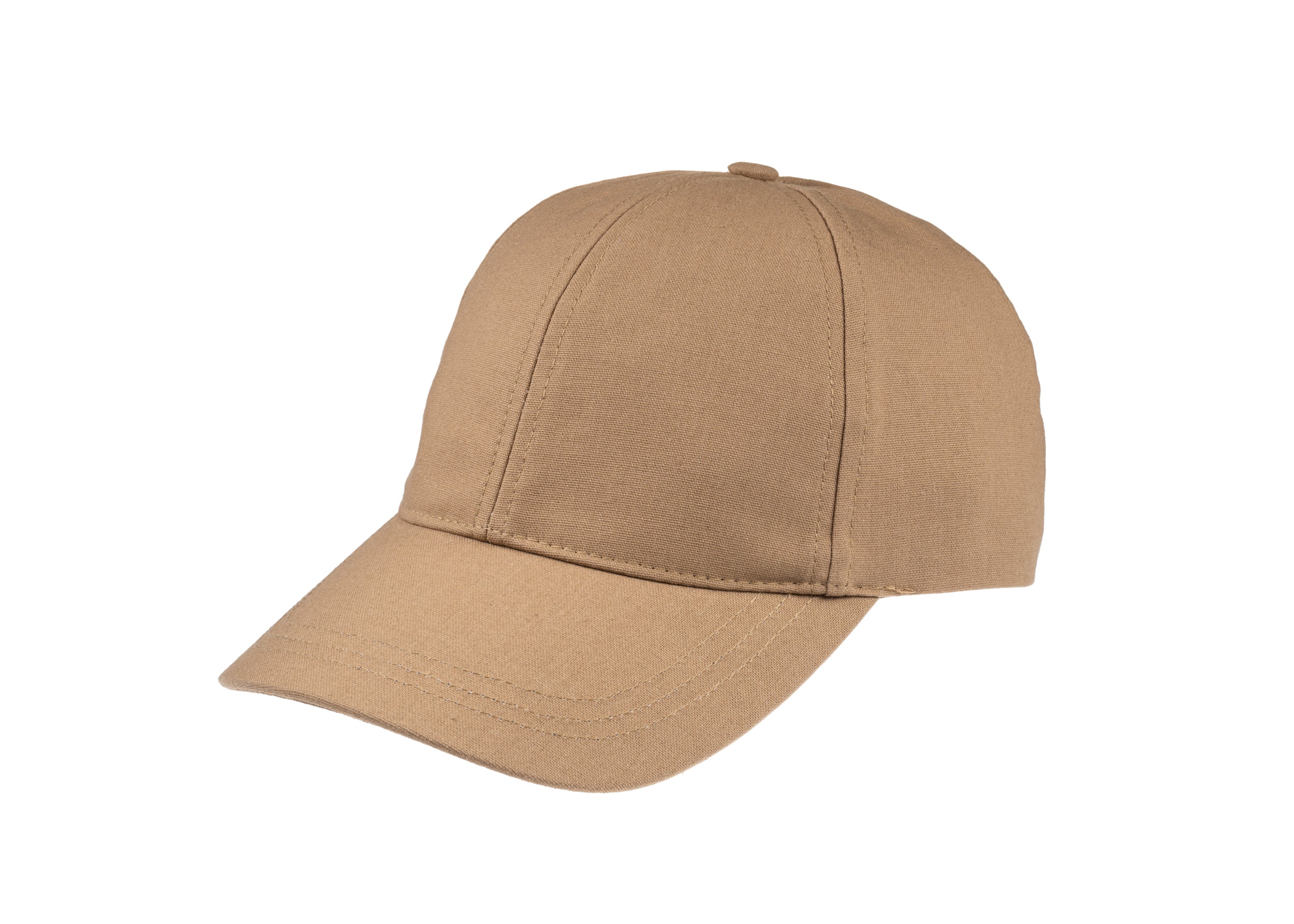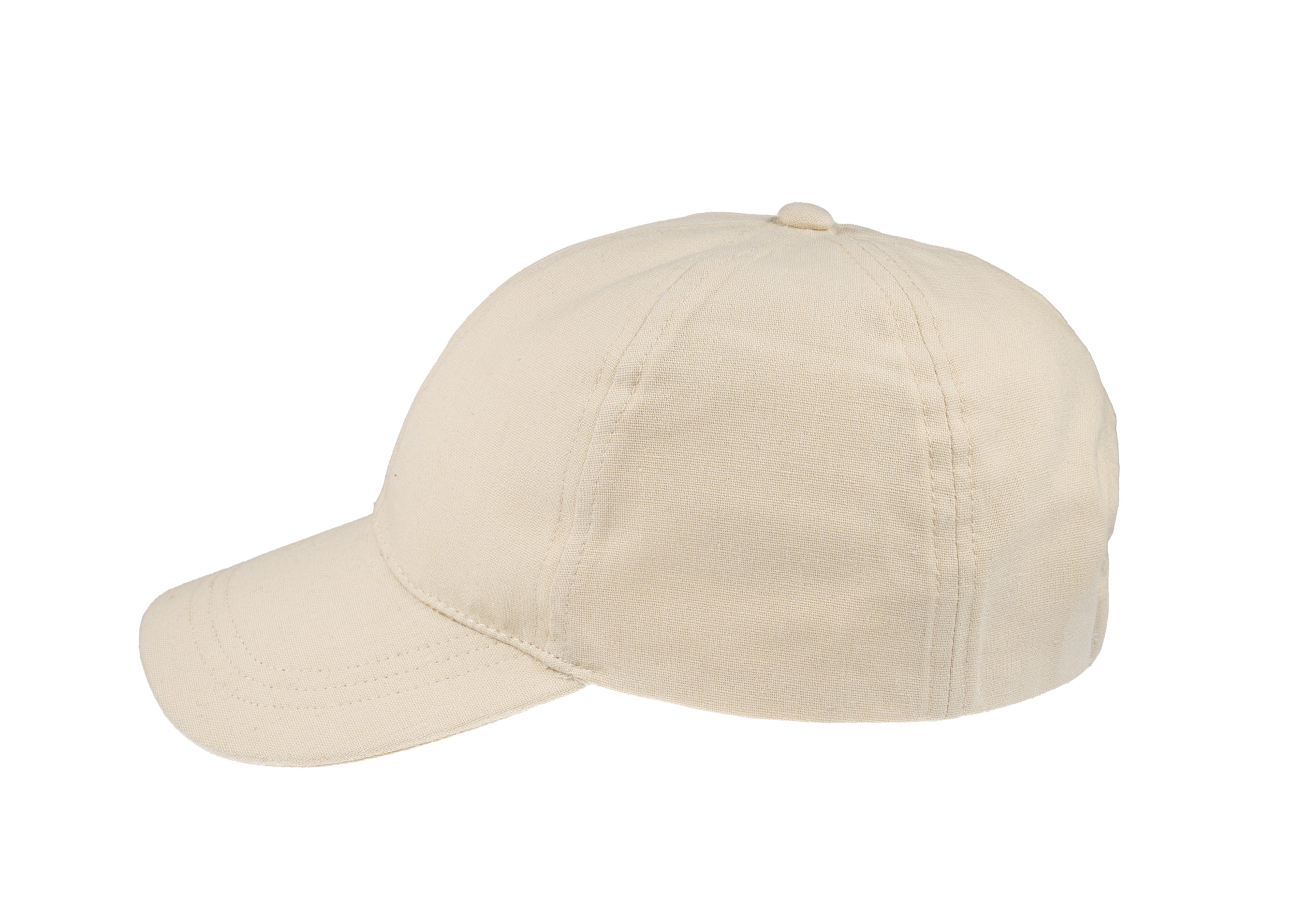



A Homburg can quietly transform formal dress, yet a single misjudged proportion will make it appear ill-proportioned rather than distinguished. Which choices ensure the Homburg reads as deliberate rather than accidental?
This short guide sets out three practical fit rules for the Homburg: balance crown and brim against your face, scale the hat to your stature and posture, and match material and brim to your outfit. Apply them and the Homburg will sit as a considered element of an ensemble, revealing its construction and proportion and indicating suitability for the occasion.

1. Balance your facial proportions with crown height and brim width
Balance crown height with brim width to correct facial proportions. Keep pairings simple: oval faces remain versatile with a medium crown and medium brim; round faces benefit from a higher crown and a narrower brim to introduce height; square faces suit a slightly taller crown and a medium brim to soften strong angles; long faces work best with a lower crown and a wider brim to shorten the face; heart-shaped faces favour a medium crown and medium brim to balance forehead and chin. For a quick test at home, photograph the head from front and profile, measure face length from hairline to chin, and use a crown roughly one quarter to one third of that measurement as a starting point.
Brim geometry alters how the face is read. Width, flatness, and a subtle curl at the edge change apparent face width and jaw prominence, so choose a brim that works with your proportions. To soften a strong jaw, select a brim that aligns with or extends just beyond the cheekbone. To avoid widening a narrow face, opt for a narrower brim. Refine balance with seat and tilt. Sit a Homburg a little forward to lower a high forehead; raise it slightly to shorten the face. Keep the crown centred when you want to preserve a formal carriage. Take photographs at eye level to judge the result with an objective eye. Finally, attend to construction cues. Crown shape, felt stiffness, and brim roll all change a hat's silhouette and the way it sits on the face. For formal occasions, prefer a clean-lined build. For a subtler adjustment, have the hat blocked to tweak brim width or crown height until the proportions feel right.

2. Scale a homburg to suit your height and posture
Choose a crown height and brim width that sit in proportion to your head, face, and torso so the homburg complements rather than overwhelms. Taller, upright figures generally carry a slightly higher crown and broader brim; shorter or more compact builds tend to suit a lower crown and narrower brim. Try the hat in a full-length mirror: it should add presence without shortening the neck or obscuring the face. Compare the brim’s width with your shoulder and lapel lines, and photograph yourself at chest height to confirm the brim sits within the shoulder silhouette rather than competing with jacket proportions.
Set the hat with disciplined placement for formal occasions. Position the front of the crown just above the eyebrow and wear the hat square to the face, allowing only a modest forward tilt when your carriage is upright. Account for habitual posture when choosing scale: a tall crown will read top-heavy over a rounded upper back. Try the hat both seated and standing to judge how it performs at a table and in motion. Make subtle adjustments to refine fit and proportion, for example thin, breathable pads to alter crown height, gentle steaming to relax a brim roll, or a milliner's minor trimming to reduce bulk. These measured tweaks preserve the traditional homburg silhouette while ensuring the hat sits harmoniously with your posture and jacket lines.

3. Match hat material and brim to the occasion and outfit
Consider the hat material in relation to the cloth of your outfit: dense fur felt sits well beside worsted wool or tweed, lighter felts and haircloth pair with tropical wool or linen, and straw complements lightweight summer tailoring. Think in terms of visual balance: align brim width with the lapel and the shoulder line; a wider brim sits comfortably with broader lapels and a fuller frame, while a narrower brim suits slim lapels and a sleeker silhouette. Check proportions in a mirror from chest height to judge how the hat frames the face and the suit's silhouette. Factor performance into occasion planning: felt and tightly woven fabrics resist drizzle and retain shape, whereas straw and open weaves breathe and lighten an ensemble.
Coordinate finish rather than exact colour. Pair a satin or silk hat band with a silk tie or pocket square, and choose a matte ribbon or leather band to echo suede shoes or a brushed watch strap. Use tonal relationships and texture to create depth: place a mid-tone hat against a dark suit to form a subtle focal point, or select a slightly darker band to pick up shoe or belt tones. Opt for natural fibres and well-constructed linings; they age with a refined patina and provide the kind of detail that rewards closer inspection.
A well-proportioned Homburg rests on three considered choices: a crown and brim that correct the proportions of the face, a scale that respects your height and posture, and a material and finish that sit naturally with your tailoring. Simple tests, such as photographing the head from the front and in profile, comparing the brim with the cheekbones and shoulder line, and testing a felt sample against the weight of your tailoring, reveal whether a hat reads as intentional or awkward.
Treat the three rules as a practical checklist: adjust crown height and brim width to restore facial proportion, scale the hat to your posture and the lines of your jacket, and choose a material and band that harmonise with your cloth and accessories. Follow them and a Homburg becomes a considered element of dress, its proportions and finish revealing the craft behind it and indicating suitability for the occasion.