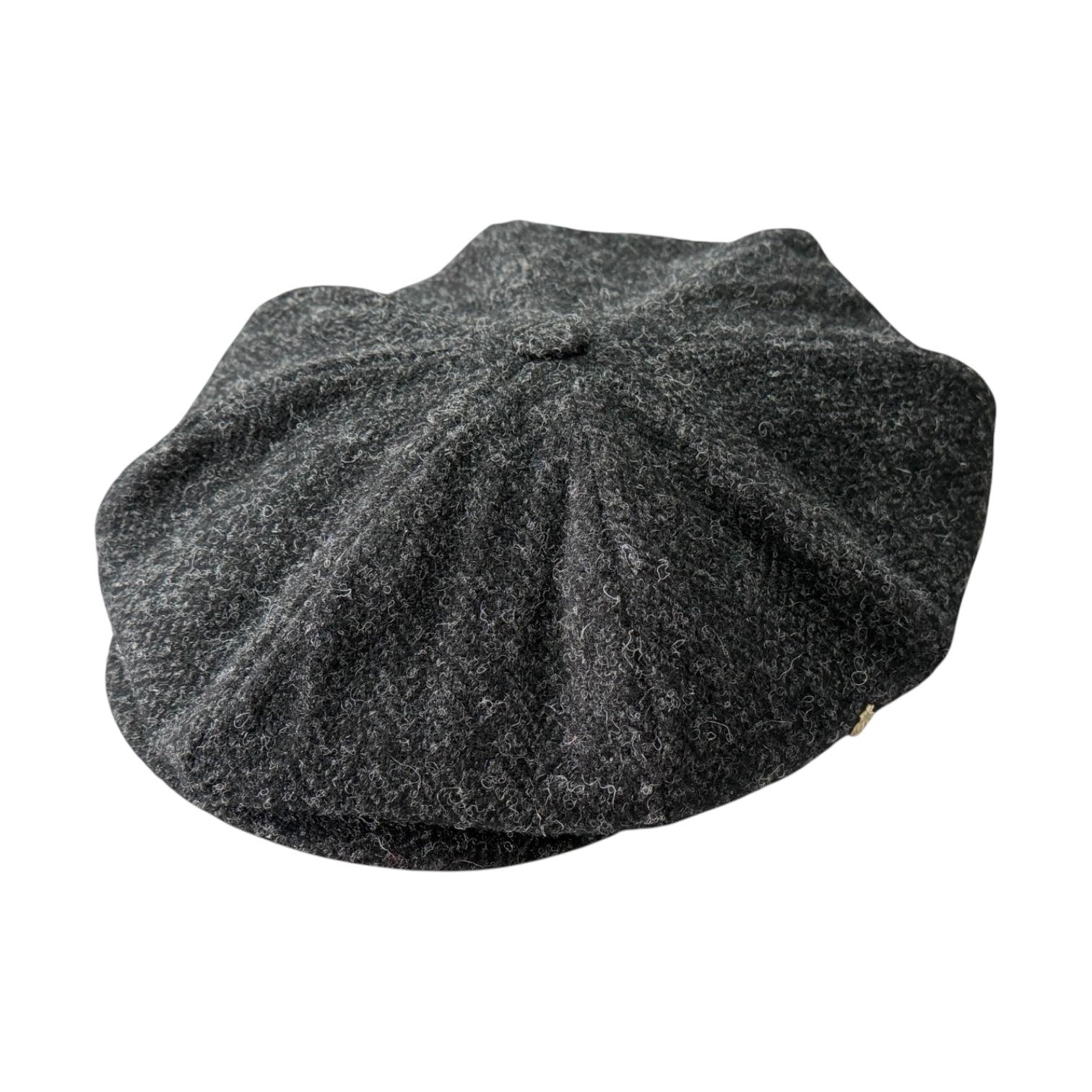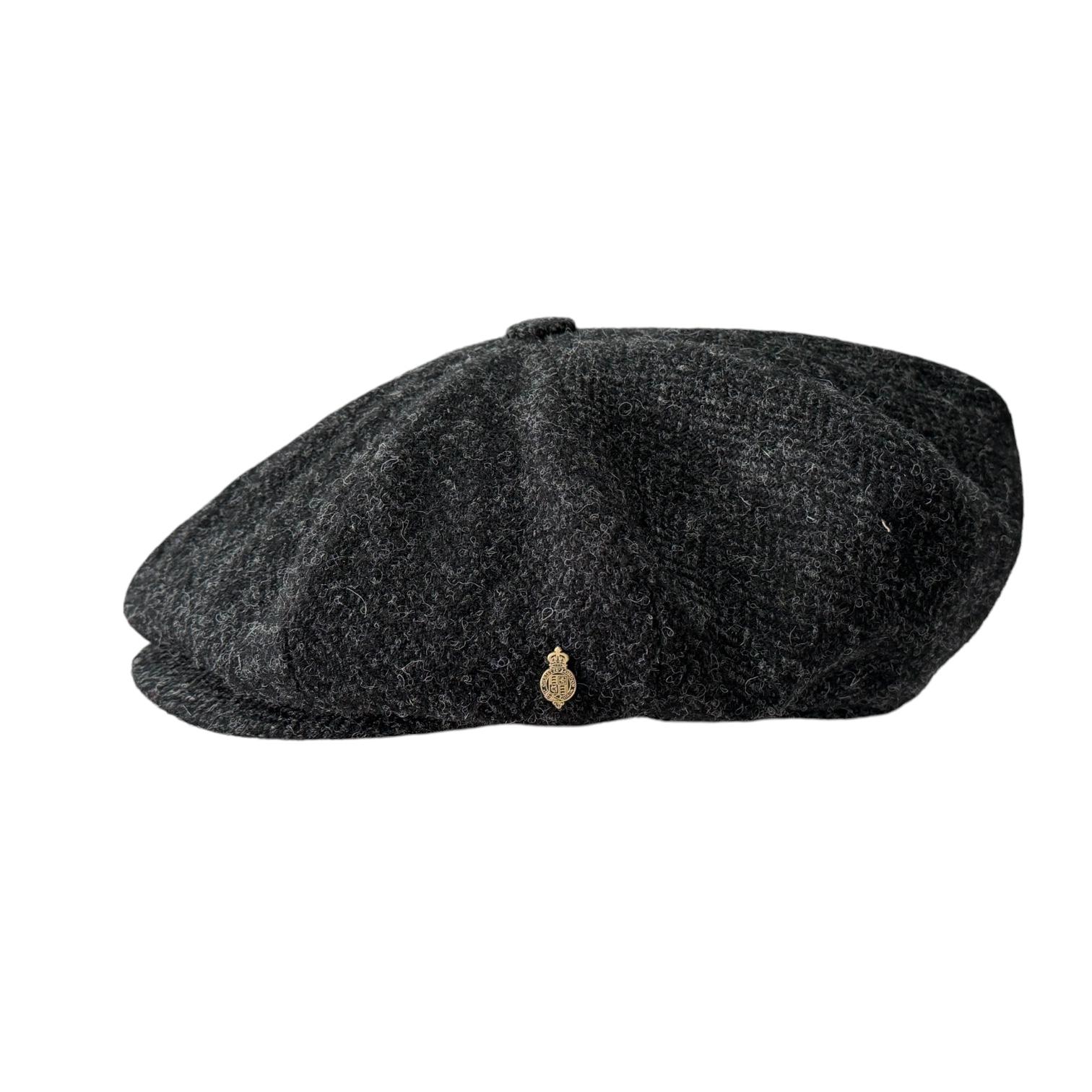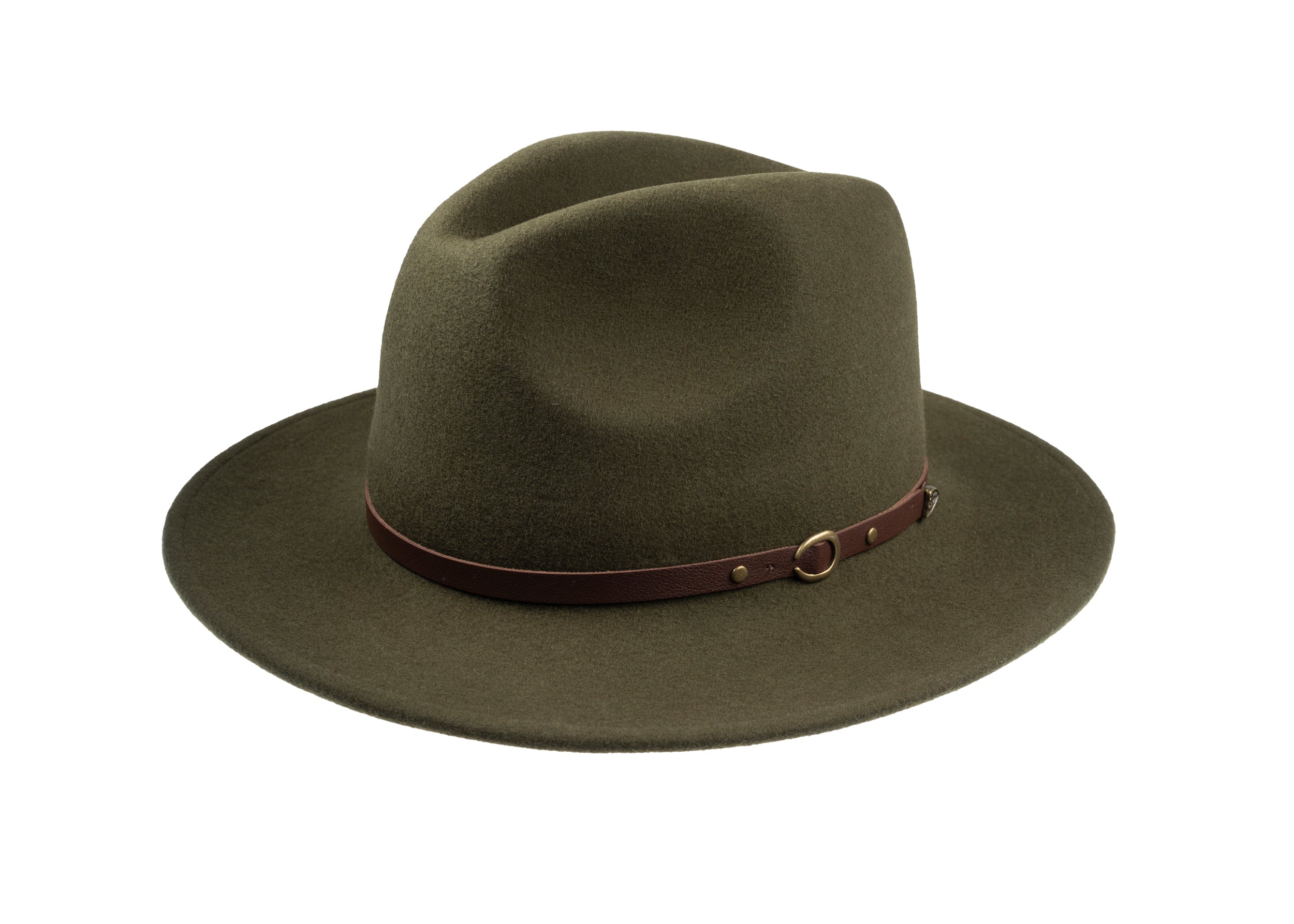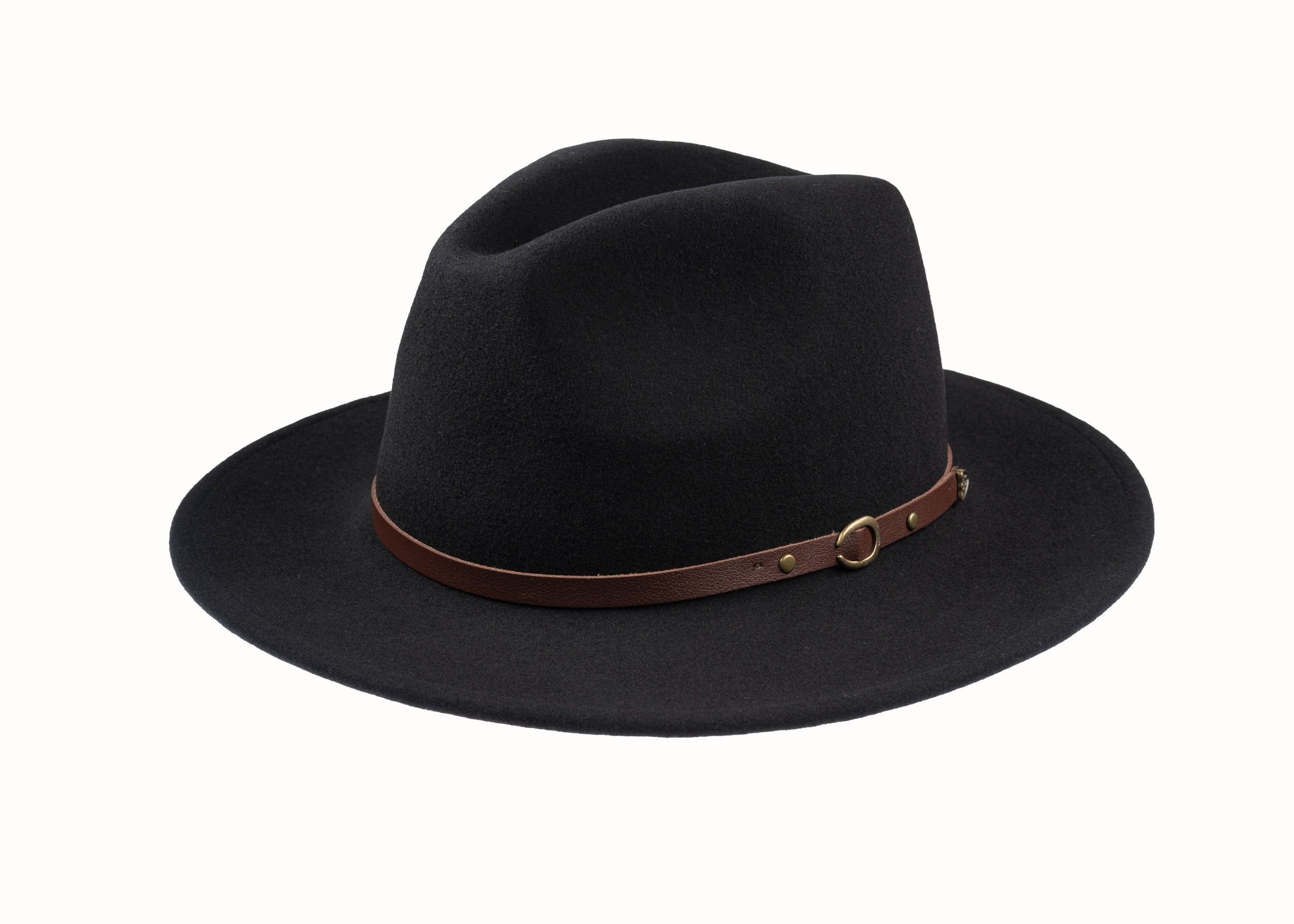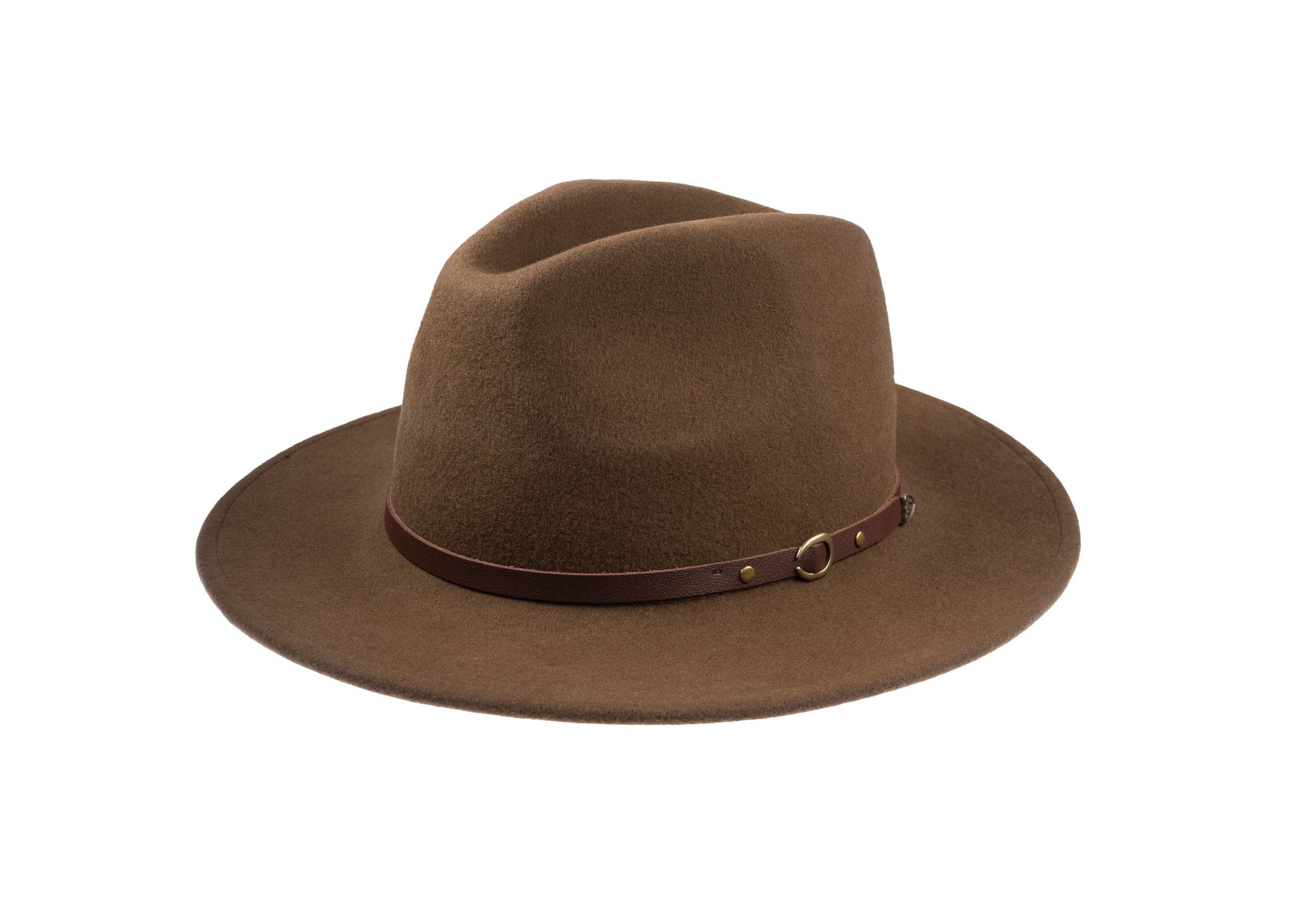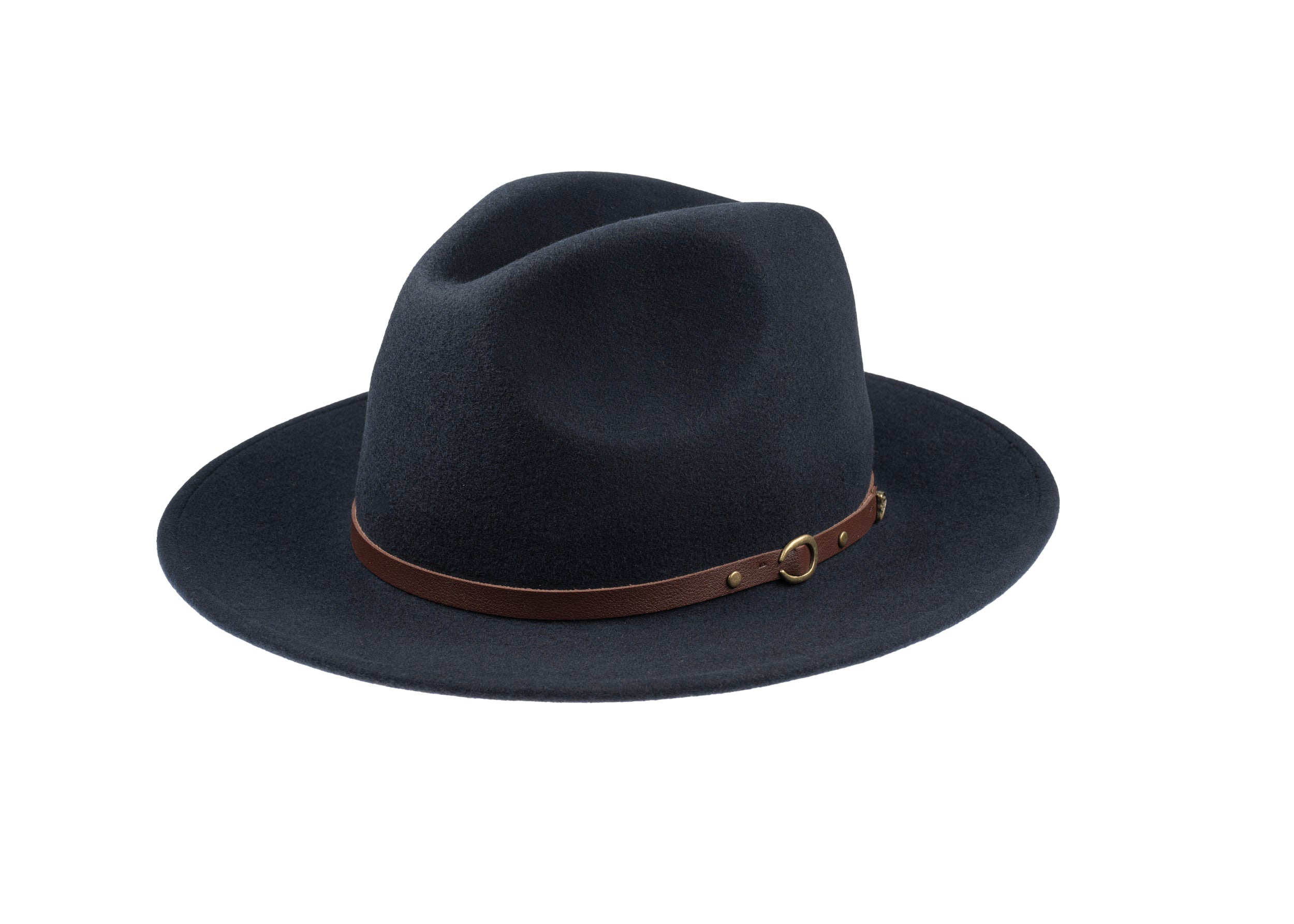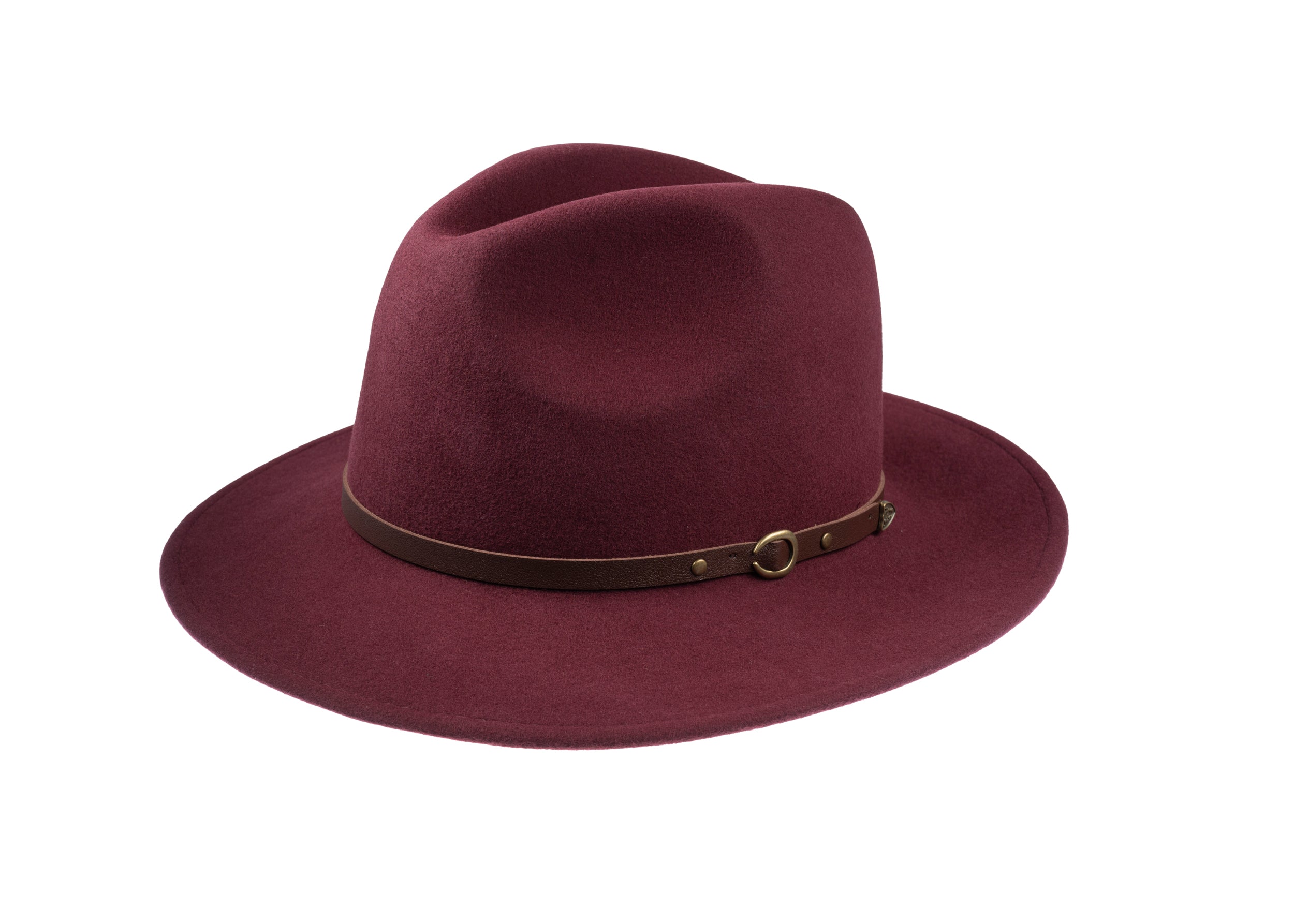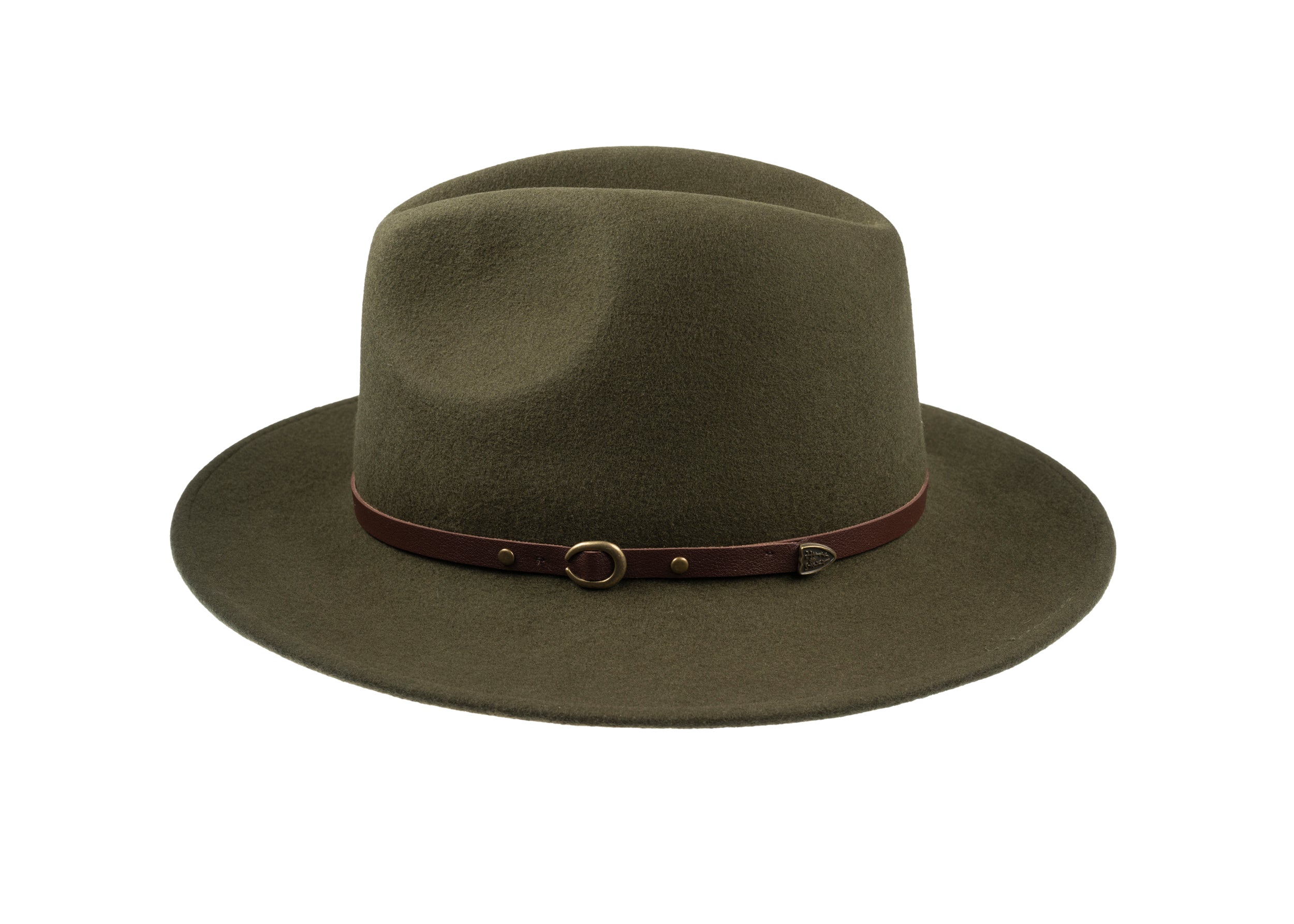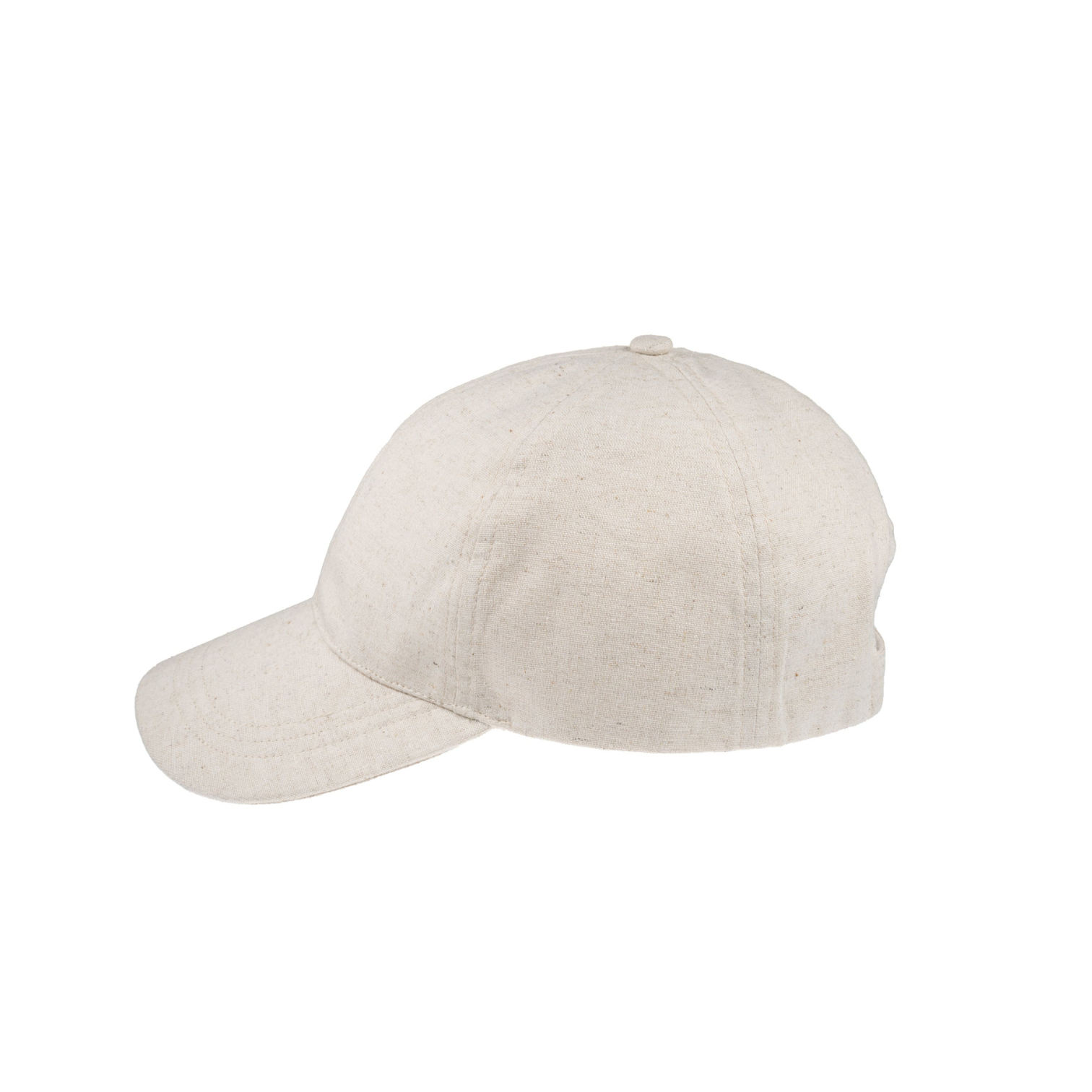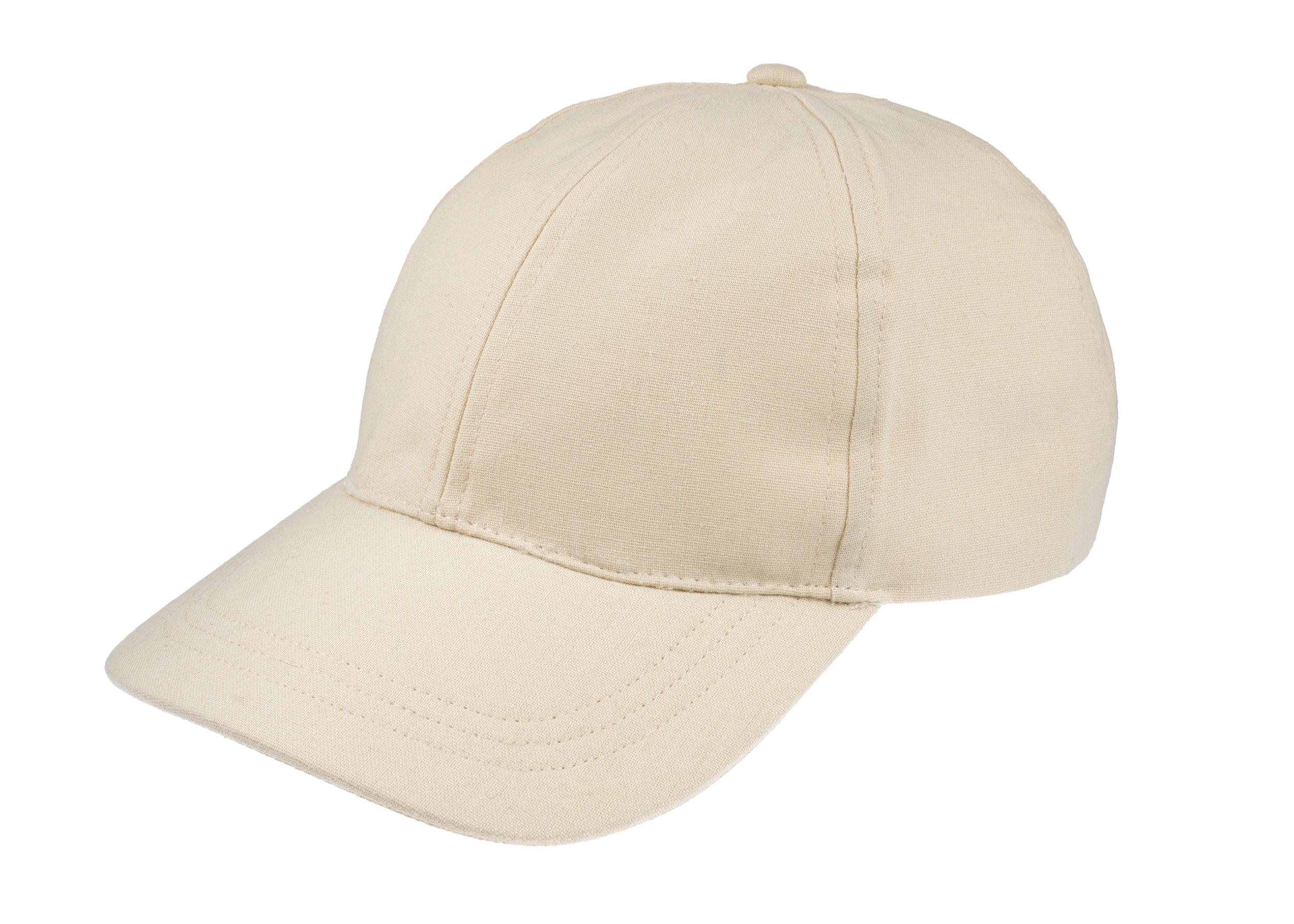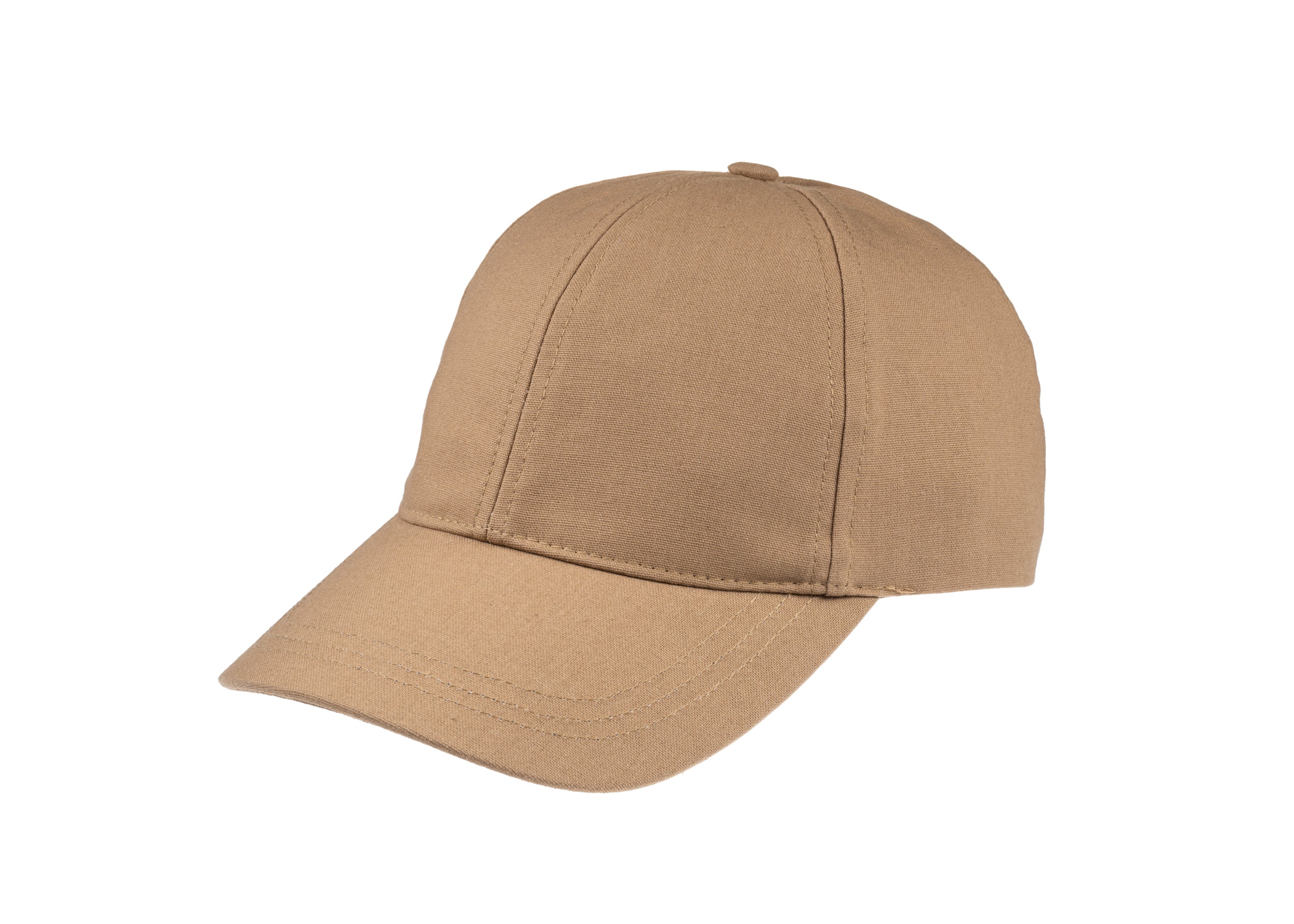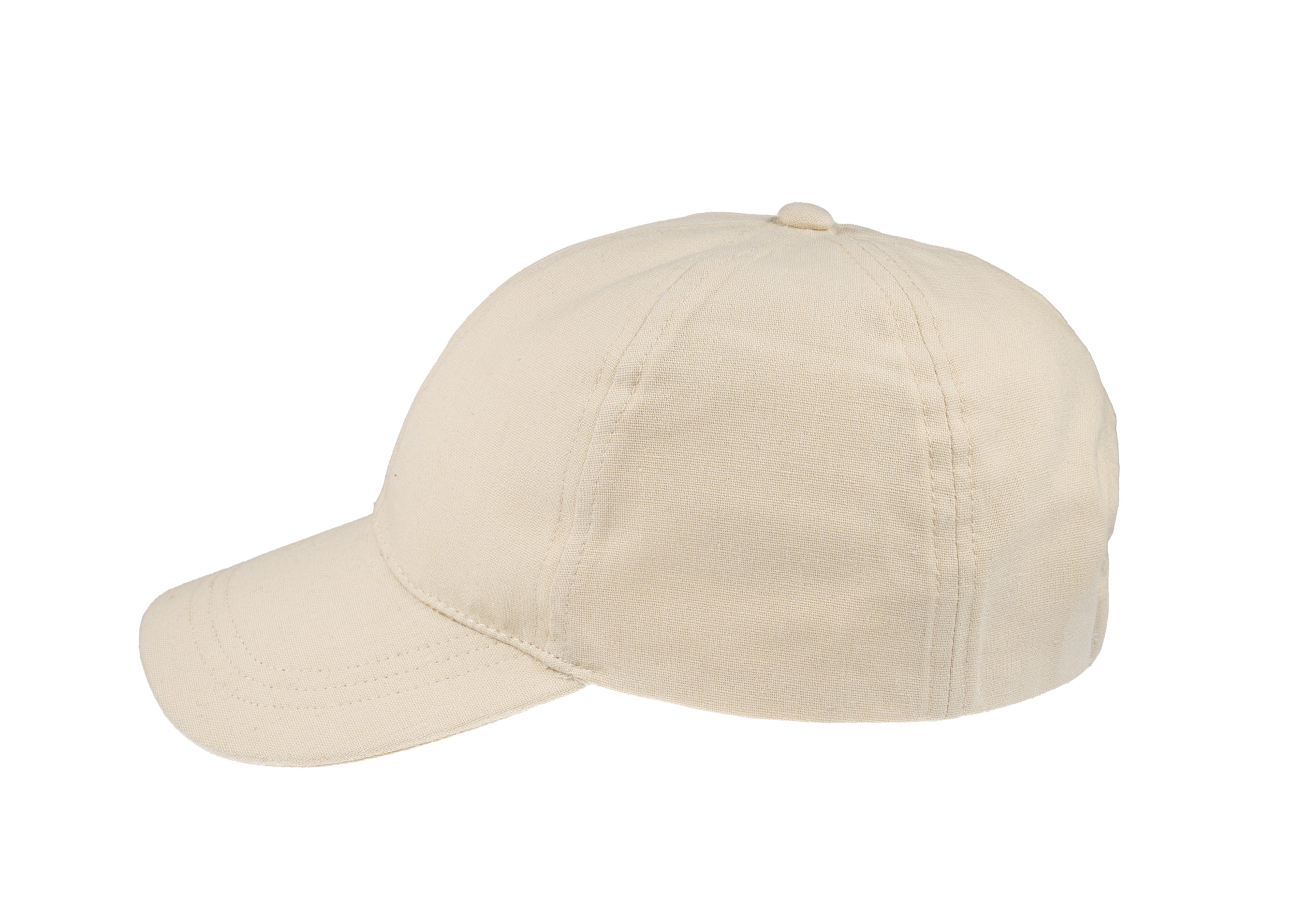





Why do some caps retain a crisp silhouette while others collapse after a few wears? Decisions at the mill about fibre provenance, yarn and weave structure, and finishing determine a cap’s weight, density, and handle. Those properties, in turn, govern how well the cap holds its shape: denser yarns and tighter weaves increase stiffness and recovery, while lighter fibres and looser constructions produce a softer, more pliable result.
This post examines three factors: the provenance of fibres, the weave and density of the cloth, and final fabric finishing. It explains how each influences weight, drape, and recovery, and provides practical mill specifications to adjust a cap's silhouette from soft and relaxed to crisp and resilient.

Select fibres based on provenance to balance weight and resilience
Fibre metrics determine how a hat cloth performs. Longer staple length increases yarn strength and reduces pilling; a finer micron softens the handle while lowering bulk and memory; and greater crimp adds loft and elastic recovery. Specify staple length, micron, and crimp to the mill, and request fibre certificates and matching swatches to verify those values before sampling. Ask also for areal density and compactness figures so you can anticipate how the cloth will behave in use. Weight and fabric density shape cap silhouette and resilience. Lightweight cloth favours drape, midweight offers a balance of shape and fall, and heavyweight produces a more structured crown. Do not rely on a flat swatch alone: commission a hat-block prototype so you can judge how the fabric sits and how it springs back in three dimensions.
Begin with long-staple natural fibres blended with a small proportion of synthetic yarn, or with shorter-staple naturals. This increases strength, shape memory, and abrasion resistance while retaining a natural hand. Specify yarn count and twist tolerances: tighter twist and higher yarn count increase body and resilience, whereas low twist and open counts favour softness and drape. Test samples practically. Perform a pinch-and-release recovery check and a fold-crush test across the crown, and request Martindale abrasion figures and elongation or tensile numbers from the mill. Compare those laboratory values with an on-block prototype to guide iterations. Use finishing levers deliberately: heat setting stabilises the silhouette, resin or sizing increases stiffness and recovery, and brushing or napping softens the handle and reduces perceived density. Request controlled variations of the same fabric and assess them on the intended block and in the hand to choose the right balance.

How weave and fabric density determine a cap's silhouette and drape
Start by recording three key measurements: weight in grams per square metre (gsm), yarn count and twist, and ends and picks per inch. Request both unfinished and finished swatches, each clearly labelled with gsm, yarn count, weave, and finish. Perform a simple drape test: pinch a corner of the swatch and observe how the fold falls. A hands-on comparison of unfinished and finished samples quickly shows how handle and finishing alter drape, seasonality, and silhouette, and it will indicate which finish to trial for an upright, soft, or brimmed crown.
When commissioning fabric from a mill, set out exact mill data up front: target gsm range, yarn count and ply, twist level, weave type (plain, twill, basket), ends per inch, picks per inch, and the finish required, such as heat-setting, enzyme wash, calendaring, or brushing. These parameters determine the fabric’s body, drape, and durability, so record them clearly on the spec sheet. Include a short use note with the spec sheet, for example upright structured crown, soft unstructured crown, or brim with memory, so the mill can align construction to your silhouette goals. Request finished swatches and standard test results for crease recovery, pilling, abrasion, and dimensional stability. Where the mill cannot supply them, run simple lab-style checks in-house. Note that resin and heat-setting increase body and crease recovery, while enzyme treatment and brushing soften the hand but can reduce abrasion resistance; include these trade-offs in your decision-making. Prototype full pattern pieces rather than relying on small squares, and maintain an annotated swatch library with test outcomes, production notes, and photographed prototypes. That record will help you match mill specifications to the desired silhouette for occasions such as Royal Ascot, Glyndebourne, or country travel.

How to finish fabrics to improve handle and maximise resilience
Begin by distinguishing GSM, the grams per square metre that quantify mass, from fabric density, which describes thread count in woven cloth or course and wale compactness in knits. Density influences internal friction and structure. Higher GSM and a tighter weave or knit increase body and help brims retain shape; for example, a 280 GSM twill or dense weave will resist collapse far more than a 120 GSM open weave. Use a few simple, repeatable checks to judge behaviour. Drape a swatch over a hat block to observe crown fall. Compress a brim or crown by 10 mm for 10 seconds, then record recovery after 30 seconds. Flatten a sample through several cycles and note how quickly it springs back to assess fatigue. Finishes tune handle and resilience. Resin finishes and calendering increase stiffness and shape retention, whereas enzyme washes and silicone treatments soften the hand. Each choice trades breathability against abrasion resistance and long-term shape memory.
Mills can adjust yarn count, ply, thread density, weave or knit structure, and pile or nap length to alter a fabric's drape, memory, and resilience. When sampling, change one variable at a time so the effect of each alteration is clear. For objective prediction, rely on a small set of mechanical measures. Compressive recovery tests show how much shape a material regains after compression; cantilever bending rigidity quantifies stiffness and deflection under load; Martindale abrasion cycles indicate likely wear life; and air permeability measures breathability. A practical sampling protocol is simple: make three identical swatches of each variant, run ten compression cycles and record per cent recovery, perform a standard cantilever bend and report deflection, log Martindale cycles to the chosen wear end-point, and measure air permeability in standard units. The correlations are straightforward. Greater bending rigidity and higher compressive recovery predict perceived stiffness and resistance to collapse. Higher Martindale counts suggest longer service life. Lower air permeability generally corresponds to reduced breathability, even where shape is retained. Use these results to inform design choices. Opt for lighter, more open constructions for relaxed, slouch silhouettes, and for denser constructions with targeted interlinings where a structured crown or brim is required. Add resilience with increased stitch density, considered seam placement, or edge binding to improve retention without substantially altering handle.
A cap's silhouette and resilience begin at the mill. Fibre provenance, yarn and weave geometry, and the finishing together determine weight, drape, and memory. When assessing a cap, ask to see fibre certificates and a hat-block prototype, and carry out a few simple checks: a pinch-and-release test shows the fabric's spring; a compressive-recovery check demonstrates how the crown returns after pressure; and a Martindale abrasion result predicts surface wear. Taken together, they reveal the detail that rewards closer inspection: how a hat will sit, perform, and endure.
Apply the three levers discussed: select fibres for their provenance, sculpt weave and density, and finish the fabric. Taken together, these repeatable, measurable steps will move a cap from slouchy to structured while retaining the qualities that reveal careful making. Keep annotated swatches, prototypes, and test notes so your next commission arrives with the intended shape, suited to settings from Royal Ascot to country travel.