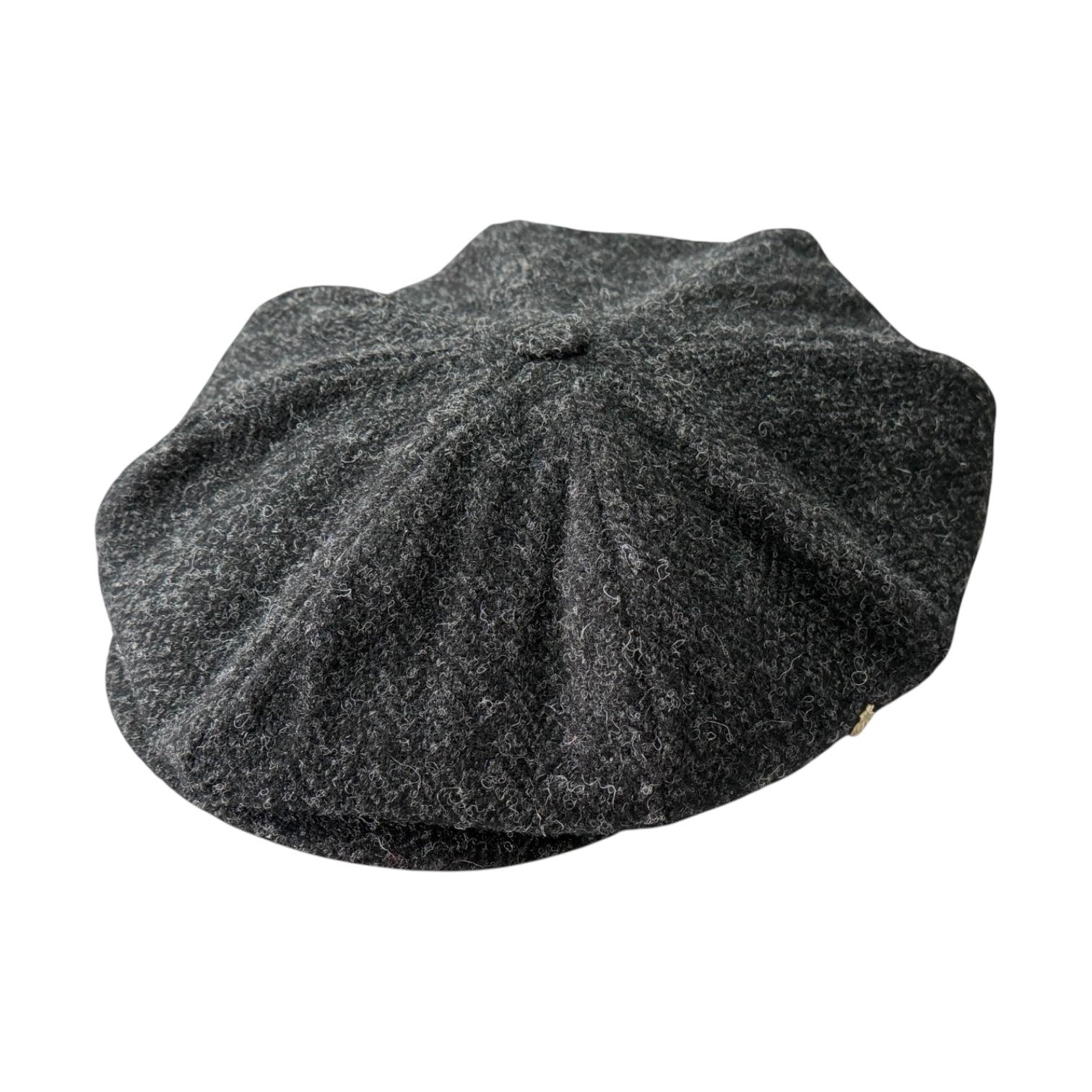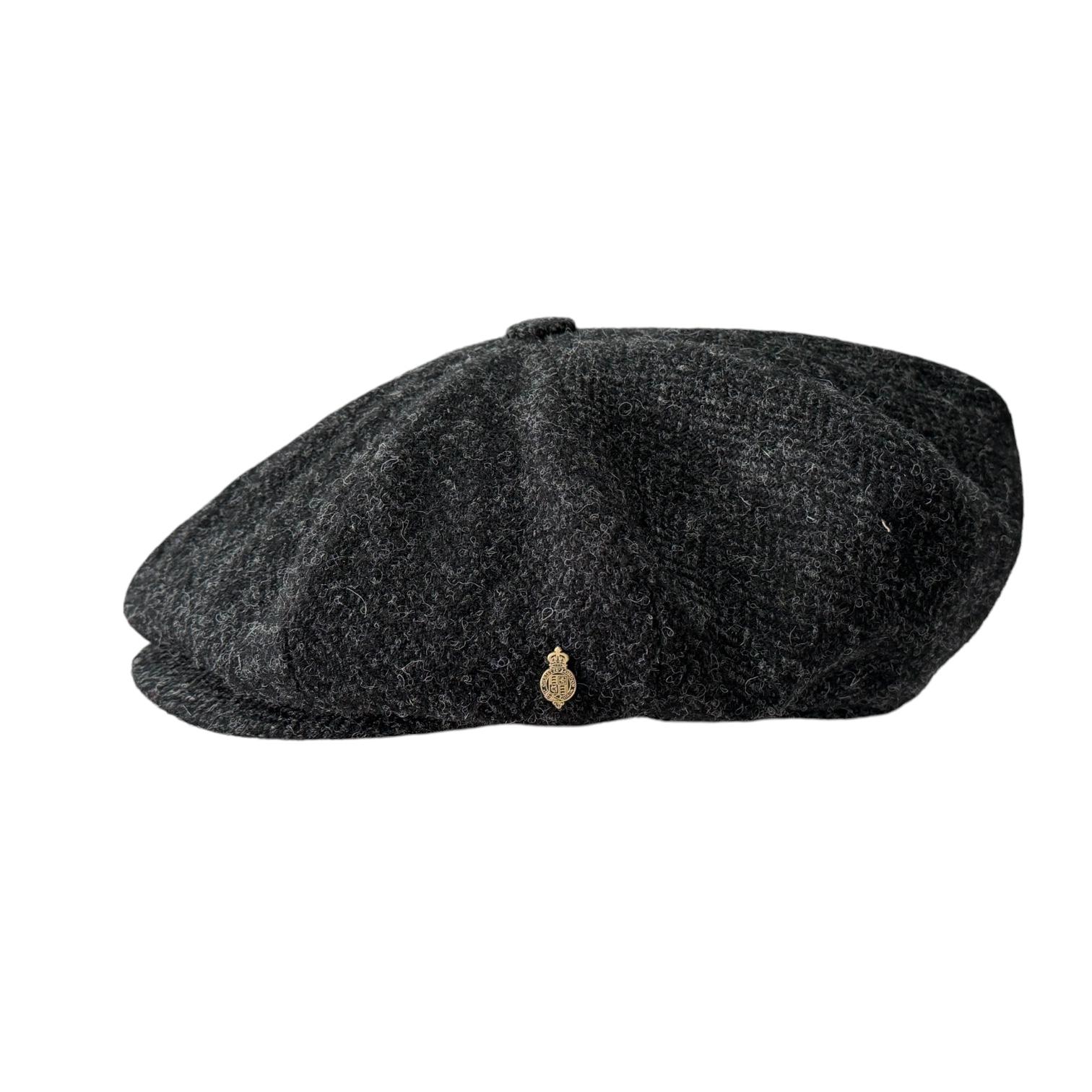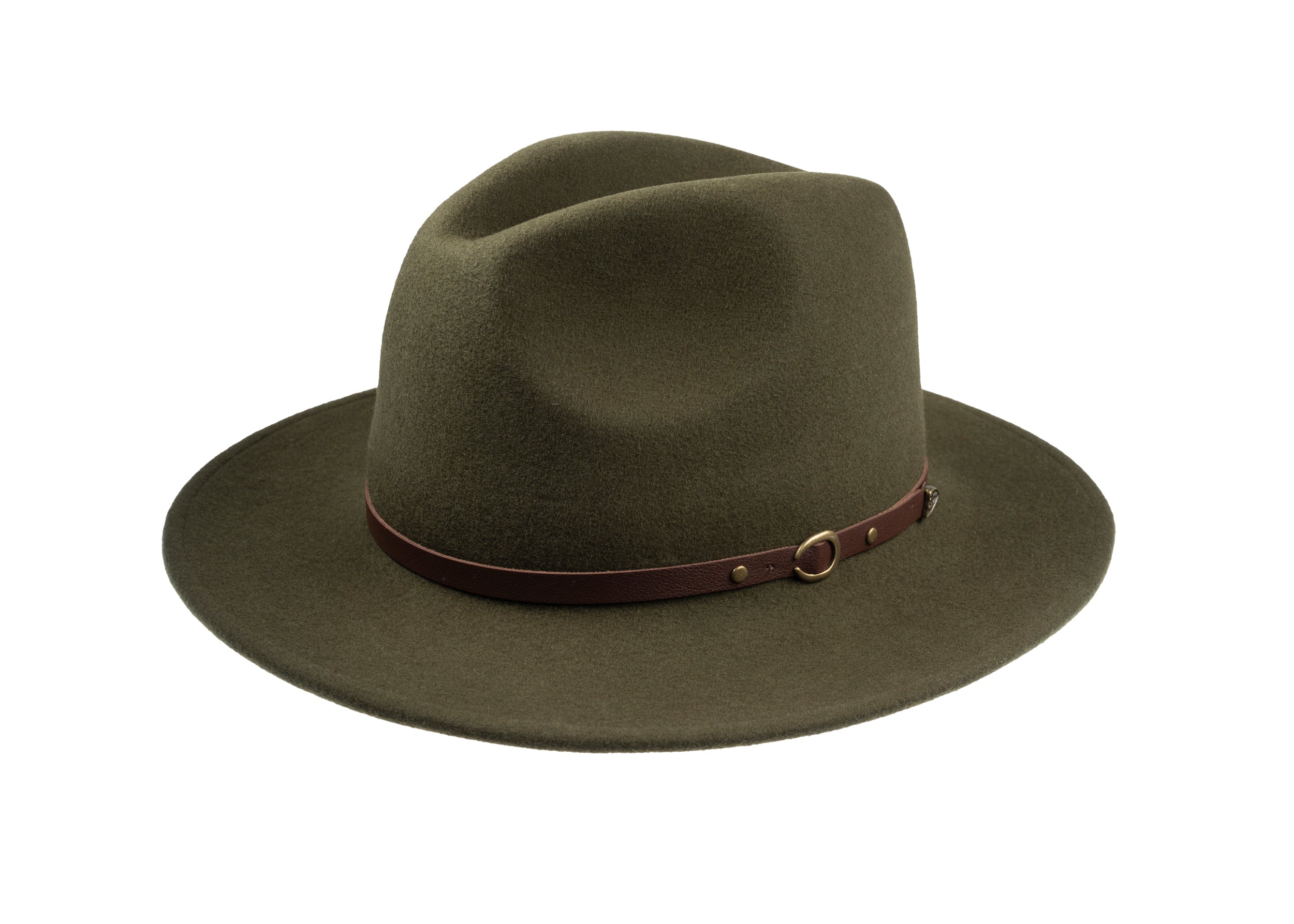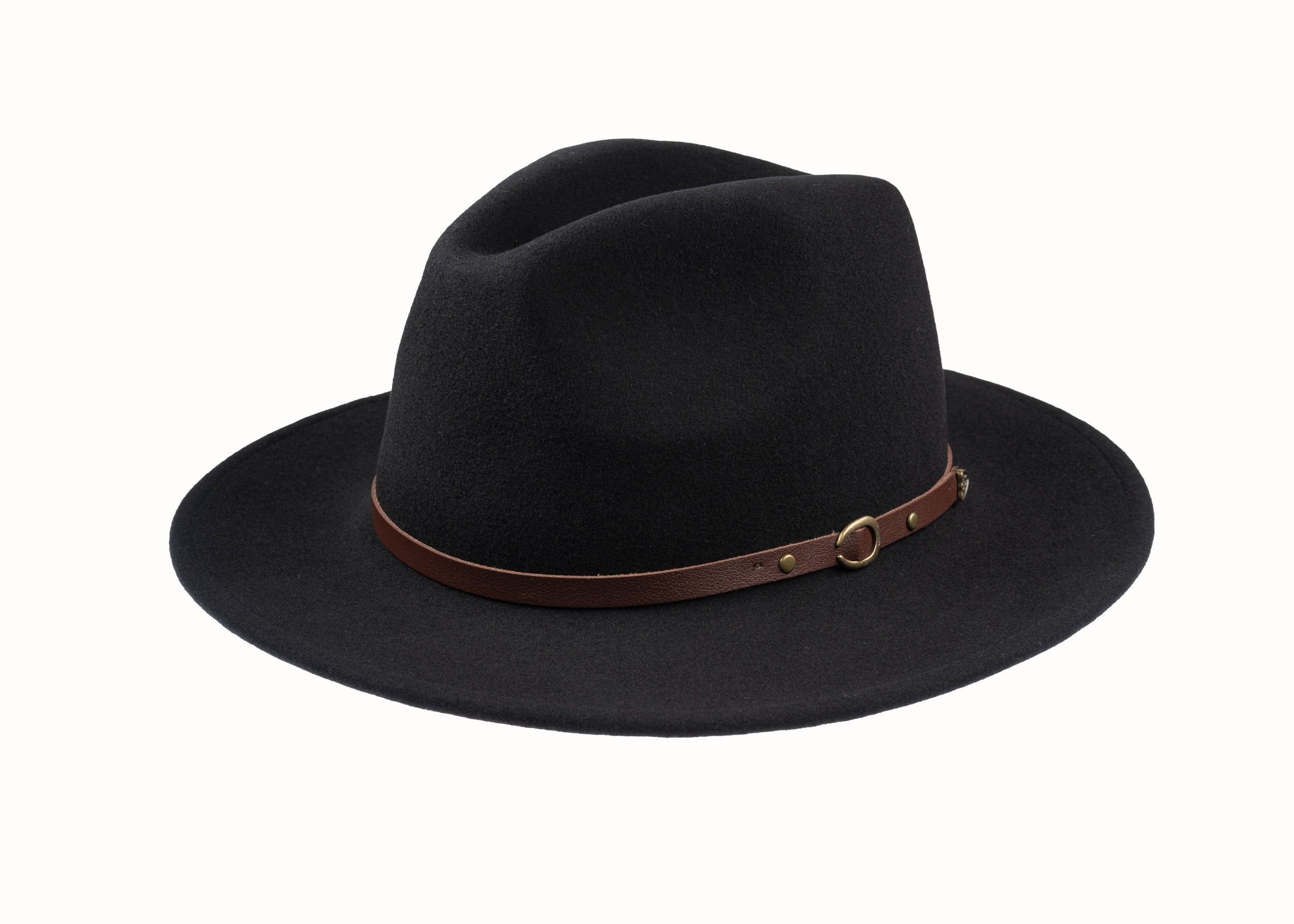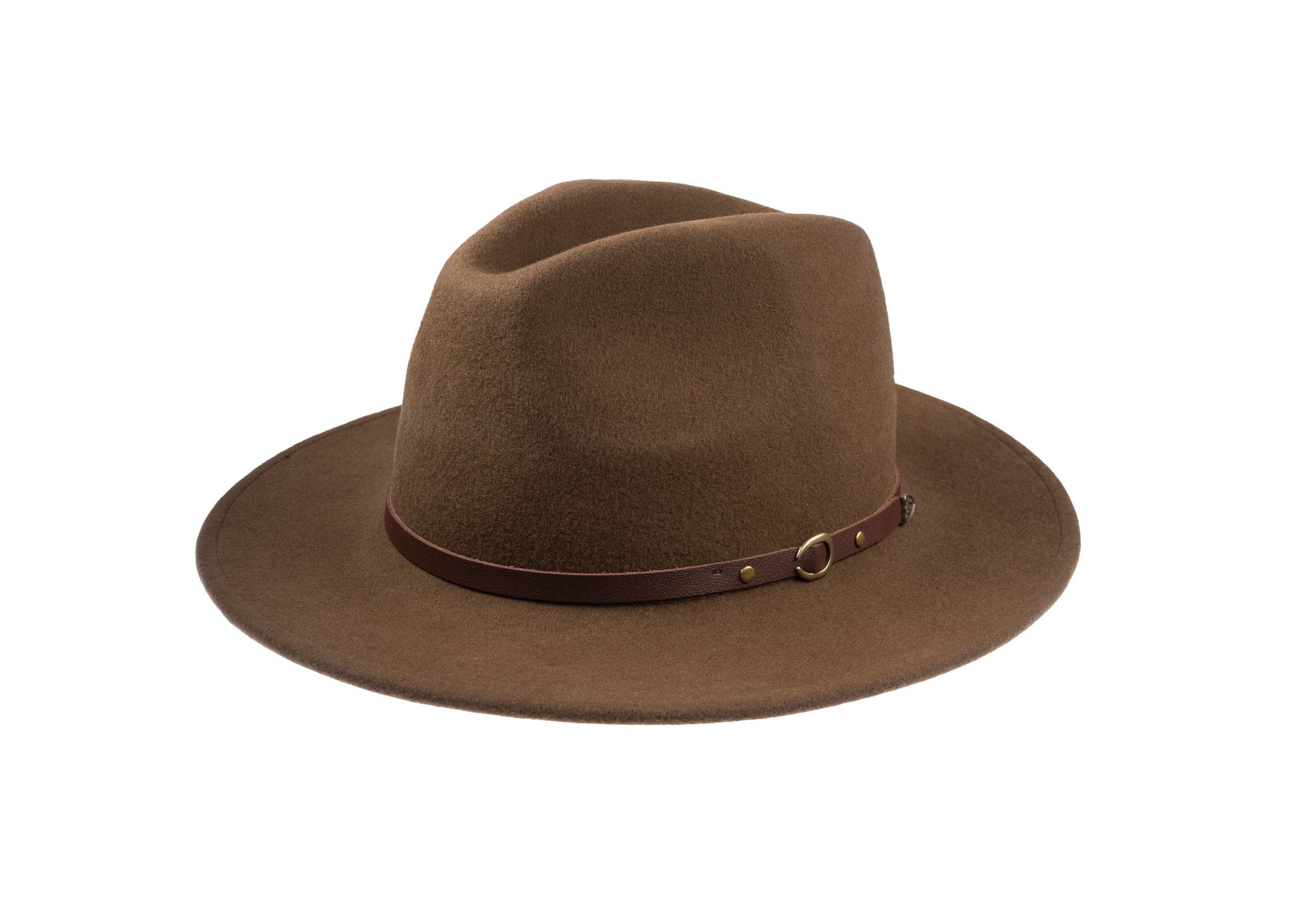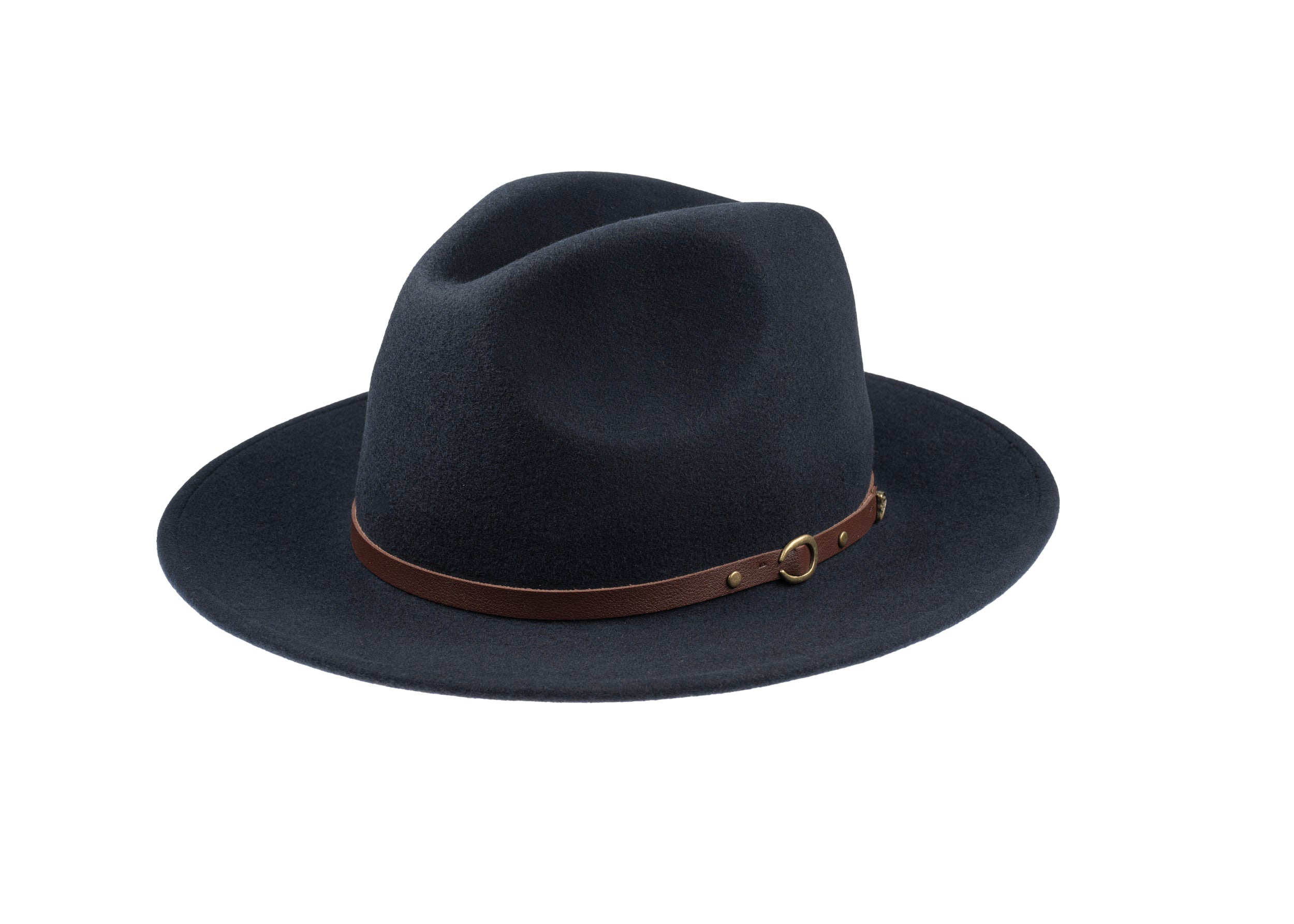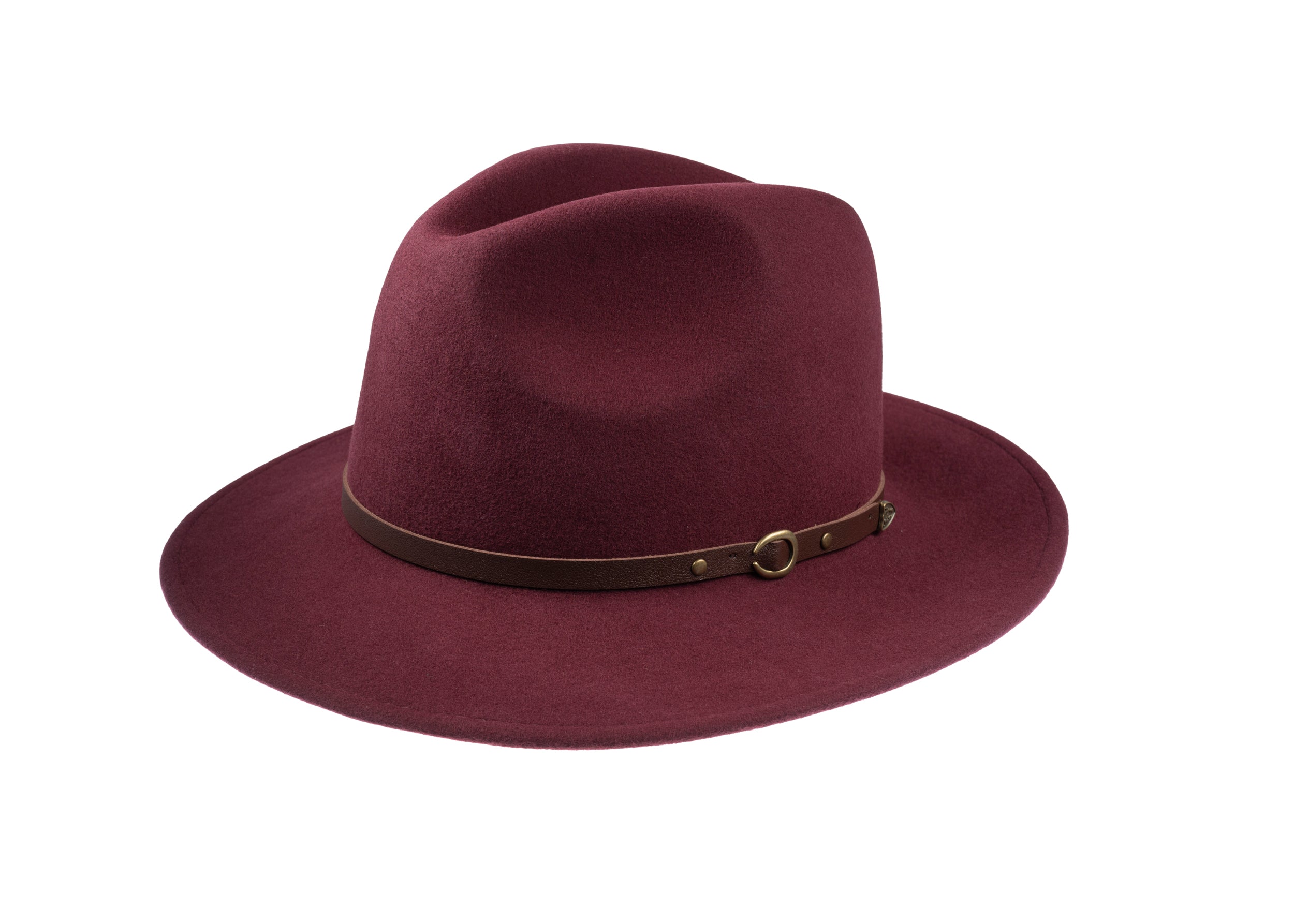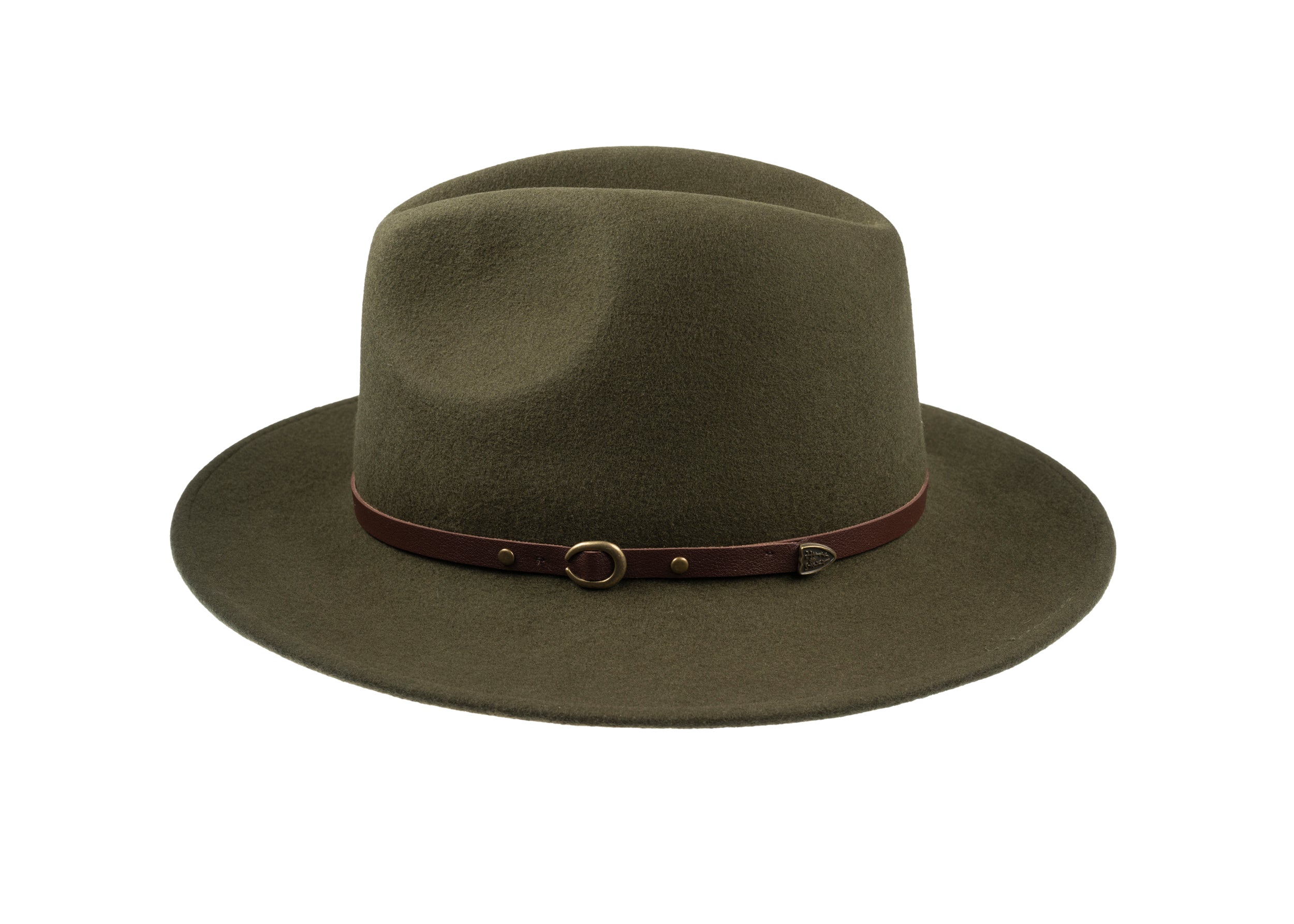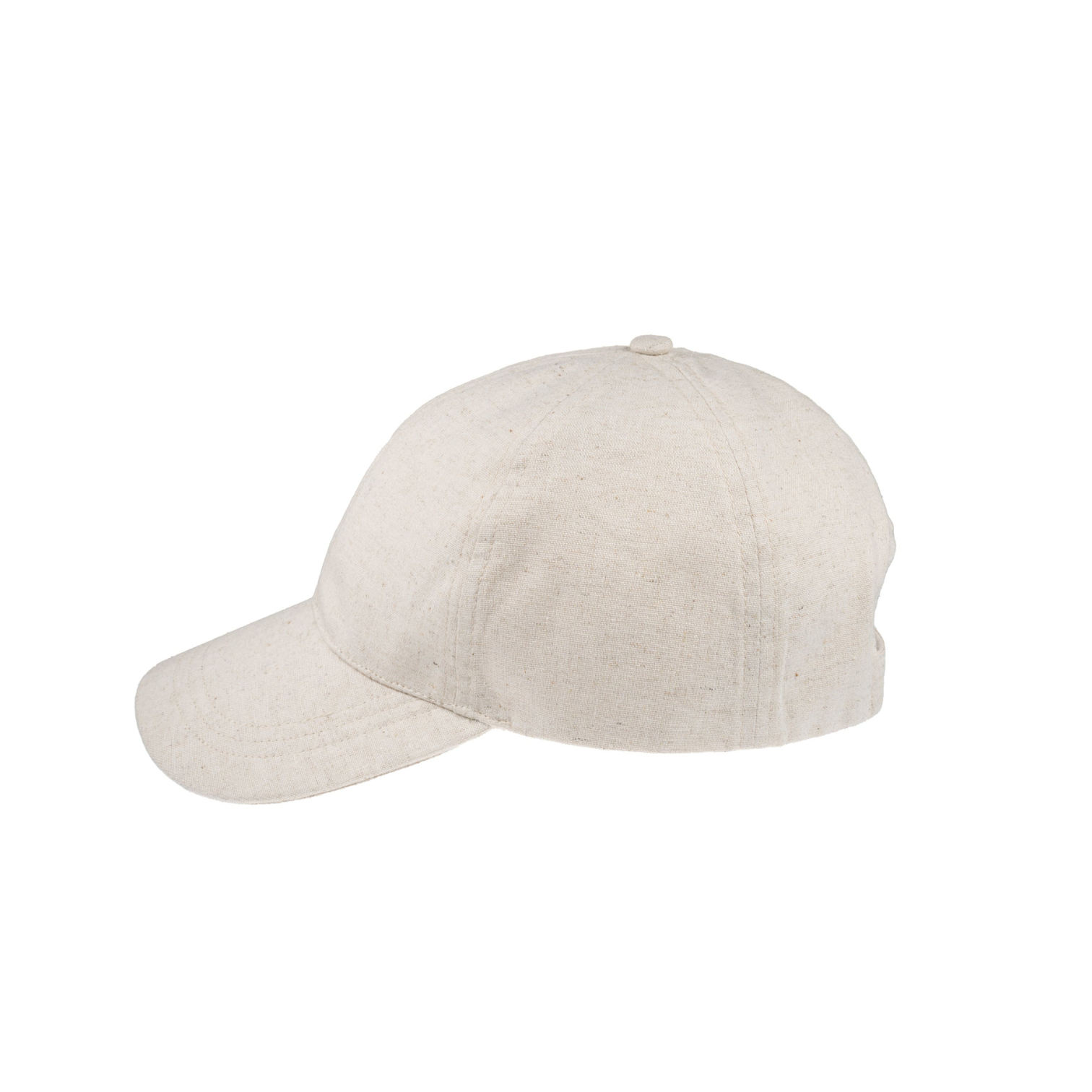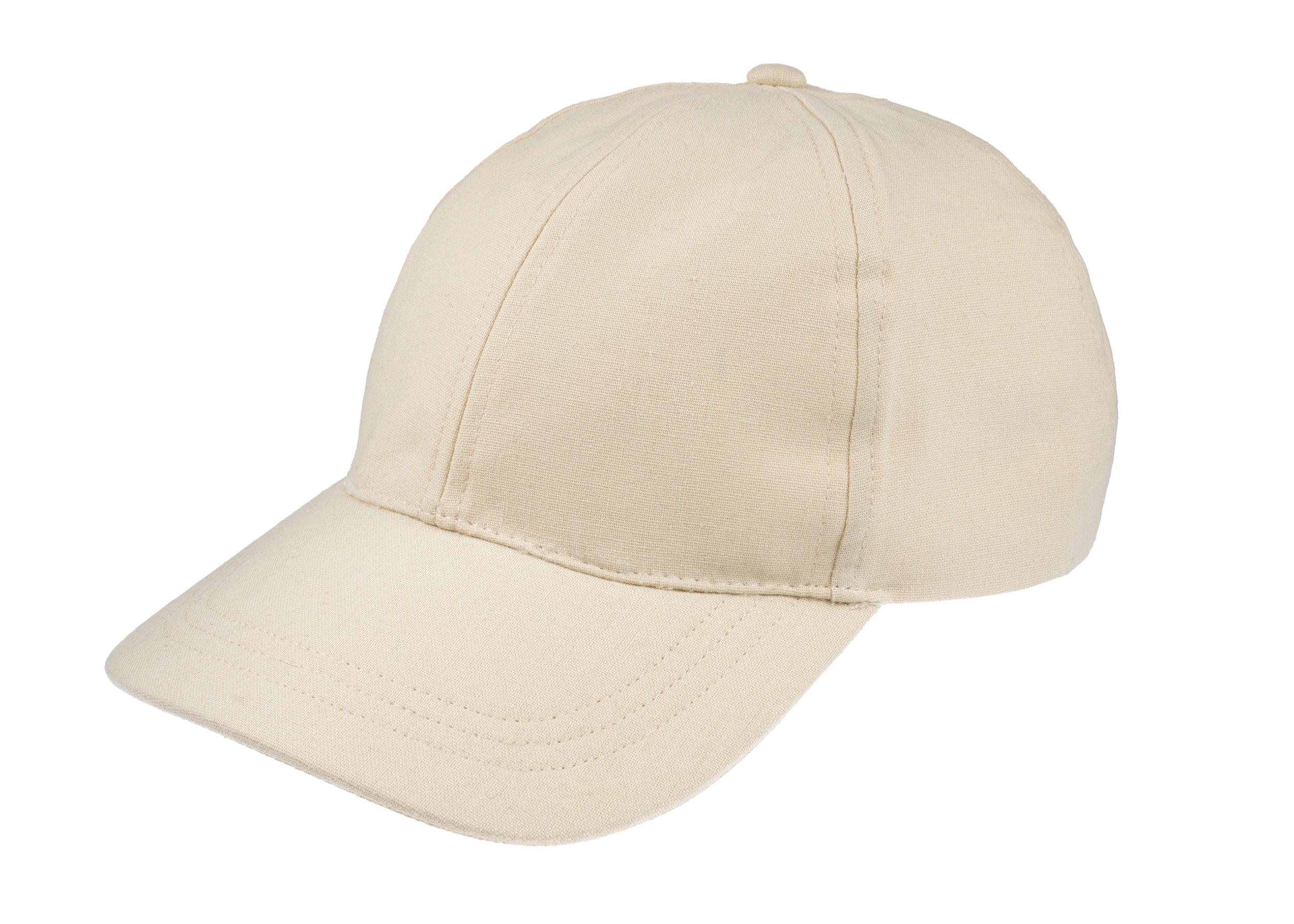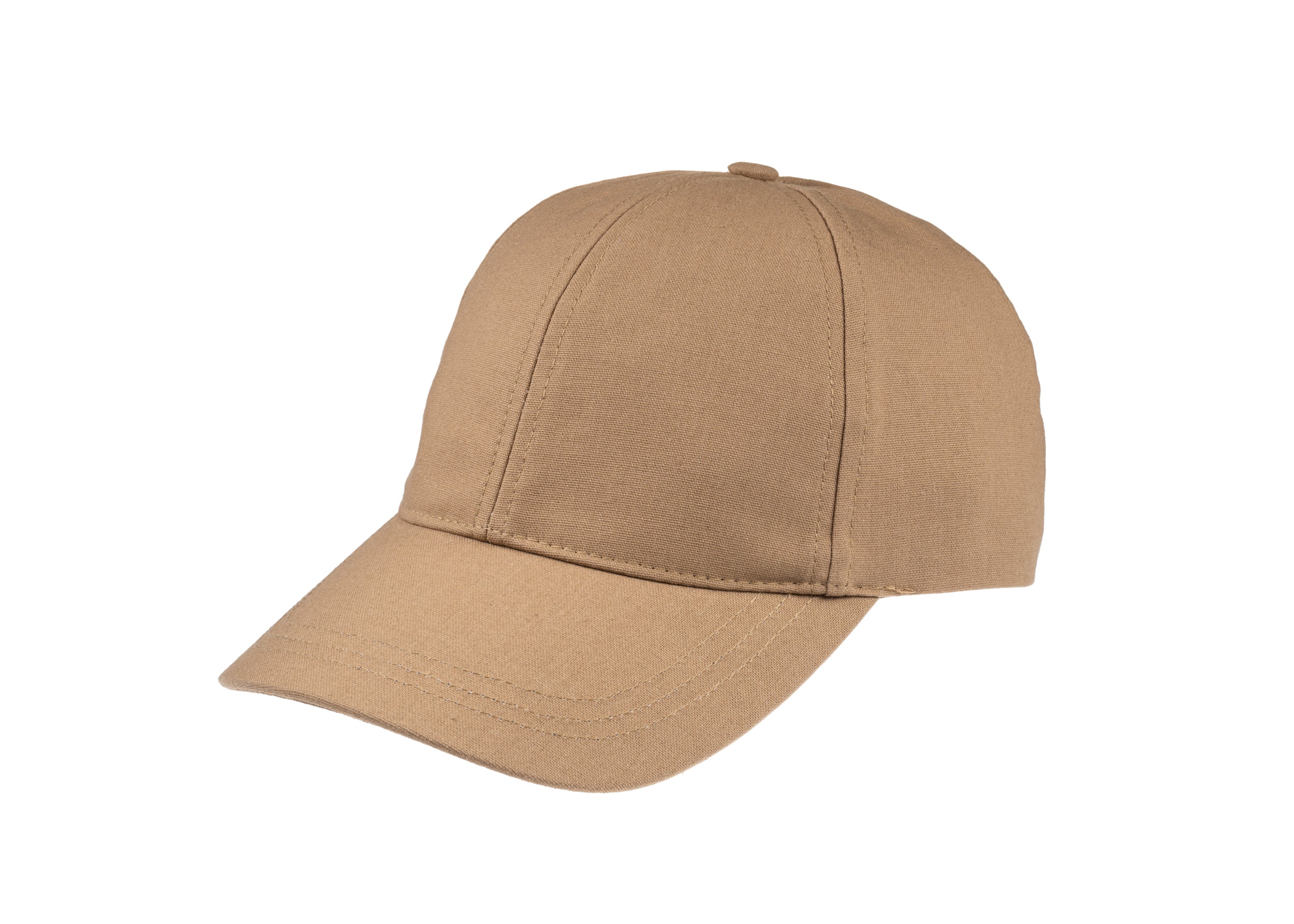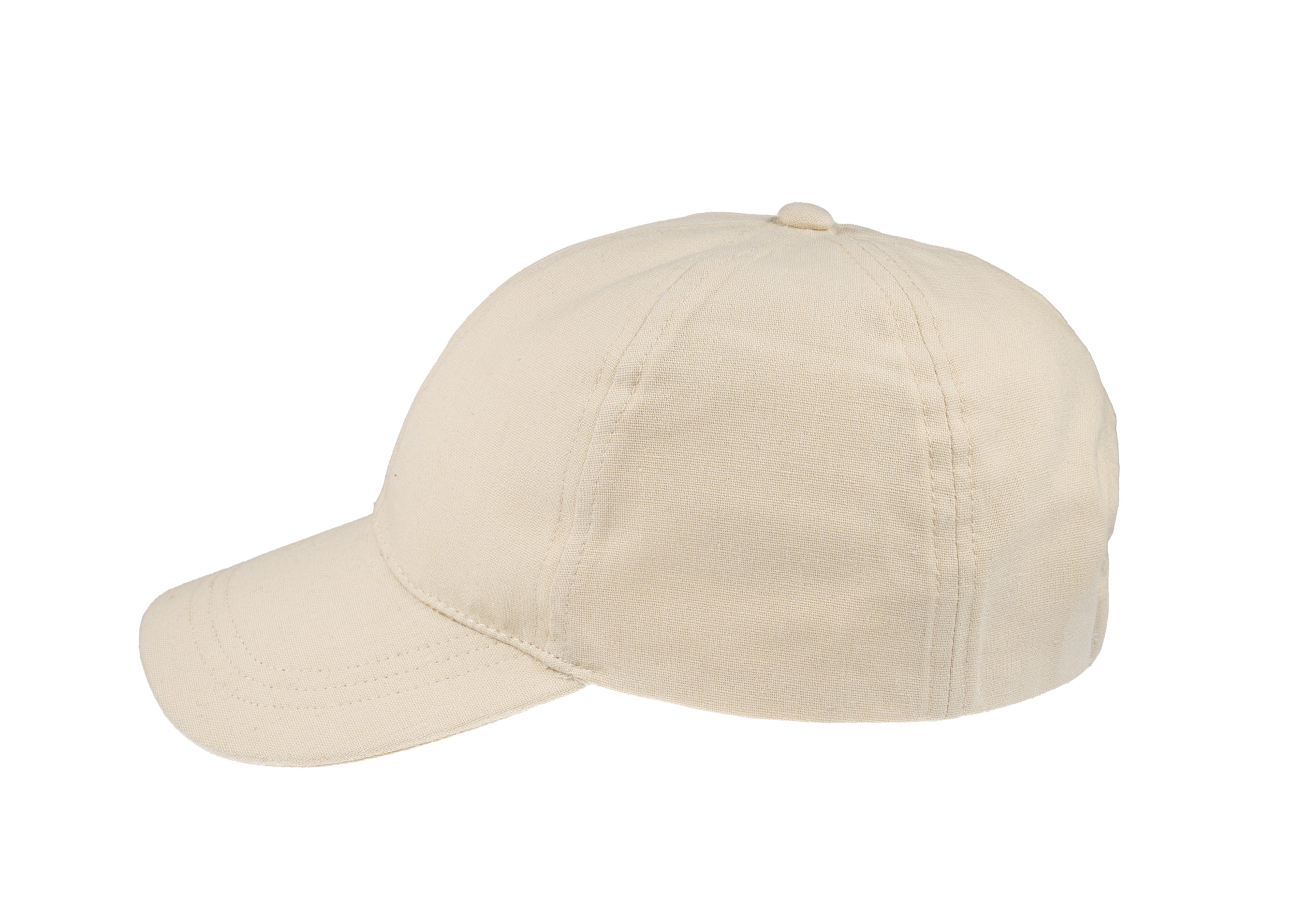




Achieving a cap that retains its shape while remaining comfortable is less straightforward than it appears. Fabric choice often requires a compromise between structure and suppleness. When a cap sags, creases, or traps heat against the head, the underlying cause is usually the material and the methods of construction, such as the cut, lining, blocking, and hand-finishing.
This guide explains how to choose a structure suited to a hat’s purpose, select fabrics that balance resilience with hand, set and secure shape through interlining and blocking, and optimise fit and ventilation. The practical techniques and care steps that follow will help preserve shape, comfort, and longevity, while maintaining the design and performance you intended.

Match a hat's structure to its intended use
Begin by classifying caps into formal, everyday, performance, and outdoor, then match fabric to purpose: wool felt or melton for formal structure, cotton twill or canvas for a casual shape with some give, and synthetic blends where weather resistance and recovery matter. Each pairing rests on measurable attributes: GSM denotes weight, weave density governs rigidity, and fibre crimp or loft supplies natural spring. In practice, higher GSM and a tighter weave improve shape retention, while loftier fibres such as wool recover their form more readily than flatter cottons. Heavier, denser fabrics hold a cleaner silhouette but reduce ventilation; lighter, more open weaves breathe better and often depend on interlinings or lining construction to retain shape. For example, a structured fedora benefits from high-GSM melton, whereas a summer cap will favour lighter cotton twill to balance shape with breathability.
Internal supports such as buckram, horsehair canvas, foam panels, and interlinings give structure while preserving the outer hand. Linings and moisture-wicking sweatbands improve comfort and slow the collapse of the crown by regulating humidity against the head. Before purchase or construction, perform a few simple checks: the pinch test reveals spring, the crumple test shows recovery, and holding a small swatch to the mouth offers a quick sense of breathability and likely ventilation. These quick trials indicate how a hat will perform for long-term comfort. To maintain shape, use gentle steaming and blocking, and store caps on a form or with a lightly stuffed crown. Avoid aggressive washing, which can delaminate interlinings, and refresh stiffened areas with light steam rather than solvents or harsh chemicals.

How to choose fabrics that hold their shape and remain comfortable
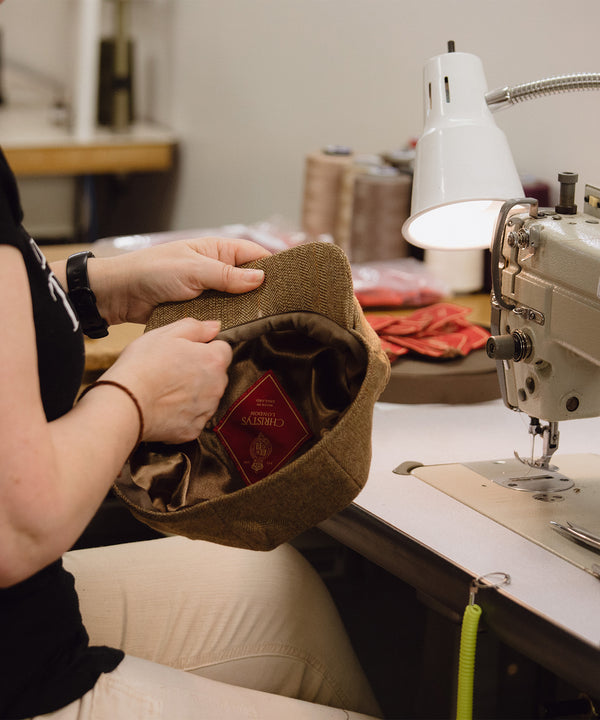
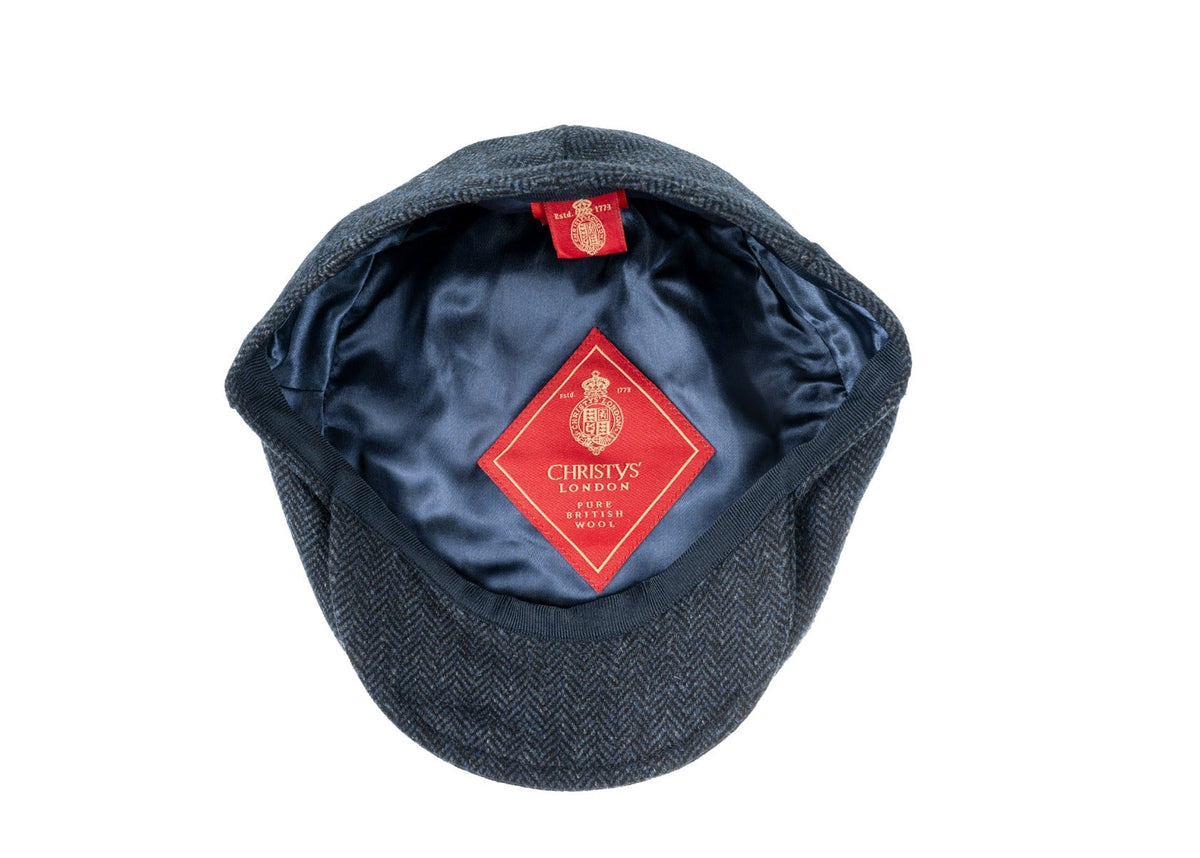
Begin by comparing fibre properties and blends. Wool and boiled wool maintain a clean crown, their natural crimp and resilience allowing the shape to spring back. Cotton twill and canvas derive structure from a tight weave. Synthetic fibres provide memory, but typically require a breathable lining to avoid clamminess. Turn the cap over and inspect the interior for the construction that controls shape: buckram or canvas interlining, crown stiffeners, and a reinforced visor core. Those layers indicate how a cap will resist collapse over time. Check stitching, panel count, and topstitching to infer how smoothly the cap will sit, and press the crown to observe its recovery and judge resilience immediately.
Prioritise comfort from the inside out. Choose leather or cotton sweatbands for breathability and comfort; for active use, opt for technical mesh or moisture-wicking linings that move perspiration away from the skin. Seek taped or flat seams to minimise pressure and reduce friction against the head. Ventilation matters: look for perforation, embroidered eyelets, or deliberately spaced panels, then try the cap with your usual hairstyle and move your head as you would day to day to detect slipping or tight points. Care preserves both comfort and structure: clean gently, avoid high heat and vigorous tumble drying, which can soften adhesives and distort interlinings, reshape on a form while the material remains pliable, air regularly, and replace sweatbands as they show wear.

How interlining and blocking set a hat's shape
Match the interlining to the outer fabric and the stiffness you intend: open-weave canvas for springy resilience, firm buckram for a crisp silhouette, or lightweight fusible interlinings for a softer hold. Test a swatch with the pressing method you will use to confirm adhesion, handle, and breathability, since fibre composition and weave change how interlining responds to heat and moisture. Treat blocking and moulding as part of construction: relax the fibres with steam, stretch the cap over a shaped block or improvised former, pin or clamp the crown and brim, and leave the piece to cool and dry on the form so the new geometry sets. Secure critical lines with staystitching, a canvas under-brim, narrowly spaced topstitching, and an under-collar or bias binding along the crown seam to prevent stretch and preserve a clean edge.
Prioritise comfort by pairing breathable linings and sweatbands with perforated, open-weave interlinings in the areas that touch the head. Grade the interlining so the crown remains supportive, while the sweatband and ear areas stay soft. Make a prototype to evaluate fit, ventilation, and how panels settle after wear, then adjust interlining placement where seams or panels distort. For long-term shape retention, store caps on a suitably shaped form, reshape with steam when necessary, and avoid compressing the finished structure to preserve the moulded contours.
Interlining, moulding and finishing to lock shape
- Choose and test interlining by matching fibre content, weave, and weight to the outer fabric; open weave canvas gives springy resilience, firm buckram yields a crisp silhouette, and lightweight fusible interlinings give a softer hold. Make small swatches and apply the intended pressing routine to confirm adhesion, hand, and breathability, because different fibres and weaves react to heat and moisture in different ways.
- Treat blocking and moulding as staged steps: relax the fibres with steam, stretch the cap over a shaped block or improvised former such as a wooden bowl, balloon, or turned timber, pin or clamp the crown and brim, then allow the piece to cool and dry on the form so the new geometry locks in. Sequence multiple blocking steps if panels need progressive shaping, and limit direct heat to avoid upsetting fusing or shrinking of outer fabrics.
- Lock critical lines through targeted construction: staystitch seams to control stretch, insert canvas underbrims for edge stability, use narrowly spaced topstitching to hold contours, and finish crown seams with an under collar or bias binding to achieve a neat finish. Grade interlining thickness to provide structured support in the crown while keeping the ear and sweatband zones softer, and favour perforated or open-weave interlinings where the fabric contacts the head to improve ventilation.
- Prioritise comfort and long-term retention by pairing breathable linings and sweatbands with the interlining choices above, then make a wearable prototype to evaluate fit, ventilation, and how panels settle after wear. For care, store caps on a form, reshape with steam when needed, and avoid compressing finished structure to preserve moulded contours.

How to optimise fit and ventilation for enduring comfort
Choose shell fabrics that marry natural springback with a light interlining. Medium-weight cotton canvas or twill, paired with a subtle internal support, preserves shape without becoming stiff. At home, fold the crown, release it, and watch how evenly and quickly it returns to form; a prompt, uniform recovery indicates sound shape retention. You may favour heat-set synthetic yarns for long-term resilience, but test their breathability as you would natural fibres.
Integrate ventilation into the cap’s structure by placing stitched eyelets, laser-cut perforations, or mesh panels at the crown sides and back, where heat most often accumulates. Slightly stretch the vented area so vents channel airflow without collapsing. For wet weather, specify a waterproof, vapour-permeable lining membrane to shed rain while allowing perspiration to escape. Manage forehead moisture with an internal sweatband of terry cotton or merino paired with a quick-drying, wicking crown lining, and favour replaceable or washable bands for hygiene. Use removable, lightly adhered, or sewn-in interlinings so the cap tolerates gentle laundering; reshape it on a head-shaped former while damp, and record how many gentle wash cycles the construction sustains to judge long-term comfort and shape retention.

How to care for fabric hats to preserve shape and ensure they age well
Begin by identifying the fibre and construction, for example wool felt, straw, cotton, canvas, or synthetics, and note whether the cap contains internal stiffeners such as buckram. Care depends on both material and build. Spot-clean wool felt with a damp sponge and a soft brush rather than submerging it, and always test any cleaning method on an inconspicuous area to check colourfastness and shrinkage. If linings or crowns are removable, take out any stiffener and wash those components separately; hand-wash where possible, or use a gentle machine cycle only once all stiffening has been removed. Structured caps with sewn-in stiffeners generally require specialist attention. Treat salt and oil marks promptly to reduce the risk of permanent staining: dilute vinegar can help lift salt deposits, while a pH-balanced cleaner is more appropriate for oil-based stains. Blot rather than rub, and consult a specialist for persistent or uncertain marks.
Gently steam a cap to relax the fibres, then mould the crown and brim over a hat block, a large bowl, or a rolled towel. Support the cap until it is completely cool and dry so the fibres re-bond in their new profile. Store caps flat on a shelf, in a breathable box, or on a wide padded support rather than on a peg or narrow hook. Avoid sealed plastic and direct sunlight, both of which trap moisture and fade fibres. After wearing, allow a cap to air so sweat can evaporate. Attend to small repairs promptly: restitch loose sweatbands and replace frayed linings. For heavily structured or heirloom pieces, consider reblocking or professional refurbishment to restore the shape and extend the cap's life.
Choosing a cap fabric is a matter of balancing resilience, construction, and breathability so the hat holds its shape while allowing airflow. Higher grammage (grams per square metre) and lofted fibres such as wool, together with targeted interlinings, give measurable support to crown and brim, while open weaves, perforation, and moisture-wicking linings promote ventilation and manage perspiration.
Begin by matching a hat’s structure to its intended use: test suitable fabrics, and lock the shape with appropriate interlinings. Optimise fit and ventilation, follow established care routines, then prototype and set the profile you intend. Clean caps using a mild process, then reform them on a hat block to confirm long-term recovery, and store and refresh them as recommended so they retain both silhouette and comfort.