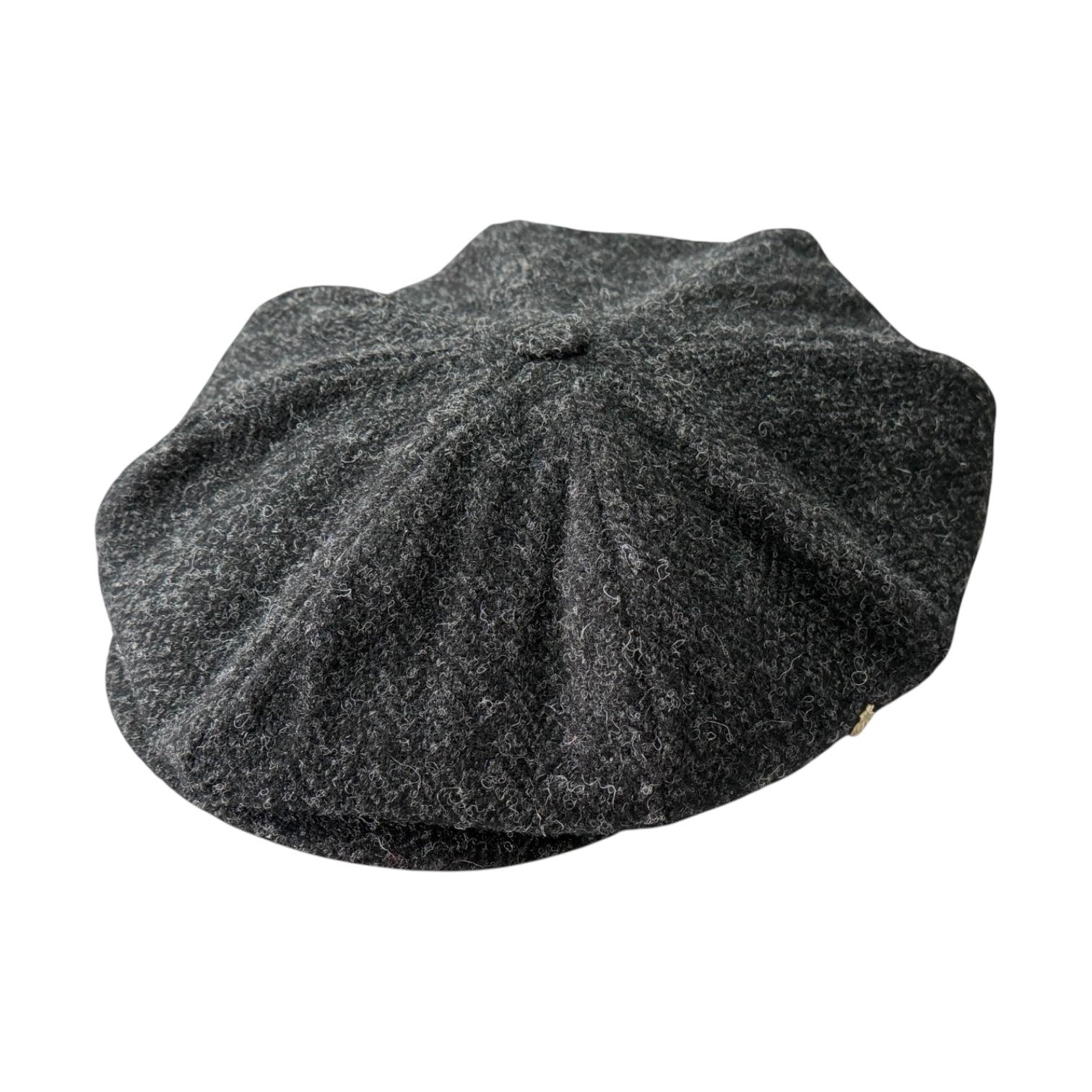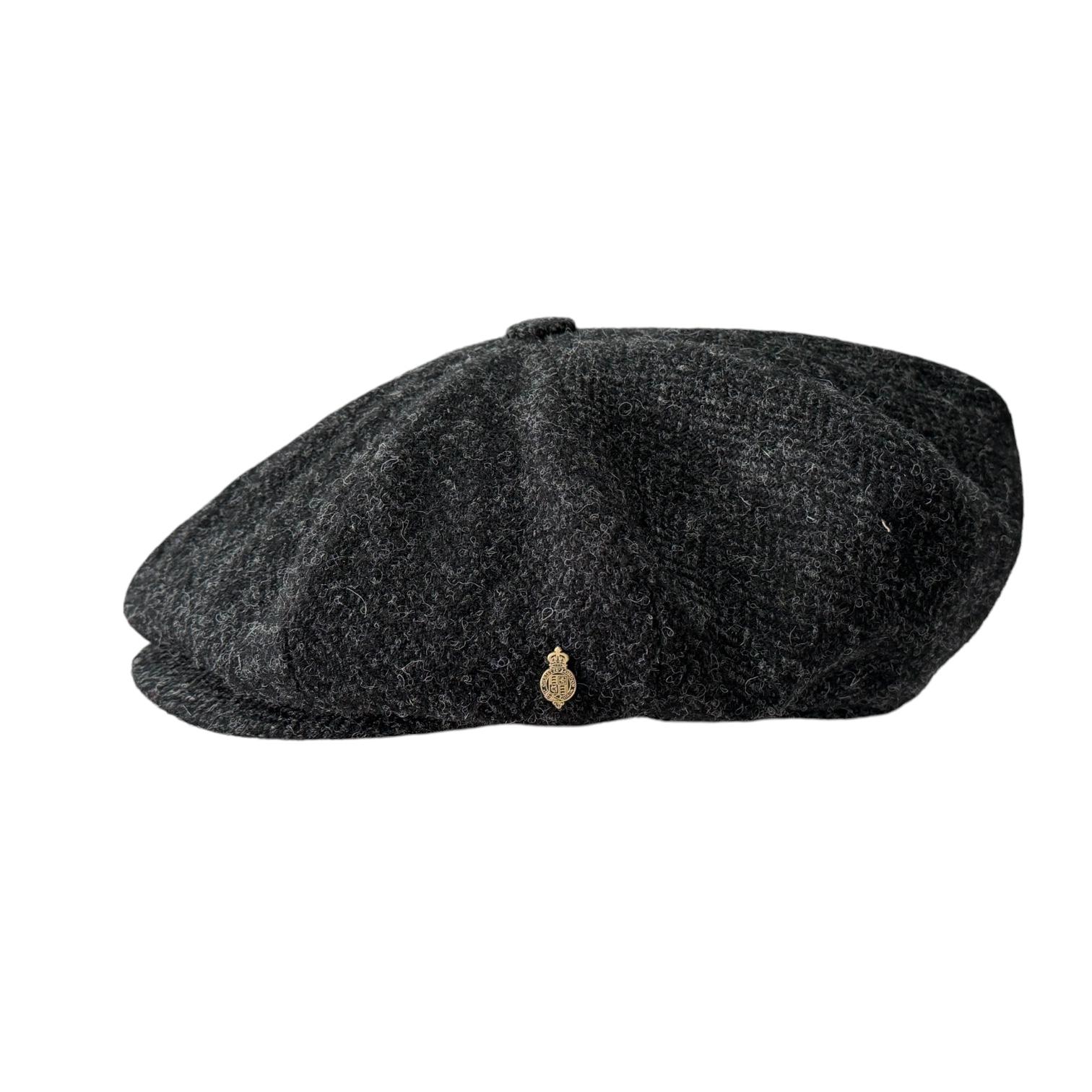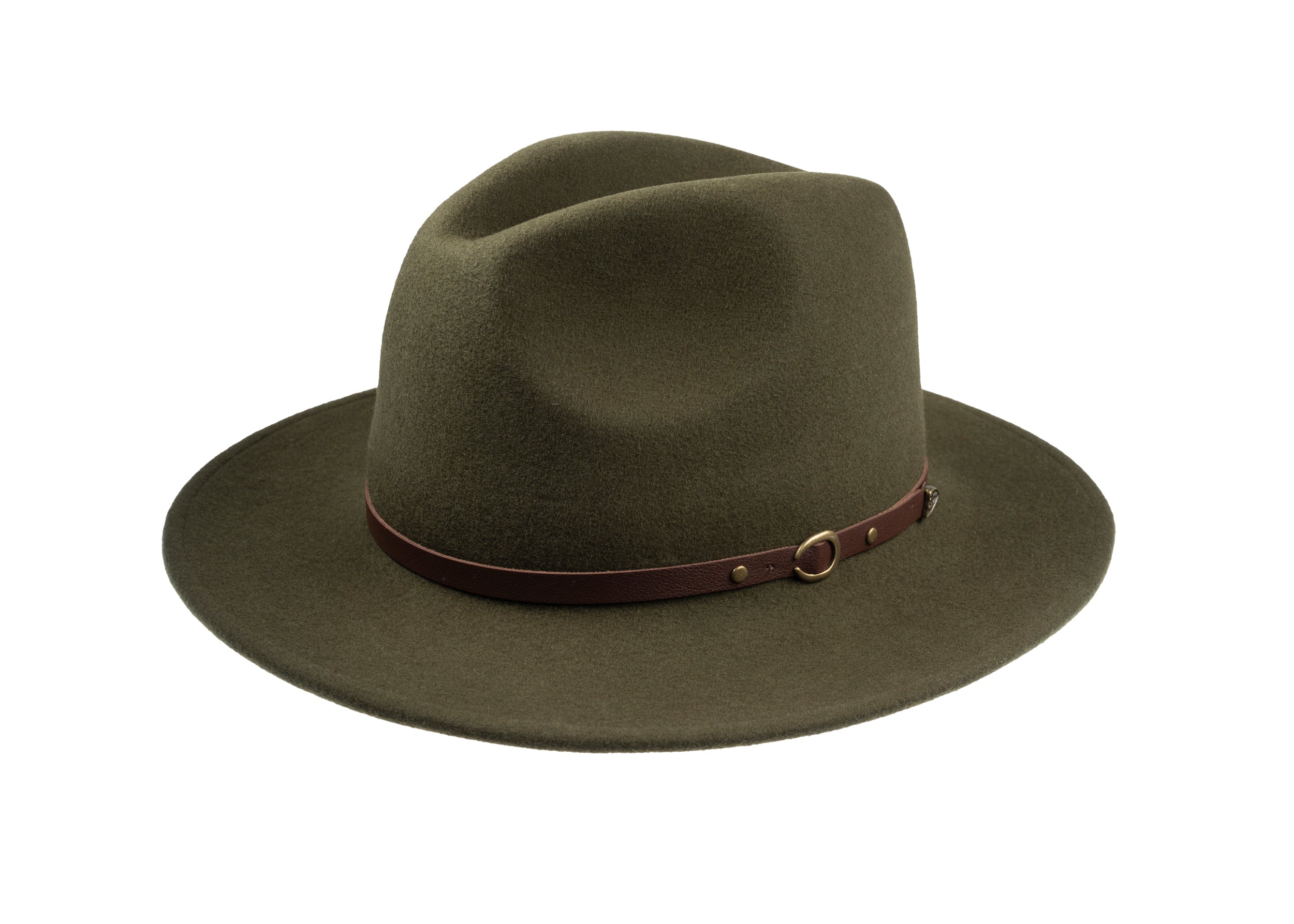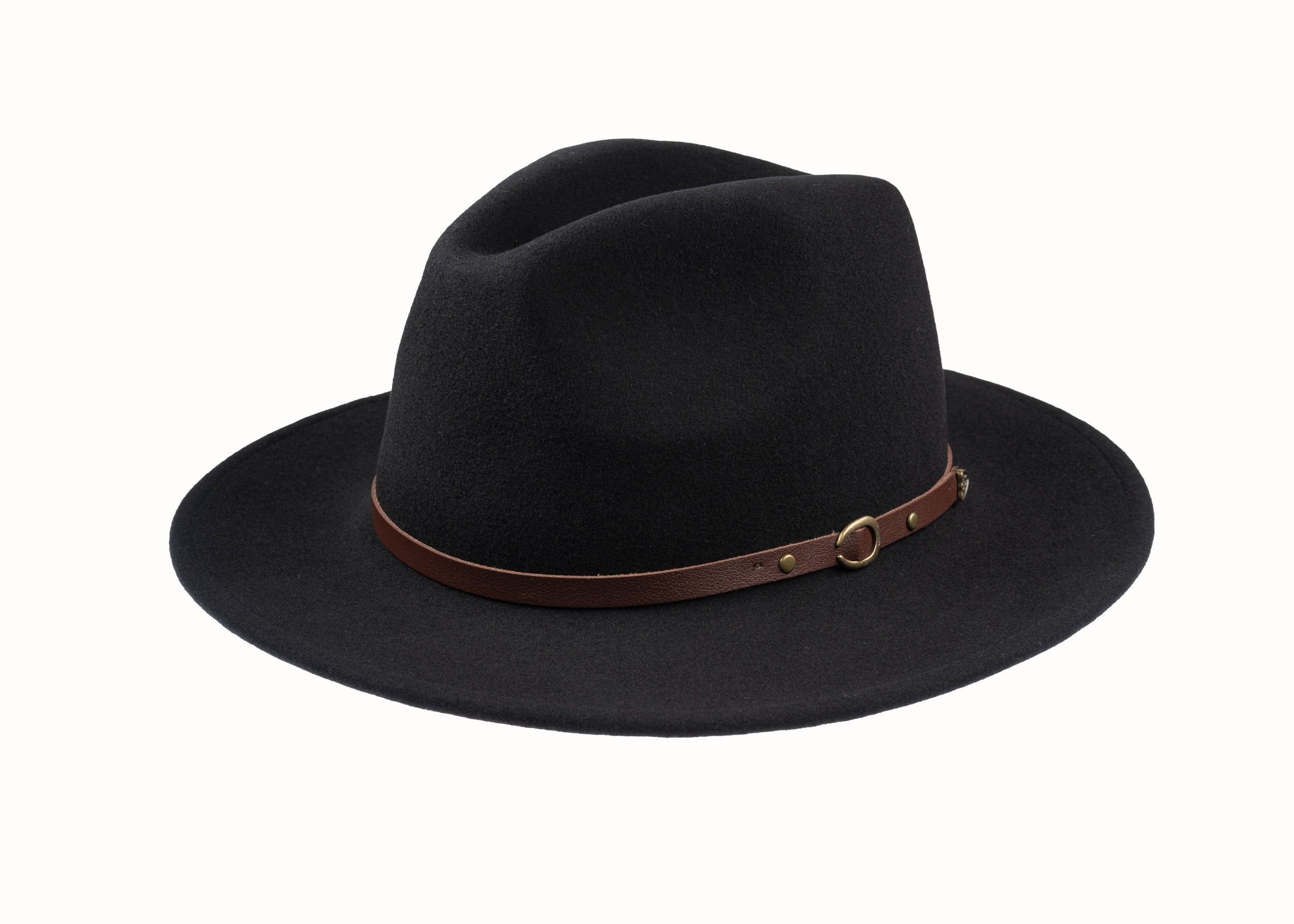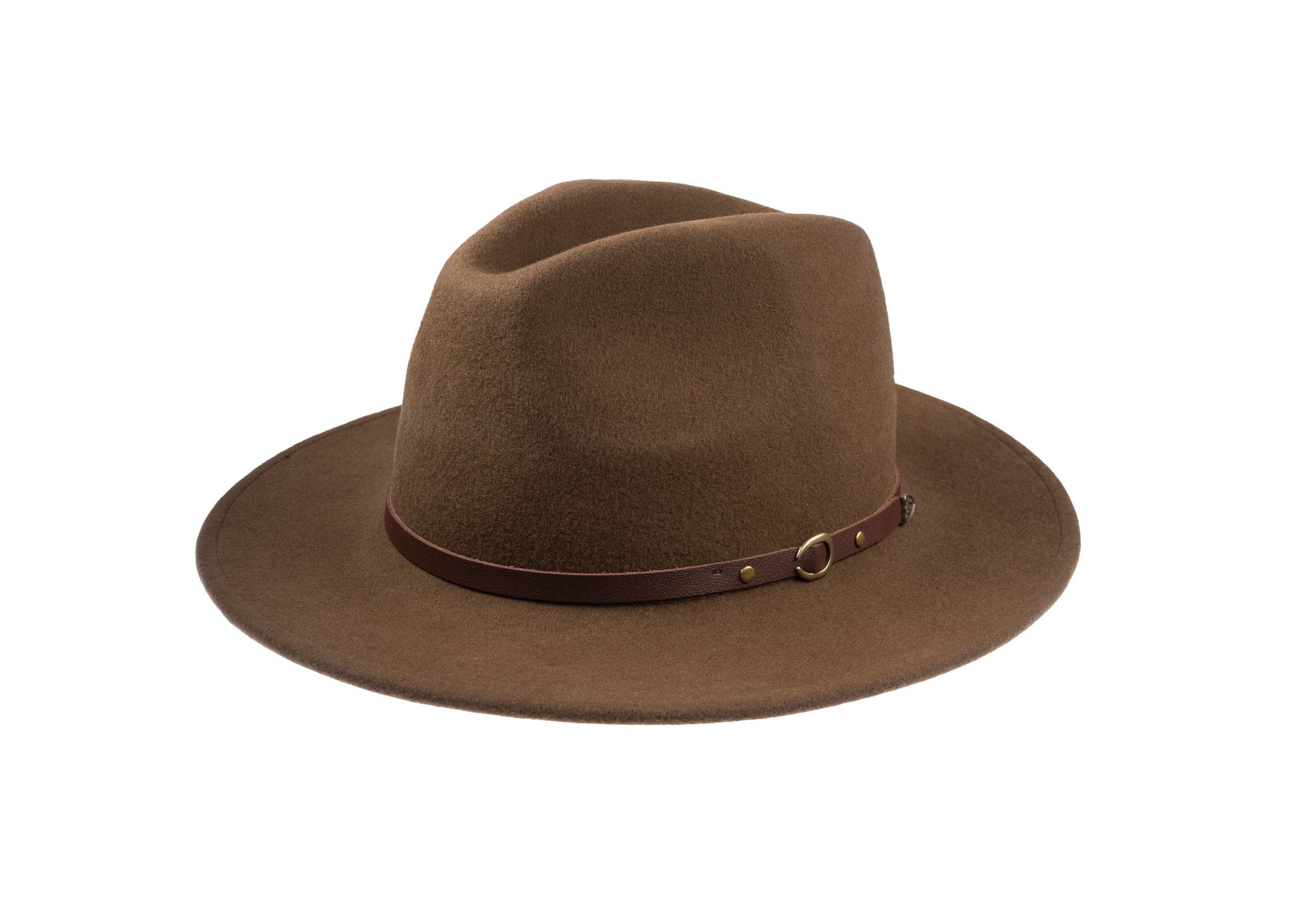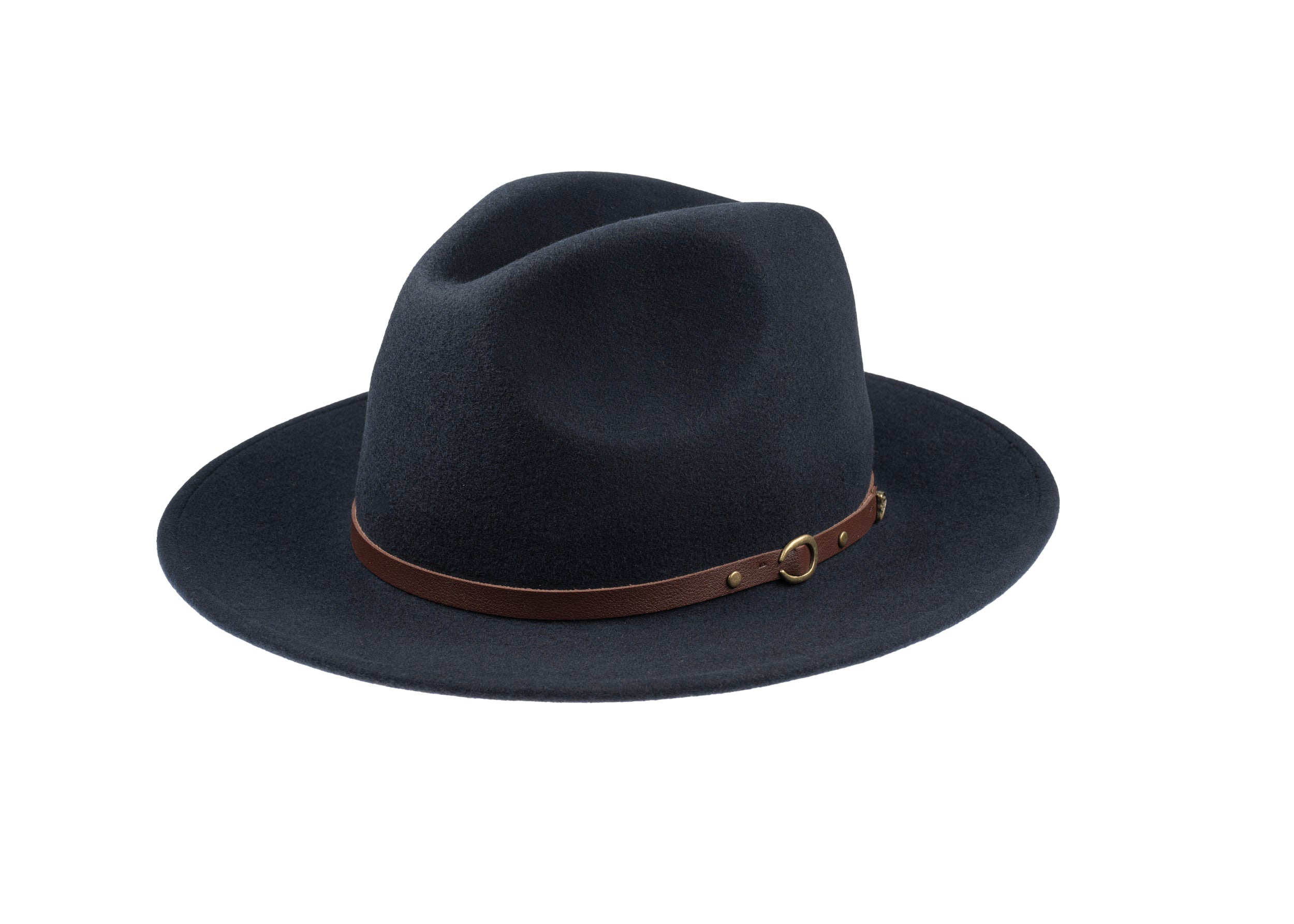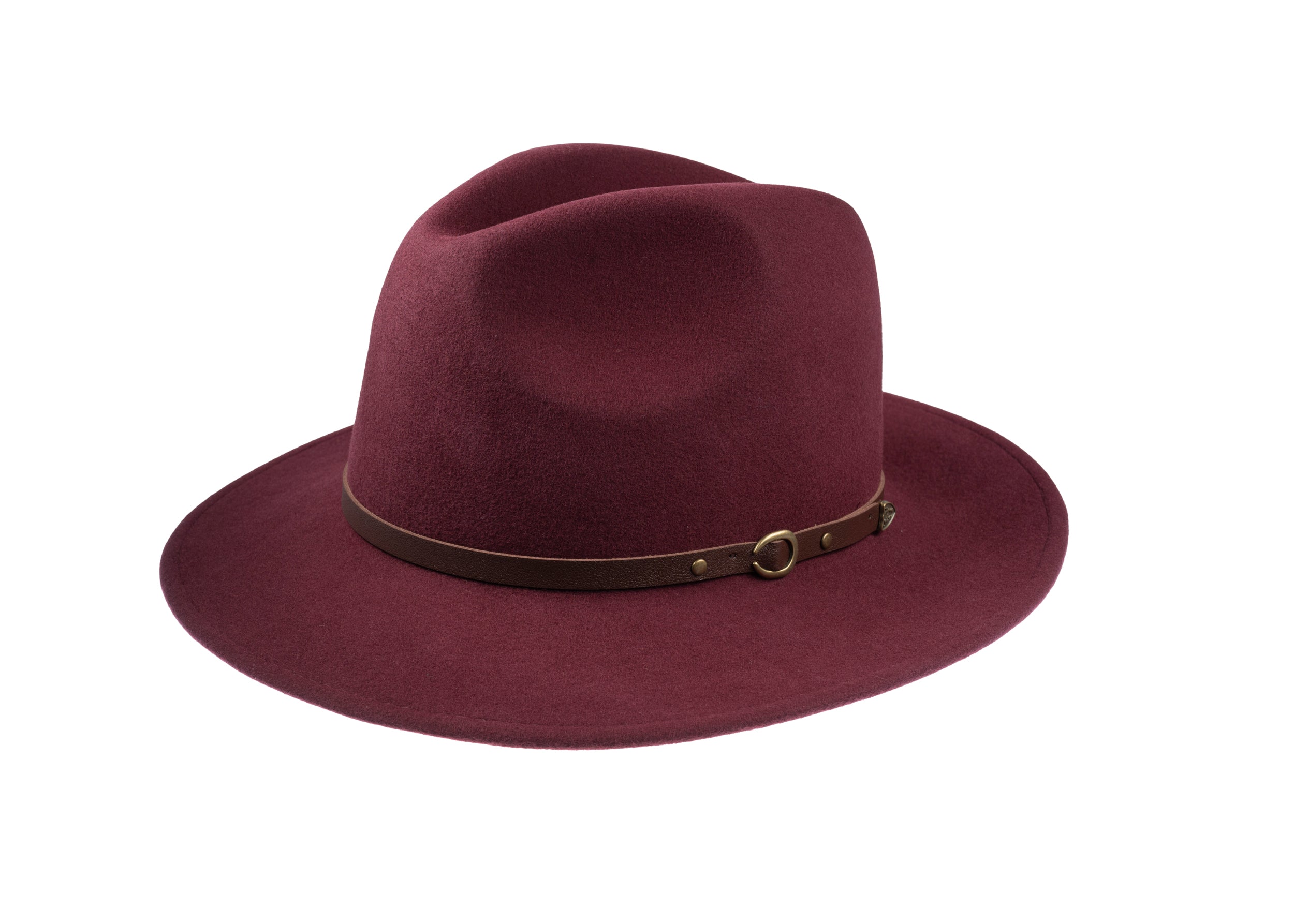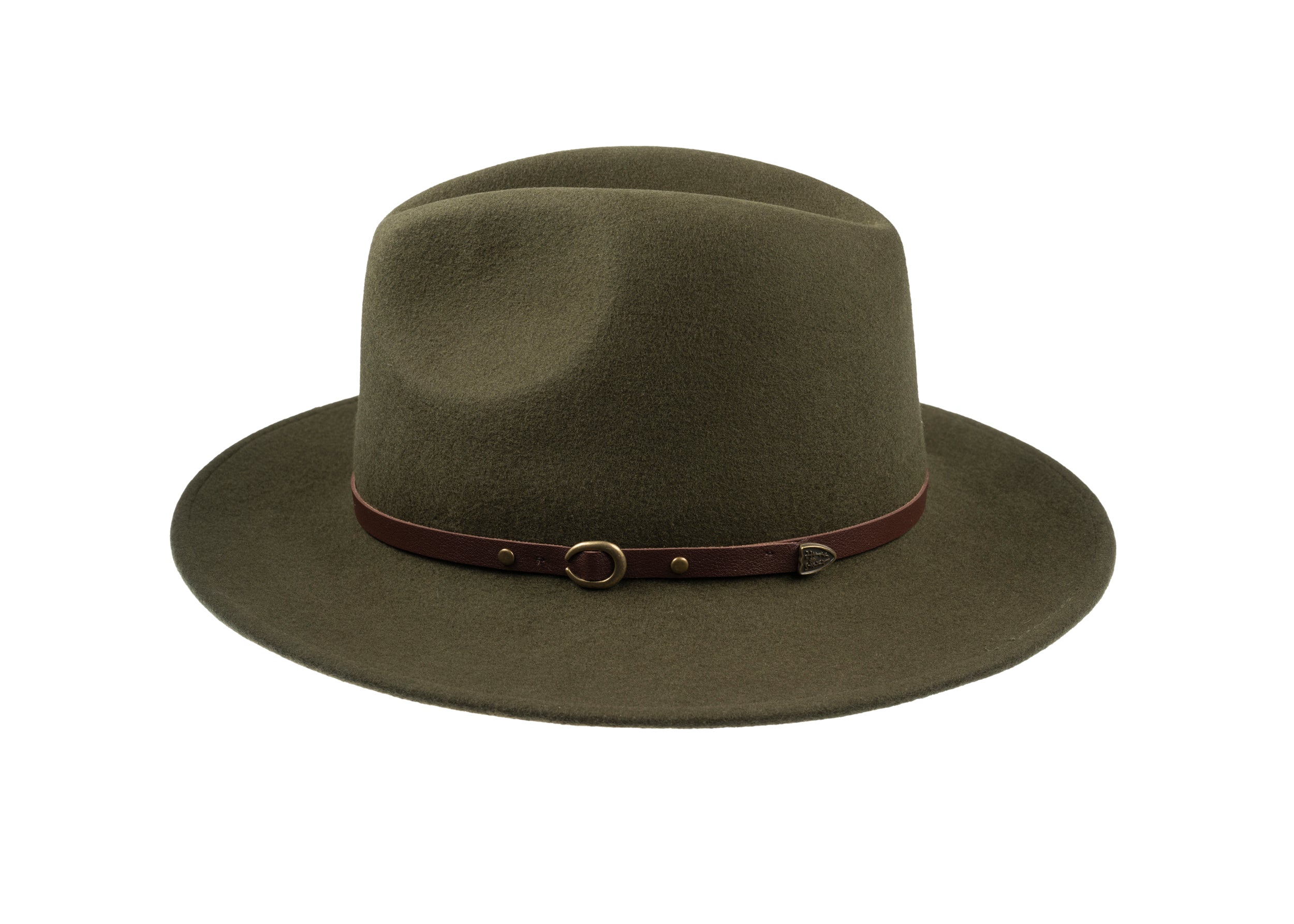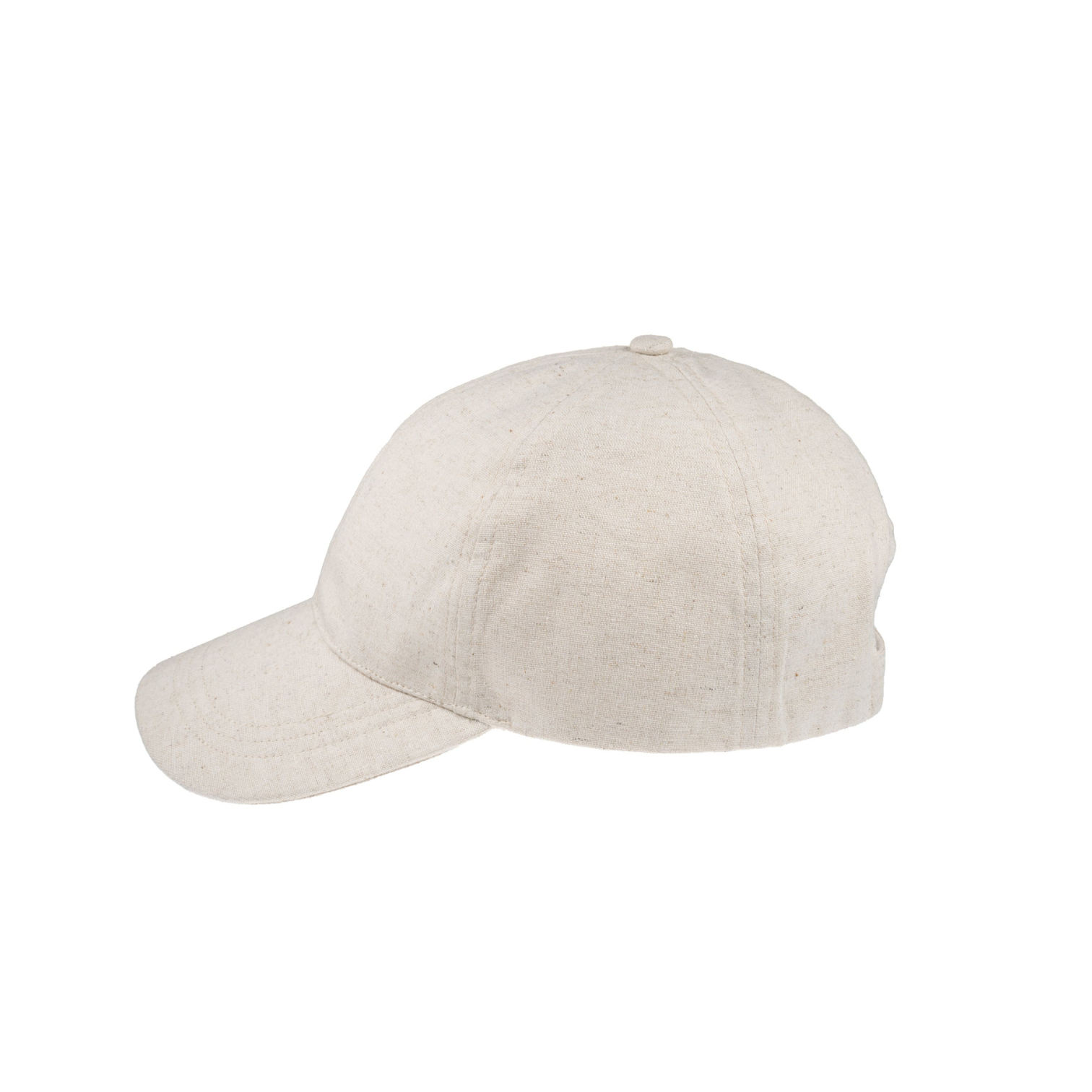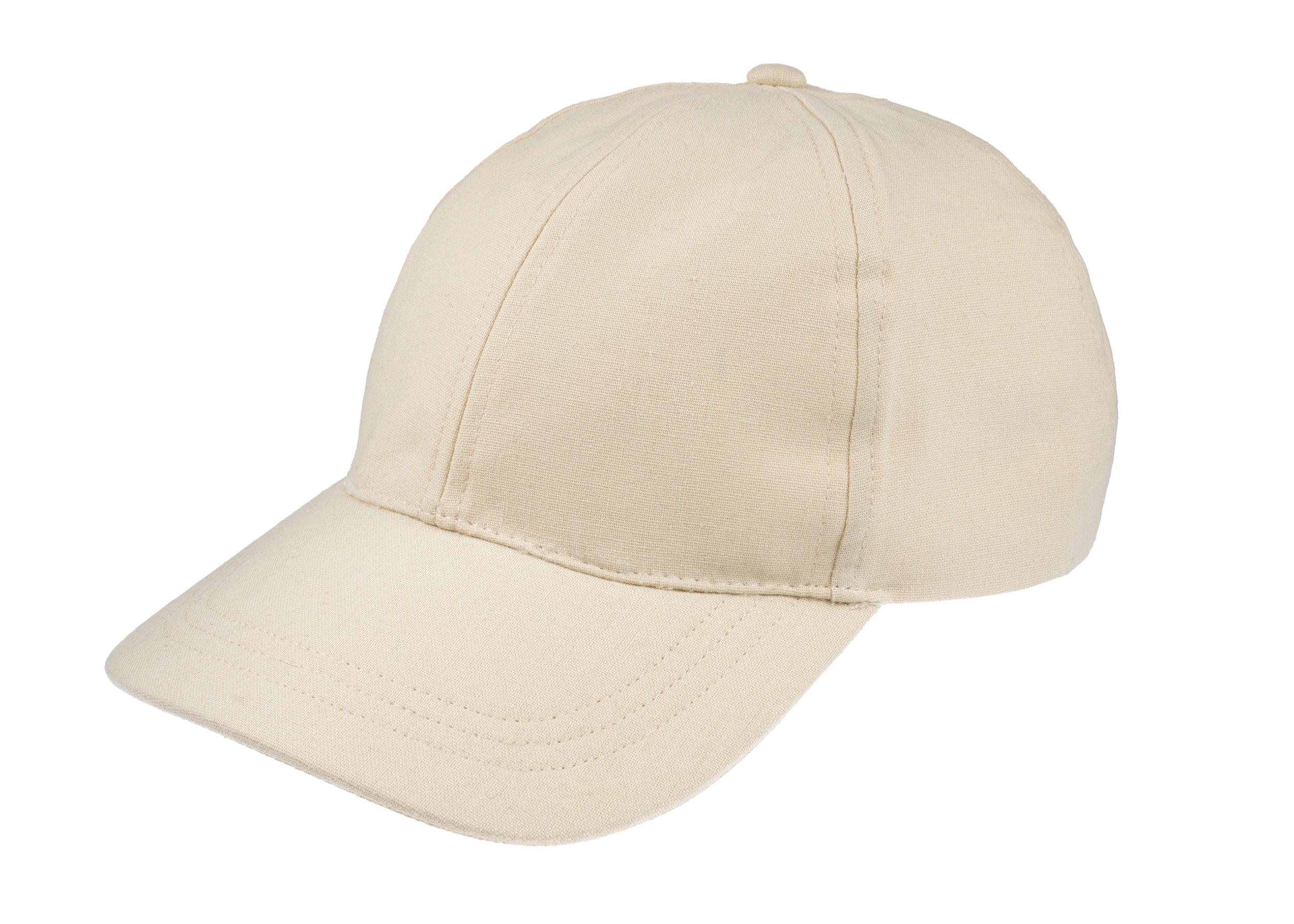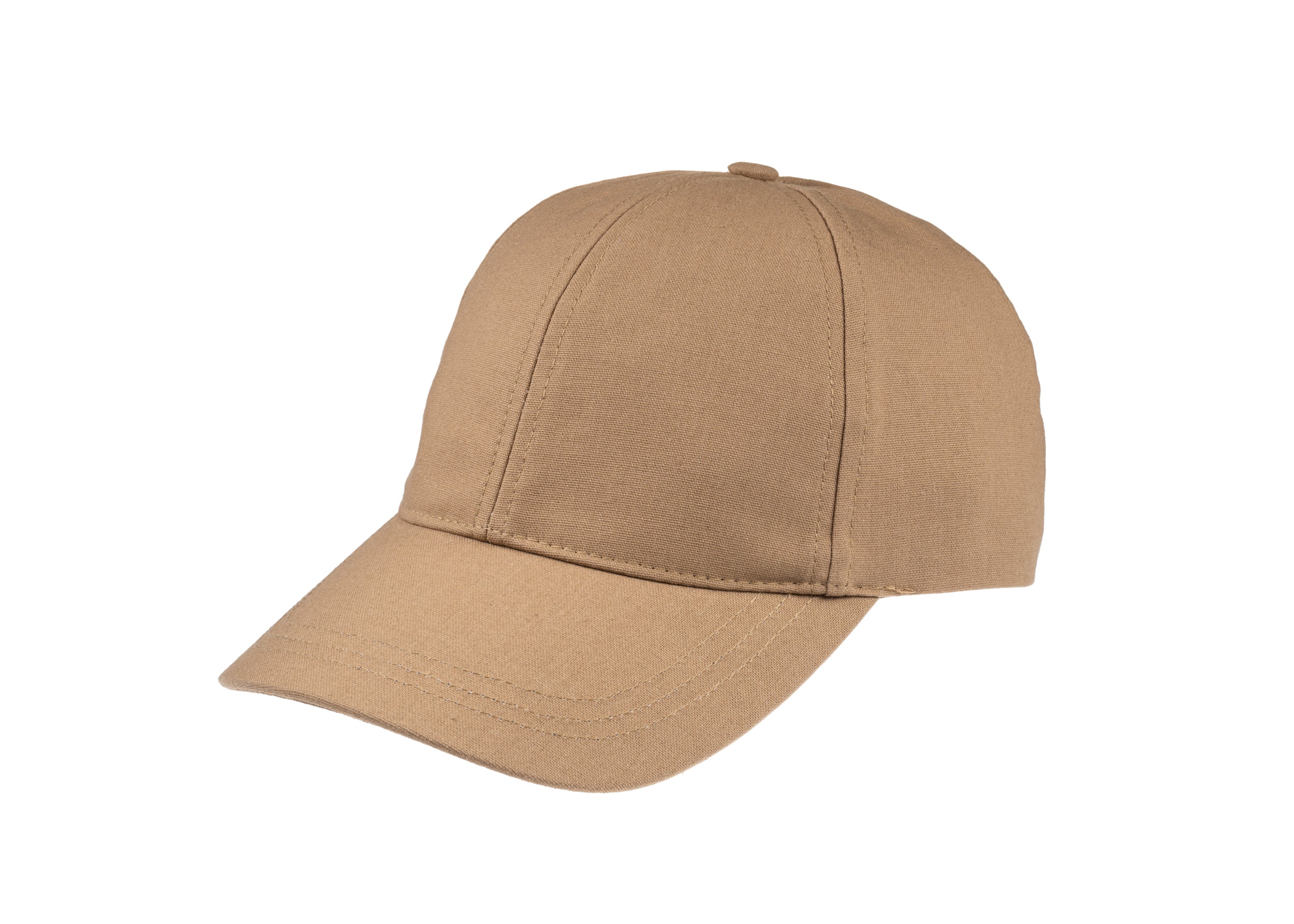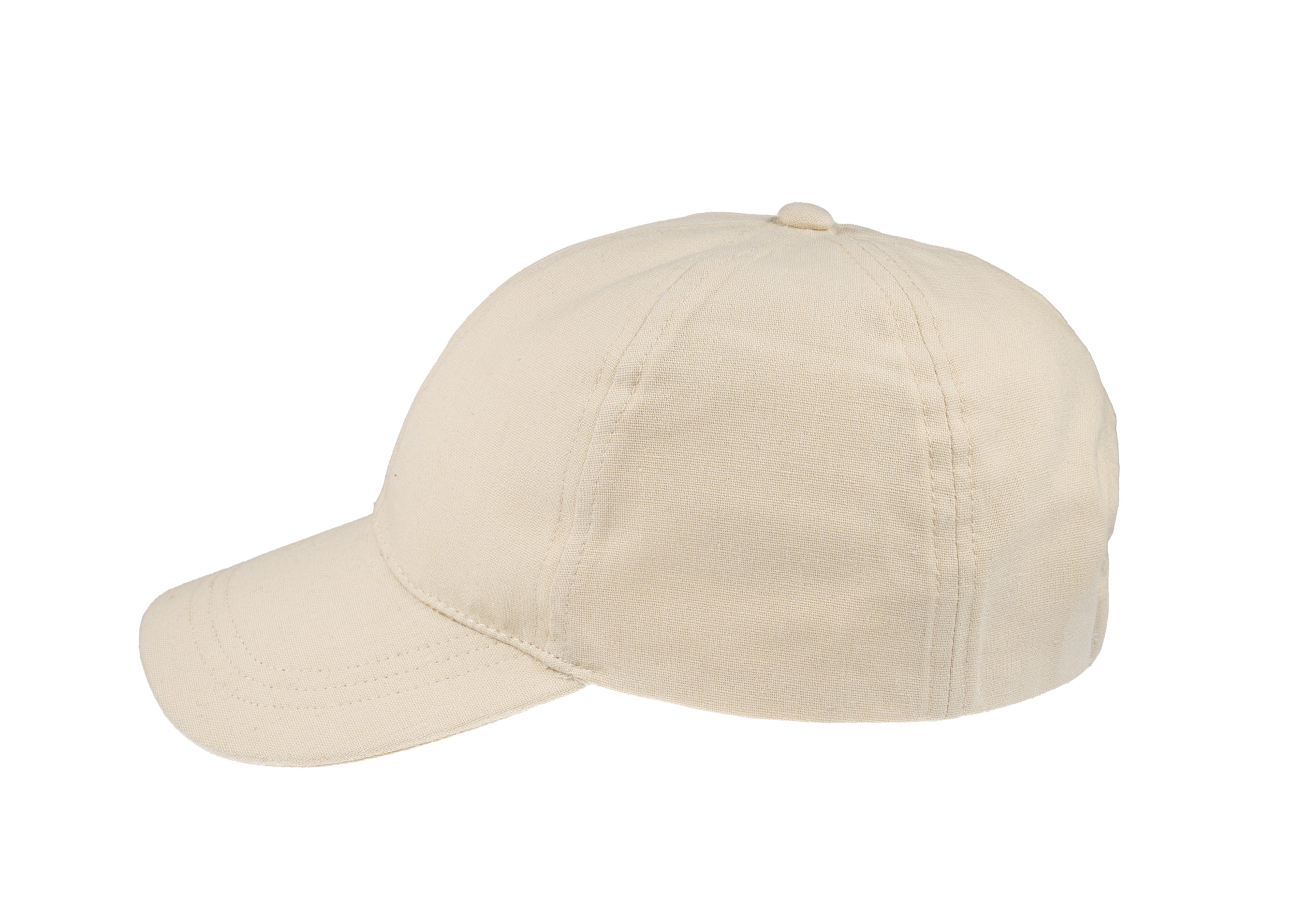




When a favourite cap sags or won’t sit right, the answer usually lies beneath the fabric: the internal construction determines profile, memory, and comfort. From the choice of crown panelling and interlinings to sweatband design and brim finishing, small internal decisions alter how a cap shapes, recovers, and feels on the head.
This post explains how each internal component, and the way they interact, shapes fit and longevity. Using clear examples and practical adjustments, it shows which construction choices suit particular head shapes, activities, and maintenance habits, so you can choose or refine a cap that behaves as intended.

How internal construction shapes a hat's form and fit
Internal construction determines a hat's silhouette and fit. Common choices include moulded cups or cores, flexible channels, lightweight stiffeners, and minimal linings; each alters the profile and the hand. A thin moulded core, for instance, holds a crisp, architectural shape that sits slightly away from the head, whereas a soft foam layer produces a rounded, forgiving contour that nestles closer to the wearer. Select materials by how they recover and how they feel in use. High-resilience foams rebound quickly and show little permanent set. Memory foams relieve pressure, but return to shape more slowly. Thermoplastics give a stable form, though they conduct heat more readily. Natural fibres breathe well, yet they tend to creep over time. Metal or composite stiffeners provide localised rigidity where structure is required. These are practical choices that determine how a hat performs, and whether it becomes a piece that improves with time.
Beyond material selection, the joining method of a hat influences both its movement and wearer comfort. Through-stitching and inset panels tend to preserve flexibility and keep noise to a minimum. Bonding and taped seams create a more continuous surface, but they can concentrate stress at particular points and so alter how the piece behaves under load. To verify performance, request physical samples and put them through compression-and-recovery cycles, repeated flex tests, and wear panels. Inspect each sample for permanent set, edge roll, fabric creep, and seam delamination. Use those observations as minimum acceptance criteria in supplier specifications. Design for longevity by reinforcing known stress points, offering replaceable or washable liners, and incorporating ventilation channels. Soften hard edges or add a breathable lining to reduce chafing, limit moisture-induced breakdown, and help preserve shape recovery and wearer comfort over the lifetime of the product.

How to refine stiffening and interlinings for reliable crown support
Start with a soft inner lining, add a medium-weight interlining such as buckram or horsehair canvas, then finish with a fine lining to balance comfort and structure. Horsehair tends to add spring, while buckram delivers lasting resistance; compress the crown by hand and observe springback and any crease formation to see how each combination behaves. Rather than relying on a single rigid shell, apply stiffness selectively: reinforce the peak and front panels with firmer strips, and keep the sides softer to reduce pressure points, preserve breathability, and lower overall weight. Taper the interlining edges, pad the junction where they meet the sweatband, and stitch through the layers so the shape transfers smoothly without chafing. These small adjustments govern performance in use, and reward closer inspection.
To evaluate those adjustments, use simple, repeatable tests to judge a hat's recovery. Begin by marking the panel lines, then compress the crown under a uniform load and inspect for permanent set, crease lines, and loss of silhouette. Repeat these cycles to simulate everyday wear, recording the changes after each run so different interlining combinations can be compared objectively. Design for serviceability by making interlinings removable, using stitched channels, snap-in liners, or only minimal adhesive so a fatigued stiffener can be swapped rather than replacing the whole hat. Replacing the interlining restores the original shape with minimal reworking, and so extends the hat's useful life.

How to optimise sweatbands and linings for a close, lasting comfort
Choose linings and sweatband materials to suit the activity and the care you will give them. Cotton terry is soft against the skin but soaks and can swell temporarily; leather moulds to the head and resists rapid saturation, though it needs regular care; modern microfibre and polyester wicking fabrics move moisture to the outer face and dry quickly, helping the cap retain its shape. Wherever possible, favour stitched joins and taped seams: sew sweatbands into a dedicated channel, set seams away from high-pressure points, and finish raw edges with a soft binding to prevent abrasion. A construction based on stitching and taping tolerates repeated wear far better than glued joints, which can delaminate and distort the internal profile.
Balance headband elasticity and preload so the band holds the hat securely without leaving marks. Select knit or woven constructions with documented recovery characteristics to limit permanent set. During prototyping, run repeated stretch and release cycles, record any residual elongation, then adjust yarn composition or stitch density to improve recovery. Layer liners for moisture management by placing a wicking layer next to the skin with a secondary absorbent or insulating layer behind it, and introduce discreet mesh or perforations at the crown to encourage air exchange. Wherever possible make liners removable, or specify materials that withstand regular laundering; avoid hidden adhesives that deteriorate with heat or water. Measure shrinkage and shape retention after repeated washing, and ensure stated care instructions reflect long-term comfort and fit.
Optimising sweatbands and linings for durable, comfortable wear
- Choose materials to match activity, climate, and maintenance tolerance: cotton terry for a soft next-to-skin feel but expect temporary expansion when saturated, leather for a moulding fit and resistance to rapid saturation with higher care needs, and microfibre or polyester wicking blends for active use because they move moisture outward and dry quickly, helping the cap keep its shape.
- Use robust sewn construction and considered seam placement: stitch sweatbands into a dedicated channel, use taped seams where appropriate, position joins away from high pressure points, and finish raw edges with soft binding to avoid abrasion; prefer sewn attachments to hidden adhesives, which can delaminate and distort the internal profile.
- Design for measured fit and recovery: set headband preload so it grips without leaving marks, select knit or woven structures with documented recovery characteristics, and prototype-test bands through many stretch and release cycles, record residual elongation, then adjust yarn composition or stitch density to limit permanent set.
- Manage moisture, ventilation, and care from the start: layer a wicking next-to-skin layer with a secondary absorbent or insulating layer, add discreet mesh or crown perforations for air exchange, make liners removable or specify washfast fabrics, avoid hidden adhesives, and validate with repeated wash and shape-retention tests so care instructions and design allowances reflect long term performance.

Shape the brim and finish the edges to refine the profile
The choice of brim interlining and edge finish determines a hat's profile and its ability to recover after flexing. Buckram or laminated interlinings give a flat, resilient sweep that springs back; a softer cloth interlining produces a subtler roll that gradually conforms to the head. Edge treatments refine that profile, both visually and physically: narrow, stitched binding softens the rim and resists fraying; double-rolled hems yield a crisp, architectural silhouette; concealed wiring permits adjustable shape in wear, but adds bulk and calls for more careful maintenance. Where the inner stiffener meets the crown also matters: extending the stiffener into the crown locks a forward profile and helps resist collapse, whereas stopping it at the seam preserves crown flexibility and improves comfort during movement.
In addition, internal comfort features act as practical controls on silhouette. A tapered, padded sweatband reduces temple compression and helps centre the hat, while breathable, moisture-wicking linings stop the lining from clinging and altering the brim's fall. Routing seams away from visible edges prevents ridge lines that blunt perceived brim sharpness. A stiffer shell retains its shape but concentrates pressure on the brow, so balance structural firmness with pressure-relieving details. Validate those choices with simple, repeatable checks: press and release the brim to observe rebound, note creasing after a days wear to judge memory, and run a snag test along finished edges to confirm the finish neither distorts the profile nor catches clothing. Record the results and compare across prototypes to choose the construction that best reconciles the intended silhouette and comfort.

How to preserve a hat's shape and resilience with considered care
Interlinings and canvases determine how a cap holds its shape. Soft felts produce a pliant crown that will drape and, with wear, show rounded creases; stiffened buckram supplies crisp crown resilience and good edge retention; horsehair canvas gives a breathable, durable structure that can develop gentle coning and minor seam puckering; and adhesive interlinings range from subtly stiff to prone to delamination in heat. You can judge construction with a few simple tests: press the crown and time its rebound, flex the brim to assess memory, and examine seams for puckering or loose tacking. Use those observations to decide whether a cap will maintain its form or requires reinforcement. Match material to the look you want: pliant felts for relaxed drape, buckram for a crisp silhouette, and canvassed linings where slow, even shaping matters.
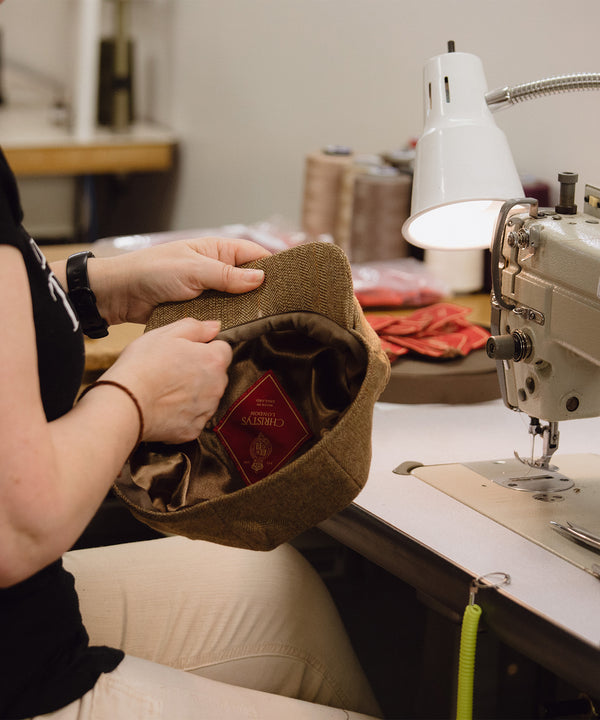
Care and reshaping should respect a hat's construction. Steam softens felt fibres, so use gentle steam and form felt crowns on a block or hand-shaped former. Canvassed linings do not respond well to steam; the canvas can relax and distort, so maintain those shapes with a shaped hat tree instead. Dry sweatbands flat on an absorbent cloth to prevent warping, and rotate hats regularly to preserve internal elastic and the performance of interlinings. Comfort comes from internal choices. Leather sweatbands mould to the head, cotton absorbs perspiration, and synthetic bands wick and dry more quickly. Neat seam finishing and appropriate pad thickness reduce localised pressure points. Ventilation channels or perforated linings lower heat build up and limit odour by encouraging airflow. For simple repairs, replace or reline a worn sweatband, add removable sizing tape, or slip in thin internal pads to correct fit without altering the exterior. A weakened interlining can often be restitched or lightly backed; when structural layers have delaminated or seams require substantial reworking, seek professional relining.
In summary, a cap's internal construction determines its silhouette, its capacity to hold shape, and its comfort. Choices of interlining, sweatband, and brim finish influence rebound, how pressure distributes across the head, and how moisture is managed. Simple, repeatable tests such as compression and recovery cycles, repeated flexing, and wash trials reveal permanent set, seam creep, and delamination, allowing objective comparison between constructions.
When specifying or adjusting a cap, consult the sections on crown support, lining and sweatband selection, brim shaping, and maintenance. Prioritise selective stiffening, breathable liners, and secure attachments to achieve a measured balance of resilience and comfort. Where possible, request physical samples and perform the recommended tests, or specify removable interlinings and washable liners so a well made cap can be refreshed rather than replaced and will retain its intended fit and feel.
FAQ
What internal components most determine a cap's silhouette and fit?
Interlinings, moulded cores or foam layers, brim stiffeners, and the sweatband collectively set silhouette, rebound, and pressure distribution; for example, a thin moulded core creates a crisp, architectural shape, while a soft foam layer produces a softer, closer‑fitting contour.
How should I choose sweatband and lining materials for comfort and care?
Match materials to activity and maintenance: cotton terry feels soft but expands when saturated, leather moulds to the head but needs careful care, and microfibre or polyester wicking fabrics dry quickly and help the cap keep its shape; prefer sewn attachments, removable liners, and washfast fabrics to preserve fit and avoid hidden adhesives that delaminate.
Why is selective stiffening often better than a single rigid shell?
Selective stiffening reinforces high‑need areas such as the peak and front to retain profile while keeping the sides softer to reduce temple pressure, preserve breathability, and lower weight, and tapering interlining edges with stitched transitions prevents hard ridges and chafing.
When and how should I test a cap's recovery and long‑term resilience before approving it?
Run compression‑and‑recovery cycles, repeated flex tests, wear panels, and wash trials, then inspect for permanent set, crease lines, edge roll, and seam delamination; also prototype‑test headbands for residual elongation and record results to compare constructions objectively.
Can I restore a sagging or misshapen cap without replacing it entirely?
Often yes: replace or remove interlinings via stitched channels or snap‑in systems, renew the sweatband, use a shaped hat tree or gentle steam for felt crowns, and avoid steam on canvassed linings, seeking professional relining when structural layers have delaminated.