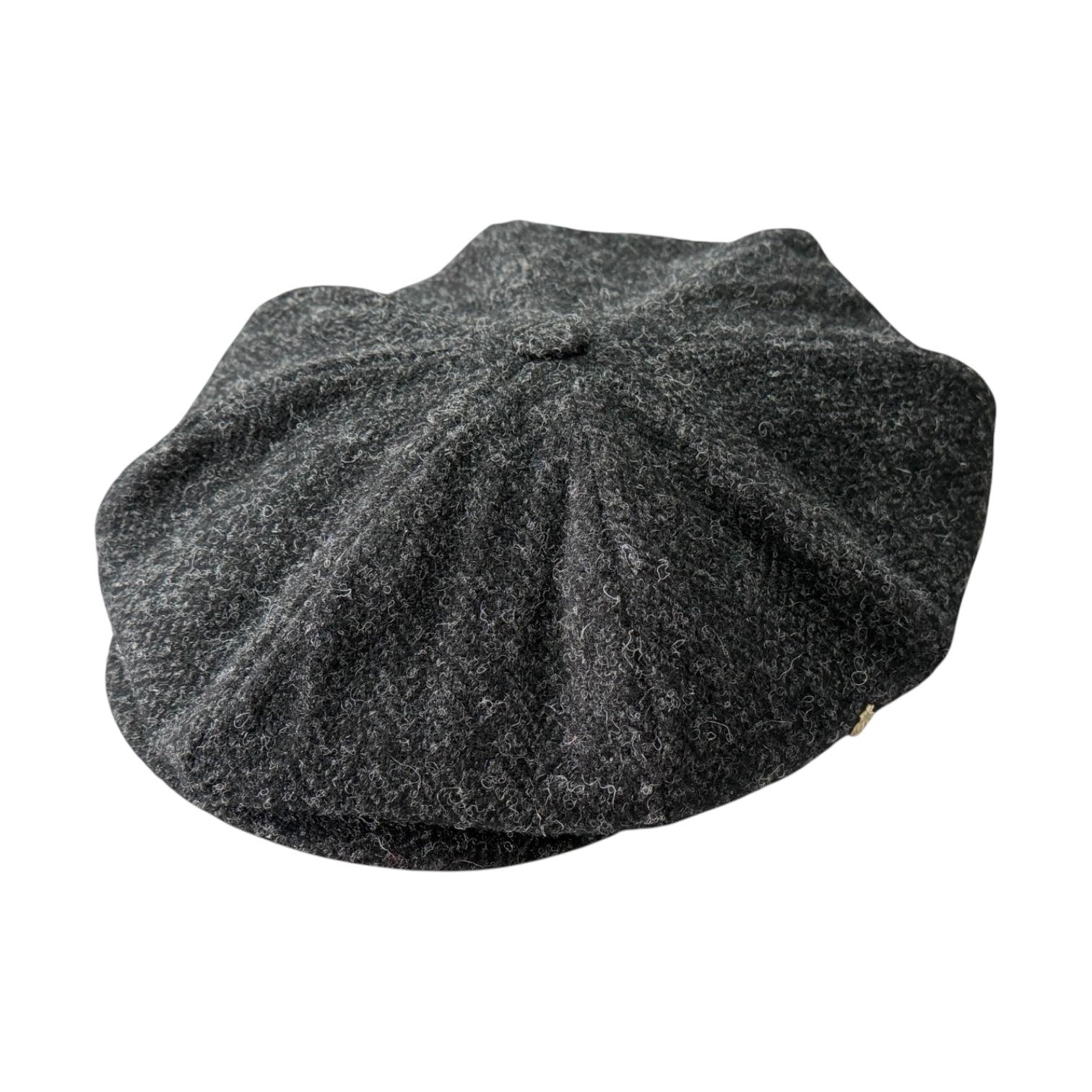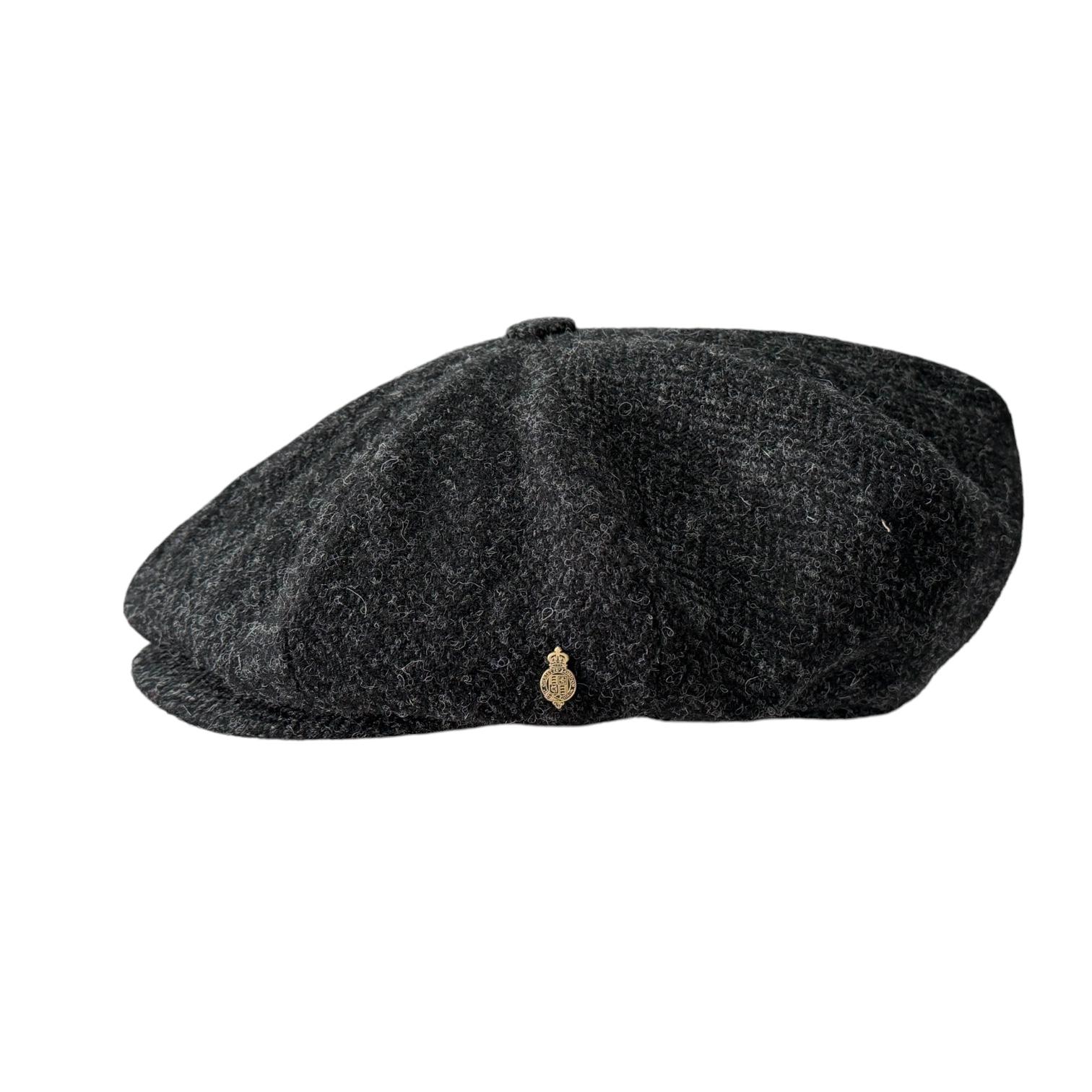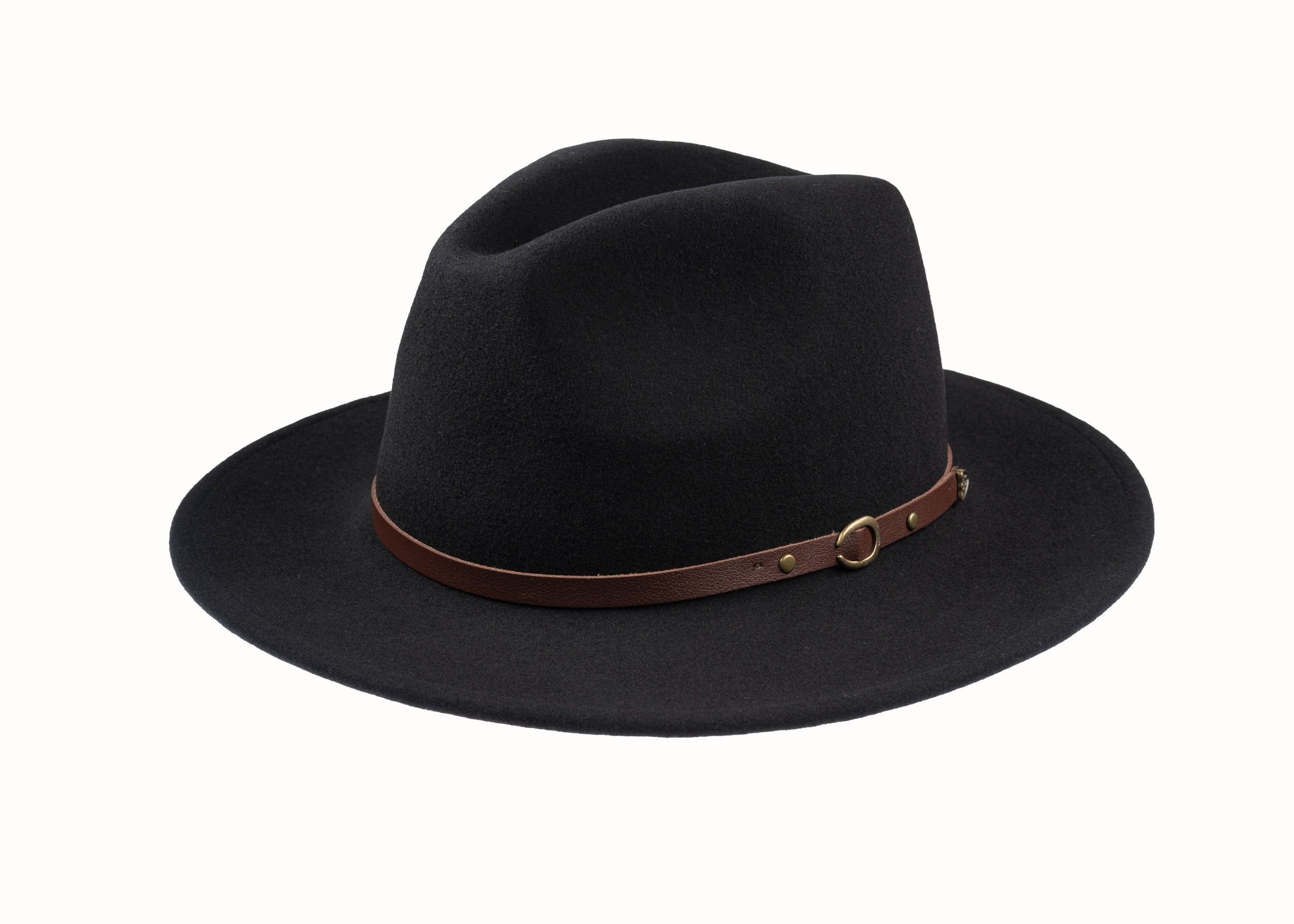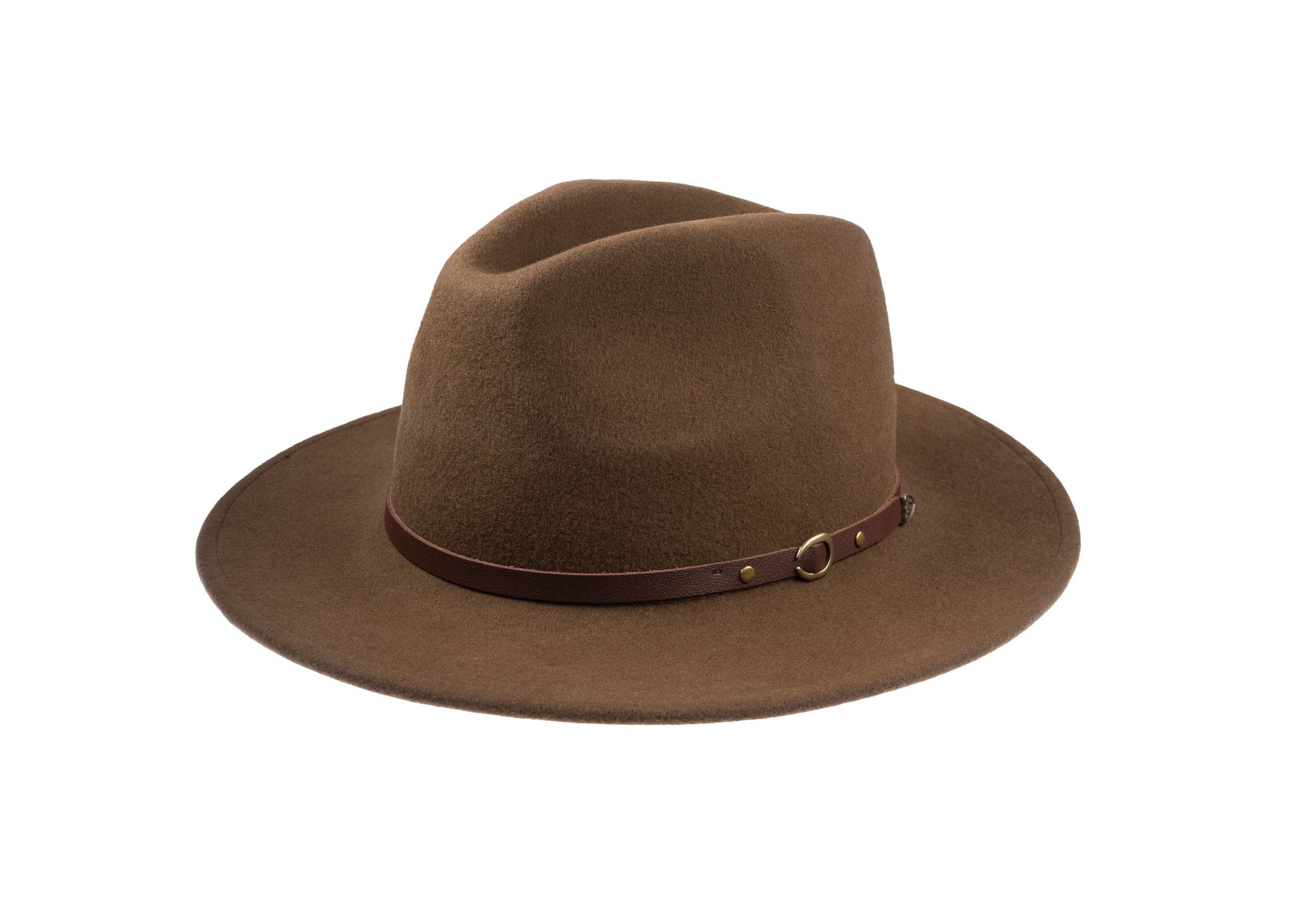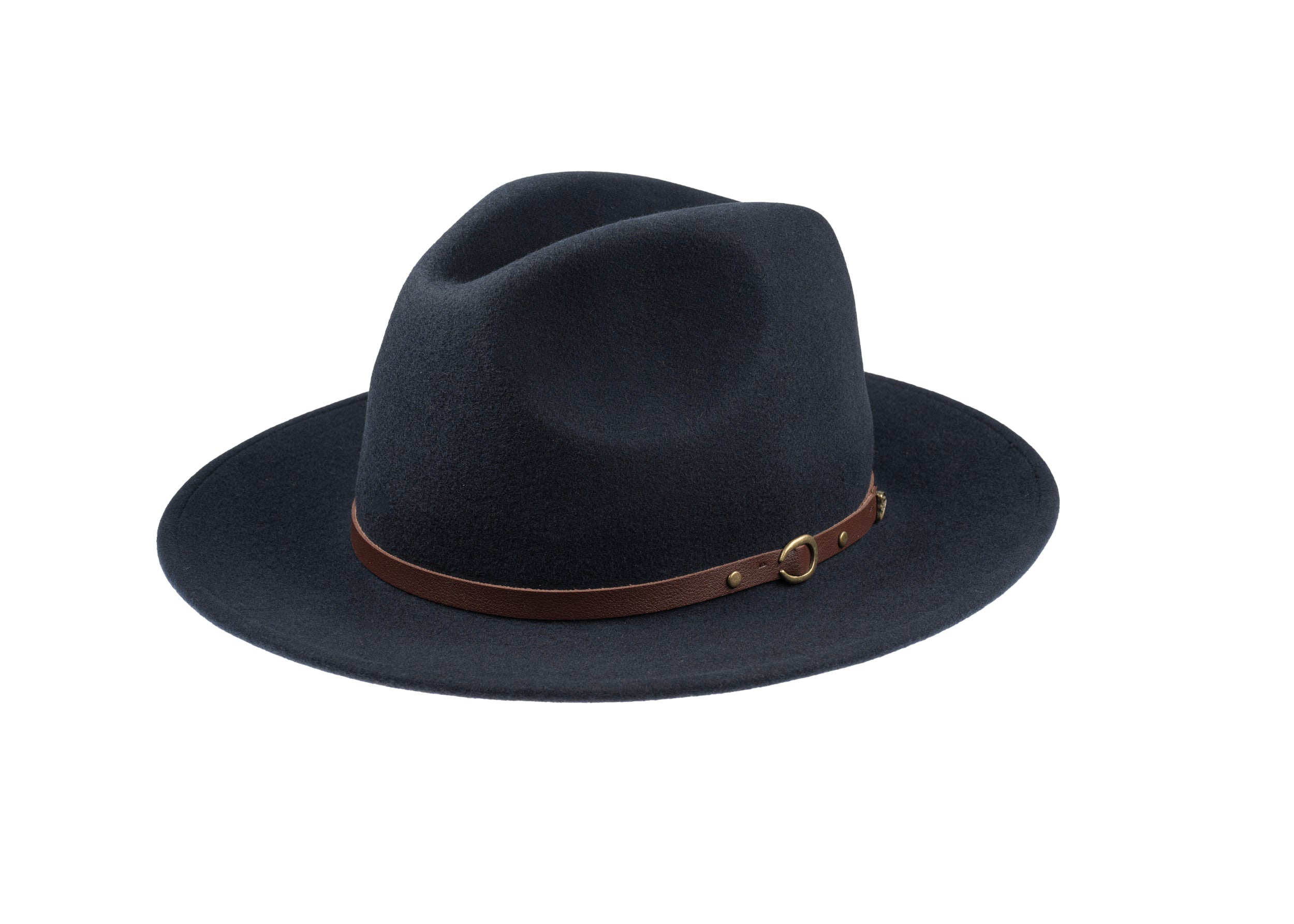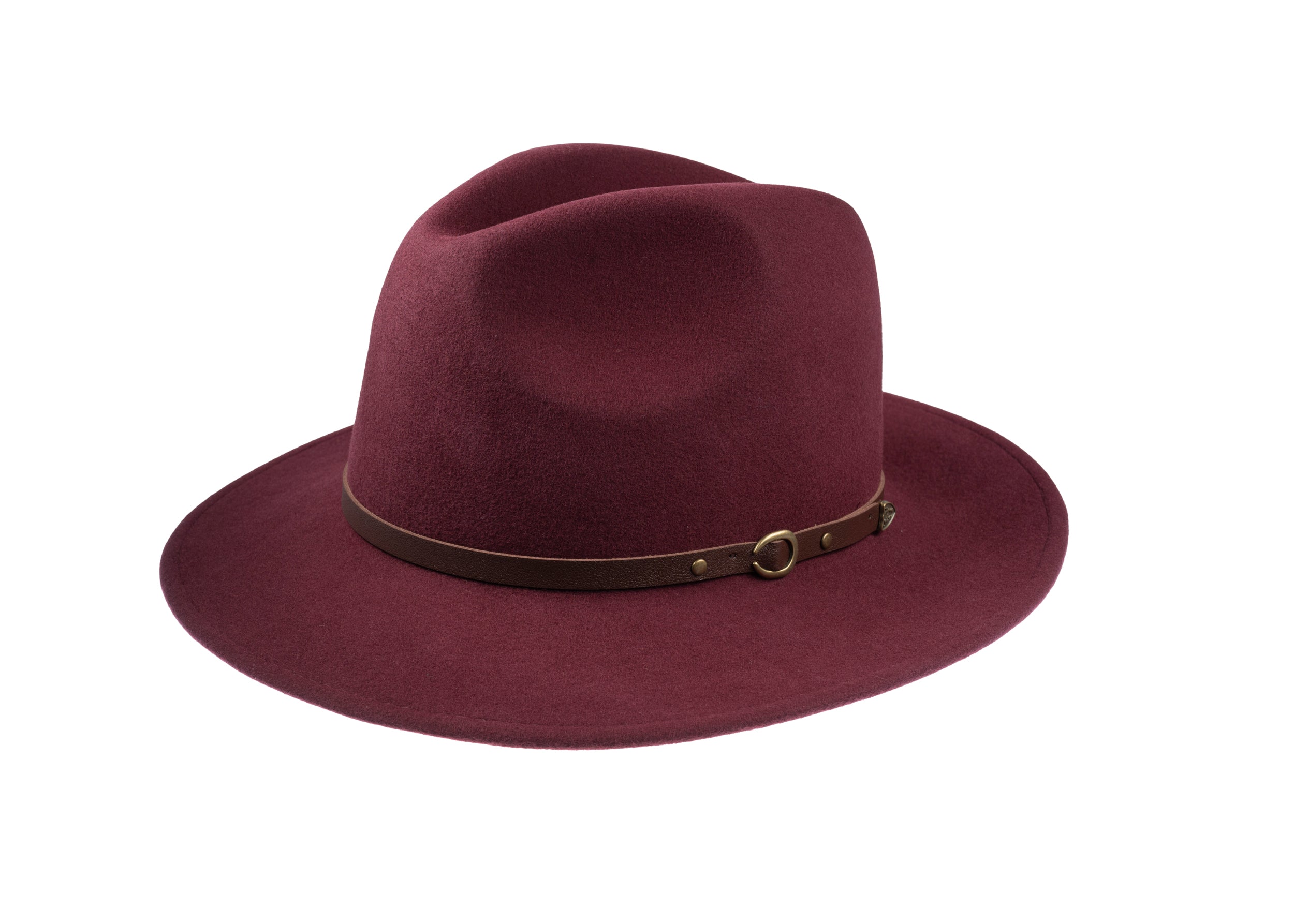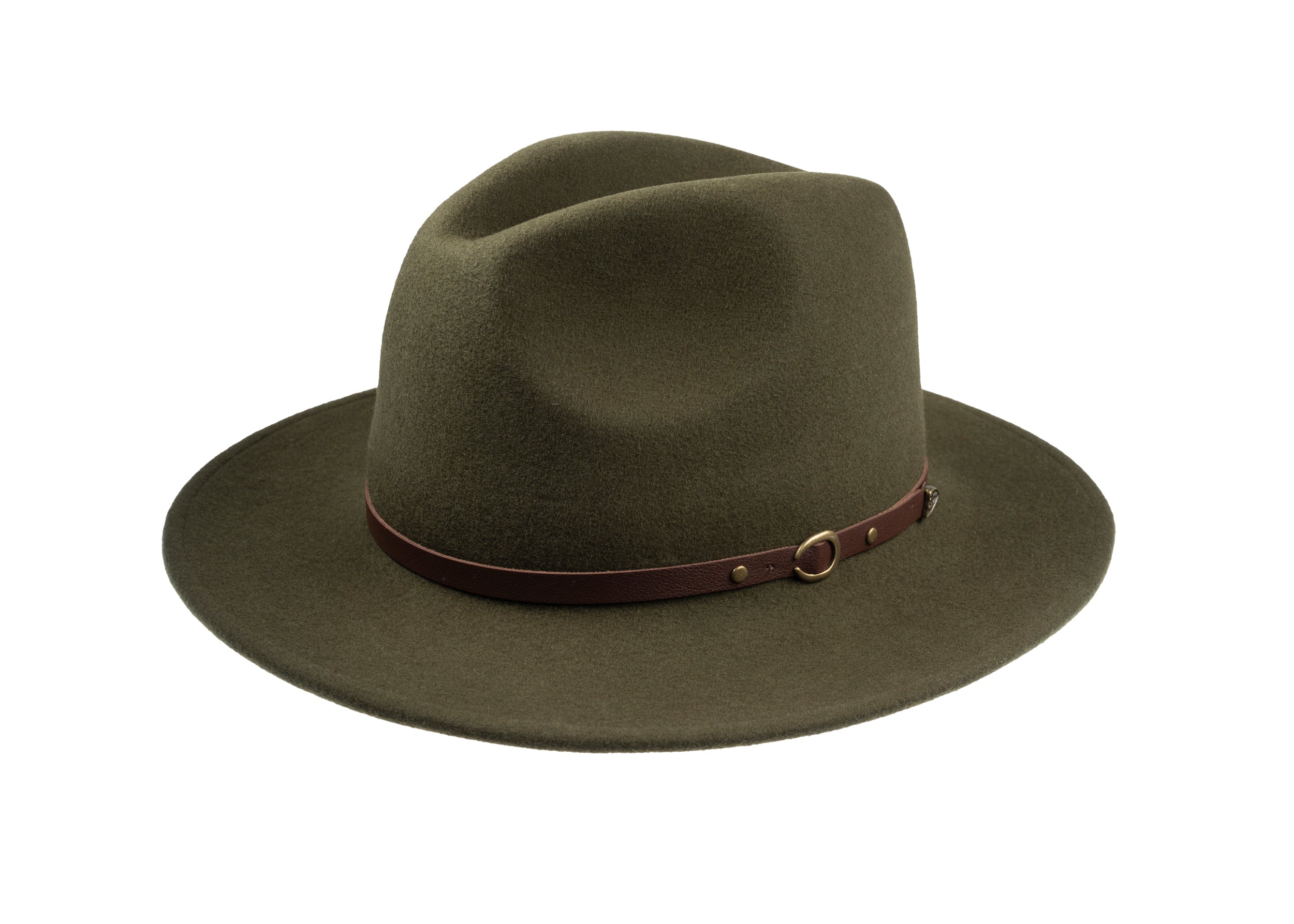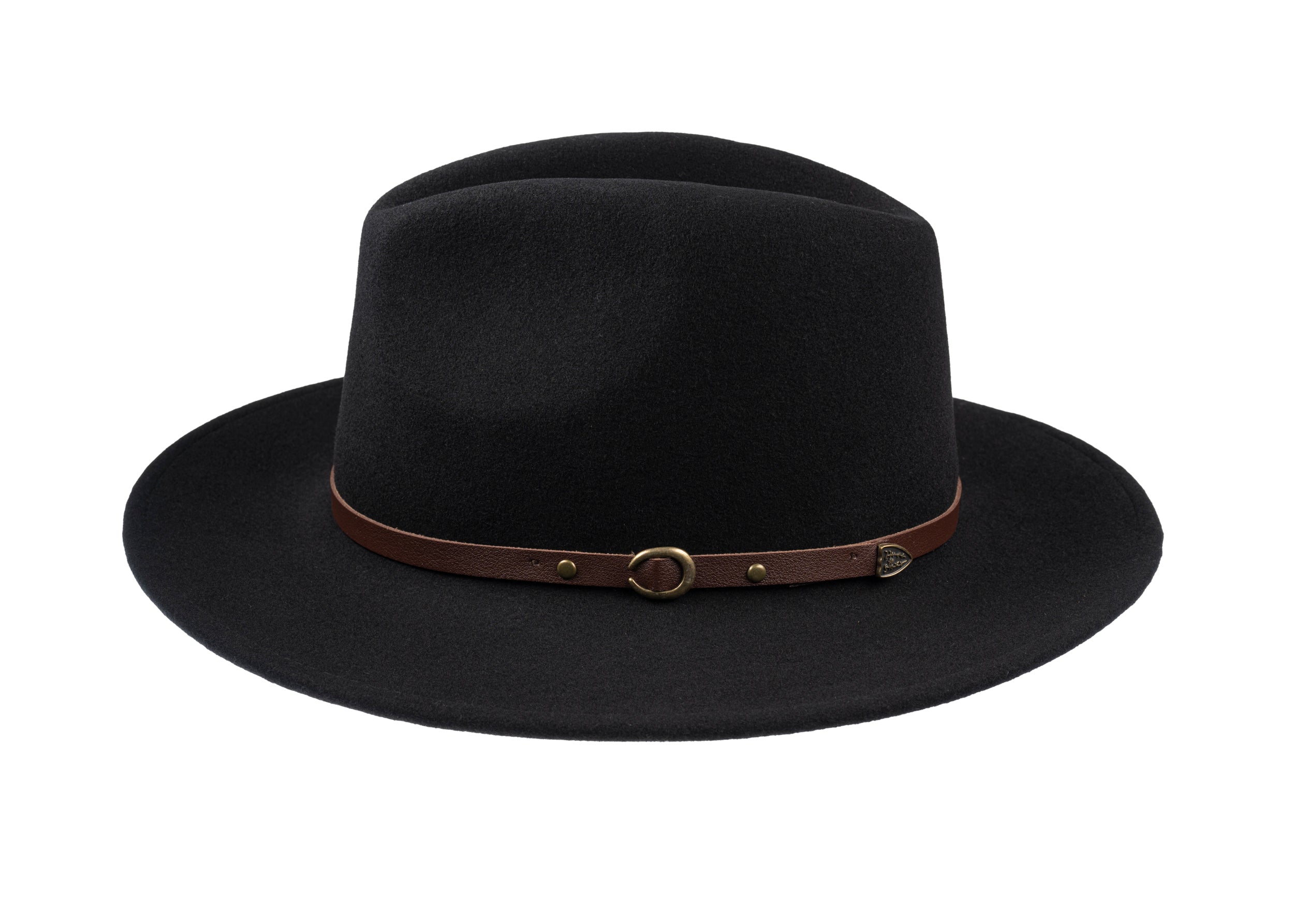





What makes a hat read as quietly authoritative rather than merely old-fashioned? The homburg, with its turned brim and single-dented crown, favours measured shape over ornament. Its restrained silhouette and the way the felt settles with wear become signals of provenance and purpose: a piece shaped by hand and worn with quiet confidence, rather than a garment that demands notice.
This post traces the homburg's passage from courtrooms and boardrooms to ceremonial occasions, unpacks the visual cues of restraint that sustain its credibility, and considers how ritual preserves that language. It explains how material choices, posture, and context maintain the hat's authority, and how applying those rules can quietly confer command without theatricality.

Charting the Homburg's Institutional Ascent
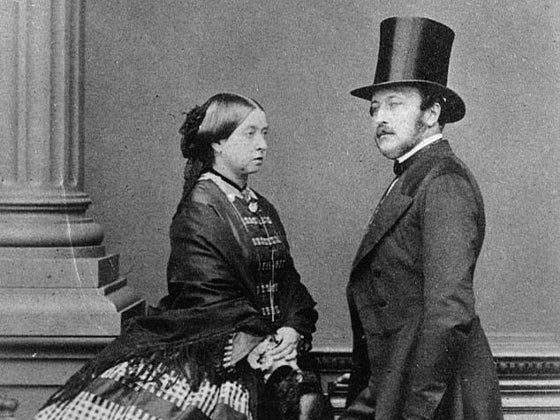
Portraits, regulatory documents, and press photographs chart the homburg's steady adoption by diplomats, judges, and university officials. Archival images repeatedly show restrained colours, structured crowns, and minimal trim as institutional signifiers. The hat's anatomy reinforces that reading: a single dent, or centre crease, a medium crown, a slightly upturned brim, and a grosgrain band simplify the silhouette and reduce visual noise, so the piece reads as composed at a distance. These consistent formal choices appear across ceremonial portraiture and uniform regulations, demonstrating an organisational preference for quiet legibility over flamboyance.
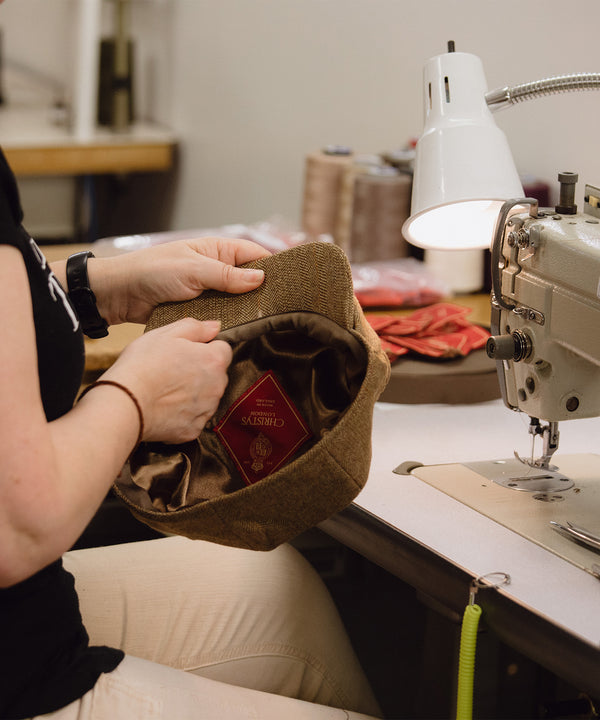
Practically, institutions favour matte felts in restrained tones, crown proportions matched to head size and lapel width, and a brim that sits level with the eyebrow to preserve proportion and authority. The homburg, shaped rather than assembled, anchors the outfit when paired with a clean-lined overcoat, plain silks, sober footwear, and unadorned outerwear; it frames the face and moderates other signals so the whole ensemble reads as stewardship rather than showmanship. Checks for longevity include dense felt, a brim with firm but not brittle stiffness, a stitched sweatband, and neat, visible stitching. Routine care is simple: brush gently with a soft hat brush, air between wears, store on a form or in a hatbox, and have the hat reblocked by a hatter when it begins to lose shape. These material cues and maintenance habits preserve the hat's restrained language, letting craft and proportion convey seriousness rather than ornament.
Choose blocked wool felt for a composed, enduring silhouette.

Reading the Homburg: How Its Details Signal Restraint
Building on the institutional records described above, archival country portraits, formal state portraits, and institutional dress lists trace the homburg's shift from fieldwear to an institutional shorthand worn by judges, diplomats, and senior administrators. Their consistent silhouette and restrained palette, typically grey, black, or deep navy, appear repeatedly as a visual cue of steadiness. When courts or ministries pair an identical crown shape and narrow band across officials, the eye reads calm, authority, and continuity rather than individual flamboyance. Museum collections and preserved wardrobes confirm the practice, showing standardised proportions and finishes that link private country use to public office.
Design cues make that restraint legible: a single centre-dent crown, a gently upturned brim with a rolled edge, a narrow grosgrain band in muted tones, minimal ornamentation, and a moderate crown height keep the homburg measured rather than theatrical. Materials and construction tell the same story, with dense, hand-blocked felt, neat ribbon joins, an unobtrusive internal sweatband, and tidy brim stitching signalling a craft focused on proportion and durability. Wear the homburg with tailored, subdued outerwear and proportionate lapels, keeping the brim parallel to the horizon. Maintain regular brushing, occasional steam reshaping, careful storage, and professional blocking from time to time; with routine attention, the silhouette reads institutional rather than showy, and the piece improves with time, acquiring an understated, assured presence.
Wear a restrained wool-felt hat for institutional authority.

How ritual preserves the homburg's cultural signalling
Beyond construction and proportion, ritual and visual practice reinforce the hat's authority. A homburg reads as institutional rather than flashy because of a handful of restrained design cues: an upturned brim that gently frames the face, a modest centre dent, matte felt that absorbs light, and a simple grosgrain band that does not create a focal point. These proportions sit naturally with tailoring, communicating reserve; matte surfaces minimise glossy highlights, narrow bands limit visual distraction, and a close-fitting crown keeps the silhouette composed. When advising a wearer, favour subdued textures, close-fitting crowns, and brim widths no wider than the wearer’s shoulders to preserve composure. For imagery and print, favour three-quarter profiles, side lighting to reveal nap and shape, muted backgrounds, and captions that describe function or setting rather than fashion. Recommend that photographers prioritise texture and silhouette over glossy highlights, and avoid ostentatious props.
Turned into ritual, a homburg becomes a reliable signal of courtesy and care. Set a few standard rules, such as when to wear or remove the hat indoors, a brief gesture of acknowledgement on meeting a host, and a defined place for storage at entrances, then record them in a short event brief and in steward training notes so practice remains consistent. Maintenance and provenance complete the story. Routine brushing along the nap, gentle steaming to restore shape, storage on a shaped stand, and clear documentation of maker and materials preserve form and record origin, while neat repairs read as continuity rather than neglect. Embed the hat in institutional grammar by referencing it in dress code language, formal introductions, or processions. Use a simple organiser's checklist to decide appropriateness and to communicate the choice, allowing the hat to be adopted with discreet assurance, integrated into the occasion rather than turned into spectacle.
Across courts, boards, and ceremonial life, the homburg's muted silhouette, pared materials, and measured proportions signal steadiness through craft and restraint. Archival portraits, dress lists, and preserved examples consistently show the single-dent crown, narrow grosgrain band, matte felts, and restrained brims that convey institutional authority even from a distance.
Begin by understanding the homburg's public grammar: modest proportions, a single, gently turned brim, and a creased crown. Let those proportions and finishes direct your choices, favouring shallower crowns, subdued textures, and a neat, narrow band rather than embellishment. Sustain the effect through simple ritual: regular brushing, correct storage, and occasional blocking to preserve shape. With considered proportions, muted materials, and routine care, the homburg communicates quiet confidence without theatrics.