
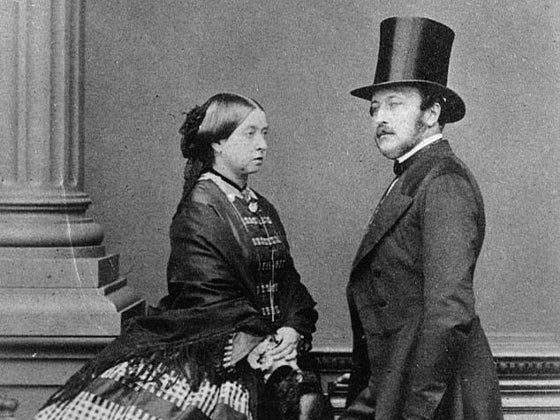




A homburg signals authority and refinement, but choosing the right shape and finish for the occasion is not always straightforward. For formal occasions, such as a wedding, opt for a stiffer felt crown and a higher sheen; for daily wear, choose a softer felt and a muted finish that will be worn with quiet confidence.
This guide shows how to fit a homburg to your head, balance its proportions with your silhouette, and choose styles and finishes suitable for formal occasions and everyday wear. It sets out specific combinations that preserve occasion-appropriate formality while remaining quietly wearable day to day.

1. Fit your homburg to the shape of your head
Begin with three measurements: head circumference, forehead width, and face length. Match these to a simple shape category such as oval, round, long, square, or triangular. Choose crown height to correct proportion; higher crowns visually lengthen a face, lower crowns shorten it. For a round face, introduce modest crown height to create vertical lines. For a long face, opt for a lower crown to reduce perceived length. For square faces, favour a softly curved, medium-height crown to soften angles. Aim for a brim that provides horizontal balance: wider brims for narrow faces, narrower brims for smaller heads. As a general rule, keep the brim within the width of the cheekbones so the hat reads in scale with the face.
Before you decide, run three simple fit checks. Set the hat so the sweatband rests just above the ears and brow, leave roughly a finger's width for comfort, and make sure it does not slide when you nod. Test the fit with your typical hairstyle, since added volume or a structured part alters both size and silhouette. Consider the hat alongside the rest of your outfit: match crown and brim scale to shoulder width, lapel size, and collar height so the hat integrates with the overall silhouette. Material and stiffness affect perceived formality. A stiffer felt preserves crisp, formal lines, while softer felts and slightly narrower brims make a Homburg easier to wear day to day.

2. Harmonise a homburg's proportions with your silhouette
Stand before a mirror or photograph yourself when assessing brim width against jacket lapels. If the brim is noticeably wider than the lapel, the two elements compete for attention. Aim for cohesion: choose a narrower brim, a broader lapel, or a mid-width compromise so hat and jacket read as a single, balanced silhouette. Balance crown height with your vertical proportions. A lower crown keeps a shorter silhouette grounded. A taller crown offsets a long torso and reads more formal. Take quick photo comparisons from different distances to see which height harmonises with your posture and proportions. Consider shoulder breadth when checking brim projection. Broad shoulders can carry wider brims without the hat appearing top-heavy. Narrower shoulders usually suit medium or trimmed brims, which prevent the hat from dominating the frame. Match hat profile to face shape and collar lines. A defined, creased crown adds vertical definition to rounder faces. Softer crowns sit more comfortably on angular faces, avoiding the reinforcement of sharp lines. Also note how collar points and lapel shapes meet the hat; small adjustments in collar height or lapel width can make a considerable difference to overall balance.
Adopt a pragmatic fitting routine and movement test: try the hat while sitting, standing, and walking; look up and down, and take three photographs, front, three-quarter, and profile, to note how it tips and how proportions sit with different outfits. For formal occasions, retain slightly taller crowns and mid to wide brims; for everyday wear, favour softer shapes and slightly reduced brims or crowns, allowing the hat to integrate with casual layers while remaining present. These simple trials produce evidence rather than opinion, enabling you to judge comfort, balance, and how the hat reads in photographs across tailored and relaxed ensembles, so you can be sure it suits both kinds of dressing.

3. Choose a Homburg: style and finish for formal and everyday wear
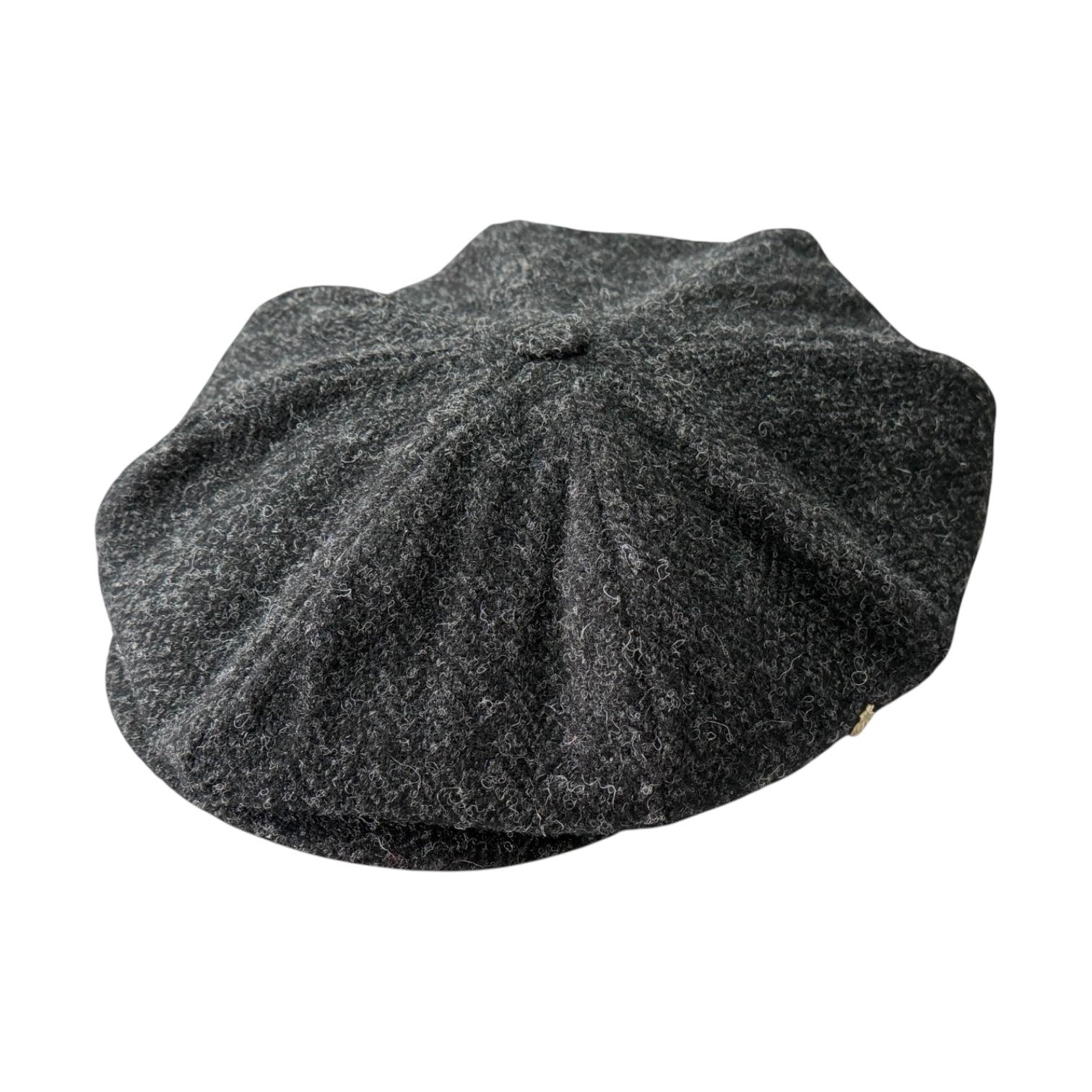
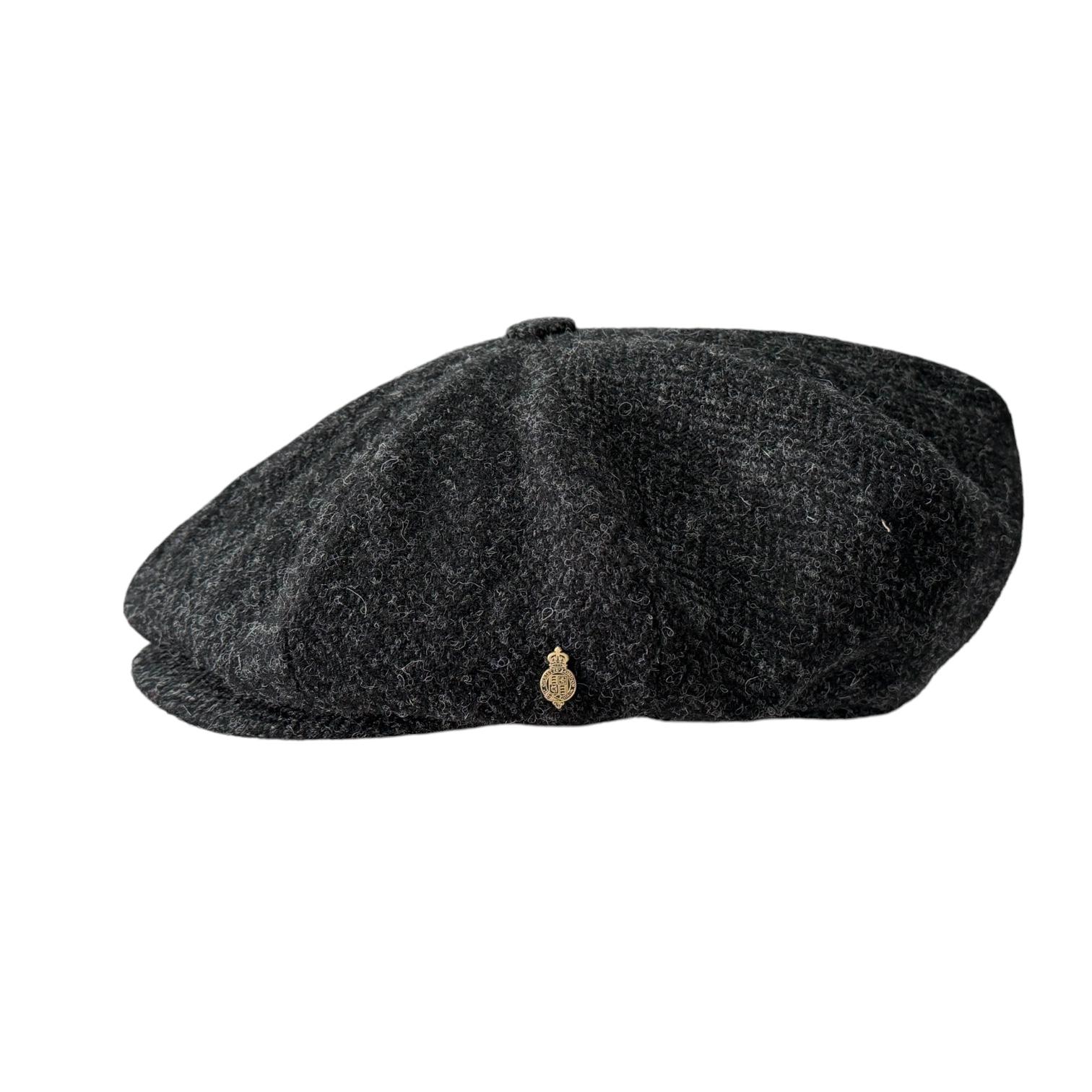
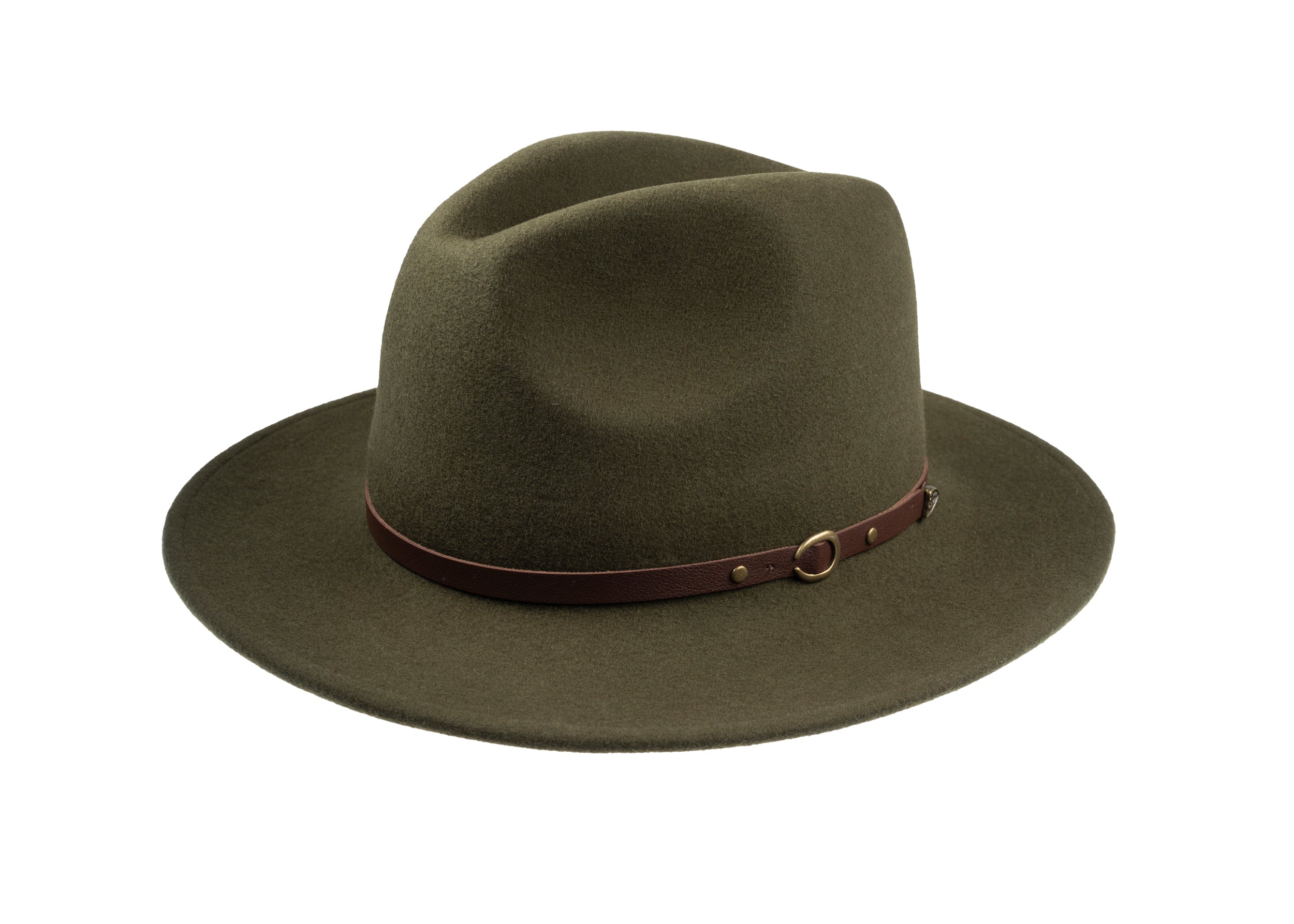
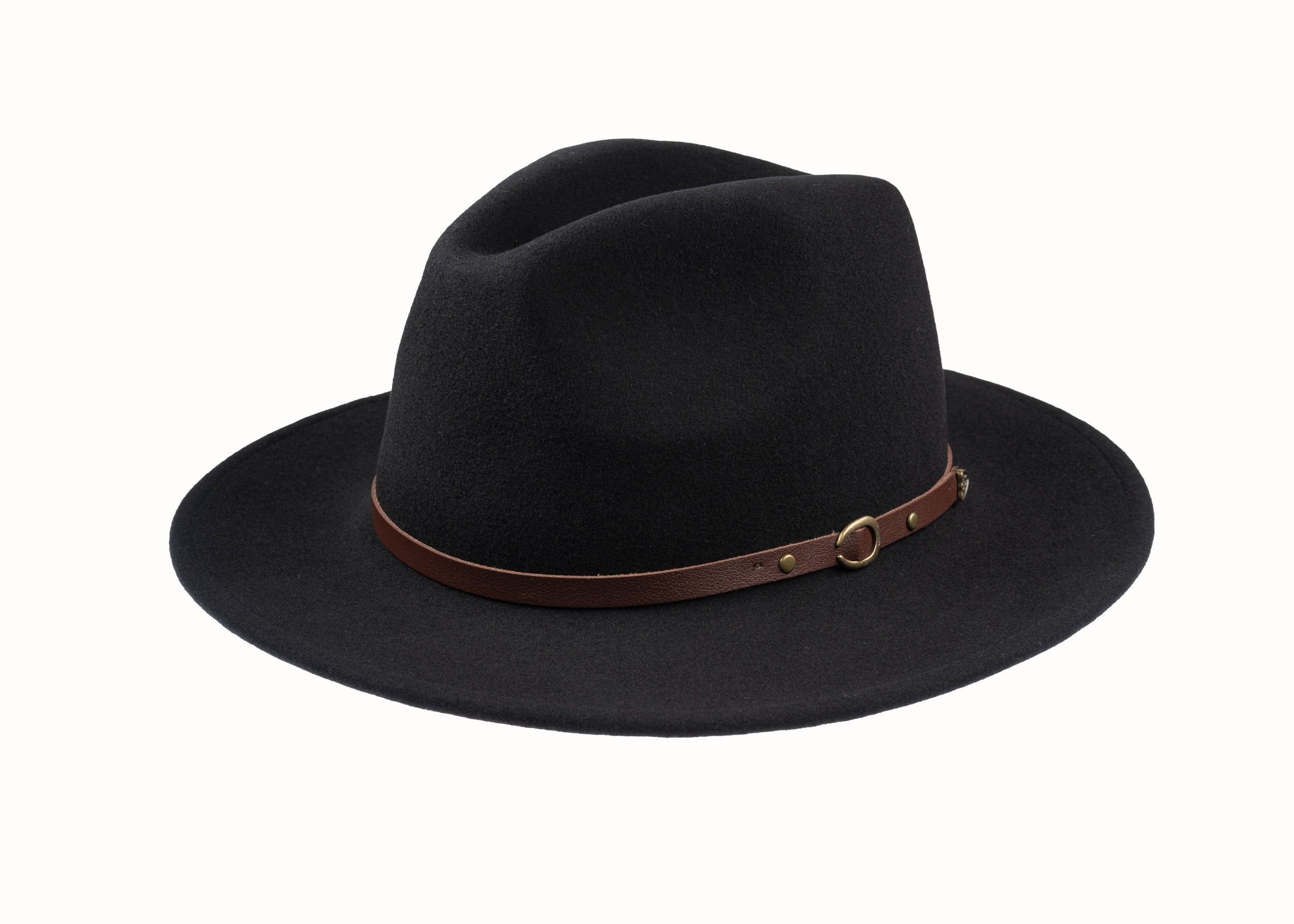
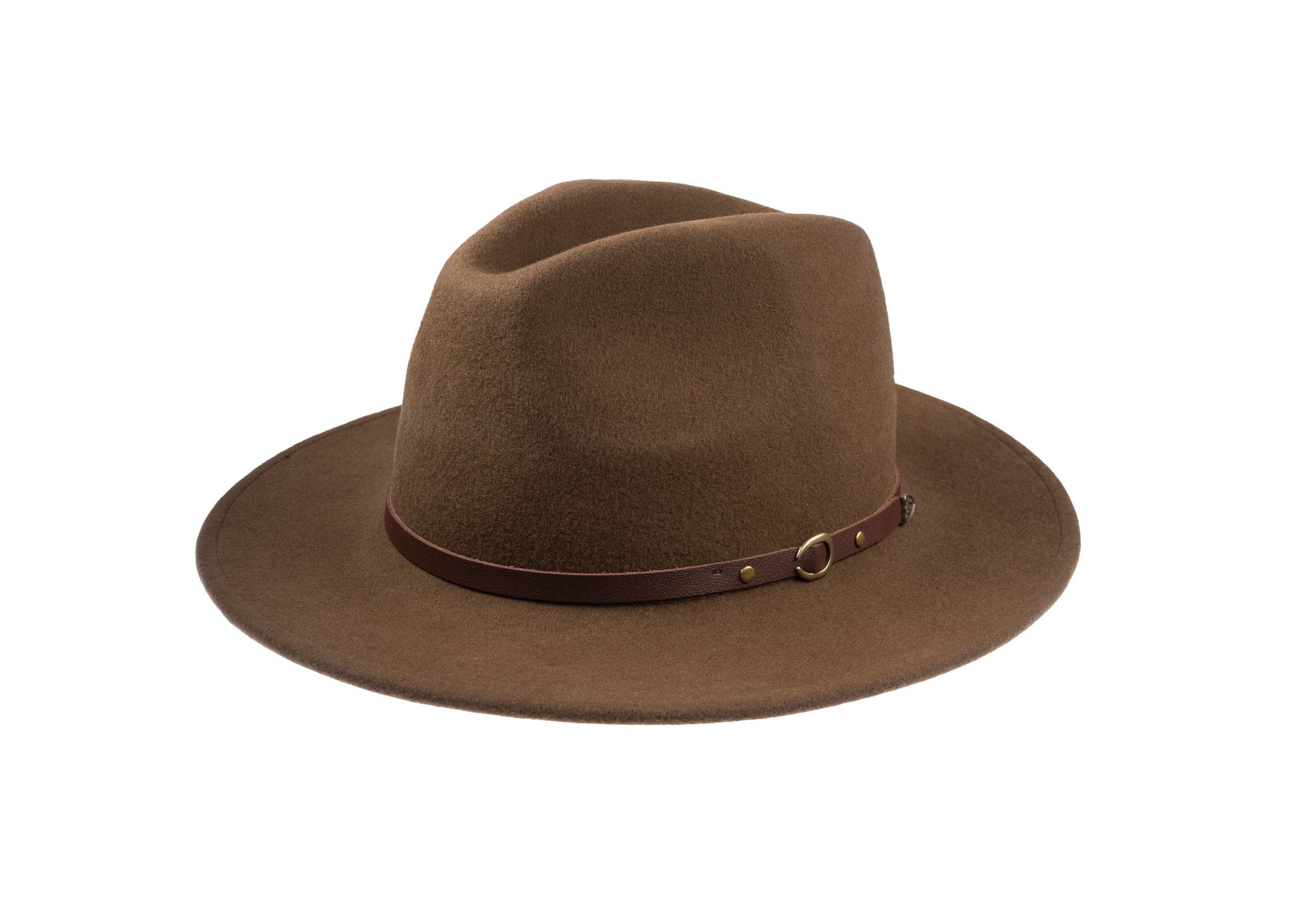
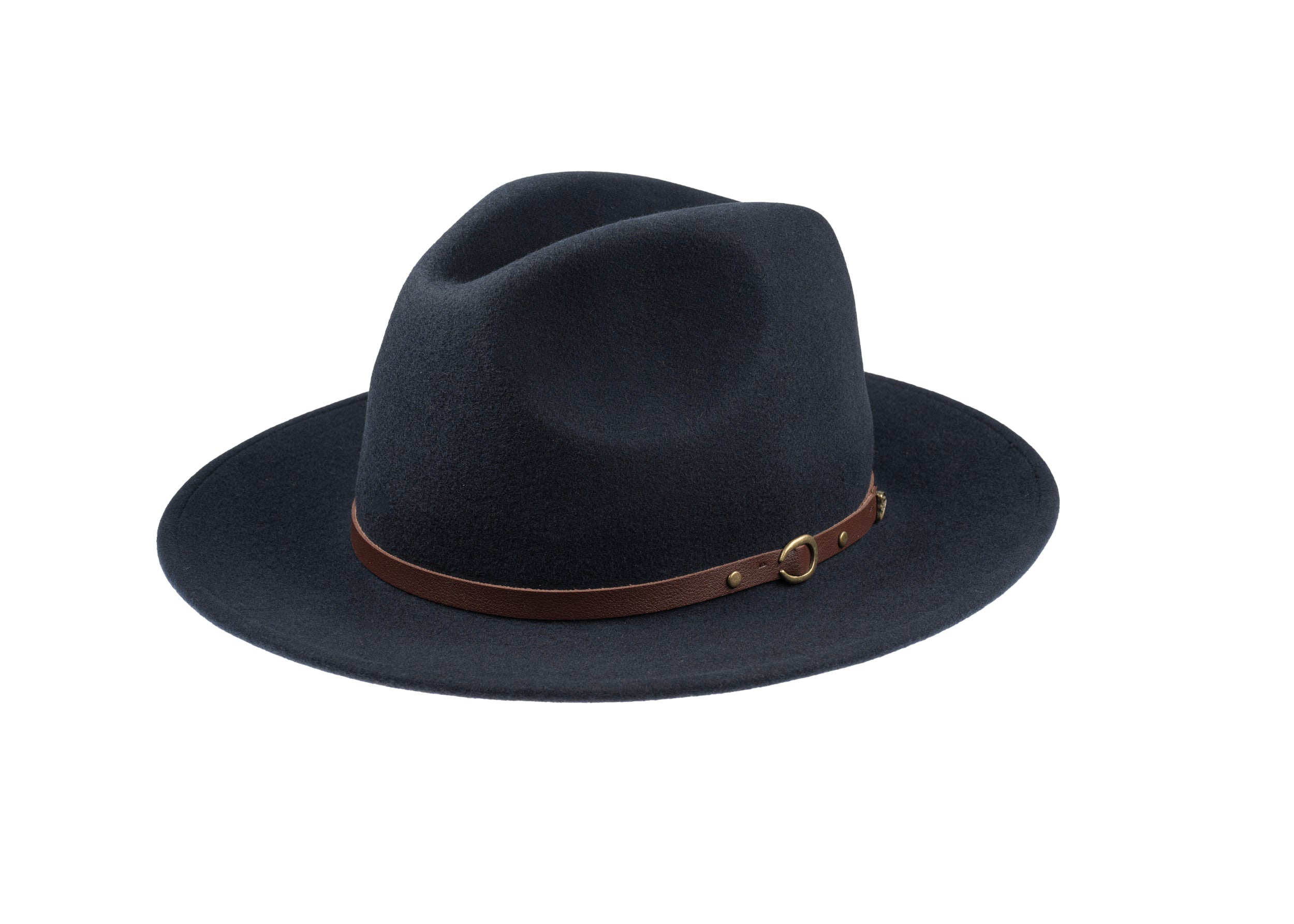
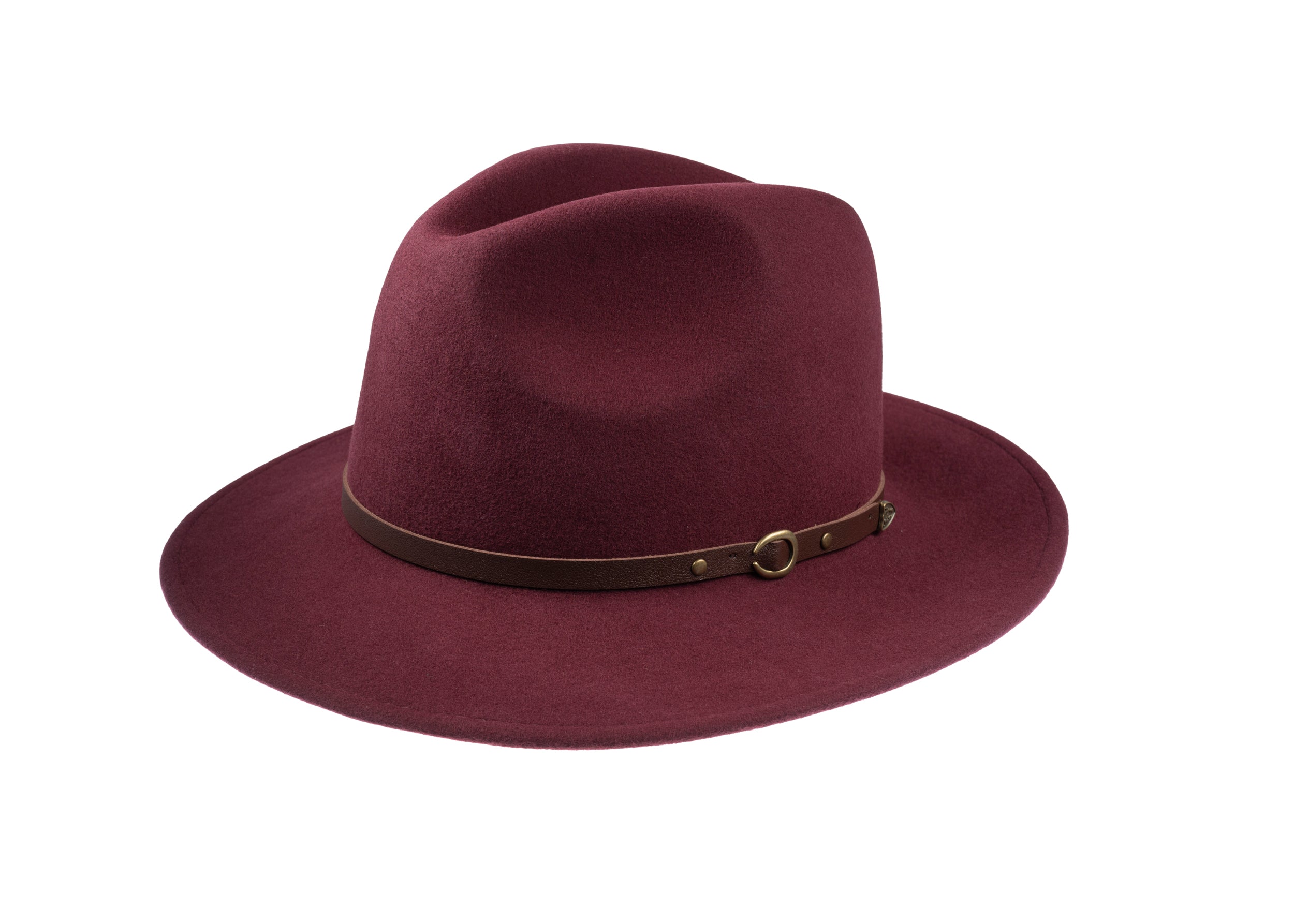
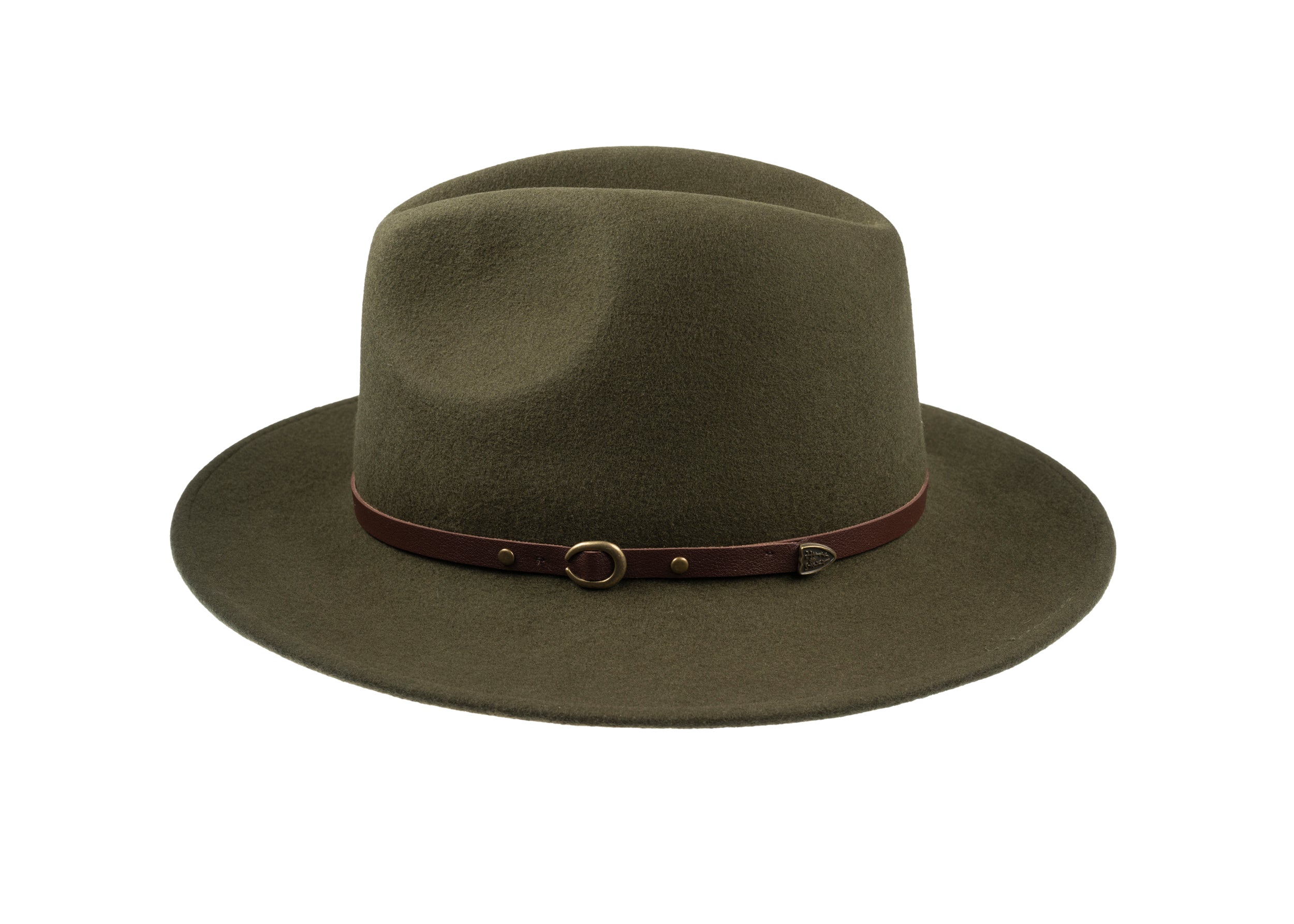
Homburgs fall into three material-and-finish groups, each signalling a different degree of formality. Stiff fur felt, paired with a silk or grosgrain band, reads as the most formal; a tightly blocked, glossy surface reflects light and takes on a ceremonial air. Soft, brushed wool or velour with a matte finish suits everyday smart wear; its subdued texture and tonal ribbon remain discreet. Lightweight straw or Milanese weave works for warm-weather, informal use, where texture and breathability suit a looser, more relaxed shape. Sheen and ribbon choice further alter perceived formality: high shine and silk bands make a hat feel ceremonial, matte surfaces and tonal ribbons keep it restrained, and high-contrast bands turn the hat into a focal accessory that draws the eye and reproduces strongly in photographs. Colour follows the same logic: black, charcoal, and deep navy read as most formal, while mid browns, olive, and tan feel versatile and suited to everyday wear.
Proportion and detailing provide immediate cues: narrower brims with higher, crisply blocked crowns read dressier; wider brims, softer crowns, and unbound edges read more relaxed. Match brim width to lapel width and to the wearer’s face shape so the hat balances the silhouette rather than overwhelming it. Surface finish affects maintenance and the way a hat wears over time. High-shine felts and silk bands need careful storage and regular brushing, whereas matte wool and tightly woven straw tolerate daily wear and light rain. For occasions, felt Homburgs sit naturally with formal suits, morning dress, and overcoats at ceremonies or race meetings; matte wool is well suited to city tailoring, smart-casual, and travel; straw belongs at garden parties and summer gatherings, while sombre ceremonies call for felt rather than straw.
To summarise these cues, a Homburg announces formality through its material, crown shape, and brim proportion. Stiff fur felt with a glossy finish and a silk or grosgrain band is the most ceremonial. Matte wool or velour, paired with a softer crown, suits city tailoring and travel. Lightweight straw or Milanese weave is intended for warm-weather, informal wear.
Let fit, proportion, and finish guide your choice. Measure head circumference and note face shape, then assess crown height and brim width alongside shoulder breadth and lapel proportion. Photograph yourself from a short distance, and move—turn your head and take a few steps—to see how the hat settles and balances in motion. These practical checks help you choose a Homburg that maintains appropriate presence for formal occasions while remaining comfortable for frequent wear, a precise, wearable piece rather than a decorative oddity.