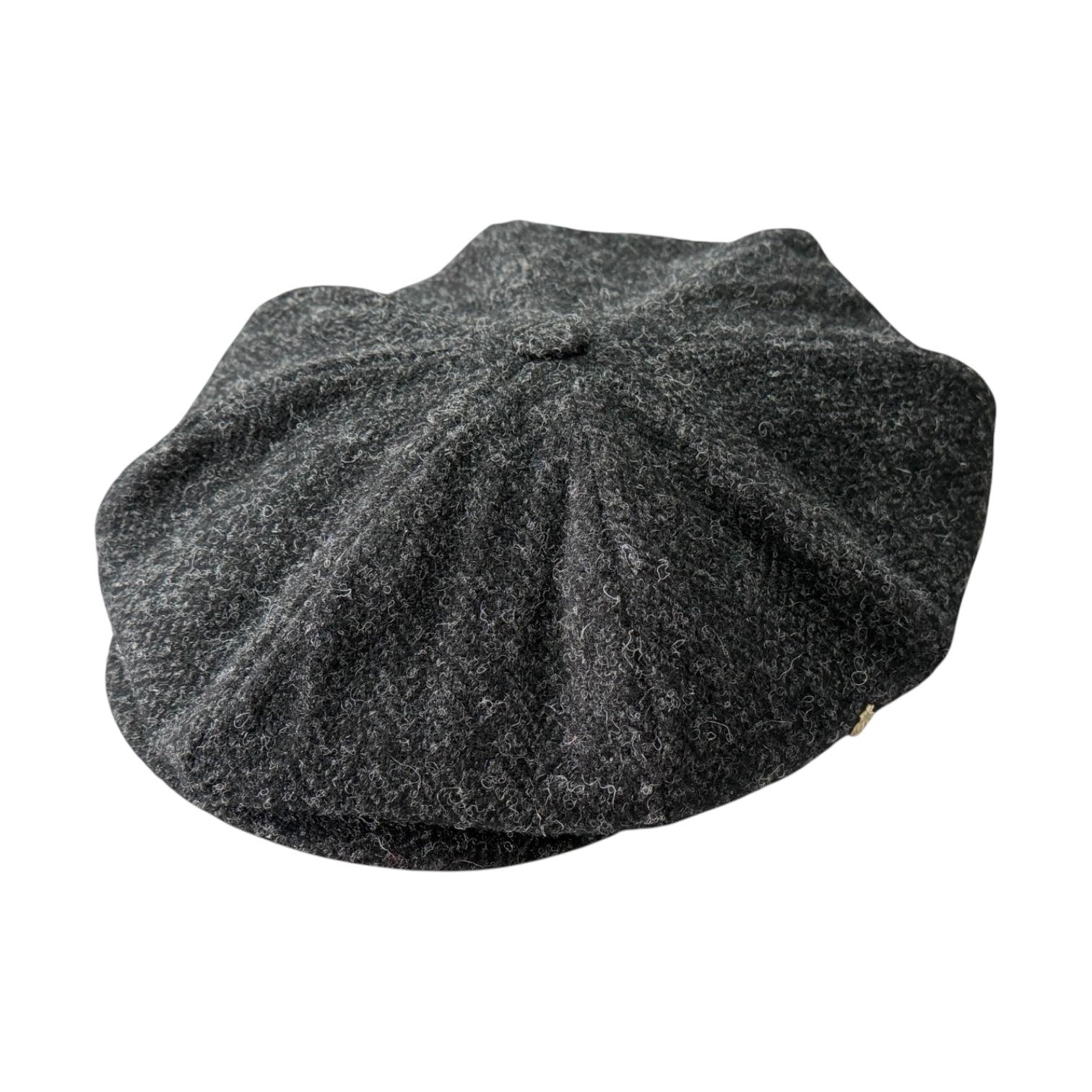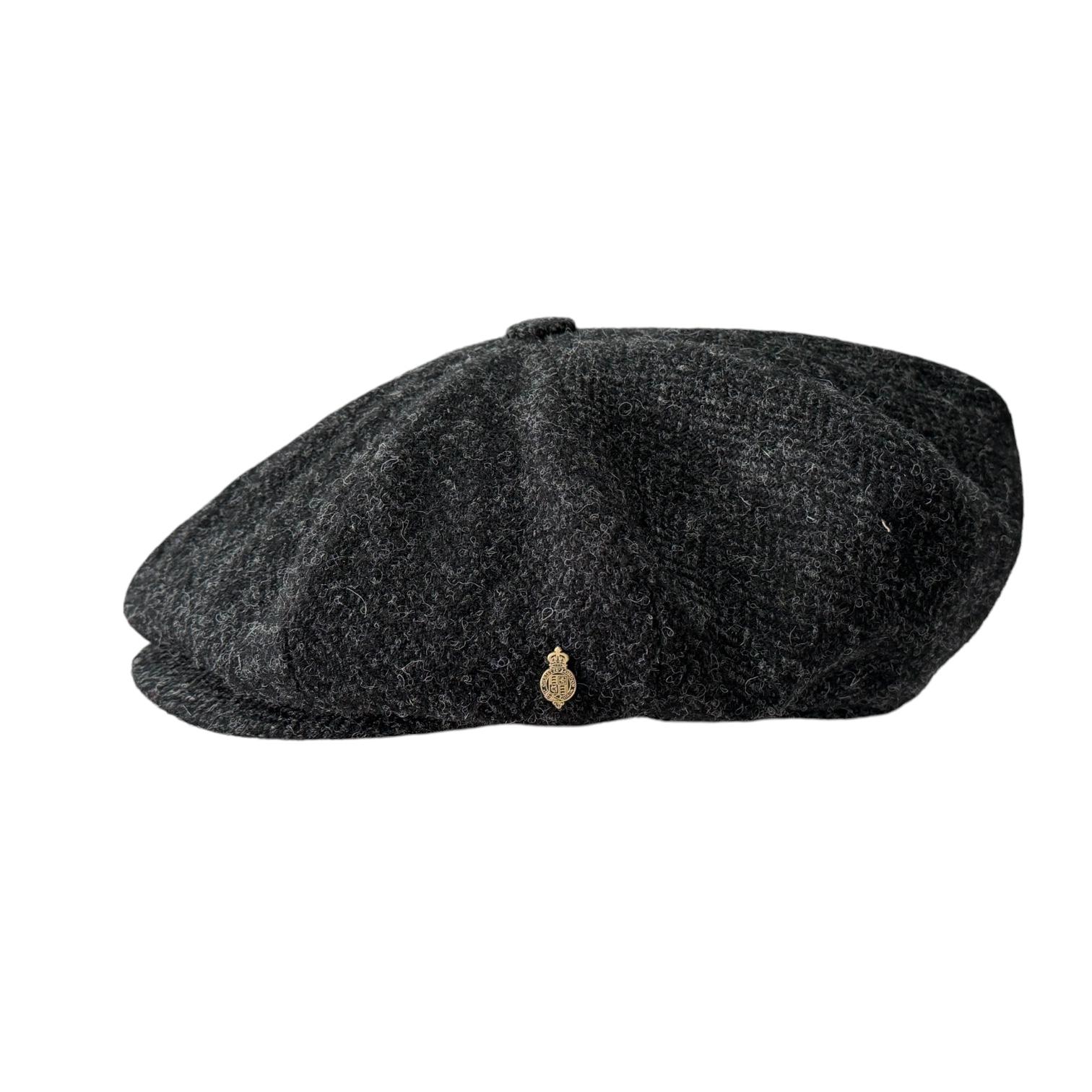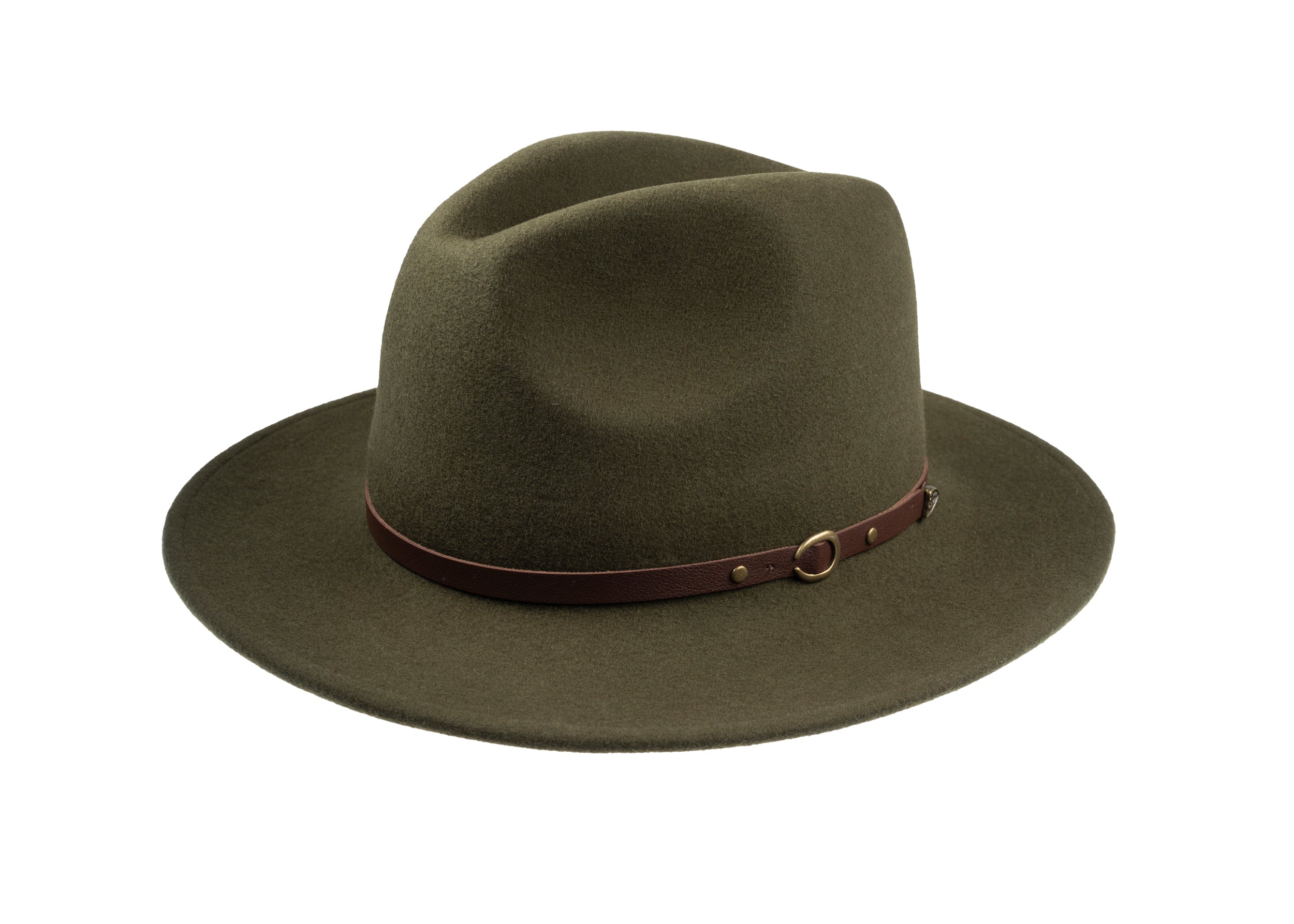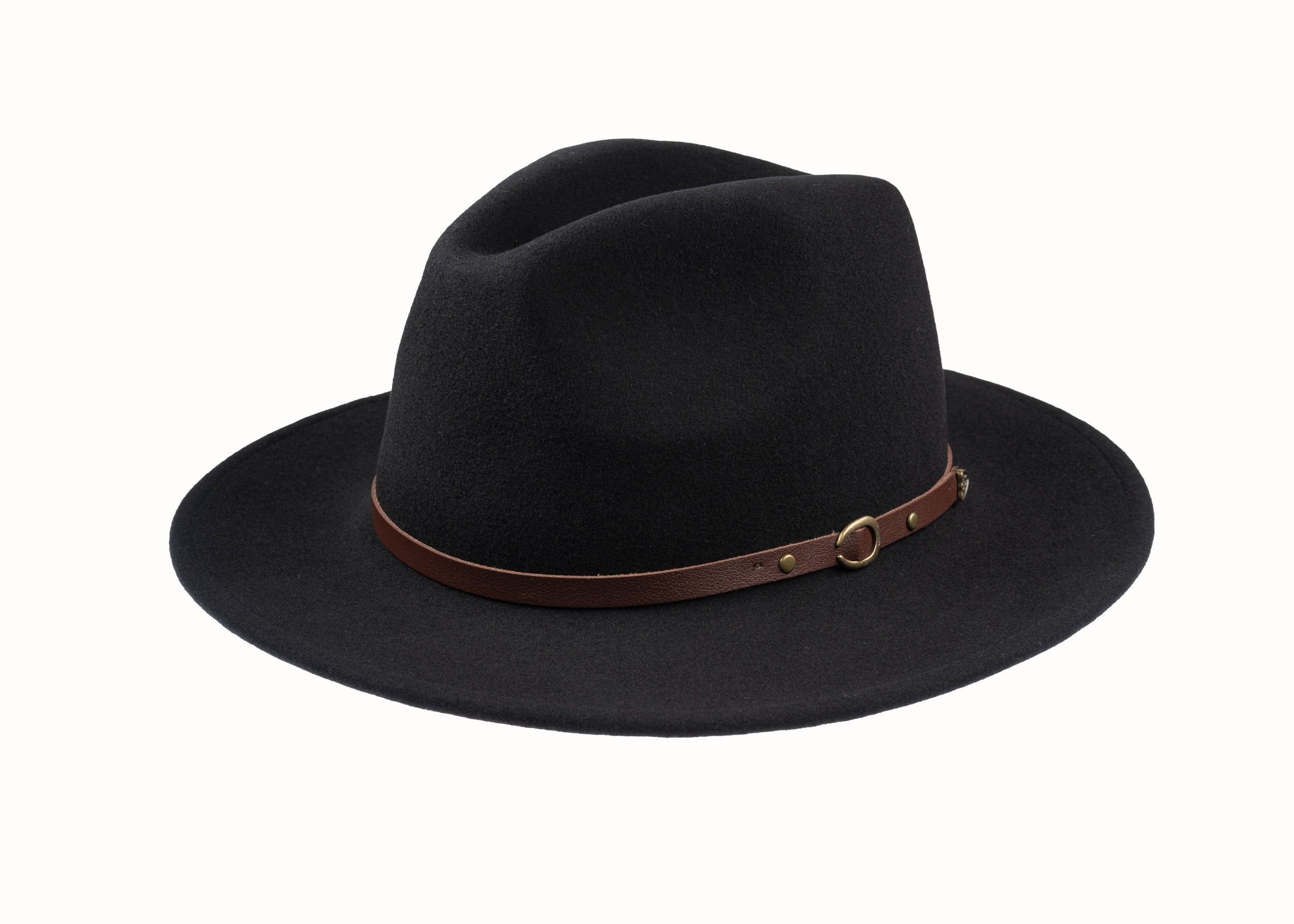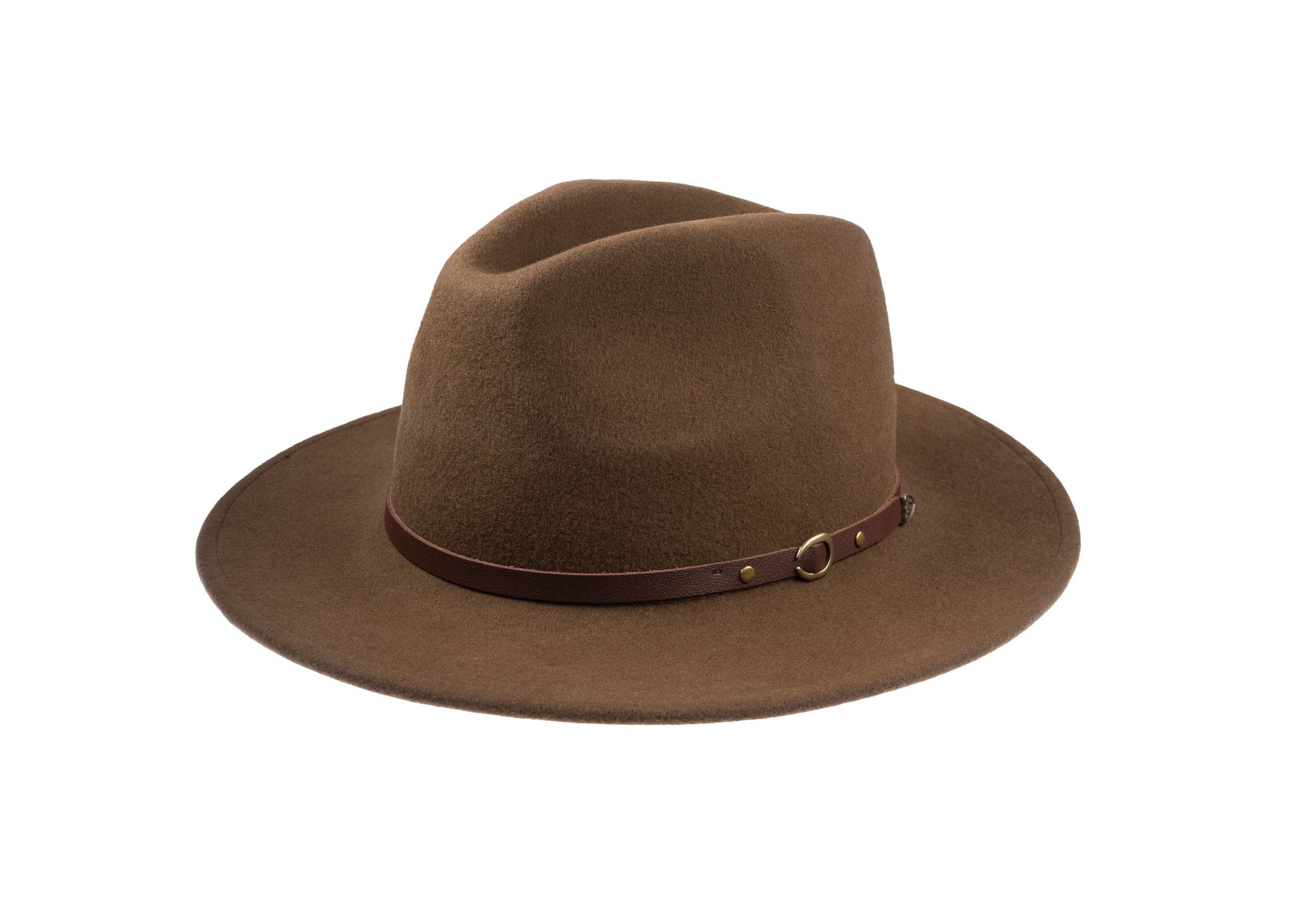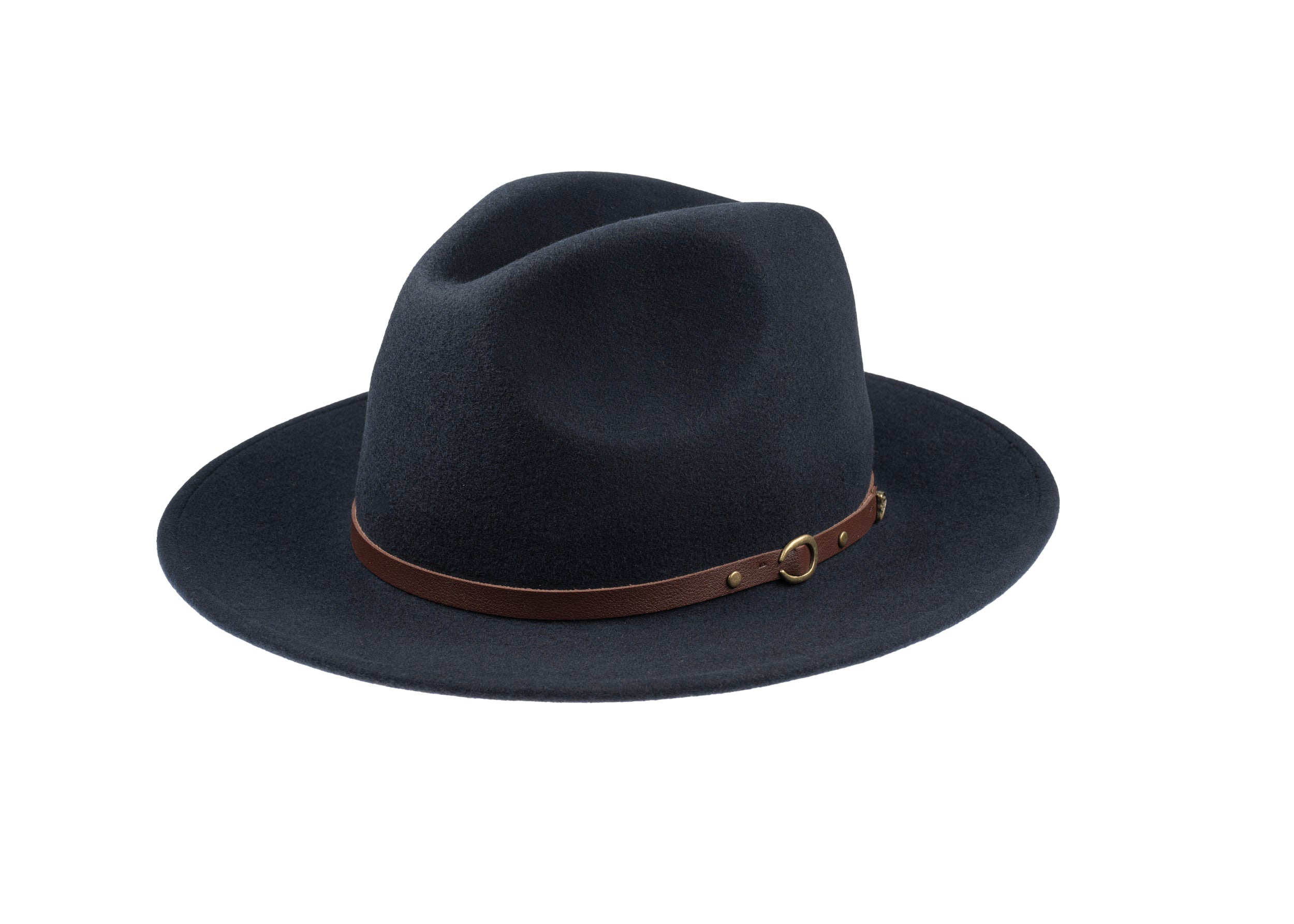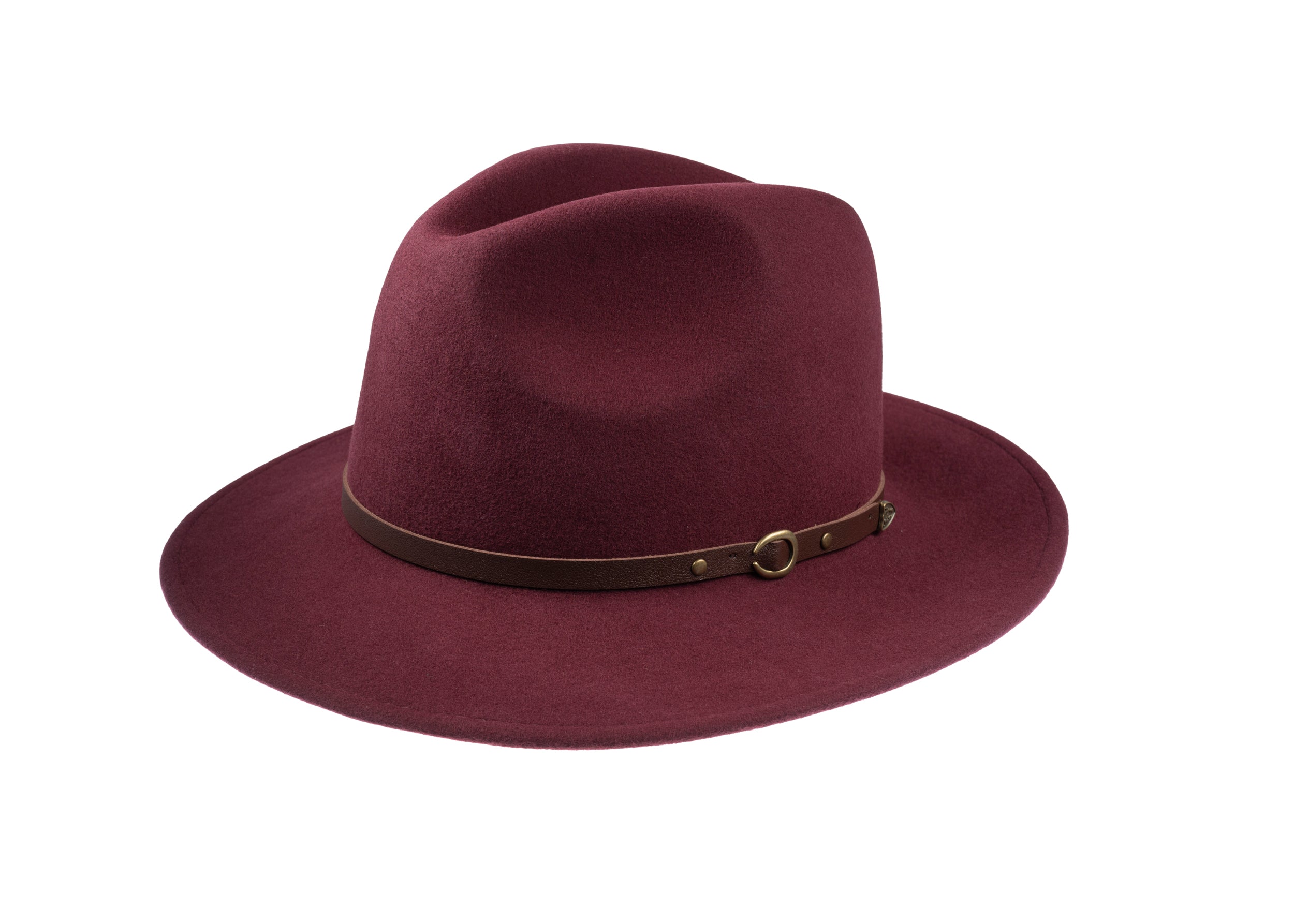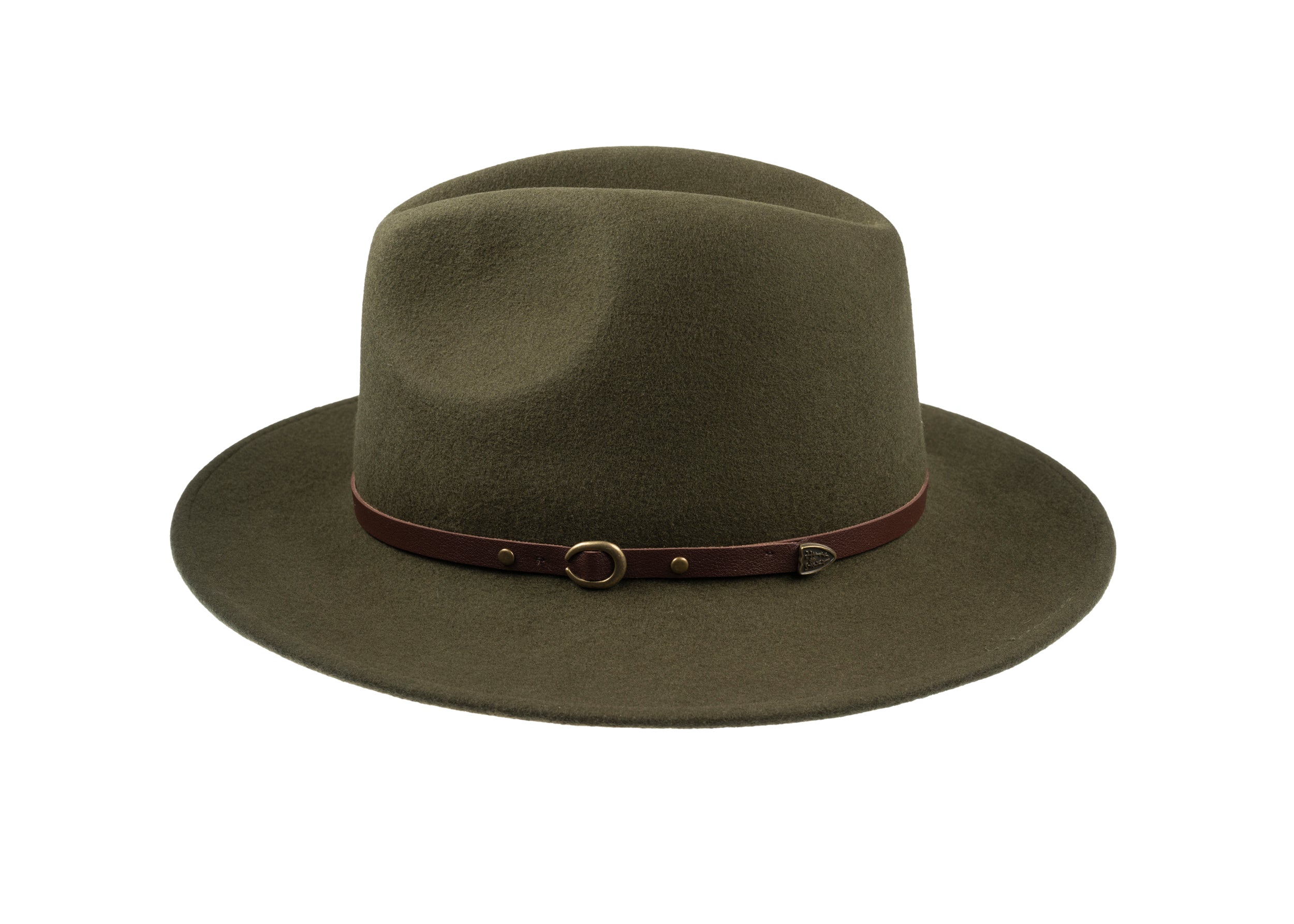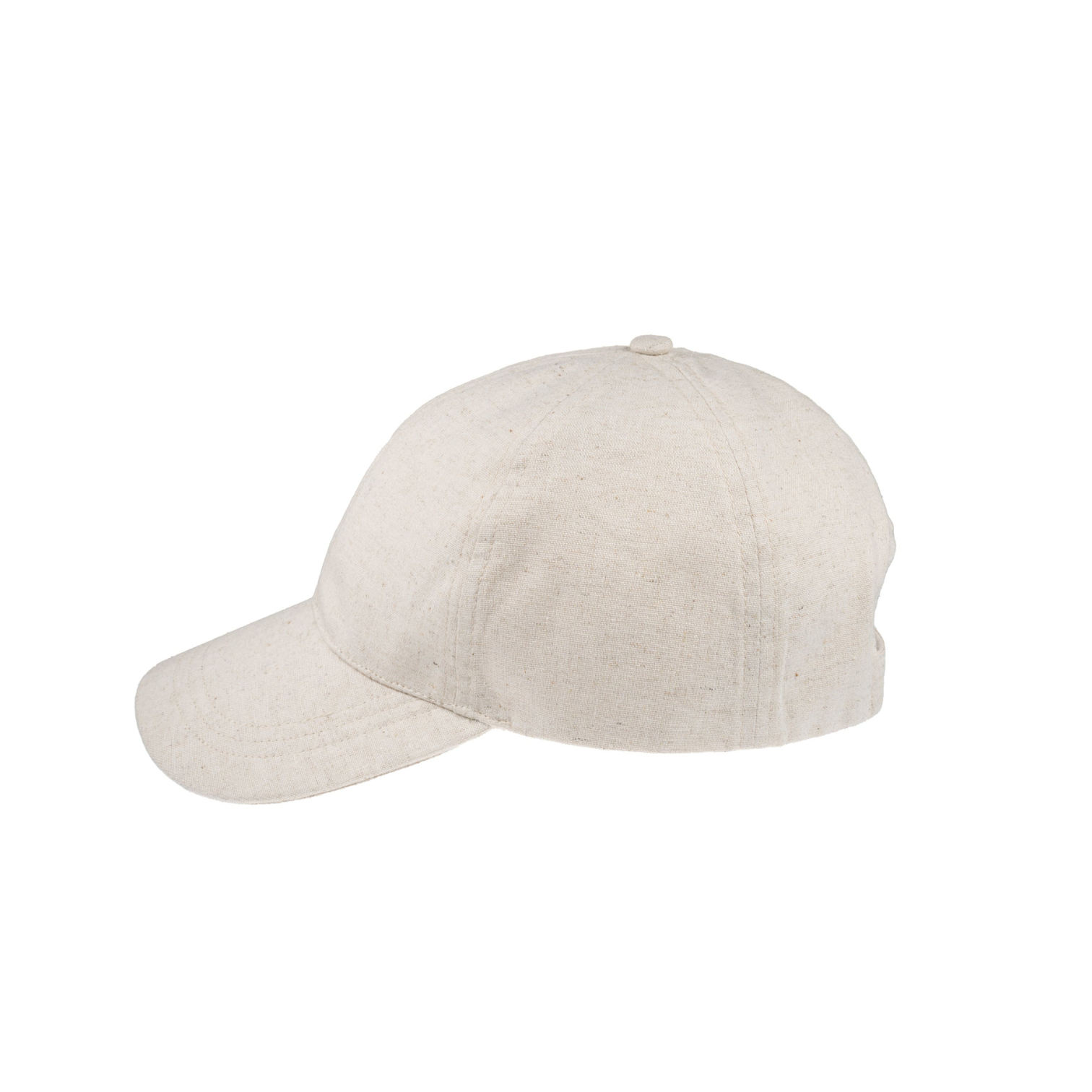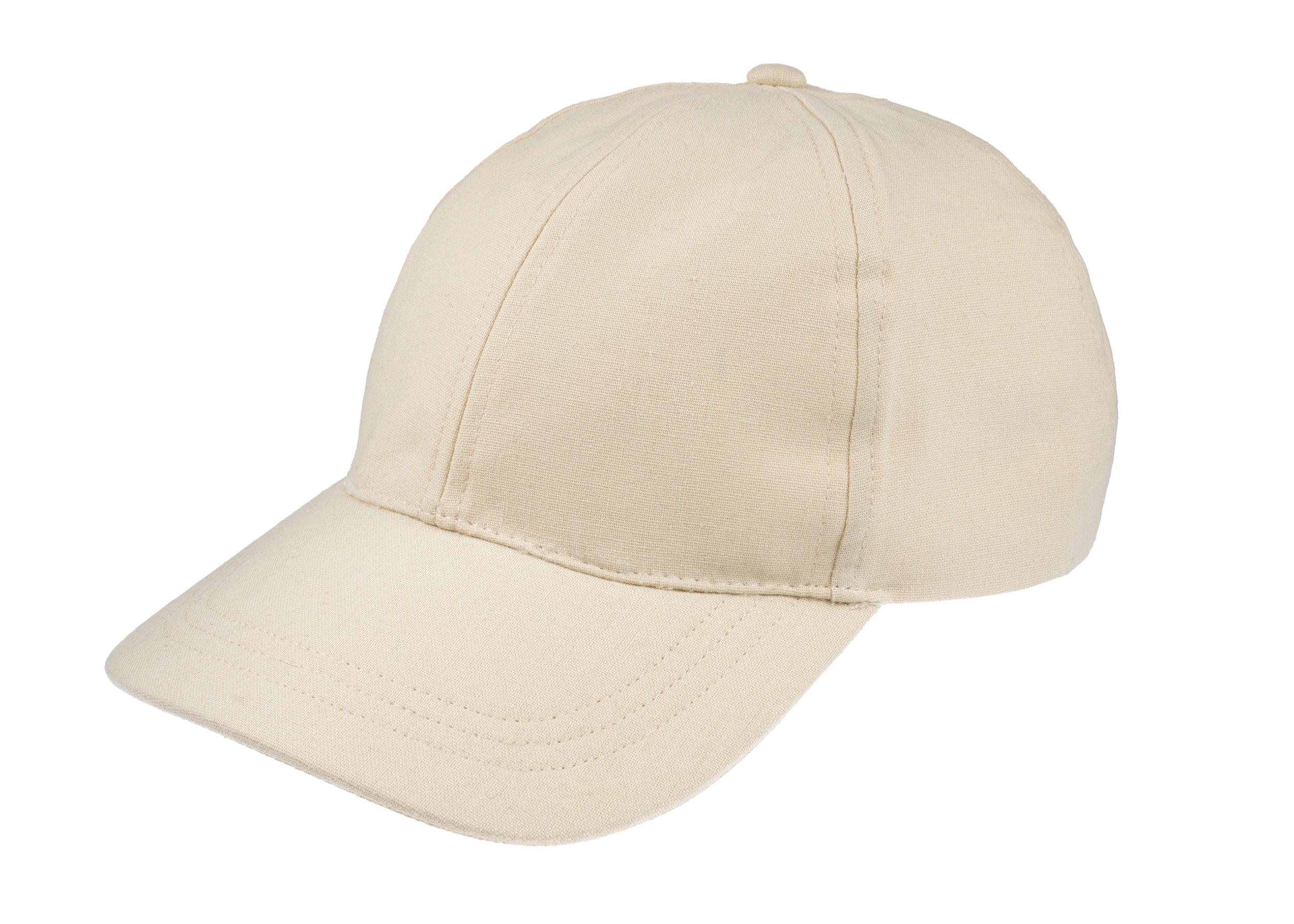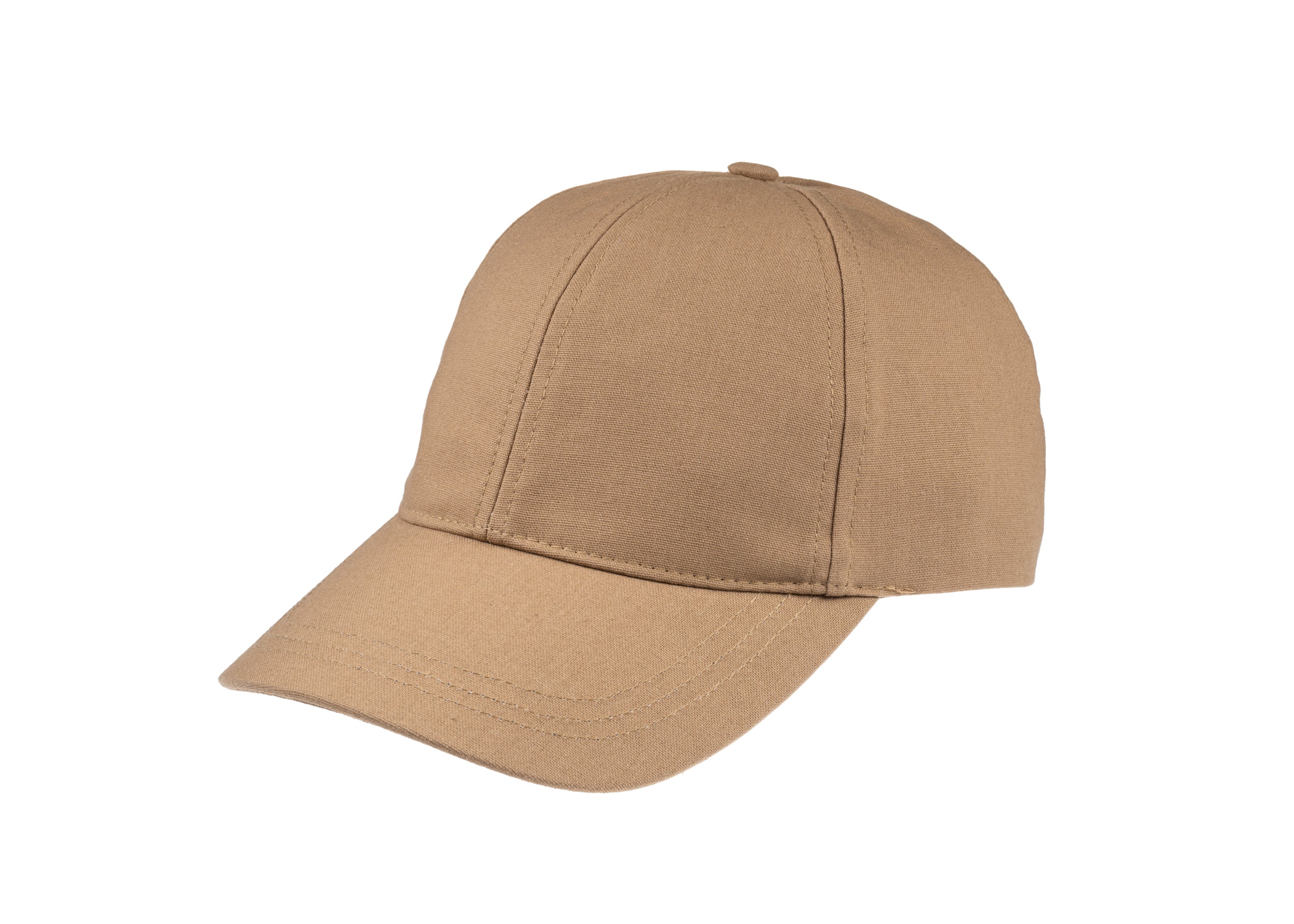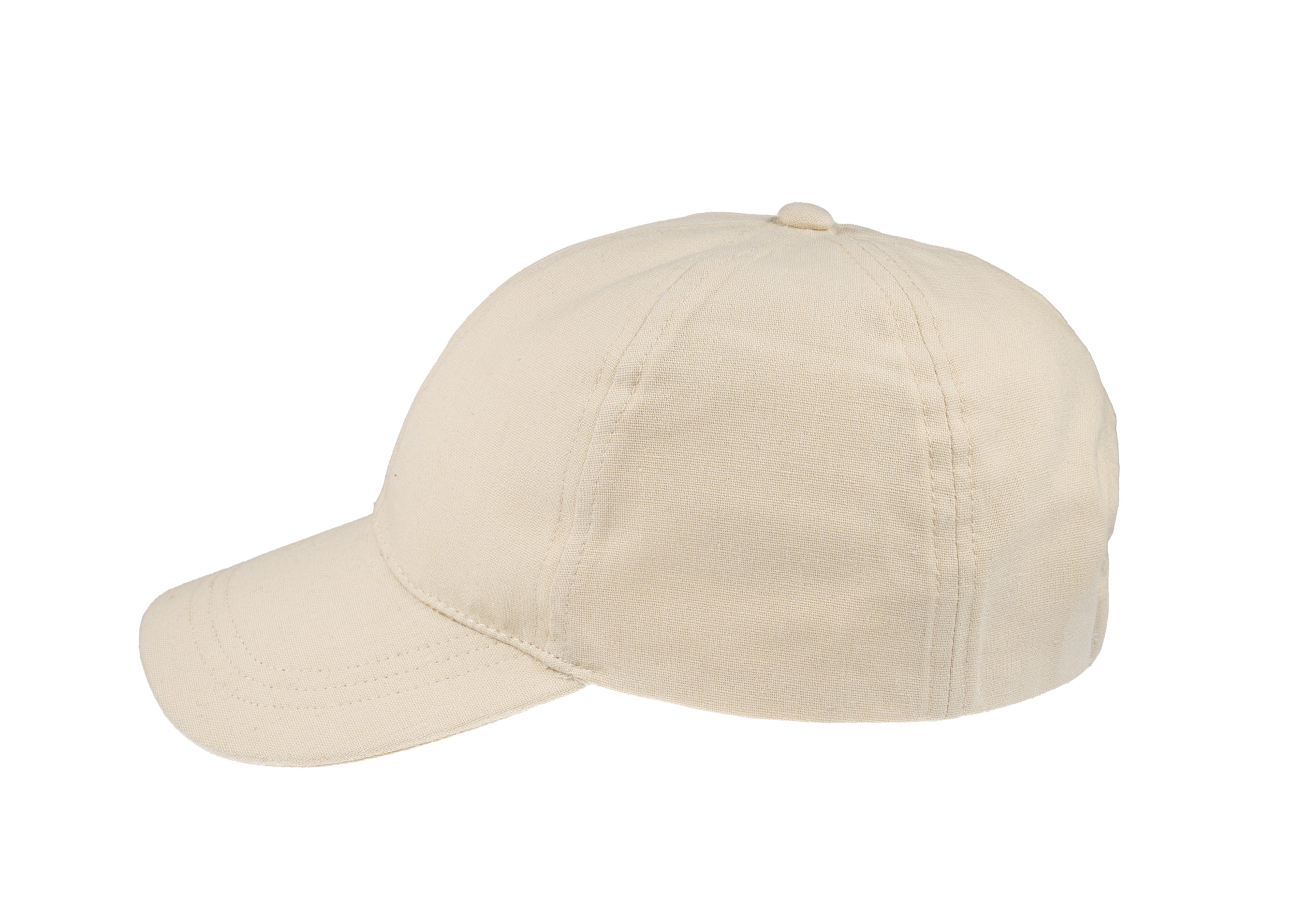




A favourite cap that has lost its shape is a small, telling disappointment. Understanding how structure, materials, and craft combine prevents it.
This guide sets out maker-tested methods for selecting felt, wool, straw, and tweed, for shaping and reinforcing crowns, and for straightforward maintenance that helps caps improve with time. It describes practical signs to judge materials and construction, the details that preserve form, and simple weatherproofing steps you can apply today.

Prioritise structure to preserve a hat's shape and longevity
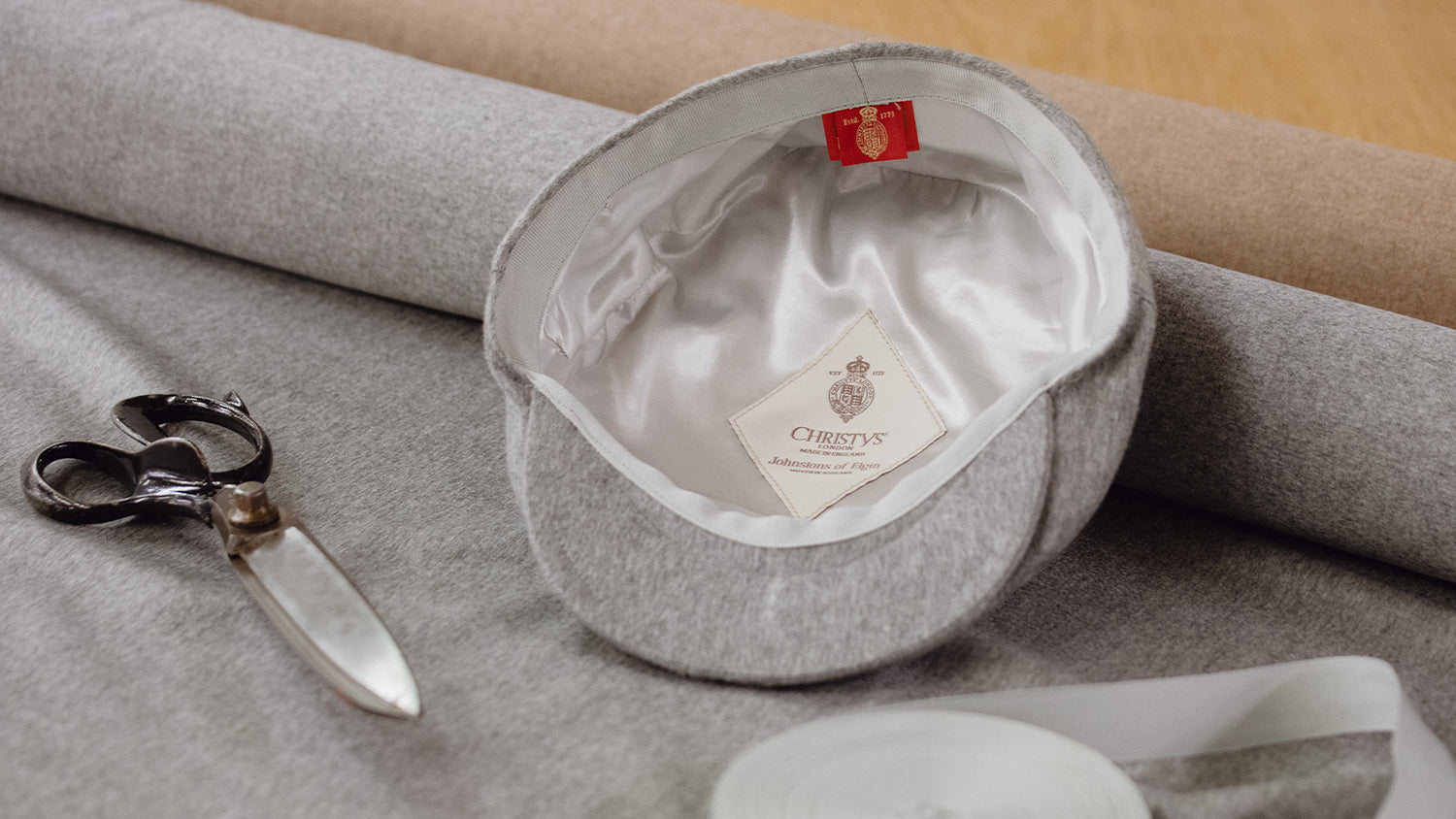
Prefer tightly felted or milled wool, boiled wool, dense tweed, moleskin, or tightly woven cotton drill, and favour natural fibres and heavier weights. Interlocked fibres and a dense weave resist abrasion and help a cap retain its profile. Inspect internal reinforcement: canvas or cotton interlinings in the crown, stitched horsehair or braid in the peak, and sewn seams that distribute stress, allow local repairs, and maintain shape through repeated wear and wetting. Ask to inspect the interior for even stitching, a well-set crown, and a neatly finished sweatband; these are the subtle signs a maker has attended to the cap’s structure.
Caps blocked on shaped wooden or metal forms, with seams finished by consistent topstitching and taped allowances, produce crisper crowns and neater peaks. To preserve that structure, brush with a soft-bristled brush, blot moisture, and reshape on a head form or a stuffed lining rather than tumble-drying, and use gentle steam to restore the crown's spring. Wash or replace sweatbands periodically to remove oils that soften fibres and distort fit. Prefer modest proportions, classic crown-to-peak ratios, replaceable linings, and stitched trims, and favour textured patterns such as tweed, which conceal small stains and permit repair or reblocking when decorations are stitched rather than glued.
Choose robust tweed and traditional British construction.

Match hat materials to purpose: felt, wool, straw, and tweed
Felt owes its shape-retaining quality to interlocked wool fibres, creating a dense surface suited to structured caps worn for formal occasion wear. Wool in looser construction keeps more give and provides warmth, which makes it well suited to country use. Straw supplies lightweight stiffness and breathability for summer events. Tweed’s twill weave resists abrasion and damp, so it performs well for outdoor pursuits. For damp, windy conditions, choose a denser felt or a waxed tweed; for warm weather, favour lighter wool or a fine straw. Caps made by longstanding mills are traditionally blocked and hand-finished, a detail that both improves shape retention and makes repairability more straightforward.
Beyond material choice, construction details reveal likely longevity. Blocked crowns, stitched or bound brims, internal stiffening, leather sweatbands, neat seam finishes, and high stitch density all indicate a cap will keep its form; a blocked crown in particular shows the hat has been shaped rather than merely assembled. Gentle steaming and reblocking will restore felt shapes. For storage, stuff crowns and use a low-profile support or a hat box to avoid crushing, and roll soft wool caps loosely when travelling to preserve the weave memory. As caps age, wool and tweed soften and mellow in colour while developing character; brush along the nap with a soft-bristled brush and air the hat after damp wear to maintain texture. Avoid prolonged moisture or heat, which will make straw brittle. These features reward closer inspection.
Choose a blocked wool-felt topper for formal, shape-retaining wear.

Shaped, not assembled: techniques that preserve a hat's form
A skeleton of buckram, hat canvas, or laminated interfacings, basted to the shell and hand-stitched through the layers, gives the hat its internal shape; it resists collapse and ensures the lining follows the mould during wear and cleaning. Carefully arranged panel geometry, often using curved or bias-cut sections, distributes tension across the cap. Makers grade seam allowances, stay-stitch the crown, and employ topstitching or pick-stitching to lock seams and prevent distortion. Those choices make shell and lining behave as a single structure, so the three-dimensional form endures through movement and routine maintenance.
Blocking a cap on a wooden or metal block, followed by controlled steaming or heat-setting, fixes its shape in wool, felt, or cotton. Fibres respond differently to heat and moisture, so re-blocking after significant wetting restores the intended silhouette. Brims derive longevity from layered cores, reinforced tape or reed inserts, and tapered stiffness; edge binding, blind-stitching, or graded trimming then prevent roll and fray. Secure sweatband attachment, sealed crown linings, taped or piped internal seams, and bar-tacking at stress points help preserve structure. Together with sensible care, such as storing caps on a form and reshaping with steam rather than crushing, these details extend a hat's structural life.
Practical shaping, reinforcement and care for long‑lasting caps
- Construction sequence and stitch choices: Baste a skeleton of buckram, hat canvas, or laminated interfacing to the shell, then hand‑stitch through the layers to lock shell and lining together; stay‑stitch the crown about 3 mm from the seam, grade seam allowances (for example outer shell c.10 mm, interfacing c.6 mm, lining c.3 mm), and use topstitching or pick‑stitching at 3–4 mm spacing to prevent seam roll and distortion. These steps force the lining to follow the mould, so the whole assembly behaves as one structure.
- Panel geometry and blocking routine: Cut panels on the bias or with gentle curves to distribute tension across the crown, baste the shaped panels to the block, apply controlled steam or heat, pin to the wooden or metal block until cool, and repeat blocking after any major wetting; heat‑setting works especially well for wool, felt, and cotton because fibres respond predictably to heat and moisture.
- Brim cores and finishing details: Use layered cores, reed, or laminated board for the brim, taper the stiffness towards the edge, and reinforce with tape or reed inserts; finish the edge with binding, blind‑stitching, or graded trimming to prevent roll and fray, and consider reinforcing high‑stress brim junctions with extra underseams or tape.
- Internal reinforcements, repairs, and care: Fit a durable sweatband, seal the crown lining, tape or pipe internal seams, and secure stress points with bar‑tacks; store caps on a form, reshape with steam rather than crushing, re‑block after significant wetting, and reseat or replace sweatbands as the primary long‑term repair.

How to preserve your cap against weather, wear, and daily use
To translate those workshop practices into everyday choices, choose long-staple natural fibres and a tight twill or canvas weave when you want a cap that holds its shape. Open weaves, by contrast, will soften and develop a pleasing patina. Test a fabric's structural memory at home by folding a swatch, letting it rest, and noting how quickly it recovers and where creases settle. Consider the internal architecture as carefully as the outer cloth. Buckram, laminated interfacings, a sewn-in sweatband, and a brim stiffener work together to preserve crown geometry and brim spring. Mid-weight interfacings yield crisper lines, while lighter laminates invite a more relaxed appearance that improves with time. If components fail, simple repairs, such as replacing a stretched sweatband or inserting a new stiffener, will usually restore form without a complete rebuild.
A cap's finish largely determines how it weathers. Compare waxed or oil-treated cotton, durable water-repellent coatings, and naturally oiled finishes with a simple water-drop test: a resilient finish will cause droplets to bead on the surface. Breathability is a separate property and requires a different assessment. Refresh waxed finishes by warming and working the wax into the fabric, and revive DWR coatings with gentle heat when repellency begins to fail. Small construction choices make a measurable difference to longevity. A higher stitch count per inch, continuous topstitching, reinforced eyelets, and taped seams reduce distortion and limit water ingress. Inspect seams early for skipped stitches so you can arrange targeted restitching. Maintain shape and allow a cap to build character by spot-cleaning salts and oils, drying on a form or with tissue inside, rotating wear to spread strain, and using steam shaping or professional reblocking when geometry needs restoring.
Choose a wool-linen cap for summer structure and breathability

Choose and care for caps so they age gracefully
Choose hats made from dense wool felt, tightly woven cotton twill, or leather with a sewn-in canvas or horsehair interlining. Inspect for an internal sweatband, even stitching, and a fully lined crown; these visible details correlate with long-term structural stability. Prefer pieces that show evidence of blocking, that is, shaped by hand on a wooden block and finished with internal taping rather than assembled with adhesive. A hat shaped and finished in this way will generally recover from light crushing when steamed and reshaped, whereas glued brims and loosely felted crowns tend to deform permanently. Check seams and the join between brim and crown for residue or uneven edges, which are clear clues that glue, not sewn construction, was used.
Routine care slows ageing. After wearing, brush dust from the hat, allow it to dry naturally on a rounded form or a towel, and rotate caps to avoid repeated compression. Use controlled steam and gentle reblocking to restore the original contour, and consult a milliner or specialist to restiffen brims or reblock crowns rather than forcing the fabric. Attend to small repairs promptly: replace or resew sweatbands, restitch panel seams, and preserve the original fit and material provenance. Let evidence of wear guide future choices. Oil and sweat stains suggest a washable lining or removable sweatband; faded brims point to UV exposure and call for denser fibres or protective finishes; recurring creases indicate a weak interlining to avoid next time.
Caps that endure rely on considered internal architecture, dense natural fibres, and careful finishing to preserve their three-dimensional shape. Concrete signs that a cap will withstand wear and wetting include canvas or buckram interlinings, even topstitching, and crowns blocked on wooden forms. Such features become apparent on close inspection and keep a cap’s profile true season after season.
Practically, match felt, wool, straw, and tweed to purpose and climate. Dense fur felt and waxed tweed resist moisture, while fine straw breathes in warm weather; choosing the appropriate material preserves a hat's appearance and extends its life. Inspect internal interlinings and sweatbands regularly, store caps on a rounded form, and when the shape softens, use gentle steam or consult a specialist to reblock so the hat accrues character rather than collapsing.