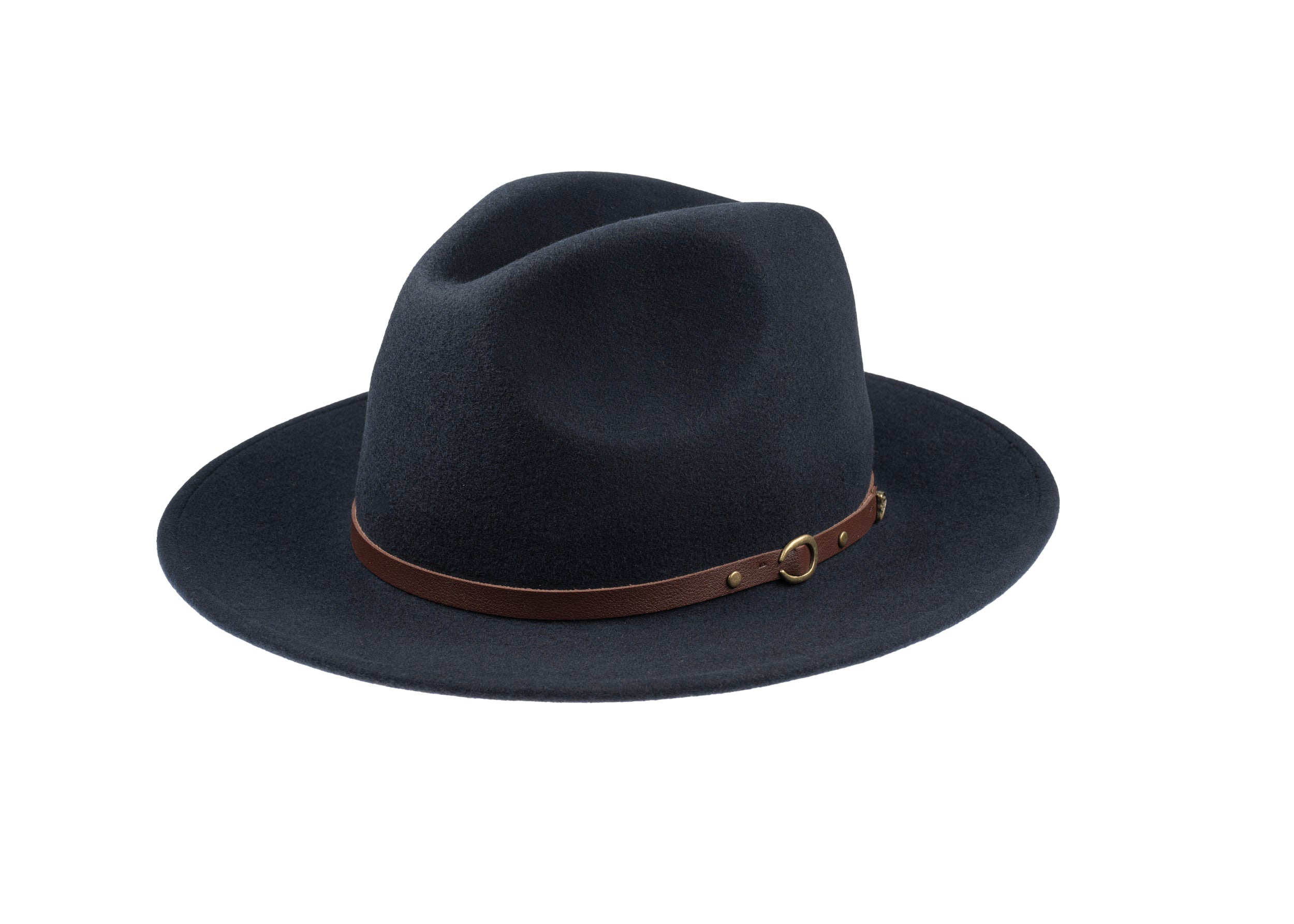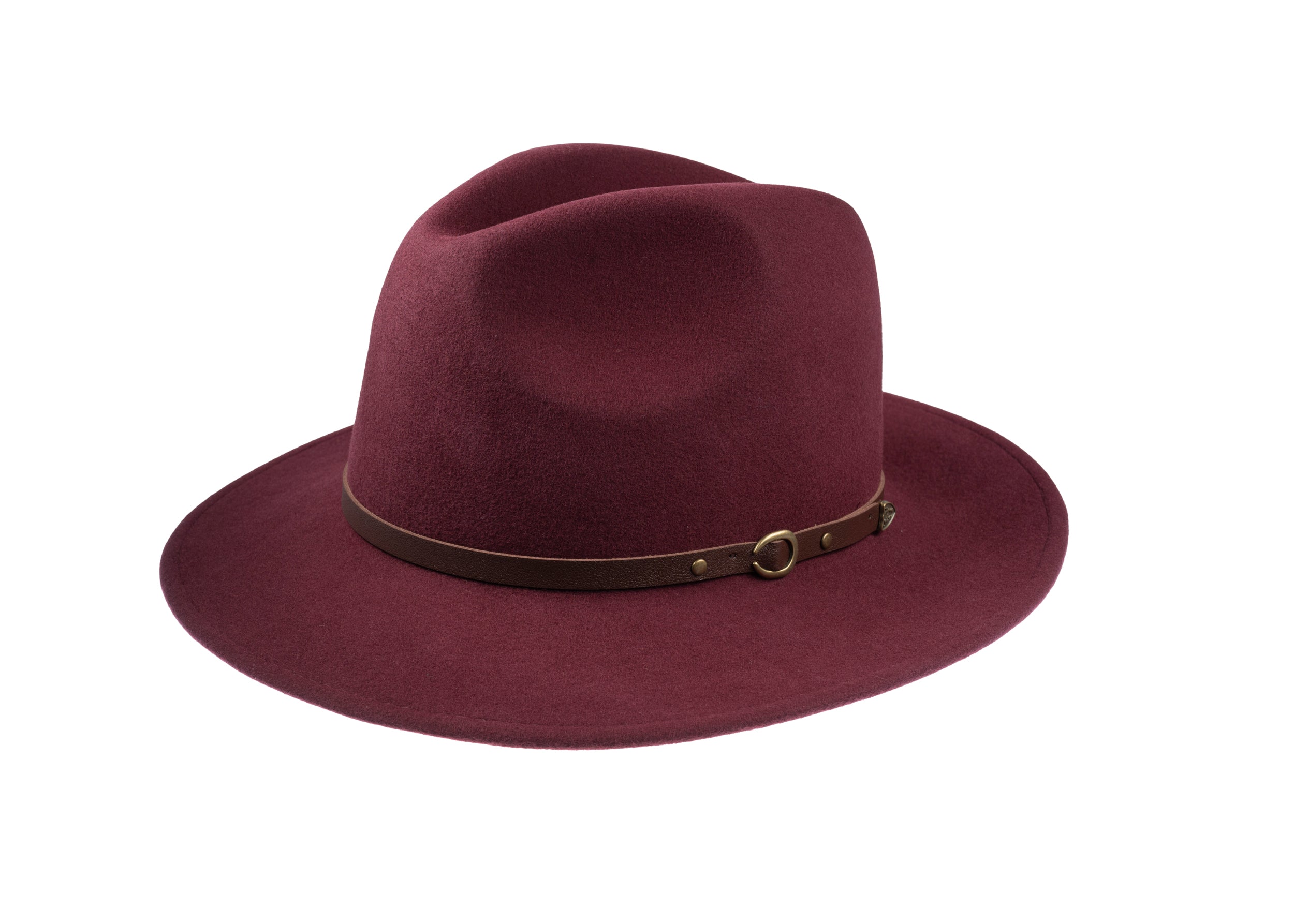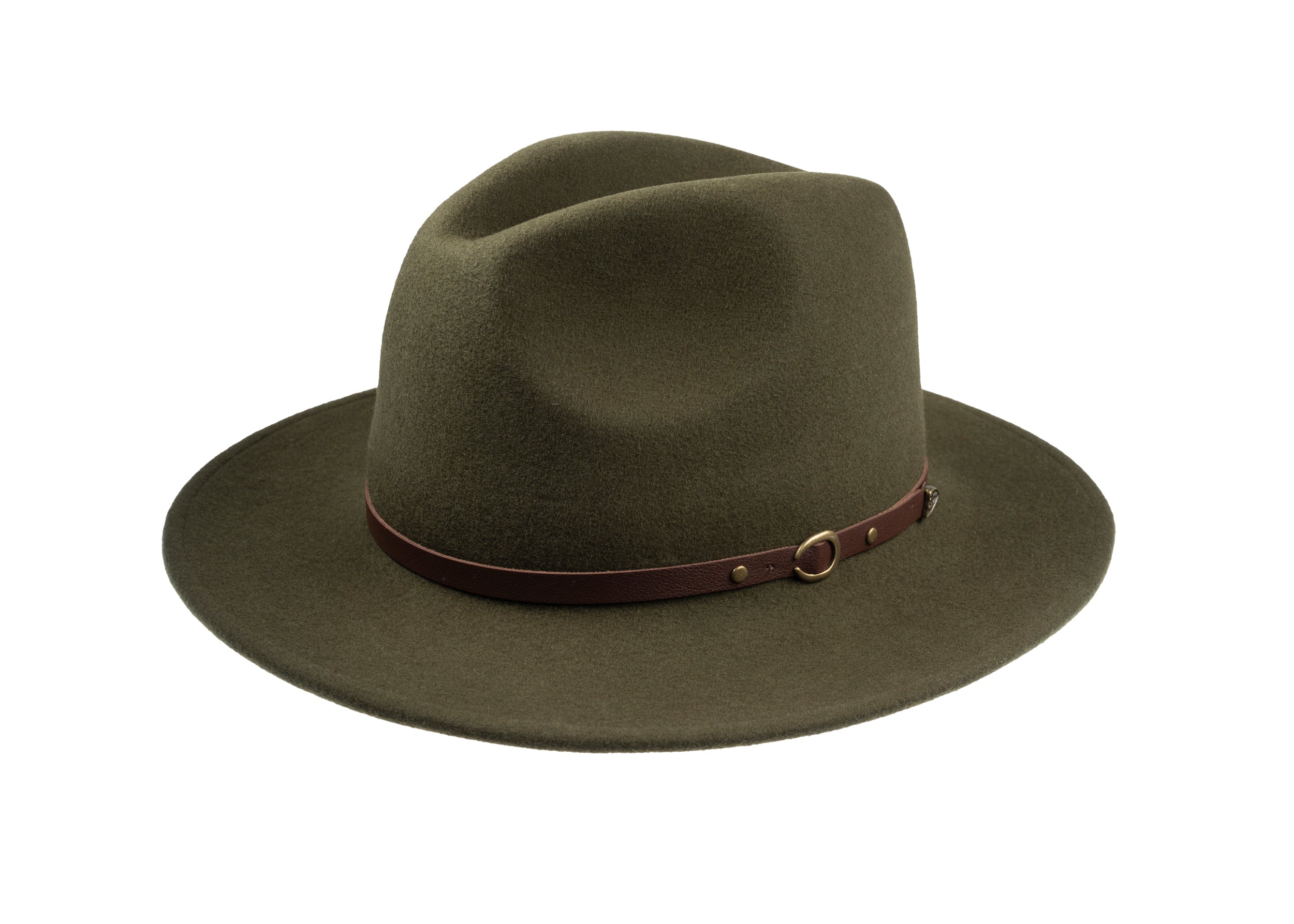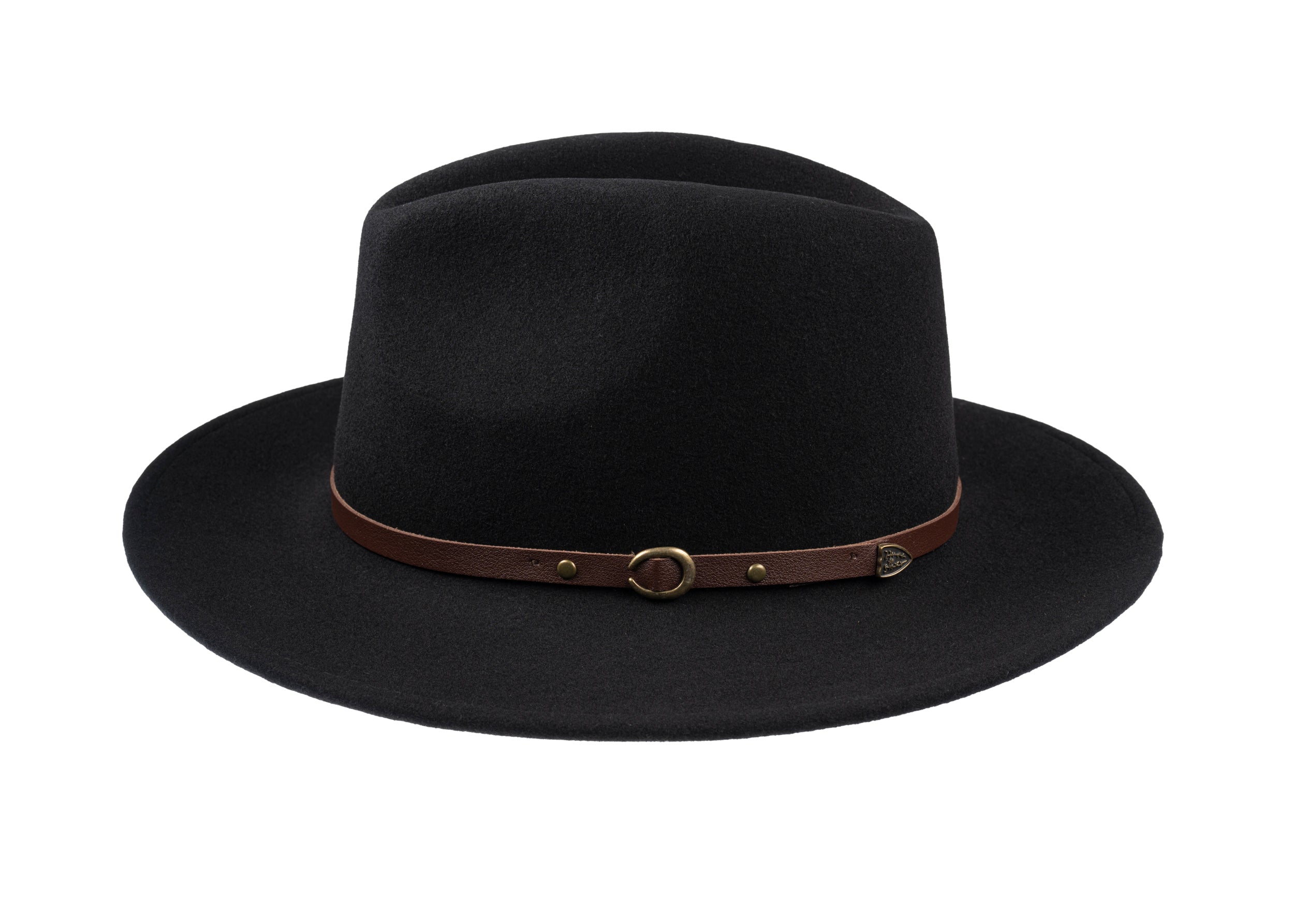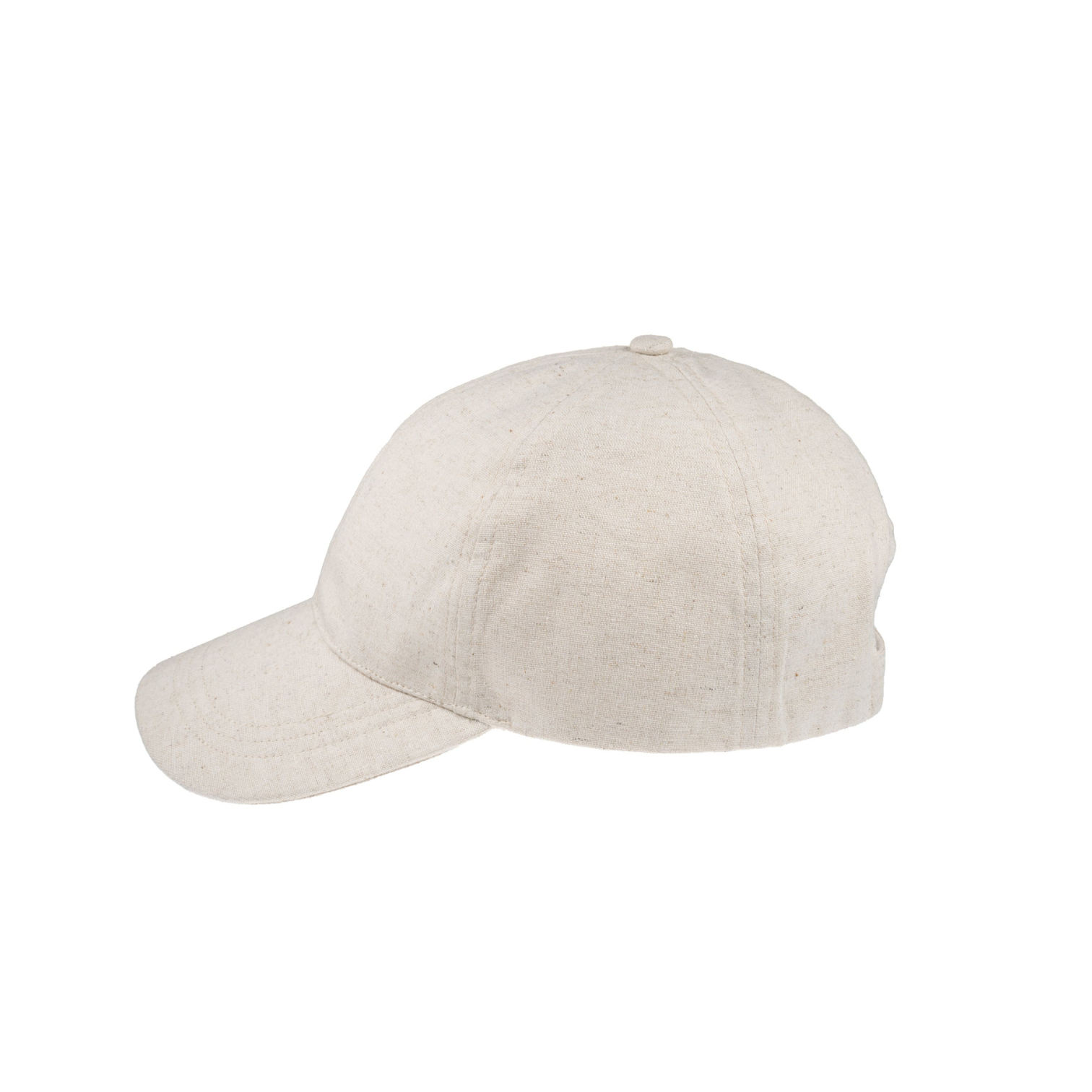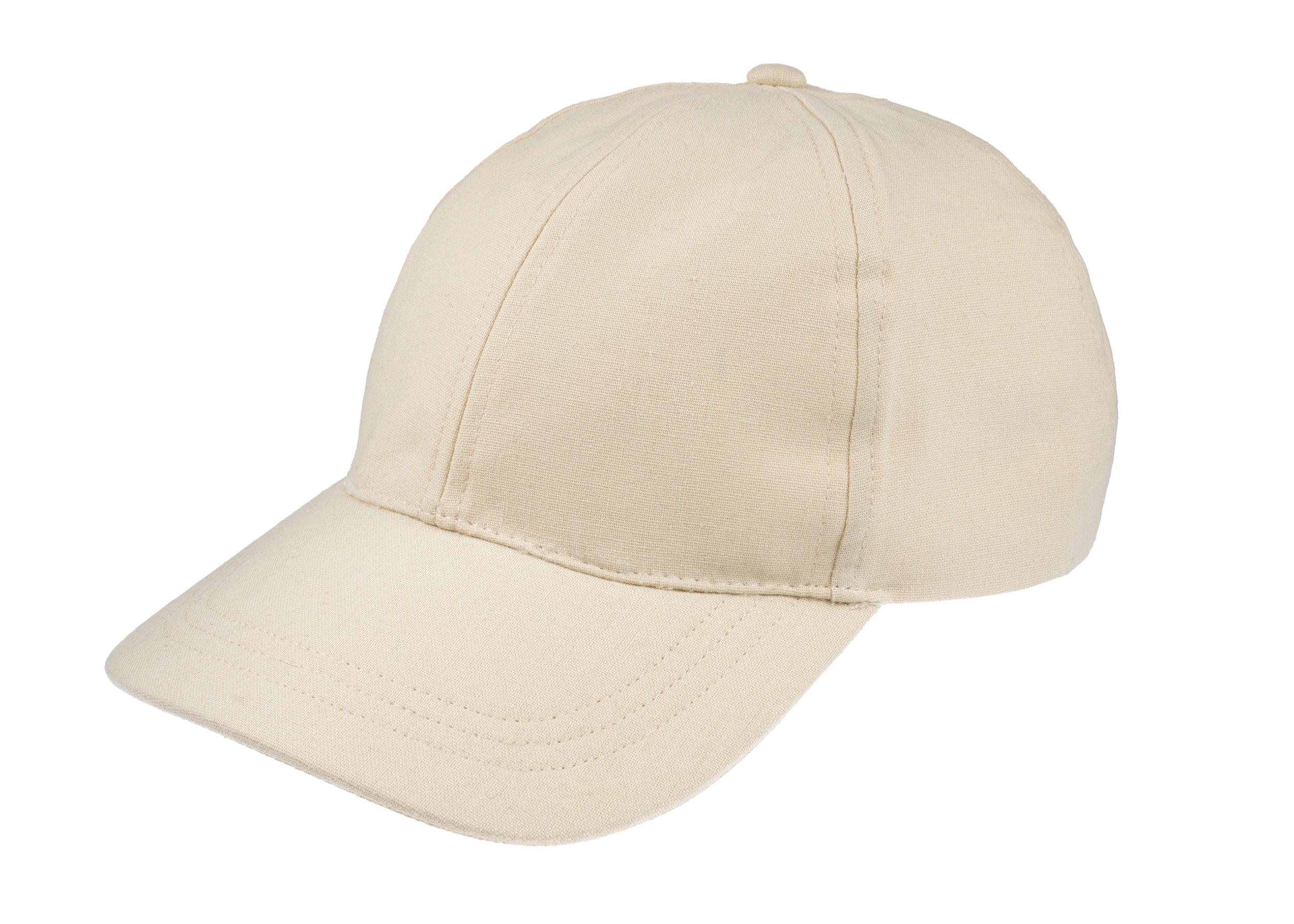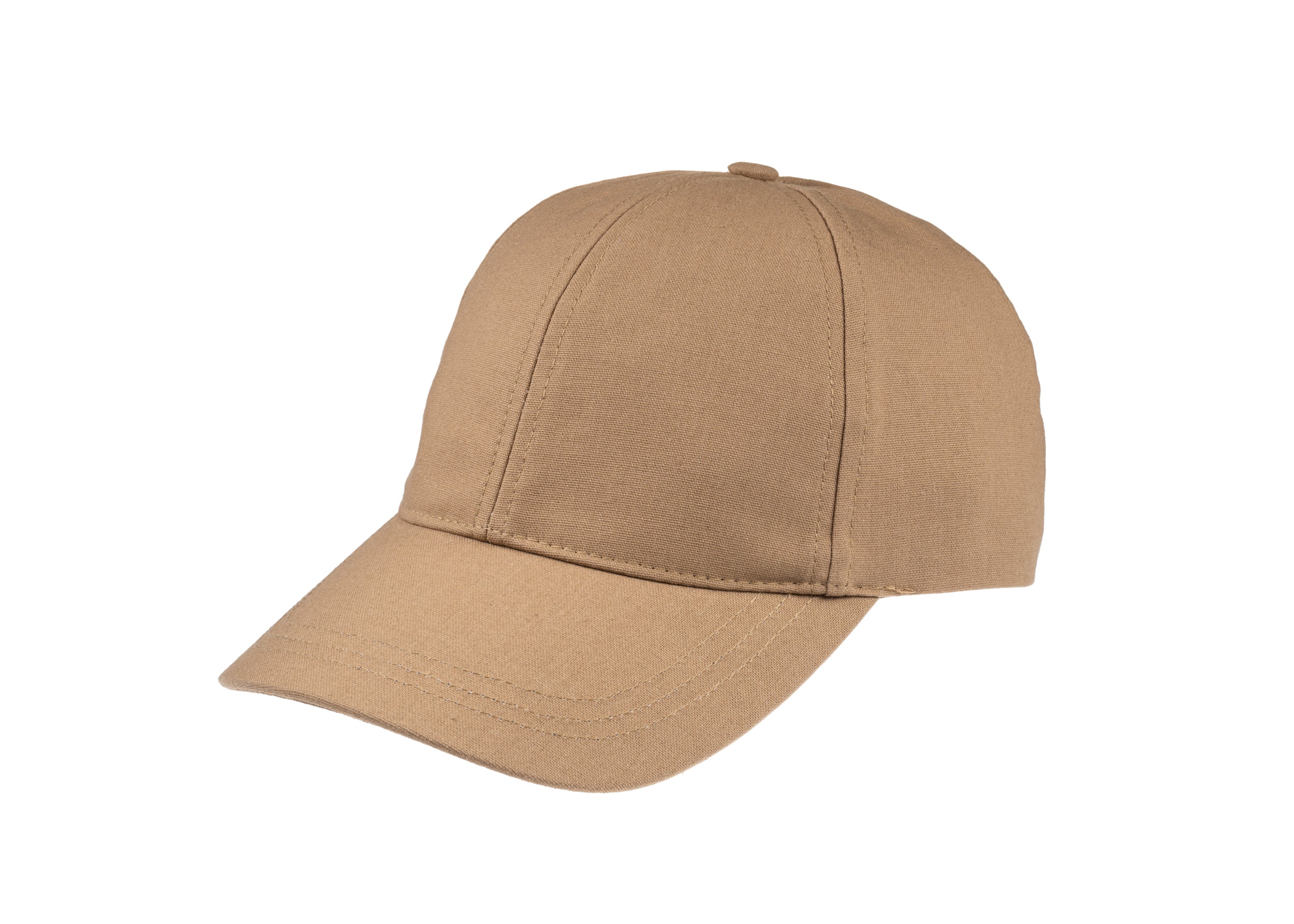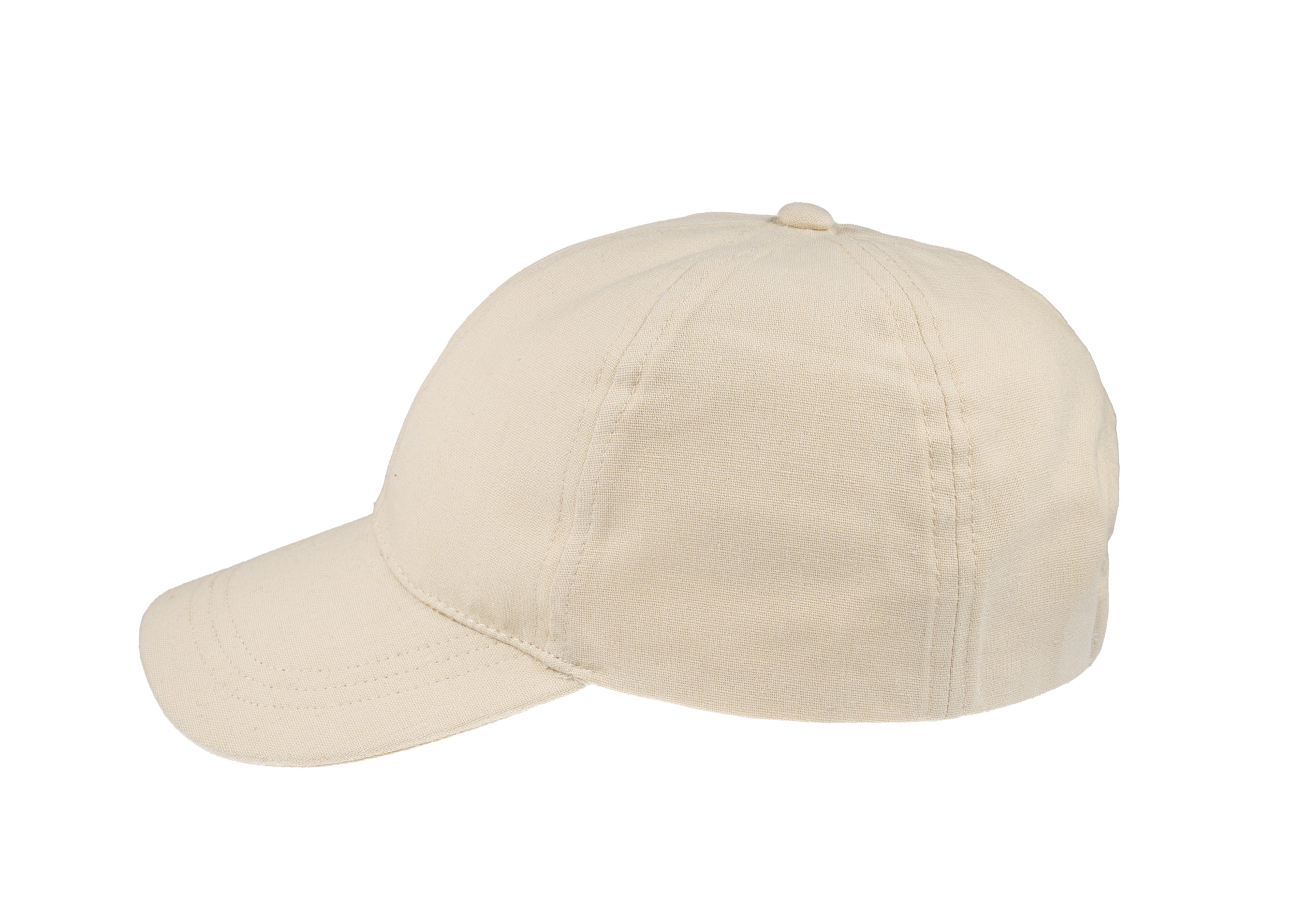




A well-made, considered cap performs a careful balancing act: it must retain warmth, shed moisture, and still allow the head to breathe. The role of fabric weight and weave in that balance is easily overlooked; they determine which pairings hold heat, which encourage airflow, and why.
This guide explains how fabric weight and specification, fibre choice, weave structure, linings and interlinings, and finishing treatments affect airflow, loft, and moisture control. Practical checks and straightforward adjustments follow to help you match materials to season and activity, and to maintain or repair caps so their performance endures.

1. Assess a cap's weight and weave for enduring performance
Separate fabric weight from weave. Weight, expressed in grams per square metre, is a simple measure of mass; it does not describe how the fibres arrange. Yarn count, yarn twist, and weave density determine porosity and loft, so two caps of identical weight can perform very differently. Open plain and basket weaves form channels that encourage convective cooling and allow moisture to escape. Tight twills, satins, and micro-weaves reduce airflow, trap still air for insulation, and resist wind. The practical consequence is direct: open constructions suit warm, active, or humid conditions, while denser weaves retain heat and block drafts in colder, windier weather.
Choose by activity and climate. For warm, active use or humid days, favour lighter caps with an open weave; for chilly or windy conditions, select a denser weave or add a thin, quilted lining. Unstructured crowns and discreet perforations can improve ventilation without compromising shape. Assess a cap before buying. Hold it up to the light to judge openness; breathe gently through the fabric to feel airflow; compress and release to observe loft recovery and the capacity to trap air. Inspect seams and linings closely — these are the detail that rewards closer inspection and will often reveal whether a cap is designed to block wind or to encourage ventilation. Bear in mind that coatings, waterproofing, and mercerisation increase water and wind resistance while reducing breathability. Repeated washing or prolonged compression will change loft and thermal behaviour. For most uses, favour minimal, purpose-specific finishes and gentle care to preserve a cap’s intended performance over time.
Choose an open, woven crown for maximum summer ventilation.

2. How to decode fabric weights and specifications
Fabric weight is stated in grammes per square metre (GSM). One ounce per square yard is approximately 34 grammes per square metre. GSM provides a useful indication of a fabric's insulation and drape. Caps around 80 to 150 GSM are lightweight and well ventilated. Fabrics of 150 to 300 GSM strike a balance between warmth and breathability. Above 300 GSM, materials typically provide greater insulation. Identical GSM values can still perform very differently according to weave, loft, and finish, so use GSM as a helpful starting point rather than the sole measure of a fabric's behaviour.
Breathability is measured in two complementary ways: air permeability, usually given in litres per square metre per second, and moisture vapour transmission rate, MVTR, expressed in grammes per square metre per 24 hours. In both cases, higher figures mean easier airflow and quicker escape of moisture. How those laboratory numbers translate to the way a fabric wears depends on yarn denier, thread count, and weave. Finer deniers and open, plain weaves encourage ventilation, while coarser yarns and tighter twill or satin weaves increase wind resistance. Adding a membrane or a full laminate improves windproofing and water resistance, but typically reduces MVTR. By contrast, surface finishes such as durable water-repellent coatings tend to preserve more of a fabric’s inherent breathability. When technical data are unavailable, simple checks prove useful. Hold the cloth up and look through it to assess openness, breathe through it to sense airflow, and inspect linings or vents, which have a marked effect on performance. If a supplier does not provide MVTR, favour a lower gramme-per-square-metre weight, with an open weave and internal vents for active use, and choose a higher-weight fabric with low air permeability when warmth and wind protection matter.
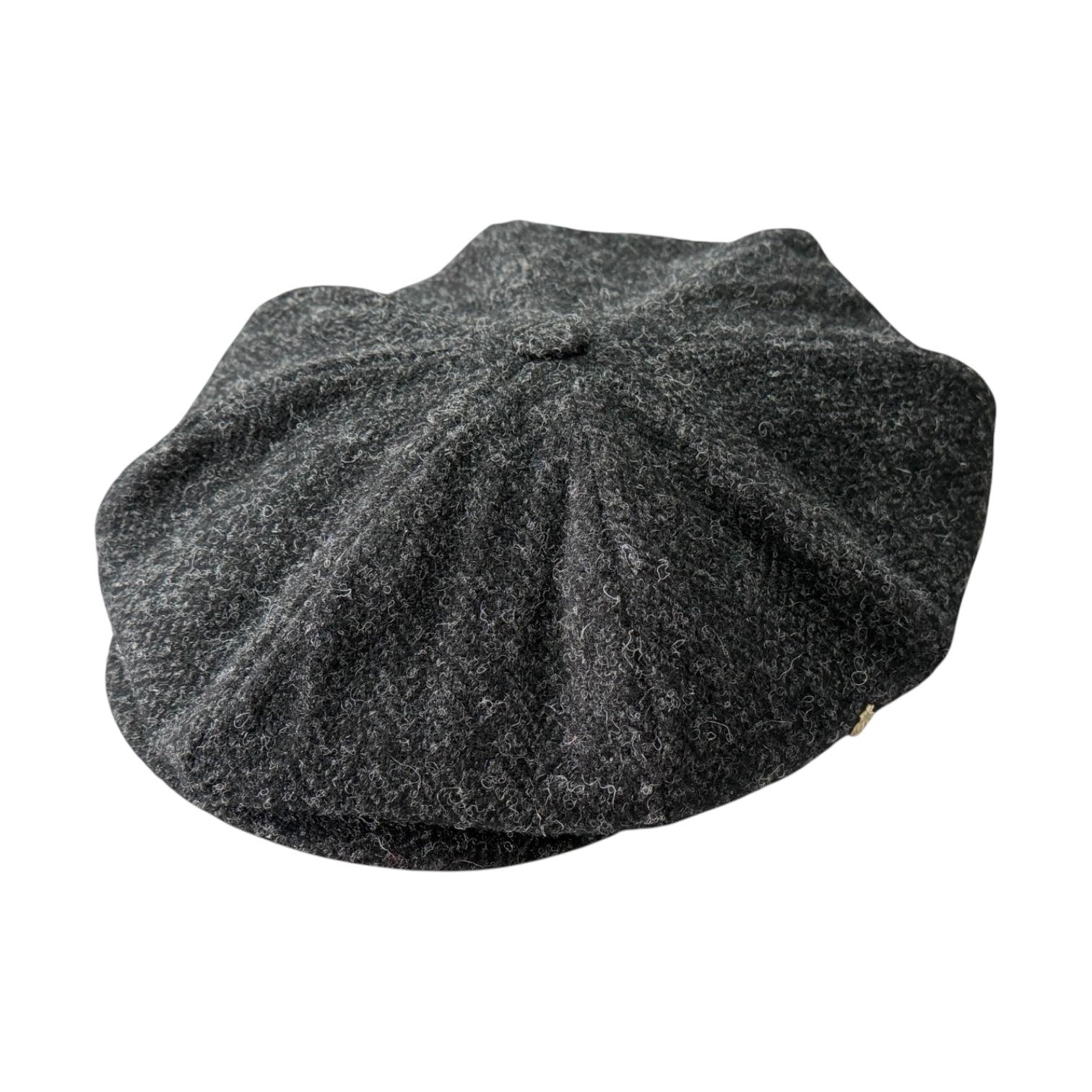
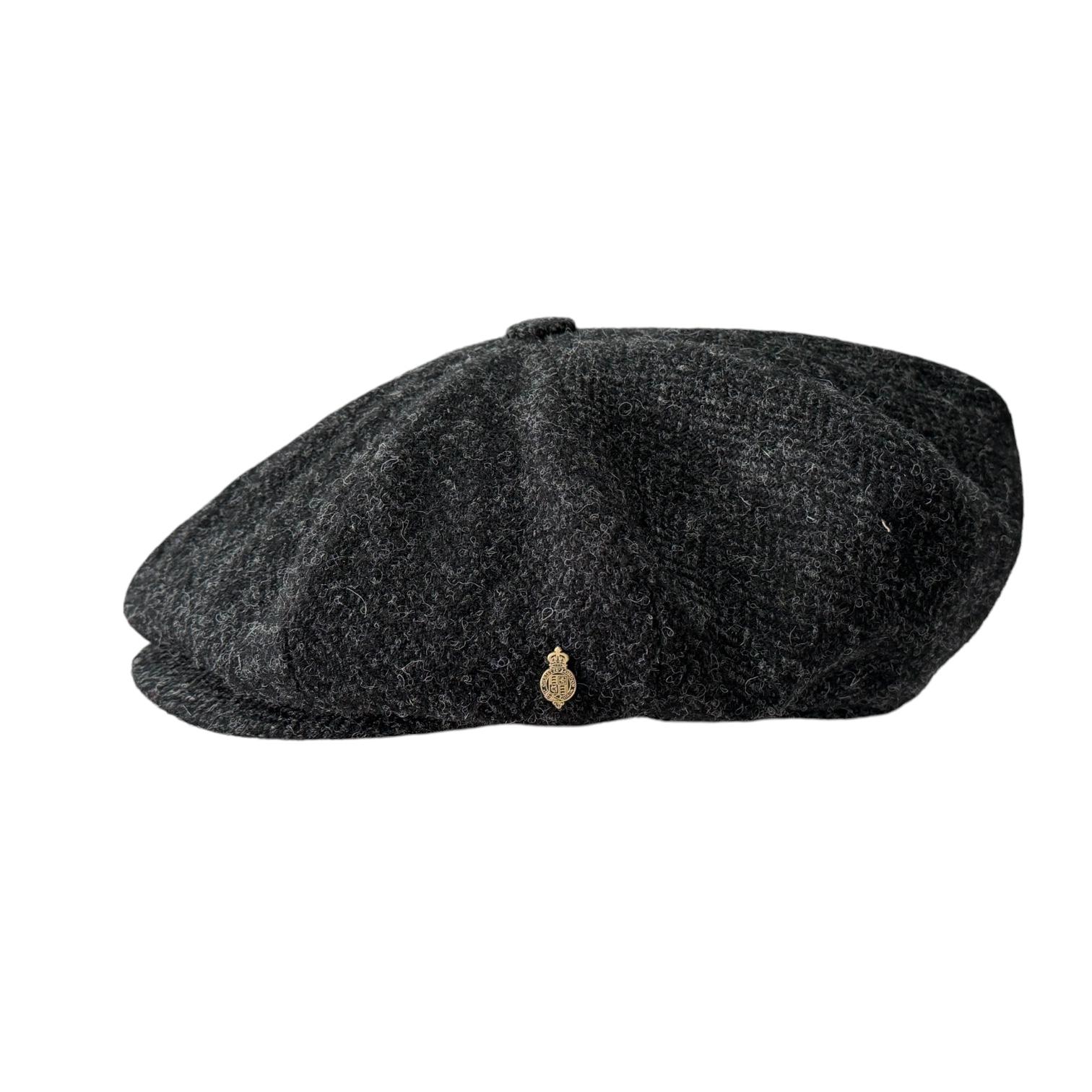
Choose moleskin for durable warmth and breathability.

3. Select fibres to regulate warmth and ensure breathability
Natural fibres such as wool, cashmere, and alpaca trap air within their crimps and scales, so they preserve insulating loft even when damp. Cotton, by contrast, soaks up moisture and tends to lose structure, while synthetics such as polyester and nylon shed water, dry quickly, and retain their loft. Finer, longer staples and smaller-diameter fibres create more tiny air pockets per gram, and hollow or multi-filament yarns add further dead air space. For that reason, the same weave can perform very differently depending on the underlying fibre construction. In practical terms, choose hygroscopic fibres when you want latent warmth in cool, damp conditions, and opt for hydrophobic synthetics when evaporative cooling and rapid drying matter during intense activity. Match the fibre to the expected activity and climate to get the performance you need.
Blends and engineered yarns represent a deliberate compromise: the natural fibre provides odour control and next-to-skin comfort, while the synthetic element supplies wicking, shape retention, and faster drying. Look for brushed finishes, hollow-core constructions, or microfilament yarns when you want extra loft, warmth, or breathability without bulk. When considering a purchase, compress and release a swatch to judge loft recovery, handle the material when damp to sense any change in performance, and check for oil build-up, pilling, or crushed fibres that will reduce insulation and airflow. Follow the garment’s care instructions; avoid excessive heat and heavy abrasion, because maintenance measurably affects long-term thermal performance.
Choose a merino cap for breathable, insulating warmth.

4. Harness weave structure to optimise airflow and comfort
How often warp and weft threads cross, known as interlacement density, governs whether a fabric traps or passes air. In a plain weave, every crossing produces a regular grid of small pores that hold warm air. Twill weaves reduce the number of interlacements and form diagonal channels that encourage airflow while still resisting wind. Satin weaves use long floats to smooth the surface and change how air moves across the textile. Yarn choice amplifies these effects: finer, high-twist yarns pack tightly and resist wind, whereas bulkier, low-twist or staple yarns raise loft and trap more insulating air. Finishing treatments such as singeing or calendaring further reduce porosity. Consider weave, yarn, and finish together to achieve the balance of warmth and ventilation required for the garment’s use.
Open and locked-open constructions, such as leno and gauze, deliberately leave larger voids while stabilising yarns. Mesh and warp-knitted structures maximise airflow; in caps they suit vent panels, and in garments they work well in high-sweat zones such as the back, underarms, or across the chest. Where subtler control is required, dobby and jacquard patterning use textured repeats, tuck stitches, and raised ribs to create pockets of still air for insulation alongside channels for convective cooling. Alternate tight and loose motifs, placing tighter weaves at the front and patterned ventilation at the sides, to tune local comfort. Assess porosity with three simple checks. Count ends and picks per centimetre to estimate cover factor. Hold the cloth up to a window to check visible porosity. Try a breath test to sense airflow resistance. Low counts, visible light, and easy breath-through indicate high breathability suitable for active wear, while high counts, little light penetration, and marked resistance point to better insulation and wind protection.
Delivers structured shape with cool, breathable summer fabric.

5. Balance material weight and loft to regulate hat insulation
Fabric weight, commonly expressed as grams per square metre (GSM), measures a textile's mass per unit area. Loft denotes the trapped-air volume within the fabric that slows heat loss, and that trapped air often governs how warm a garment feels. A lighter fabric with substantial loft can provide similar insulation to a heavier, low-loft material while usually breathing better under exertion, so favour loft when you want warmth without overheating. Weave and structure modify loft: a tight weave compresses the fibres, reducing springback and cutting air permeability, whereas an open weave preserves loft but allows greater convective heat loss. To check for yourself, hold a swatch up near a window and pinch it between finger and thumb to assess its resilience and springback.
Arrange construction and material choices to control warmth and moisture. Place a lofty insulating layer close to the skin, with a denser, wind-resistant outer shell outside it. Use stitched baffles or quilting to prevent cold spots, and add vents or breathable panels where perspiration concentrates so moisture can move away from the body. Match fibre behaviour to the conditions you expect. Loft, the air-trapping structure that provides insulation, is a strength of wool: its natural crimp helps the fill keep its resilience and insulating performance when damp. Many synthetic insulations resist matting and dry faster, which can be preferable for wet, active use. Lofting is vulnerable to prolonged compression. Store insulated garments uncompressed when possible, reshape them after washing, and restore flattened fill with gentle steaming or a short, low-heat tumble with clean dryer balls. Always follow the garment's care instructions to avoid permanent loss of loft.
Add an open-crown visor for ventilated sun protection

6. Layer linings for improved breathability and moisture management
Lining choice materially alters a cap's breathability, moisture management, and feel against the head. Open mesh creates a ventilation gap that increases airflow, making it suited to warm conditions and sustained activity. Natural fibres, notably wool, absorb perspiration while retaining warmth and springing back against the skin, so they perform well in cooler weather and for extended wear. Synthetic wicking fibres draw sweat away from the skin and dry quickly, which benefits high-exertion use. Construction matters as much as material: a full inner lining provides a consistent barrier, a partial sweatband concentrates protection at the forehead, and a removable liner allows layers to be swapped as conditions change. Spacer or quilted linings trap air to insulate, while perforations or sewn channels move moisture toward vents or the cap rim to aid evaporation. Compare options by breathability, moisture handling, and tactile feel to choose a lining suited to the intended activity.
For brisk outdoor walks, pair a thin, moisture-wicking base with a lightweight insulating layer. In warm, active conditions favour mesh alone, since any added insulation will reduce airflow. To preserve breathability, launder linings gently in cool water, air-dry them, and replace those that have become compressed, pilled, or saturated with body oils; crushed fibres and accumulated oils gradually block airflow and impede moisture transfer. Simple checks reveal how a lining performs: hold it up and look through the weave, or breathe through it to judge airflow, place a small drop of water to watch absorption and drying, and note whether anti-microbial or water-repellent treatments alter absorbency or the fabric's feel.
Choose a linen-blend cap for superior summer breathability.

7. Use interlinings and blocking to balance structure and comfort
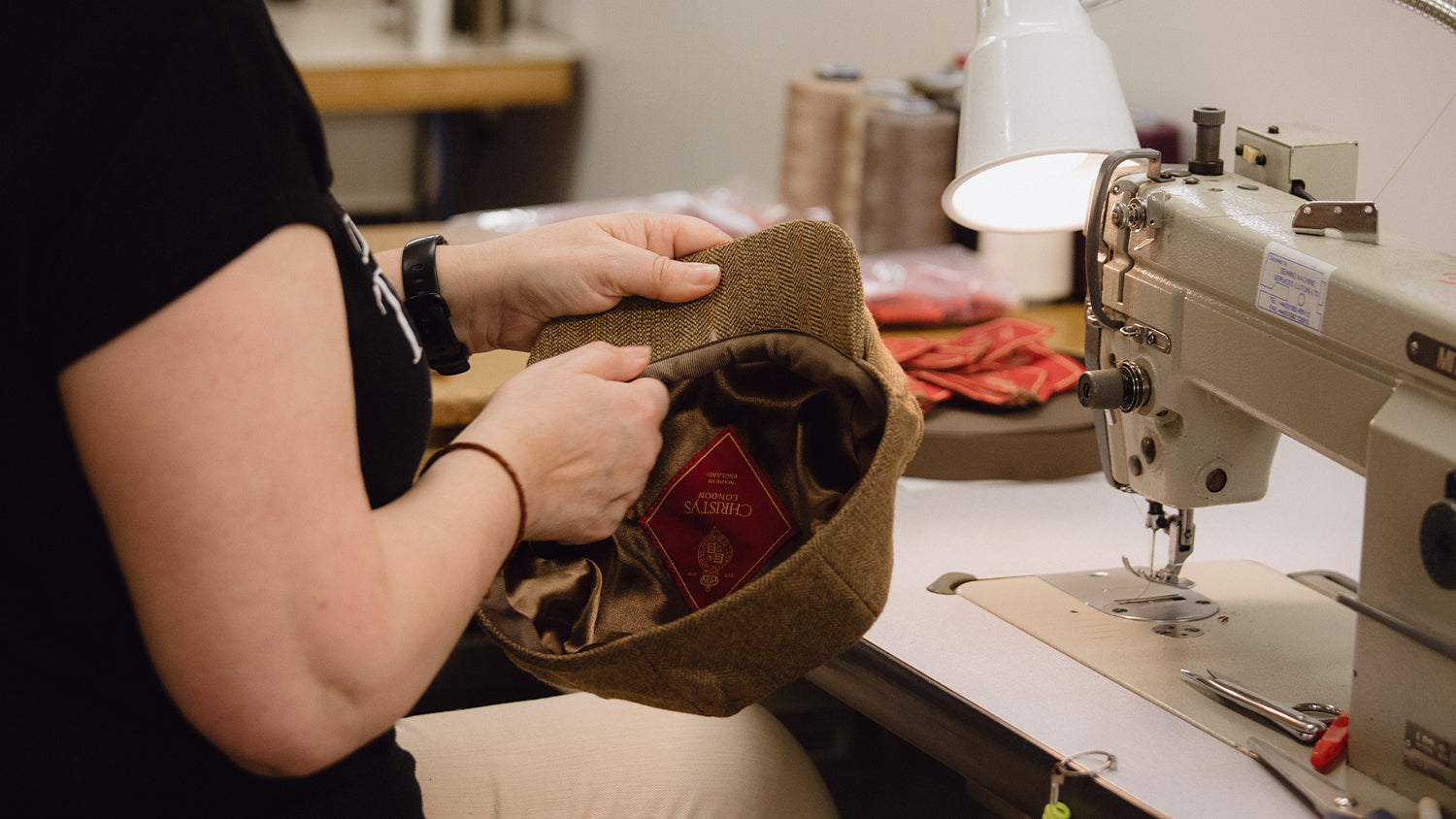
Match interlining weight and type to each cap zone. Use firmer, denser canvases and hair canvings in the peak and front panels to preserve profile; these materials trap an insulating layer of air and resist deformation. In the crown, choose lighter, more open interlinings, such as thin cotton or non-woven canvases, to promote airflow and moisture permeability. Apply interlining selectively rather than uniformly: fuse or stitch where structural support is required, and leave the crown partly unlined or use narrow canvas strips along seams. The result is a cap that holds its intended shape where it matters, yet breathes where comfort is essential, with its balanced construction apparent in wear.
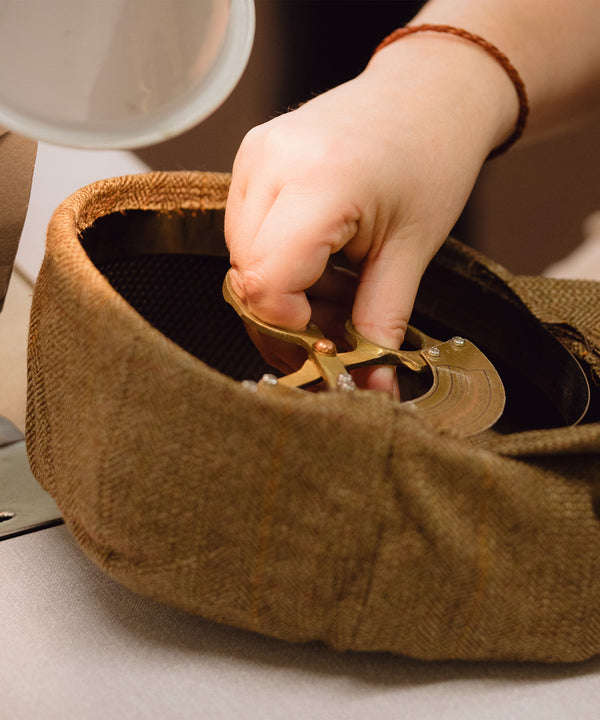
Blocking is a simple, precise way to tune a cap’s performance. Gentle stretching on a larger block opens the yarns and increases ventilation; tighter blocking compresses the weave and raises thermal resistance. The same principle governs how a piece feels on the head: small changes in shape alter airflow and warmth more than fabric choice alone. To improve breathability without changing silhouette, introduce small, discreet measures: perforations, channelled stitching, or a fine mesh lining beneath the brim will let trapped moisture escape while keeping the cap’s form. Design any interlining to be removable or replaceable so the same cap can adapt between seasons. Validate each adjustment with simple wearer tests outdoors. Hold the fabric against daylight to inspect the openness of the weave, cup the crown to gauge airflow, and note comfort after a period of wear. Use those observations to refine placement and finish; subtle elements are often the ones worth keeping.
Choose a blocked wool hat for shape and comfort.

8. Apply water- and wind-resistant treatments
Decide first how much protection you need. Durable water-repellent coatings, commonly called DWR, will bead water on the surface while preserving much of a cap’s breathability. By contrast, continuous waterproof membranes or laminates stop wind and rain more completely but reduce moisture vapour transmission and therefore ventilation. For natural fibres, warm the fabric gently, apply a thin, even layer of wax or oil, work it in by hand, and heat-set lightly; expect the cloth to darken and stiffen slightly and to lose some ventilation, so always patch-test on an inconspicuous area to check for colour shift. For synthetic shells, choose heat-activated sprays or wash-in repellents applied to the outer layer, follow the manufacturer’s activation instructions—typically low heat or a short tumble-dry—prefer PFC-free chemistries where available, and avoid saturating vents, sweatbands, or linings which can trap moisture.
Apply proofing treatments sparingly to the crown and peak, where driving rain and wind first strike, and leave mesh panels, perforations, and inner linings untreated so airflow is retained. For caps with seams prone to leakage, dress the entry points with narrow seam tape or a liquid seam sealer rather than coating the whole hat. Adopt a simple maintenance routine: clean according to the fibre care instructions before reproofing, conduct a water‑bead spray test to check effectiveness, and reapply when beading diminishes. If the construction is delicate or you are unsure, consult a specialist for professional reproofing to avoid distortion, and always allow the treatment to cure fully before wearing.
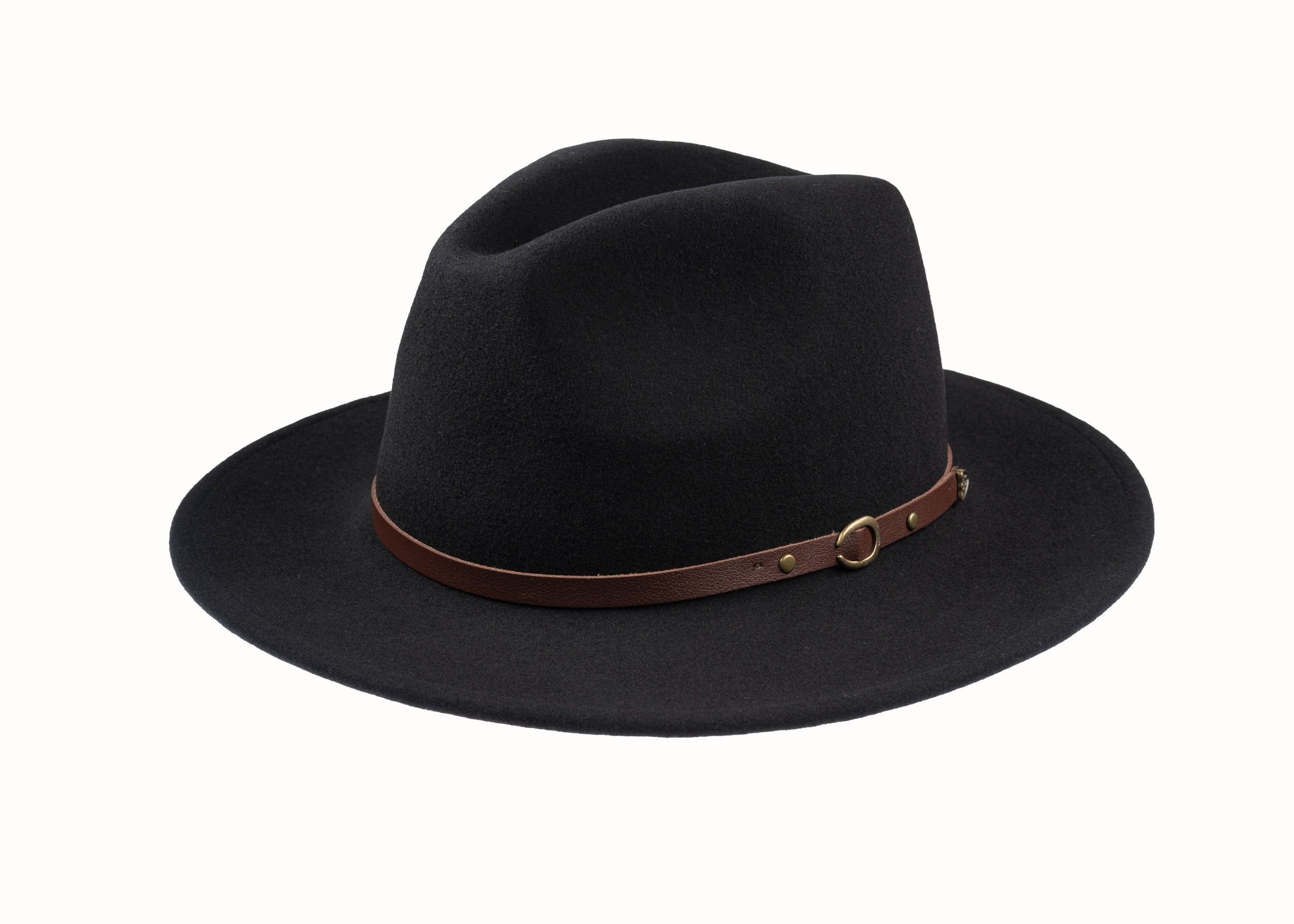
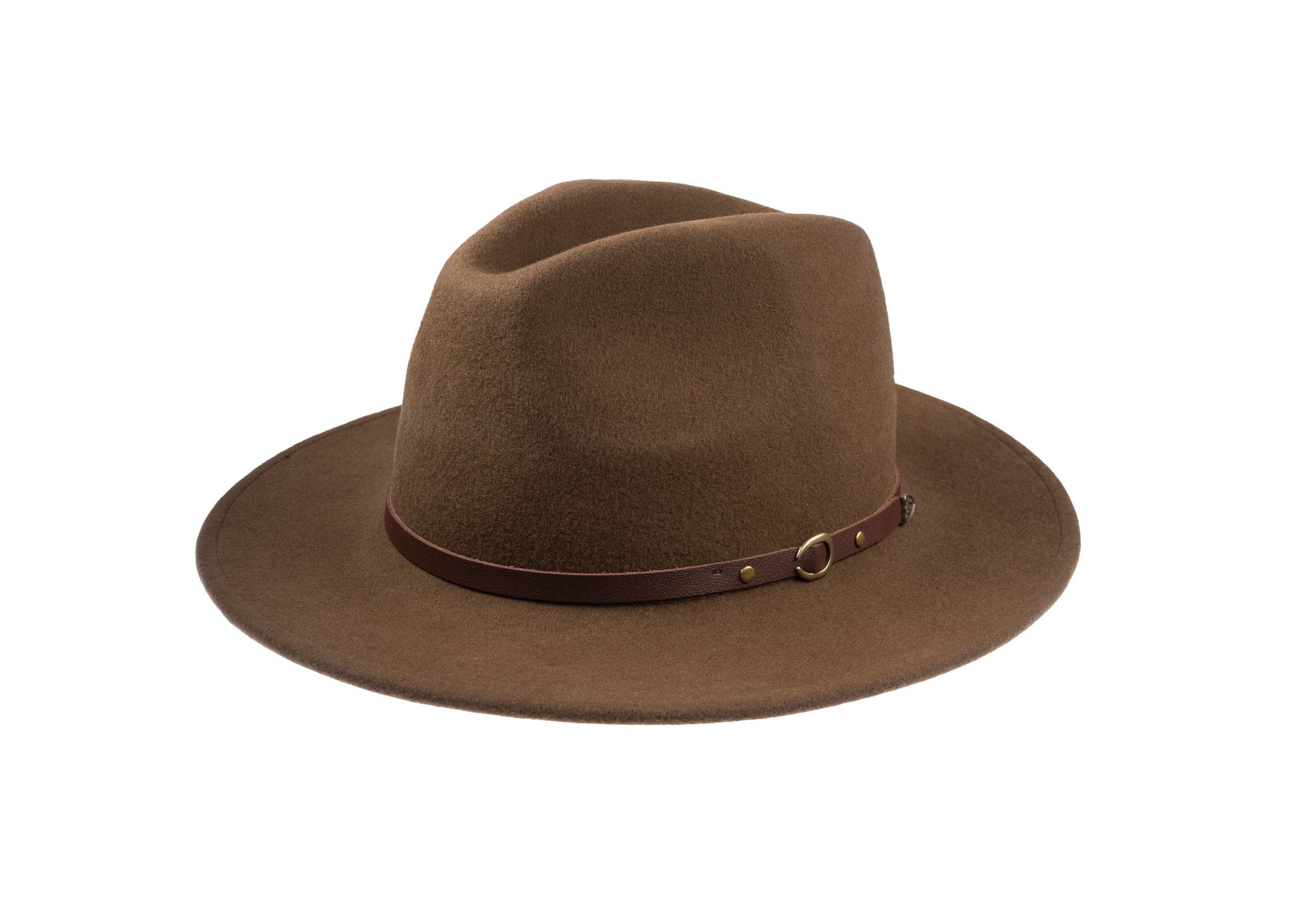
Choose a packable felt hat that sheds rain.

9. Match hat fabric to season, occasion, and activity
For warm weather, favour lightweight, open weaves such as linen or cotton lawn to maximise airflow. Midweight twills and cotton blends suit the shoulder months, and heavier woollen tweeds or flannels perform best in cold weather, since denser weaves trap insulating air. Put simply, a more open weave lowers thermal resistance and increases ventilation, while a tighter weave holds more trapped air and therefore provides greater warmth. Pay attention to whether a cap is lined, because linings materially alter effective weight; a thin fleece layer, for example, raises thermal resistance by capturing a slim, insulating air layer without adding appreciable bulk.
Weave structure matters as much as fibre. Plain weaves sit balanced; twill gives close structure and a graceful drape; herringbone and tweed trap air and add warmth; knits and meshes maximise airflow. Hold the fabric against a bright window to assess how open the weave is, blow gently through it to estimate airflow, and try a small dampness check to see how the material handles moisture. For greater versatility, favour caps with removable liners or snap-in sweatbands so a single style can work across seasons. To preserve performance, avoid high-heat drying that compresses fibres, air-dry and reshape crowns while damp to retain form, and reproof or renew finishes as required. These are the details that reward closer inspection.
Opt for a linen blend for cool summer comfort.

10. Care for and mend fabrics to maintain performance
Hand wash, or use a machine on a low-agitation cycle. Reshape while damp and air dry on a hat form or over a rolled towel. Agitation, high heat, and compression tighten the weave and flatten the pile, reducing airflow and insulation. Use cleaners suited to the fibre: mild, wool-specific detergents that preserve lanolin for wool, and gentle, low-temperature formulas for synthetics to avoid heat-induced shrinkage. Always test waterproofing or reproofing products on an inconspicuous area, since some coatings reduce vapour permeability. Avoid tumble drying to protect loft and breathability.
Inspect caps regularly, attending to seams, interior sweatbands, and high-wear panels for loose threads, seam slippage, or thinning fabric. Attend to small faults promptly: backstitches, careful darning, or a lightweight patch matched to the original weight and weave will restore structure without noticeably altering breathability or warmth. Rotate and air caps between wears, and store them uncompressed on a form or in a breathable bag. Repeated compression crushes the weave and reduces trapped air, while damp, unventilated storage encourages fibre breakdown and odour-causing bacteria. For structured or specialist caps, entrust brim, lining, or membrane work to a skilled repairer, and consider replacing the sweatband or commissioning professional reweaving or relining to preserve the original balance of weight, weave, breathability, and warmth.
Choosing a cap comes down to the balance of fabric weight, weave, and fibre, which together determine how much air the material traps, how readily it breathes, and how it handles moisture for a given season or activity. A few simple, hands-on checks give immediate evidence: hold a swatch up and examine the weave density, breathe gently through it to test breathability, and compress it to assess loft and resilience. Those observations suggest how a cap will sit, ventilate, and wear with time on the head.
Return to headings such as weight and weave, fibre choice, linings, interlinings, treatments, and care when making targeted choices or modest repairs to preserve a cap's performance. Routine checks and timely repairs will keep a cap breathable and warm through the seasons; try swapping linings and making small adjustments until you reach the balance you prefer.