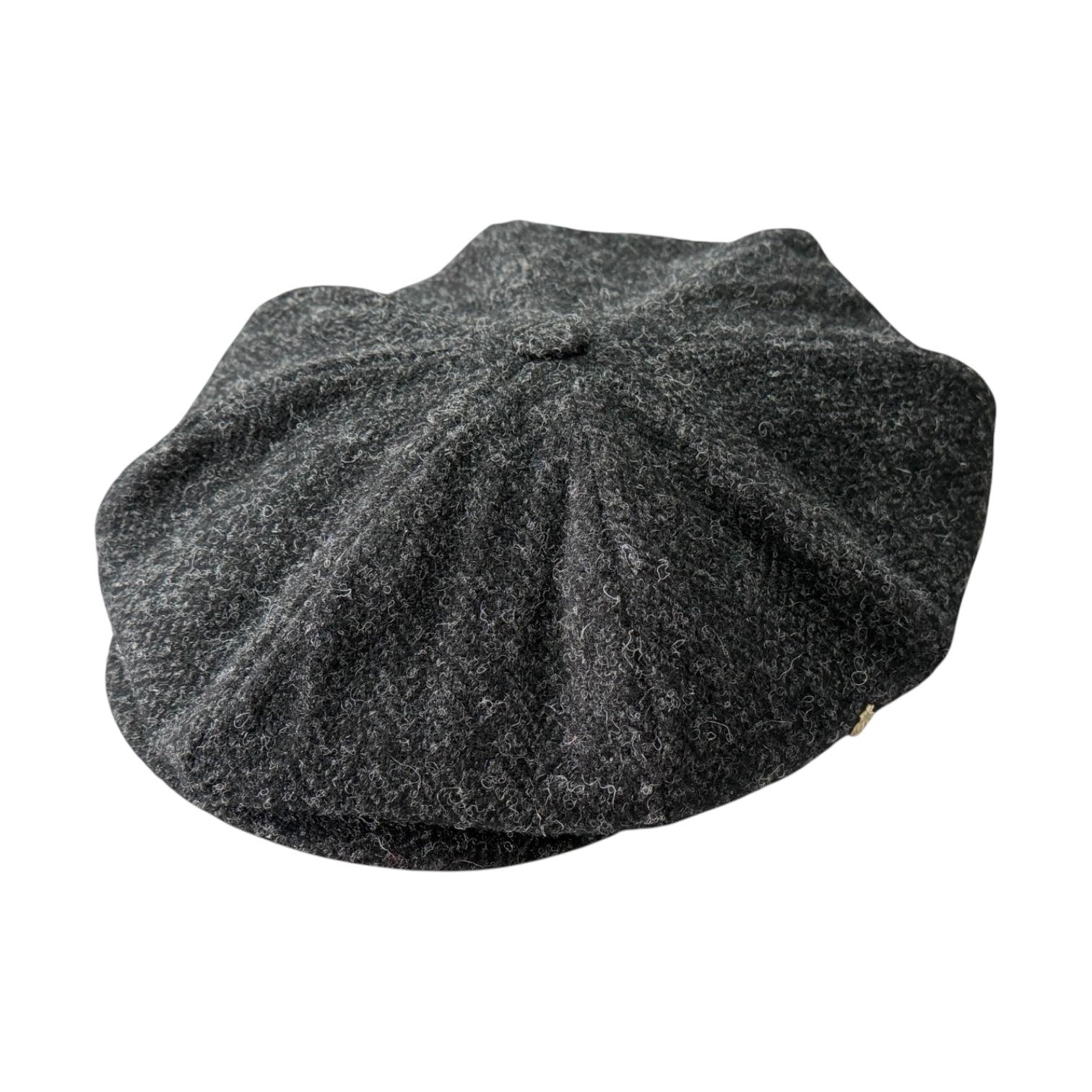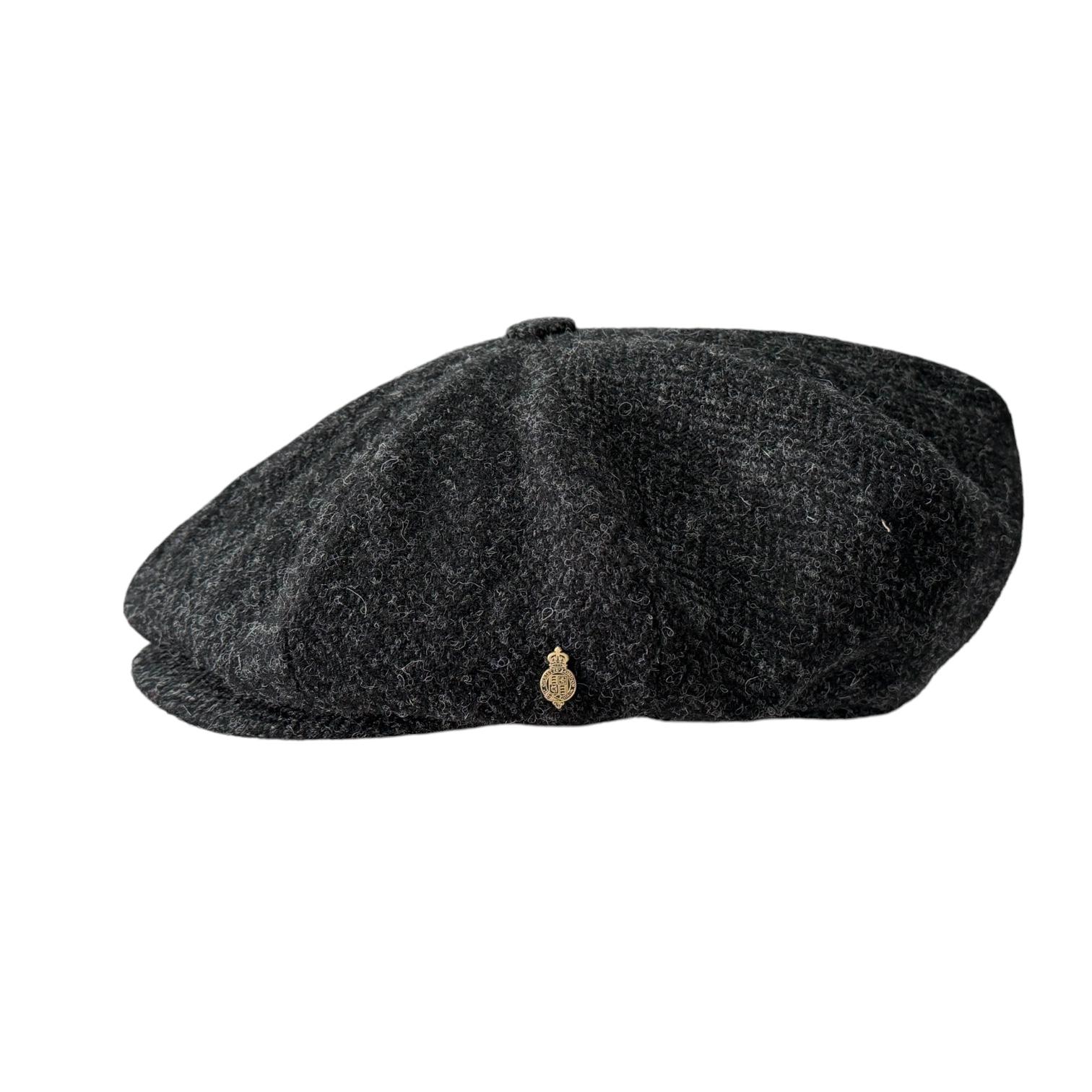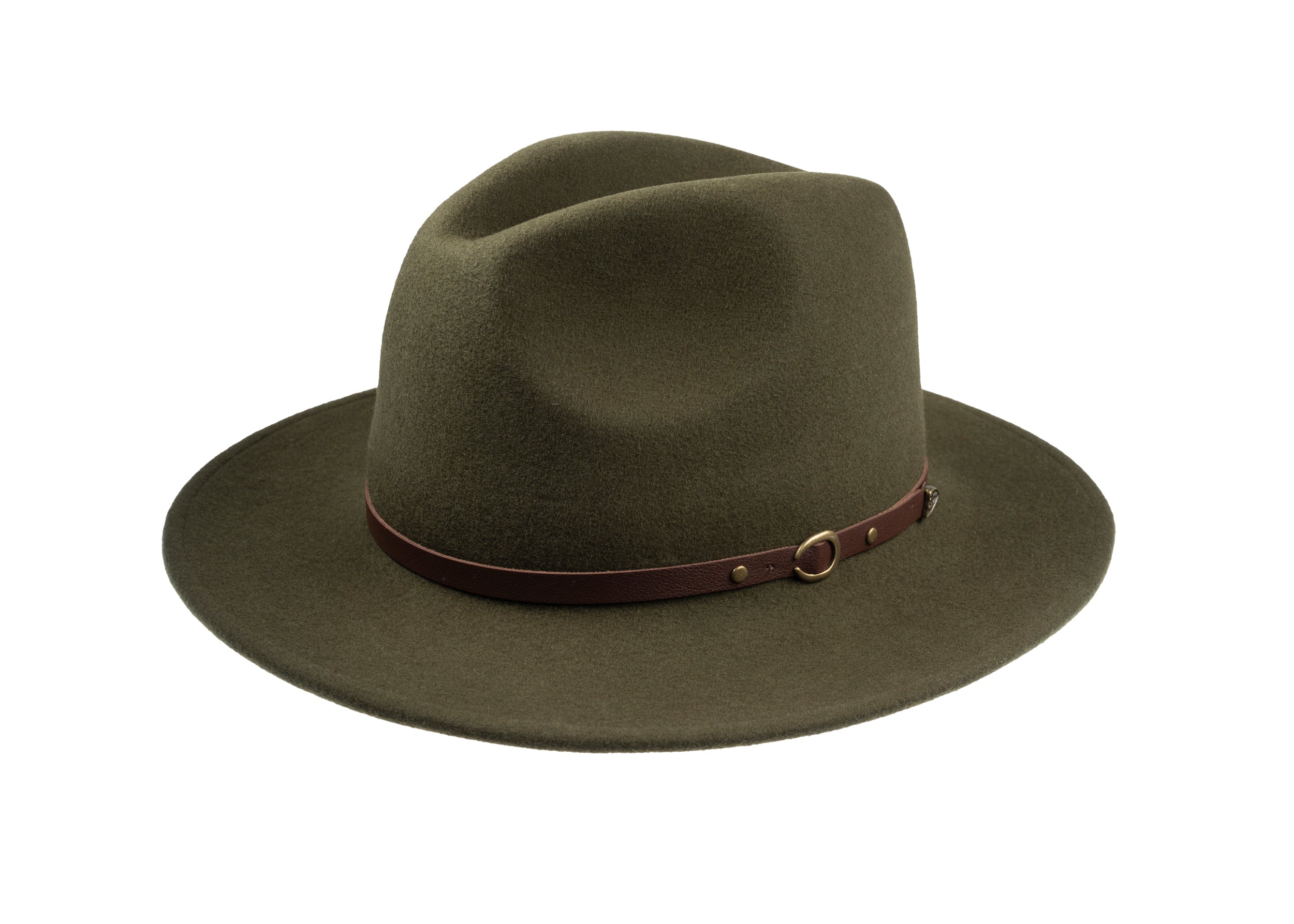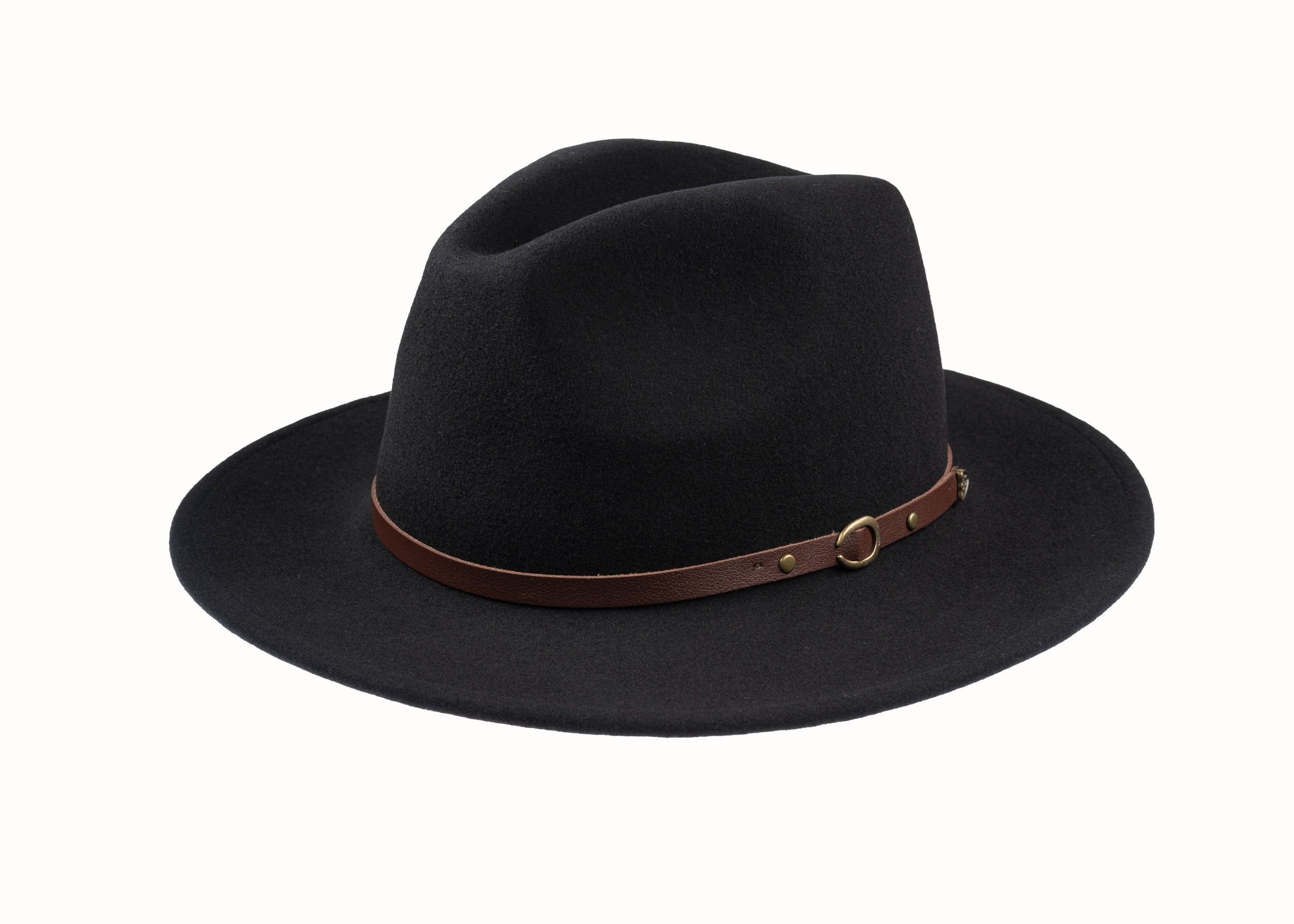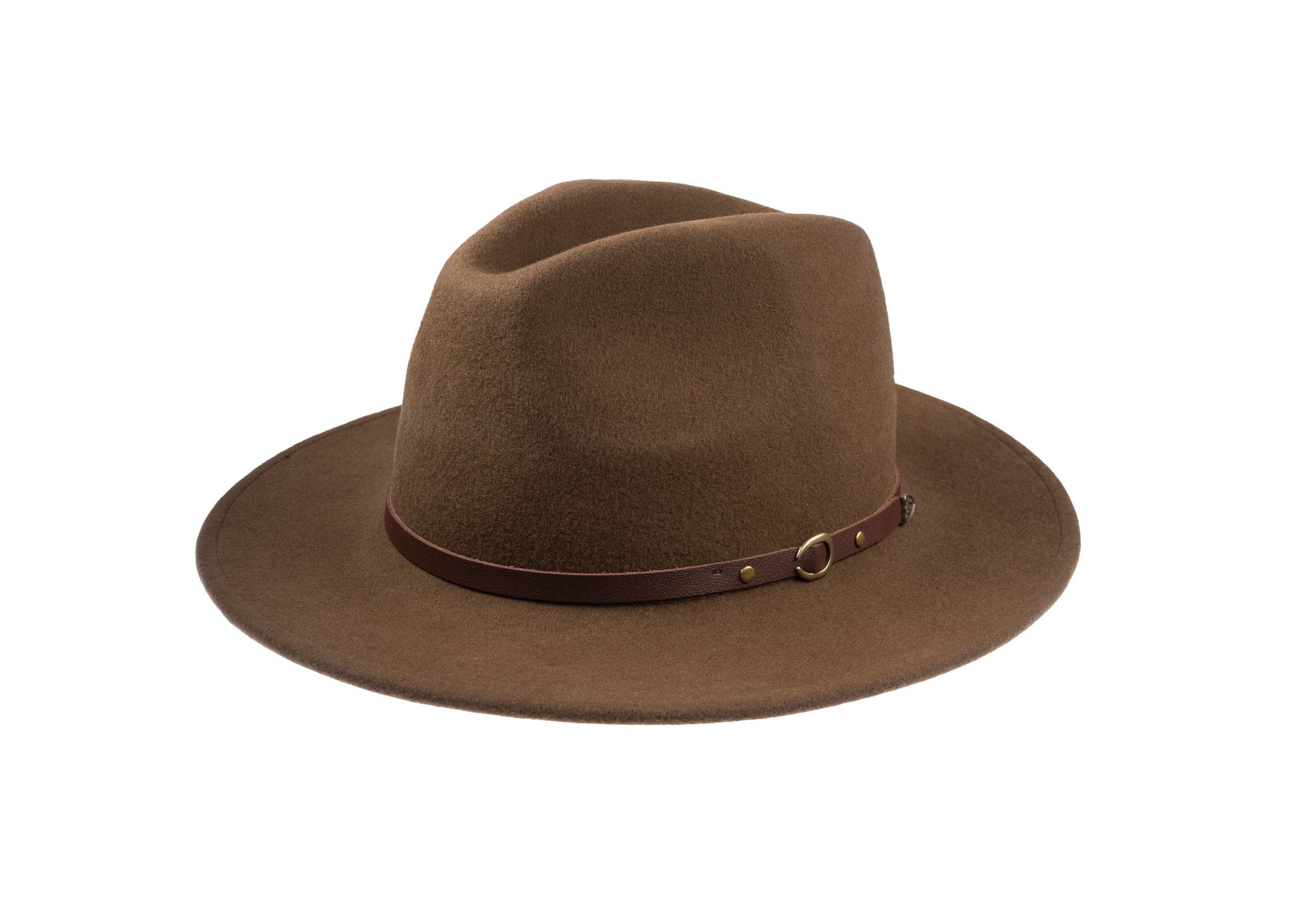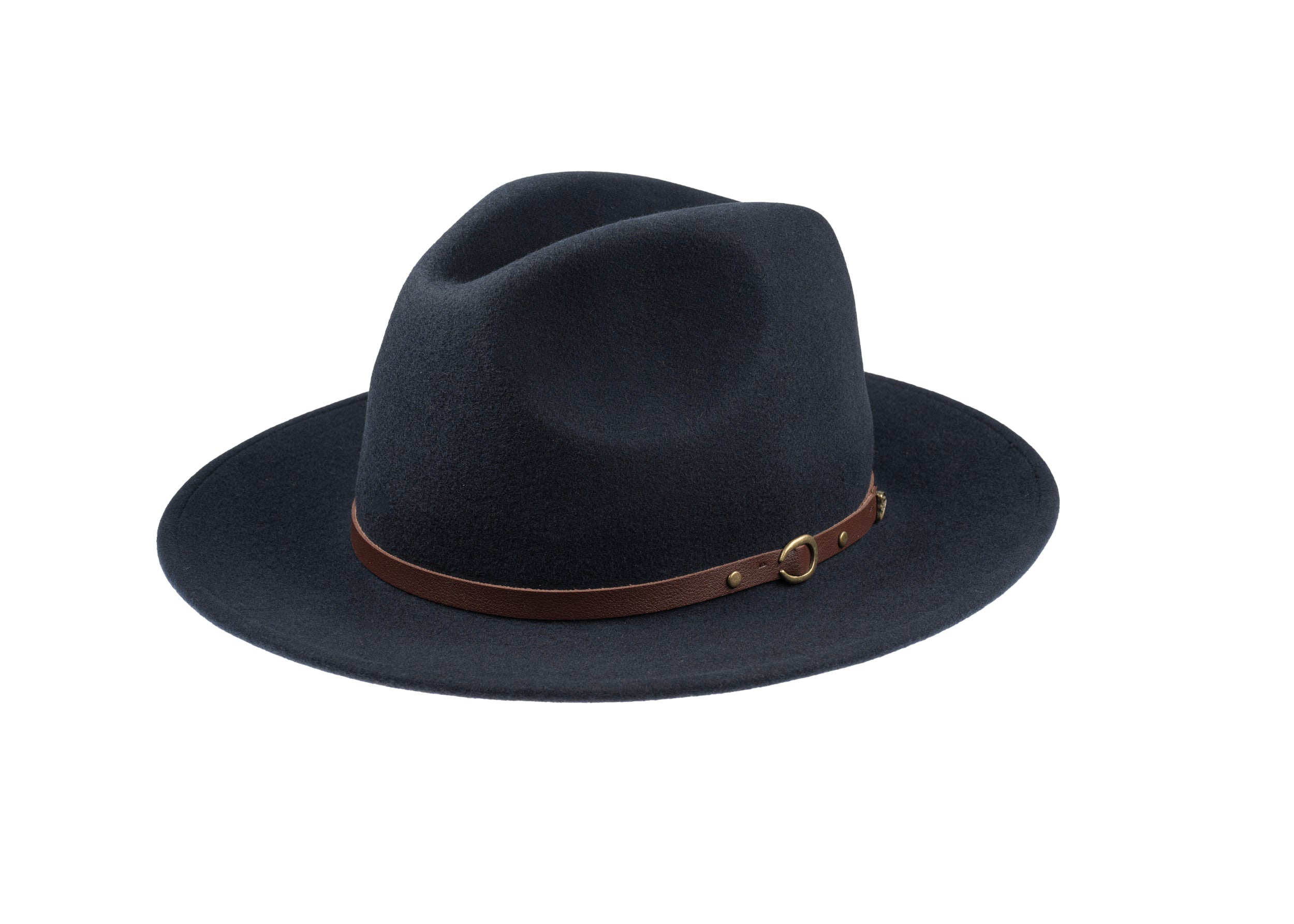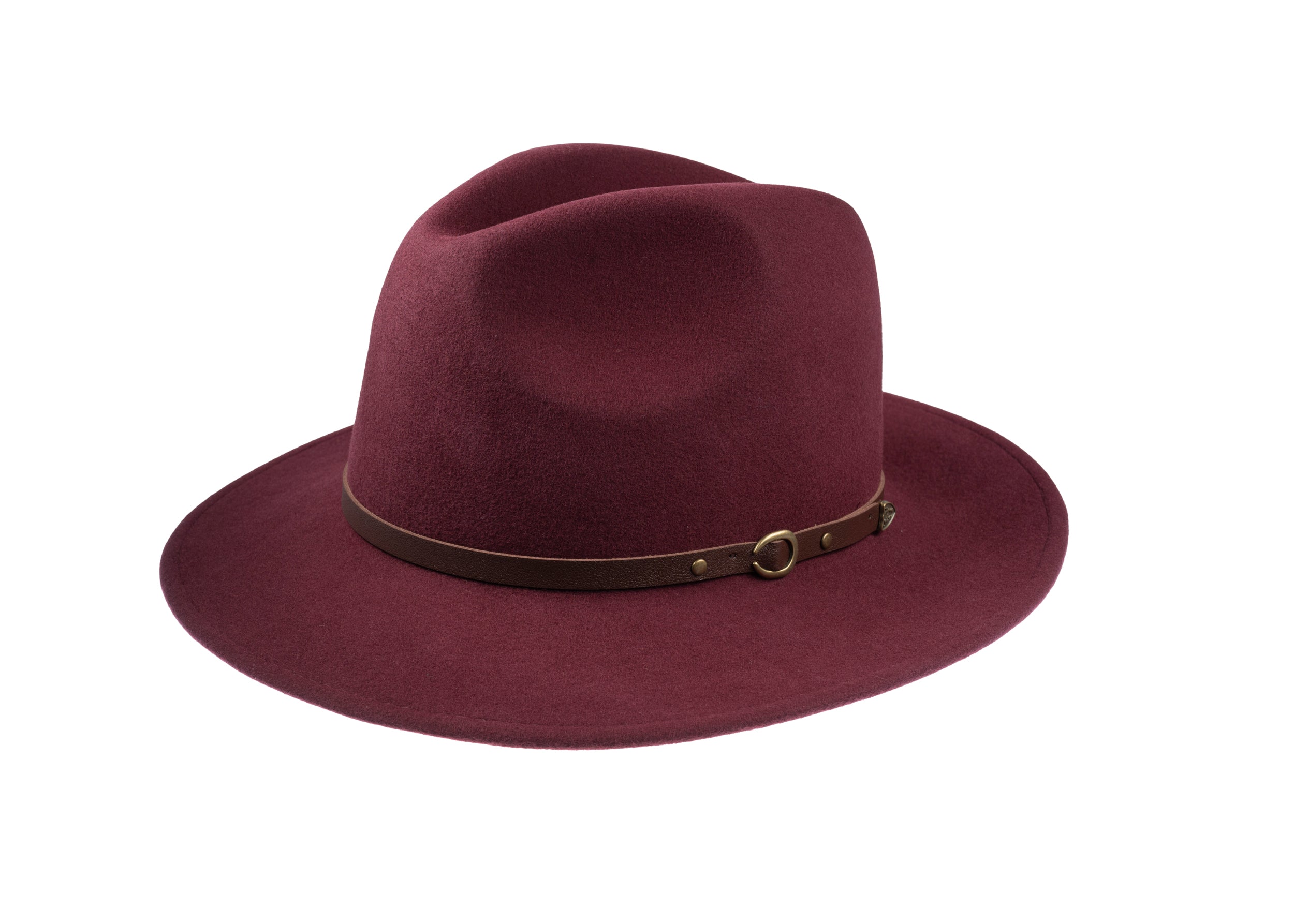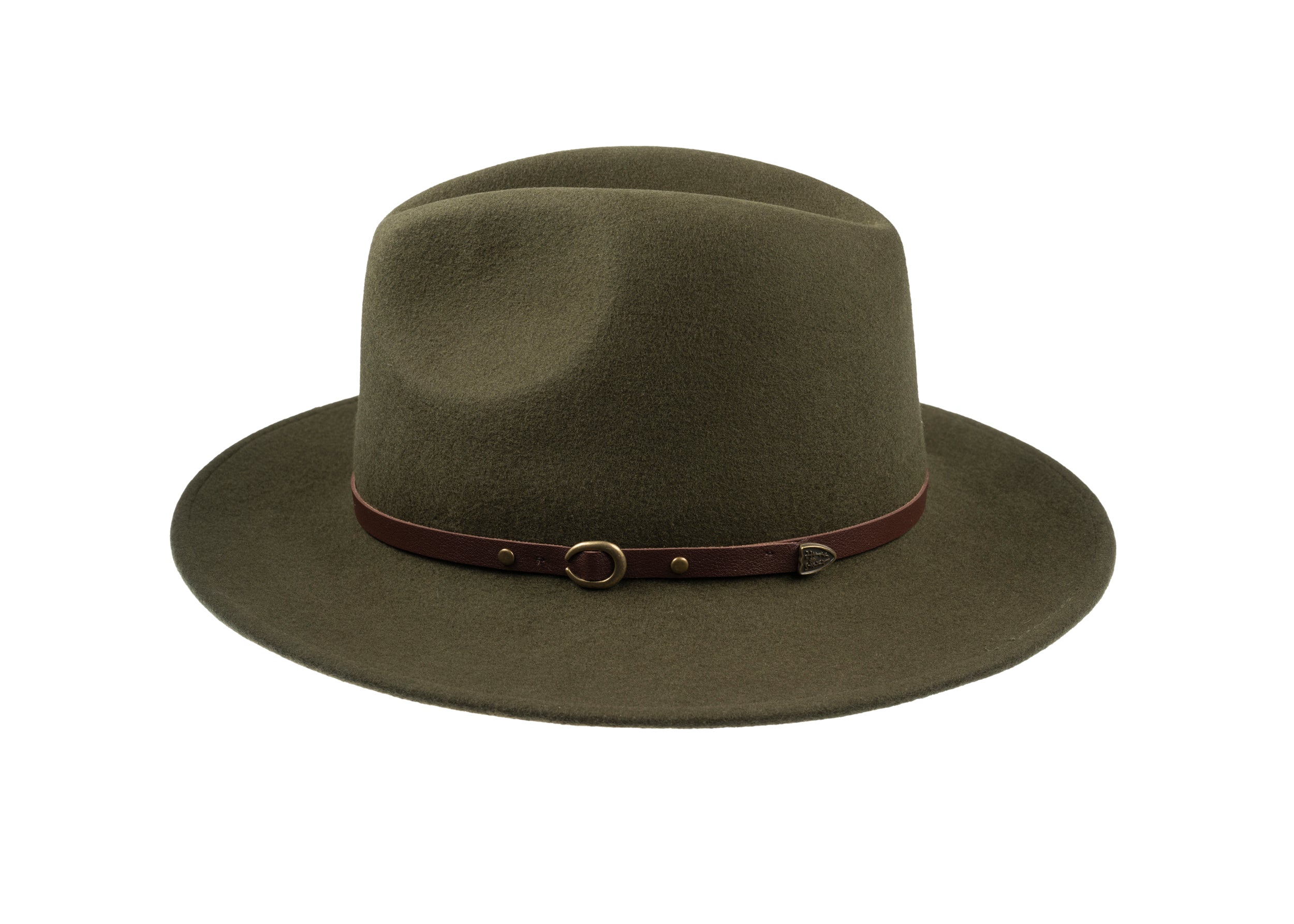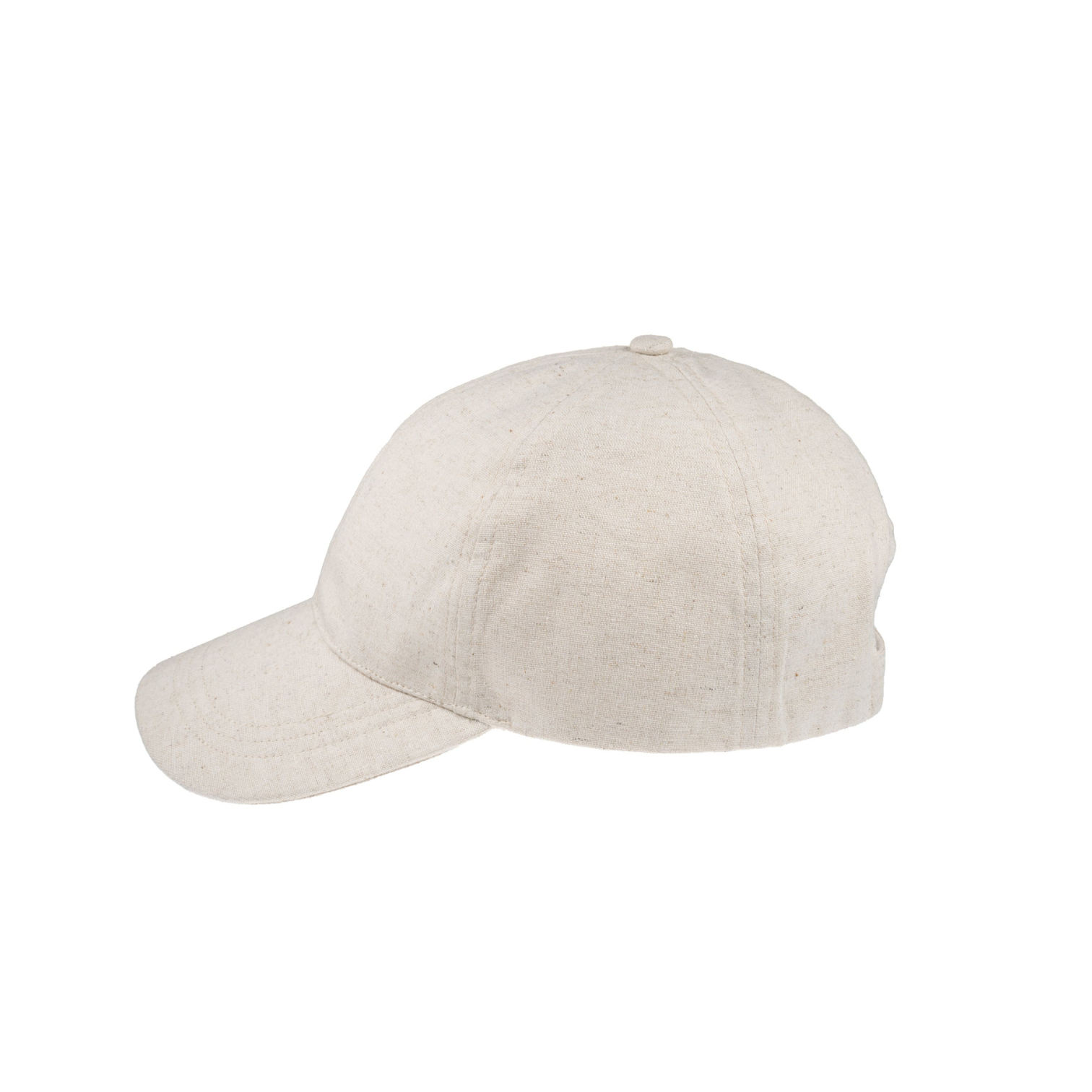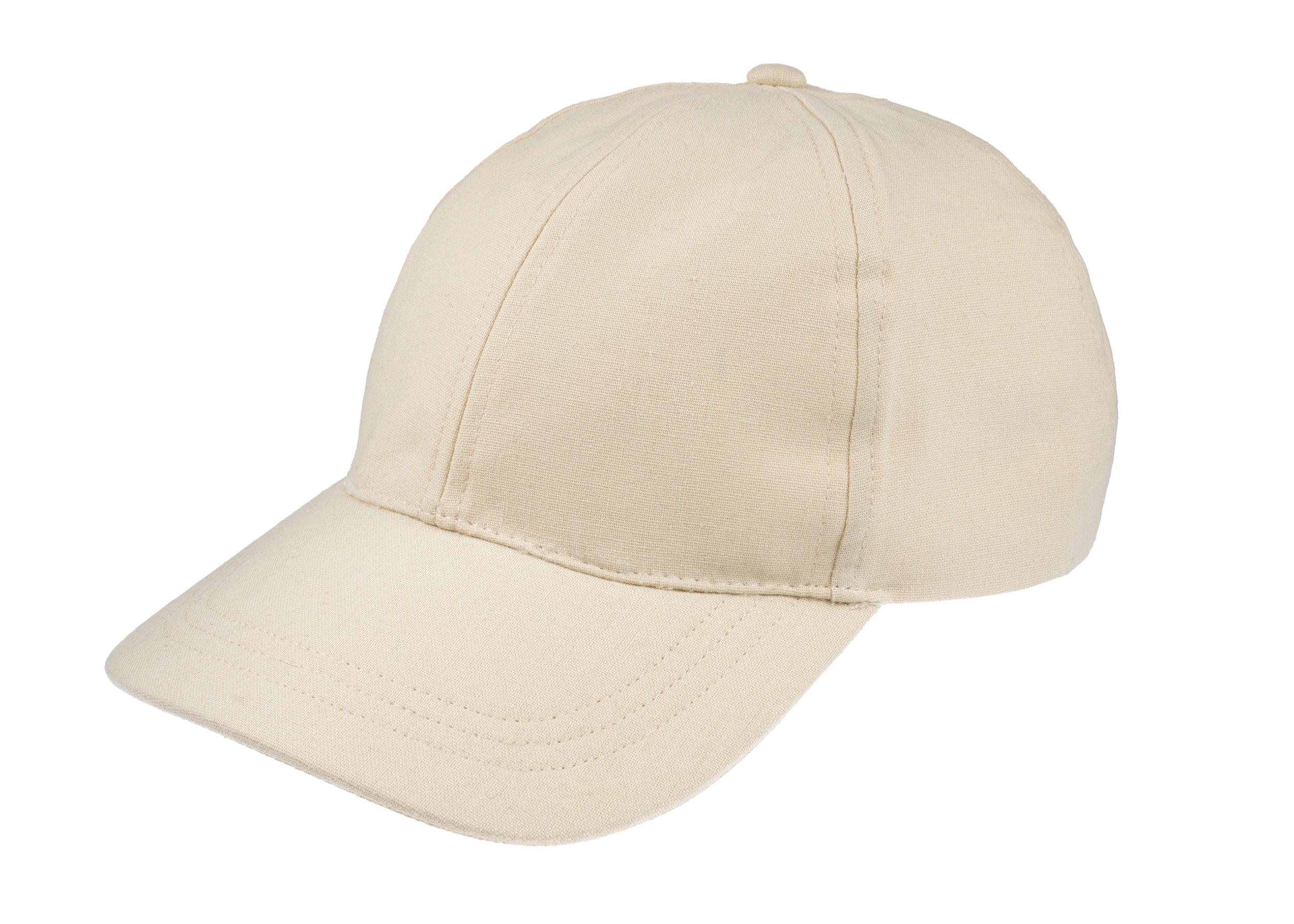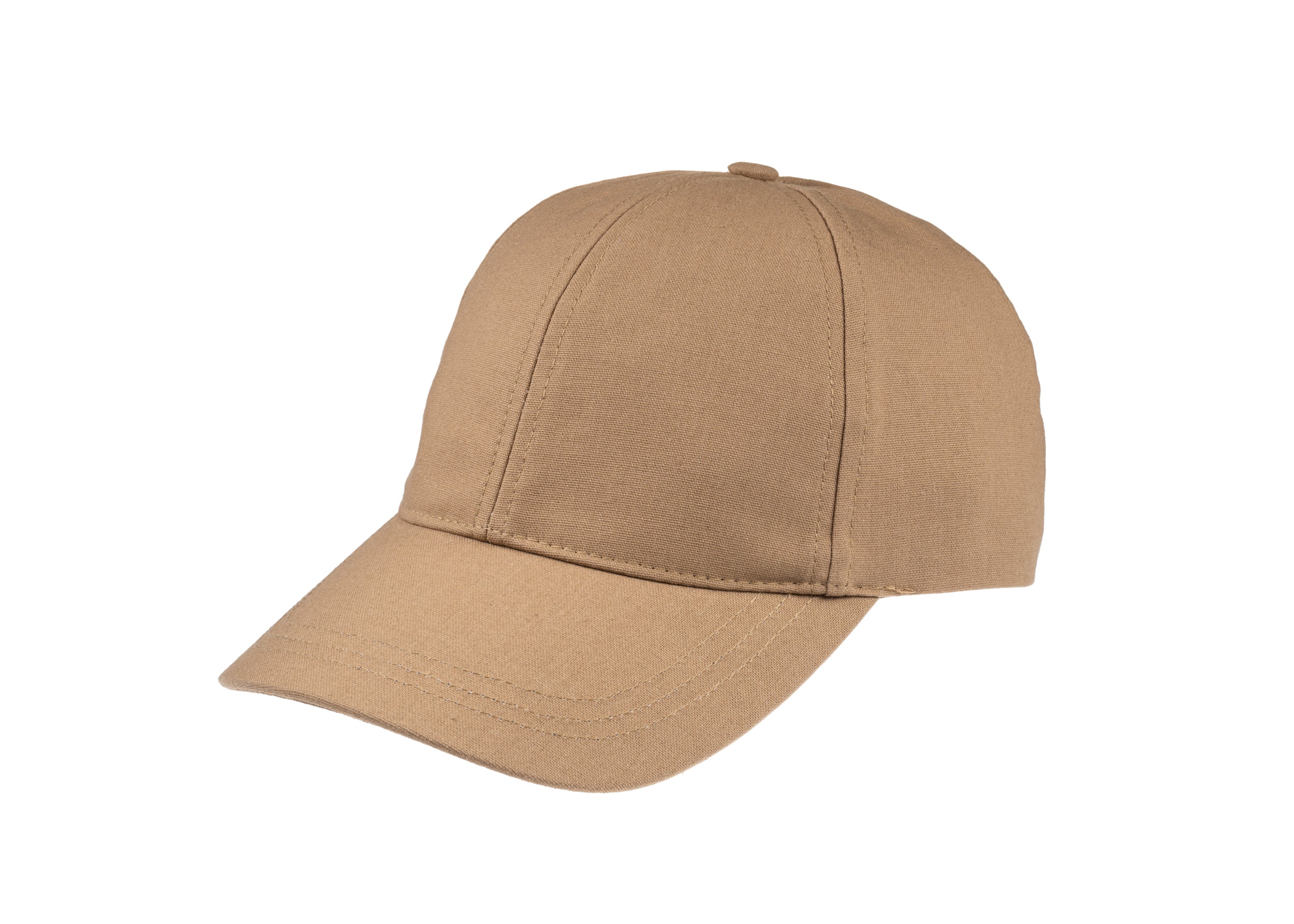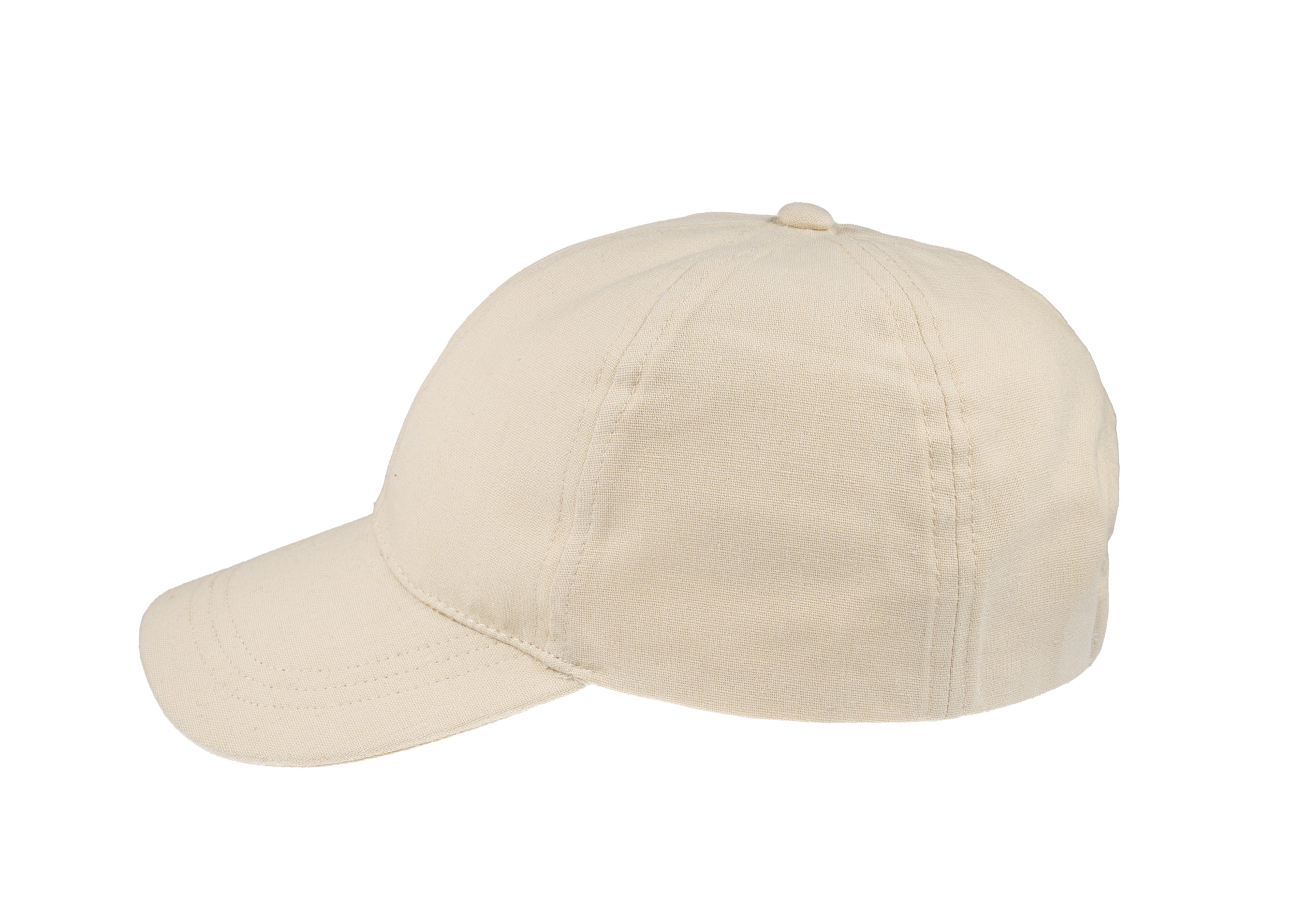


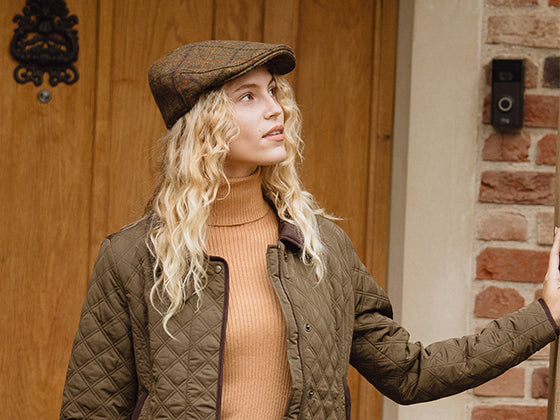


A cap that looks correct can still leave you overheated on a damp walk or shivering when the wind rises. The mismatch most often comes down to fabric weight and weave. A loosely woven tweed breathes and lets moisture escape; a dense wool or felt retains warmth and resists wind. Yet shoppers commonly judge caps by style and fit alone.
This guide explains how fabric weight governs insulation and comfort, how weave influences moisture management and breathability, and how straightforward selection and care keep a cap serviceable as the weather changes. With a few practical checks for weight and construction, you can choose caps that perform where it matters, at a summer garden party, on a seaside stroll, or during a crisp autumn walk.

Choose the right fabric weight for warmth and comfort
Fabric weight describes mass per area, usually expressed in grams per square metre (GSM) or ounces per square yard. It gives a useful shorthand for likely warmth and drape: lightweight as a cotton shirt, midweight as a sweatshirt, heavy as denim or canvas. In store or at home you can assess construction without specialist tools. Hold the cloth up to the light to read weave density, scrunch it between your fingers to test structure and recovery, and breathe through a folded section to judge air flow. Note linings, interlinings, and any sweatband, for those layers materially affect warmth and breathability. These simple, considered checks reveal the detail that rewards closer inspection and provide a reliable sense of how the fabric will wear.
Match the weight of a hat to its use and occasion. Choose lightweight fabrics for hot weather and high-activity wear, midweight for everyday comfort in spring and autumn, and heavyweight for cold, windy conditions or outdoor pursuits. Consider removable liners, or a thin cap layered under a knit, for flexible warmth. Bear in mind that weave, fibre, and finish alter thermal behaviour independently of weight. Tight weaves and brushed surfaces trap insulating air. Natural fibres such as wool manage moisture and retain warmth. Waterproof coatings reduce breathability. Heavier fabrics hold their shape and resist wind, but they dry more slowly and can feel clammy. Lighter fabrics ventilate and dry quickly, yet crease and show wear faster. Choose a weight that suits your typical activities and your laundering routine.

Choosing the right weave for moisture management and breathability
Weave has as much to do with a fabric's breathability as fibre. Plain weave creates uniform, small pores and provides steady airflow for everyday wear. Twill's diagonal structure moves moisture away from the skin and adds durability. Basket weave doubles threads at each intersection to form larger interstices, increasing ventilation, while open mesh maximises airflow for more strenuous activity. A heavier fabric with an open weave will often breathe better than a light, densely woven cloth. To assess a sample quickly, hold it up to the light to spot gaps, blow through it to feel airflow, stretch it gently to reveal yarn spacing, or sprinkle a few drops of water to see whether moisture beads, wicks along the fibres, or passes through. These simple checks give a reliable indication of how a weave will manage sweat and humidity in use.
Yarn and finishing determine how a weave performs. Long-staple natural fibres spun with a fine, low twist form smaller capillaries, so they wick moisture in a different way from bulkier, high-twist yarns. Hydrophobic synthetic yarns tend to shed liquid, yet often carry sweat across the surface rather than through the cloth. Heat-setting, surface coatings, and aggressive ironing reduce porosity, causing a fabric that would normally breathe to behave more like a barrier. Balance breathability against durability and ease of care: open weaves ventilate and dry quickly but are more liable to snagging and abrasion, while denser weaves retain structure and resist soiling. For a cap that will endure, inspect seams and trims, and choose the weave that matches how you intend to wear and maintain it.

Choosing and caring for caps in changeable weather
In changeable weather, apply the same eye-and-touch checks described earlier to assess a cap's warmth and breathability. Hold it up to the light to judge weave density, pinch the crown to feel stiffness and loft, and consult any GSM (grams per square metre) or fabric label for explicit weight. Denser weaves and heavier fabrics trap air and resist wind; lighter weaves ventilate and drape. Choose lighter, more ventilated materials for brisk activity, midweight fabrics or insulated linings for commuting and blustery days, and heavier fabrics with natural loft for cold, still conditions. Test moisture management by breathing through the fabric or cupping the cap over your hand to simulate trapped heat, and look for mesh panels or moisture-wicking fibres. Blends that move moisture away from the skin will feel drier during prolonged wear. When possible, try the cap on and move your head to detect rubbing or slippage. Inspect the sweatband, taped seams, and ventilation eyelets, because these details reduce chafing and contribute to long-wearing comfort.
Consider packability, brim design, and fabric weight together: a compact, flexible crown suits travel, while a stiffer brim provides better wind protection. Preserve a cap’s performance by following care appropriate to its fibres — use fibre-appropriate cleaning, reshape while damp, and air-dry away from high heat, which can collapse pile or shrink natural fibres. Refresh water-repellent finishes when protection and breathability begin to decline. Those simple checks and light maintenance make it easier to match a cap’s construction to the activity and weather, and to judge its comfort, warmth, and ventilation for yourself.
Taken together, fabric weight, weave, fibre, and finishing determine a cap's warmth, breathability, and moisture behaviour, so identical shapes can perform very differently in heat, wind, or damp. Simple, hands-on checks reveal how a cap will behave: feel its weight, hold the cloth to the light to study the weave, gently scrunch the crown to assess resilience and drape, and breathe through the fabric to test airflow. These small examinations reward closer inspection and give a clear sense of how a cap will insulate, ventilate, and manage moisture in ordinary wear.
Match a cap's weight to the occasion, choose weaves for moisture management, and care for its construction so it suits your usual activities and laundering routine. Small, regular inspections and straightforward care preserve the structure and finish, ensuring a considered cap performs reliably in use and endures across seasons.