




Why does one cloth feel sculpted and supportive, while another breathes and falls away from the body? The answer is settled in the mill: fibre selection, yarn twist and construction, weave geometry, and finishing. Tightly spun yarns and compact, higher-twist weaves produce a cloth that holds its shape; looser spins, lower twist, and an open weave encourage breathability and a graceful drape.
This post examines how mills select fibres, adjust yarn twist, shape weave geometry, apply finishes, and fit prototypes to the body, so you can follow how those choices affect mechanical performance and airflow. Along the way, practical checkpoints and simple test methods show how to judge drape, resilience, and breathability before cloth becomes a garment, giving you the evidence required to assess a cloth at an early stage.

How to choose fibres for structure, comfort, and provenance
Choose fibres to match function. Long-staple yarns provide greater strength and better shape retention, while low-micron, finer fibres reduce surface abrasion and the sensation of scratchiness; when ordering, request staple length and fibre diameter from the mill so you can compare objectively. Introduce synthetic filaments where abrasion resistance or fast drying are important, but be specific about yarn geometry—twist, ply, and filament count—and test the results rather than relying on spec sheets alone. Ask the mill for swatches with different twist and ply, sew them into a mock cap panel, and evaluate seam behaviour, collapse resistance, and hand to find the optimum construction. Practical testing matters: long-staple yarns consistently show lower breakage and reduced pilling, which helps caps keep their appearance and structure over time.
Match the textile architecture to the ventilation and body you require. Open weaves and meshes increase airflow, twills and dobby weaves add structure and resist wind, and spacer or double-knit constructions create controlled air channels without bulk. Treat finishing as a performance control: mechanical processes such as napping or compacting alter loft and warmth, while chemical finishes can improve moisture management and odour control, often at the expense of breathability. Before sign-off, request finished-state samples and laboratory data on air permeability, moisture vapour transmission, shrinkage, abrasion cycles, and pilling, and obtain documentation of fibre provenance and third-party verification.
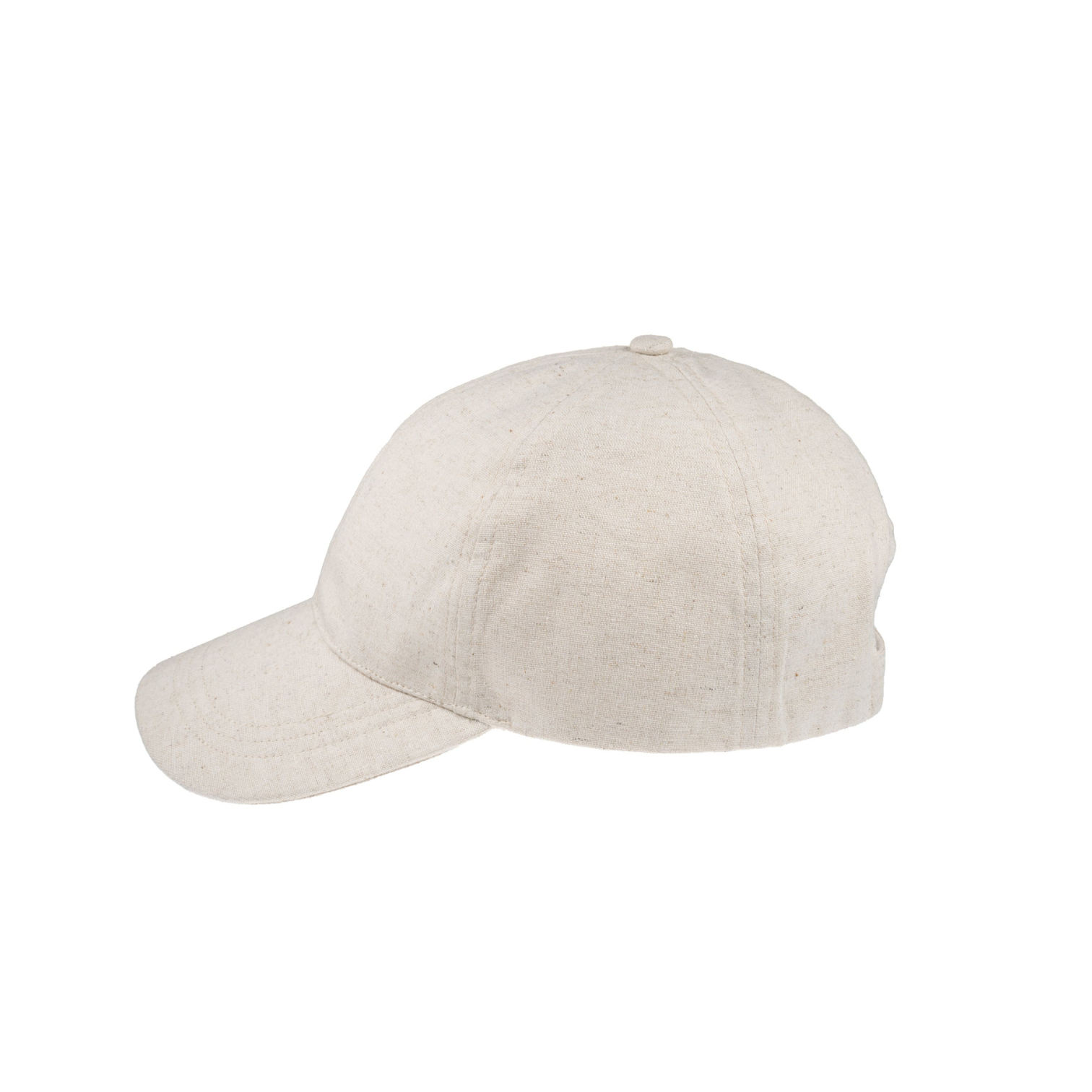
Opt for a breathable linen blend this summer.

Optimising yarn twist and construction for tactile quality and durability
Design begins at yarn preparation. Combed worsted or compact-spun yarns give a smooth, high-tenacity thread that holds a crisp structure, while woollen or open-end systems provide bulk and loft, increasing perceived softness at the cost of lower tensile strength and a less uniform surface. Adjust twist in small increments and test tensile strength, bend stiffness, and air permeability as you go. Increasing twist typically raises tenacity and reduces surface fuzz, but it also packs the fibres, makes the hand firmer, and can restrict airflow. Use plied yarns with opposing twist to neutralise torque and improve abrasion resistance. Where you need both shape retention and comfort, consider fibre blends or core-spun constructions that pair fine, long-staple wool or silk with hollow or multifilament synthetics to balance structure, breathability, and wearability. These are trade-offs that warrant measured testing rather than assumption; the right balance depends on the character you intend for the finished hat.
To validate a cloth, makers pair objective measures with close sensory appraisal. They record yarn tenacity, hairiness index, twist per metre, and fabric air permeability, and compare those figures with assessments from trained hand panels and short wear trials to capture both measurable performance and sensory response. Yarn count, twist, or finishing treatments such as singeing or enzyme softening are then adjusted until tests demonstrate the desired balance of structure, comfort, and airflow. The measurements clarify the trade-offs: smoother, higher-tenacity yarns produce a sharper drape and lower surface hair, while loftier constructions increase insulation and hand at the expense of uniformity and some strength. This evidence-led approach gives makers clear data to select the point on the spectrum that best suits the intended cap cloth use.
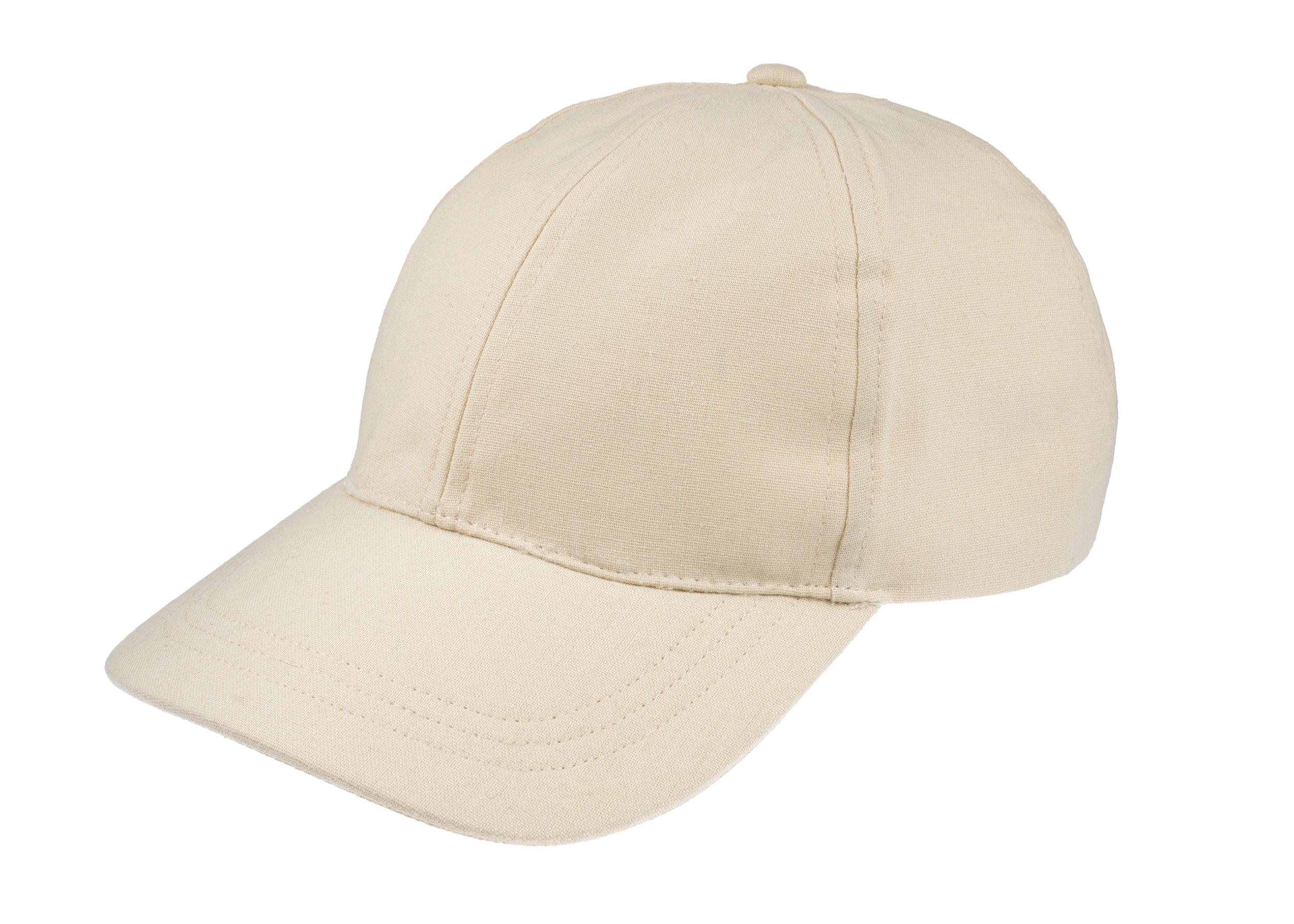
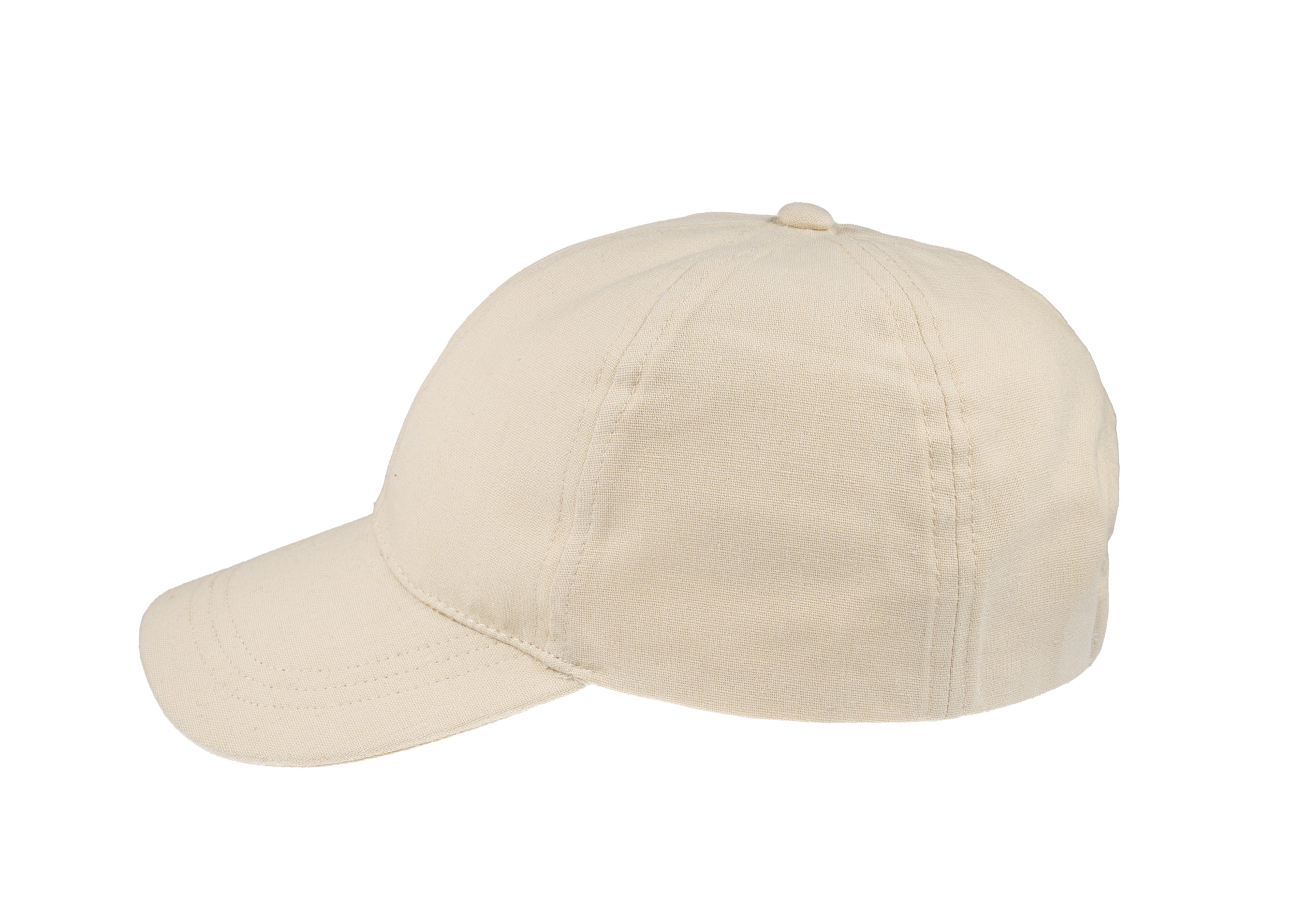
Holds a crisp silhouette through rigorous wear.

Shaping weave geometry to refine structure and airflow
Mills map weave geometry to performance by prototyping three considered variants, a tight plain weave, a twill, and an open leno or spacer weave, and then measuring pore size, through-thickness permeability, bending stiffness, and directional bias. Comparing air permeability and bending modulus across those samples reveals quantifiable trade-offs between structure, comfort, and airflow for a given application. Yarn form and cross-section further refine surface feel and porosity: smooth filaments or low-hairiness yarns reduce skin friction, while hollow or trilobal sections increase effective porosity and assist moisture transport. Imaging pore-size distribution, together with wearer moisture-transfer tests, links the fabric's microstructure to perceived comfort.
Separate the functions of load-bearing and ventilation by using multilayer or spacer constructions. Place the structural layers where stiffness is required, and include a channel layer that preserves airflow when the assembly is compressed. Control directional behaviour through float length and twill direction: longer floats and a twill bias produce drape and give the fabric a bias, while shorter repeats and ribs increase in-plane stiffness. Verify these choices with bias-extension and bending tests. Combine computational fluid dynamics on representative unit cells with finite-element or beam models to predict overall response. Where appropriate, apply light heat-setting, local calendering, or selective surface chemistry to refine the hand and the fabric's wicking, and always re-measure permeability after any finishing to ensure the critical pores remain open.
Design, test, and iterate for ventilated weaves
- Prototype a tight plain weave, a twill, and an open leno or spacer variant, and vary float length and repeat to tune drape, directional bias, and in-plane stiffness; adjust yarn form and cross-section — smooth or low-hairiness filaments for lower skin friction, hollow or trilobal sections to increase effective porosity and moisture transport — to refine surface feel and pore connectivity.
- Image the pore-size distribution using optical or X-ray methods, quantify through-thickness permeability as flow versus pressure, measure bending stiffness and directional bias with bending and bias-extension trials, and carry out wearer moisture-transfer tests to correlate microstructure with perceived comfort; verify permeability and pore structure after any finishing.
- Run CFD on representative unit cells, feed local pressure and velocity fields into finite-element or beam models to predict macroscopic mechanical and airflow response, and use those predictions to prioritise prototypes for physical testing, reducing trial-and-error.
- Separate load-bearing and ventilation using multilayer or spacer constructions: place structural layers where stiffness is needed, engineer a channel layer to keep airflow pathways open under compression, apply targeted heat-setting, local calendering, or selective surface chemistry to refine hand and wicking, and verify performance with compression, airflow, and wearer trials.

Finishes that lock a hat's shape and refine its hand
Mills choose finishes with attention to both mechanism and effect. Heat-setting locks crimp and reduces shrinkage in thermoplastic fibres; crosslinking resins or starches increase stiffness and improve crease recovery; enzyme or softener treatments restore the surface hand; mechanical calendering refines the cloth surface. Each treatment has predictable consequences for air permeability, moisture vapour transmission, and drape. Finishes are applied by pad-dry-cure, spray, foam, or continuous coating, with careful control of add-on percentage, temperature, and dwell time. Small-batch trials that measure air permeability and bending length after each variable change make those trade-offs measurable rather than guessed. In practice, sequence matters: fix shape first with heat-setting or light crosslinking, then use softeners or mechanical finishing to recover hand, and re-measure porosity after every stage to ensure airflow targets endure.
Make a clear distinction between permanent chemical crosslinking, which sustains structure through laundering, and temporary mechanical shaping, which can be refreshed. Note that sealing finishes typically reduce breathability, while rinsable softeners can restore comfort. When repairability and end-of-life handling matter, favour low add-on softeners applied after low-temperature heat-setting, or removable, renewable chemistries. Pair objective laboratory measures, such as air permeability, moisture vapour transmission, bending length, and wash-fastness, with short blind wear panels that assess perceived stiffness, coolness, and comfort in multiple use conditions. Use the combined laboratory and wearer data to set target ranges and refine finishes until measurements and user feedback align, achieving structure without compromising airflow.
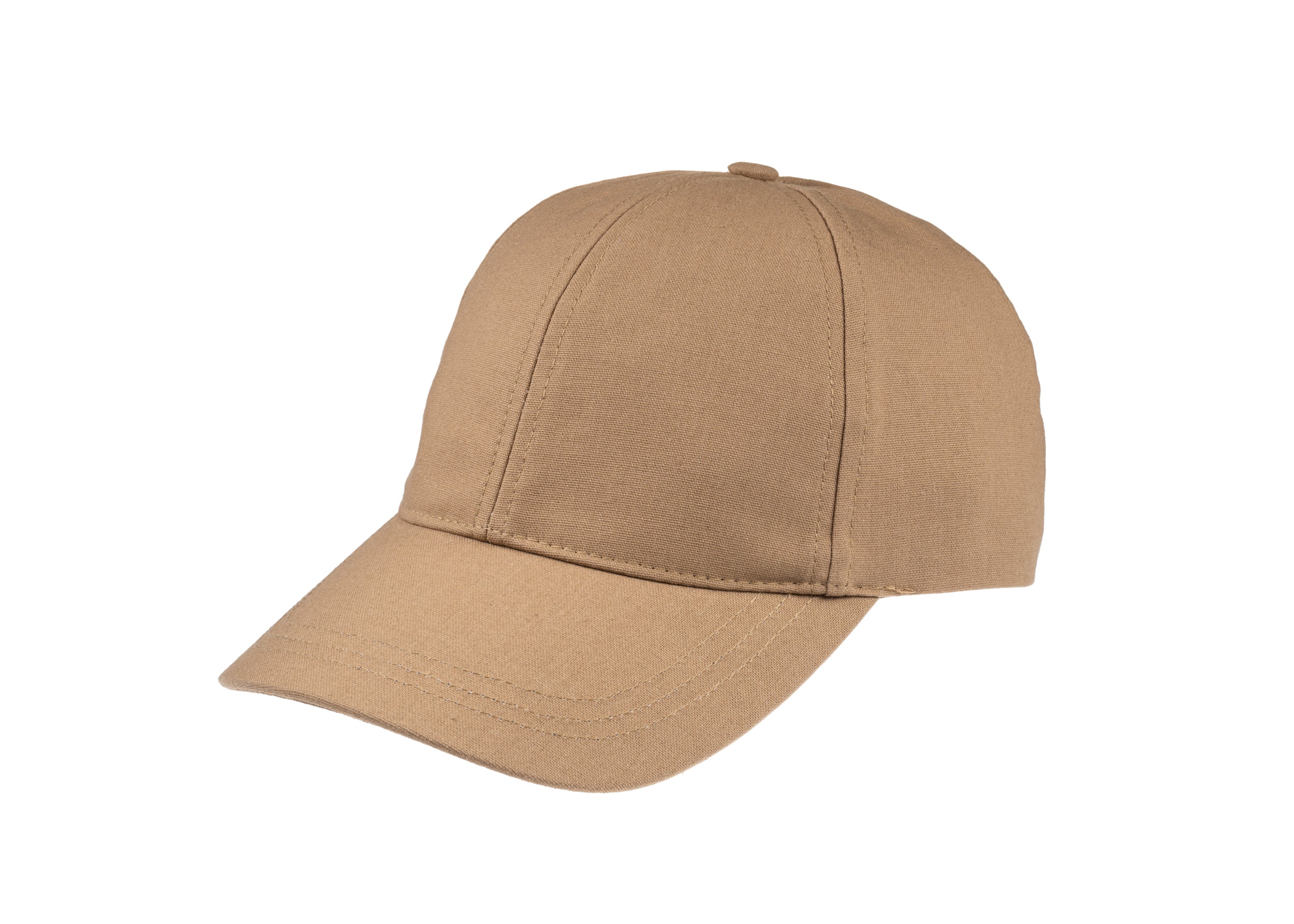
Choose breathable moleskin for structured, comfortable everyday wear

Prototype, test on the head, and refine for fit and comfort
Rather than judging fabrics by weight alone, mills benefit from comparing yarn and weave architecture and from selecting fibre cross sections, twist levels, and weave or knit constructions that produce the required stiffness and micro-porosity. Quantify those choices with bending-stiffness tests, air-permeability rigs, and moisture-regain measurements so fabric structure can be tied to perceived comfort and ventilation. Prototype layered assemblies using temporary interlinings, mesh backing, and zoned bonding, and construct interchangeable panels to test crown stiffness, brim retention, and venting in different positions. Inform patterning with 3D head scans: map high-strain zones, translate them into curved seam lines or articulated panels, then observe fit during nodding, turning, and bending to confirm reductions in fabric pull.
Begin with iterative wear trials that pair short sessions of subjective feedback with objective measures: skin-temperature probes, humidity patches, and pressure mapping beneath the lining. Match numerical trends with free-text comments to locate irritation hotspots that static inspection misses. Introduce durability and lifecycle checks early by subjecting prototypes to repeated wear cycles, washing and moisture exposure, and crease-recovery tests. Re-measure stiffness and permeability after these stresses to identify which yarn finishes, consolidation methods, or constructions retain their performance. Repeating this evidence-based loop reveals how modest structural changes alter pressure points, preserve ventilation, and indicate which interventions deliver lasting comfort and support.
At every stage, decisions made at the mill, from fibre choice and yarn twist to weave geometry and finishing, determine how a cap cloth balances shape, comfort, and airflow. Objective measurements, such as air permeability, bending stiffness, and tensile strength, together with short-term wear trials, reveal and quantify those compromises.
Treat these headings as a practical checklist. Begin by selecting fibres that supply structure and whose provenance can be documented. Optimise yarn construction and twist to achieve the desired strength and hand. Map the weave geometry to provide ventilation where required, while maintaining stability. Apply finishes that lock the shape, then prototype the cloth on the body to judge drape and comfort. Iterate with laboratory measurements, and wearer feedback, until objective metrics and sensory responses align, and use those results to justify the final cloth choice.