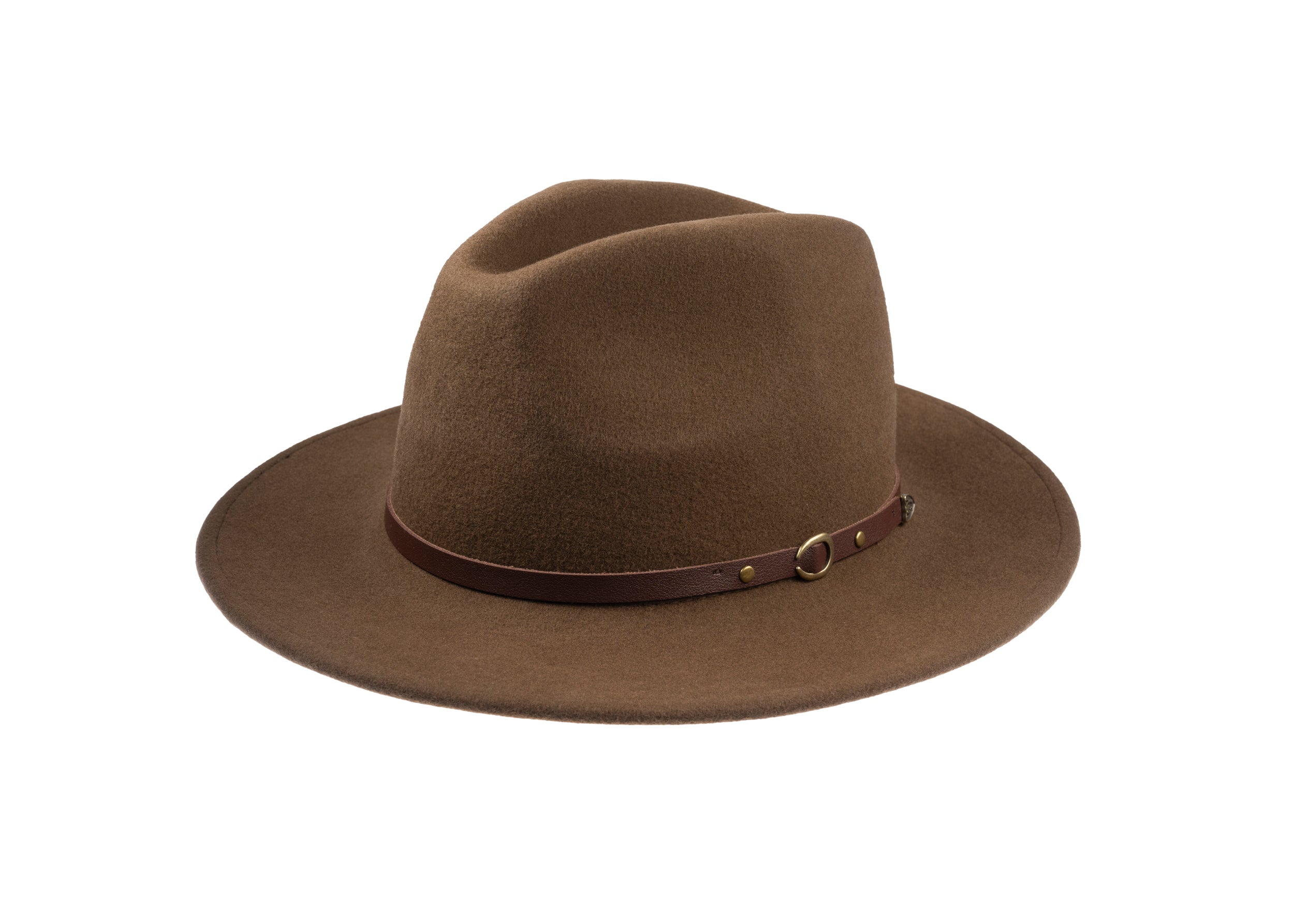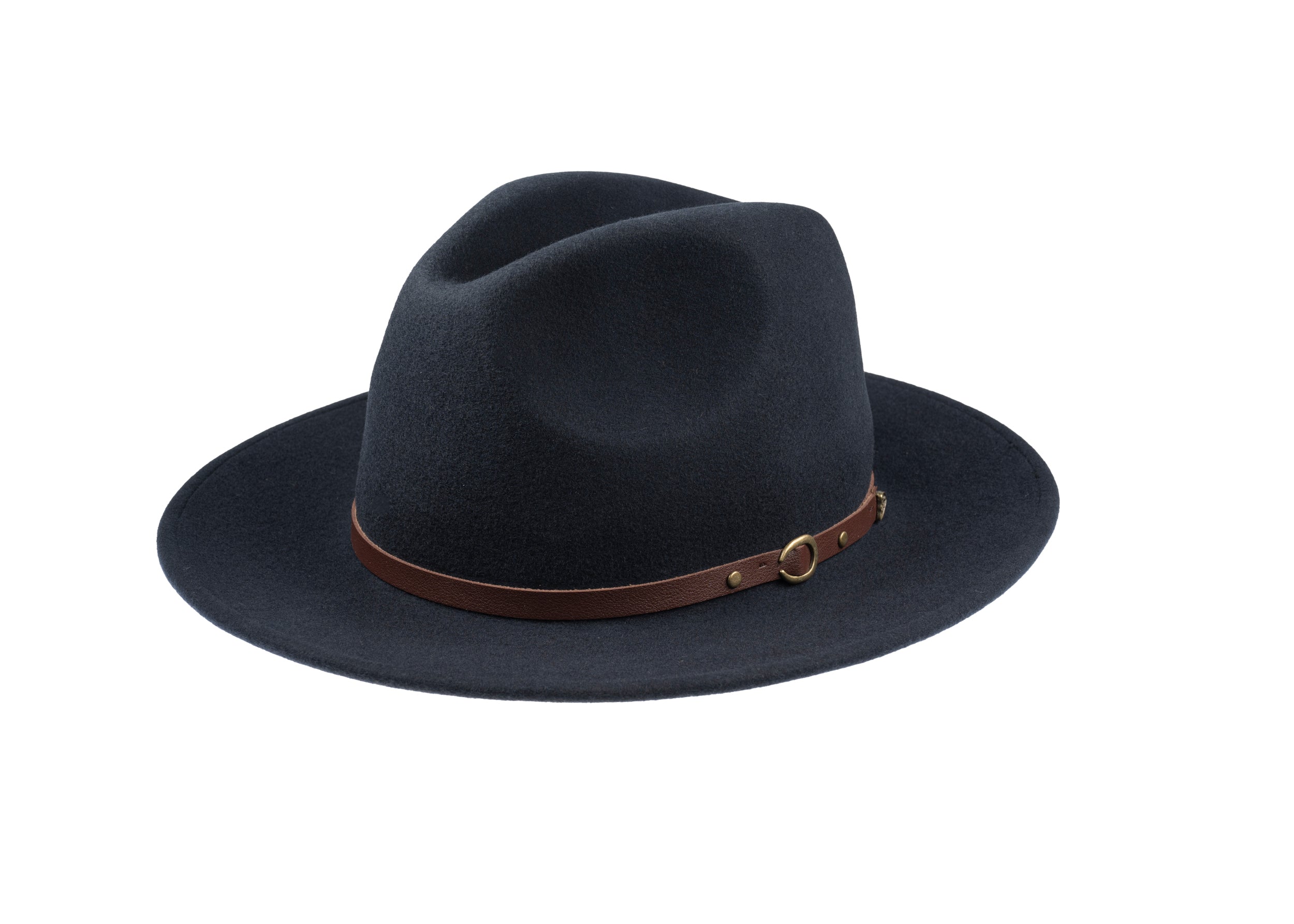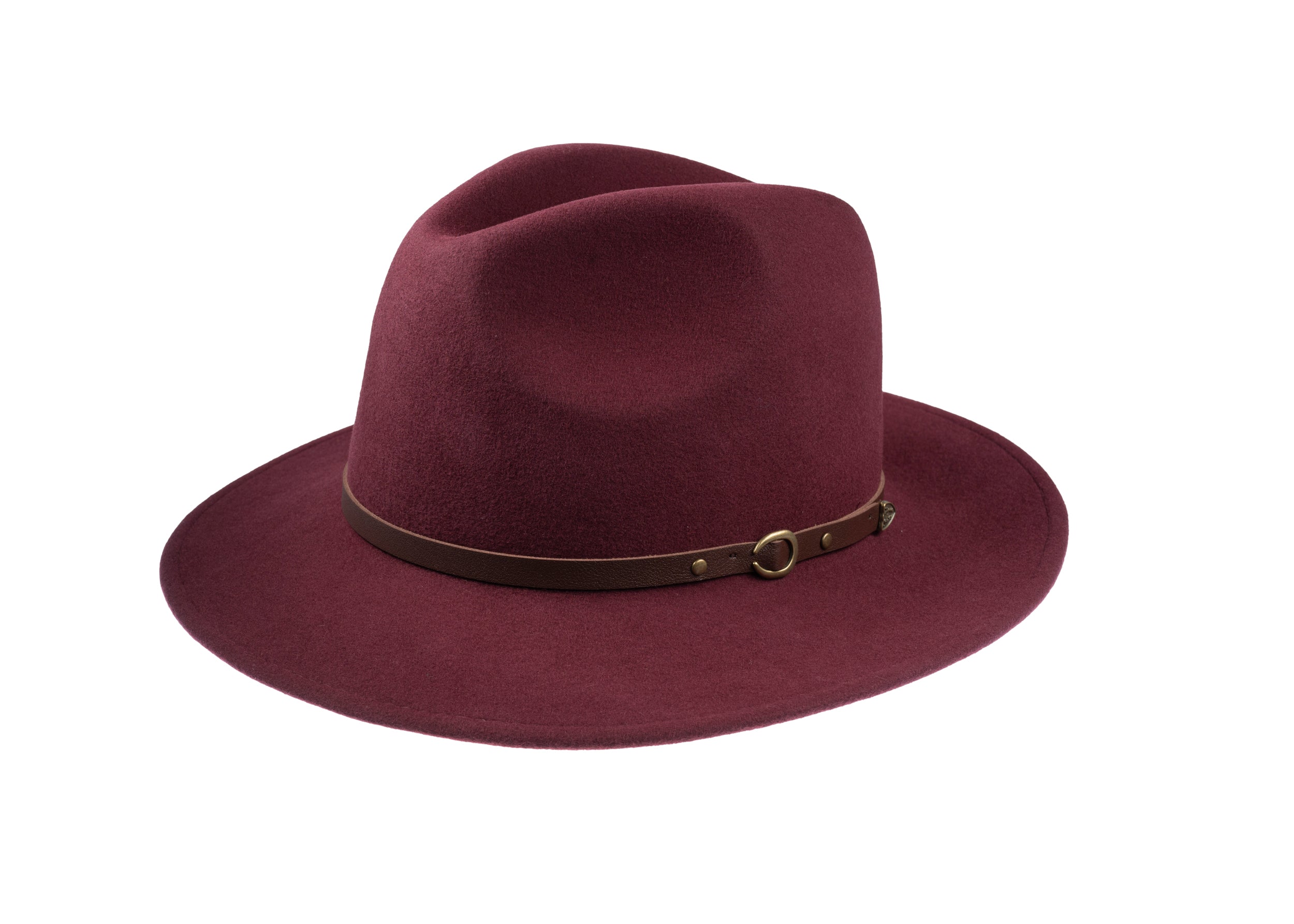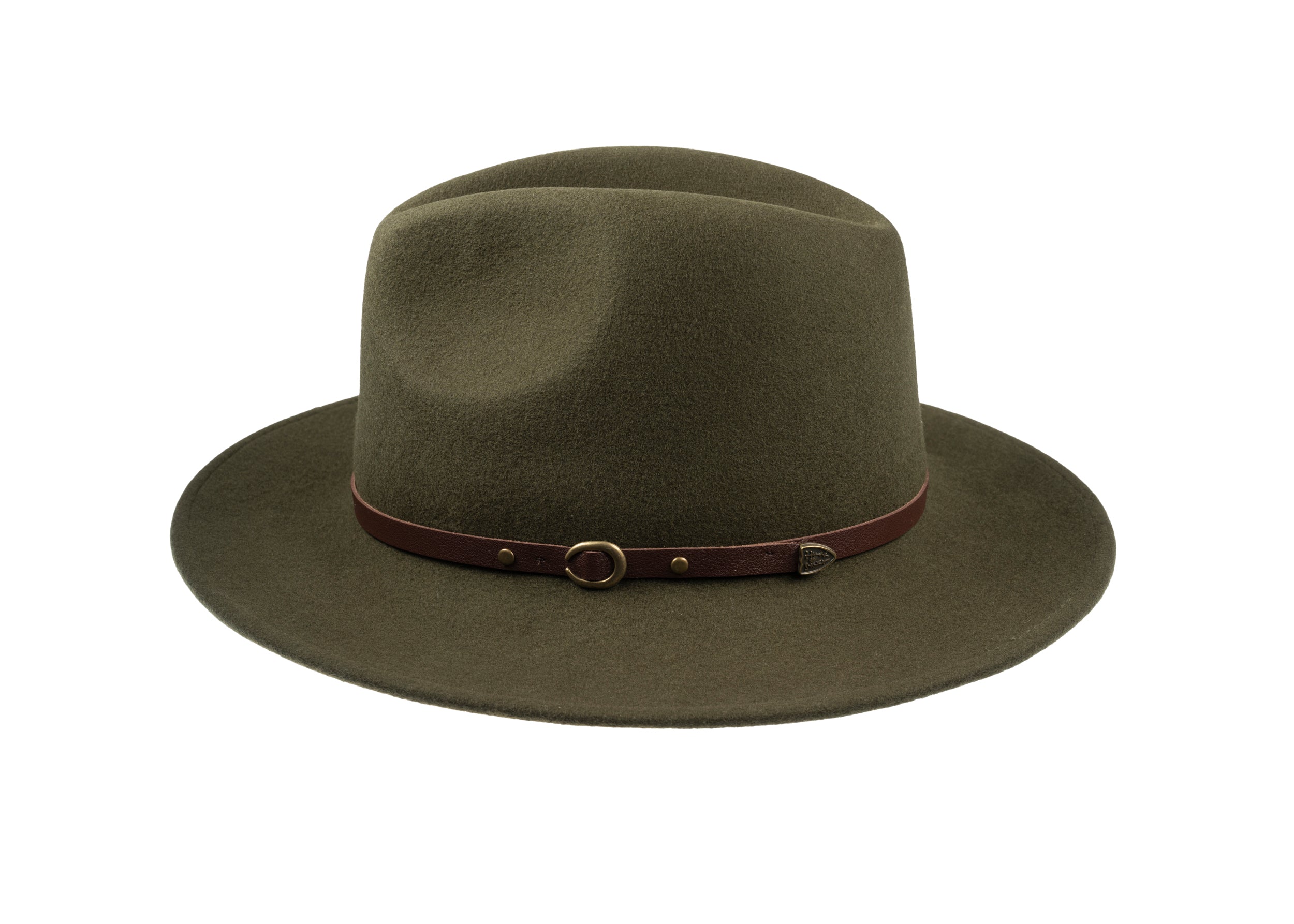





Choosing fabrics often feels like a series of compromises: breathability, drape, and longevity seldom coincide. Small choices of fibre, yarn, and weave shape whether a garment performs on the hottest day or shows wear after a single season.
This post sets out five practical principles for material and structure decisions: define the use case; select fibres by provenance and performance; optimise yarn construction; refine the weave; and specify finishes and care. Apply these principles to translate design intent into measurable choices about breathability, drape, and durability.

1. Define the purpose, wearing conditions, and performance priorities
Begin with a one-page brief that frames the precise user scenario and ranks the priorities — breathability, drape, longevity, and ease of care. Treat that ranking as a decision rule: every design choice should be judged against the brief so trade-offs remain explicit and repeatable. Translate the priorities into measurable targets and tests. For breathability, specify air permeability or moisture vapour transmission rates. For surface durability, set Martindale abrasion cycles and a pilling grade target. For fit recovery, define tensile strength and elongation limits. For ease of care, record acceptable dimensional change after wash. Where possible, attach numeric targets so performance can be compared objectively. Provide brief definitions alongside each test so a non‑specialist can interpret results: Martindale cycles measure abrasion until wear becomes visible; pilling grade records the propensity to form surface bobbles; moisture vapour transmission describes how readily vapour passes through the fabric. Request laboratory results, or run small-batch trials, to make the trade-offs tangible before settling the specification. Map fibre attributes to the brief rather than to appearance. Choose long-staple natural fibres when a soft drape and a refined hand matter. Favour engineered synthetics where dimensional stability and rapid drying are priorities. Consider staple length, moisture regain, and fibre cross-section, because these properties directly affect hand, breathability, and tendency to pill. Record the decisions and the rationale so future adjustments follow the same considered rule set.
Begin by aligning yarn construction and finishing with the performance brief. Lower twist and finer counts increase drape and softness; higher twist and tighter constructions improve tensile strength and abrasion resistance. Choose textured or bulked yarns when you need thermal loft without added weight, and specify finishing treatments such as singeing, mercerisation, and compacting deliberately, since these alter surface friction, sheen, and the tendency to pill. Select a weave geometry to match the objectives: plain weaves for stability and durability, twills for softer drape and an ability to conceal wear, satins for a smooth face that will show abrasion more readily, and open weaves or meshes where airflow is essential. Produce small swatches at two densities, subject them to wearer trials and realistic wash cycles, and measure outcomes such as drape, tensile strength, thermal performance, and pilling. Use those results to iterate fibre, yarn, and weave choices so compromises become informed design decisions rather than assumptions.

2. Choose fibres for provenance and performance
Consider fibre type and provenance in relation to the garment's intended use, rather than fashion alone. Long-staple cotton yields smoother, more abrasion-resistant yarns that suit shirts and summer pieces. Fine, low-micron wools from cold-climate flocks offer superior drape and breathable insulation for tailoring and outerwear. Ask for measurable performance data — staple length, fibre fineness, tensile strength, and moisture regain — because each metric predicts a different characteristic: fineness relates to drape, staple length to tensile strength and pilling resistance, and moisture regain to comfort in humid conditions. Assess traceability and processing, and prefer fibres with documented supply chains and independent, third-party oversight. Where possible, request scoured or combed sample yarns to judge handle and dye uptake before committing.
When composing a cloth blend, attend to the role each fibre will play. Absorbent fibres such as wool or cotton buffer moisture and improve comfort; filament or synthetic yarns add abrasion resistance and a discreet sheen; longer staples contribute tensile strength and a smoother handle. Make small swatches in the intended weave and finish them as you would in production so you observe how the blend changes breathability, drape, and early pilling under realistic handling. Carry out a few simple, repeatable tests: launder samples using the methods you expect end users to apply, and measure shrinkage and recovery; rub a damp cloth across the surface to assess colourfastness; stretch a length of yarn or fabric to judge elasticity and recovery; and subject pieces to light wear or repeated rubbing to reveal pilling tendencies. Record measurements, observations, and photographs in a simple log so your provenance and performance choices become a reproducible guide for future runs.

3. Optimise yarn construction and spinning for longevity and handle
Match staple length and fibre preparation to the intended end use. Long-staple fibres, combed or worsted, align the strands to produce a smoother, stronger yarn with better drape and greater resistance to abrasion. Short-staple fibres, carded or prepared woollen, trap air between the fibres, creating loft, a softer hand, and improved breathability. Control twist level and direction: higher twist increases tensile strength and reduces hairiness, while lower twist preserves loft and an open structure that aids moisture vapour transfer. Use plied yarns to balance torque and reduce skew in both woven and knitted goods. Finally, choose between filament and staple fibres and the spinning system to tune sheen and surface openness: compact or ring-spun yarns provide evenness and strength, whereas air-textured and staple constructions contribute surface texture and encourage evaporative cooling.
Yarn construction, such as core-spun, air-entangled, slub, or boucle, alters bulk, surface area, and the way air becomes trapped in the cloth. Those changes affect thermal behaviour and drying, so choose constructions according to function. For example, air-entangled yarns work well for lightweight outer layers that need to dry quickly. Require measurable yarn specifications for twist, hairiness, tenacity, and evenness, and ask the mill for short-run, metre-scale swatches in the intended weave or knit. Use a simple comparison protocol: produce the same fabric structure in three yarn variants, then evaluate hand, drape, air permeability, and pilling under realistic handling. Record your observations, share them with the mill, and iterate. This evidence-led process gives you data you can act on and reduces guesswork when balancing breathability, drape, and longevity.

4. Adjust weave density to balance breathability, drape, and durability
Weave structure determines a fabric's behaviour in predictable ways. Plain weave gives dimensional stability and high abrasion resistance, but it limits drape and air permeability. Twill introduces diagonal floats that improve drape and help camouflage soil while retaining strength. Satin lengthens the floats to produce a smooth, fluid hand, at the cost of abrasion resistance and breathability. Open constructions such as basket, leno, and gauze intentionally leave the cloth porous to maximise airflow. Match these behaviours to occasion: plain weaves suit sturdy trousers and outerwear, twills work well for everyday shirts and casual suiting, satins best serve evening wear where drape and sheen matter, and open weaves belong to warm weather shirts. Use these links between structure and use to set initial performance targets before fine tuning yarn, finish, and construction.
To tune a woven cloth for abrasion resistance, drape, and air permeability, adjust four principal variables: ends per inch (EPI), picks per inch (PPI), float length, and yarn count. Raising EPI and PPI closes the cloth and reduces air permeability. Lengthening floats increases drape and surface sheen. Using finer yarn counts narrows the fabric’s pores without appreciably increasing weight, while coarser yarns keep the structure more open and pronounced. Where these goals conflict, use zone-specific solutions rather than a single compromise. Plain-weave reinforcements at stress points preserve durability without closing the whole cloth. Double-cloth constructions allow a breathable inner face to sit beneath a hard-wearing outer layer. Equally important are finish and yarn build: high-twist, compact yarns tighten the fabric and resist abrasion, whereas low-twist, textured yarns trap micro air pockets and increase perceived softness. Treat development as an empirical exercise. Weave a matrix of small samples that vary one parameter at a time, and record the draft, EPI, PPI, yarn count, and finish for each piece. Then measure air permeability, drape, and abrasion in realistic use scenarios. Iterate based on those results until the trade-offs match the intended garment’s performance and character.

5. Specify finishes, lining, and care to maximise longevity
Specify measurable finish criteria and request mill test data for objective comparison: moisture vapour transmission rate, air permeability, water contact angle, abrasion, and pilling. These metrics make it possible to compare treatments on their merits rather than by claim. Bear in mind that many chemical finishes increase repellency by forming a surface film, and in doing so often reduce breathability and the soft hand. Where a surface change is required without a chemical barrier, favour mechanical treatments such as calendaring or singeing. Reserve heavier treatments for genuinely high-stress areas, such as collars, cuffs, hems, and shoulder seams, to preserve overall ventilation and drape.
Choose lining type and placement to balance airflow, drape, and likely wear points. Use lightweight, breathable fabrics through the main body, and denser weaves at abrasion-prone areas; consider partial, detachable, or mesh inserts to retain shape while admitting ventilation. Record lining fibre content, weight, and construction in the specification so performance and care requirements align with the outer fabric. Place repair-forward care and storage guidance on the label and in the garment handbook, clearly stating wash method, temperature range, allowable detergents, ironing settings, reproofing advice, and practical notes on spot-cleaning, rotating wear, and replacing fastenings. Require objective test thresholds, such as Martindale abrasion and pilling ratings, colourfastness, and dimensional stability, and specify reinforced seam types, standardised thread and fastener choices, separable linings, and material labelling to support repair, recycling, and resale.
Balancing breathability, drape, and longevity requires translating design intent into considered, measurable choices across fibre, yarn, and weave. Small swatches, short-run trials, and straightforward tests make those trade-offs visible, allowing designers to choose on evidence rather than intuition.
Begin by defining the intended use, and specify finishes and care. Treat the five headings as a concise checklist: set measurable targets, compare samples side by side, and record the results. Present a brief to the mill with clear, measurable criteria, and let the test data guide subsequent iterations. Include clear care and repair labelling so garments perform as designed, remain serviceable, and are made to last.