





Selecting cloth for country pursuits or city life begins with a single tension: durability versus refinement. How should weave, yarn, and finish be chosen so a fabric withstands hedgerow wear yet retains its elegance beneath a city overcoat?
This post explains how weave and finish determine a fabric's hand, durability, and line; how hair, woollen, and worsted constructions set texture and strength; and how twill, herringbone, plain, and basket weaves, together with finishing processes such as fulling, napping, shearing, calendaring, and dressing, tune performance and appearance. Practical guidance on selecting and caring for fabrics will help you choose materials that deliver country ruggedness or city refinement, and make them last.

How to match weave and finish to hand, durability, and silhouette
Plain, twill, and fine herringbone weaves deliver crisp edges and strong pattern definition, which sit well in a city interior. Open-basket weaves, chunky twill, and handspun slubs, by contrast, create a more forgiving, rustic surface suited to country rooms. To assess a sample, hold a swatch under good light and stretch it gently across your hand: the less the pattern distorts, the better the weave will hold a clean line and resist abrasion over time. For high-traffic areas in formal rooms, prefer flatweave or low, tightly sheared piles. For hard-wearing country rooms, choose medium-to-high piles, looped, or fulled finishes — denser, shorter piles shed less dirt, fulling tightens fibres for resilience, and brushed finishes increase softness at the expense of possible pilling.
Begin by assessing the hand: fold, drape, scrunch, and compress a sample to read suppleness, spring, and recovery. A firm, springy hand, often the result of high yarn twist, typically signals longevity and shape retention. A very soft, airy hand more often reflects surface finishing and will require gentler care. Where objective durability metrics are available, consult them. In store, rely on practical proxies such as yarn twist, warp and weft density, and edge construction to judge likely performance. If the fabric will see frequent use, such as on stairs, in hallways, or on family seating, ask for abrasion figures, for example Martindale or Wyzenbeek rub counts. Match weave to purpose and tailoring: structured weaves support crisp seams, welt piping, and architectural sofas, while loose, textured weaves suit slipcovers, pouffes, and casual layering. For routine care, favour matte, scumbled finishes that tolerate brushing and spot cleaning. Reserve regular airing and professional cleaning for more delicate or heavily finished textiles.
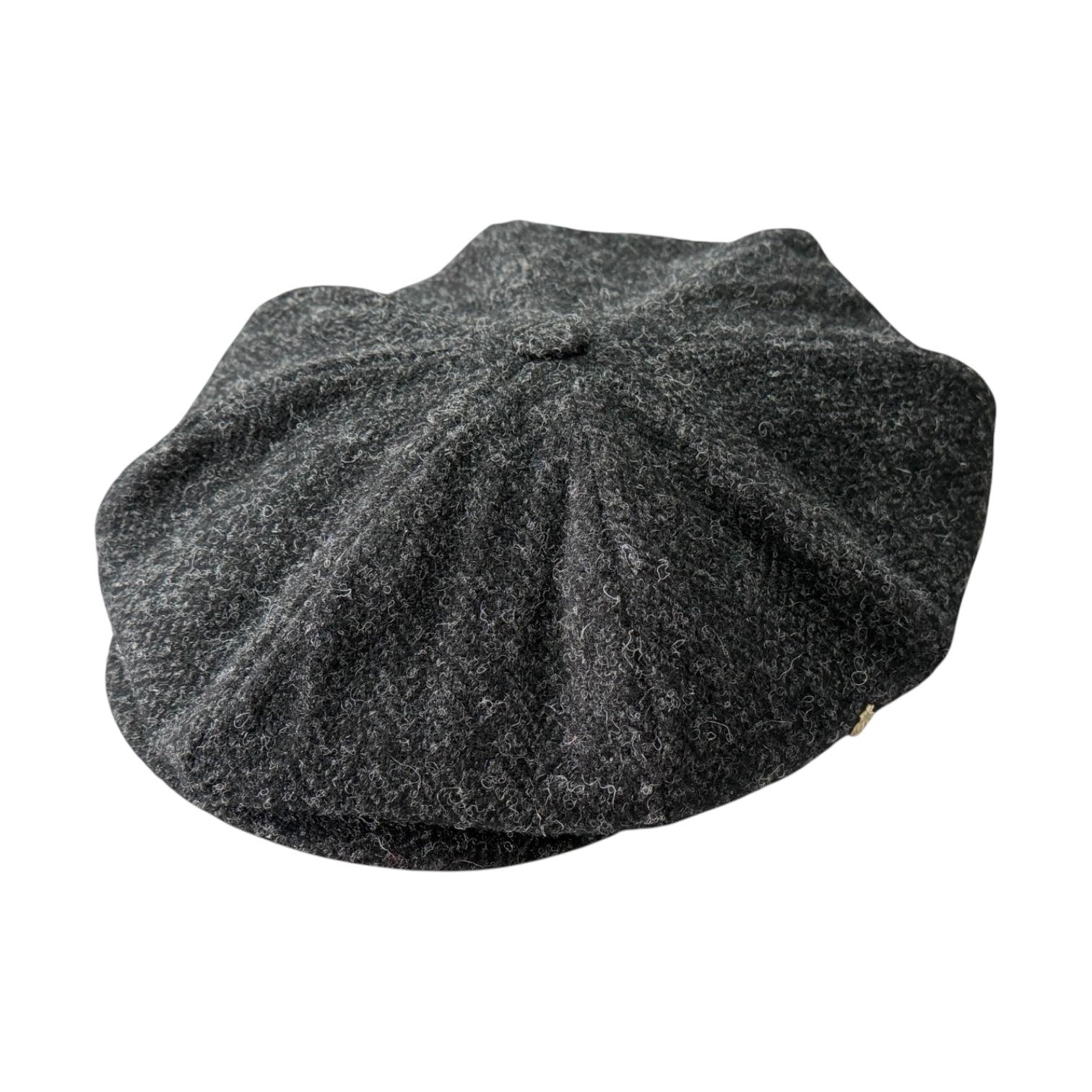
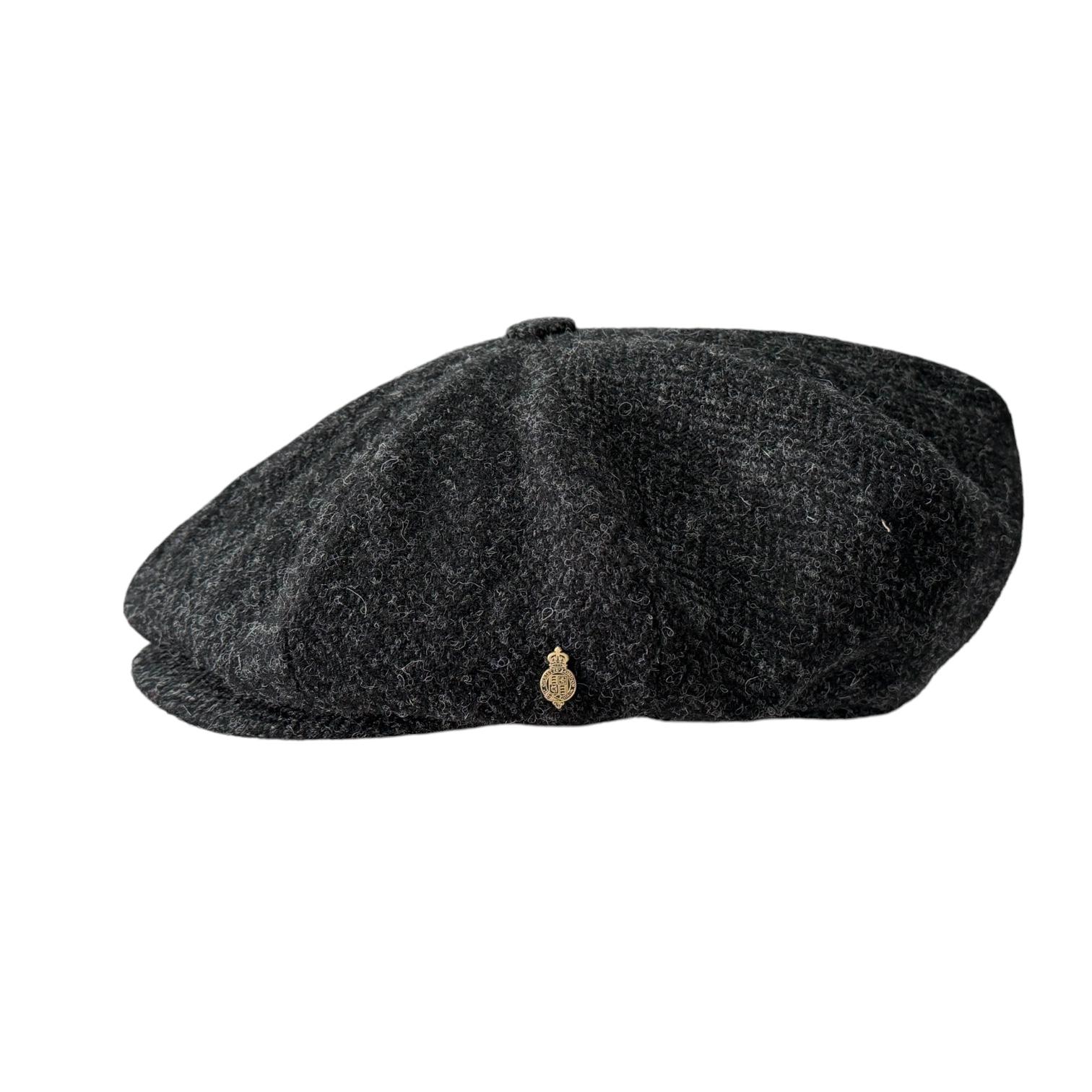
Choose a tightly woven herringbone for crisp, enduring shape.

How to choose hair, woollen, and worsted constructions for texture and strength
Different fibres determine how a textile looks, feels, and wears. Mohair and alpaca bring a subtle sheen, surface resilience, and a slightly springy hand. Woollen-spun yarns trap air and bruise and bloom into a lived-in nap that helps mask soiling. Worsted yarns produce a dense, smooth face with crisp pattern definition and easier soil release. Choose hair or hair blends for hallways that face regular abrasion and benefit from a discreet lustre, woollen yarns for lounges and country rooms that value warmth and texture, and worsted constructions for city spaces that demand neat lines and low-pile maintenance. Weave and pile matter as much as fibre. Plain and basket weaves, chunky loops, and a high shag pile tend to wear by compressing rather than abrading, while tight plain, twill, or herringbone weaves with low cut pile or flatweave keep patterns sharp and edges neat. When evaluating swatches, press the pile and watch how quickly it recovers; a swift rebound indicates the resilience expected in high-traffic positions.
Use finishing to tune a cloth's performance. Fulling compacts the fibres for greater water resistance. Brushing raises a soft nap. Shearing produces a smooth, sculpted surface with a more formal appearance. For practical country wear, request a heavily fulled, brushed cloth; for city refinement, ask for a fine sheared finish; for a balance of halo and clarity, choose a mixed finish. Test durability and care before committing. Examine yarn twist and weave density, rub a damp white cloth to check colourfastness, and flex a swatch to see whether the structure relaxes or pills. Plan maintenance around the construction: worsted plains tend to release dust and respond well to regular vacuuming, woollen piles conceal dirt but benefit from periodic professional cleaning, and hair fibres may shed slightly before stabilising. Always view full-size samples in the room where they will be used. Inspect them in daylight, and in artificial light, and place them beside key furnishings to judge scale, pattern frequency, and how texture reflects light and hides wear. These simple tests reveal much about performance and long-term behaviour.
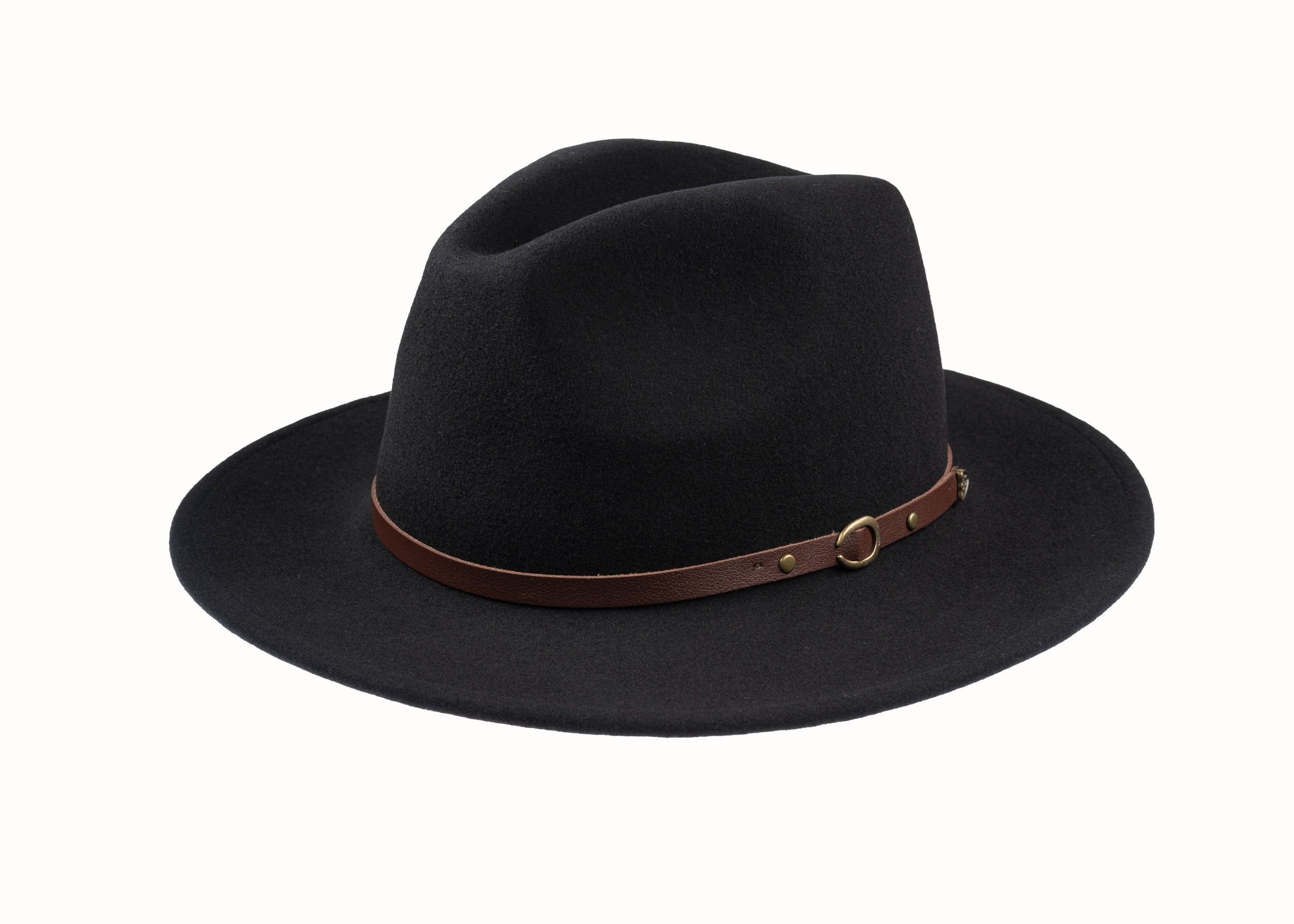
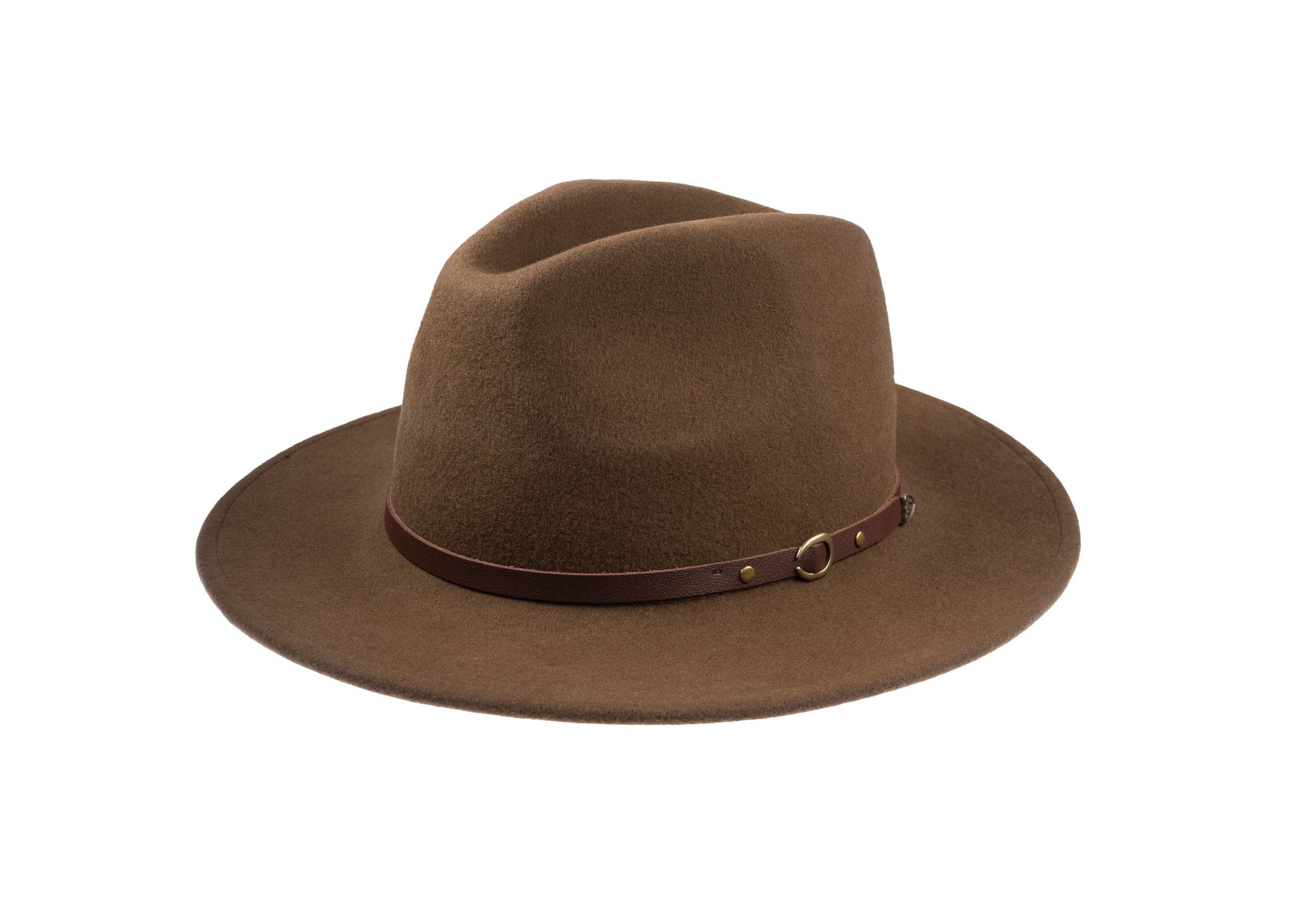
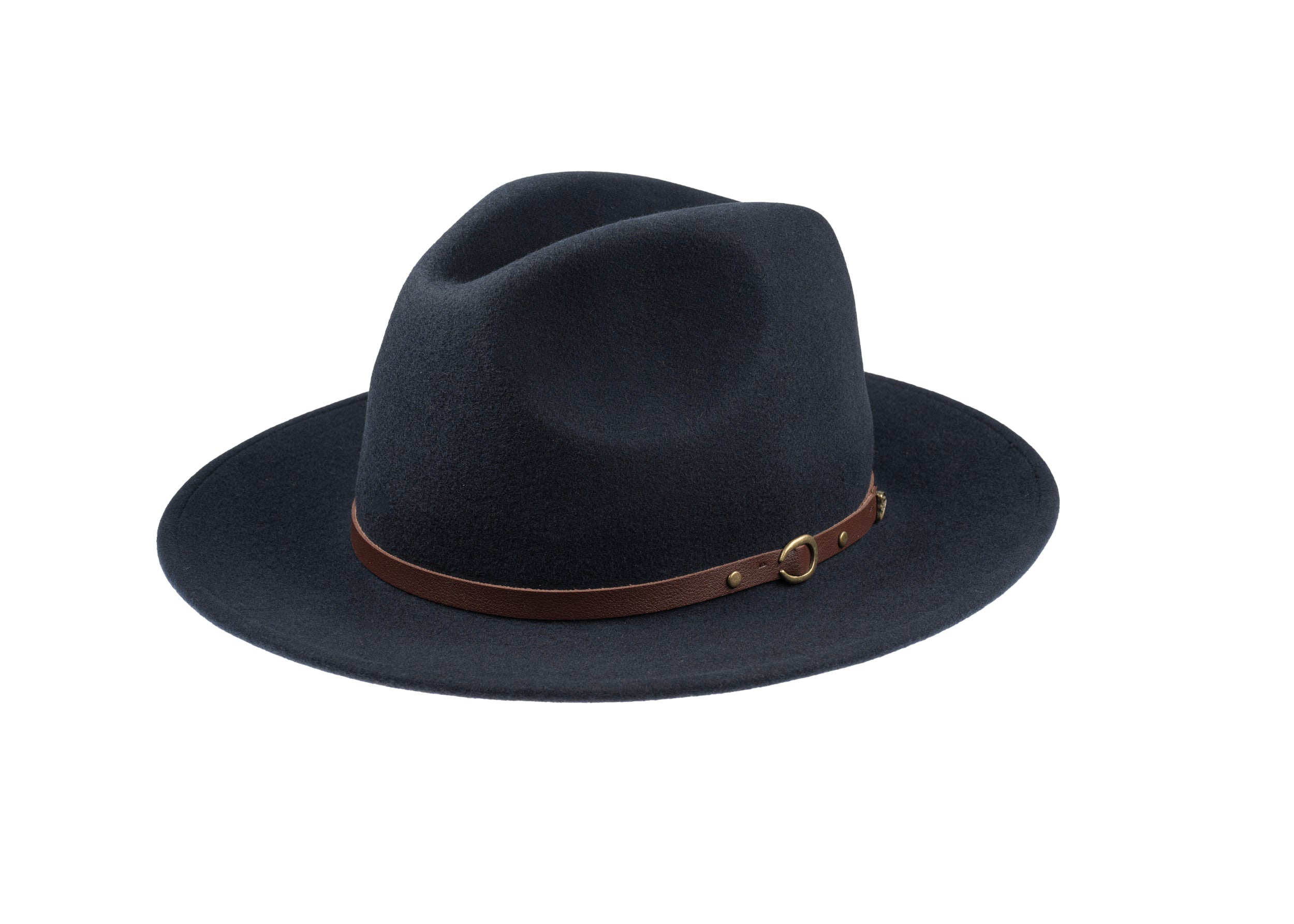
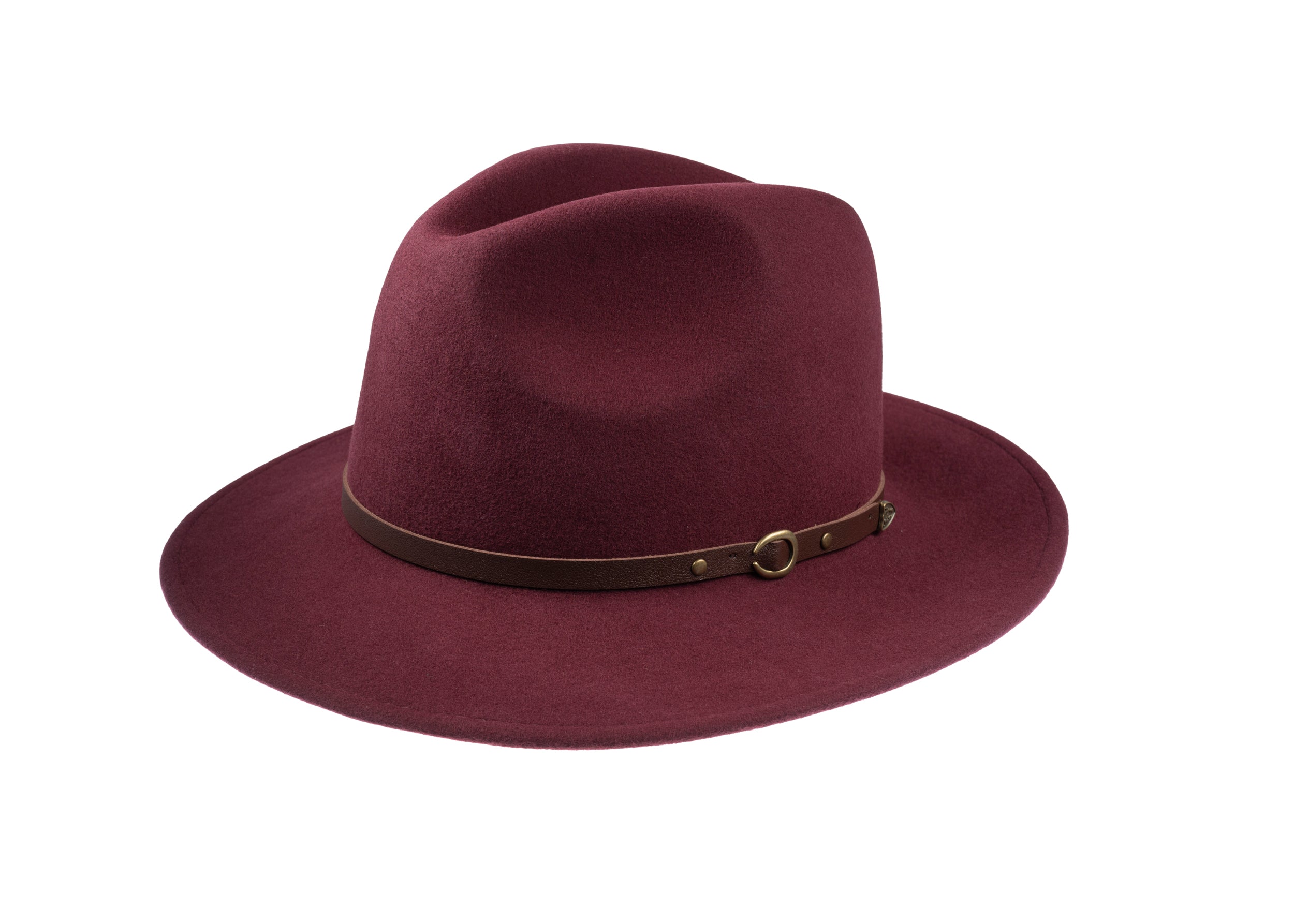
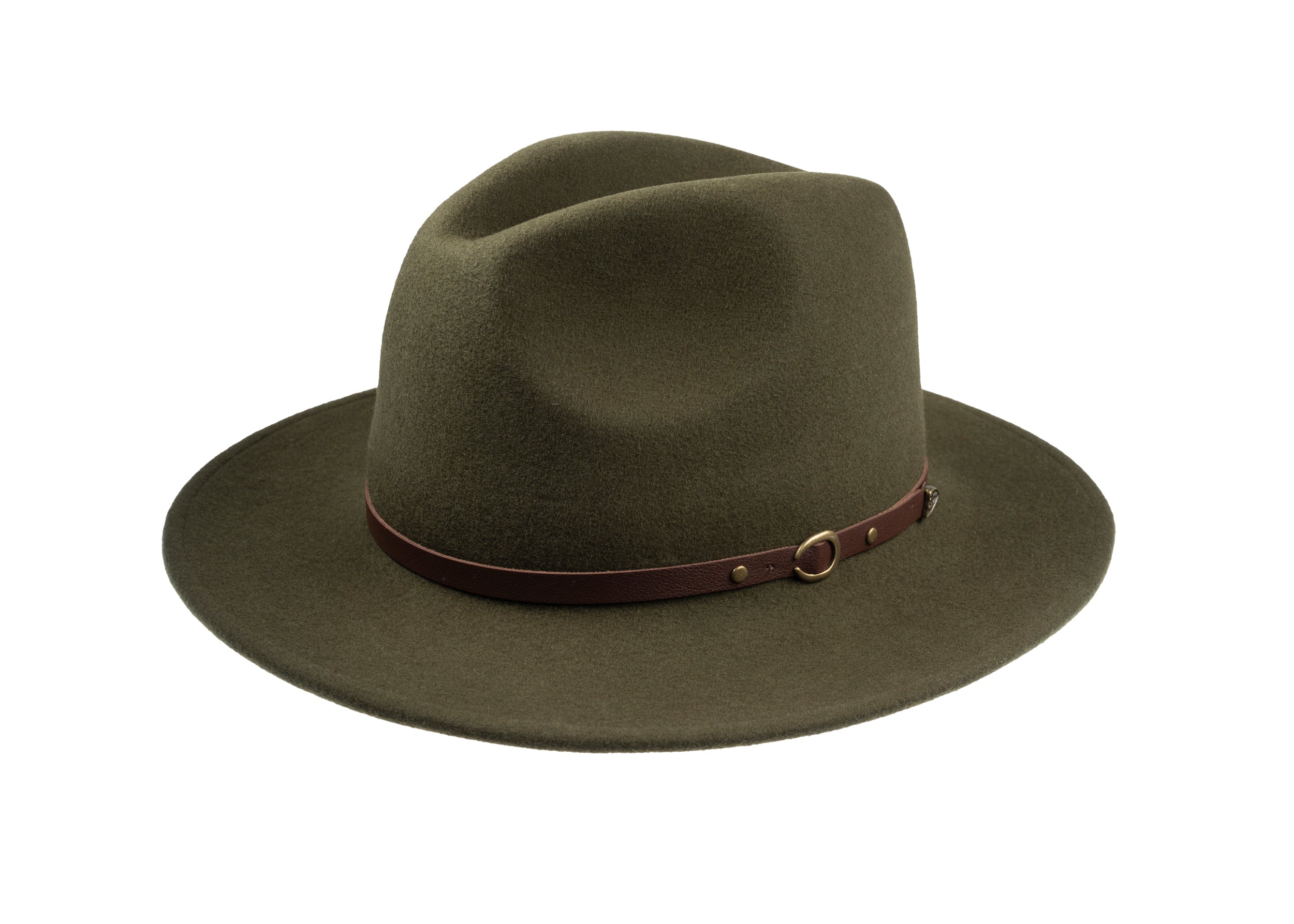
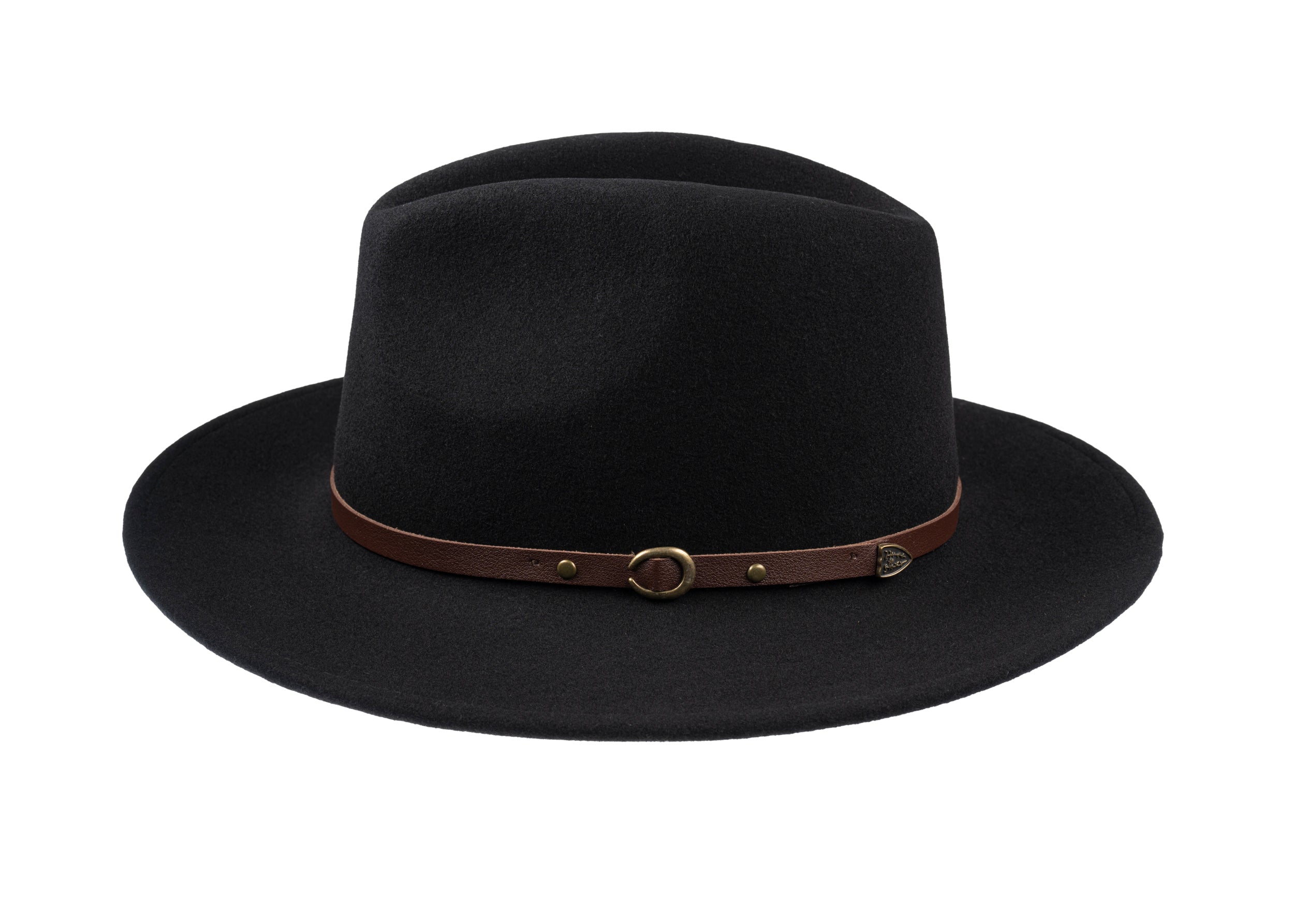
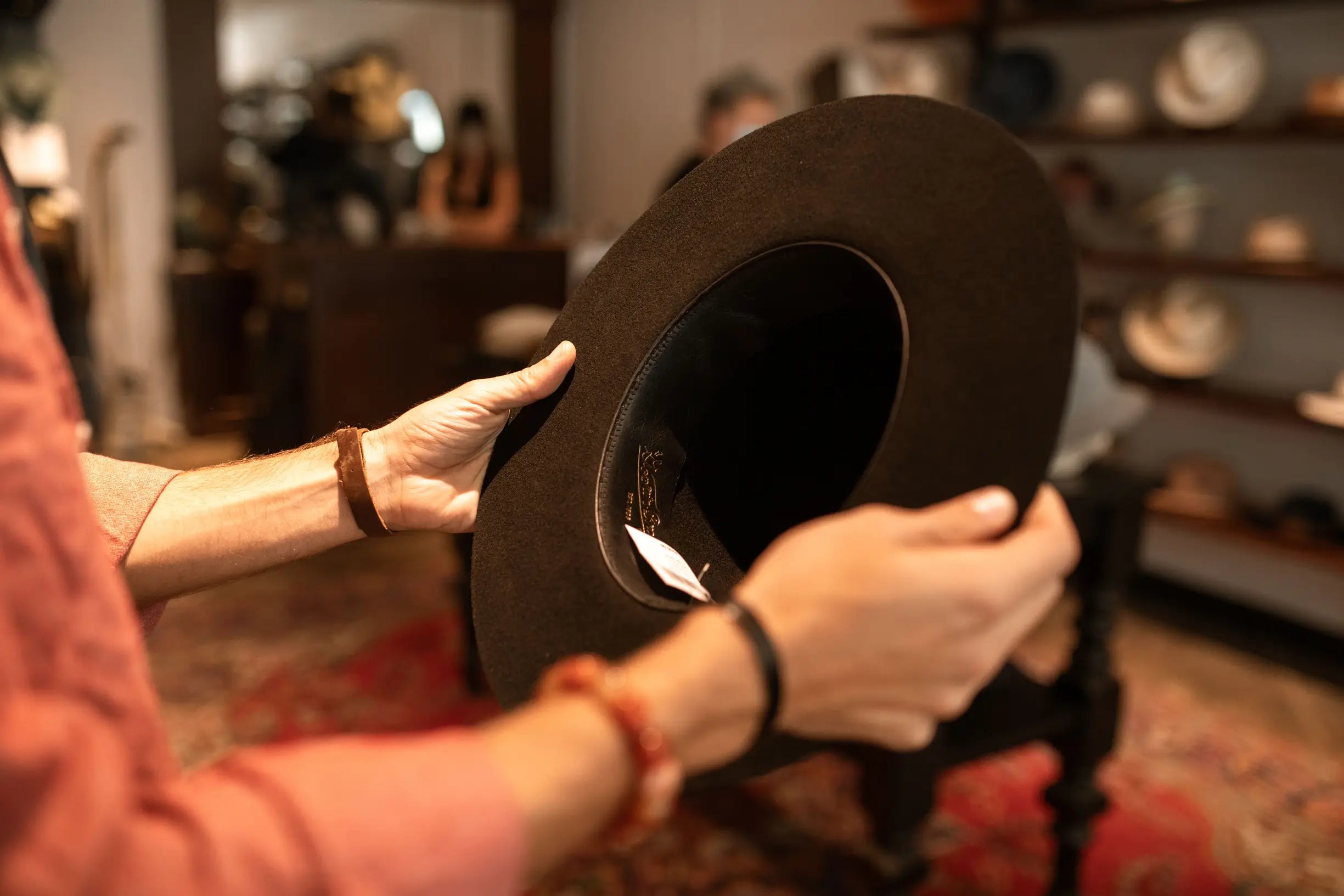
Try hand-finished Merino felt for consistent shape and longevity.

How to tailor fabric performance using twill, herringbone, plain, and basket weaves
Choose the weave to suit the traffic. Twill, with its diagonal ribs, spreads abrasion across the fibres and so suits high-traffic areas. Plain weave gives stability and clarity of pattern. Herringbone helps to disguise directional scuffs, while basket weave offers a chunkier, more breathable surface for relaxed rooms. Rotate rugs and cushions regularly to equalise wear and preserve pile structure. Select finishes according to setting: matte, tightly finished surfaces resist urban soiling and reflected light; coarser, water-tolerant finishes stand up to country mud and boot traffic; and stain-repellent treatments make sense for family entryways.
Judge a fabric's likely performance by its construction rather than by its label. Inspect yarn twist, pick density, and float length: high pick density and short floats resist abrasion, while longer floats and looser interlacements feel softer but demand gentler care. These are the details that reward closer inspection. Request a sample and examine it in hand. Hold the cloth to the light to check openness, and fold it to assess drape and memory. Match care to weave: vacuum on a low setting and do so regularly for plain and twill weaves; use suction-only or a soft brush for herringbone and basket weaves. Avoid steam-cleaning on finishes that rely on surface coatings, and always test colourfastness on a concealed wool edge before wet cleaning. Note that mercerised cotton gains sheen and strength at the expense of stretch. When you present findings, include photographs taken in both natural and artificial light, and, where available, the results of abrasion or rubbing tests. Offer practical recommendations, for example underlays or backing, to extend a piece's useful life without altering its appearance.
Practical checks and specification actions for weave, finish, and care
- Sample inspection: hold the sample to the light to judge openness, fold it to assess drape and memory, feel yarn twist and resilience, and visually check pick density and float length; follow with a brisk rub using a white cloth to reveal abrasion behaviour and any colour transfer.
- Weave-specific care checklist: plain and twill weaves respond to vacuuming low and often for stability and pattern clarity; treat herringbone and basket weaves with suction-only or soft brush heads to protect floats and texture; avoid steam on finishes that rely on surface coatings; test colourfastness on a hidden wool edge before any wet cleaning, and rotate rugs and cushions regularly to equalise wear and preserve pile structure.
- Finish and setting guidance: specify matte, tightly finished surfaces where urban soiling and reflected light are concerns, choose coarser, water-tolerant finishes for country mud and boot traffic, and select stain-repellent treatments for busy entryways; request finish samples and ask for abrasion and water-repellency test results, and consider underlays or backing to extend life without altering appearance.
- Specification and communication actions: record yarn twist, pick density, float length, and finish in the spec, and request photos of samples under natural and artificial light alongside any abrasion or rub-test data; note trade-offs such as mercerised cotton gaining sheen and strength at the expense of stretch so clients can weigh performance against appearance.

How fulling, napping, shearing, calendaring, and dressing shape a cloth's hand and finish
Finishes determine a fabric's hand and performance. Fulling compresses wool fibres, increasing density, warmth, and abrasion resistance. Napping teases out fibre ends to create softness and loft, though it increases the risk of snagging and pilling. Shearing trims the nap to a uniform length, which controls surface smoothness and sheen. Calendaring passes yarns through heated rollers, flattening them to improve drape, reflectivity, and surface definition, at the cost of some breathability. Dressing applies final surface treatments, such as softeners or water repellents, to tune the handle and weather resistance. Match weave and finish to the intended activity. For rugged country use, choose heavier twill, herringbone, or tweed that has been strongly fulled and lightly napped. For refined city wear, opt for worsted or fine flannel with light fulling, careful shearing, and subtle calendaring to preserve drape and a crisp silhouette.
Finishes influence both care and longevity, so plan maintenance around them. Fulled and napped cloths gain warmth and body but attract surface wear; brush them regularly and remove pills with a de-pilling tool. Calendared pieces retain a crisp line but mark under harsh pressing, so favour gentle steaming or professional pressing. If a garment carries a water-repellent treatment, refresh that finish after cleaning to maintain performance. Test a finish before you buy: hold the cloth to the light to judge density, run your fingers along and against the nap to check recovery and even shearing, bend the fabric to feel for hand and spring that betray over-calendaring, and inspect seams and edges for uniform pile, even sheen, and any roller marks. Match fulled, napped cloths to reinforced seams, gussets, and slightly looser cuts that tolerate abrasion and layering. Pair lightly finished fabrics with narrower lapels, sharper shoulder canvases, and unlined or half-lined constructions to exploit drape and breathability. For mixed use, opt for mid-weight finishes and schedule reproofing, brushing, or re-shearing as part of routine care.
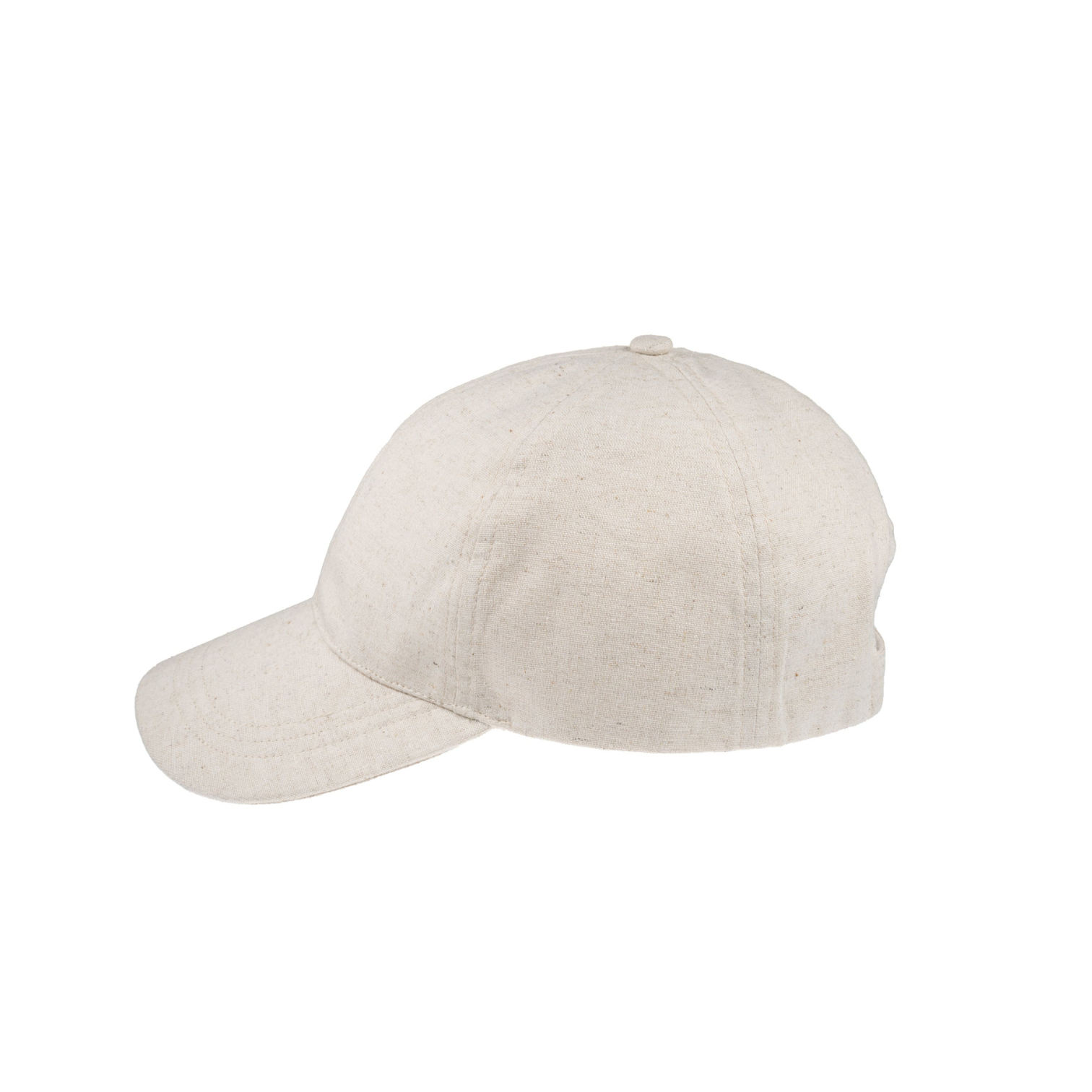
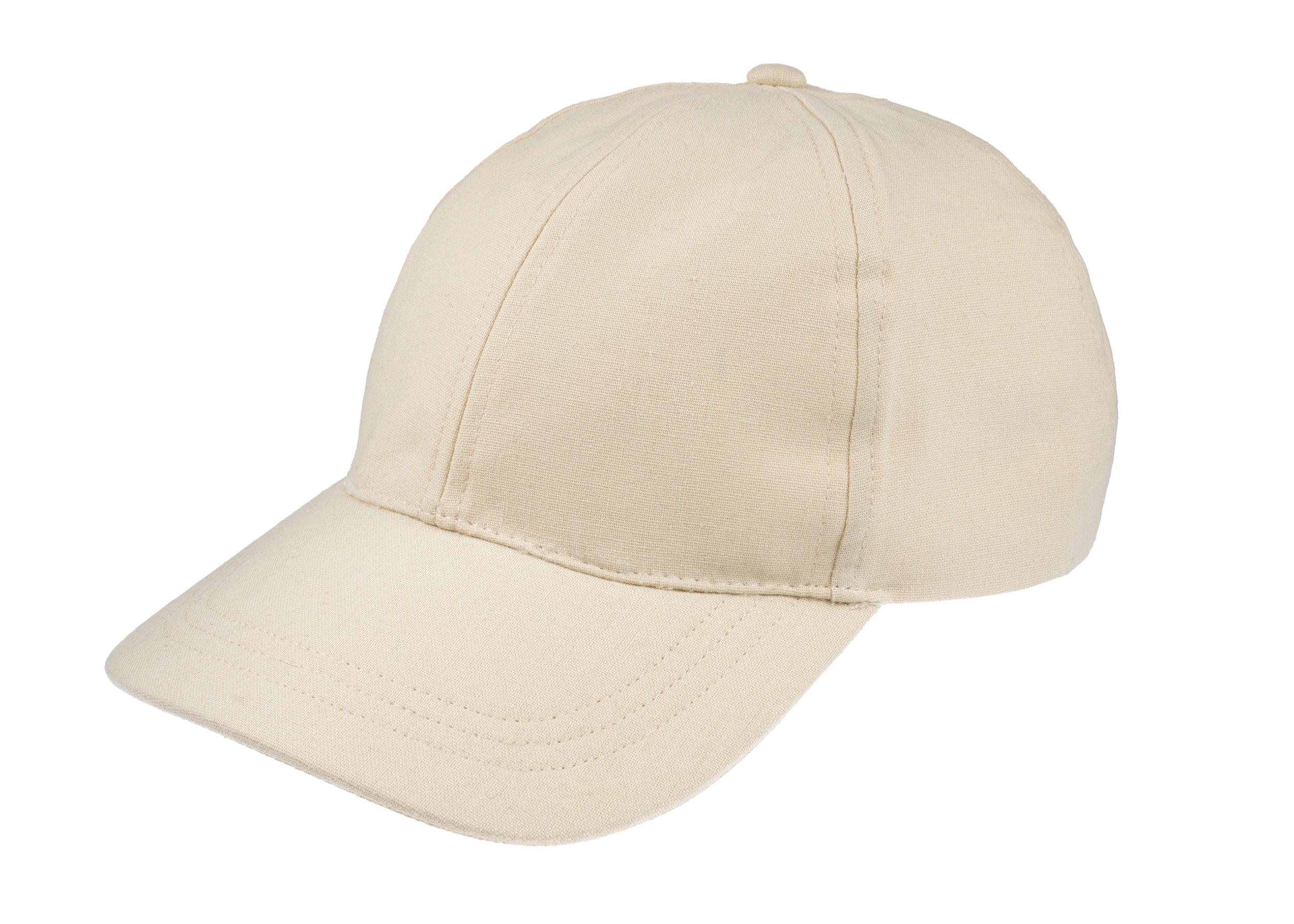
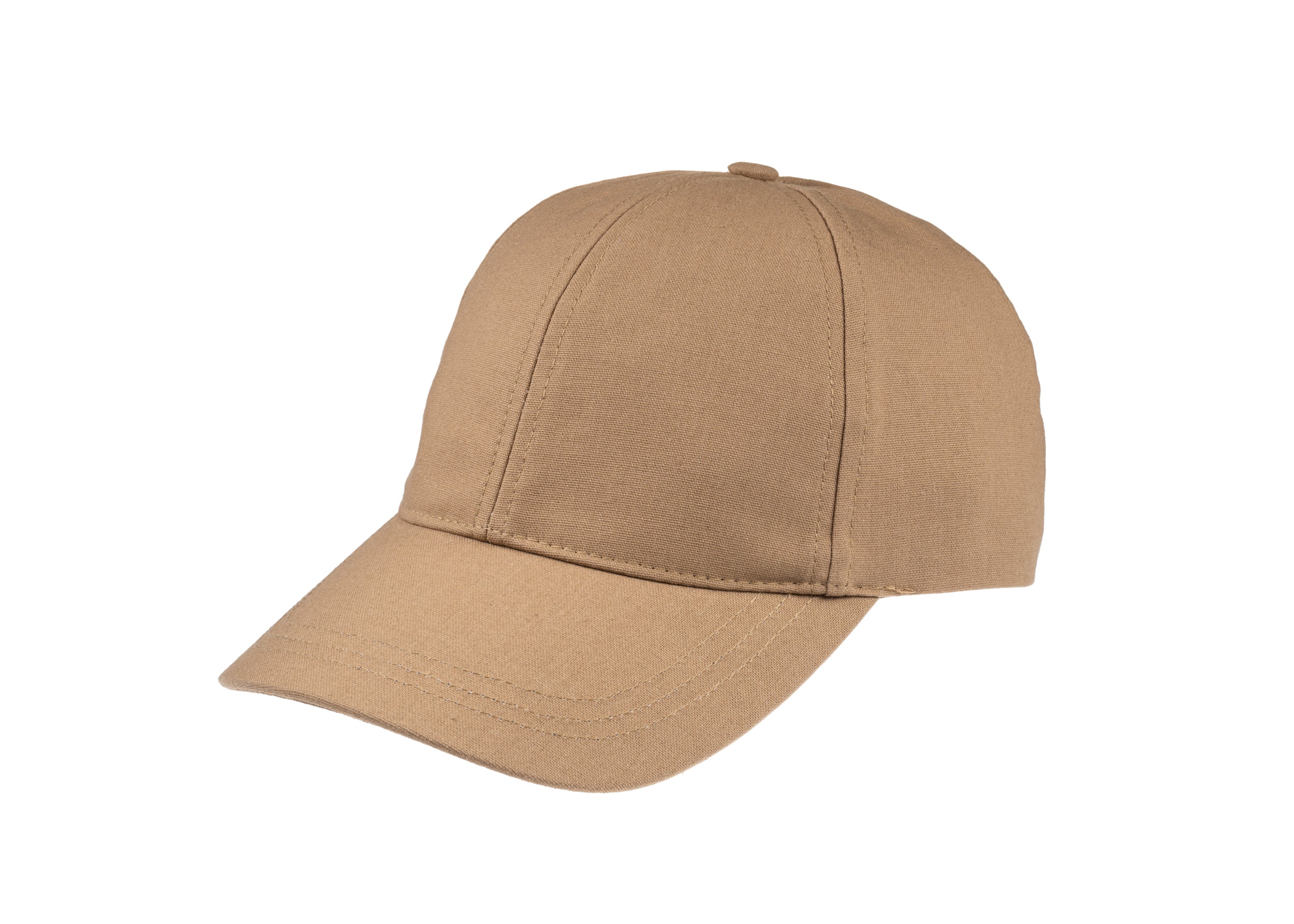
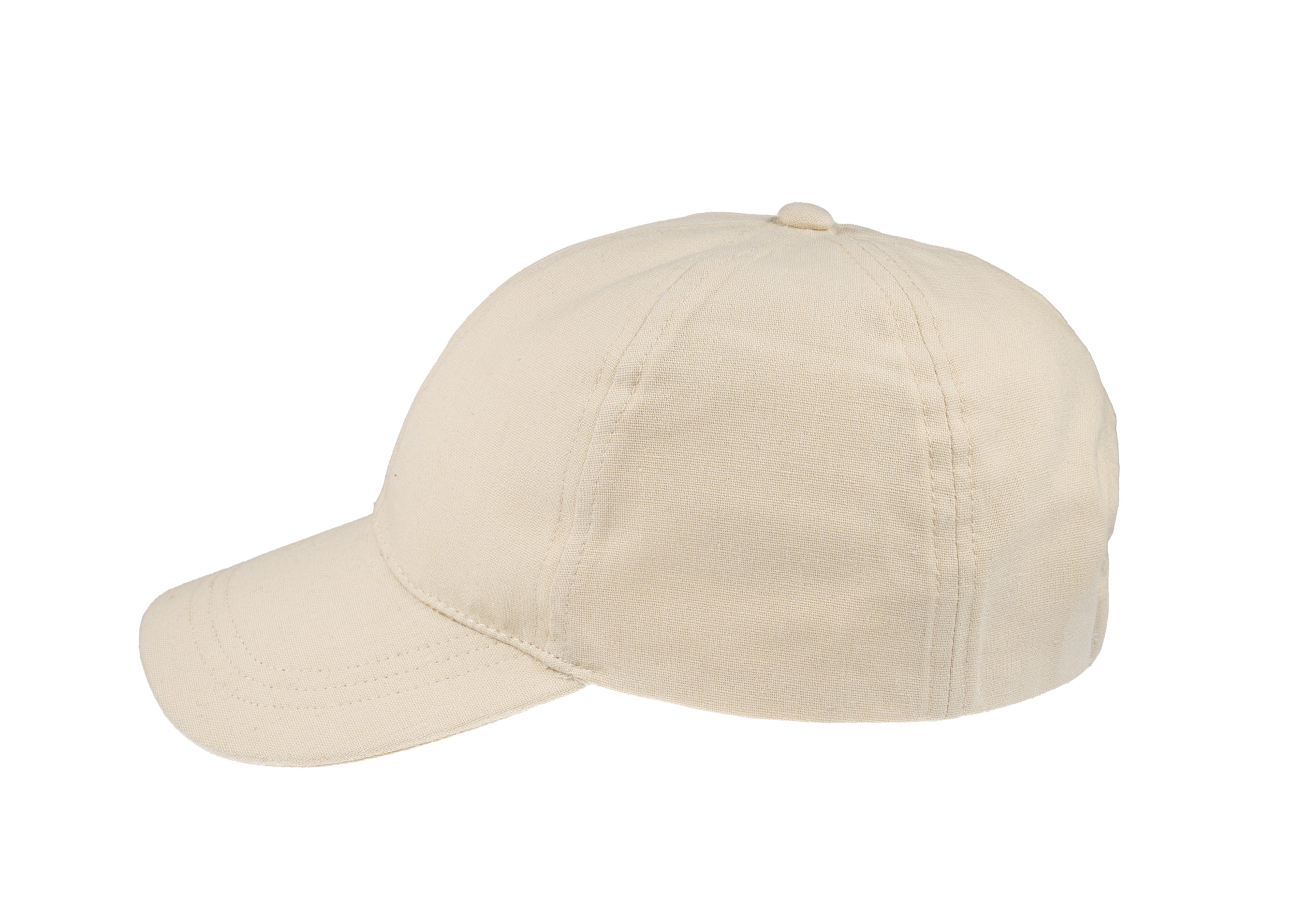
Choose a wool–linen cap for cool, structured summer wear

Choose and care for fabrics that convey rural durability or urban polish
Match yarn and weave to intended use. Tightly twisted, high-density yarns and compact weaves shed abrasion and resist pilling and pile crush in busy urban interiors, because the construction presents fewer loose fibres and locks the pile in place. By contrast, open twills or plain weaves worked with coarser yarns give more visible texture and will dry faster after outdoor use. Select surface finishes according to exposure. Wax or oil treatments, fulling, and water-repellent coatings create a barrier that sheds mud and rain in country settings. Scoured, softened, or mercerised finishes preserve the hand, drape, and colour clarity required for refined rooms. For thresholds and stair runners, choose low pile or flatweave constructions with reinforced backings; for formal rooms, favour short, dense piles with a stable backing to keep a neat appearance under regular foot traffic.
Match maintenance to construction: vacuum with a soft nozzle to remove grit, brush wool with a natural-bristle brush in short, gentle strokes to lift the nap, and blot spills immediately with a mild detergent to limit fibre damage. Reapply wax to waxed cotton when the surface looks dry, and avoid direct domestic heat or harsh solvents on treated finishes, which can strip protective layers. Use pattern and colour strategically: mottled or patterned weaves conceal wear and stains in country rooms, while subtle solids and fine textures read as refined in city interiors. When assessing purchase options, ask for abrasion ratings, fibre provenance, and a description of finishing processes so you can predict long-term behaviour and plan for repair or renewal.
Choose the weave, the yarn, and the finish so durability sits where the fabric will face wear, and refinement remains where lines must be clear. The right construction delivers abrasion resistance, fabric memory, and a clean line. Judge samples in hand and under both natural and artificial light, feeling yarn twist, assessing pick density, and testing pile recovery, all of which predict how a cloth will settle and endure over years.
Work with the practical levers described above: twill, herringbone, plain, and basket weaves, and finishing processes such as fulling, napping, shearing, calendaring, and dressing. These choices determine a fabric's texture, resilience, and sheen, whether for country or city wear. When assessing options, bring full-size samples, ask for abrasion ratings, and align your maintenance plan with the finish so the chosen fabric earns its keep and remains true to the setting.