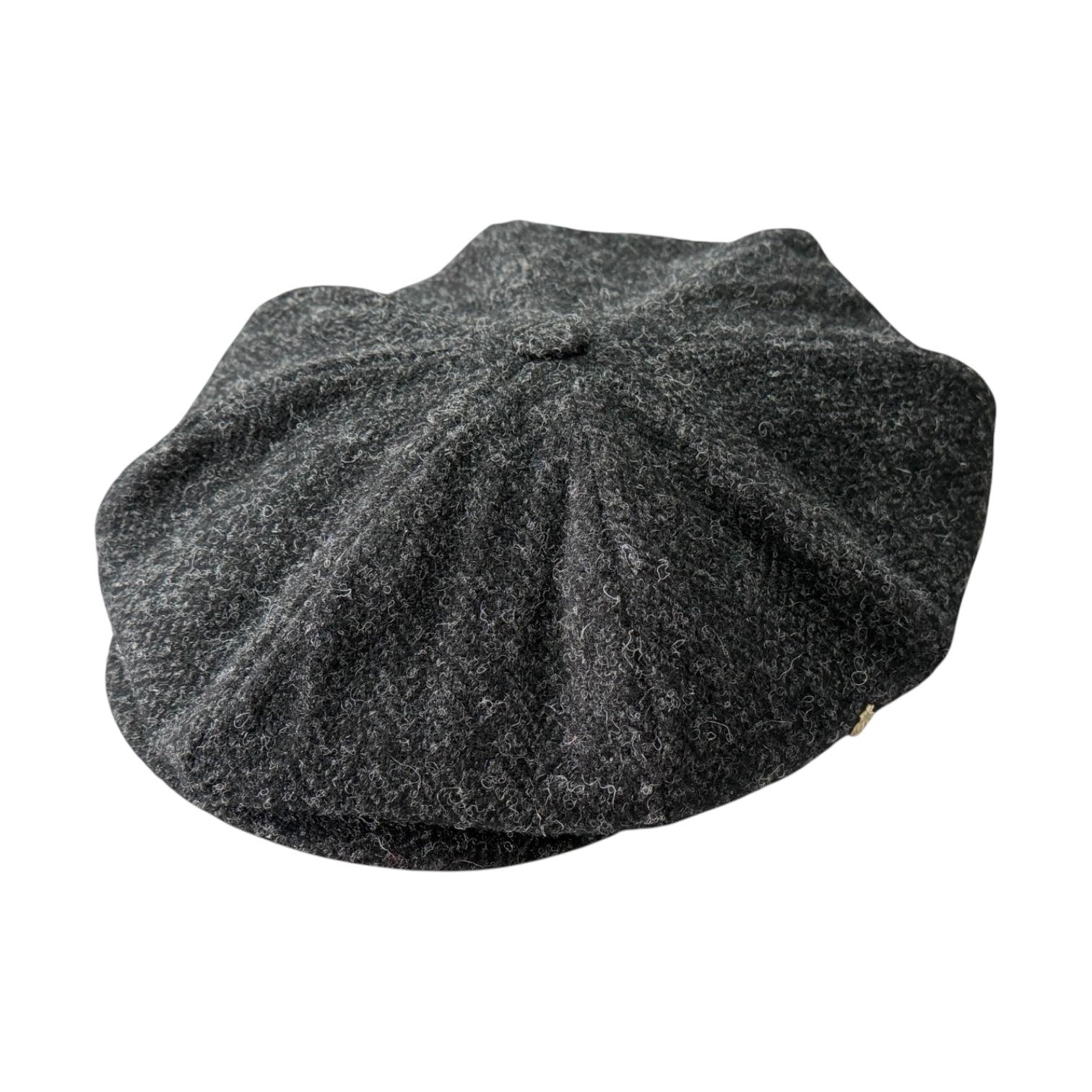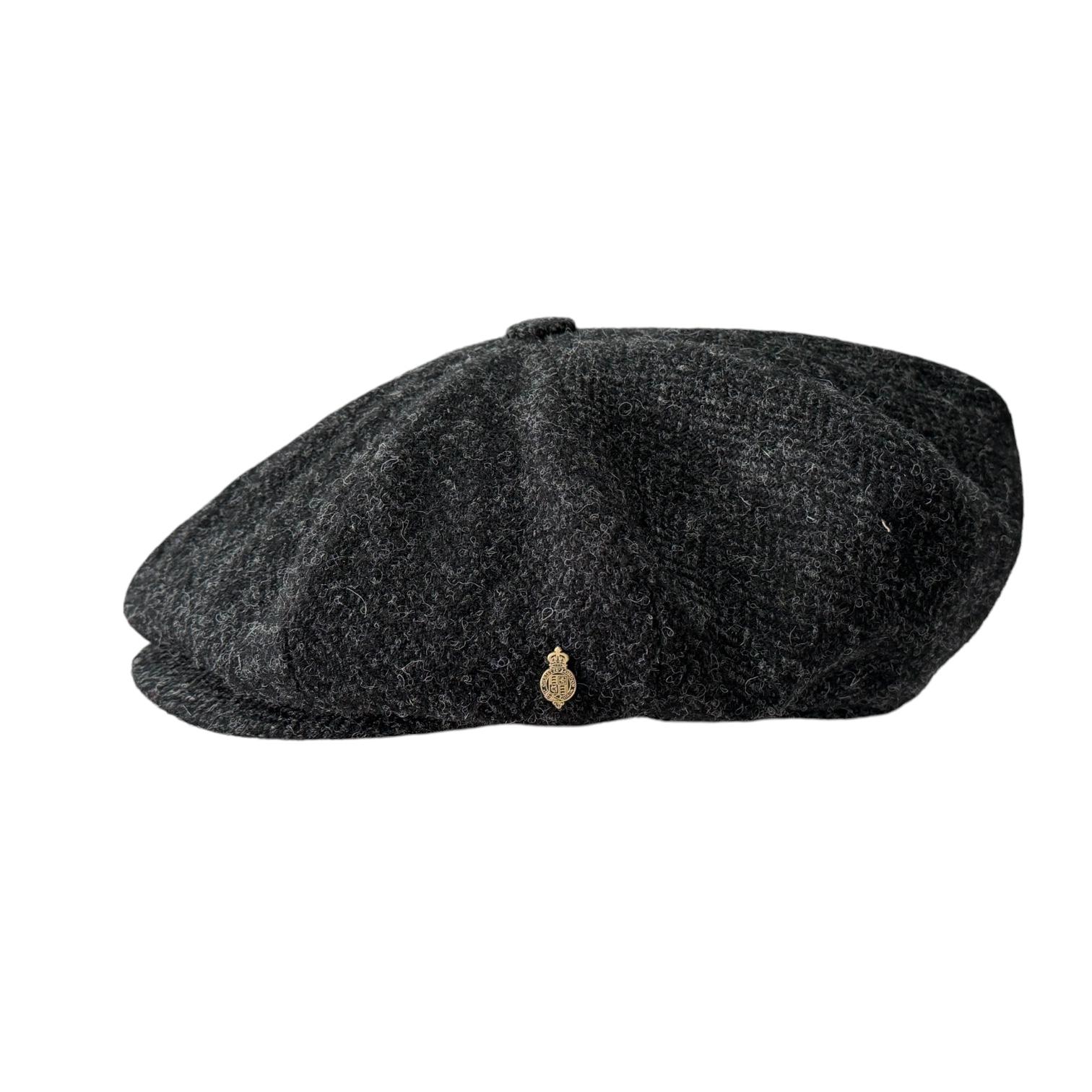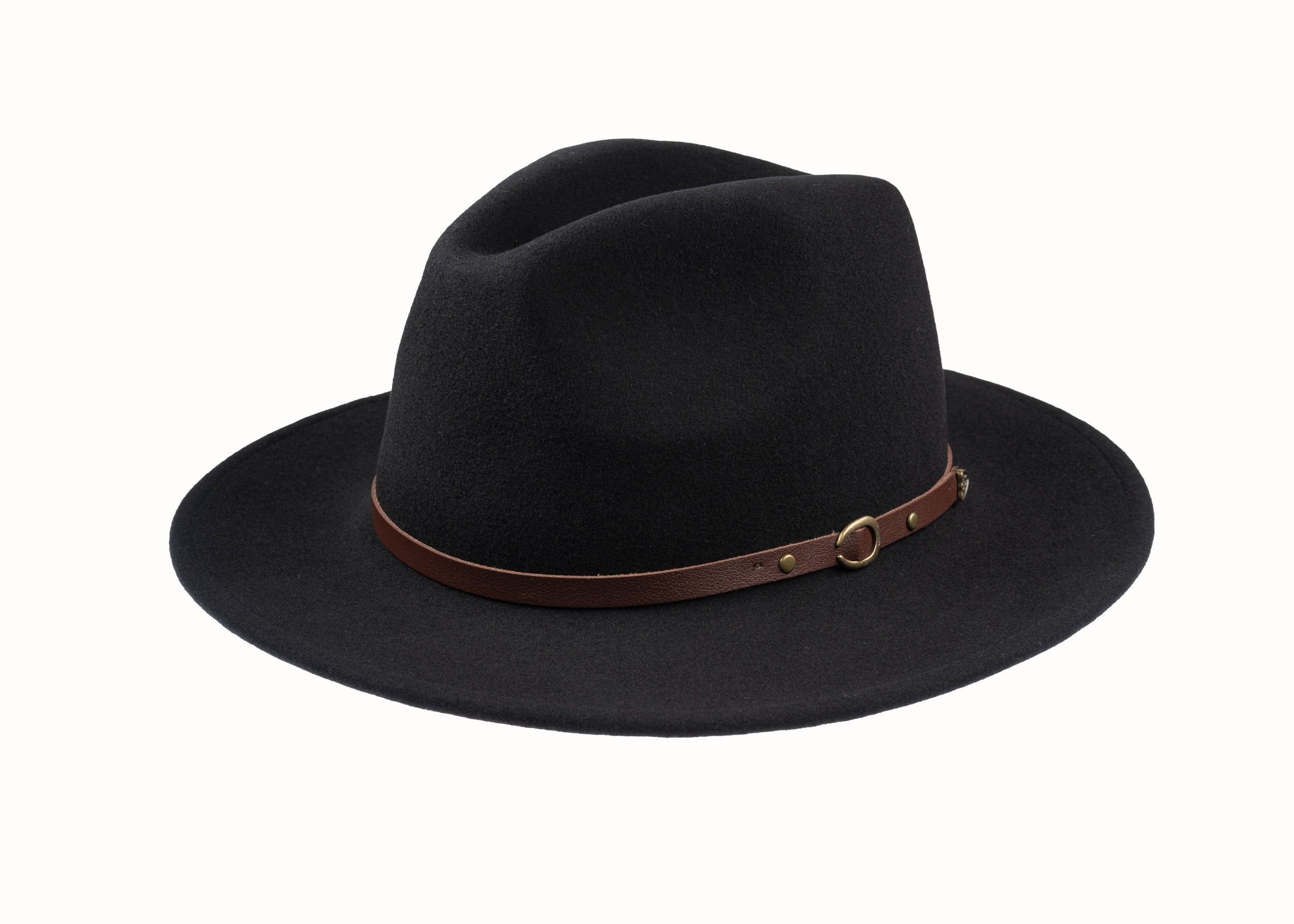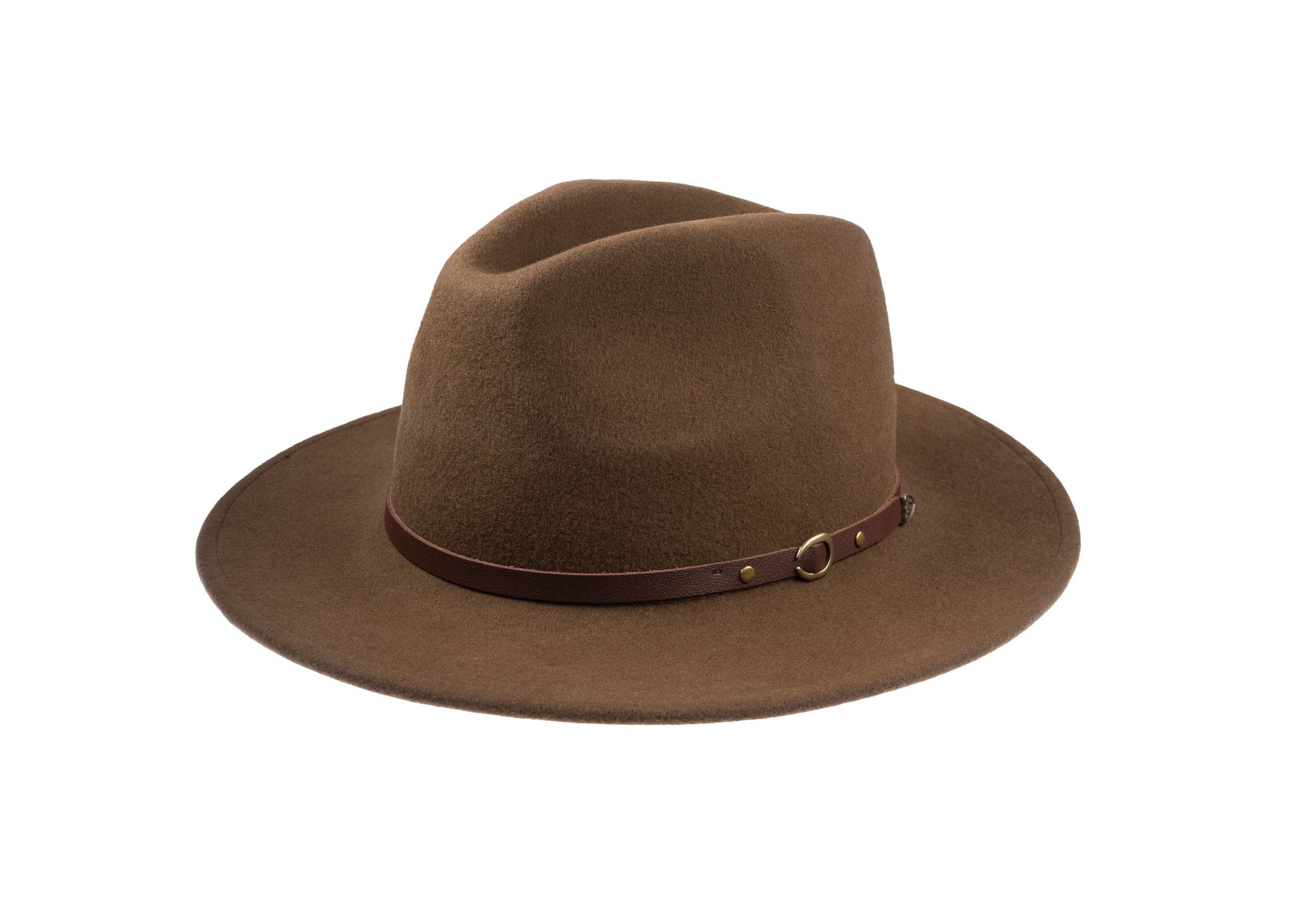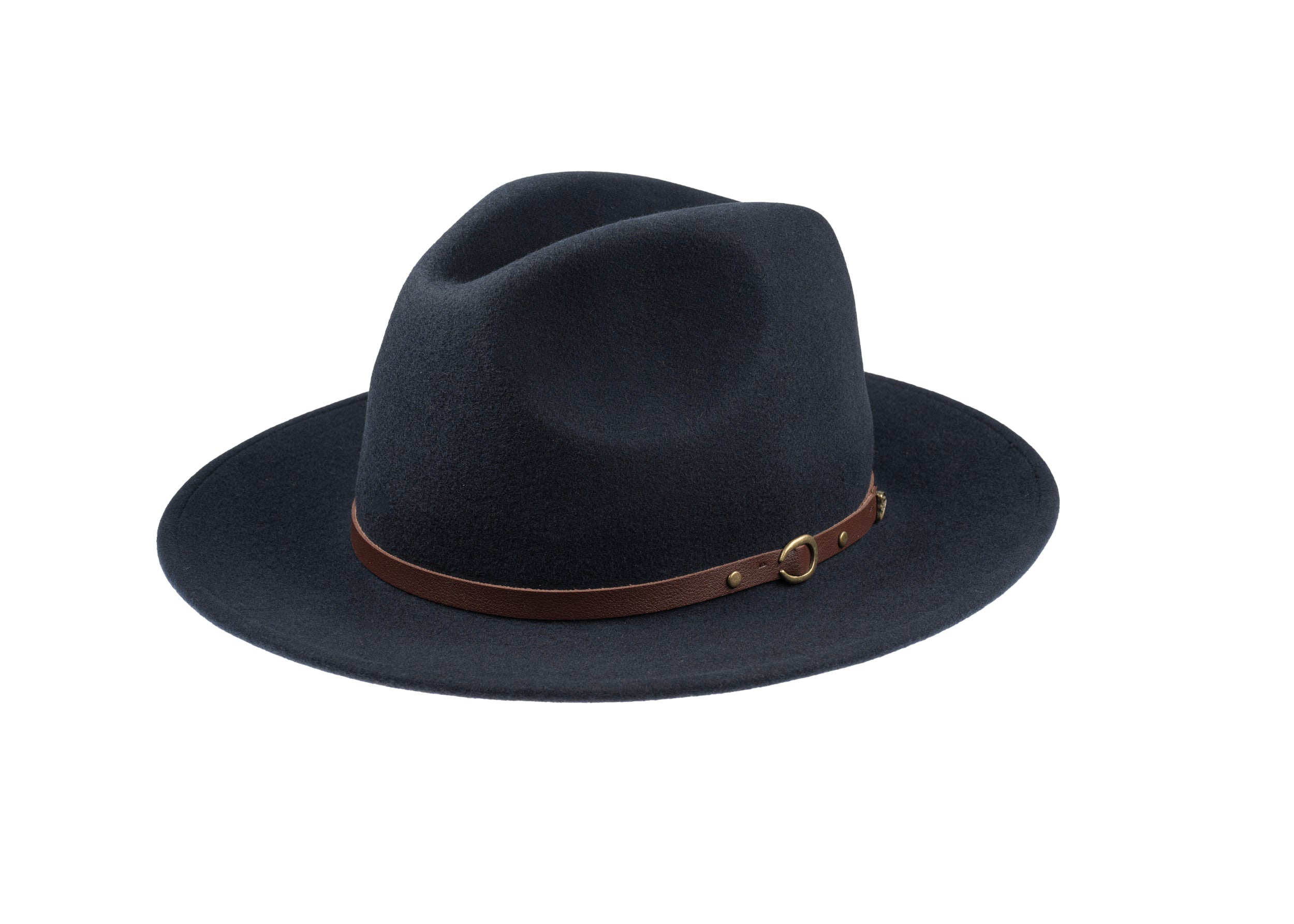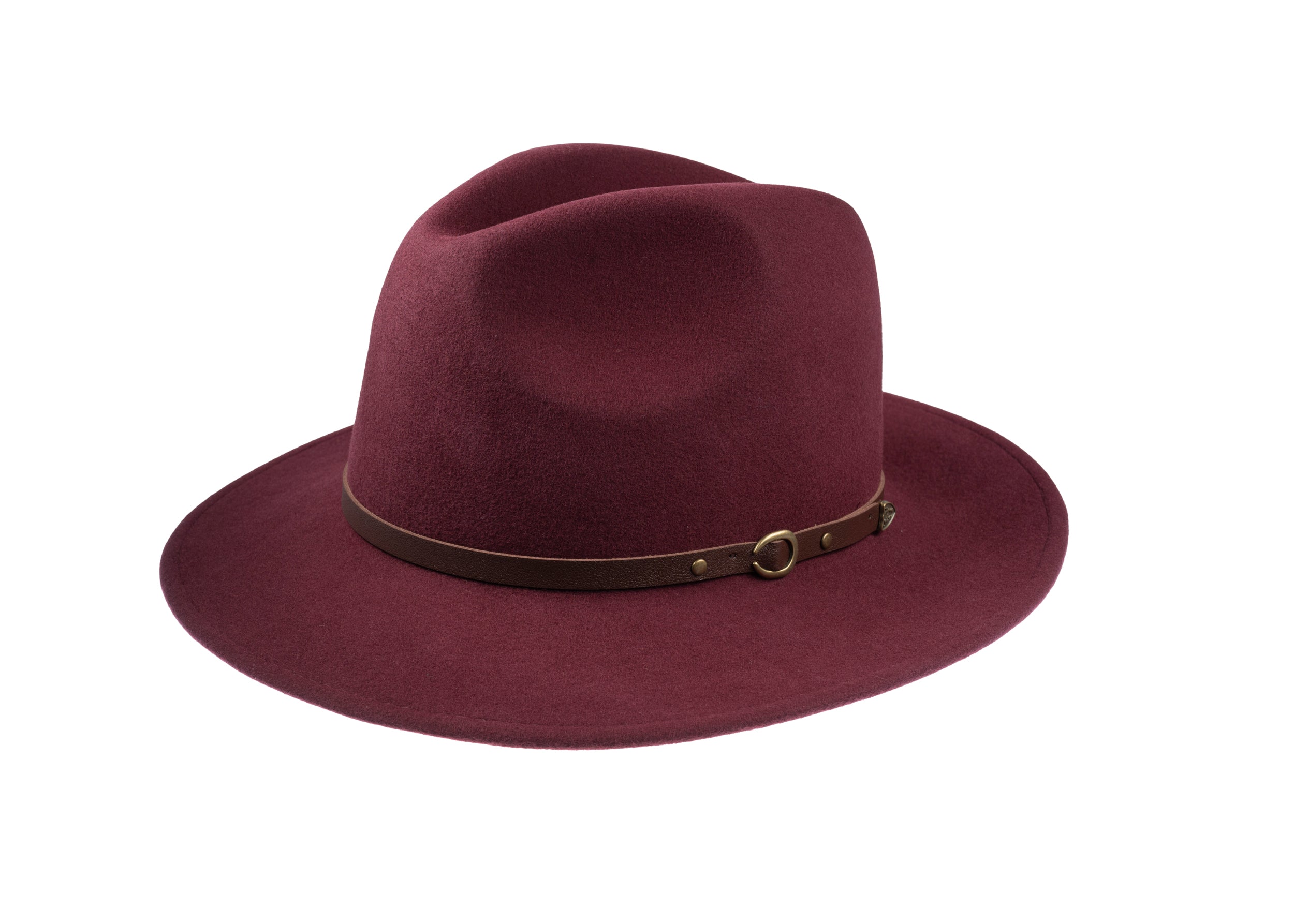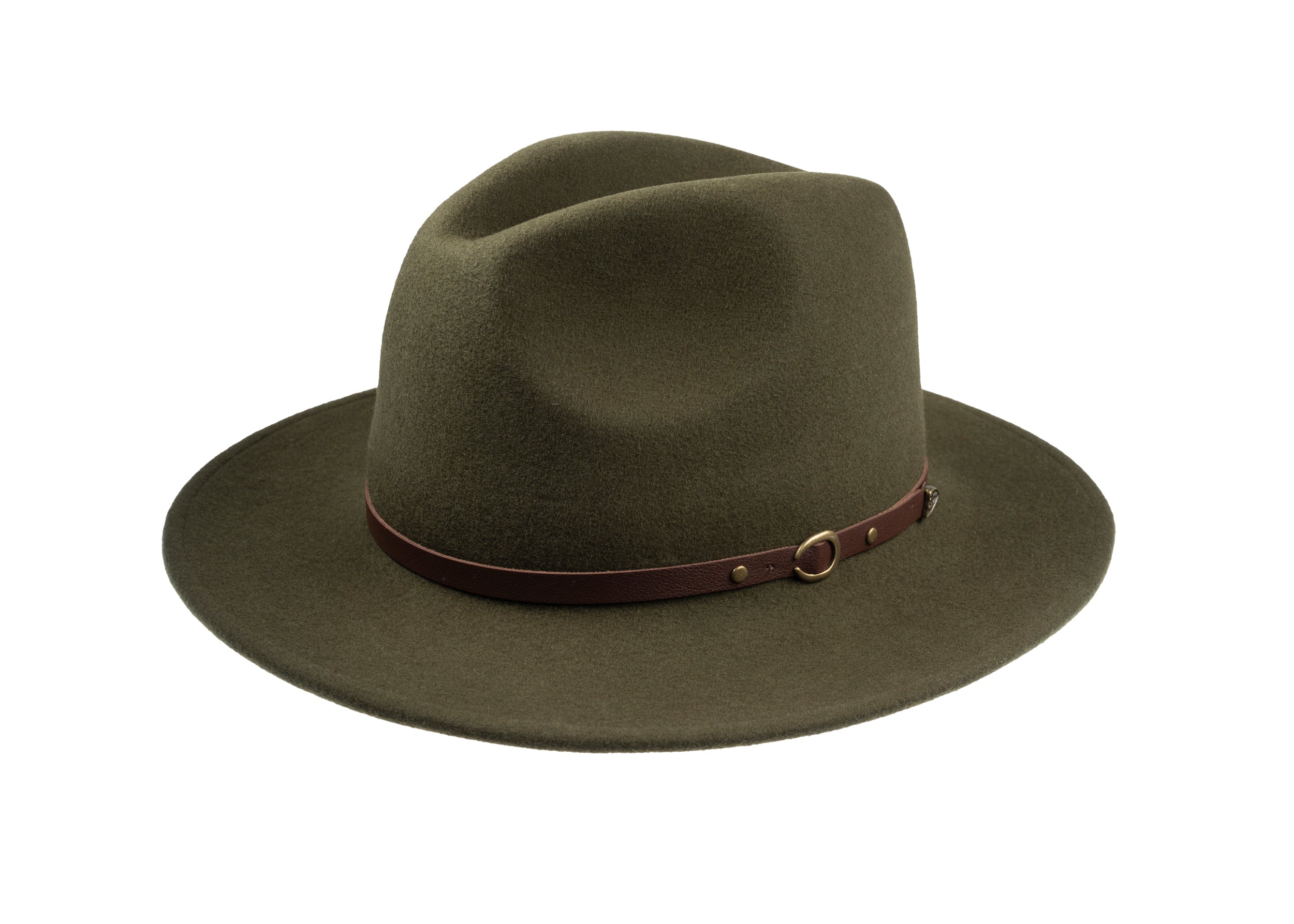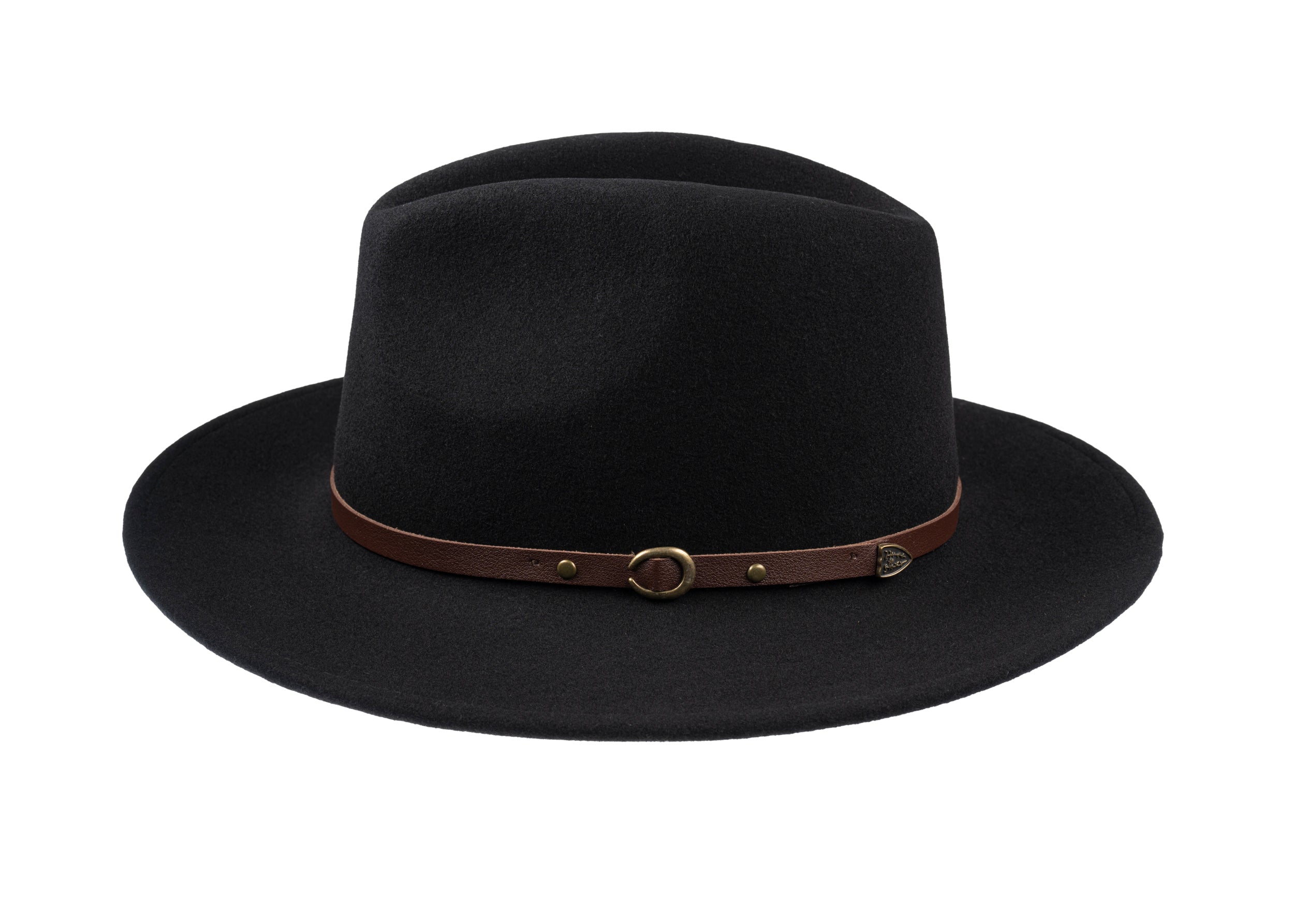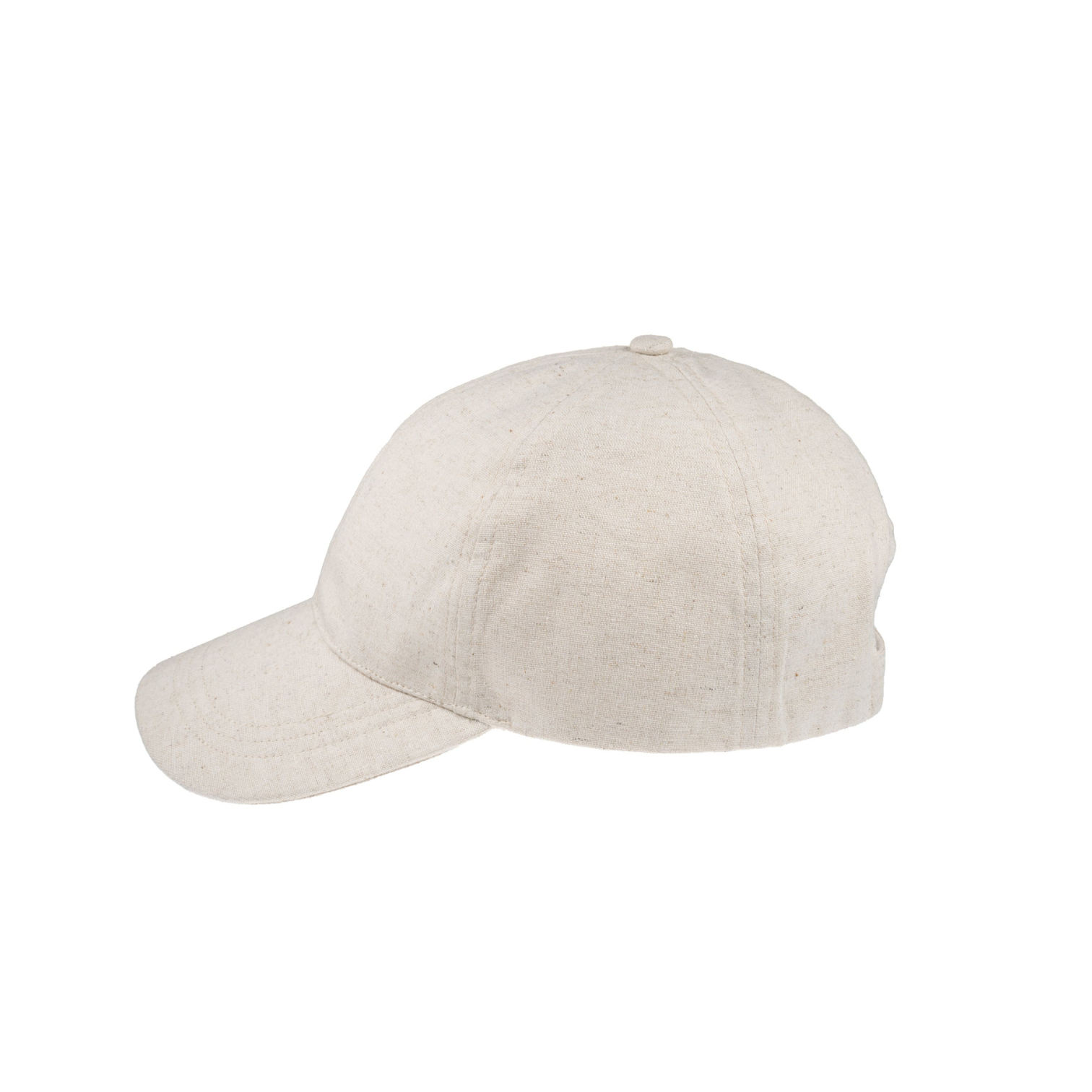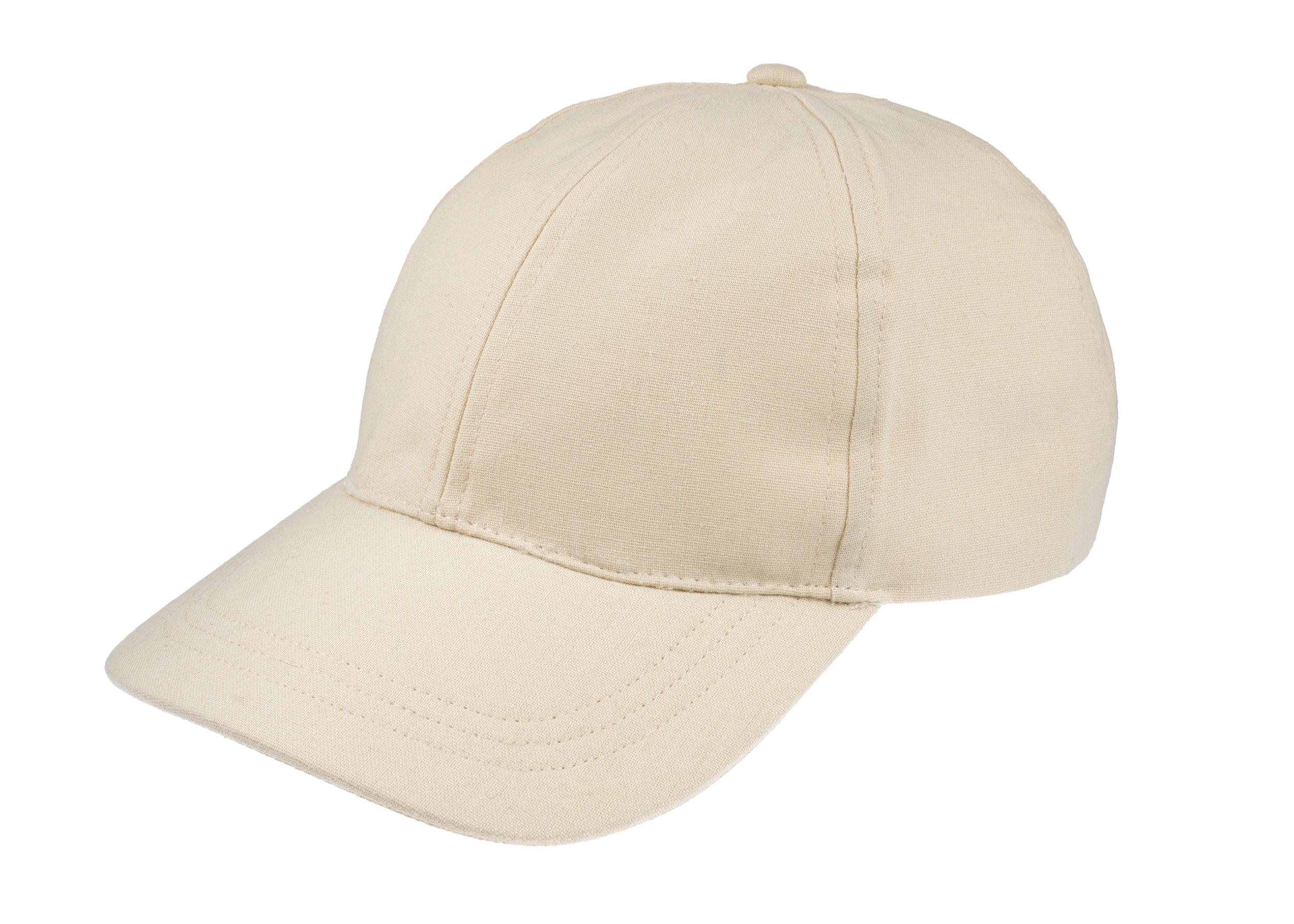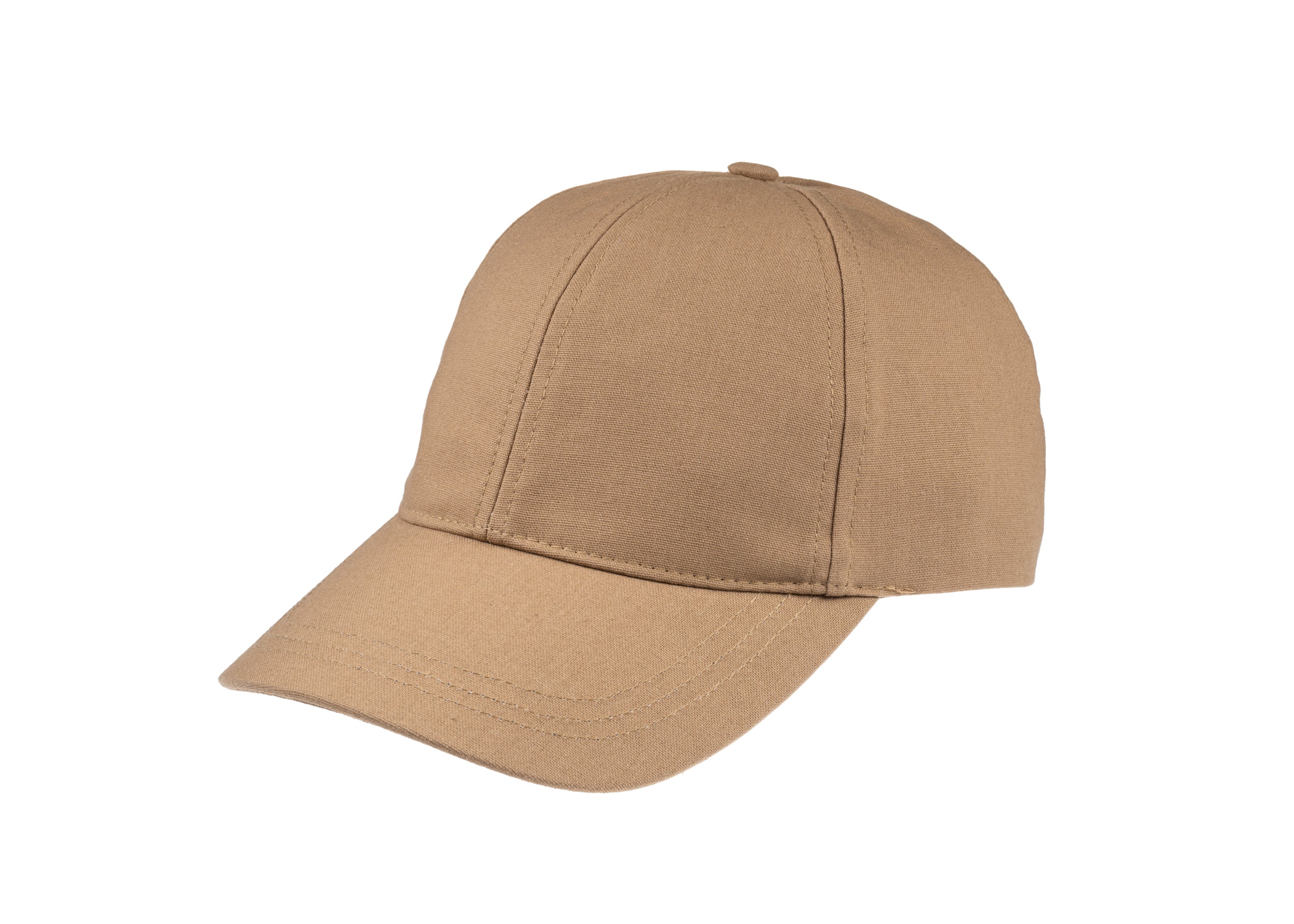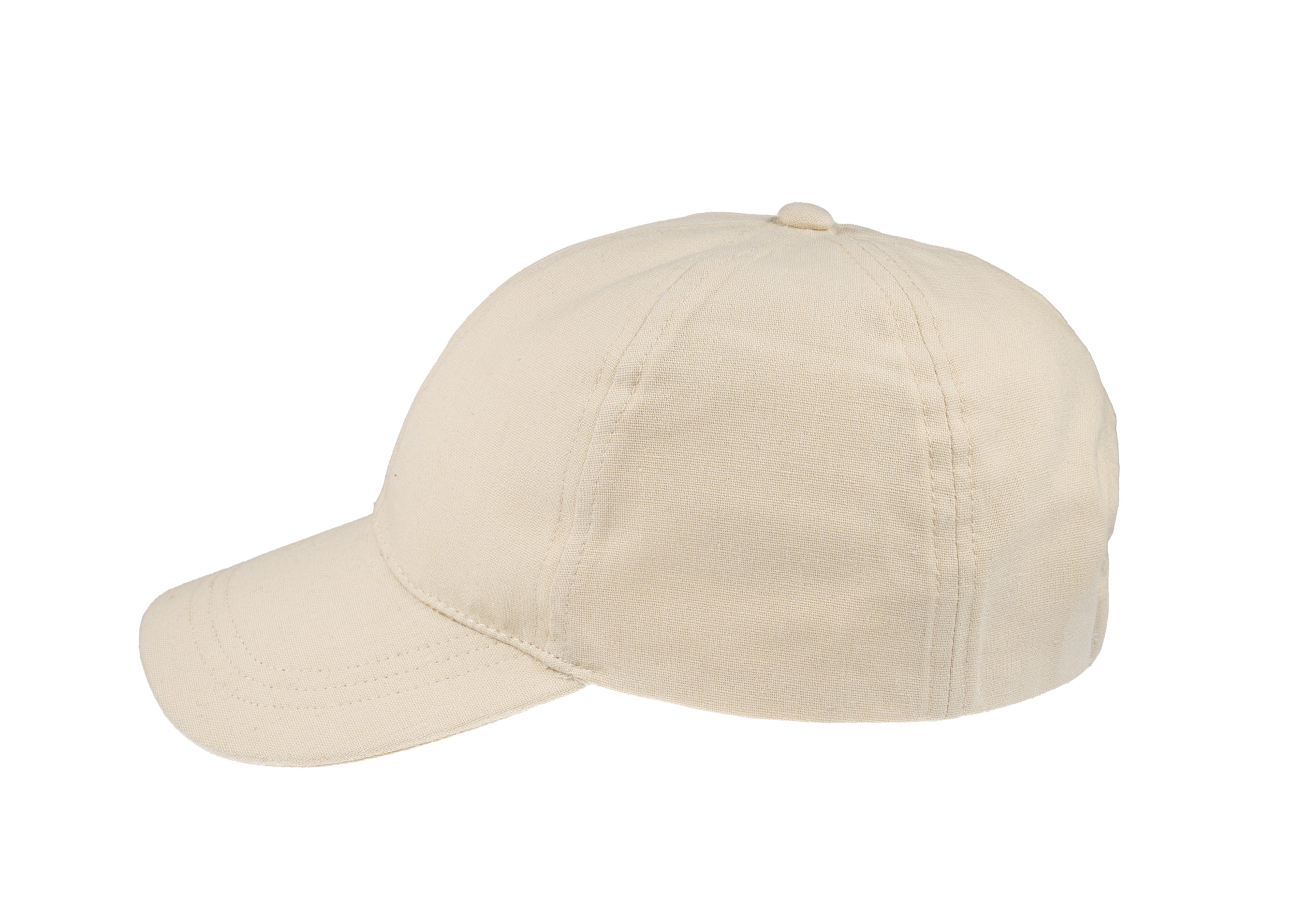





A well-chosen homburg frames the face, balances proportions, and signals an appropriate level of formality at weddings, funerals, and business events. Yet many people select hats by habit rather than fit, ending up with styles that are too small, too large, or simply mismatched to the occasion.
This guide explains how to match a homburg to your face shape and frame, how to select brim and crown proportions and detailing appropriate to different occasions, and how to secure a proper fit with correct etiquette. It finishes with three considered homburg styles for celebration, mourning, and professional settings, and offers concise, craft-led guidance throughout.

1. How to choose a Homburg for your face shape, head proportions, and frame
Begin by measuring and categorising your face. Use a soft tape measure to record face length from the hairline to the chin, and cheekbone width across the widest point, then compare those proportions visually. If the face appears longer than it is wide, opt for a hat with a lower crown and a slightly wider brim to reduce vertical emphasis. A round or broad face, by contrast, will often benefit from a taller crown and a narrower brim to add perceived height. Try each hat with your usual hairstyle so the crown neither compresses the hair nor leaves a noticeable gap, and set the hat level so the brim frames the eyes without obscuring them.
Match brim width to your shoulders and overall frame rather than follow a single hat-only proportion. Put on the jacket you intend to wear and measure shoulder width across the back; choose a brim that sits slightly narrower than that line for visual balance. Use crown height and profile to correct perceived proportions: a taller crown introduces vertical lines that can slim a round face and lift a short neck, while a lower crown shortens a long face. Check the hat in profile and alter crown height by a size if necessary. Try a homburg with the jacket or overcoat you plan to wear, photograph the front and three-quarter views, and adjust brim width, crown height, or wearing angle until the hat harmonises with the whole silhouette.

2. Choose homburg proportions and detailing for weddings, funerals, and business events
Begin with crown height and overall silhouette. Taller crowns create a vertical line that lengthens the wearer, while lower crowns read as more conservative. For occasions, a medium-height crown at a wedding offers presence without fuss, a lower crown at a funeral signals restraint, and a low-to-medium crown for business keeps attention on the meeting rather than the hat. Brim width and curl change a hat's mood. Narrow brims read streamlined and formal, medium brims work across occasions, and wider brims tend toward the dramatic or the outdoorsy, so aim for a brim that harmonises with your lapel width and shoulder line. A pronounced curl also sheds rain and alters the shadow around the face. Finally, the crown shape determines how a hat balances against face shape and suit lapel, so consider how each element relates to the proportions you already wear rather than treating them in isolation.
Finish, texture, and colour determine how conspicuous a hat will appear. Matte, dense felts absorb light and read understated; glossier finishes reflect light and draw the eye. For funerals, choose muted, monochrome tones with minimal sheen and restrained trim. For business events, select refined neutral felts that sit quietly alongside tailoring. For weddings, lighter colours or a contrasting band that picks up a tie or pocket square can be appropriate; because trim directs attention to the face, match ribbon width to crown height so the proportions remain balanced. Keep bands minimal and tonal for funerals and business, and permit a slightly wider or subtly patterned band for weddings. Fit the hat snugly, using a quality sweatband or internal adjuster for all-day wear. In wet weather, favour denser felts; for lengthy outdoor ceremonies, prefer lighter linings or added ventilation. Preserve the hat’s shape by brushing along the nap and using gentle steam for minor reshaping.

3. Achieving a secure fit, proper etiquette, and care for your Homburg
Measure the crown with a soft tape at the widest part of the head. Try the Homburg for a snug, stable fit that still allows a single finger between band and forehead, and wear it on a short walk to check for slipping or pressure points. Expect a leather sweatband to soften and the hat to seat more comfortably with repeated wear. For finer adjustments, add removable hat tape or thin felt pads inside the crown. Discreet hair grips or a low-profile hat pin help in blustery conditions. Avoid overtightening, which can distort the brim or crown. For permanent resizing, consult a milliner to reblock the hat rather than attempting to force-fit it at home. Observe customary etiquette by occasion. Remove or tip a hat in places of worship, during national anthems, and in intimate indoor settings, and keep it on for outdoor processions and street-side greetings. For sombre occasions, choose sober colours and minimal adornment; for business, prefer restrained trim; for weddings, allow a modestly celebratory detail.
For care and maintenance, brush a felt homburg with a soft-bristled brush in the direction of the nap to lift and remove dust. Use gentle steam while shaping the hat by hand over a hat block to correct minor distortions, and do not saturate felt with water. Store the hat on a firm support or in a structured hat box, with the crown gently stuffed to preserve form. If you notice a floppy brim, cracked sweatband, persistent odour, or loss of crown shape, seek professional care; a milliner can reblock, restiffen, replace liners, and apply appropriate water repellents. Different constructions need different treatments: felt responds to steam, while straw benefits from light compression and internal support rather than wet reshaping.
A well chosen homburg balances proportions, frames the face, and signals the right level of formality for weddings, funerals, and business events. Attending to crown height, brim width, finish, and fit lets you correct perceived proportions, harmonise with tailoring, and convey restraint or celebration as the occasion requires.
To put this into practice, begin by measuring your head and shoulders. Match crown height and brim width to your face and the cut of your tailoring, and choose finish and trim appropriate to the occasion. Secure a proper fit: the hat should sit level, without pinching or rocking. Care for the felt with a soft brush and correct storage, and observe customary etiquette. In doing so, your homburg will remain a reliable, craft-led companion for ceremonies, services, and business gatherings.