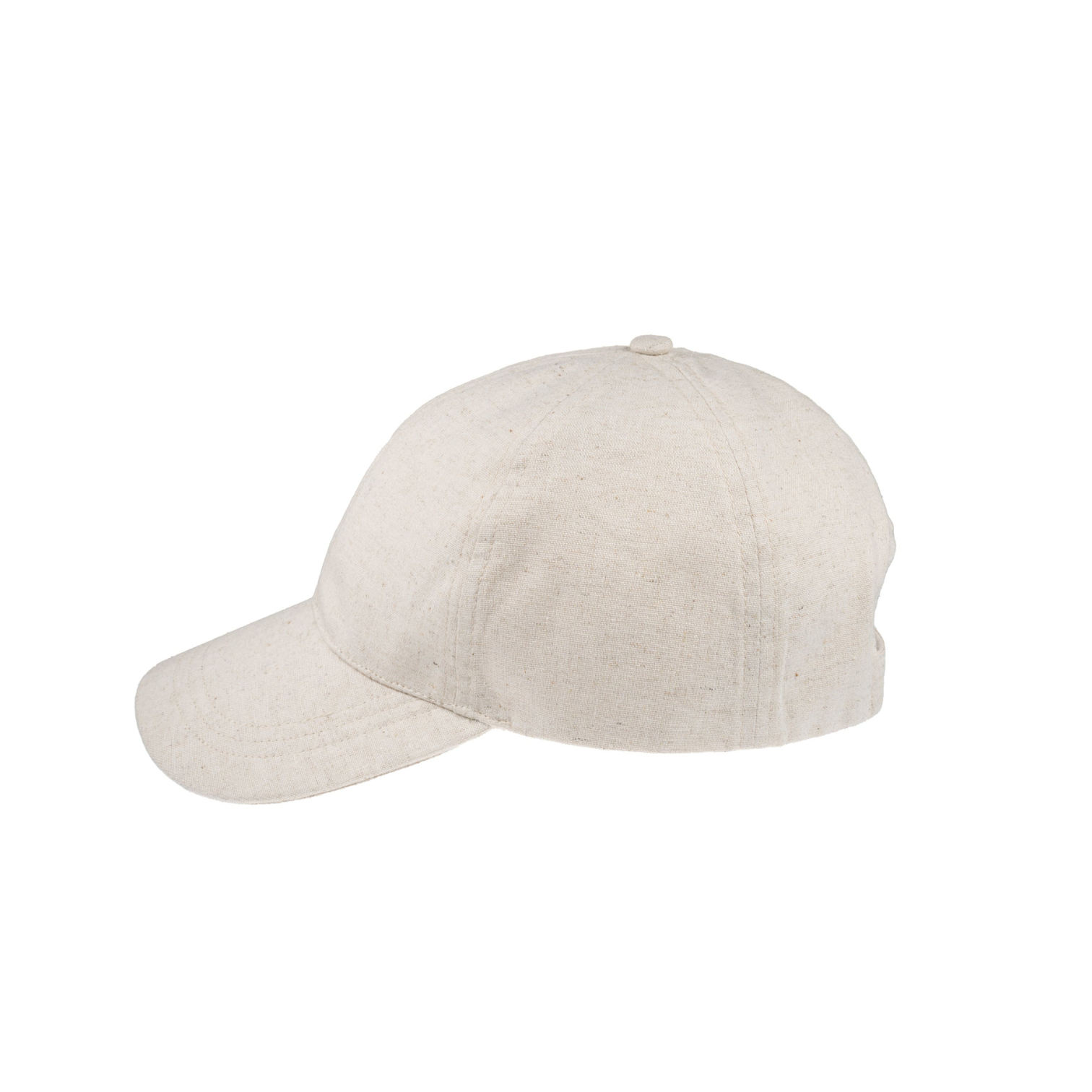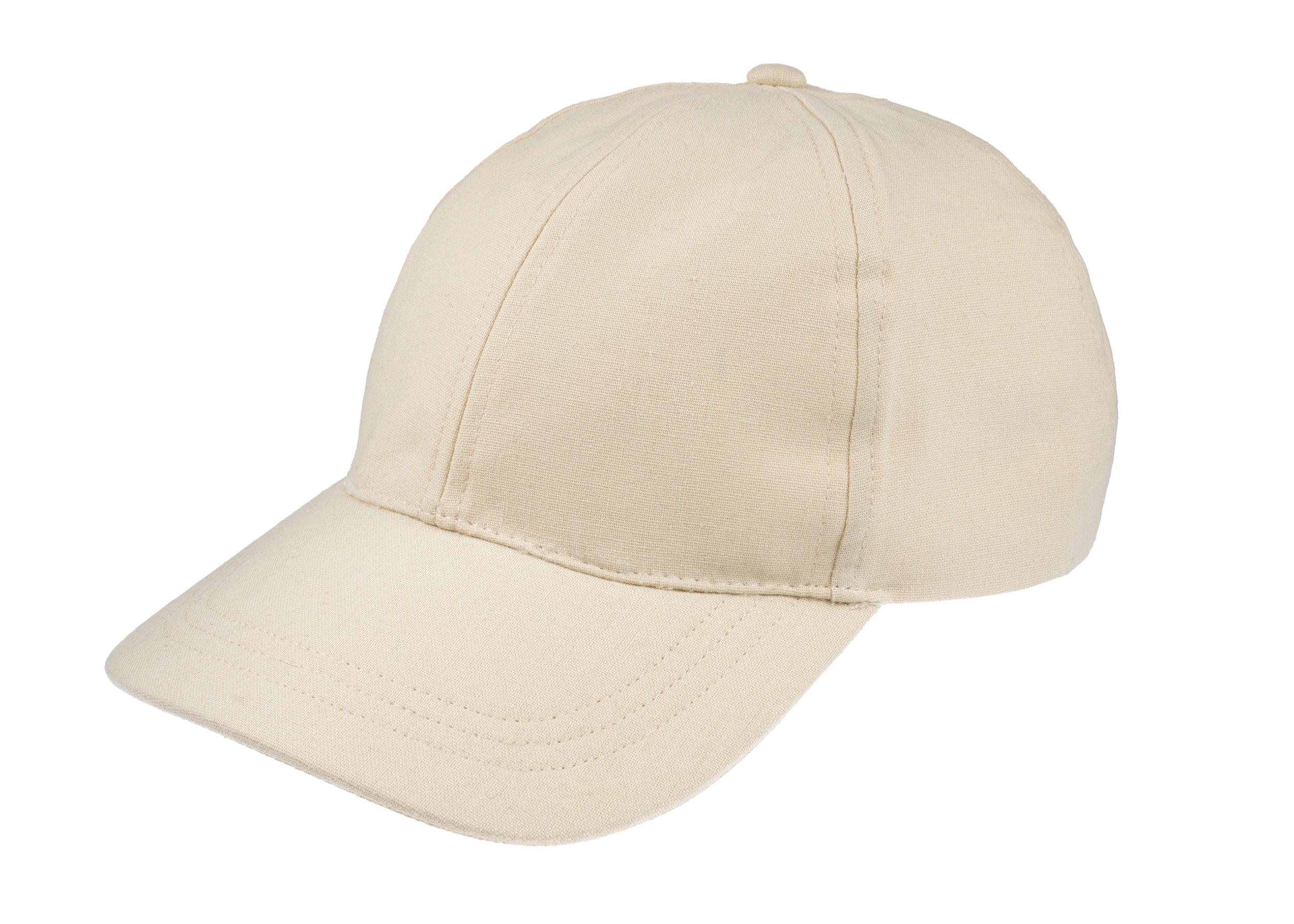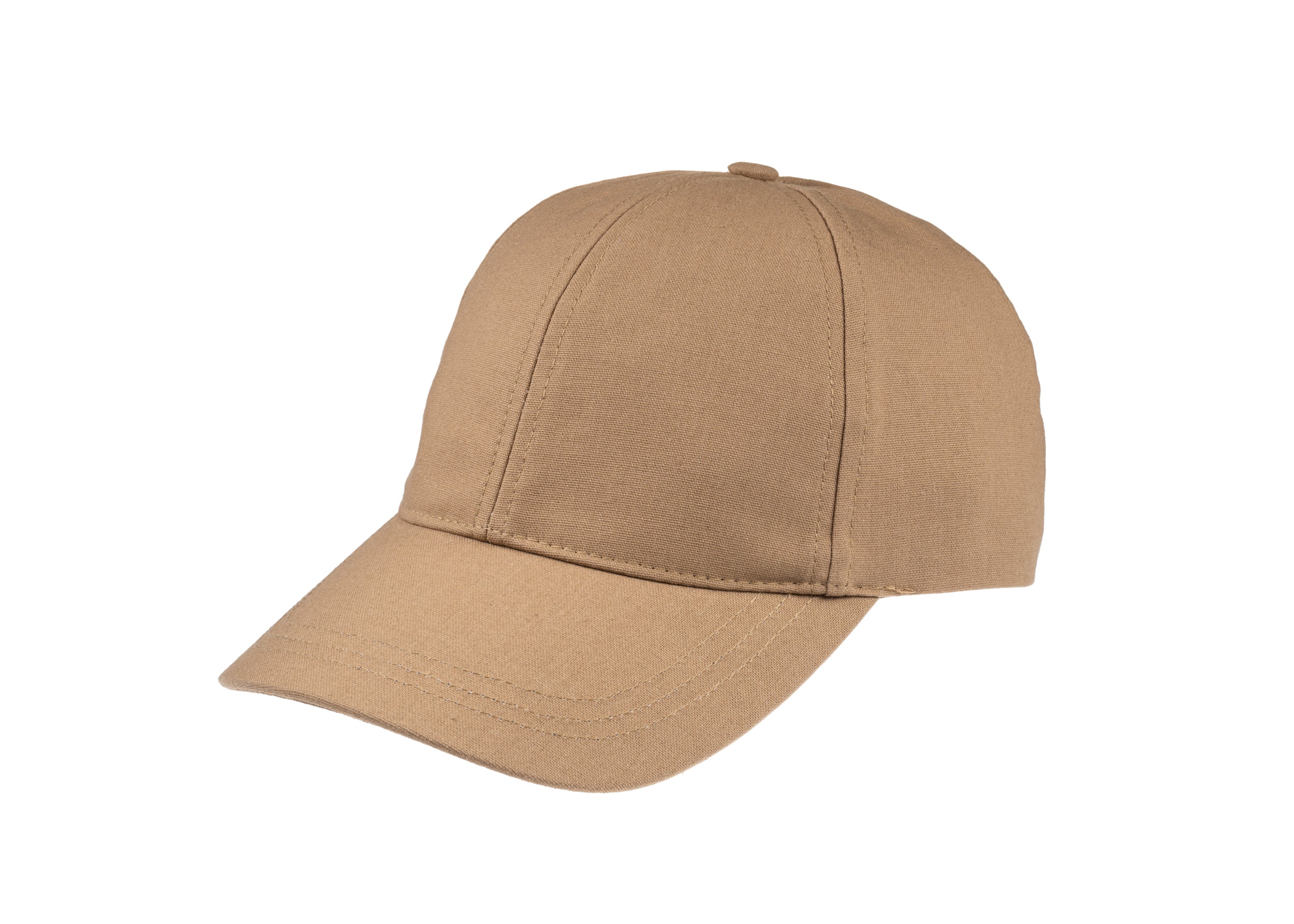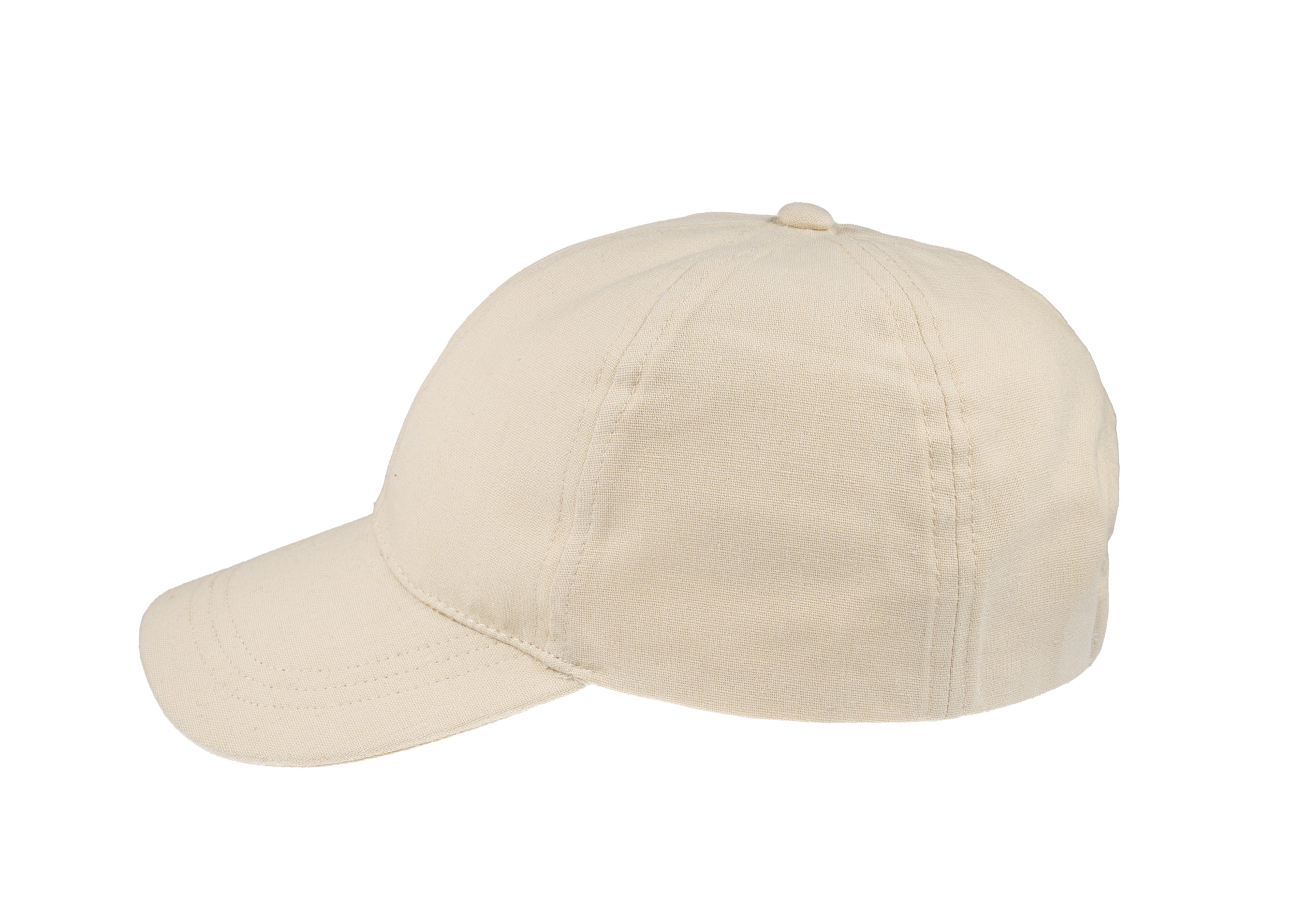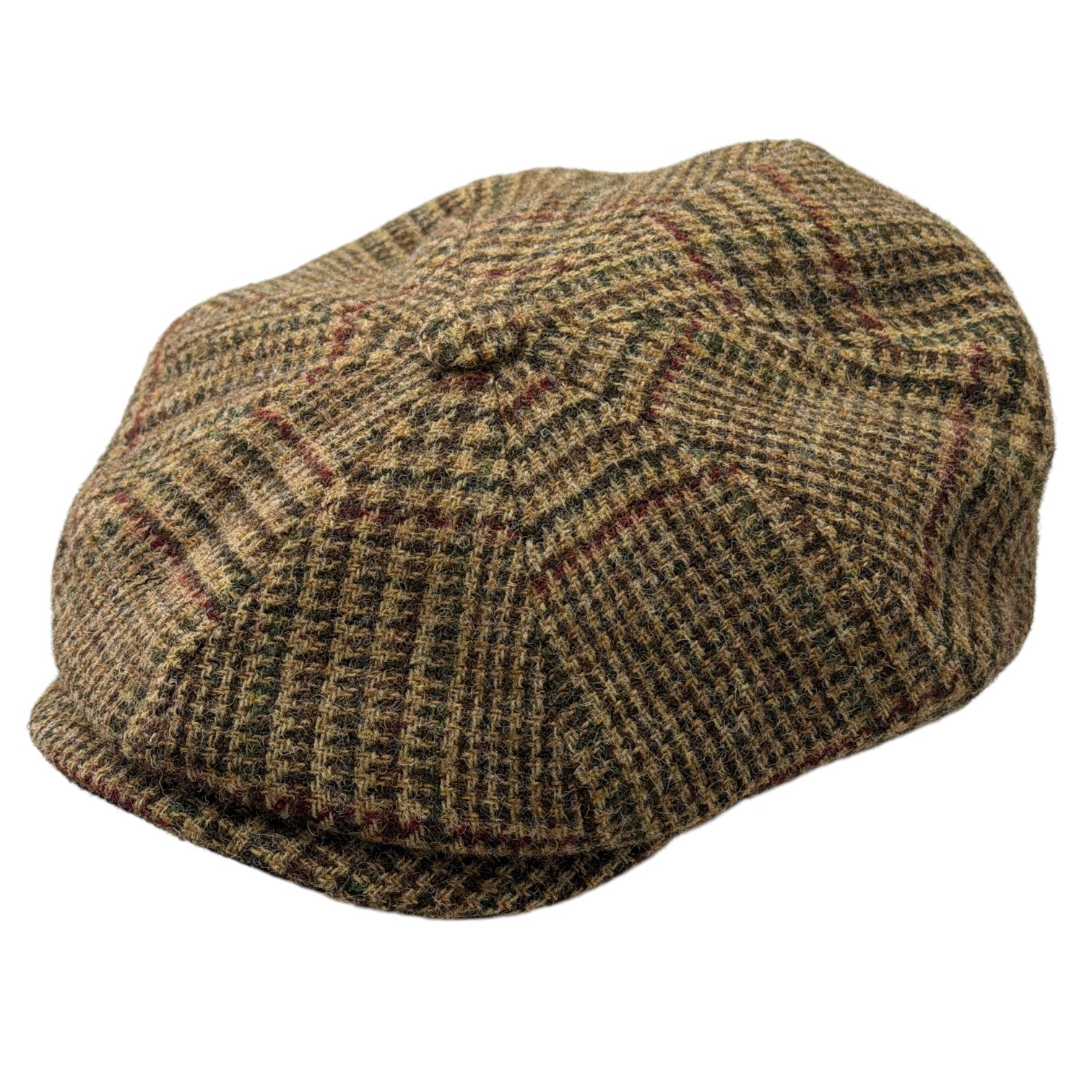



Using steam to coax a dented cap back into shape is a common fix, but it can also warp a brim. Whether steam will restore or ruin a hat depends on its material and how it was constructed.
This guide explains how to identify caps that tolerate steam, recognise when steam may cause damage, reshape them safely, and store them between wears to preserve their form. It sets out practical, craft-minded methods to restore crowns and protect brims while avoiding unnecessary risk.

How to identify caps that will withstand steaming
Begin by checking the fibre content and care label. Tightly woven wool felts and 100% cotton panels generally soften with a brief application of steam, while polyester, acetate, and glazed finishes can melt, glaze, or become sticky when exposed to heat. Inspect the cap's internal construction and fastenings. Unlined crowns, natural-fibre sweatbands, and hand-stitched seams respond to steam more predictably than crowns with sewn-in interlinings, visible glue lines, plastic sweatbands, or moulded brims. These material and construction clues give a clear, objective indication of whether steam is likely to help or harm.
After assessing materials and construction, do a spot test. Direct a short burst of steam at an inconspicuous inside seam or underbrim from a safe distance, then press gently with a clean cloth and observe for colour shift, fabric shine, bubbling, or glue seepage. Treat decorated areas with particular caution: embroidered logos, painted prints, glued patches, and heat-set finishes can separate or change texture when exposed to moisture and warmth. Consider the hat's age and repair history; faded fibres, brittle stitching, or earlier re-gluings often indicate materials and adhesives that will fail under steam. If the spot test gives cause for concern, use a gentler reshaping method or consult a professional blocker for fragile pieces.
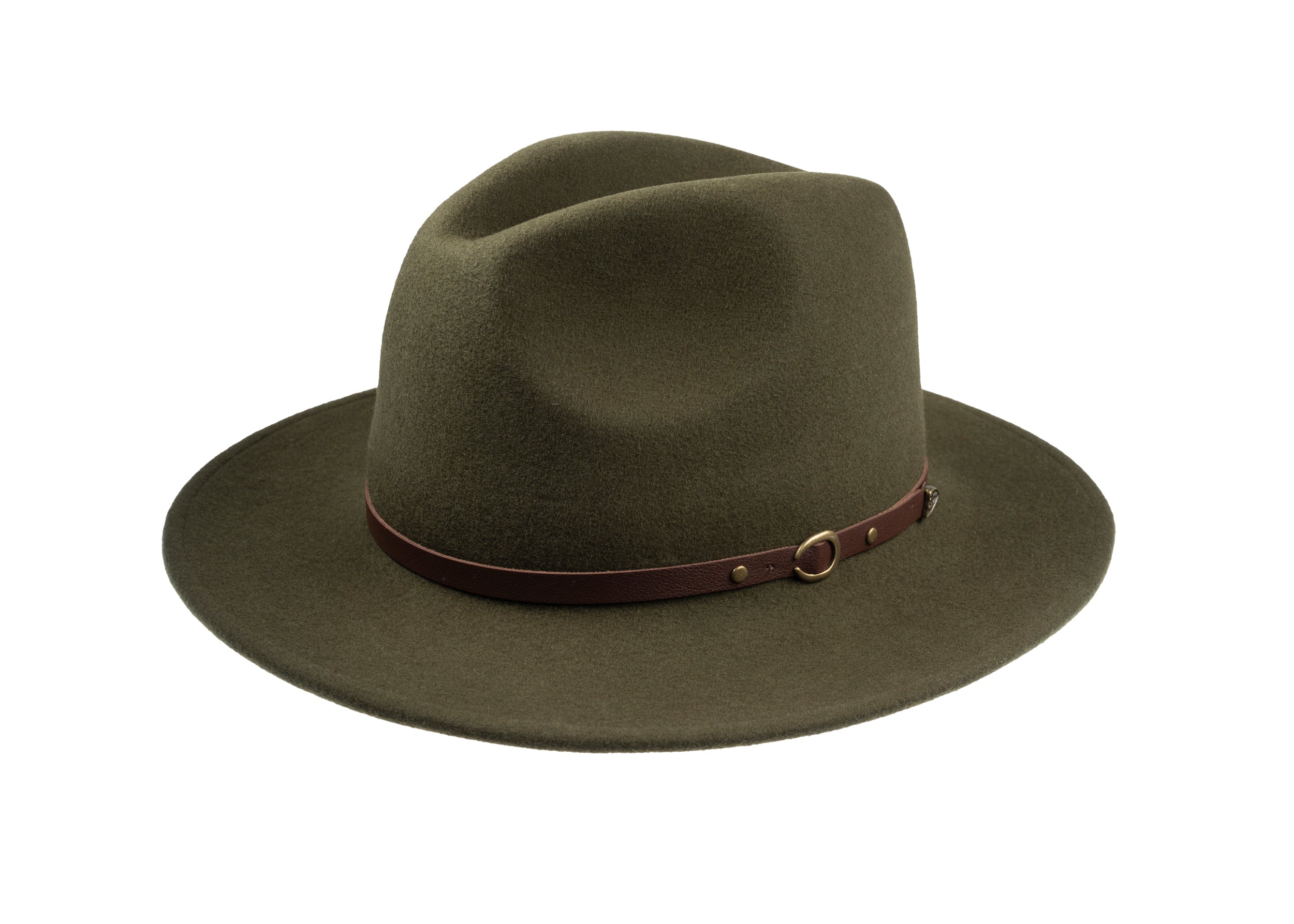
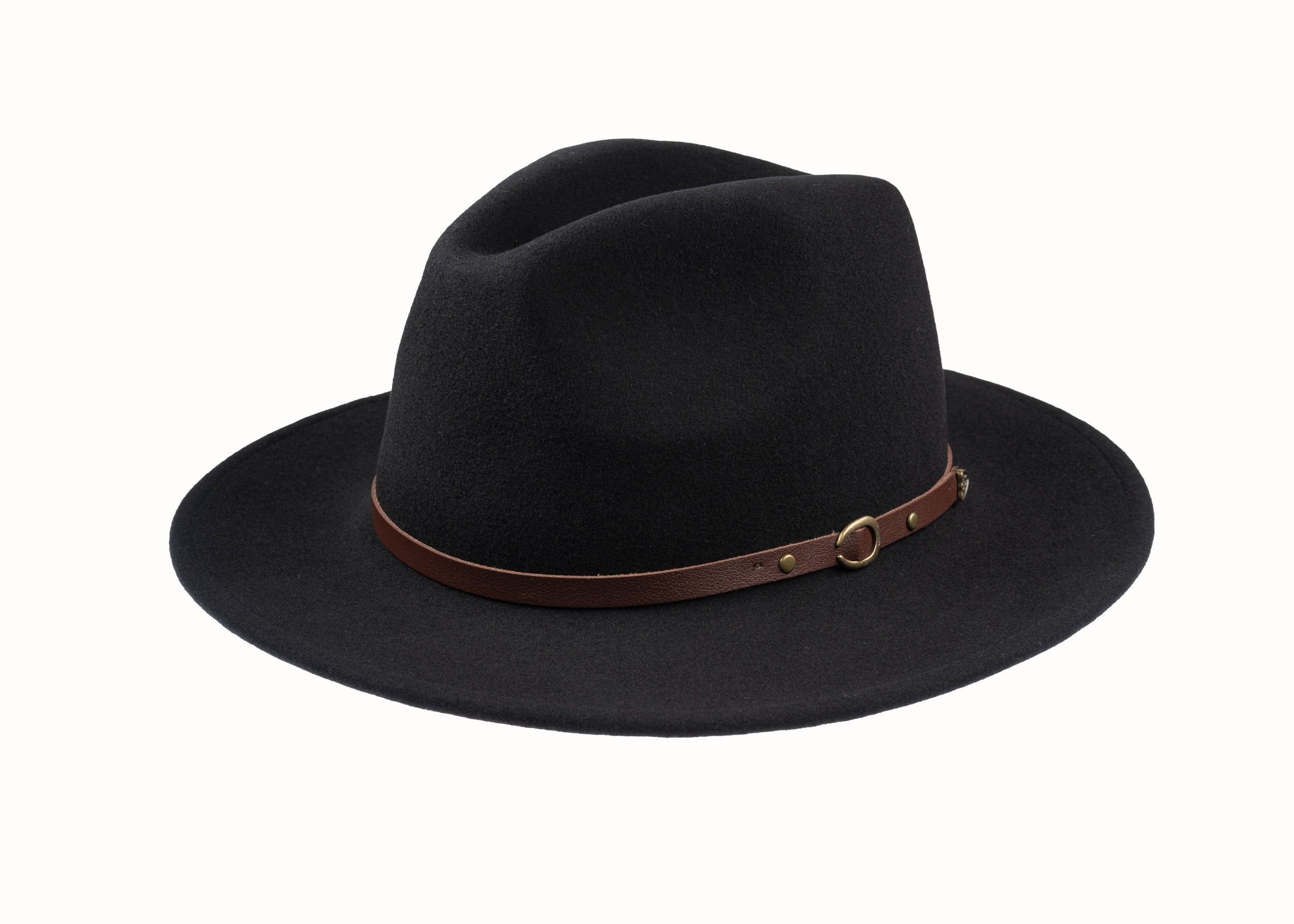
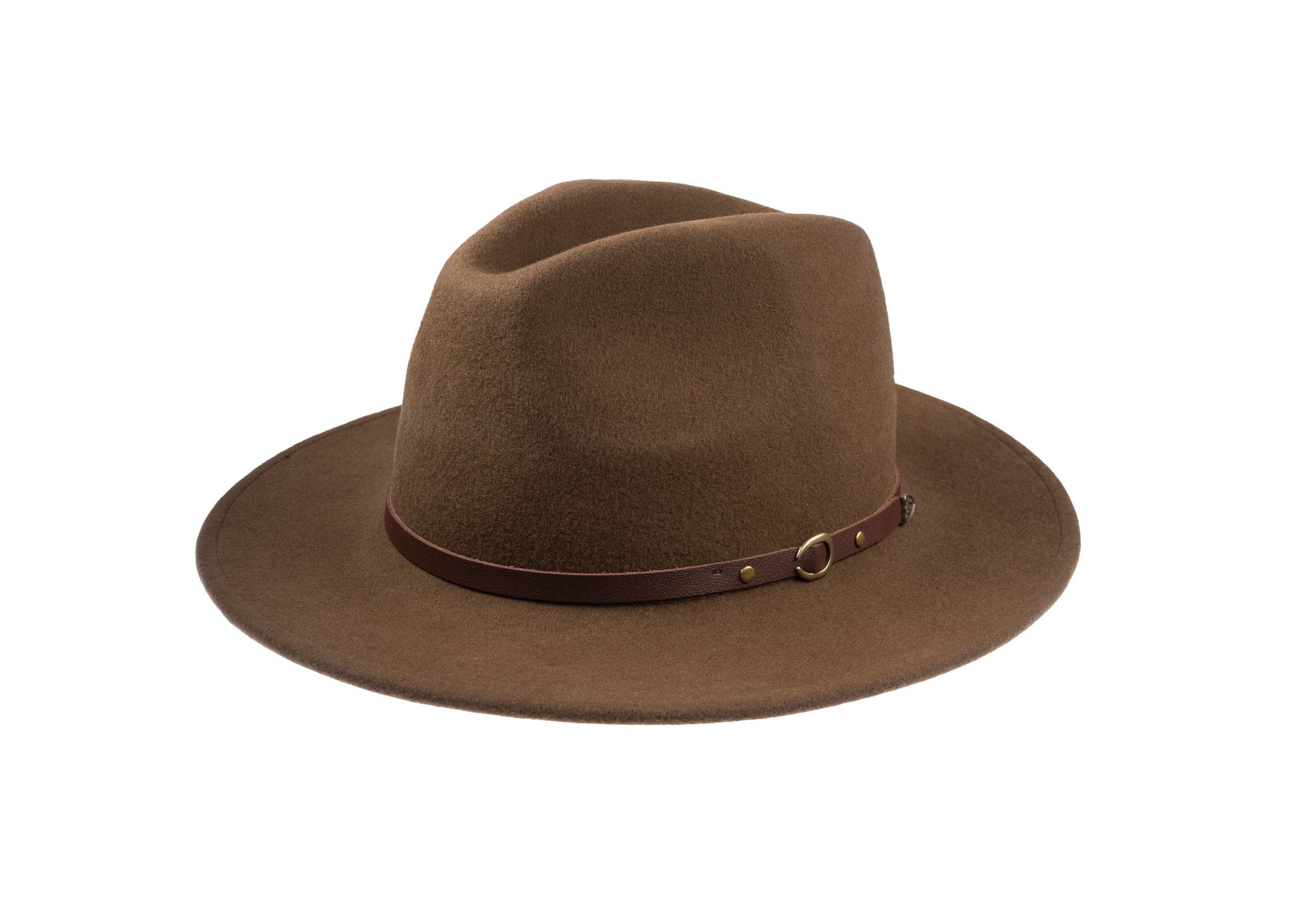
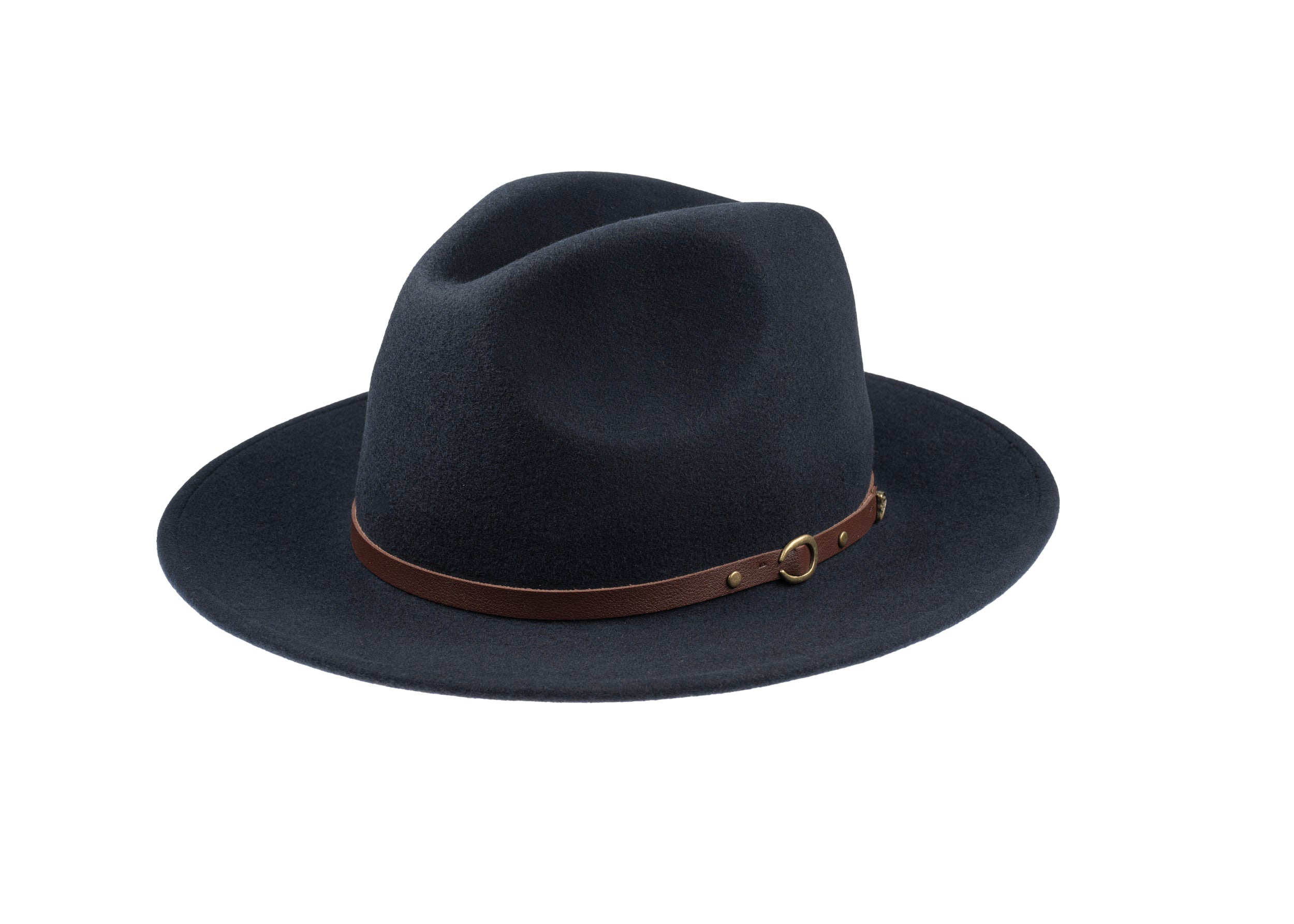
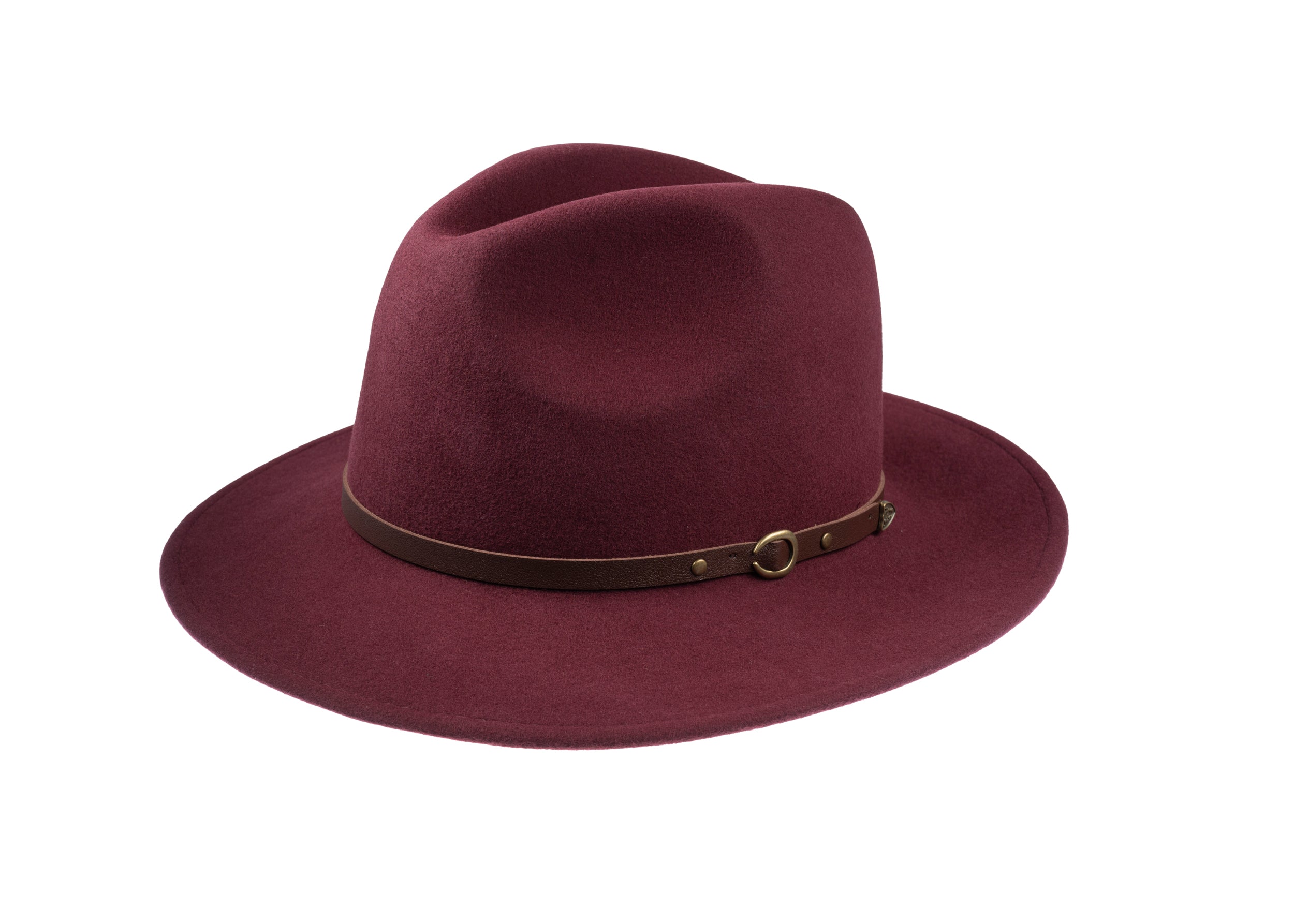
Choose a Merino wool felt trilby for safe steaming.

How to recognise when steam will damage your cap
Begin with the construction. Check for heat-sensitive elements such as glued brims, taped seams, and sewn-on sweatbands, because adhesives soften with heat and moisture and can cause delamination or seam creep; lift an inner seam and test a small area to confirm it holds. Next identify the fibres and finishes: wool and fur felt can felt, shrink, or lose loft when exposed to moisture and agitation, while straw, painted surfaces, and leather may warp, crack, or stain as steam penetrates. Finally, inspect ribbons, printed logos, and glued trims for colour transfer or edge lift, and note brittle stitching, collapsed sweatbands, or previous repairs, all of which indicate reduced tolerance to further intervention. The detail rewards closer inspection.
Carry out a controlled spot test: hold steam at a safe distance and pass it through a cotton barrier over an inconspicuous area. After a brief application, reshape gently on a hat block or by hand, then inspect for warping, glue creep, colour bleed, or shrinkage. If any of these signs appear, stop steaming immediately. For caps that react poorly to steam, favour low‑moisture alternatives such as a cold mist from a distance, gradual blocking on a hat form, or specialist restoration that preserves the original construction and finish. Take extra care with older, handmade, or previously repaired pieces, because brittle fibres and aged adhesives can fail under even modest humidity.
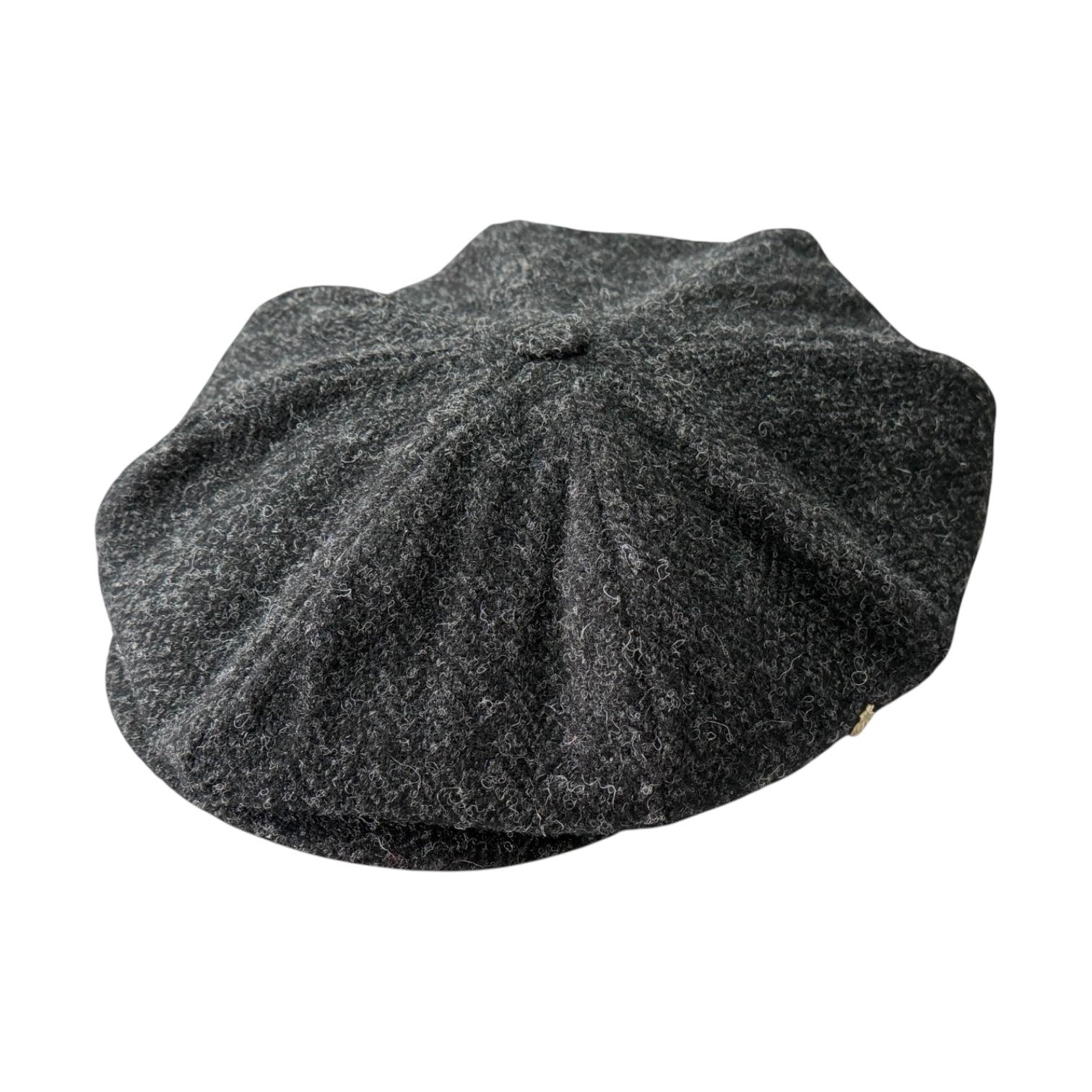
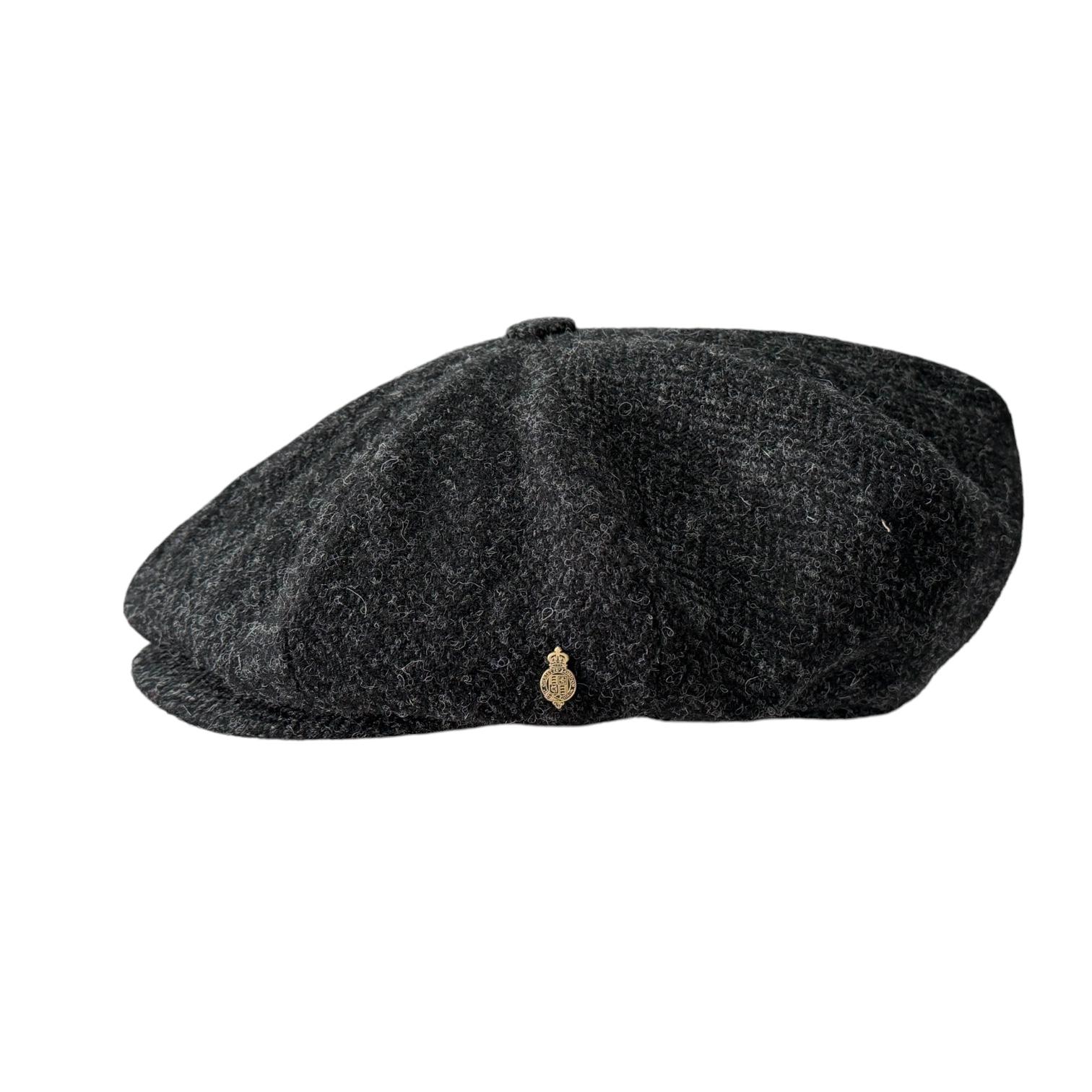
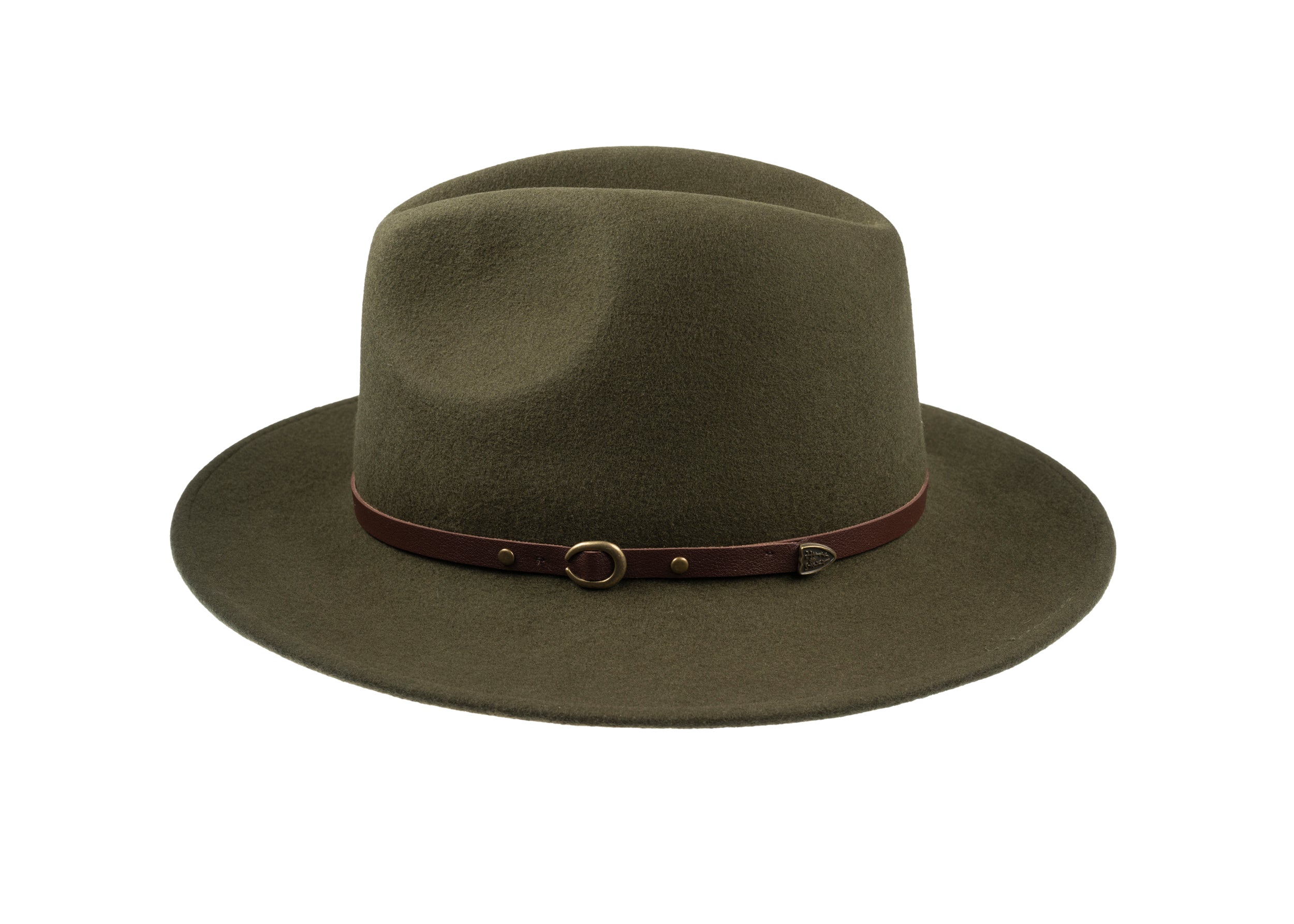
Prefer finely crafted wool felt for gentle, low‑moisture care.

How to reshape caps safely and store them between wears
Steam will reshape caps made from materials whose fibres relax under heat, notably wool felt and unlined cotton, because heat softens the fibre structure and permits gentle remoulding. By contrast, tightly glued brims, straw, and plastic trims resist moisture and can delaminate or warp, so inspect seams, inner interfacing, and any paper or plastic components before you begin. Test a discreet area first. Hold the steam source at a respectful distance to avoid soaking the hat, warm the crown until it becomes pliable, then reshape by hand or over a hat block. Leave the piece on a form to cool and set.
Cease steaming immediately if you notice visible warping of the brim, peeling or bubbling at glued joins, sudden darkening or colour bleed, stiff or brittle fibres, or a chemical odour. In those circumstances do not apply further heat. Blot surface moisture with an absorbent cloth and allow the hat to dry naturally on a supportive form, such as a hat block or a rolled towel. Safer ways to alter fit or shape include gentle blocking on a hat block, padding the sweatband with removable liners, brief spells in a humid bathroom, or seeking professional blocking and relining for more structured pieces. For storage, keep hats on forms or pad them with acid-free tissue in breathable boxes or on open shelves away from direct sunlight and sources of humidity. Avoid plastic bags that trap moisture. Air hats after wear, spot-clean sweatbands, and rotate items so no single hat bears all the wear.
In summary, steam can soften the fibres of wool-felt and unlined cotton hats, permitting gentle reshaping, but it will damage caps with glued brims, plastic trims, straw, or heat-set finishes. A brief, controlled spot test and a careful inspection of seams, sweatbands, and finishes will reveal whether steaming is safe for the hat.
Follow the article's sequence of identify, test, reshape, and store to determine when to steam, when to pause and reassess, and when to seek professional blocking. A conservative approach, careful spot testing, and supportive storage will keep caps wearable and extend their life.