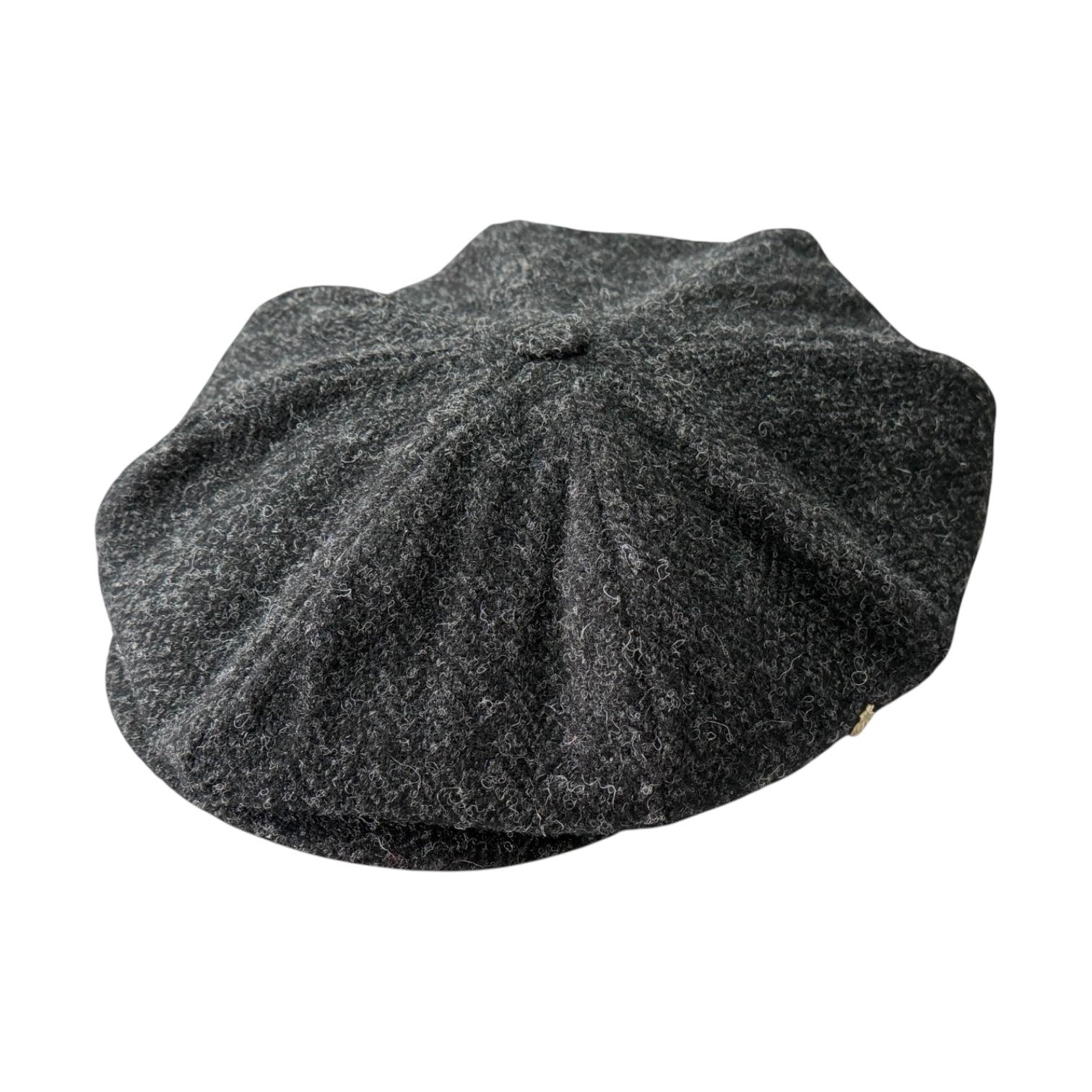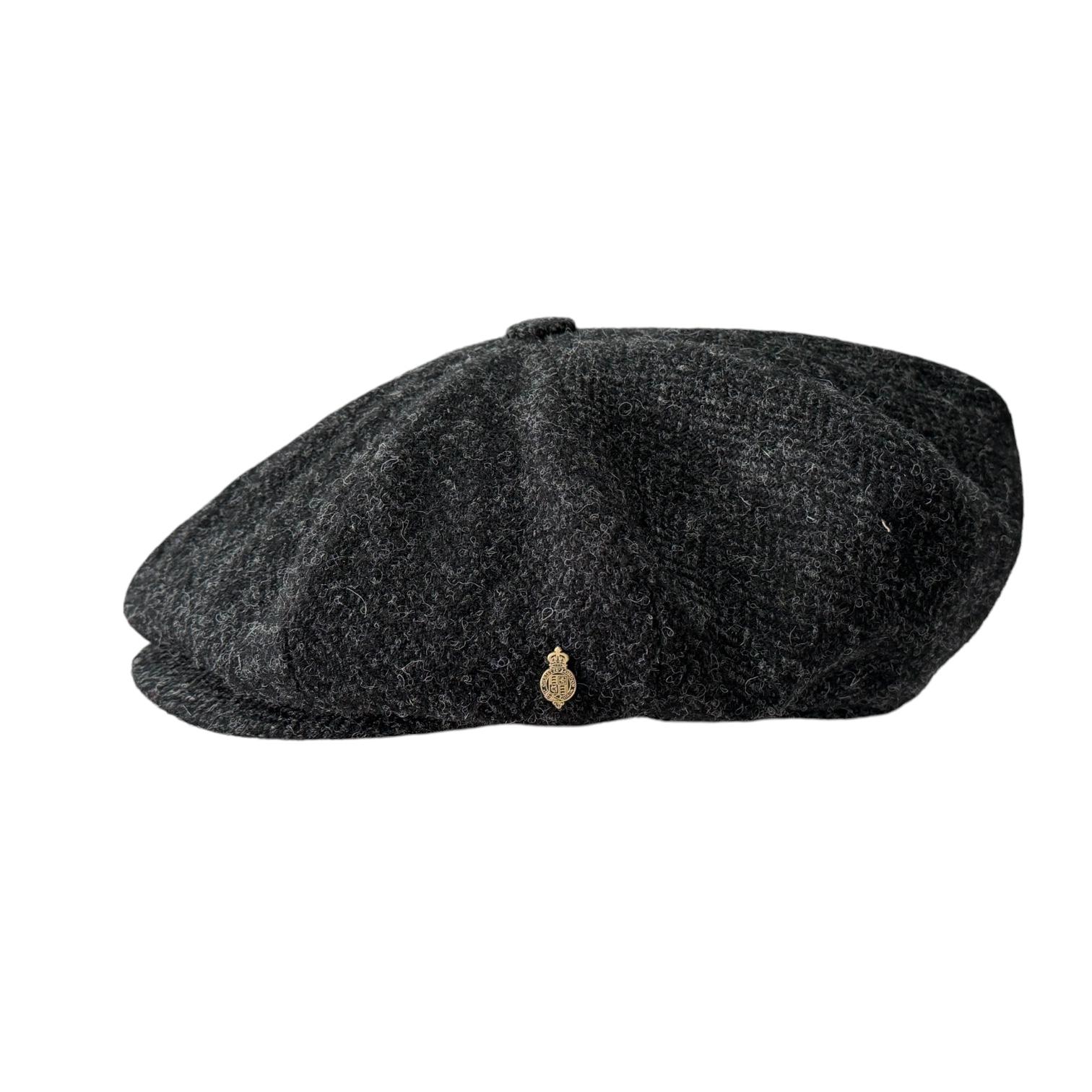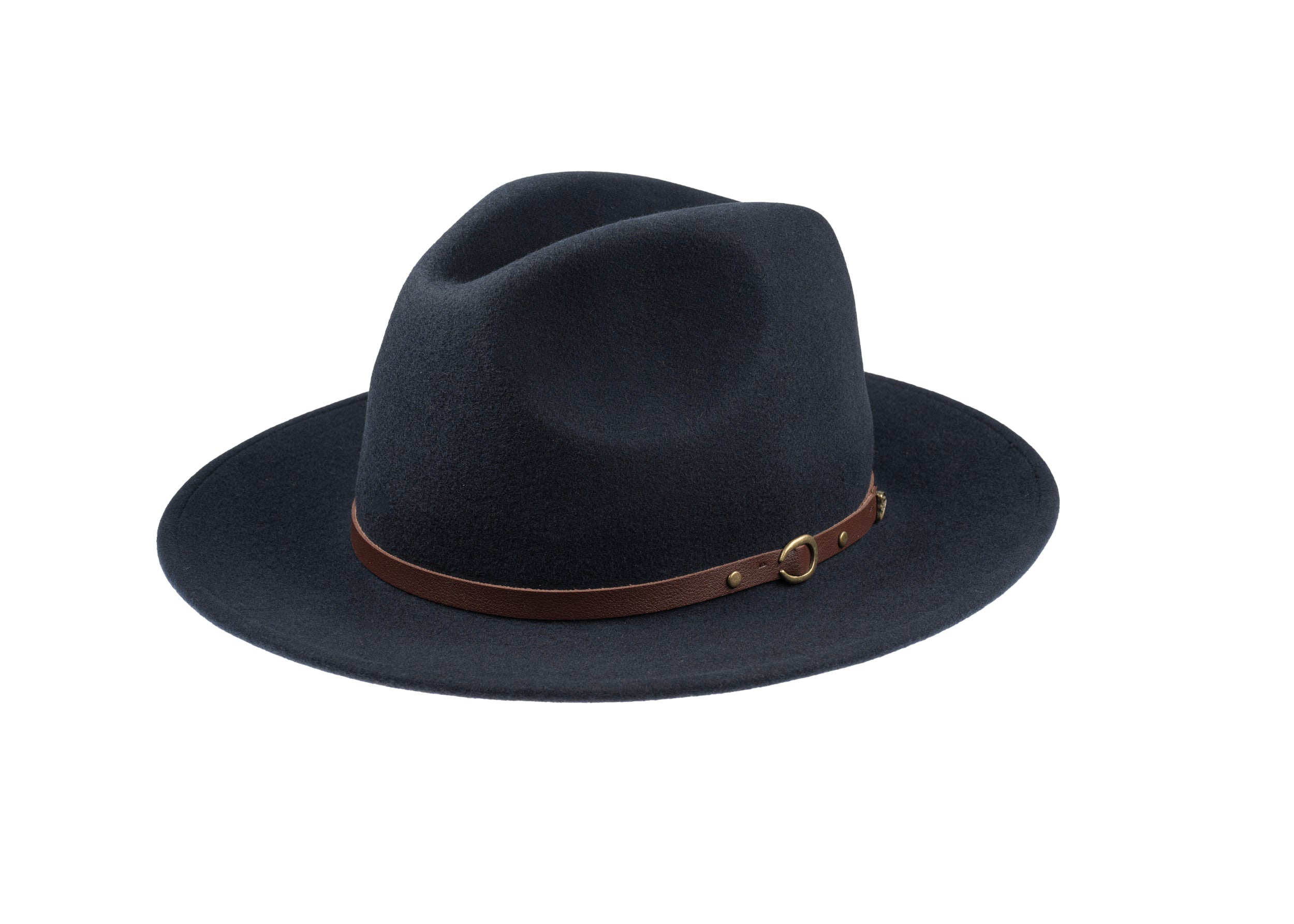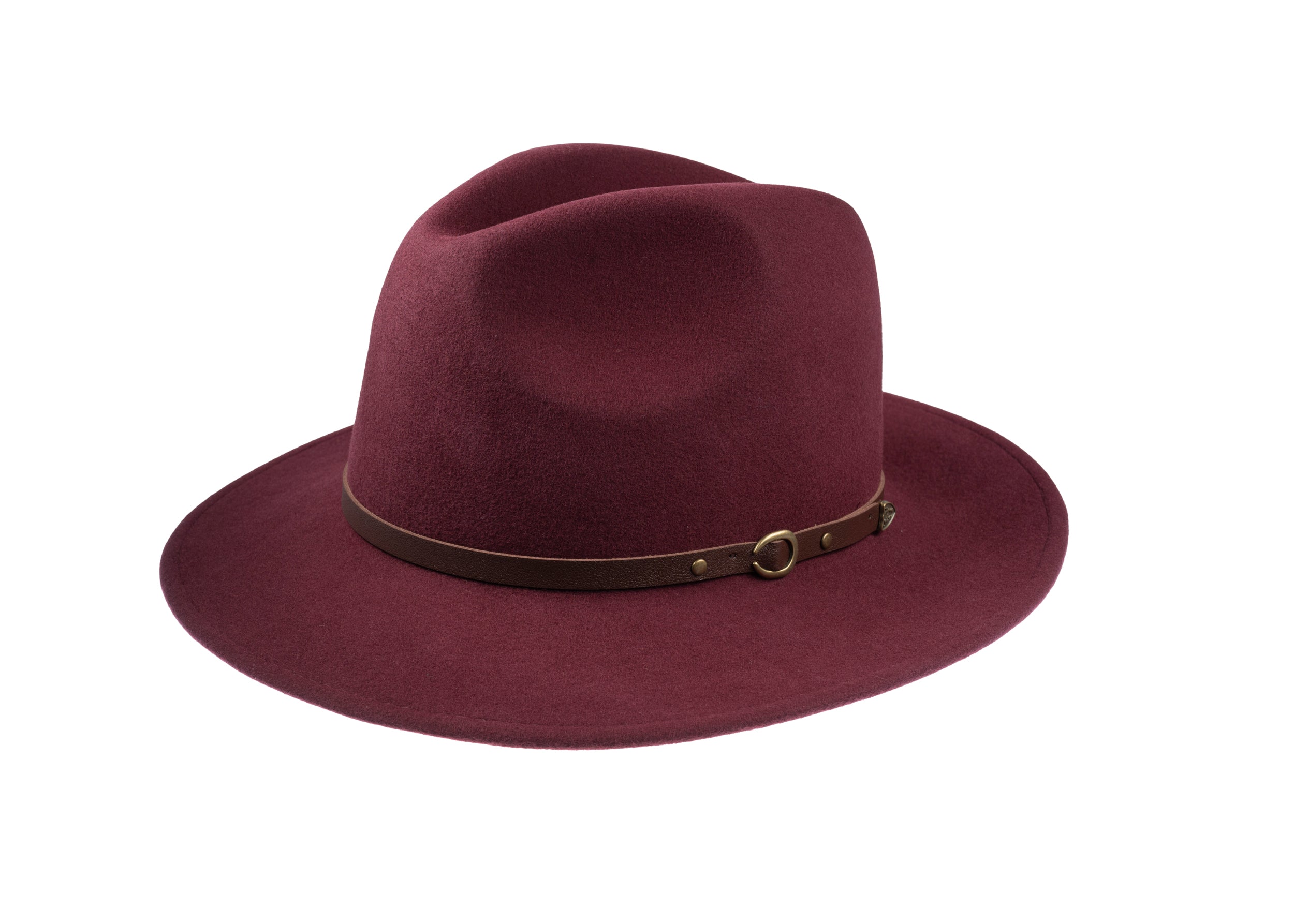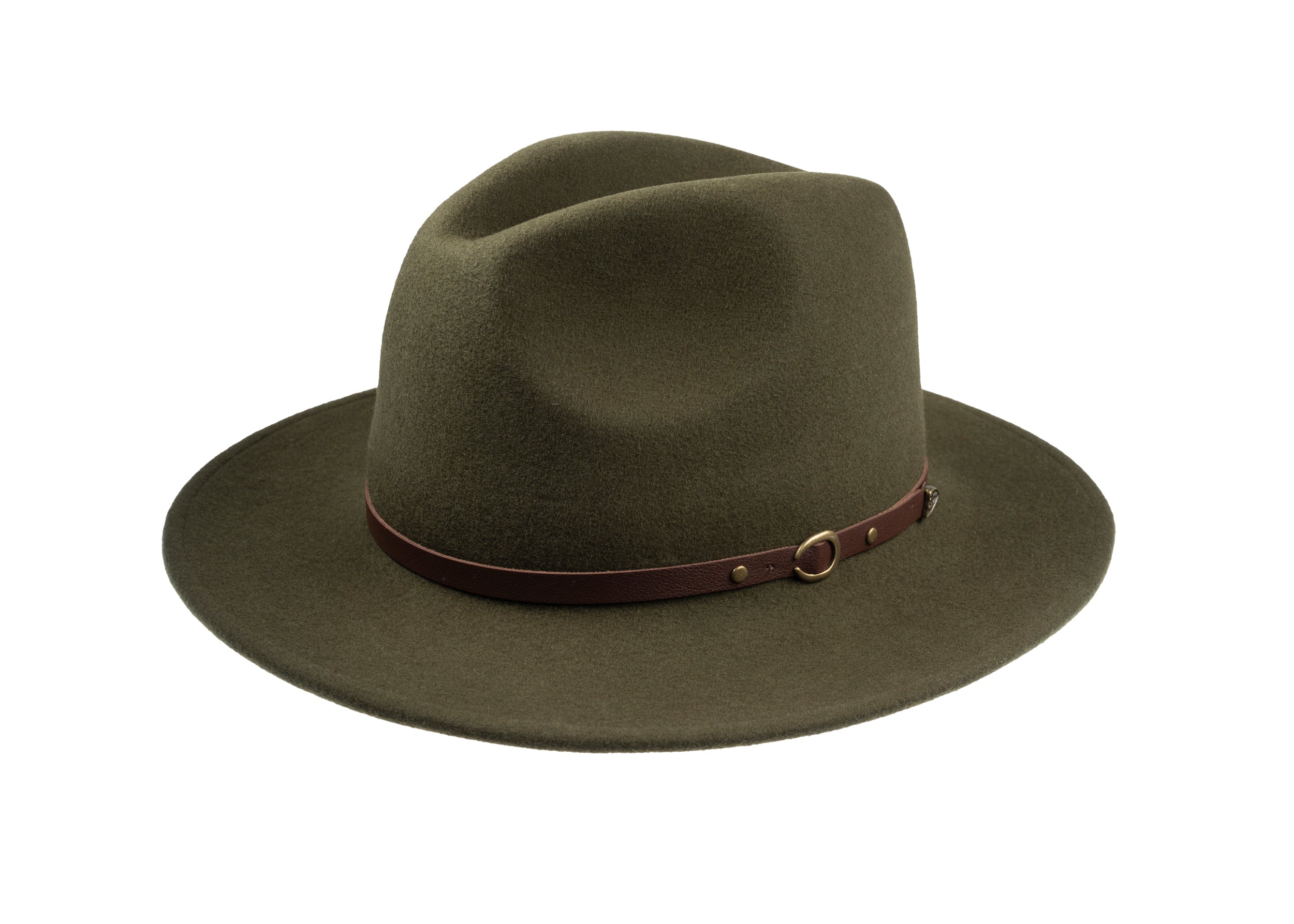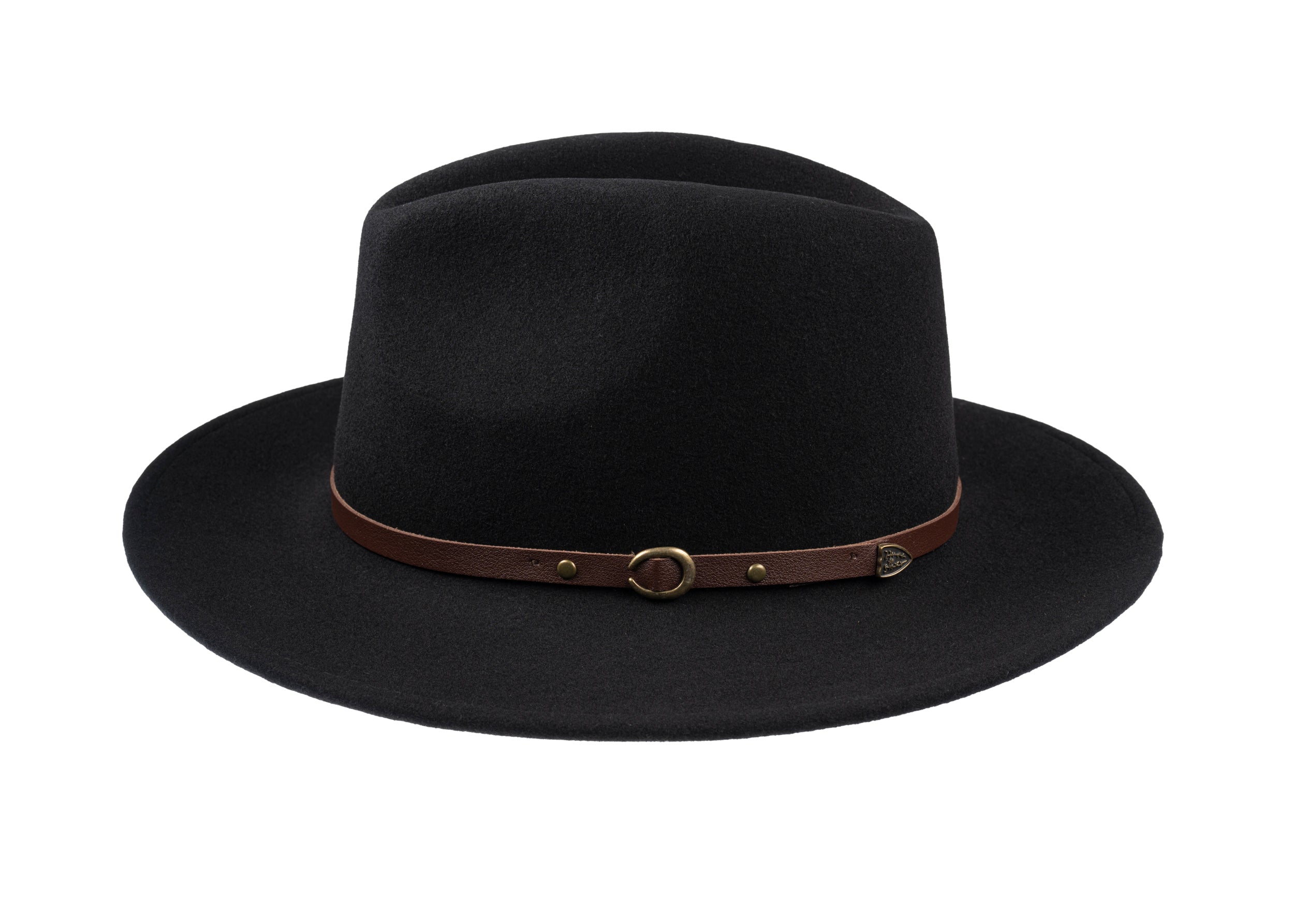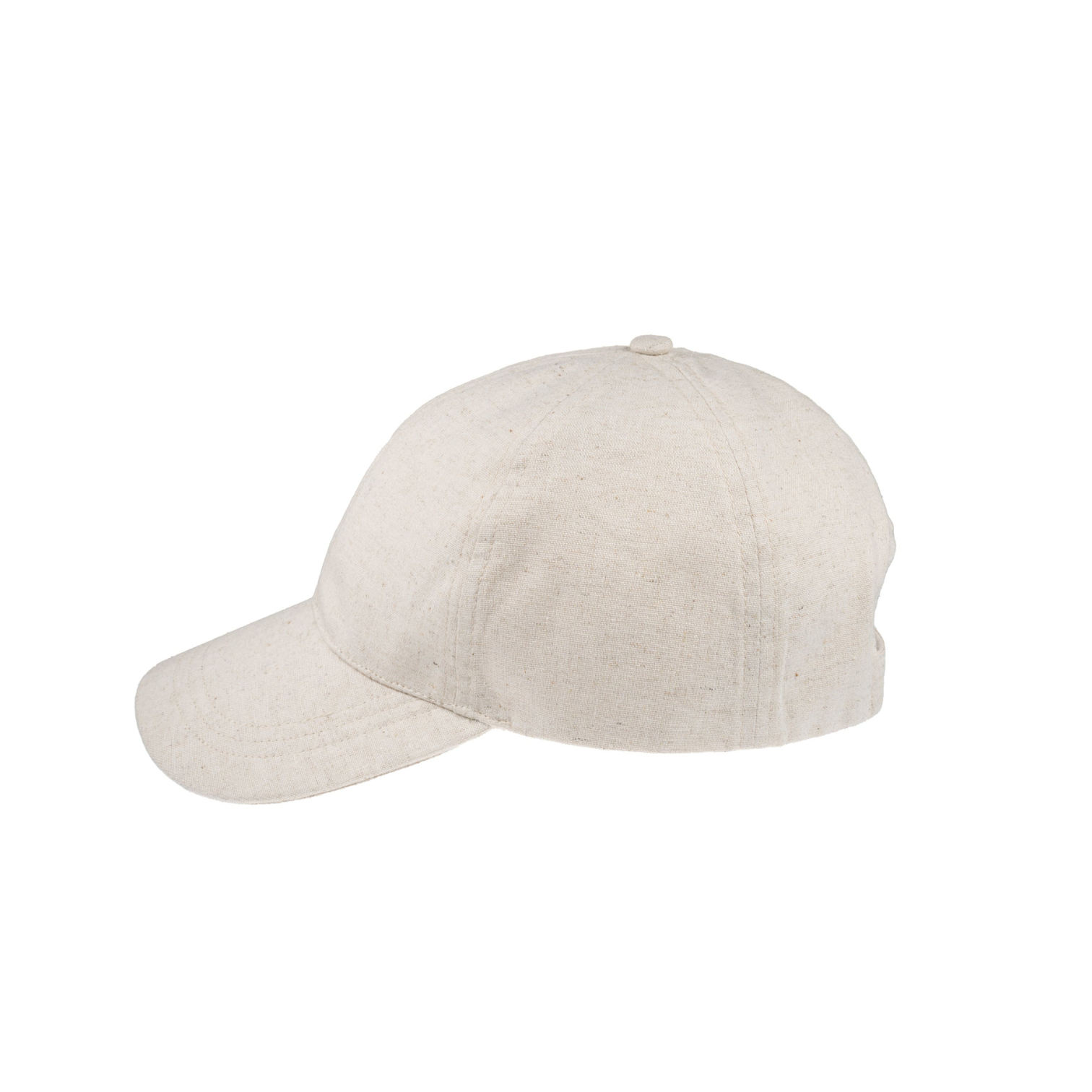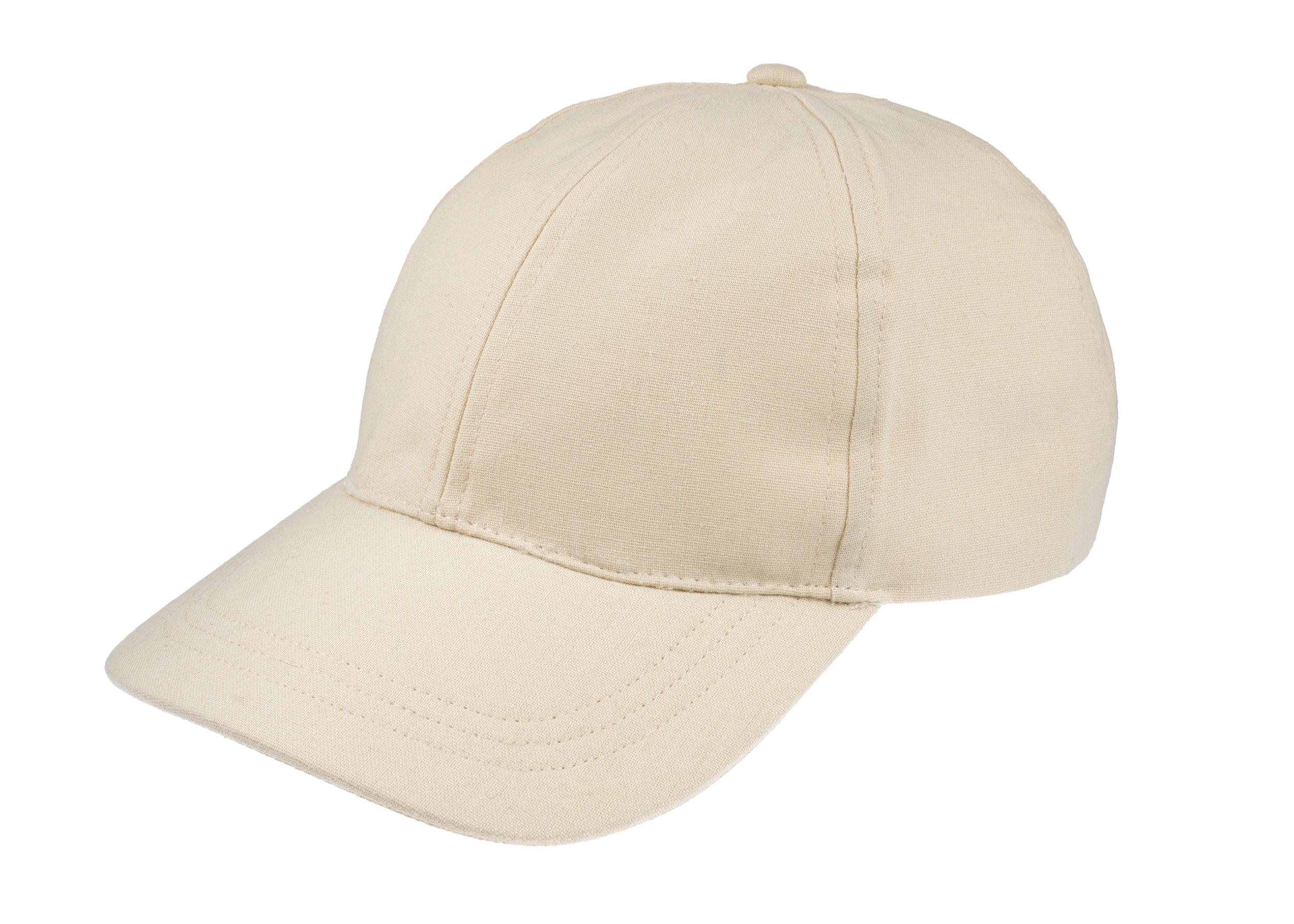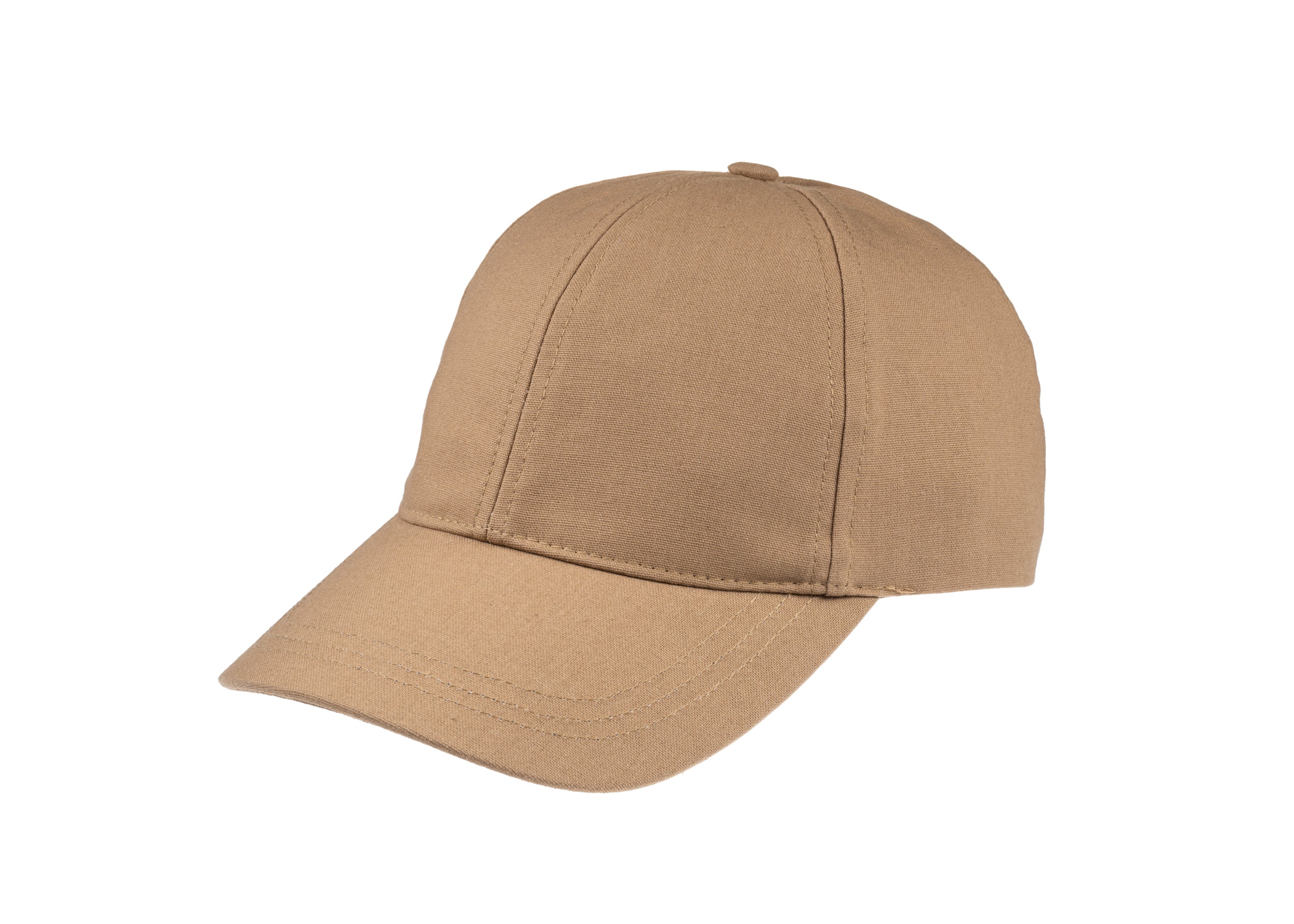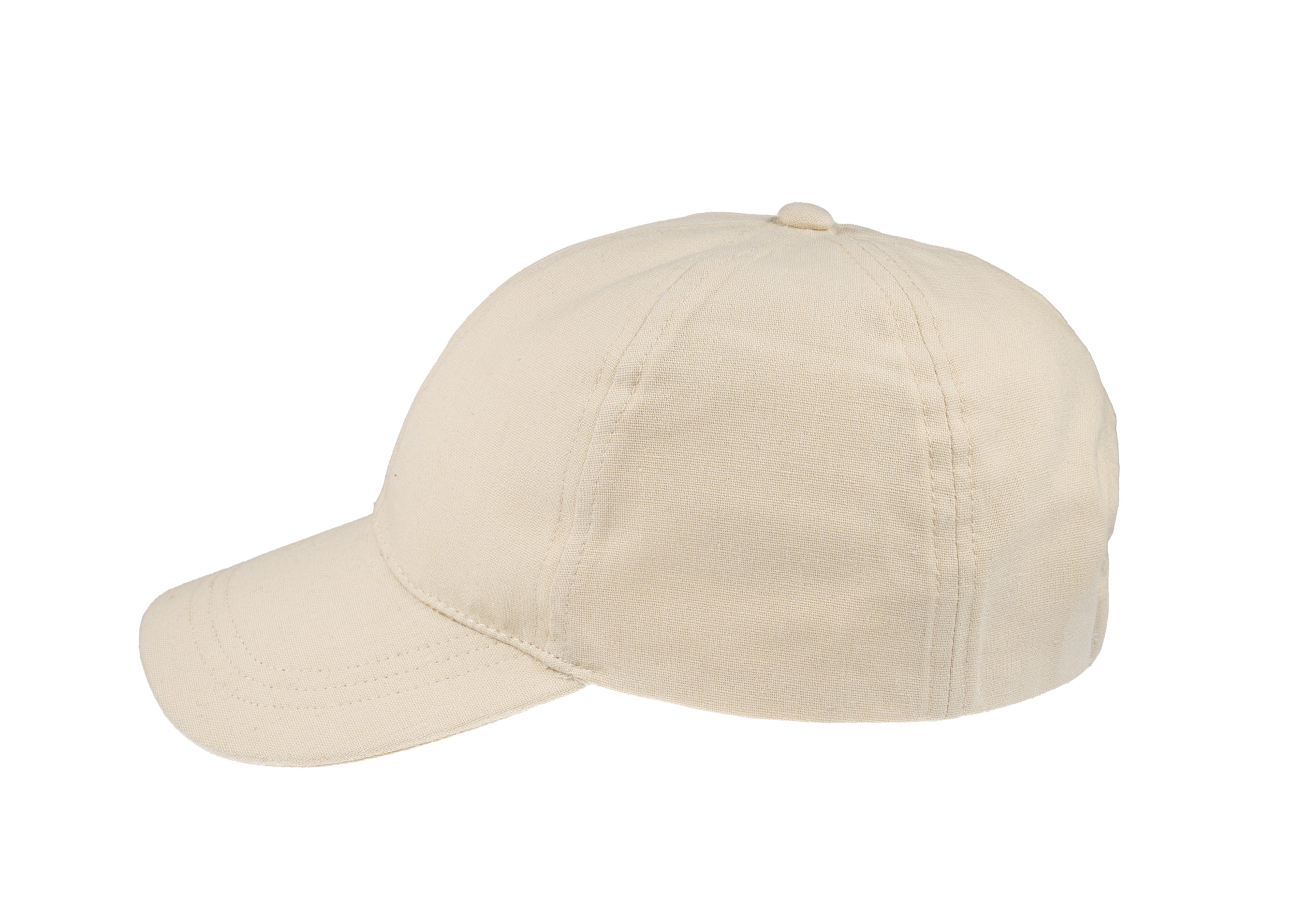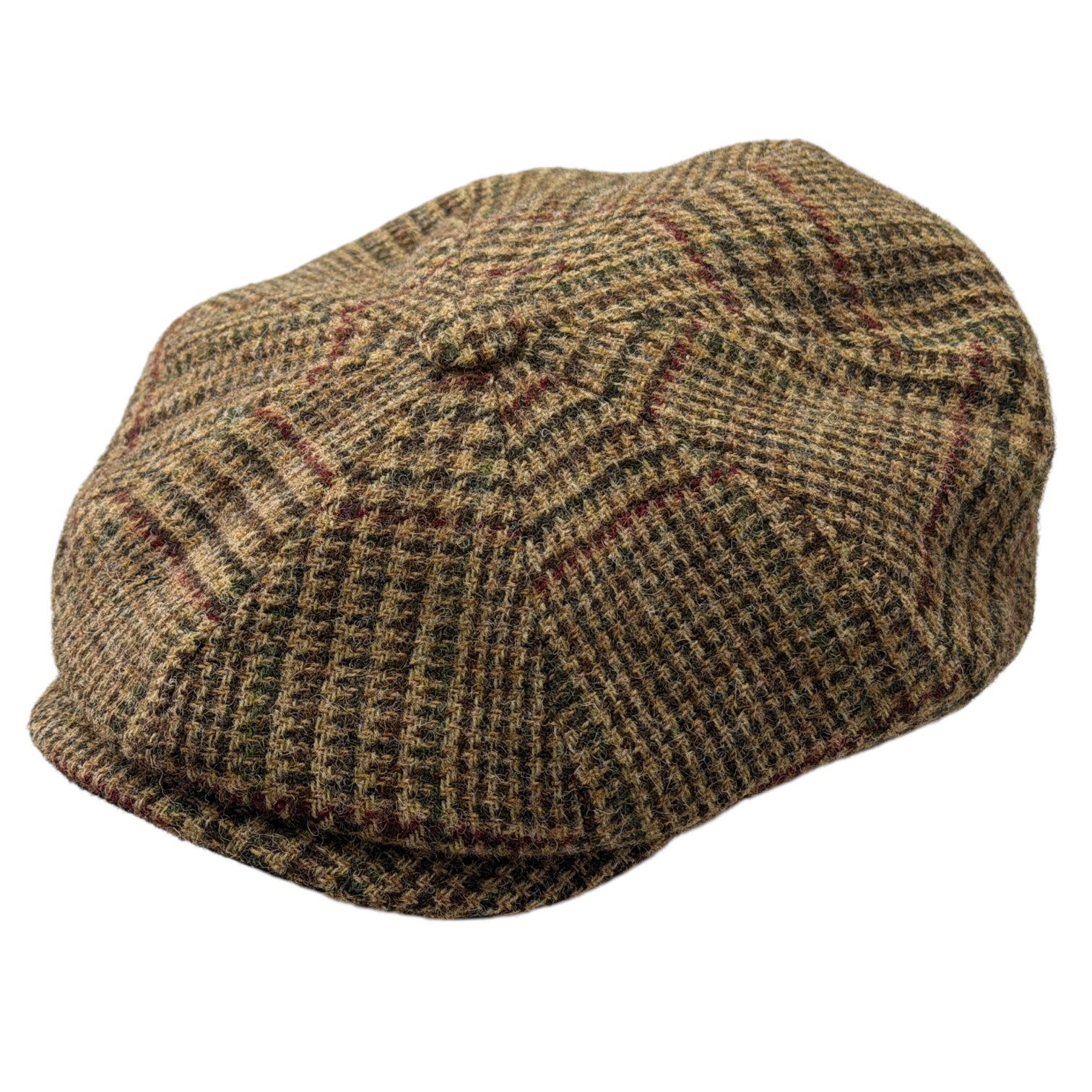



Too often, fine-looking cloth pills or garments fail at the seams, leaving pieces that wear out far sooner than they should. This article examines how combining modern fibre science with traditional weaving produces cap cloth that retains its structure, hand, and performance.
This article traces the process from verifiable fibre provenance and careful fibre preparation, through yarn engineering and weave design, to mill finishing and rigorous testing. Below are the practical steps mills use to extend cloth life, and the quality checks and evidence that substantiate those claims.

How to source fibres with verifiable provenance for fine hatmaking
Begin by securing a full chain of custody from farm to mill: batch numbers, lot tags, transport logs, mill processing records, and sample photographs that allow a specific bale to be matched to the finished target="_blank">cap cloth. Commission independent laboratory testing to quantify micron count, staple length, tensile strength, fibre length distribution, and colourfastness; these figures help predict handle, pilling tendency, and long-term durability, and are more reliable than unverified claims. Ask targeted provenance questions about breed or varietal, pasture and field management, altitude or soil type, and primary processing methods such as combing, carding, or retting, because longer staple fibres and combed preparation typically yield a firmer, denser worsted cap cloth.
Follow those provenance checks with physically labelled swatches that state clear provenance. Run a set of comparative trials: ced" target="_blank">microscopic fibre identification to confirm material composition, pull tests to measure tensile strength, drape trials on a hat block to observe how the cloth holds shape, and rub tests to assess surface stability. Where appropriate, send samples to an accredited laboratory for standardised pilling and abrasion testing to obtain quantitative metrics. To verify environmental and social provenance, request third-party audit reports, certification documents, and recent supplier audit summaries. Check for supporting photographs, traceable lot codes, and records of remediation so you can judge whether stewardship and labour practices align with the material story. Taken together, a documented chain of custody, independent laboratory data, targeted provenance answers, and validated sample tests form the evidence base required to assess cloth endurance and make considered sourcing decisions.
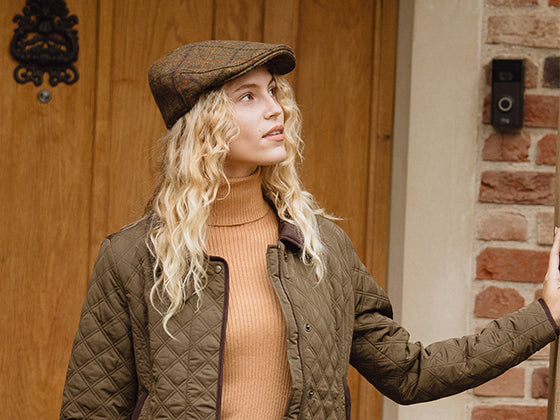
Choose authentically woven British tweed for proven durability.

How to prepare fibres to maximise the performance and longevity of yarn
The quality of a ws/3-ways-weave-and-fibre-content-shape-the-drape-and-durability-of-british-cloth" target="_blank">cap cloth is decided at the fibre. Examine staple length, fineness, and crimp, and note any variability: long, consistent staples with uniform crimp yield stronger, smoother yarns that resist pilling and accept a crisper finish, whereas variable staples produce a softer, less stable surface. Scouring and conditioning remove grease, dust, and vegetable matter and equalise moisture; cleaner, evenly conditioned fibres draft more predictably, break less frequently, and take dye more uniformly, which improves colour consistency in the finished cloth. Where loft and a soft handle are desired, carding retains air and volume; where worsted yarns are required, combing aligns fibres and removes short staples so the tops are free of short fibres. Removing those short staples raises tensile strength, reduces hairiness, and helps the cloth hold its shape and present a refined surface.
Begin by trialling small-batch blends of natural and synthetic fibres, assessing abrasion resistance, handle, and colourfastness to identify combinations that deliver resilience and spring without compromising the woven appearance traditional cap cloth requires. Treat spinning as an iterative, evidence-led craft: vary drafting, twist, and plying, and record tensile strength, elongation, evenness, and hairiness (the tendency of fibres to stand proud of the yarn). These measurements make the trade-offs between strength, softness, and surface smoothness explicit. Use the results to optimise twist level and ply structure so yarns meet the mechanical and aesthetic targets set by the weave. Finally, feed findings from these small-scale trials back into lot selection and preparatory processes so mills can reproduce the performance and longevity expected of an enduring hat fabric.
Choose a wool-linen blend for cool, structured summer wear.

Shaping yarn and weave into cloth made to last
Choose fibres by measured properties, not by reputation. Long-staple wool delivers superior tensile strength and resilience; fine, short-staple wool feels softer to the touch but will pill more readily. Linen and cotton bring cooling and structural crispness, and small proportions of engineered fibres improve moisture management and colourfastness. Confirm behaviour with a few simple checks on small swatches. A rub test for pilling, a quick stretch-and-recovery check, and a close visual inspection of fibre alignment reveal how a cloth will respond to wear. These trials are reproducible in a studio and take only minutes. When composing blends, aim to balance warmth, drape, and longevity. Bias the mix toward long-staple wool for strength, add 10 to 30 per cent linen or cotton for structure and cooling, and include modest amounts of engineered fibres to boost abrasion resistance and moisture performance. Always trial small samples, run basic tensile and abrasion tests to confirm how your chosen proportions alter the finished cloth, and record the results so the detail that rewards closer inspection can be relied upon next time.
Yarn and weave choices translate fibre selection into practical performance. Increasing Z-twist, specifying multi-ply yarns, and using coarser counts raise abrasion resistance and reduce surface fuzz, while lower twist and finer single yarns favour tailored suiting and a soft drape. Plain weave offers robust wear and straightforward repair, twill balances drape with directional durability, and basket weave yields an open, breathable structure. Adjust the sett, or thread density, opening it for summer cloth and closing it for hard-wearing outer fabrics, and sample swatches with incremental changes to ends and picks, the warp and weft counts, to quantify density and handle. Apply selective finishing—from singeing and fulling to napping and water-repellent treatments—and verify results with standard abrasion and pilling tests alongside careful hand evaluation. Finally, specify measures that extend service life: low-agitation cleaning, gentle blocking, periodic reproofing, reinforced selvages, and straightforward repairs such as darning, reweaving, or patching. These are the considered choices that reward closer inspection.
Practical rules for durable cloth: fibre, yarn, weave, finishing, testing
- Choose fibres by measured properties, not reputation: bias blends toward long-staple wool for tensile strength and resilience, add 10 to 30 per cent linen or cotton for structure and cooling, and include small proportions of engineered fibres (single-digit per cent) to improve abrasion resistance and moisture handling; check samples quickly with a rub test for pilling, a stretch and recovery check, and a close visual inspection of fibre alignment to confirm expected behaviour.
- Decide yarn and weave by target use: increase Z-twist, use multi-ply constructions, and select coarser counts to raise abrasion resistance and reduce surface fuzz, while lower twist and finer singles favour suiting and soft drape; choose plain weave for robust repairability, twill for balanced drape and directional durability, and basket weave for breathable open cloth, and adjust sett from open for summer fabrics to closed for durable outer layers.
- Plan finishing and validation around the end use: singe to remove surface hair, full to close the cloth and boost abrasion resistance, nap to add loft and warmth, and apply water-repellent finishes when moisture resistance is required, then verify outcomes with basic abrasion, pilling, and tensile checks alongside hand-evaluation protocols.
- Make swatches your decision tool: sample incremental changes in ends and picks and in yarn twist, record handle, density, and test results, then iterate; design garments for a long service life by specifying low-agitation cleaning, gentle blocking, reproofing where appropriate, reinforced selvages, and repair-friendly construction that allows darning, reweaving, or patching.

Milling, finishing, and testing: how cloth is crafted for longevity
Begin by recording fibre and yarn specifications precisely. State staple length in millimetres, yarn count in Nm or tex, and twist as turns per metre. Long-staple fibres, higher twist, and multi-ply constructions tend to produce a neater surface and greater tensile strength; in practice these choices reduce hairiness and improve resistance to abrasion, which matters for hats that must withstand repeated handling. Make clear whether yarns are worsted or woollen. Worsted spinning yields compact, smooth yarns with a crisper drape and higher tenacity, while woollen spinning produces loftier, softer yarns with different resilience and wear characteristics. Those differences affect how a cloth holds shape, creases, and wears over time, so match your choice of yarn to the hat style you intend to make. Match weave and density to the intended use. Twill, herringbone, plain, and hopsack each develop distinct abrasion patterns and crease behaviour, so check ends and picks per centimetre and cloth weight in g/m2. Hold a sample to the light or count threads to judge openness; those observations help determine whether a cloth is better suited to a structured hat, a softer cap, or outerwear.
Finishes and test evidence shape how a hat feels, performs, and endures. Fulling and napping increase firmness and insulation; mercerisation and calendaring refine the handle and introduce a subtle sheen; resin-based crease-resistance or water-repellent finishes improve performance, often at the expense of breathability and, sometimes, drape. Because every finish involves trade-offs, request technical data sheets that state how treatments behave after repeated laundering and wear cycles. Request independent laboratory reports performed to recognised standards so you can compare batches on an objective basis. Useful references include ISO 12947 for abrasion, ISO 12945 for pilling, ISO 105 for colourfastness, and ISO 13934 for tensile strength. Also ask to see the mill’s sample-retention policy and any accelerated-wear data; those records reveal whether one production run matches the next. On inspection, look for evidence of care: even dye, a consistent nap, straight selvedges, and minimal flyaway fibres. Perform straightforward in-hand checks. Fold the material flexibly to assess memory, rub a small, inconspicuous patch to reveal initial pilling behaviour, and give a gentle pull at a seam to judge construction strength. Finally, protect the piece so it continues to perform. Rotate wear, brush after exposure to the elements, avoid high heat when cleaning, and store on breathable covers. Those habits preserve the finish and extend the life of a well-made hat.
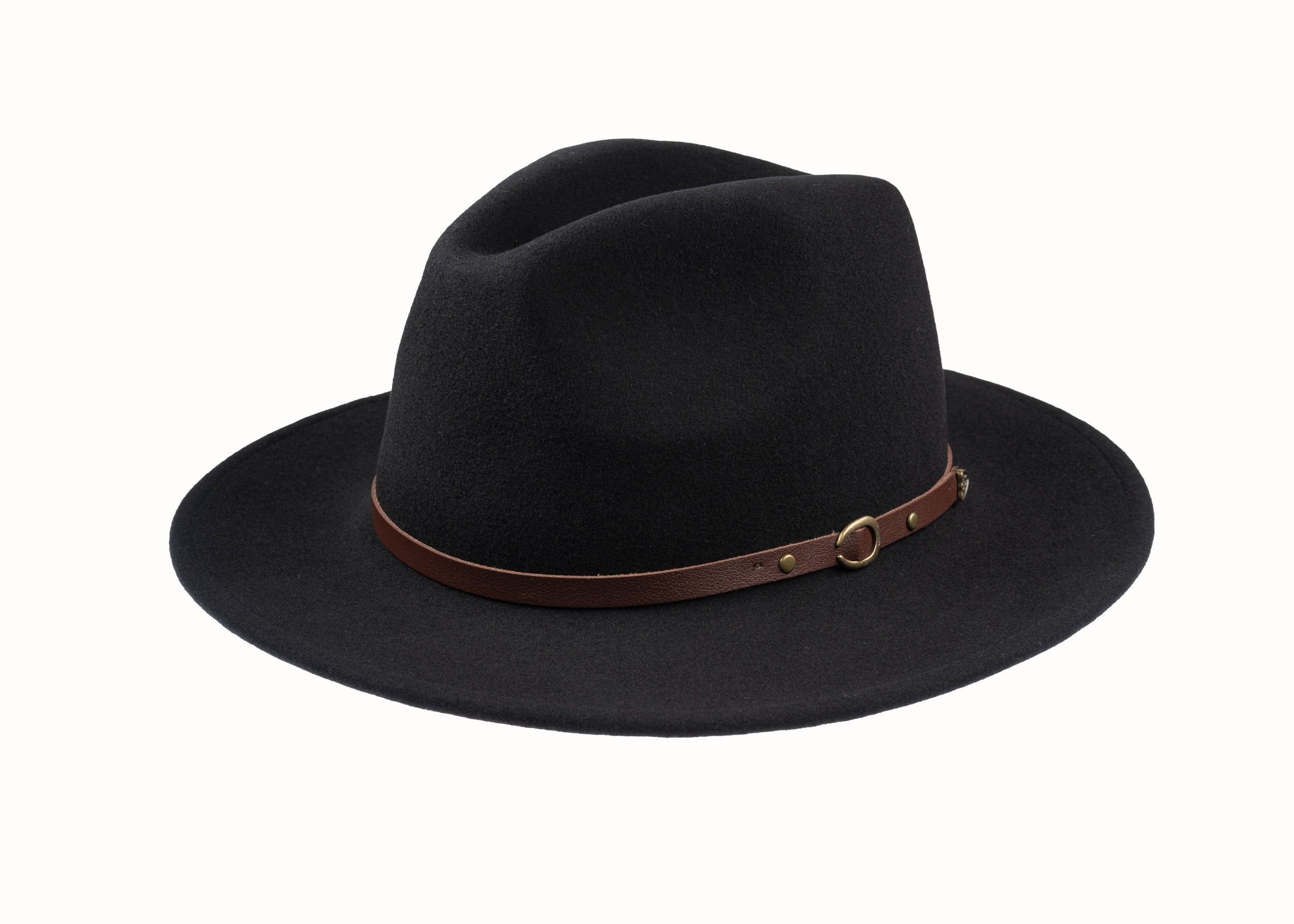
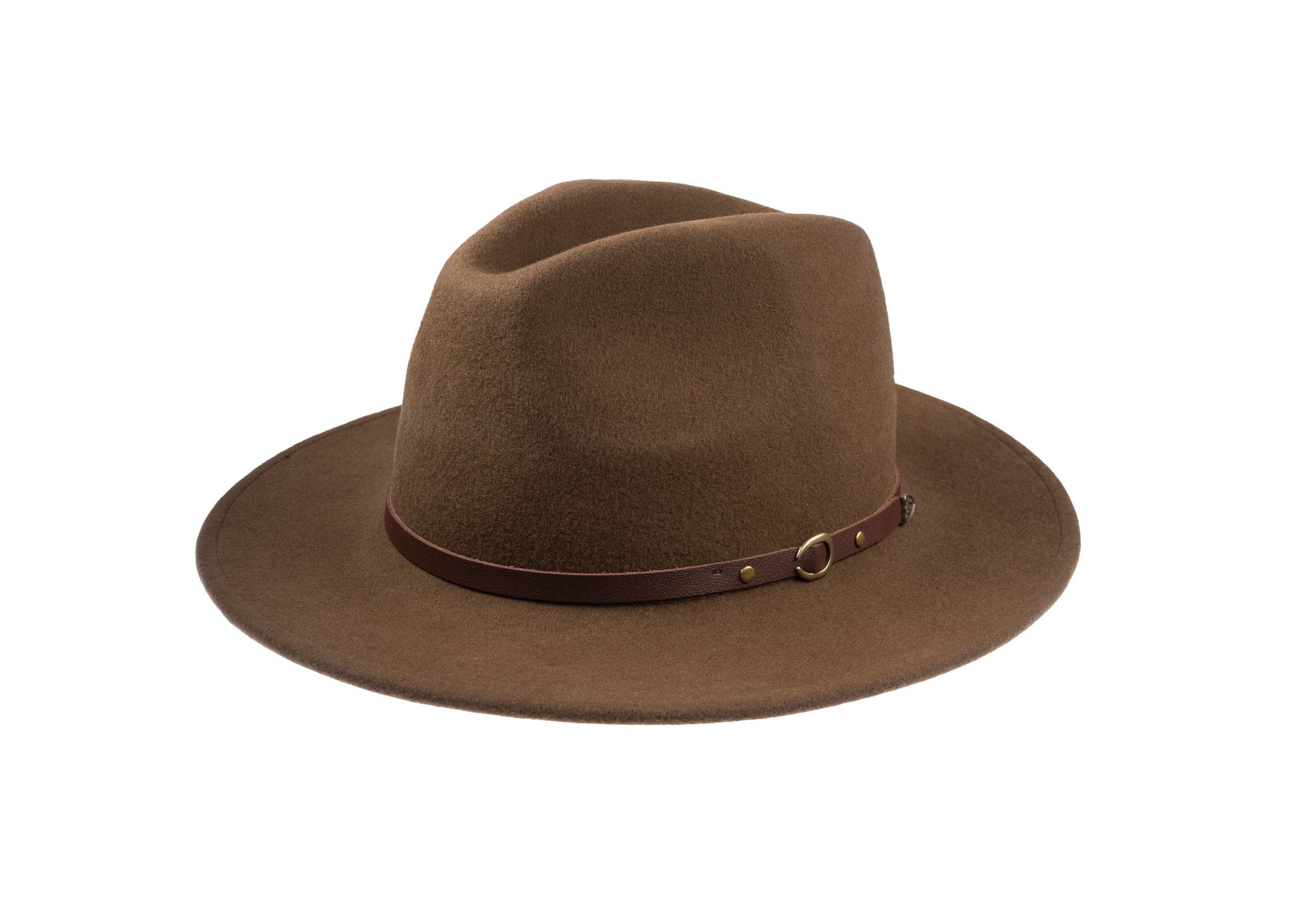
Choose a Merino-felt trilby built to endure daily wear.

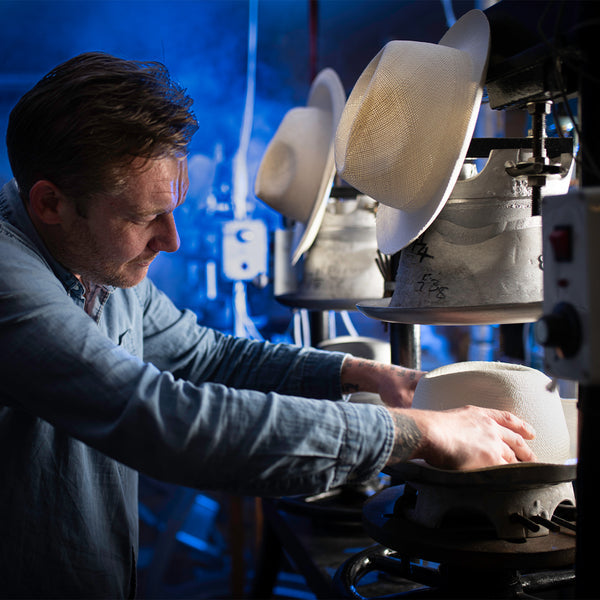
Preserving millinery standards with continuous, craft-led quality inspections
Laboratory assays quantify tensile strength, abrasion resistance, and pilling. They record colourfastness to light and to rubbing, and measure the dimensional change that follows wetting and pressing. Comparing results from before and after finishing shows how fibre choice and weave interact to alter performance, and makes the subtle effects of a process visible on the cloth. Practical sampling begins at the loom. Swatches are cut from the start, middle, and end of each warp, together with in-line checks of weave and selvedge. A small tactile sample, retained and linked to the roll number, ensures the subjective judgement of the hand accompanies the objective data. Recording failures, quarantining affected rolls, and escalating persistent defects create actionable traceability. Those records allow makers and manufacturers to correlate fibre origin, blend recipe, machine settings, and operator with measured outcomes, pinpointing where a problem began and how it changes the cloth. The result is a clear audit trail that renders subtle characteristics legible to both technician and maker.
Trial "https://christys-hats.com/blogs/news/five-inspections-that-demonstrate-a-hat-cloths-finish-colour-and-texture-will-endure" target="_blank">finishing under the conditions a hat will actually encounter in use. Reproduce the principal stresses — blocking and pressing, strap abrasion, repeated handling, light exposure, and wash or dry-clean cycles — and take measurements after each stage so chemical treatments and machine settings can be adjusted. Monitor performance with simple metrics and process-control charts to reveal gradual drift; convene brief, cross-functional reviews when outliers appear, and schedule regular training for production teams to reduce variation. Attach small swatches to batch records so mills and workshops can trace problems back to raw material lots or process settings and verify corrective actions. Finally, commission blind verification by an independent laboratory to strengthen internal checks and reassure buyers.
Enduring cap cloth begins with verifiable fibre provenance, careful fibre preparation, yarns engineered for stability, and measured finishing. Each stage preserves the cloth's structure, its hand, and its colour. Independent laboratory tests provide the evidence: abrasion and pilling tests quantify surface wear, tensile-strength tests measure resistance to breakage, and batch-linked swatches record colourfastness. Together, these findings show how material and process choices extend service life and reduce visible wear, revealing qualities that become apparent with use.
Use the headings as a practical checklist: source, prepare, construct, finish, and assure quality. Combine studio trials, such as abrasion, shrinkage, and colourfastness tests, with accredited laboratory reports to verify a mill's claims. This approach turns provenance and craft into measurable outcomes, helping you select cap cloth with confidence and fewer surprises.