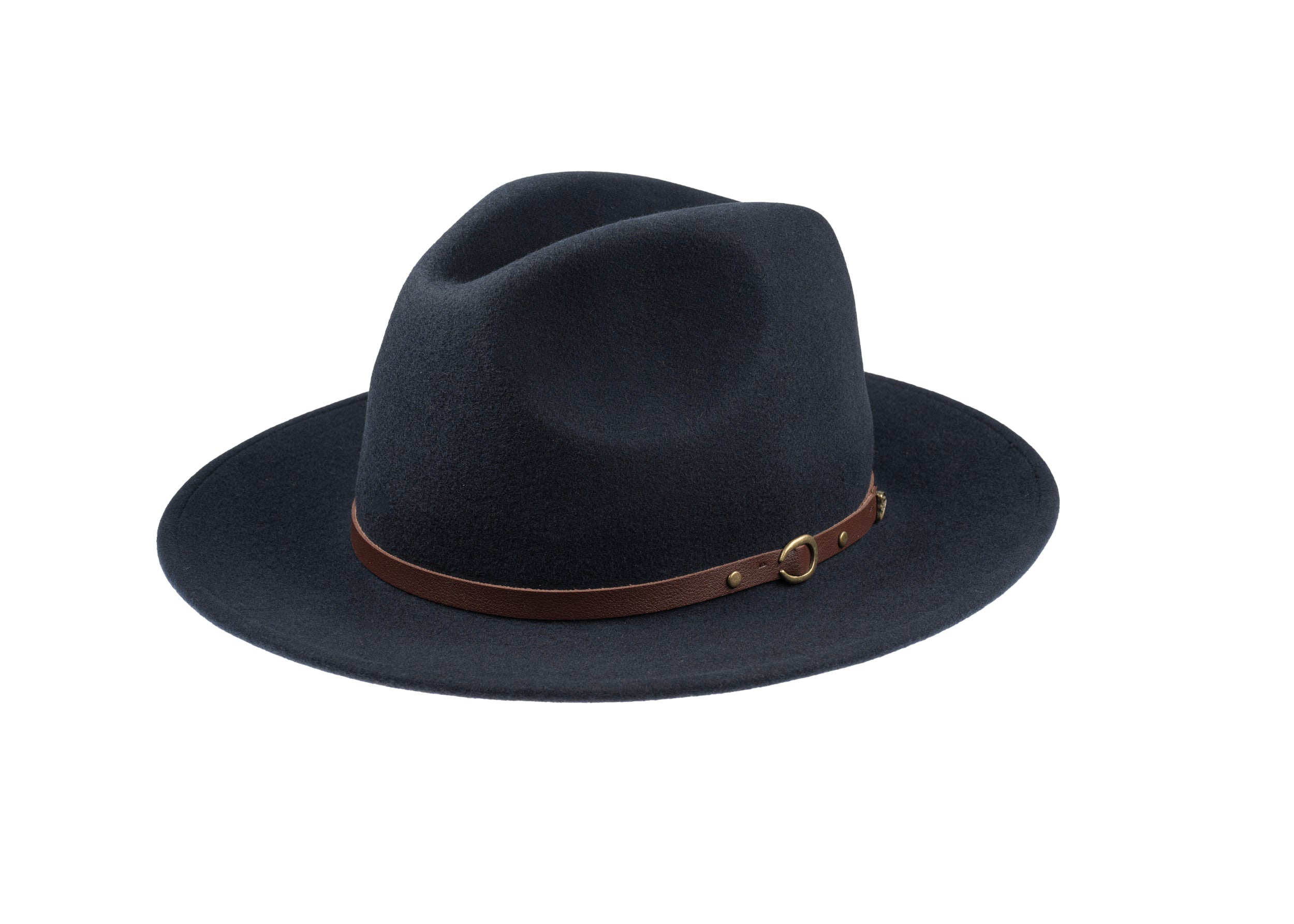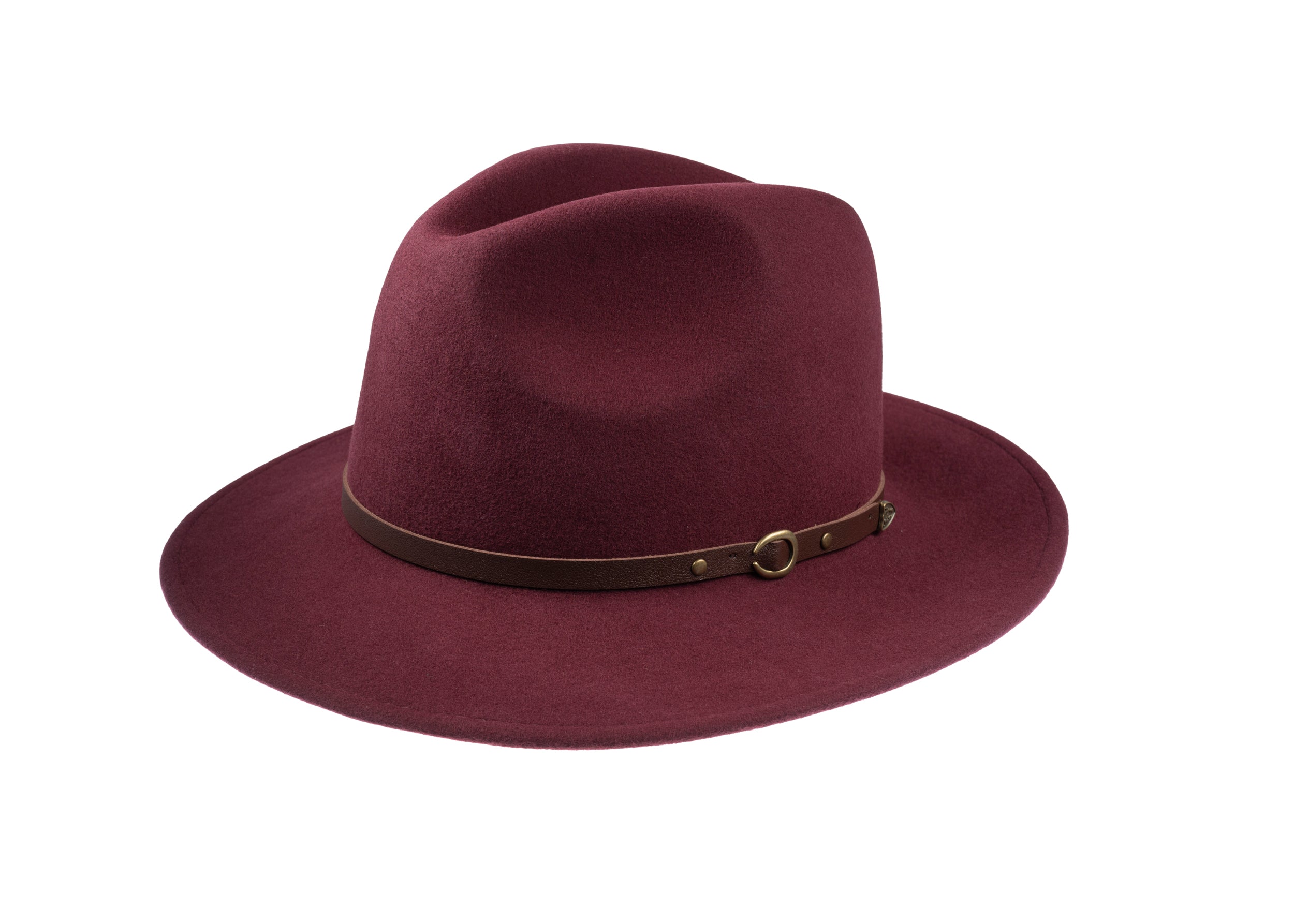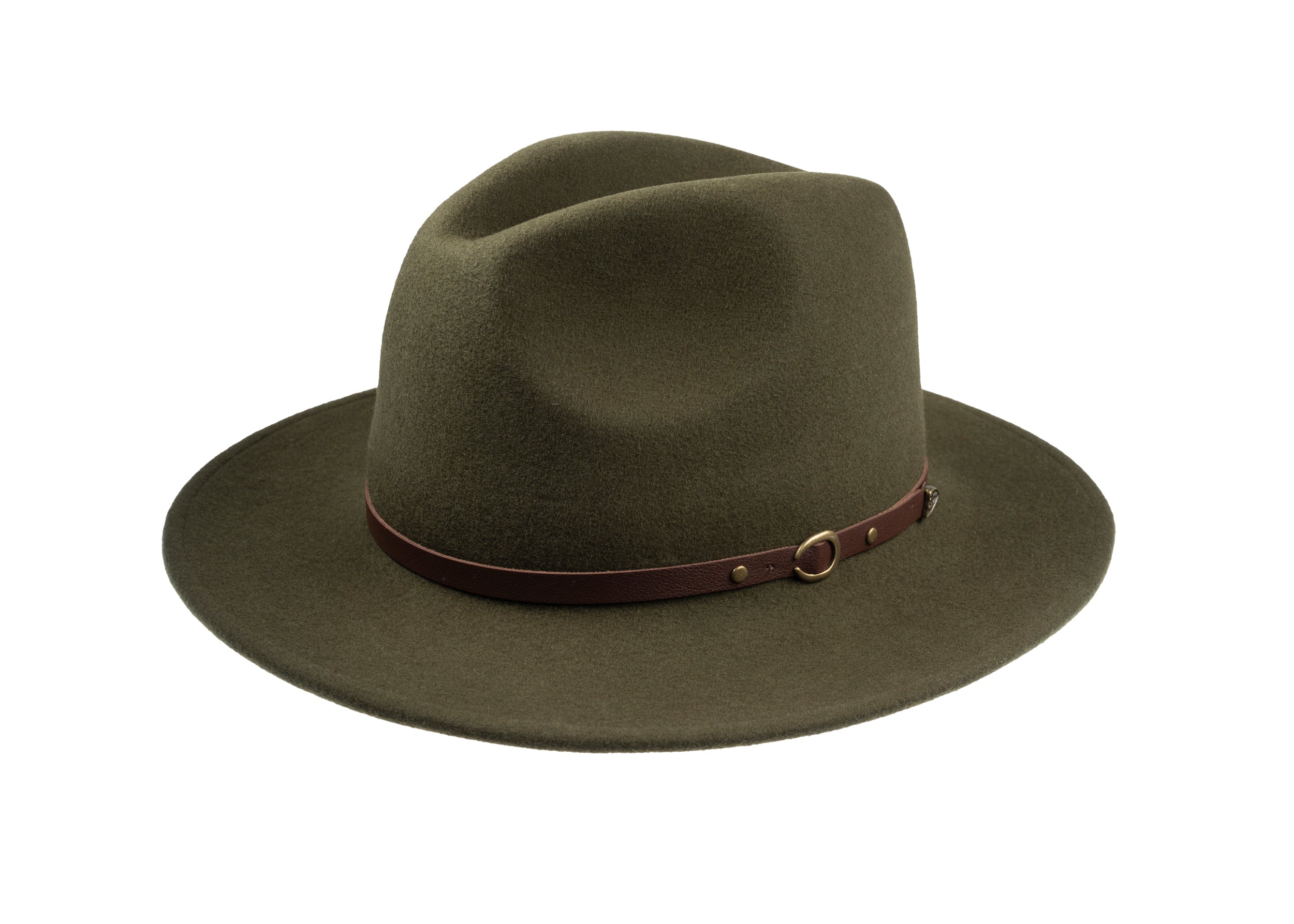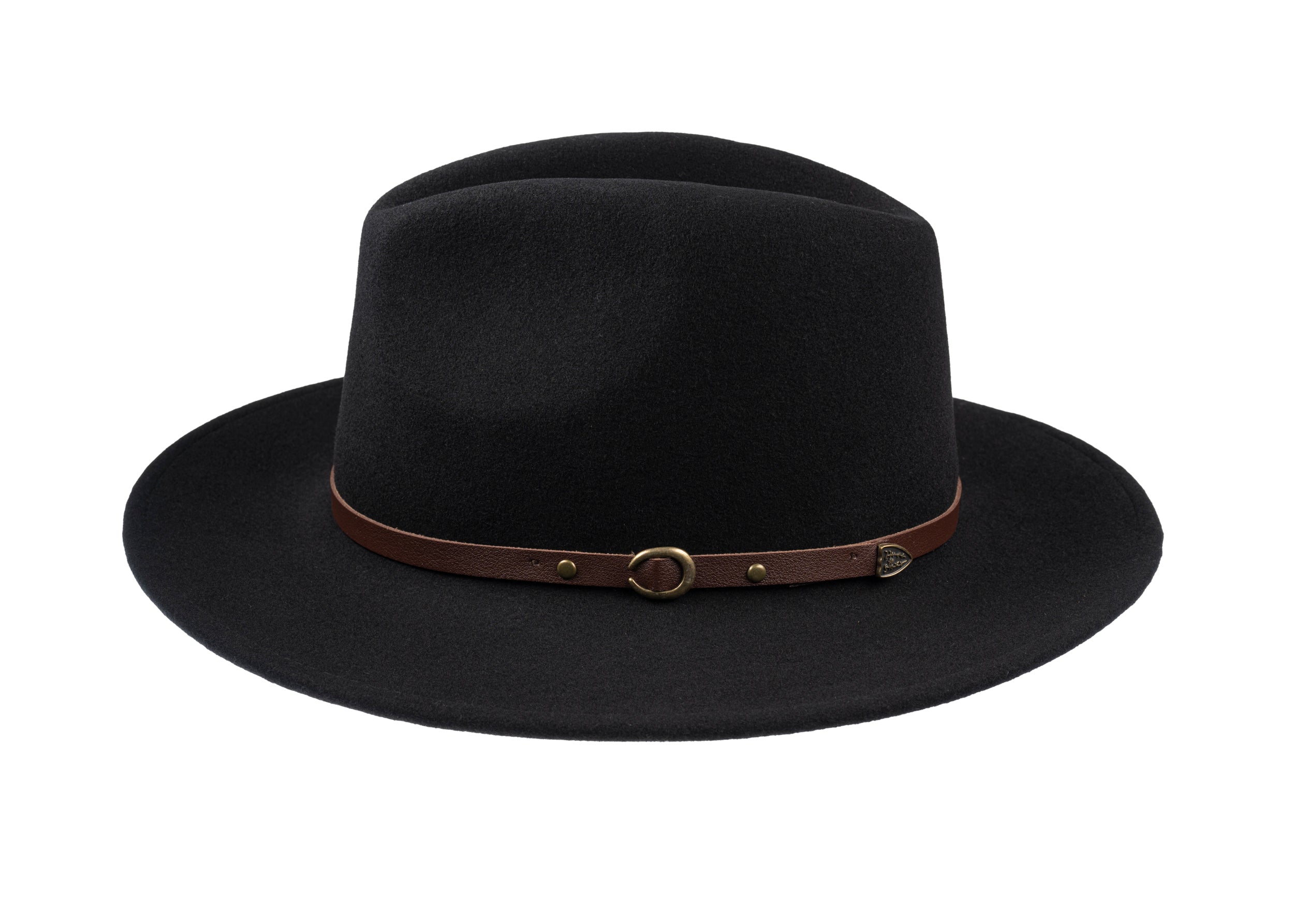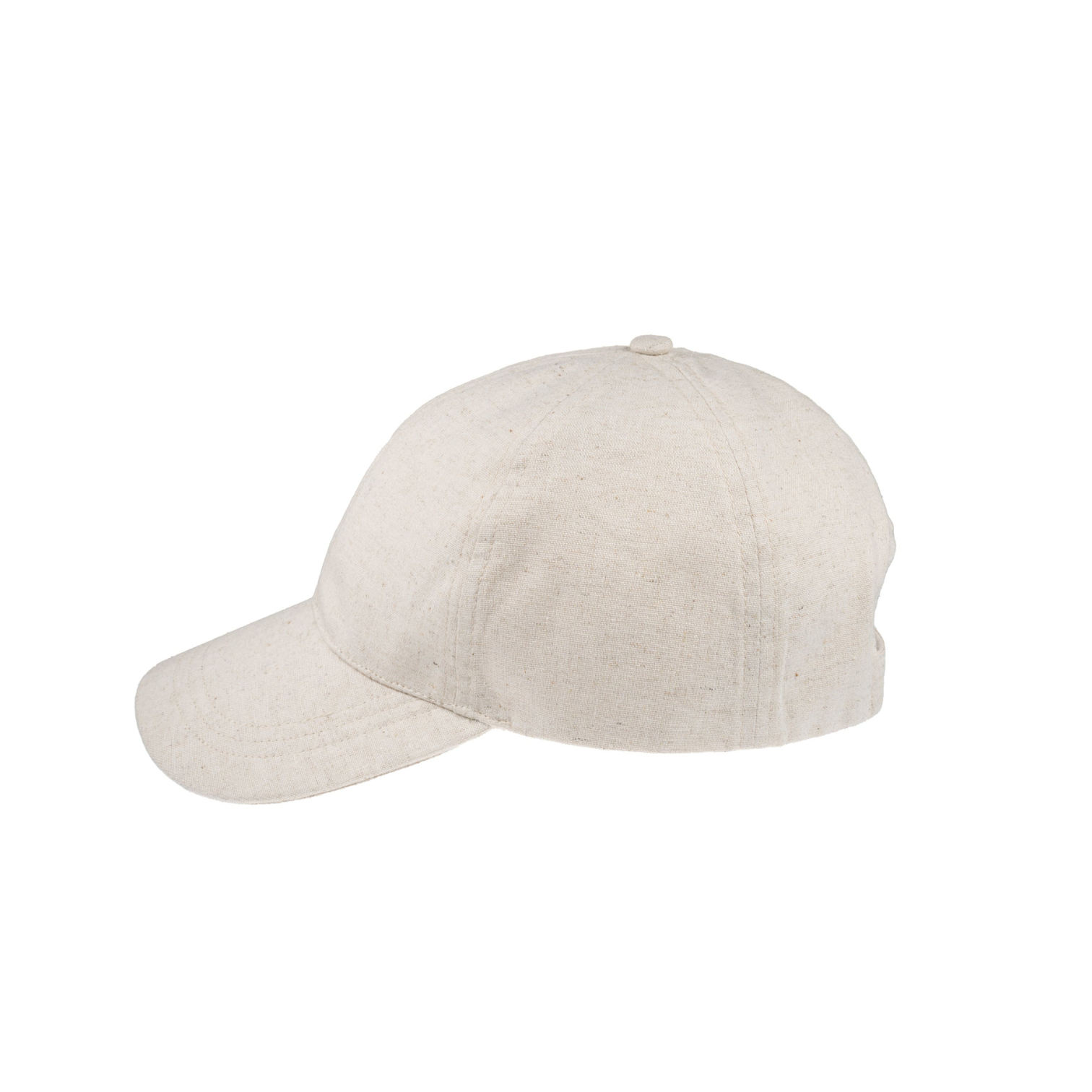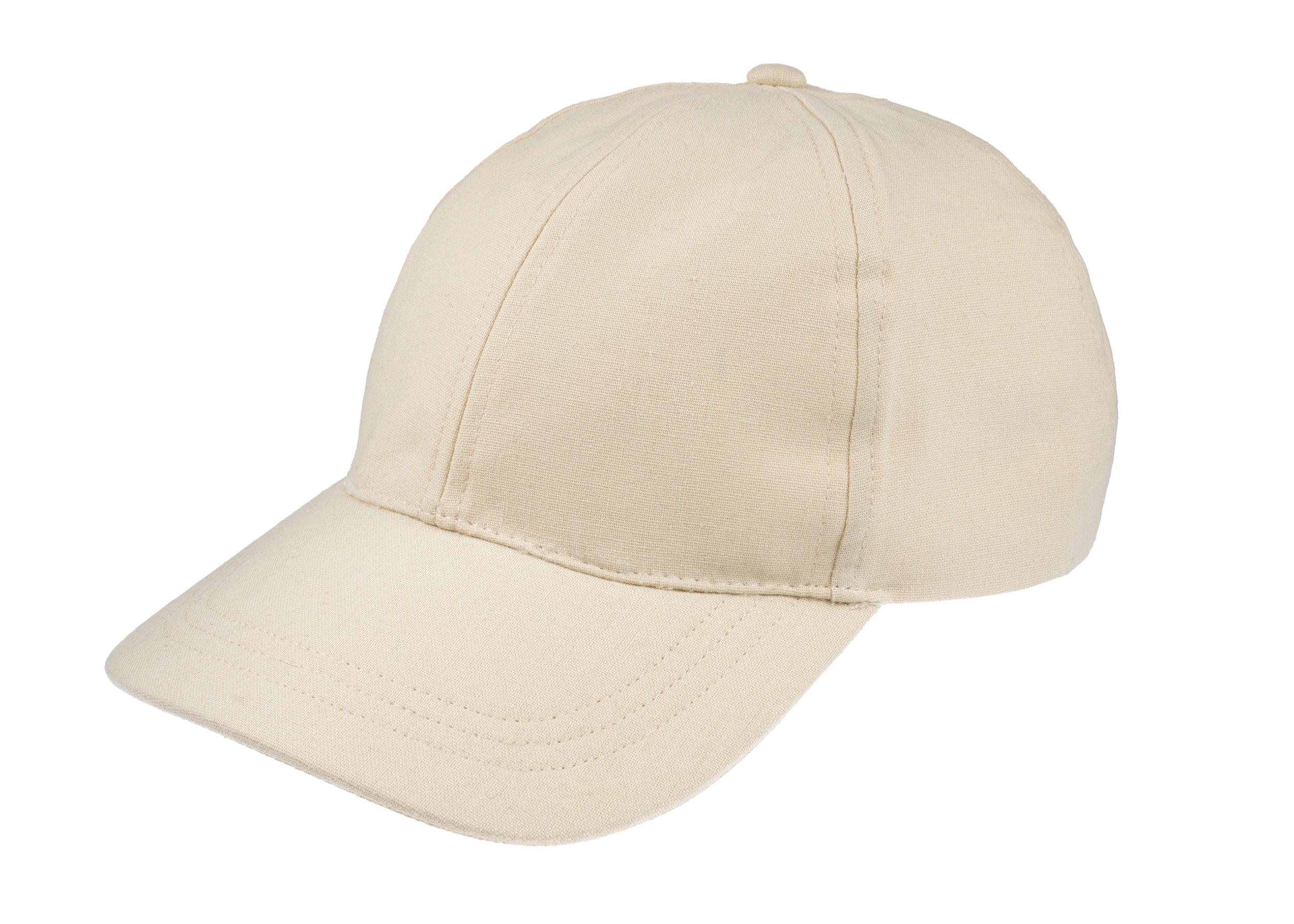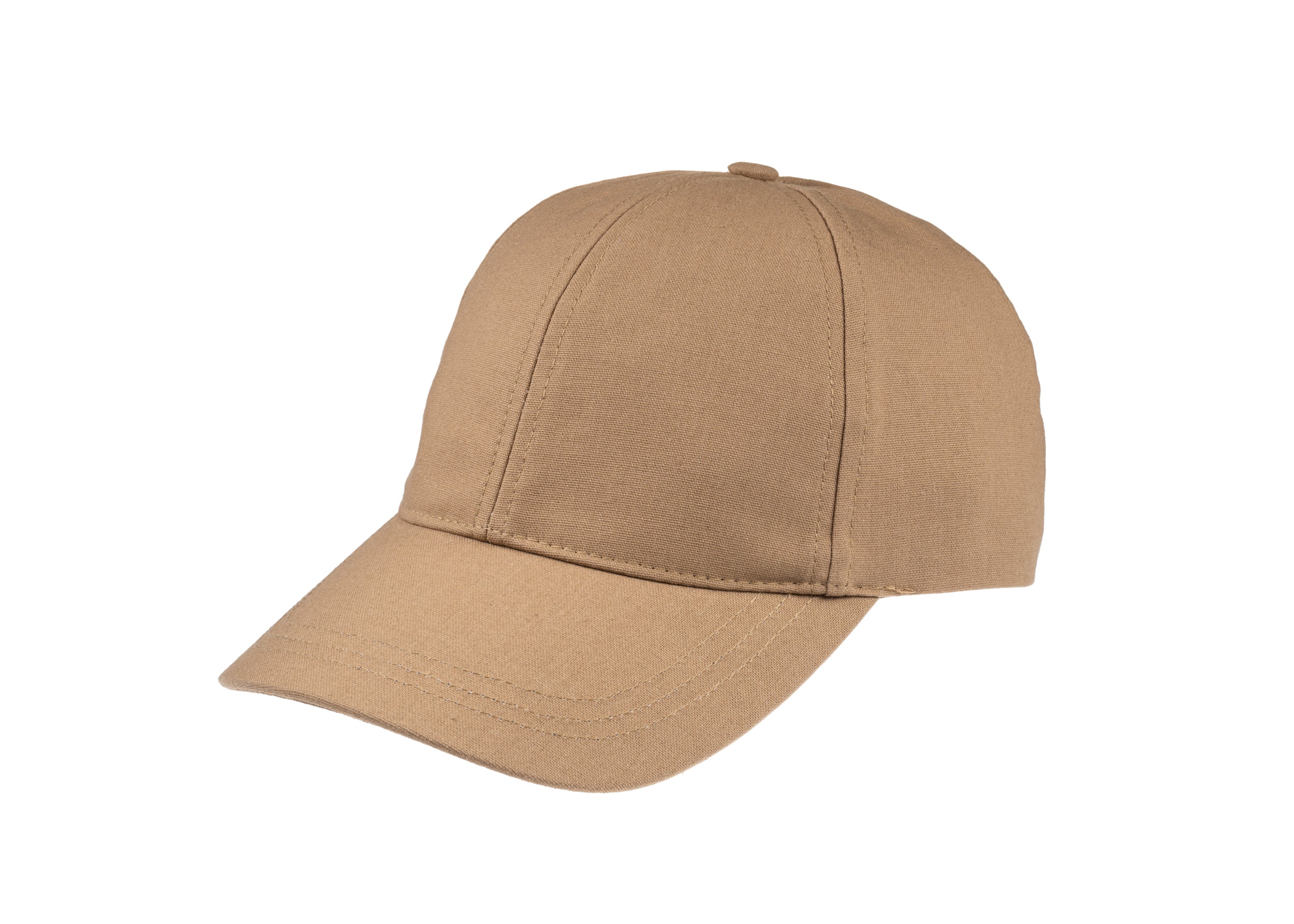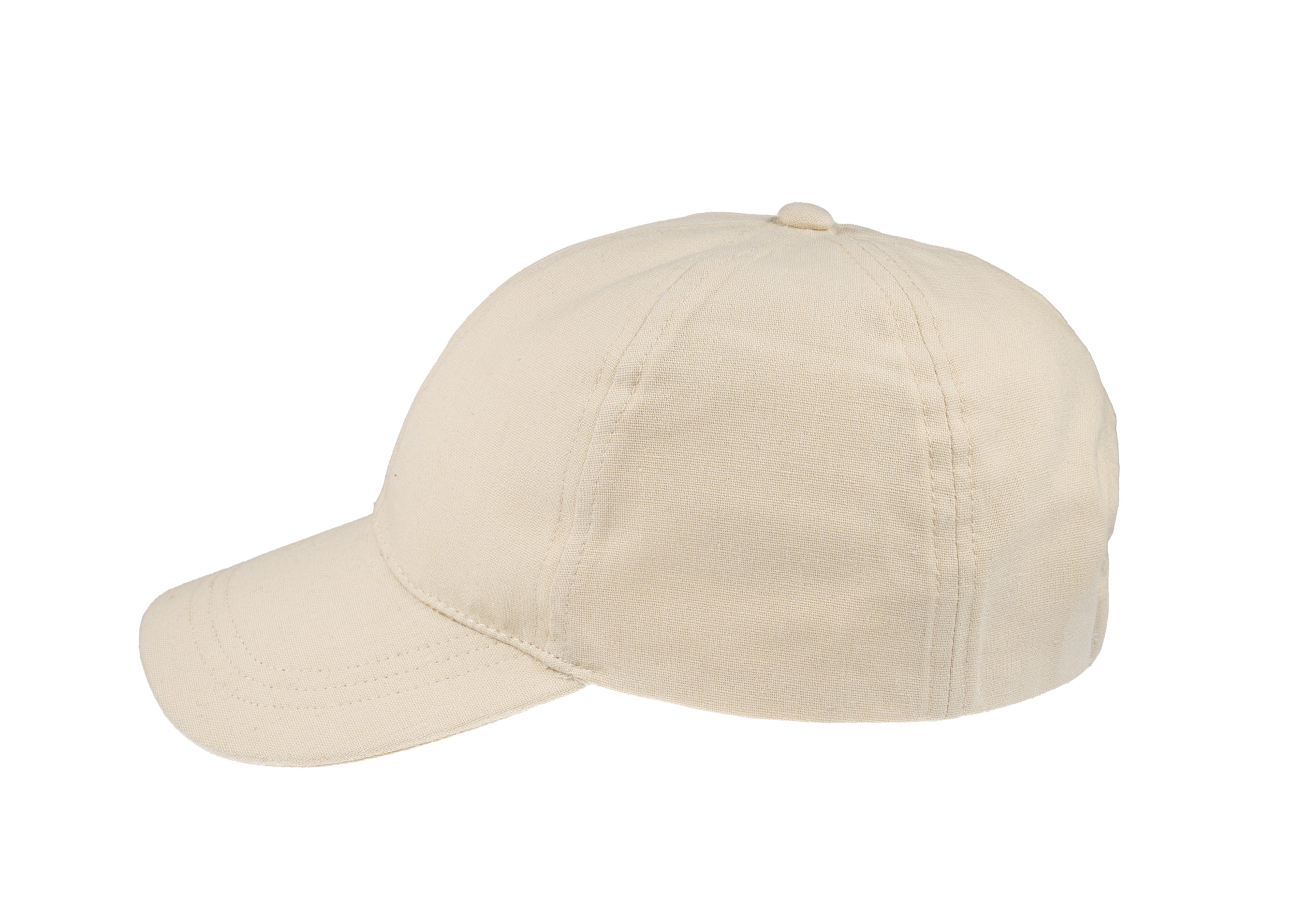





A homburg appears straightforward, yet small changes in crown height or brim width materially change its balance and formality. Choosing the crown, brim, and material that flatter your face, suit the occasion, and perform across seasons requires attention; those subtle adjustments determine how the hat complements the wearer and how formal it reads.
In this guide we examine the homburg's anatomy and proportions, explain how to match crown height to face shape and occasion, guide choices of brim width and edge finishing, and compare materials and finishes for season and formality. We finish with practical measuring, adjustment, and blocking steps so you may achieve a precise, confident fit without recourse to guesswork.

Understanding the Homburg: Anatomy, Proportions, and Key Details
Begin by familiarising yourself with the labelled anatomy of a homburg: crown, crown ridge, centre dent, brim, brim roll, sweatband, and trim. Measure the crown height from the point where the crown meets the head to its highest point, and measure brim width from the crown edge to the brim edge, using a tape measure or a ruler held against the hat. Take measurements consistently and record each value so you can compare existing styles or provide precise specifications when commissioning bespoke work. Typical proportions are crown height 9 to 12 centimetres, and brim width 5 to 7 centimetres. Lower crowns tend to suit shorter faces, narrower brims flatter broader faces, and a medium crown with a moderate brim keeps proportions balanced for most people.
Choose the felt with care. Wool, rabbit, and higher-grade fur felts differ in density, sheen, and water resistance. Denser fur felts hold a crisp ridge and resist flattening in damp conditions; lighter wool felts drape more softly and develop character with wear. Construction details also shape both silhouette and longevity. Felt thickness, internal stiffeners, brim finishing, sewn or bound edges, and the type of sweatband all influence how a homburg sits and how long it keeps its form. A brief inspection will tell you a great deal: pinch the crown to judge resilience, flex the brim to sense stiffness, and look inside for reinforced seams. After purchase, steaming, blocking, and relining will alter fit and form within the limits of the material, but repeated reshaping can soften the finish. For a formal, long-lived homburg intended for morning dress or similar occasions, opt for a dense, reinforced build and a quality sweatband.
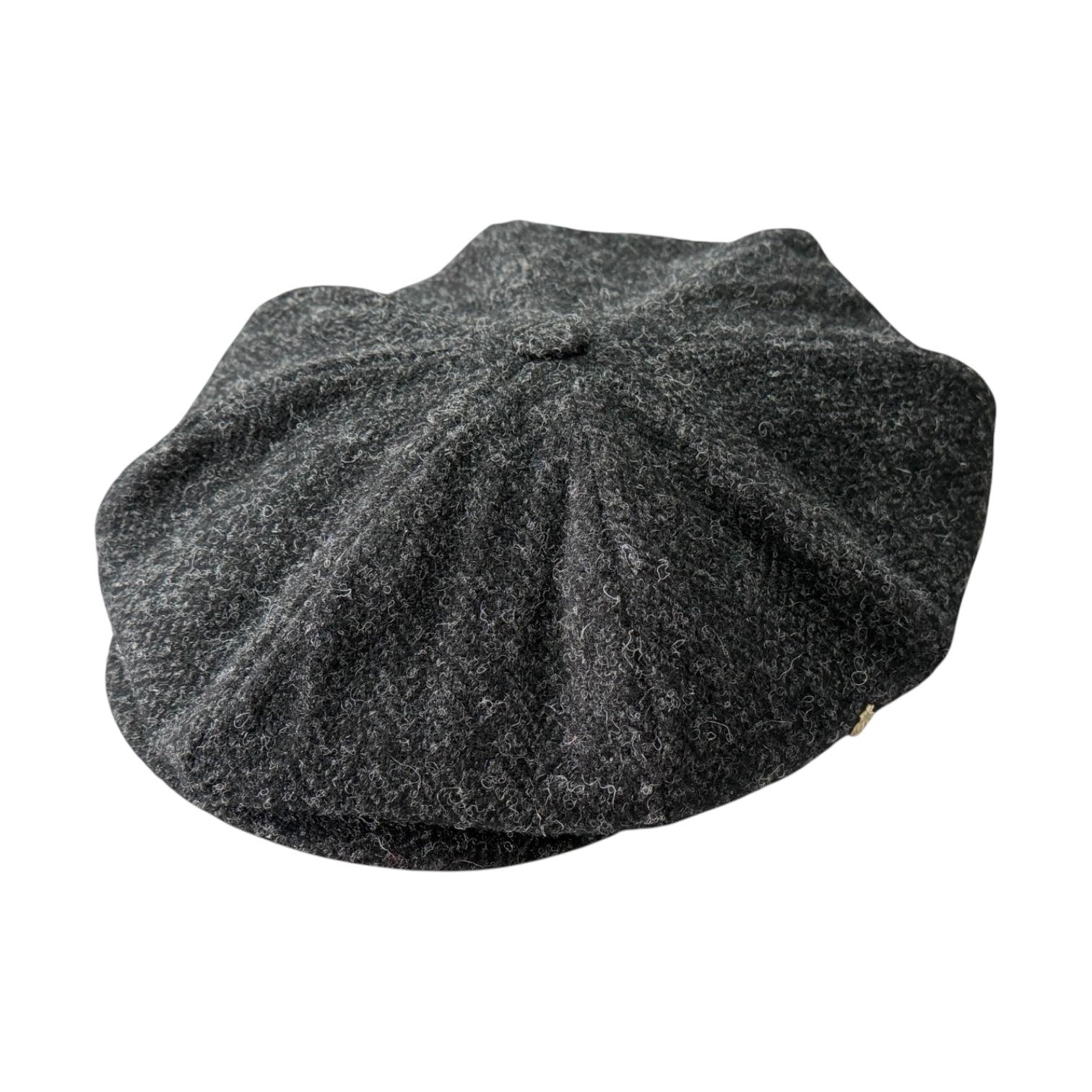
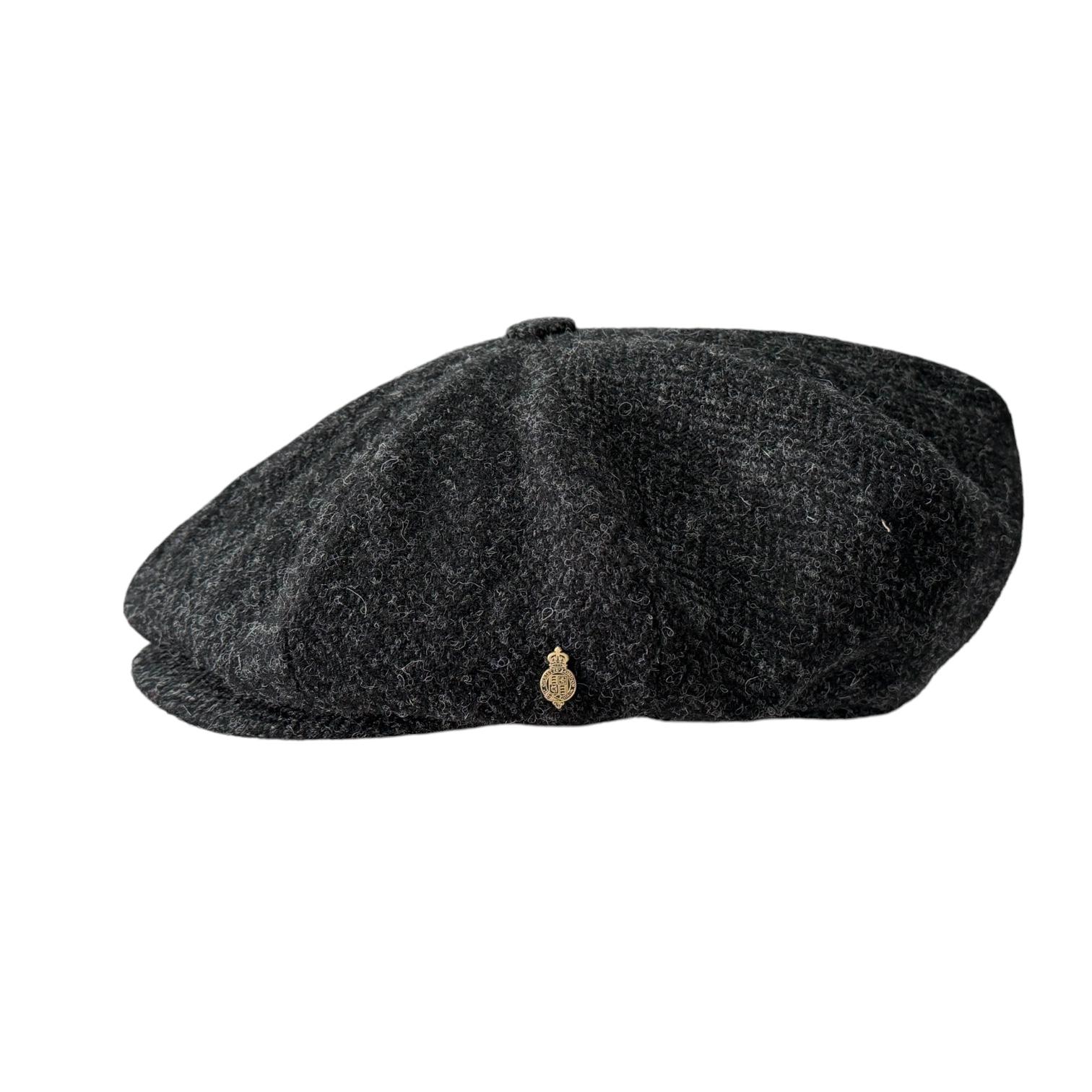
Choose a dense fur felt build for formal longevity.

How to choose a crown height for your face and the occasion
Start by identifying common face shapes: oval, round, long, square, and heart. Choose crown height to restore balance to the face. An oval face suits a medium, balanced crown. A round face benefits from a slightly taller crown to add vertical emphasis. A long face is best served by a lower crown to reduce apparent length. A gently rounded, medium-height crown will soften a square jaw. A heart-shaped face suits a modestly taller or tapered crown to counter a narrower chin. Verify shape with straight-on and three-quarter photographs, comparing vertical and horizontal proportions. Use simple fitting-room heuristics: taller wearers can carry slightly higher crowns, shorter wearers should keep crowns lower, and match crown height to the width of jacket lapels so the hat reads as a coherent silhouette. Let the occasion guide the final decision. Select a slightly higher crown for large, ceremonial situations where presence matters, and a more restrained, lower crown for close-up, indoor, or evening formalities. Higher crowns read from a distance; lower crowns preserve subtlety at eye level.
Hair volume, parting, and the hat’s position materially change how tall a crown appears. Test with your everyday hairstyle: push the hat forward or back by a centimetre or two, photograph in natural light, and favour a neat centre dent and a crown profile that complements your hairline. Construction and blocking determine how a measured height reads. Firmer felts and tight interior blocking hold sharper verticals and make a crown read taller, while softer materials and looser blocking collapse slightly and read lower. Pay attention to brim roll and interior finish when sampling crowns; those small details can shift the silhouette by as much as a centimetre. Always test the intended crown height in the exact material, wearing the hair and jacket you would normally pair with the hat, and be prepared to alter the profile or size if the material exaggerates or reduces verticality so the hat registers correctly both up close and at a distance.
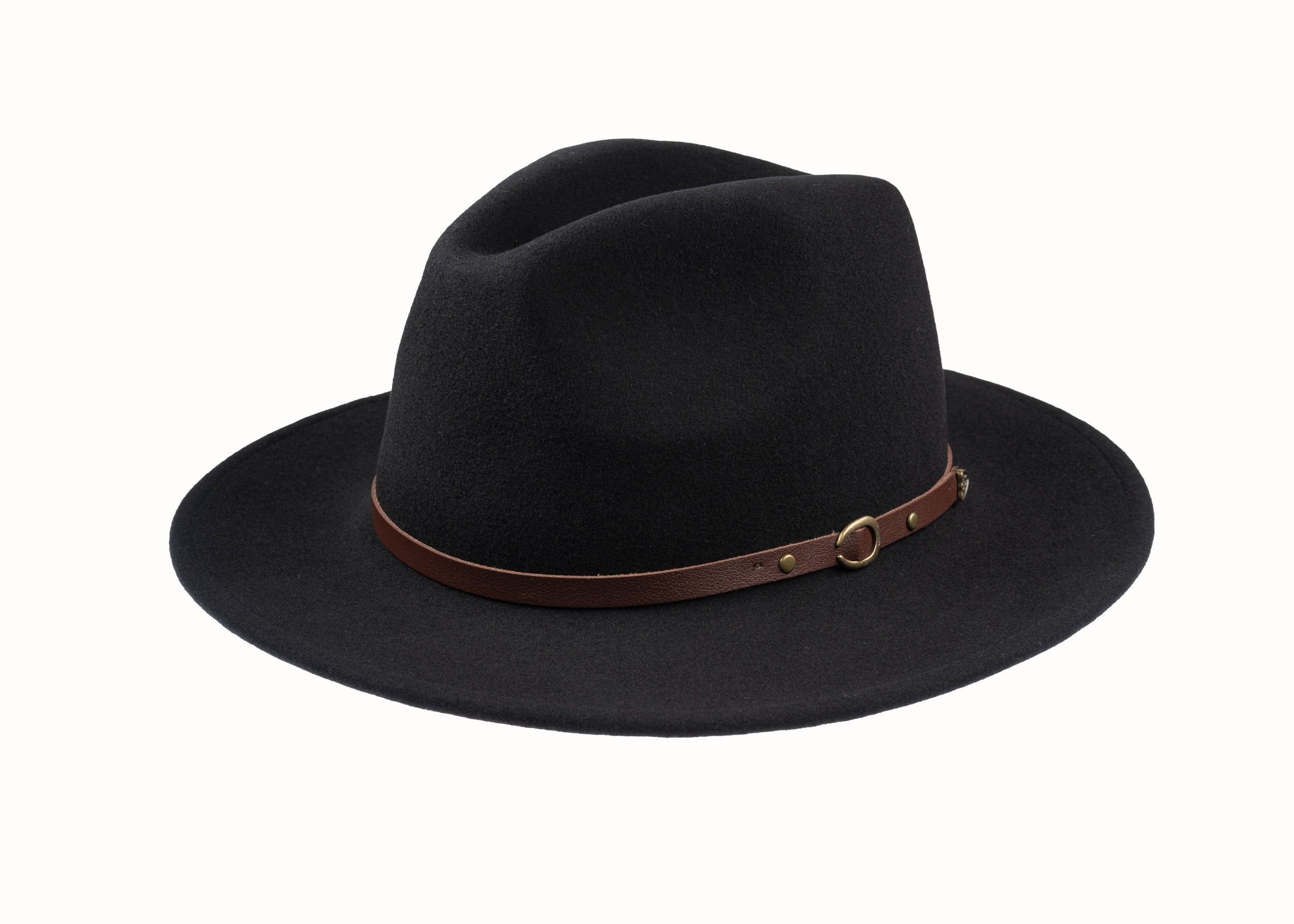
Delivers a tall, lighter crown for presence without stiffness.

Selecting your brim width and edge profile
Prefer proportion over prescription. For a formal Homburg, allow a brim of around 4.5 to 6.5 cm, reducing the width for smaller heads and faces, and increasing it slightly for taller wearers. Compare brim width with crown height and with lapel width so the whole profile remains in balance. Test the effect by holding the hat at arm's length and noting how the silhouette sits against the shoulder line and collar. If the brim appears heavy beside a narrow lapel, or if it slips beneath the collar when viewed from a distance, favour the narrower end of the range to keep a composed, formal silhouette.
Edge profiles subtly alter a hat's character. Use photographs or diagrams to judge how each profile changes shadow and the facial silhouette: a narrow pencil curl appears refined and formal, a shallow rolled turn-up reads traditional and slightly sporting, and a flat, bound edge feels modern and restrained. Material and construction determine how an edge behaves. Denser fur felts and tighter blocking hold a crisp curl, softer wool felts allow the brim to round, and interlinings or wired edges preserve a sharp outline even in damp conditions. Match material to expected use and climate, because moisture, and repeated handling will relax softer felts, while dense felts keep their shape for longer. Test the spring by pressing a fingertip along the brim, apply gentle steam for modest reshaping, and entrust reblocking or re-edging to a skilled hatter if the profile needs major correction, since repeated amateur adjustments can distort the blocked form.
Brim width and edge profile: quick, practical rules
- Brim-width decision guide: aim for a formal Homburg brim of roughly 4.5 to 6.5 cm, reducing to about 4.5 to 5 cm for smaller heads and faces, and increasing to about 6 to 6.5 cm for taller wearers or broader shoulders; compare brim width to crown height and to lapel width to keep visual balance, and test the silhouette by holding the hat at arm’s length so you can see how the brim reads against the shoulder line and collar, choosing the narrower end of the range if the brim looks heavy next to a narrow lapel or slips under the collar at a distance.
- Edge-profile visual cues and outfit pairings: a narrow pencil curl creates a fine, refined outline that reads most formal and suits narrow lapels and tailored suits; a shallow rolled turn-up throws softer shadow and reads traditional with country or sporting coats; a flat, bound edge gives a modern, restrained profile that pairs with casual tailoring and city outerwear; judge each profile with photographs or diagrams, and view the hat from a few paces and from 45 degrees to see how shadows alter facial silhouette.
- Material, construction, and care that govern edge behaviour: dense fur felts and tight blocking hold a crisp curl, while softer wool felts round the brim over time, and interlinings or wired edges preserve a sharp outline even in damp conditions; check spring by pressing a fingertip along the brim, use gentle steam for modest reshaping, store on a hat block or brim-support, and leave major reblocking or re-edging to a skilled hatter to avoid distortion from repeated amateur adjustments.

How to choose material and finish for season and occasion
Choose fibre and weight to suit season and use. Dense fur felt, or fur-wool blends, hold shape and shed moisture, making them appropriate for autumn and winter; lightweight wool felt or fine straw breathes in spring and summer. Match finish and sheen to the occasion: a matt, brushed surface reduces glare in daytime settings, while a subtle silk or grosgrain sheen sits more naturally with evening dress. Assess construction with small, deliberate tests. Press the crown gently to judge stiffness and rebound; inspect the brim binding for a sealed edge that resists fraying and moisture; and sprinkle a few drops of water to see whether the finish beads or soaks in. If you expect variable weather or travel, ask about a water-repellent treatment and confirm the hat was blocked and shaped by hand rather than glued, so it can be reshaped by a milliner when required.
Comfort and longevity rest on the choice of lining and sweatband. A leather or fine cotton sweatband manages moisture and helps the crown retain its shape, while a partial or mesh lining improves ventilation. Mind the fibre content: beaver and rabbit felts compress differently from wool and typically provide superior water resistance and resilience, which matters if you plan to recondition the hat. Before you decide, view the finish in both natural and indoor light to judge its sheen and how it will sit with daytime and evening wear.
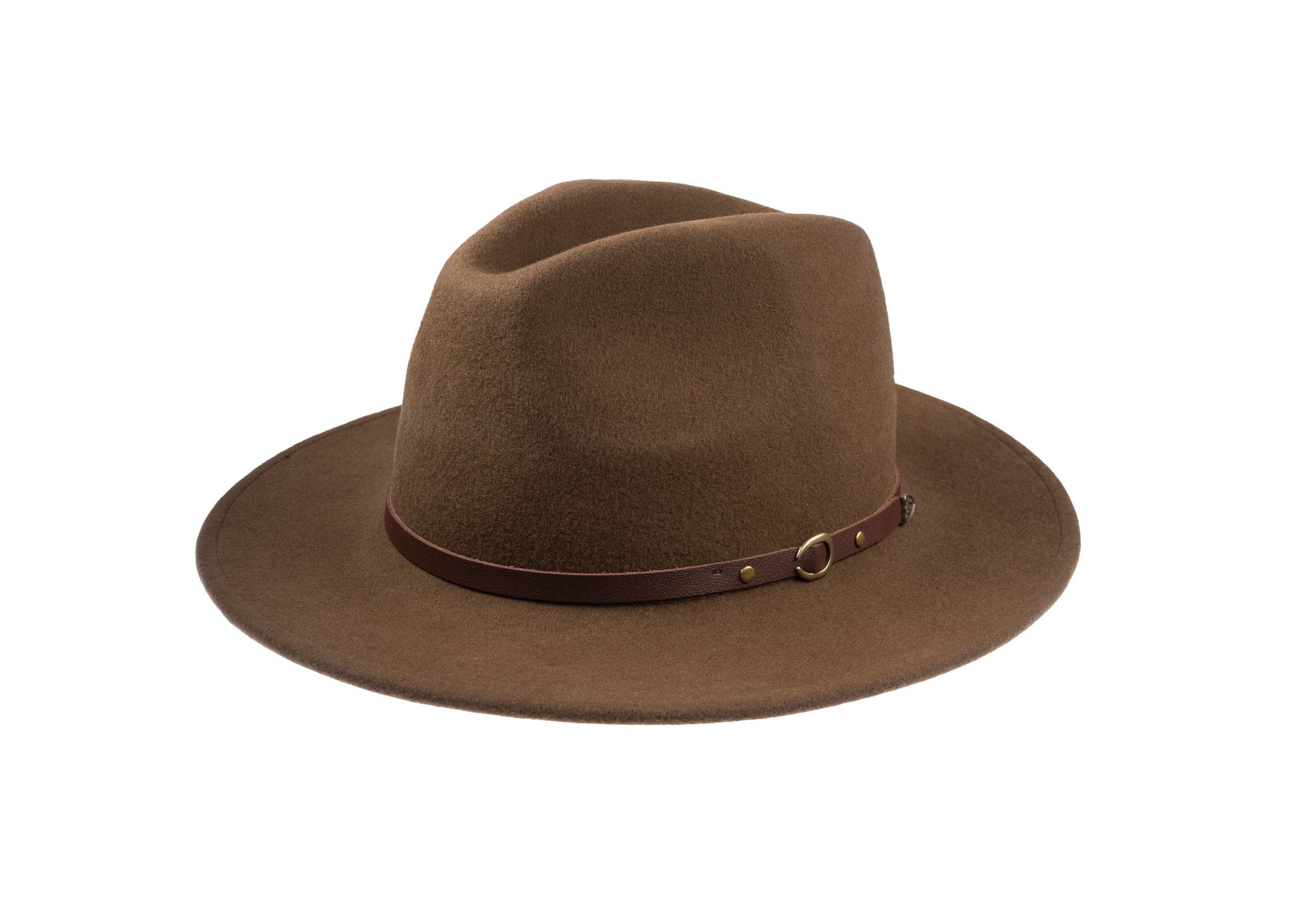
Pick a wool-felt silhouette for matte, everyday polish.

How to measure, adjust, and shape a hat by hand for a precise fit
Start with a considered measuring routine. Wrap a soft tape measure level above the ears and eyebrows, note the snug circumference, and allow about half to one centimetre of ease for comfort. Check the fit by nodding and with the two-finger rule; you should be able to slide two fingers comfortably between tape and skin. Record head shape, since oval, round, and long heads accept crown profiles differently, and allow for hair and any under-layers. For a formal Homburg, use 10 to 12 centimetres as a practical crown height starting point, bearing in mind that each additional centimetre will visually lengthen the face, while a lower crown shortens it. Test proportions with a paper or cardboard mock-up, and aim to harmonise crown height with the wearer’s stature and coat lapel height so the overall silhouette reads balanced.
Choose a brim width of roughly 5 to 7 centimetres for classic formality. Narrower brims concentrate attention upward, while wider brims broaden the shoulder line; cut cardboard templates to judge harmony with lapel width and shoulder span. Select material by behaviour: dense fur felts hold a crisp crown and curled brim and resist repeated reblocking, whereas lighter wool felts break in faster and breathe more in warm weather. Match felt firmness to intended use and to maintenance expectations. When reshaping, steam gently and seat the hat on a correctly sized wooden block, then push and pin the gutter crown until dry. Trim the felt nap, fit removable sweatband pads or use a hat stretcher for small size adjustments, and reserve major reshaping for a skilled milliner. Store a Homburg on a tree or cardboard form out of direct sunlight, and allow it to air after wear to preserve the shape.
A formal homburg succeeds when crown height, brim width, and choice of material balance the wearer’s face shape, jacket proportions, and the likely weather. Measured proportions, firm felt, and neat blocking ensure the hat holds its ridge, resists damp, and presents its shape clearly from close quarters to across a room.
Refer back to your notes on anatomy and proportion, test the crown and brim in the intended material, and validate the fit with photographs and cardboard templates. Take careful measurements and make a simple mock-up before ordering or reshaping. Those steps help ensure a precise, durable homburg that sits properly for formal occasions and everyday wear.