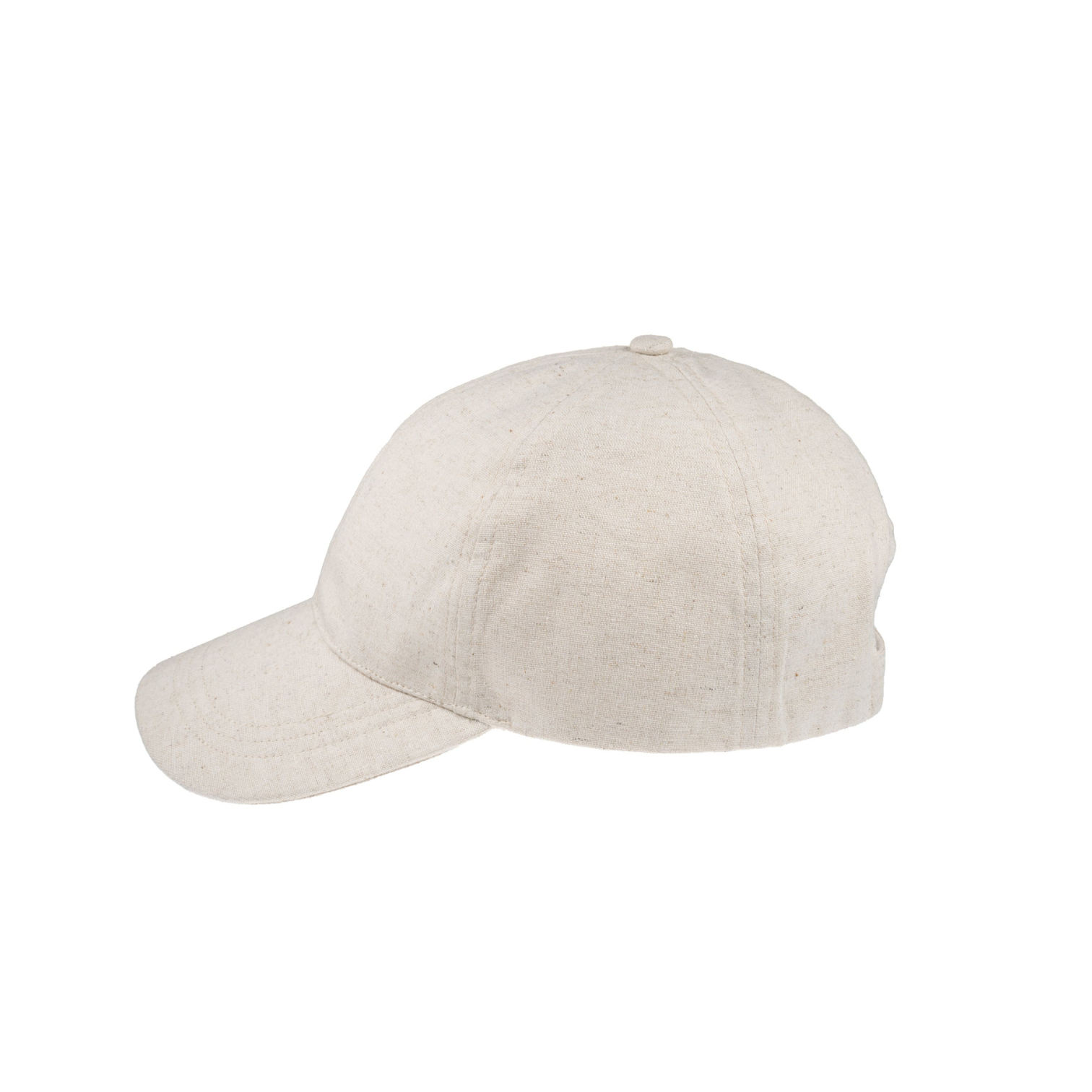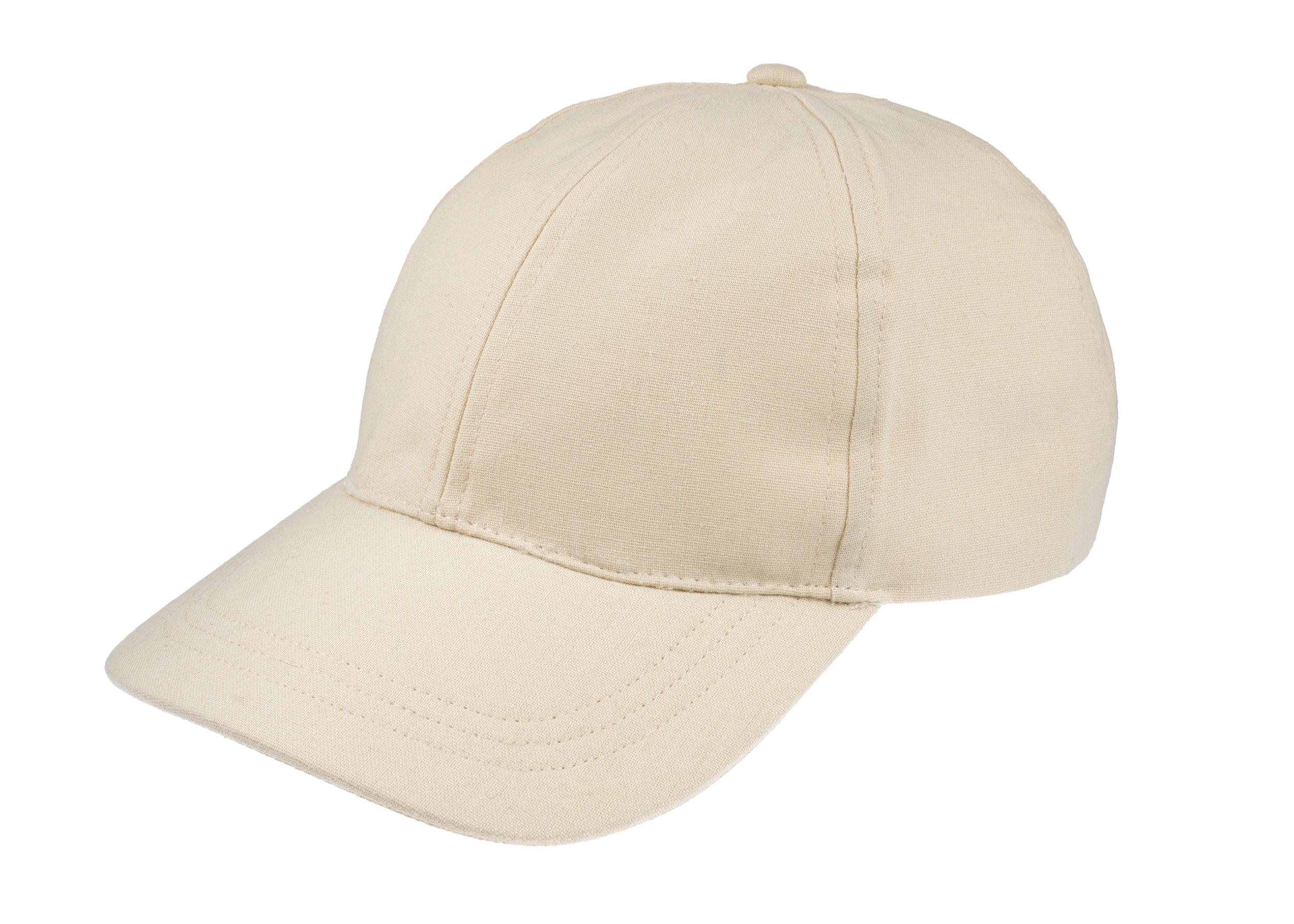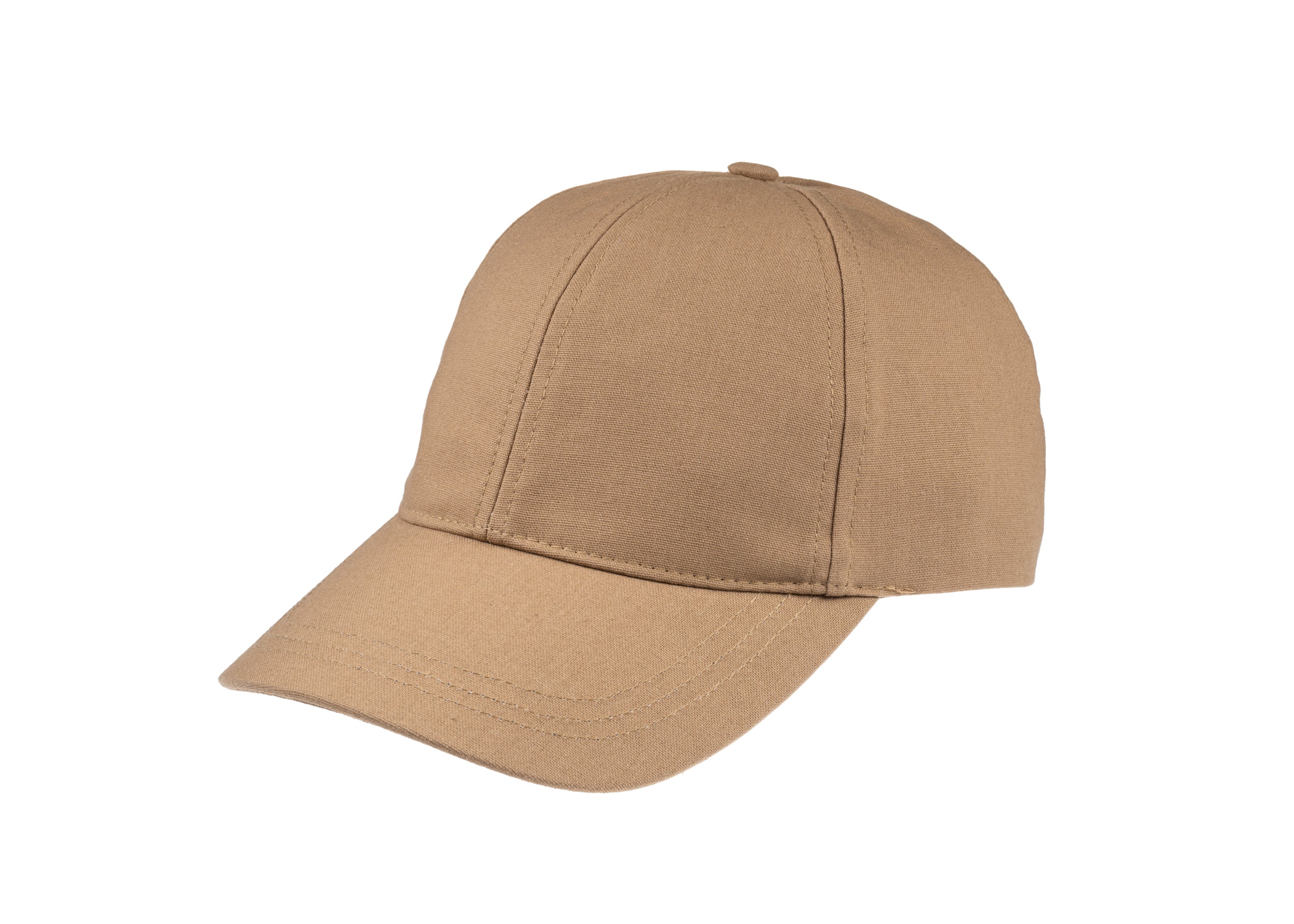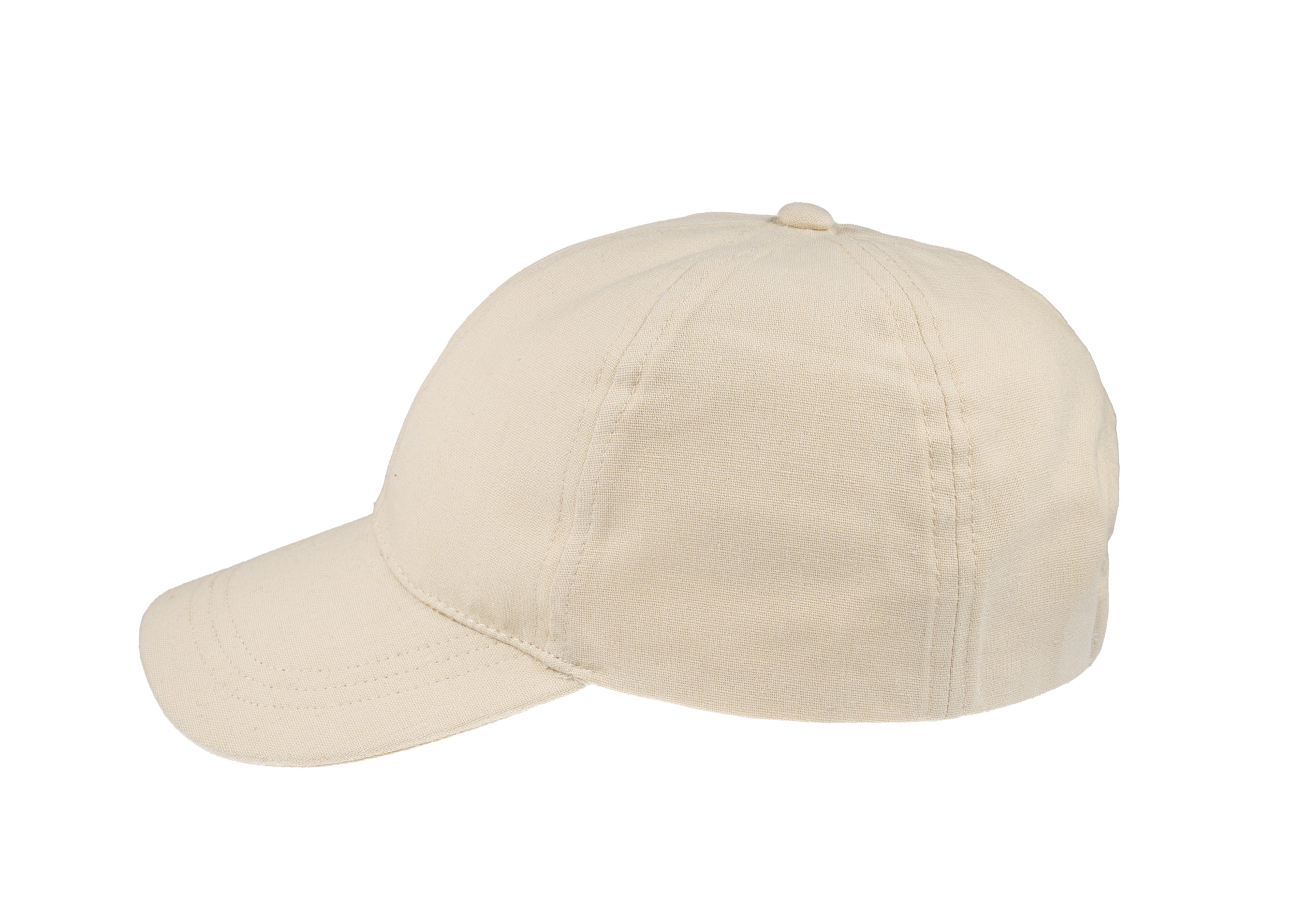



Whether buying or selling fine caps, the provenance of a cap's cloth matters as much as its stitching. Tracing that provenance, however, often requires unpicking a lattice of suppliers and intermediaries, which can obscure origin and complicate verification.
This guide sets out ten essential documents, from mill certificates to independent laboratory tests, and explains how to verify them so you can confirm provenance, fibre content, and performance. Use the practical checks and record-keeping steps that follow to safeguard a piece's history, uphold quality, and provide documentary evidence should questions arise.

1. Why cloth provenance matters for a cap's quality and longevity
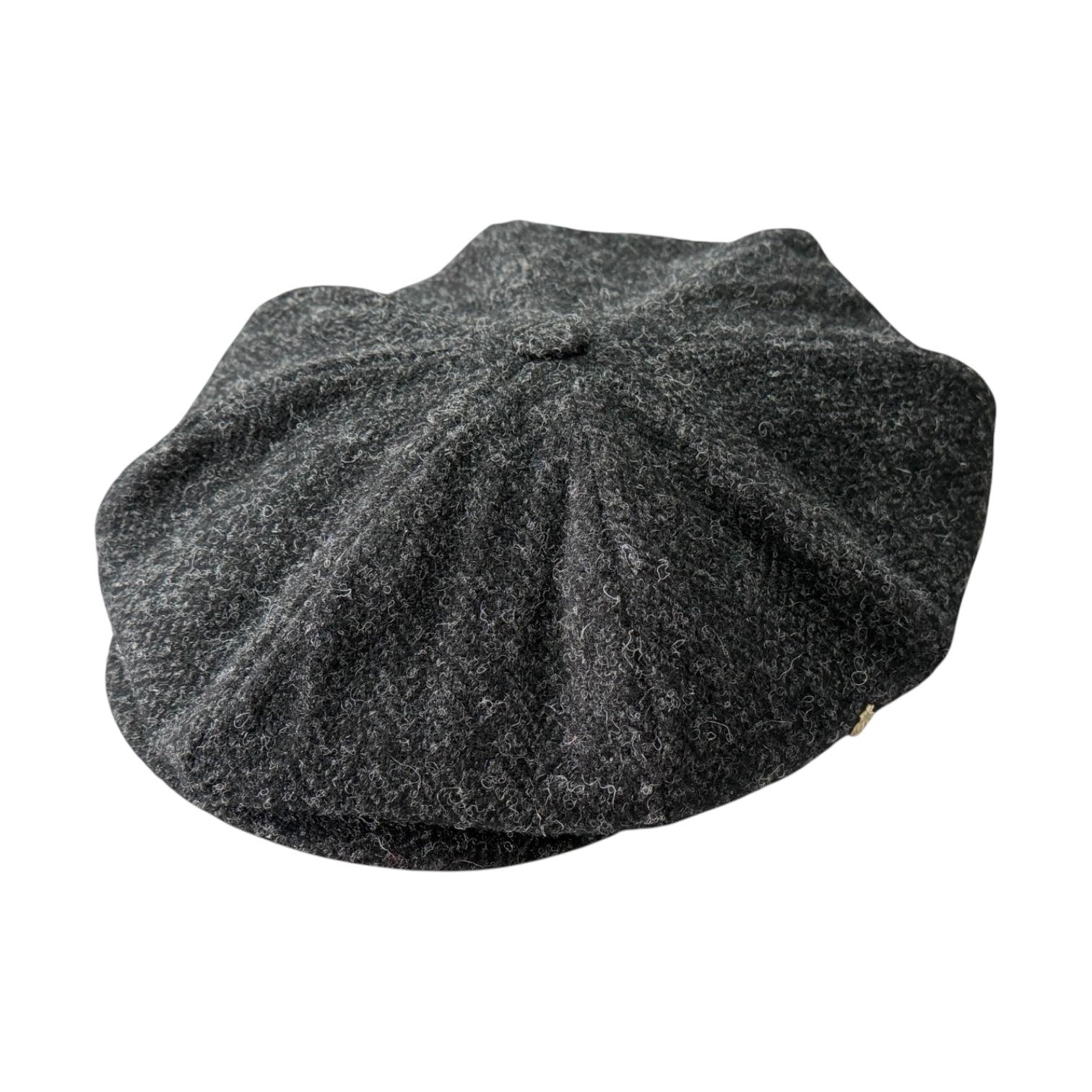
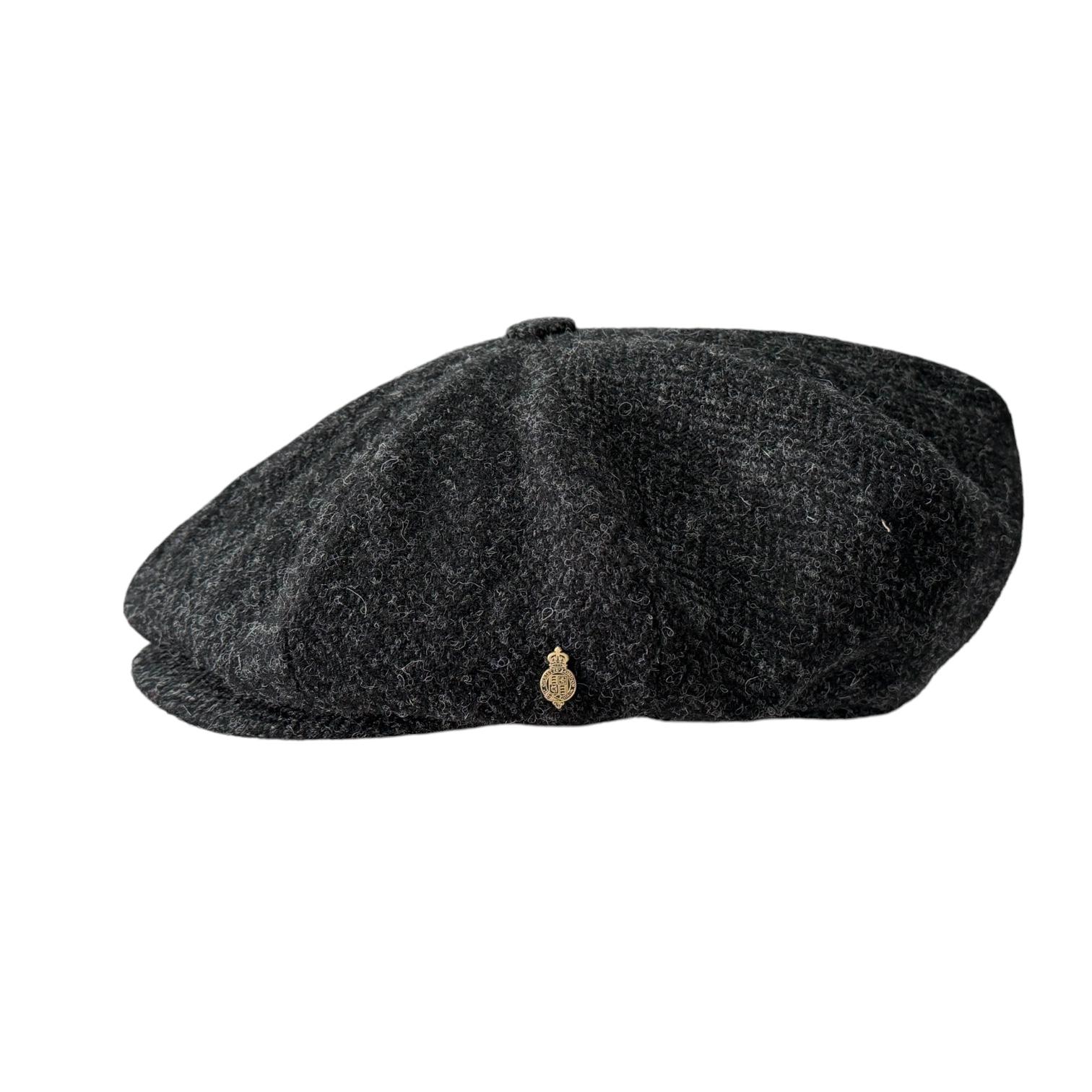
Provenance links fibre to finish, and a clear chain of custody explains why a cloth resists wear, holds a crease, or resists colour loss. When assessing cap cloth, request a fibre-content declaration, view swatches under consistent light, and, if uncertainty remains, ask for a short-fibre analysis or an abrasion-test report. Look for mill marks on the selvedge as evidence of origin, tightly twisted worsted yarns for strength and crease retention, and finish descriptions that correspond to the cloth's observed behaviour. These are the details that reward closer inspection.
Request original mill tags, invoices, and archived production records to reduce the risk of counterfeits and to protect resale or institutional value. Verify serial and batch numbers directly with the mill or the appropriate trade association. For repairs and reorders, obtain dye lot codes, retained swatches, and finishing bath notes so colour and handle can be matched, and compare delivered samples with archival photographs where available. For ethical and regulatory traceability, ask for certificates of origin, chain of custody documents, and any third party audit numbers, then confirm them with the issuer or by commissioning a targeted chemical screen. Where provenance matters to collectors and tailors, seek mill ledgers, production photographs, and loom or maker identifiers, and inspect the subtle hand finishing marks that tie a cloth to a known workshop.
Choose mill-verified tweed for traceable, enduring caps.

2. Request mill and supplier certificates of provenance
Request a complete mill certificate that itemises the lot number, the production batch or loom run, fibre composition by percentage, GSM, yarn counts, dye formula, and any finishing treatments. Ask for the original, signed and stamped document or a high-resolution scan, and obtain photographs of the production run so you can match identifiers across paperwork and images. Verify any supplier certificate by checking for an authorised signatory, an official company letterhead or seal, a sequential certificate number, and traceable contact details, and contact the issuing mill or named signatory directly to confirm the particulars rather than relying on the supplier's copy. Lot numbers and loom runs allow cross-reference with production records; fibre percentages, GSM, and yarn counts show material specification; dye formula and finishing treatments indicate colourfastness and performance. These checks place provenance and construction where they belong: in the paperwork that rewards closer inspection.
When assessing a certificate against the cloth, begin with direct, measurable comparisons. Weigh a sample to confirm the stated grams per square metre, and examine the weave repeat and selvedge construction for consistency with the claimed fabric. Compare a physical swatch with the stated dye lot, and inspect yarn twist and density for systematic discrepancies; these technical details require careful examination. Commission independent laboratory tests that mirror the certificate's claims, such as fibre composition analysis, dye and pigment profiling, colourfastness testing, and chemical residue screening, and use those reports as objective, third-party evidence. Track the chain of custody from fibre source to mill to supplier, looking for batch identifiers, third-party audit statements, and sustainability or origin attestations that connect each handover. Where digital traceability exists, validate QR codes or registry entries, and confirm audit certificates directly with the issuing body to ensure continuity of provenance.
Choose headwear with documented provenance and inspected craftsmanship.

3. Confirm the fibre composition with an independent assay report
A modern fibre composition report should name the techniques used and explain what each reveals. Common methods include polarised light microscopy, which shows fibre morphology; Fourier transform infrared spectroscopy (FTIR), which identifies polymer types; and chromatography or pyrolysis-gas chromatography, which detect finishes and modern synthetic components. Quantitative mass or gravimetric analysis provides percentage breakdowns of the materials present. Polarised light microscopy and FTIR will efficiently distinguish natural from synthetic fibres in many cases, but detecting fine blends or contemporary surface finishes often requires chromatography or pyrolysis-GC, together with repeated quantitative measurements to establish limits of detection. To assess a report's reliability, look for laboratory accreditation and a unique report reference. Useful supporting material includes clear sample photographs or photomicrographs, a documented chain of custody, raw spectra or micrographs provided with the report, and the analyst's signature or stamp.
Treat reported fibre percentages as practical guides. Even trace quantities can matter for conservation and cleaning, and unexplained synthetics or finishing agents that change the hand or wear are legitimate red flags. For example, a 10 to 15 per cent addition of silk or synthetic fibres will alter drape and laundering requirements, and may point to later alteration or a different production origin. Cross-check assay results with mill invoices and batch or lot numbers, and compare dye chemistry with period dye lists. Seek corroboration across independent indicators and documents instead of treating a single datum as conclusive. If results remain ambiguous, request a repeat analysis from the retained sample or a second opinion from an independent accredited laboratory, and ask for replicate measurements, detection limits, and full method reporting, so you can judge confidence in the findings instead of accepting summary statements at face value.
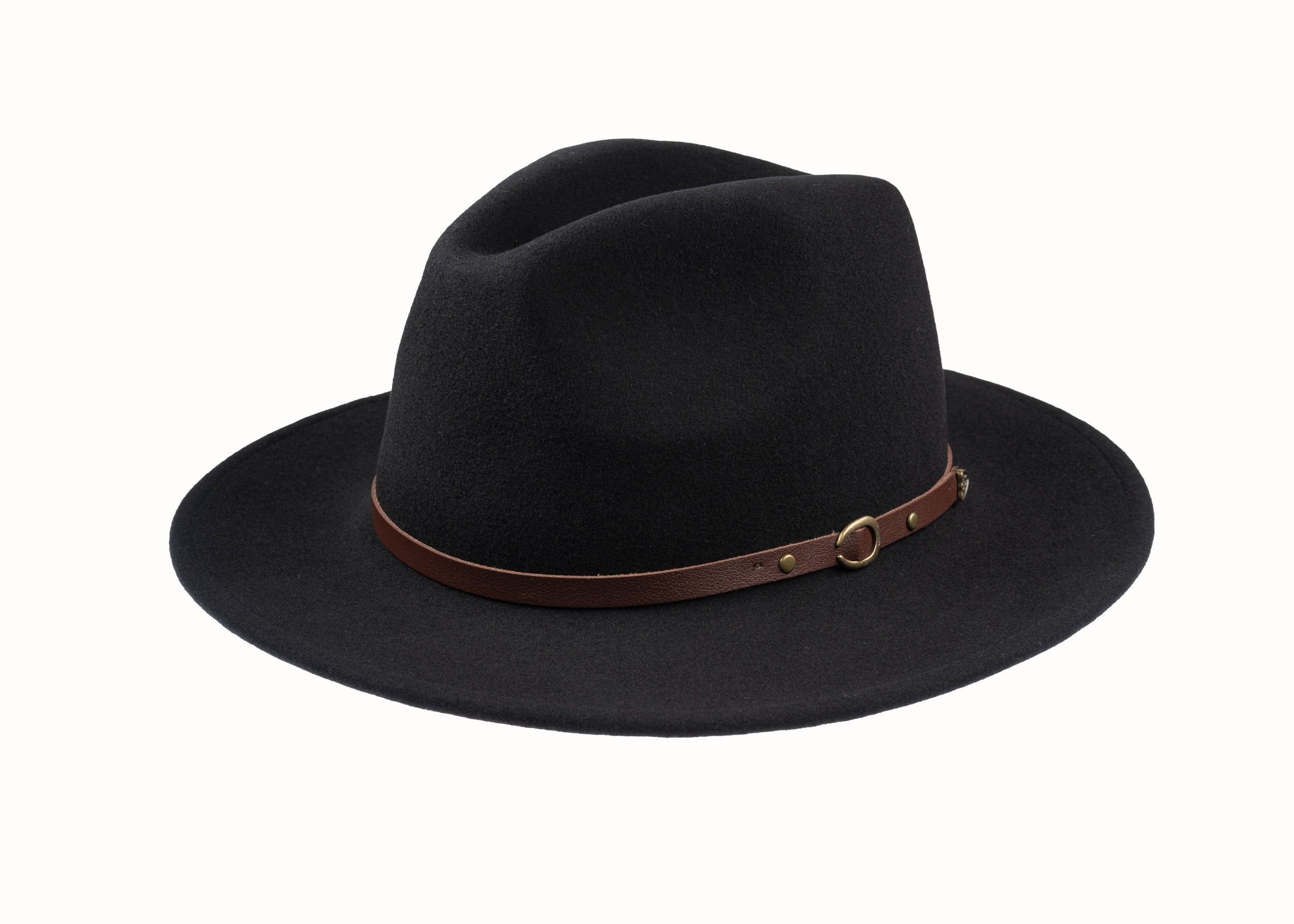
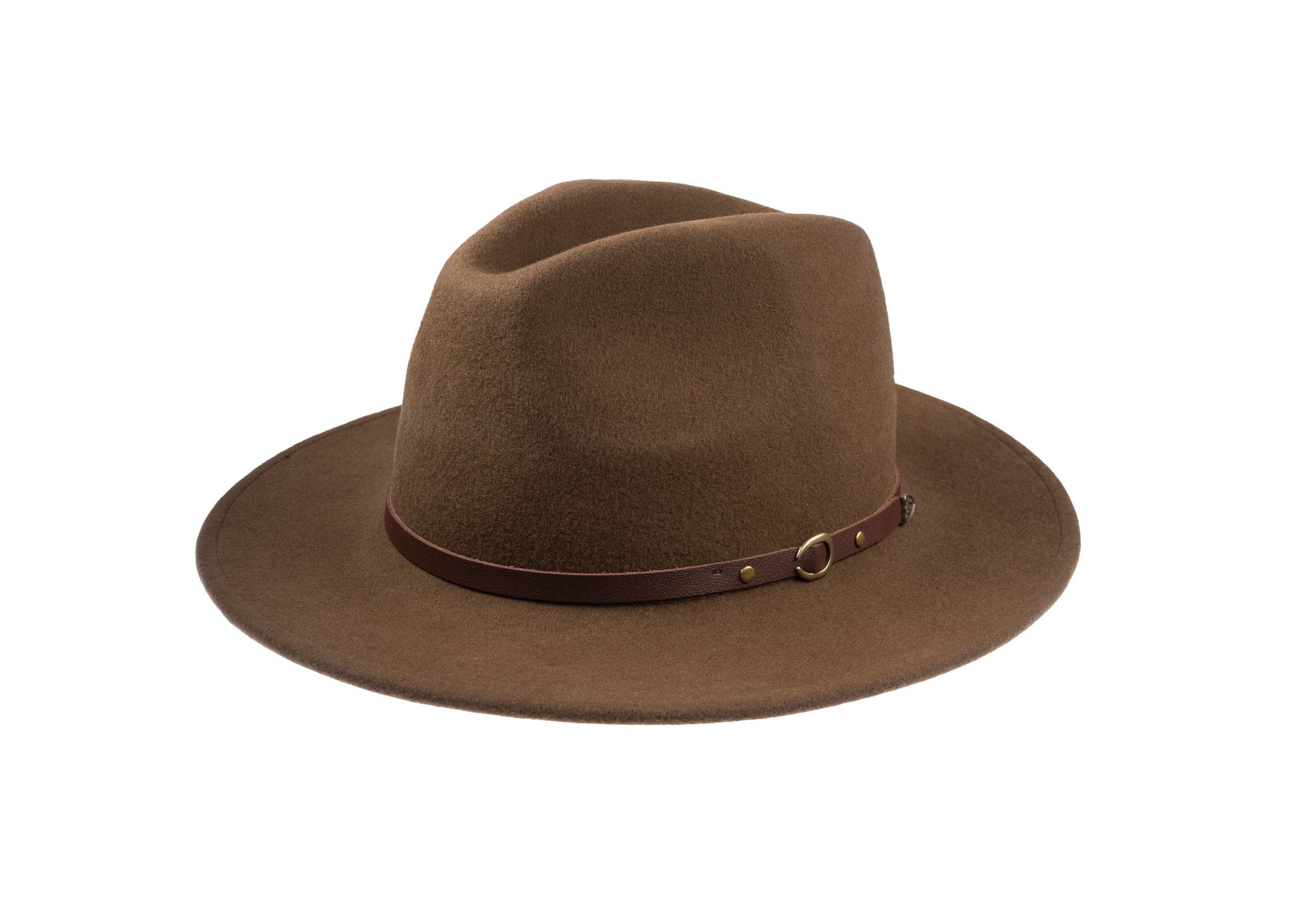
Choose a lined wool hat for durable, stable shape.

4. Trace batch and lot records back to their source
Begin by requesting the mill or converter's batch-coding scheme. Verify that the numbers on delivery notes, dye sheets, cutting tickets, and garment tags follow that scheme and the expected sequence; continuity in these identifiers indicates an unbroken production lineage. Cross-reference lot numbers with raw-material receipts and mill quality certificates to confirm the same identifiers appear at each handover. Inspect process logs and operator sign-offs for machine IDs, operator names, and process parameters to detect any breaks in the record. Where the records align, they form concrete documentary links back to the declared source; where they do not, the mismatches flag likely provenance gaps.
Complement these production records by obtaining retained swatches and their laboratory data, each item referenced to the batch number. Valuable readings include spectral and colourimetric results, fibre analysis, and mechanical test data; these objective fingerprints often reveal differences that visual comparison alone will not. Audit the digital trail by following barcodes, RFID histories, ERP entries, and time-stamped production photographs, and note duplicated lot numbers, gaps in electronic records, or absent photographic evidence as points that merit further inquiry. When physical swatches, laboratory data, and an uninterrupted electronic record all align, the combined evidence offers a robust corroboration of the cloth's provenance.
Choose an English-made, mill-woven Merino cap

5. Retain purchase invoices and supply-chain documentation for provenance
Begin with the paperwork: collect original purchase invoices, purchase orders, and commercial invoices. Cross-match invoice numbers, supplier names, cloth descriptions, dye-lot numbers, metres, and weight per unit to reveal discrepancies such as mismatched quantities or altered descriptions that may indicate substitution. Obtain supplier declarations and mill certificates that specify fibre composition, yarn count, weave, and finishing processes. Compare those entries with physical swatches, selvedge markings, and mill lot codes to reconcile the paperwork with the actual roll. Insist that inspection reports and laboratory tests for fibre content and colourfastness reference the supplier lot number or include a swatch, so that test results unambiguously apply to the specific roll. Track transport documents, including bills of lading, air waybills, and delivery notes, by following container numbers, customs HS codes, and ports of loading. Taken together, these measures establish a clear chain of custody from mill to buyer and expose the gaps that commonly accompany substitution. Such particulars become clear under careful scrutiny.
Retain the full purchase trail: payment records, receipts, and electronic correspondence. Confirm the supplier's identity using company registration documents or tax identification numbers so you can establish who supplied the cloth. Archive digital records in secure, backed-up storage, and photograph each roll and its selvedge labels. Attach an inspection report to every lot. Collectively, these documentary steps create a chain of custody founded on cross-referenced paperwork and physical markers, enabling confident verification without depending on a single certificate, and ensuring provenance endures audits and later resale.
Choose a hand-finished piece that shows clear provenance.

6. Securing shipping, customs clearance, and import documentation for overseas purchases
Request scanned originals of the commercial invoice, packing list, and bill of lading or air waybill, then cross-check product descriptions, quantities, weights, lot numbers, and mill identifiers against the purchase order. Verify consignor and consignee names and signatures, and treat vague descriptions, inconsistent quantities, or multiple shipper names as potential provenance gaps. Obtain an original Certificate of Origin issued or validated by an authorised chamber of commerce; verify the certificate number or stamp directly with the issuer, and ensure the declared country of origin matches mill documentation. Regard customs stamps and inspection endorsements as independent evidence of movement and origin. For animal fibres or chemically treated textiles, request import licences, treatment declarations, and laboratory fibre analyses to corroborate composition claims and reveal any undisclosed processing steps.
Choose mill-verified Yorkshire wool for documented provenance

7. Carefully review the mill's quality-control and inspection reports
Obtain the mill inspection dossier: signed quality-control and inspection reports, certificates of analysis, laboratory test reports, photographic evidence, and retained swatch identifications linked to the lot number. Ensure the documents record the production batch, the mill internal reference, the buyer's purchase order, and the packing list, so items can be cross-referenced. Authenticate the paperwork by checking recognised accreditations, original signatures or authorised stamps, and by reconciling batch numbers and labels. Require the mill to provide a clear chain of custody that records who sampled, when sampling took place, and where the retained sample is stored. Treat the photographic record and retained swatches as primary evidence for any subsequent audit or independent testing.
Prioritise objective, measurable data in reports: fibre composition, yarn count, weave density, finished weight, dimensional stability, colour fastness, pilling, and tensile strength. Require that each test cites the specific ISO or AATCC method and supplies raw numerical results rather than a simple pass or fail, so you can compare batches directly. Request the mill's sampling protocol, sample sizes, and acceptance criteria to judge statistical confidence; when results sit close to tolerance limits, commission an independent laboratory to rerun tests on retained swatches and compare the raw datasets. Compile consecutive inspection reports alongside the mill's corrective-action logs to reveal trends in shrinkage, colour variation, or strength, and support those records with photographic timelines and straightforward numeric charts to inform decisions about future orders or further verification.
Choose an English-made tweed cap for verified mill provenance.

8. Commission independent laboratory testing to verify performance
Begin by specifying the exact performance and identification tests you require. At a minimum, request fibre identification by microscopy and FTIR spectroscopy; tensile, tear, abrasion, and pilling tests to confirm construction and expected wear; colourfastness checks for light, washing, and perspiration; and surface chemical analysis to reveal finishes or contaminants. Where possible, cite the applicable ISO and British Standards so results are comparable across laboratories. Examples include ISO 13934 for tensile strength, ISO 13937 for tear resistance, ISO 12947 for abrasion, ISO 12945 for pilling, and the ISO 105 series for colourfastness. Use an ISO 17025 accredited laboratory. Ask for the exact test methods to be reported and for copies of equipment calibration certificates. Require a documented chain of custody so sample handling cannot later be questioned. Define a clear sampling plan, label and seal samples consistently, and retain a witness sample in secure storage to allow repeat or independent testing without altering the primary garment.
Request complete deliverables, including raw data, microscopy images, spectral plots, and step-by-step protocols rather than a brief conclusion. Compare supplied spectra and images with reference libraries to identify diagnostic features, such as the scaly surface of wool or the triangular cross section of silk, and check calibration and method transparency before accepting results. Seek corroboration from a second laboratory or from complementary techniques, for example dye fingerprinting or stable isotope analysis. Integrate laboratory evidence with maker labels, invoices, and provenance paperwork to build a coherent case, ensuring every analytical claim links back to a documented sample and chain of custody. Finally, interpret the findings in context, noting where laboratory data supports, refines, or contradicts documentary provenance; this allows reasoned conclusions about the cloth's origins and draws attention to subtleties apparent only on careful examination.
Choose a precisely constructed wool hat that withstands close scrutiny.

9. Consult archival provenance records
Query national and institutional catalogue databases for maker names, textile terms, and estate references. Request digitised copies, and record accession numbers and reference codes as verifiable evidence. Examine wills, probate records, and household inventories to extract fabric descriptions, lengths, or weights that match the cloth; transcribe any distinctive wording or marks, and cross-reference named heirs and executors to assemble a continuous chain of custody. Inspect trade, guild, and manufactory ledgers and sample books to link weave, dye, and maker marks to a workshop, and consult apprenticeship rolls or guild lists where a workshop name recurs to corroborate the attribution.
Begin with museum accession files, conservation reports, and exhibition catalogues; these frequently record fibre analyses, repair histories, and previous-owner citations absent from public listings. Gather photographic material, press cuttings, auction catalogues, and sale records, and note lot numbers and buyer names. Compile period advertisements or images that show the cloth in use or on display, and use consistent visual markers or descriptive features across sources to corroborate provenance and to contextualise how the cloth was presented. Transcribe references, and record catalogue codes and accession numbers throughout, so every link in the provenance can be verified independently.
Anchor research with an authentic British tweed example.

10. Cross-check documents and preserve provenance records
Create a centralised, indexed dossier for each cloth lot that brings together the original documents, high-resolution scans, labelled photographs, and a wrapped swatch. Assign a unique identifier and register it against every item. Cross-check mill invoices, packing lists, batch numbers, woven-label codes, and purchase orders to confirm that quantities, fibre descriptions, and country-of-origin statements concur; flag any discrepancies and request written clarification from the supplier. Attach laboratory reports, accreditation details, method descriptions, raw data, and sample photographs to the cloth lot so objective tests, such as fibre composition analysis or dye chemistry, can corroborate or contradict the documentary record.
Keep a chronological chain of custody and handling log that records the person, organisation, location, and condition at each transfer. Include tamper-evident seal identifiers and either original signatures or certified electronic confirmations. Reconcile the provenance dossier with physical stock and sales records at regular intervals, record any investigations and corrective actions for discrepancies, and retain versioned, read-only backups that note who made each change and why. Use the dossier's index page to cross-reference document types, origins, and serial numbers so a reviewer can verify consistency at a glance. Together, these practices form an auditable trail that buyers can inspect, while repeated small discrepancies indicate where provenance requires closer attention.
Transparent provenance converts subjective claims about cap cloth into verifiable fact. Ten document types provide overlapping evidence: mill certificates that identify maker and fibre, batch records that link a textile to a specific production run, assay reports and independent laboratory tests that confirm fibre composition and performance, and shipping and customs papers that establish chain of custody and ethical sourcing.
Proceed through the practical checks beneath each heading: gather swatches, verify lot numbers, and commission targeted analyses where paperwork and fabric do not agree. Maintain an indexed dossier and a clearly signed chain of custody so disputes can be resolved promptly, decisions rest on evidence, and provenance becomes a practical asset rather than a risk.