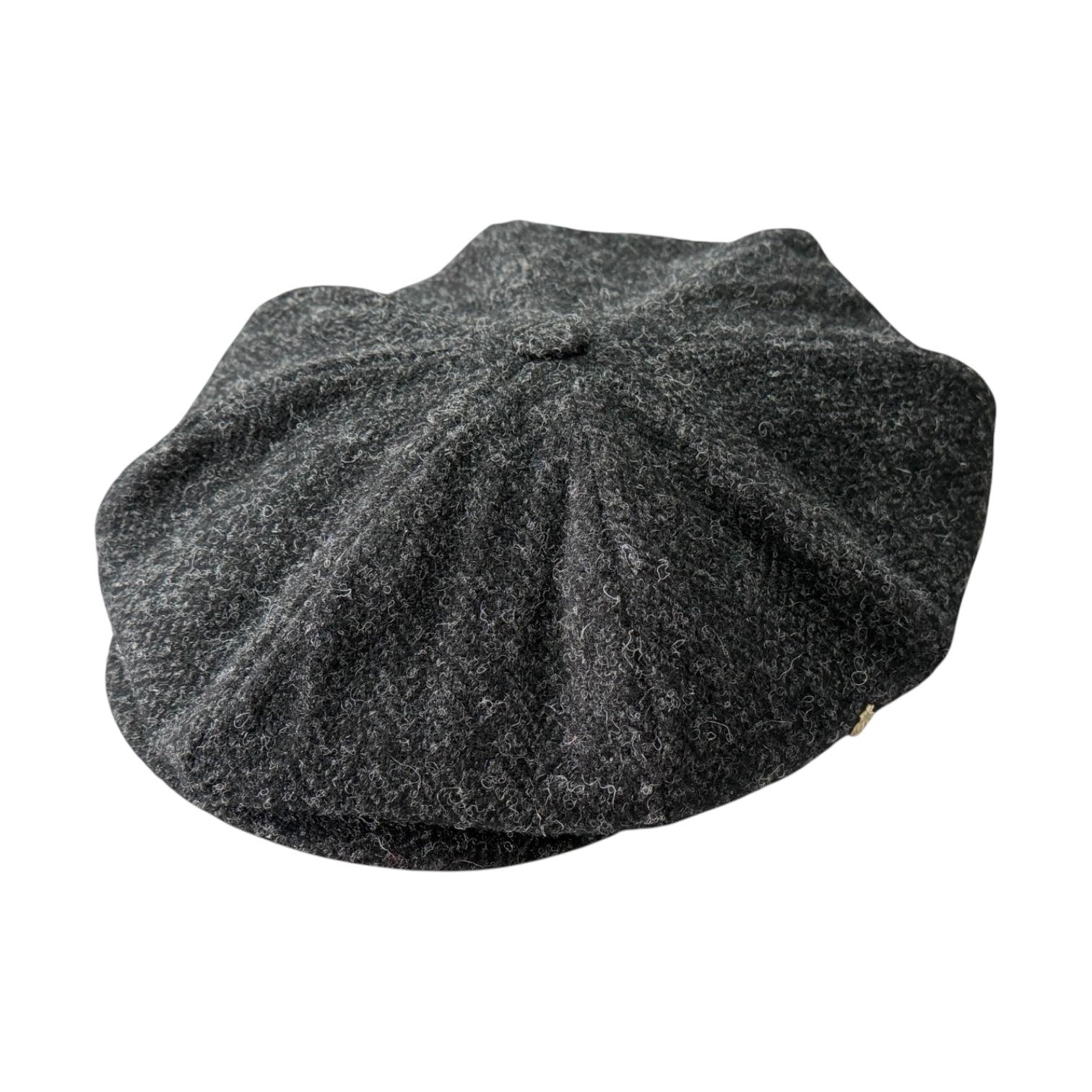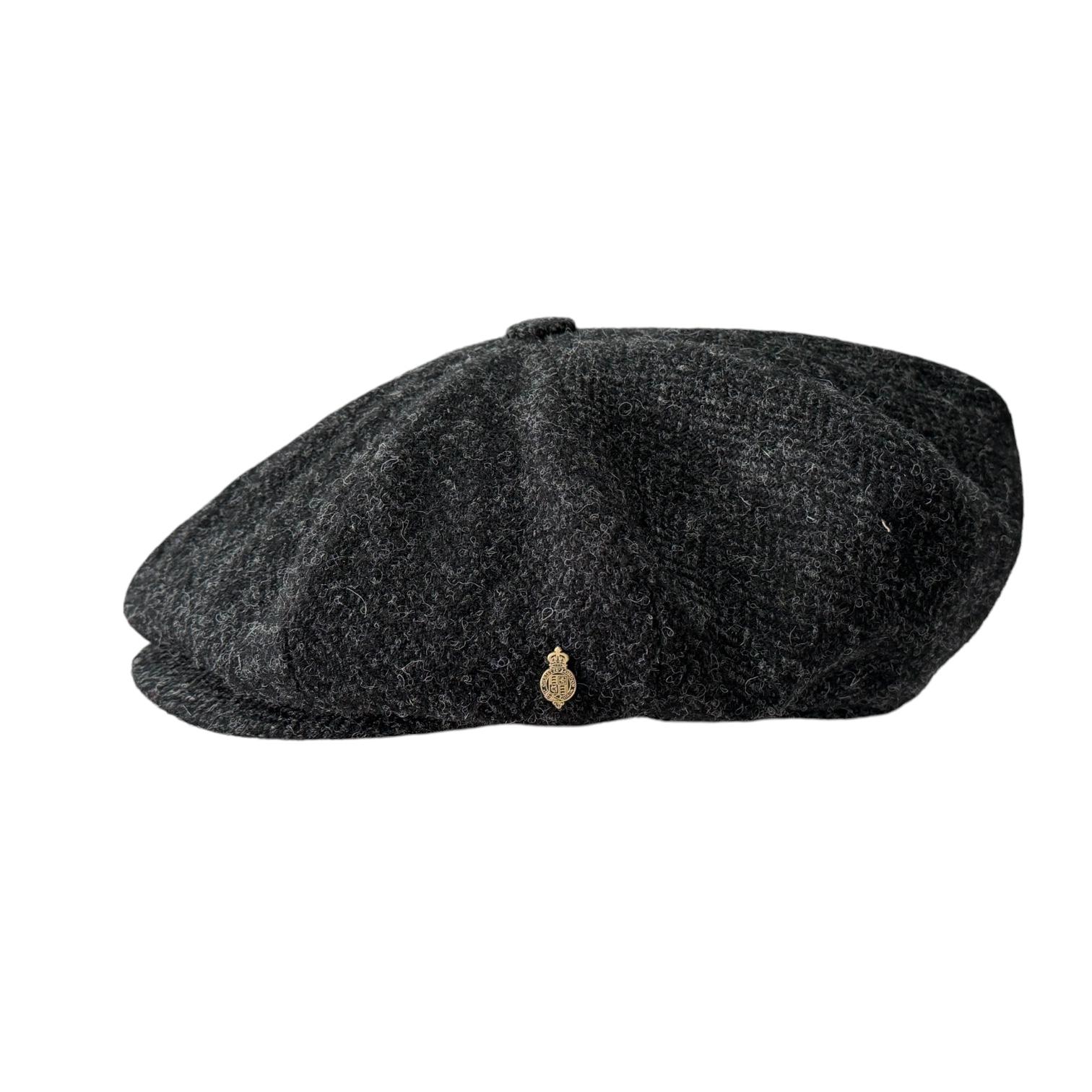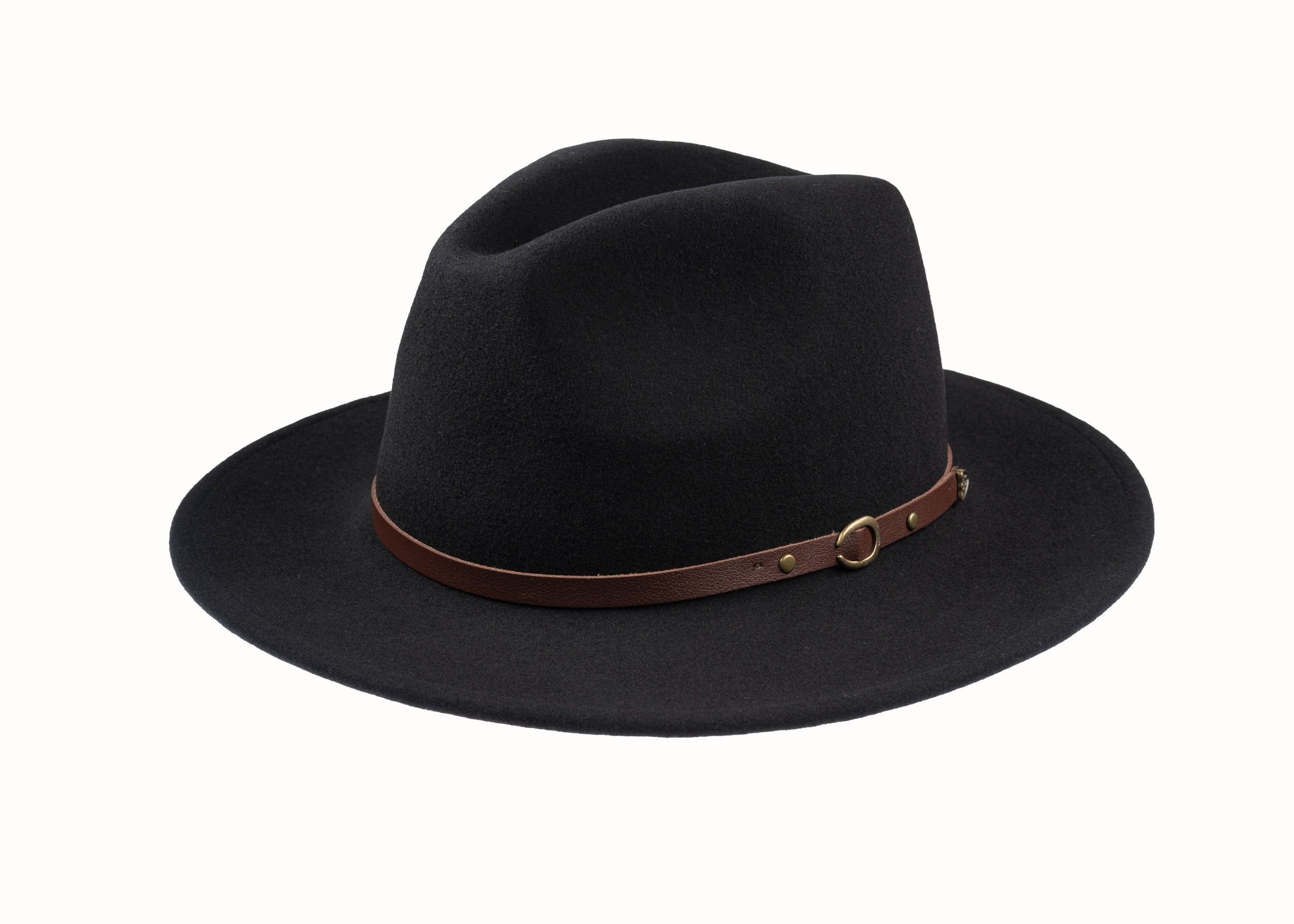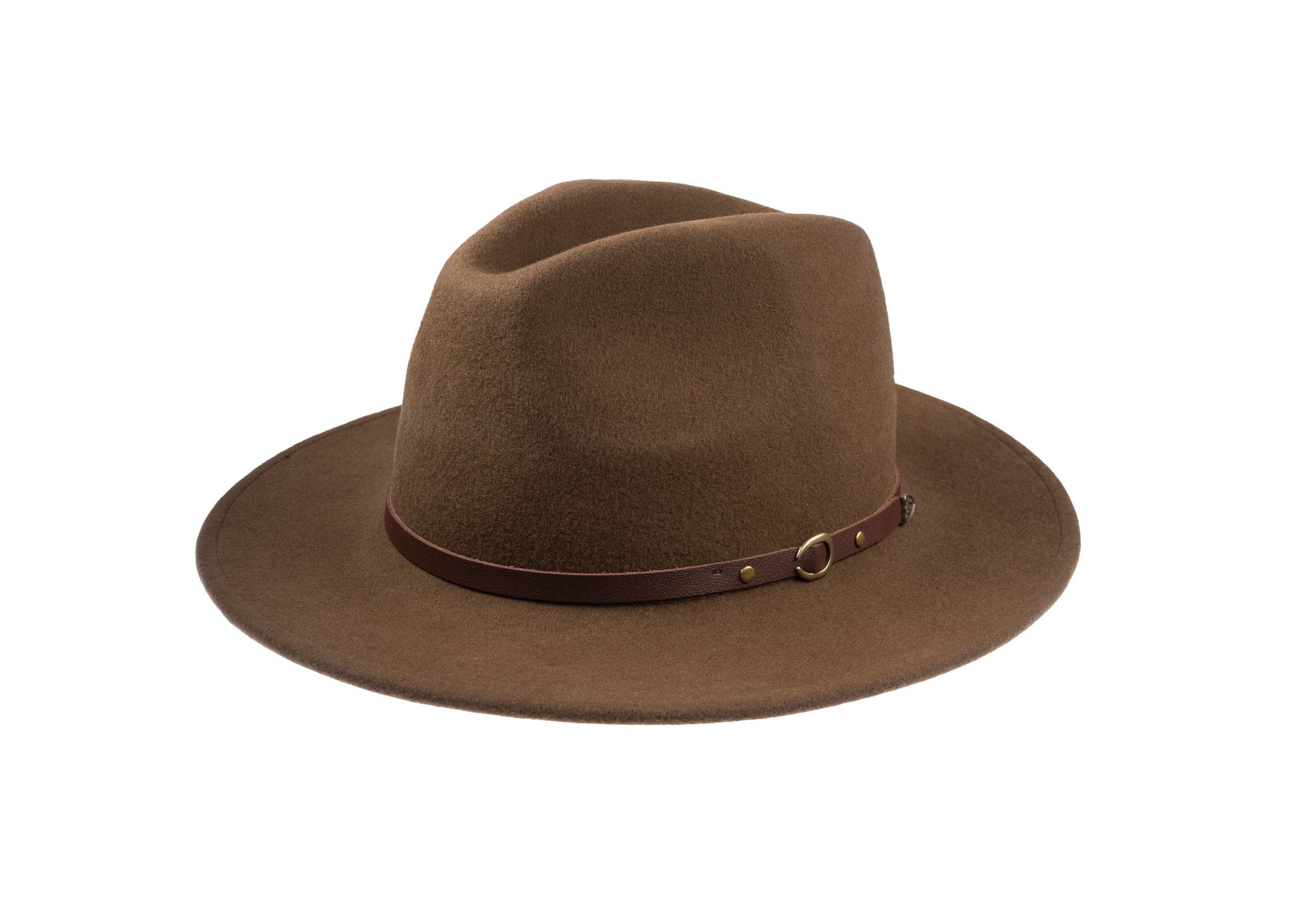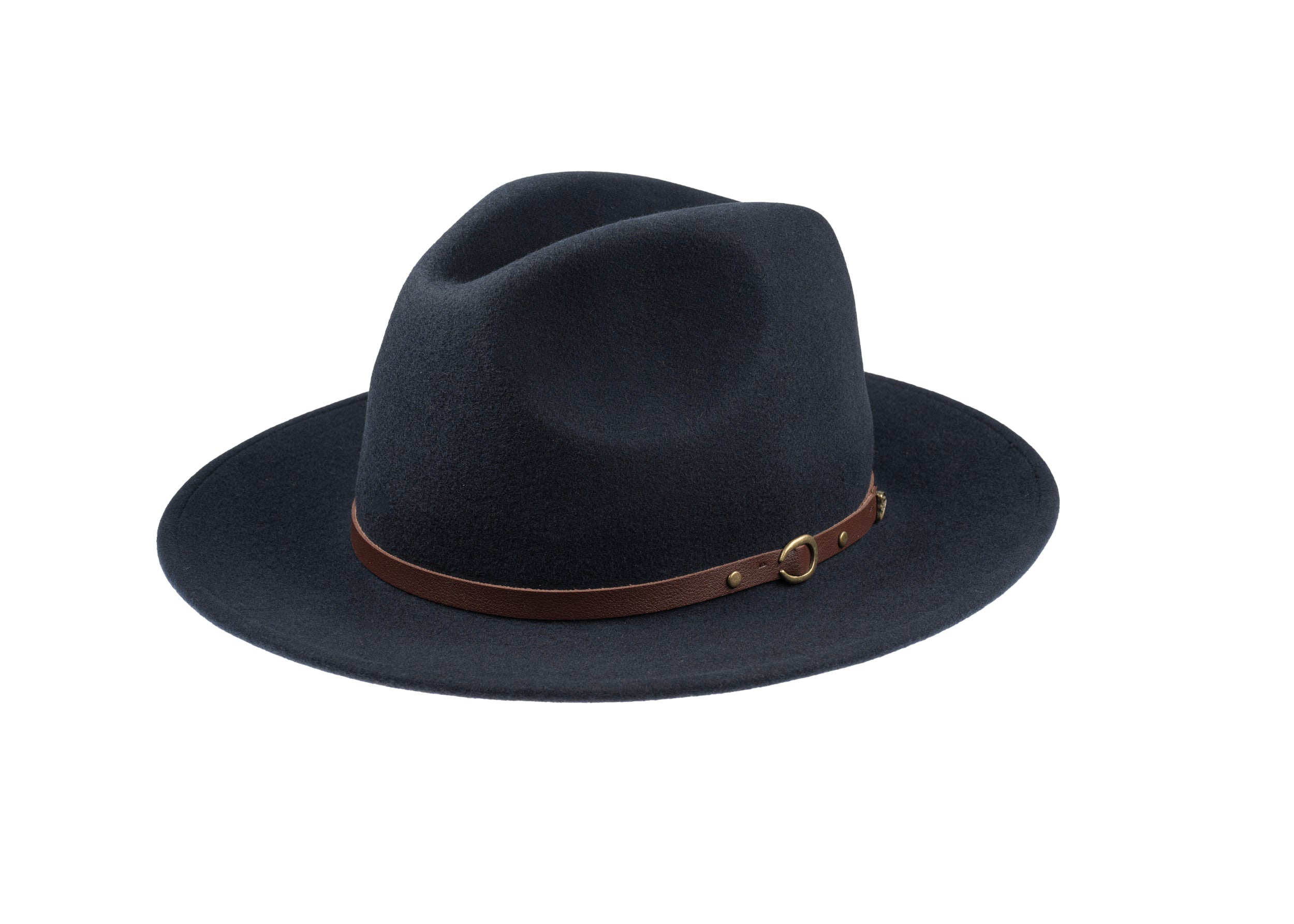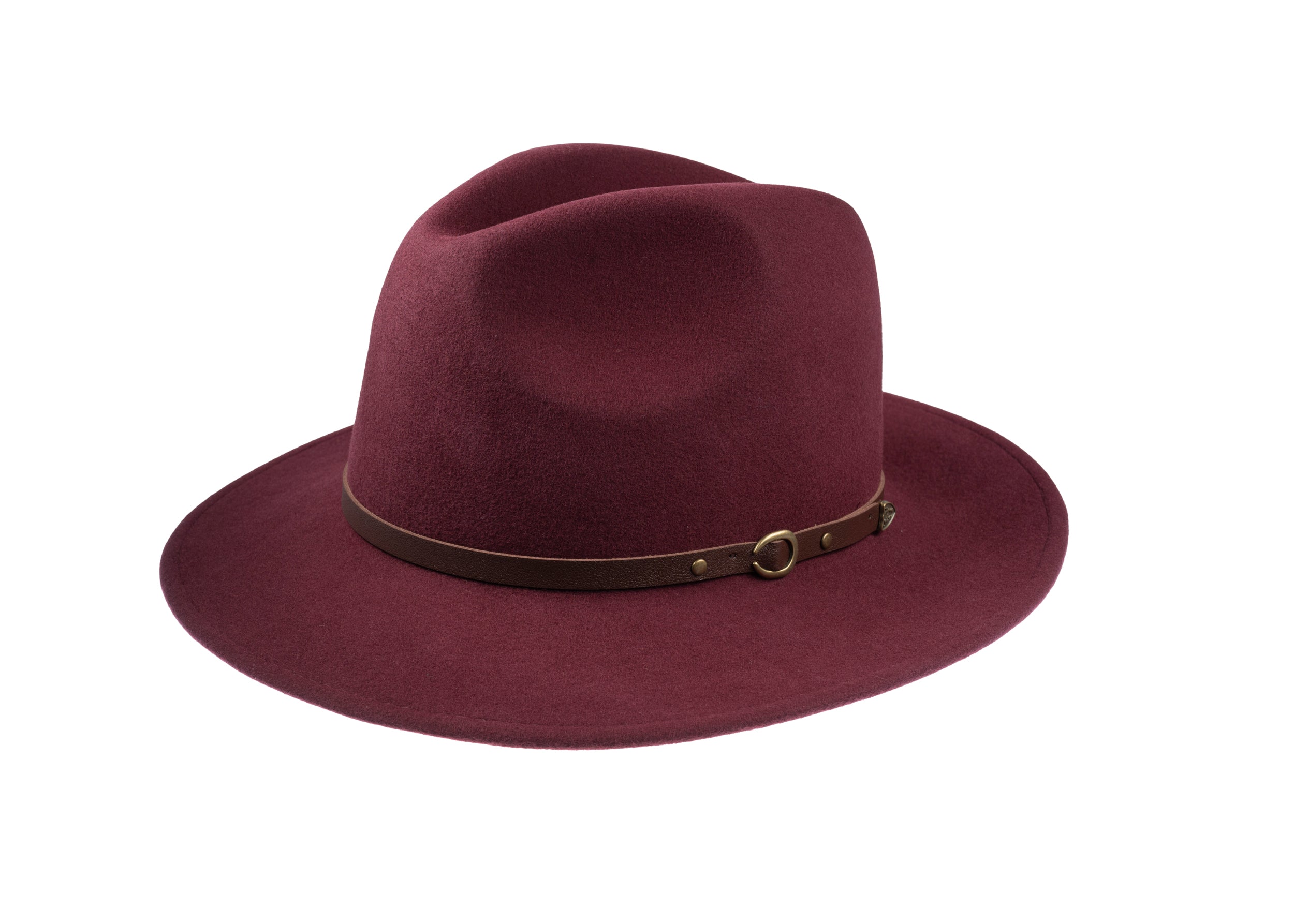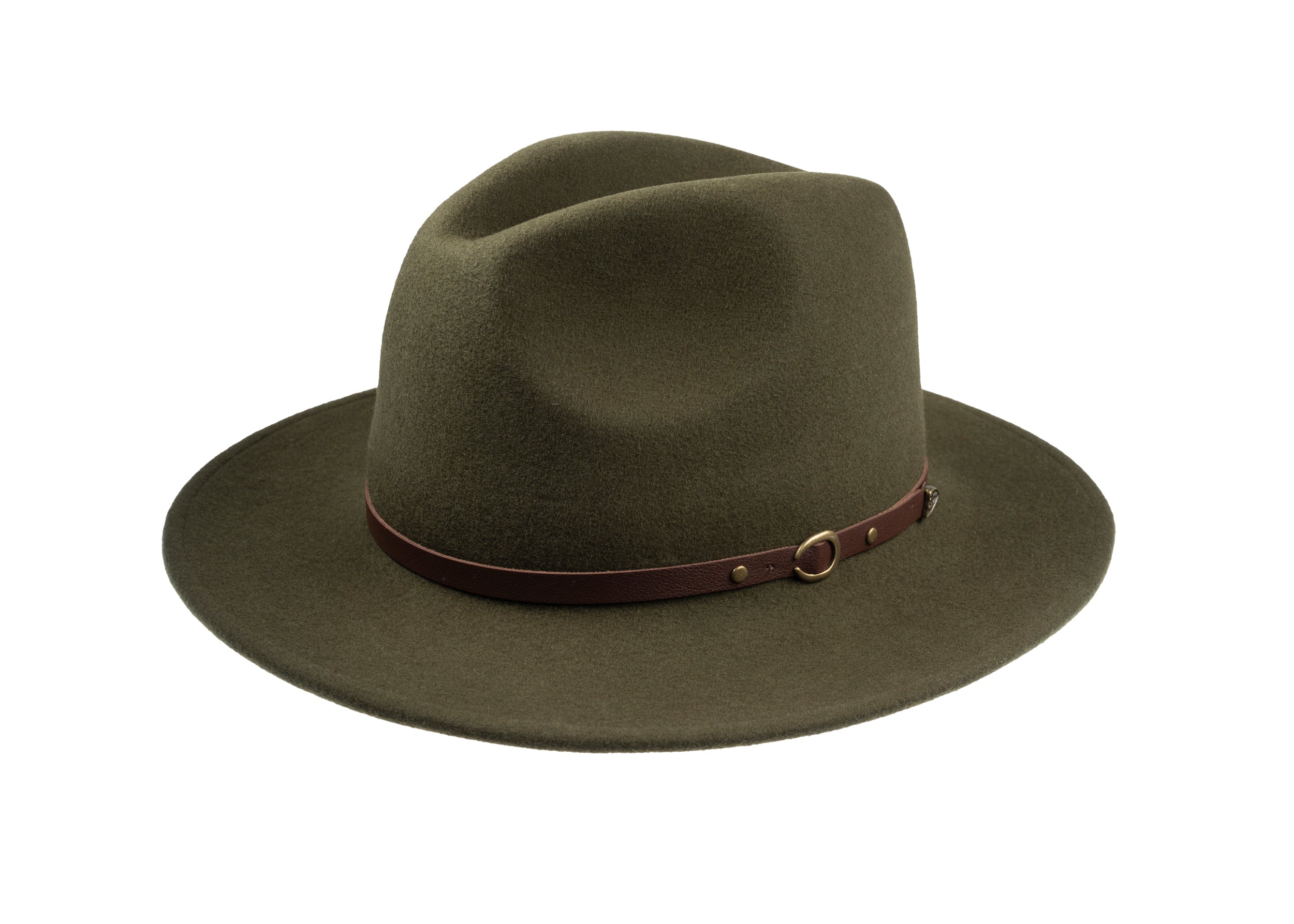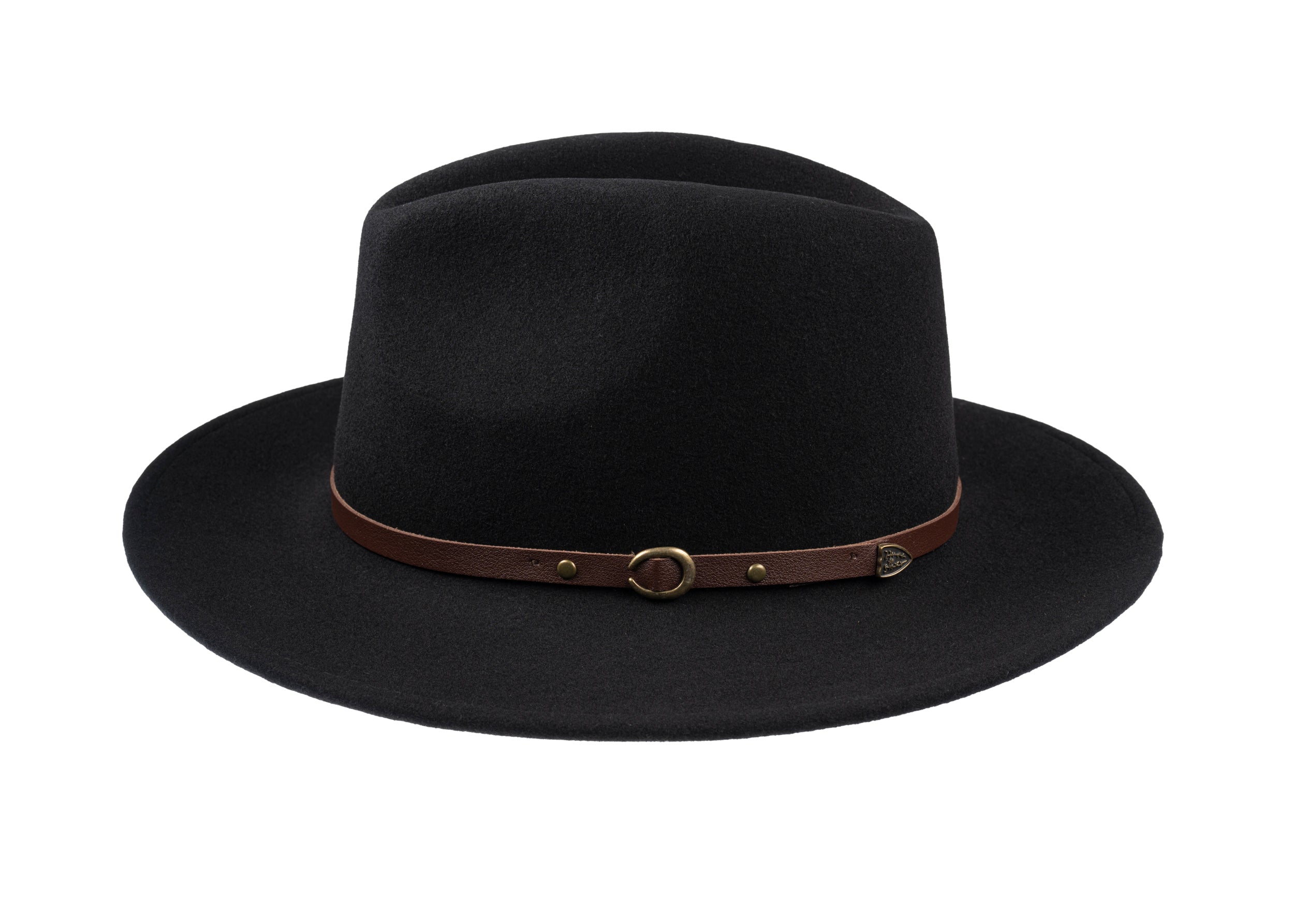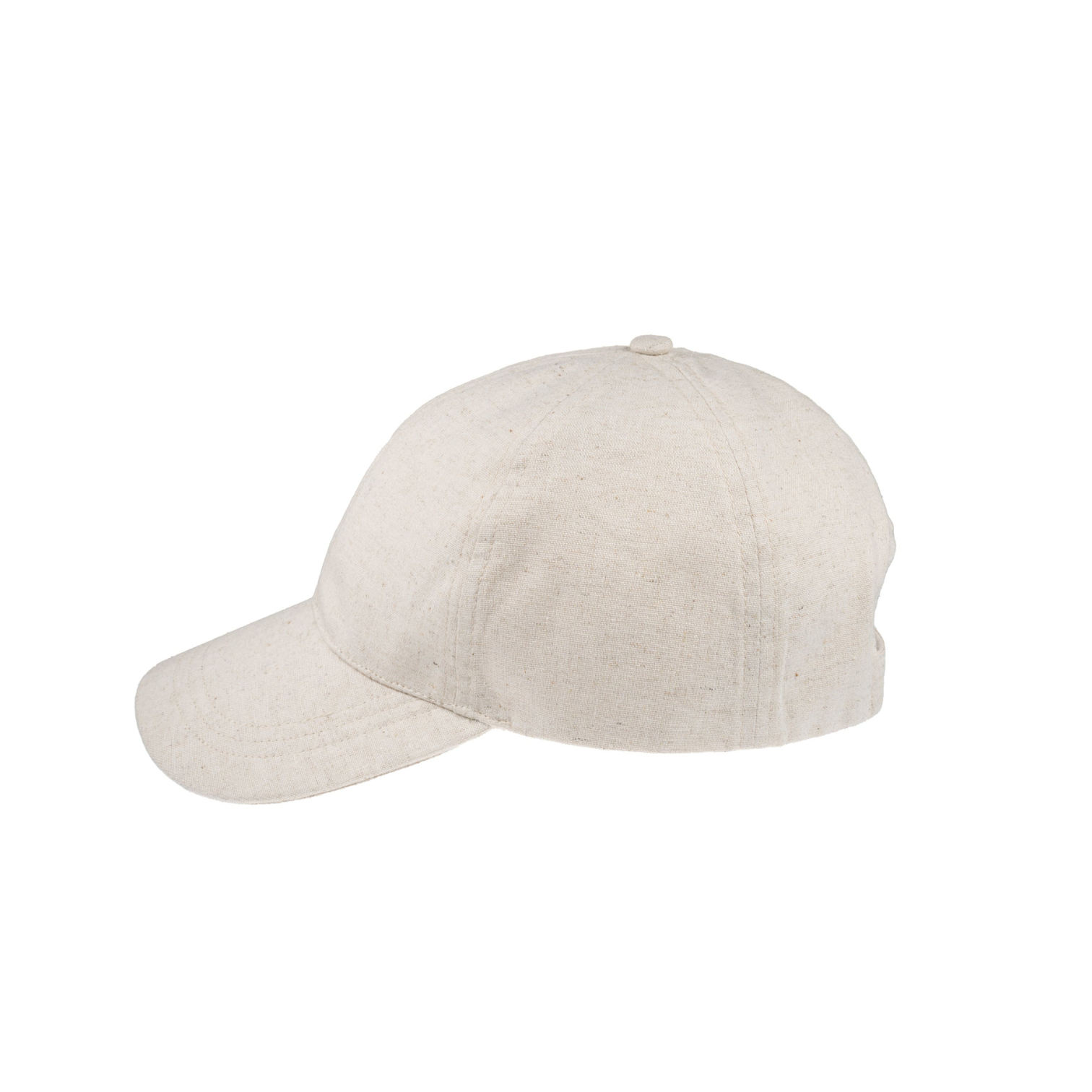

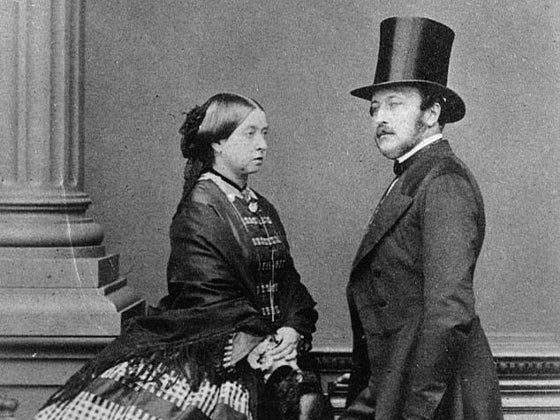




Why has the modest Homburg, neither as theatrical as the top hat nor as casual as the trilby, come to signify quiet authority across British public life? Its measured proportions, a curved brim turned up at the sides, a slightly dented crown, and an understated hatband, made it a natural choice for ministerial ante-rooms, civil service corridors, and military messes, where the silhouette suggests restraint, competence, and discretion.
This post traces the Homburg's origins and design evolution, charts its adoption in politics, the civil service, and the military, and identifies the visual cues that convey authority without ostentation. By examining tailoring, portraiture, and ceremonial protocol, it shows how craft, context, and ceremony established the Homburg as a quiet marker of leadership, and why it endures.

Tracing the Homburg's Origins and Its Design Evolution
The Homburg originated in the wardrobes of German princely courts and entered British public life through ceremonial dress and official portraiture, where ministers and envoys gradually adopted its form. Portraits and archival photographs record this slow integration, and historians trace the hat's rise through ceremonial records and state imagery. Its distinguishing features are a single, central dent in the crown, a stiff brim with a gentle upturn and bound trim, a grosgrain hatband, and a silk or cotton lining; subtle shifts in crown height, brim roll, and felt density give rise to recognisable variants.
The Homburg’s structured shape results from blocking and steaming, and from the use of dense fur felt or closely napped wool. Finishing details, such as tight, welted edges and discreet sweatbands, reveal the level of craft that distinguishes the style. In civic and diplomatic settings its restrained proportions, sober colour palette, and lack of flamboyant ornamentation communicate decorum and steadiness; pair a mid-grey or black Homburg with single-breasted tailoring and a plain overcoat for understated authority, and reserve lighter tones or softer felts for less rigid occasions. Preserve the shape and finish by brushing regularly with a soft brush, applying gentle steam for reshaping when required, and storing on a hat stand or in breathable storage. When selecting a Homburg, check brim binding, inner seams, and nap resilience so the hat signals longevity rather than mere display.
Choose fur-felt construction for superior shape and finish.

Chart the Homburg's adoption by politicians, the civil service, and the armed forces
The visual survey maps where the homburg appears across parliamentary benches, diplomatic receptions, and barracks inspections. It records recurring construction details, such as a curved brim, a single centre-dented crown, and ribbon placement, to separate true homburgs from similar hats. By cross-referencing uniform regulations, civil service dress codes, and military clothing instructions with contemporary reportage and photographic captions, the survey establishes whether official language treats the hat as insignia, practical kit, or social shorthand. Curated images and captions emphasise context, posture, and function rather than fashion alone. Three short case studies, of a senior politician, a high-ranking civil servant, and a military unit, illustrate ritual wear, everyday professional use, and ceremonial retention respectively. Each case study is paired with selected photographs that foreground setting and bearing.
The visualisation organises evidence into four categories: ceremonial, official duty, media performance, and private travel. Labelled photo grids, silhouette charts, and iconography allow readers to perceive shifts in use without relying on precise counts. Analysis of parliamentary reports, obituary notices, and press coverage extracts short quotations that tie the homburg to authority, restraint, and professionalism, allowing contemporary voices to speak for themselves. Taken together, the visual evidence, regulatory language, case studies, and commentary sketch a layered picture of the homburg as both a practical garment and a symbol within British public life.
Choose a composed, ceremonial silhouette for formal occasions.

Decoding the Homburg: The Quiet Language of Authority
The homburg’s architecture explains much of its authority: a single centre-dent crown, a slightly upturned brim with a neat curl, and a firm felt body give the hat an upright, contained silhouette that reads as composed in group settings and in photographs. Choose low-contrast, matte colours such as deep charcoal, navy, or warm mid brown, and dense, fine felts to maintain a restrained effect; bright hues or a high sheen tend to make the hat more conspicuous. When assessing a homburg, look for a symmetrical brim curl, an even grosgrain band, a discreet internal sweatband, and consistent stitching — the details that reward closer inspection and ensure the hat’s visual message is coherent.
Wear the homburg with a tailored coat or suit. Set the brim to follow the line of the brow and maintain an even carriage so posture and proportion reinforce the hat’s cues. Reserve it for occasions that reflect its institutional lineage, from race days and formal garden gatherings, to official engagements. Its repeated use by senior officials, courtroom figures, and in press photography has made the shape a cultural shorthand for sober leadership, which is why sparing use preserves its impact. Let the hat sit slightly back on the head so it reads clearly in group shots and portraits. Small details, from how the band sits to the cleanliness of the felt, determine whether the homburg communicates considered authority or simply costume.
Decoding the homburg: inspection, wear and occasions
- Quality checklist: inspect symmetry of the brim curl, even grosgrain banding, a discreet internal sweatband, consistent stitching, and a dense, fine felt finish with low sheen; these visual cues signal an intentional, coherent object rather than costume.
- How to wear it: set the brim to follow the line of the brow, carry your head with steady posture, and seat the hat slightly back so its silhouette reads clearly in portraits and group shots; pair with a tailored coat or suit, and favour low-contrast, matte colours such as deep charcoal, navy, or mid brown to preserve restraint.
- When to deploy: reserve the homburg for occasions that echo its institutional lineage—formal garden gatherings and race days, official engagements, courtroom and press contexts—and use it sparingly; repeated, high-profile wear by senior figures has made the shape a cultural shorthand for sober leadership, so overuse dilutes that signal.
- Small details and care: keep the band sitting flat, brush and clean the felt regularly, maintain the crown shape on a hat stand, and check proportions before events; these finishing touches decide whether the hat reads as measured and dignified rather than costume.

How to wear the homburg for ceremonial, protocol, and public occasions
Disciplined placement and discreet styling shape the homburg's presence in ceremony. The hat sits on a centred crown, its slight forward tilt preserving sightlines and facial recognition during processions and addresses. Brief drills in posture and hat-handling prevent fumbling when moving. When paired with dark, tailored outerwear, restrained collars, and discreet lapel insignia, the homburg reads as institutional rather than decorative. Tonal coordination and minimal accessories direct attention to rank and function, allowing officials to register as part of an office, rather than as fashion statements.
A concise protocol for when to keep or remove a hat, and a designated place to hold it when removed, preserves the dignity of ceremonial spaces and keeps sightlines clear. Train ushers and stewards to apply those rules consistently. Stage the wearer on steps, in procession, or for portraits so the homburg silhouette reads crisply against the background, and favour soft, directional light to catch the crown and band; consistent staging produces press and archival images that act as useful visual shorthand. Conduct pre-ceremony checks — blocking, brushing, band adjustment, and storage on a form — to reduce last-minute issues, and run simple rehearsals for donning and removing so the hat becomes part of routine movement. Include the homburg in uniform checklists and briefings so it is treated as an integral element of institutional dress rather than an optional accessory.
Choose a matte topper for composed ceremonial presence.

Preserving the Homburg: Care, Craft, and Enduring Appeal
The Homburg's anatomy is set out from crown to brim, with clear detail on crown construction, felt composition, sweatband joinery, and brim finish. The section explains how matted fur fibres and blocking alter felt structure so that steaming reshapes the hat gently rather than damaging it. Photographs and diagrams of crown layers, felt pile, and sweatband joins accompany the text, allowing readers to see cause and effect. A practical care checklist advises owners to brush along the nap with a soft brush, air the hat after wear, and store it on a wooden block or in a ventilated hat box, using cedar or acid‑free tissue. It recommends avoiding prolonged heat or moisture, spot cleaning with mild soap and a sponge, and describes how to recognise crown collapse, brim fraying, and sweatband staining, with guidance on appropriate remedies.
A concise commissioning guide should set out what to ask of a milliner or conservator: how to recognise work that has been shaped by hand, how to spot hand-blocking and hand-stitched sweatbands, and when a patch or relining conserves more original material than a full replacement. It should also recommend before-and-after photographs, a clear materials list, and a brief treatment note to preserve provenance and to inform any future work. To sustain the craft, the research proposes practical routes of transmission: apprenticeships, short intensive workshops, pattern archiving, and measured block profiles so the tacit knowledge of blocking, finishing, and trim work survives into the next generation. These steps favour methods that are hand-finished, repeatable, and documented rather than ephemeral. Institutions and owners can keep the Homburg culturally visible by curating loaned pieces for exhibitions, producing short instructional films, commissioning contemporary makers to adapt the form for garden-party and race-day occasions, and publishing sourcing standards for felts and linings to encourage traceability and long-term stewardship.
The Homburg's restrained architecture and steady use in portraits, regulations, and ceremonies have made a modest hat into a durable visual shorthand for measured authority. Its single centre dent, neat brim curl, and sober palette, combined with careful blocking and repeated institutional presence, signal steadiness without spectacle.
Tracing its origins and design evolution, together with its adoption in politics, the civil service, and the military, reveals how craft, context, and ritual combine to make the Homburg legible as a mark of leadership. Supporting millinery craft, recording provenance, and reserving the Homburg for appropriate institutional occasions help preserve that legibility, allowing the hat to continue to signify restraint, competence, and continuity.
FAQ
What is a Homburg and how did it enter British public life?
A Homburg is a structured felt hat defined by a single centre dented crown, a slightly upturned brim with a neat curl, and a grosgrain band; it arrived in Britain from continental court and diplomatic wardrobes and spread through ceremonial portraiture and official imagery as ministers and envoys adopted the form.
Why has the Homburg come to signify quiet authority in British institutions?
Its contained, upright silhouette, sober palette, and lack of flamboyant ornament read as restraint and competence, and repeated appearance in portraits, regulations, and ceremonies by politicians, civil servants, and military figures turned the shape into a visual shorthand for measured leadership.
How should a Homburg be worn to convey the intended message?
Set the brim to follow the brow, seat the hat slightly back, keep head carriage steady, and pair it with tailored outerwear in low‑contrast, matte tones; reserve the hat for formal or official occasions so its institutional lineage remains legible.
How should owners care for or commission a Homburg so it endures as a crafted object?
Brush along the nap with a soft brush, steam gently to reshape, store on a wooden block or in a ventilated hat box, check brim binding and sweatband joins, and when commissioning or conserving, ask for hand‑blocking evidence, stitched sweatbands, and before‑and‑after documentation to preserve provenance and craft.