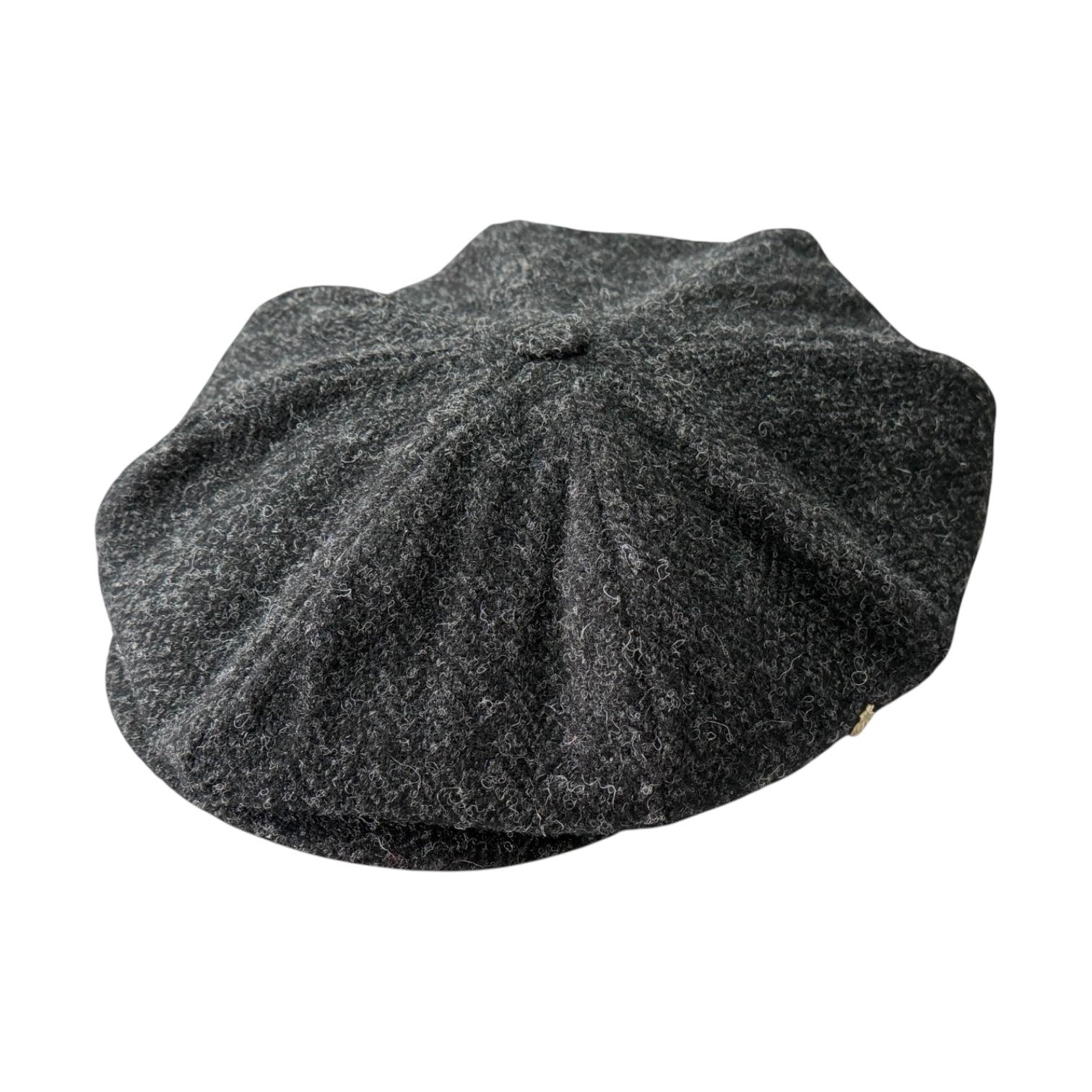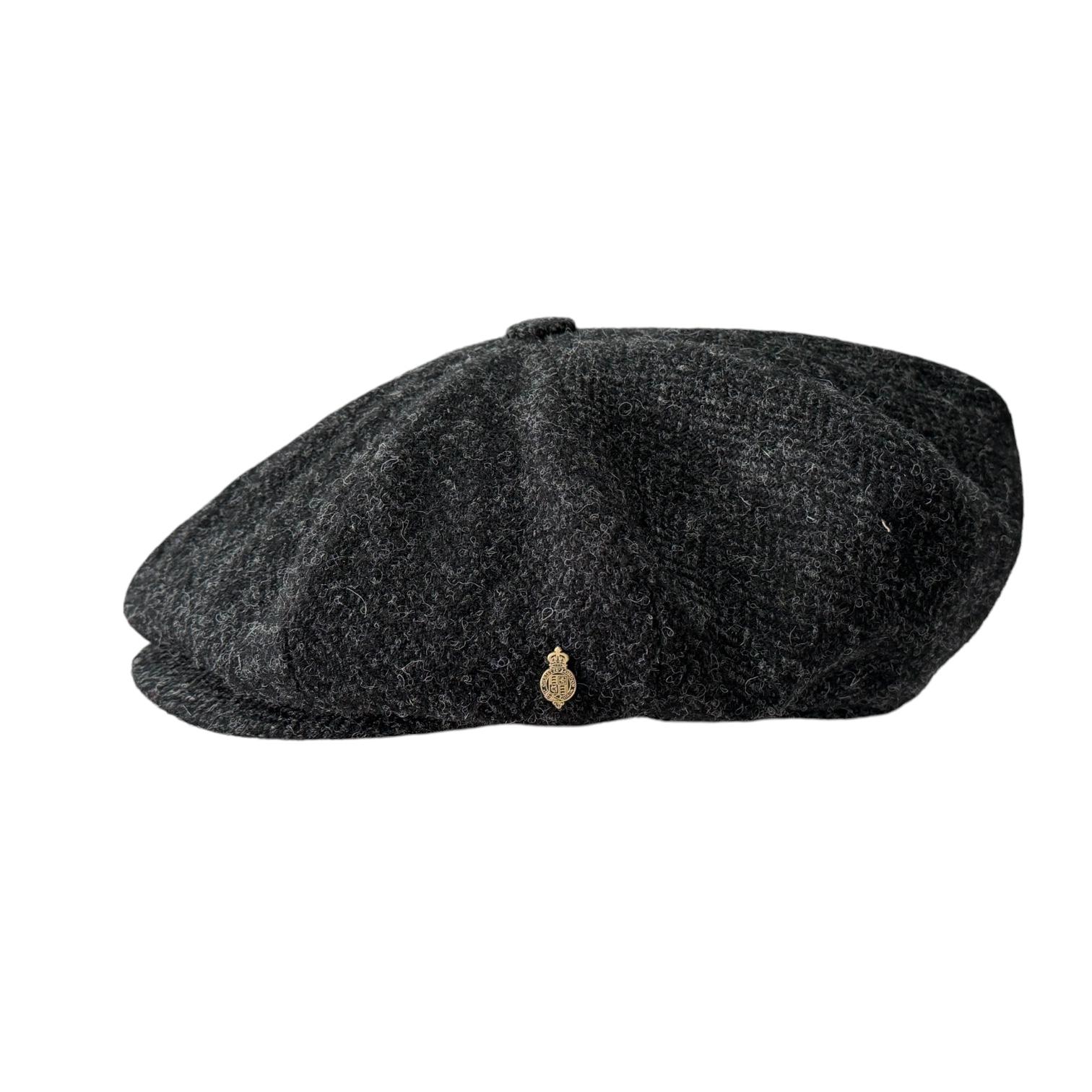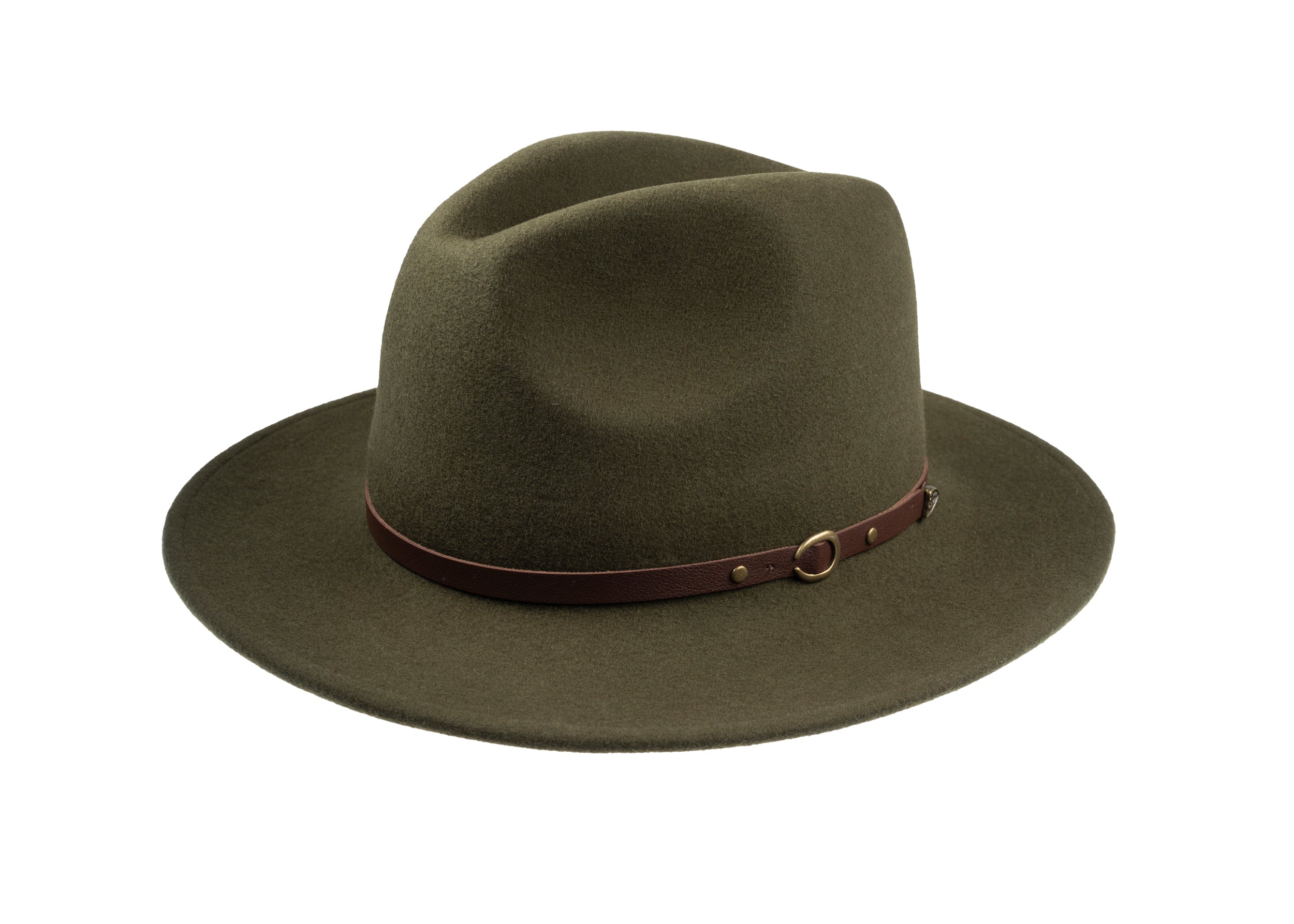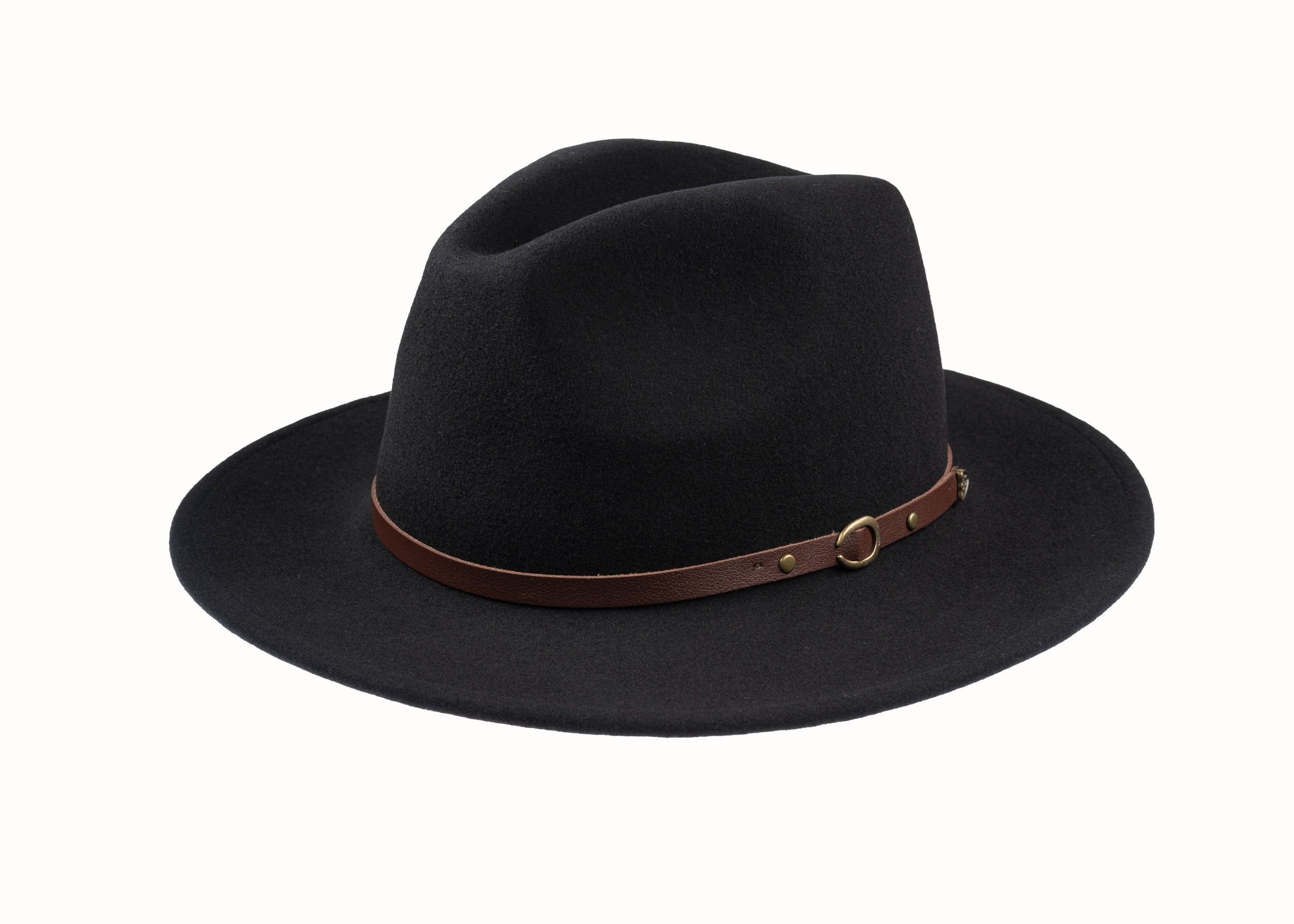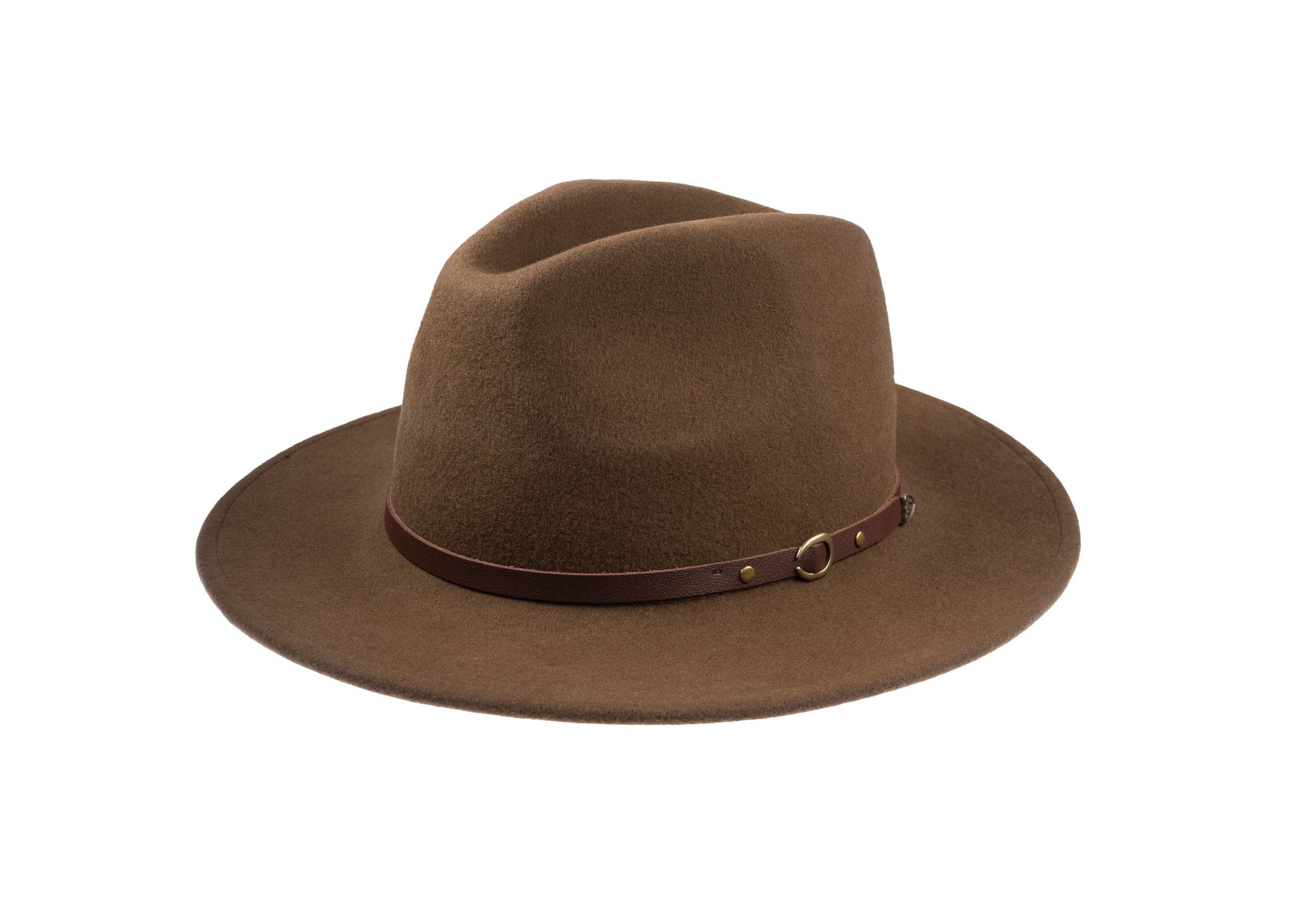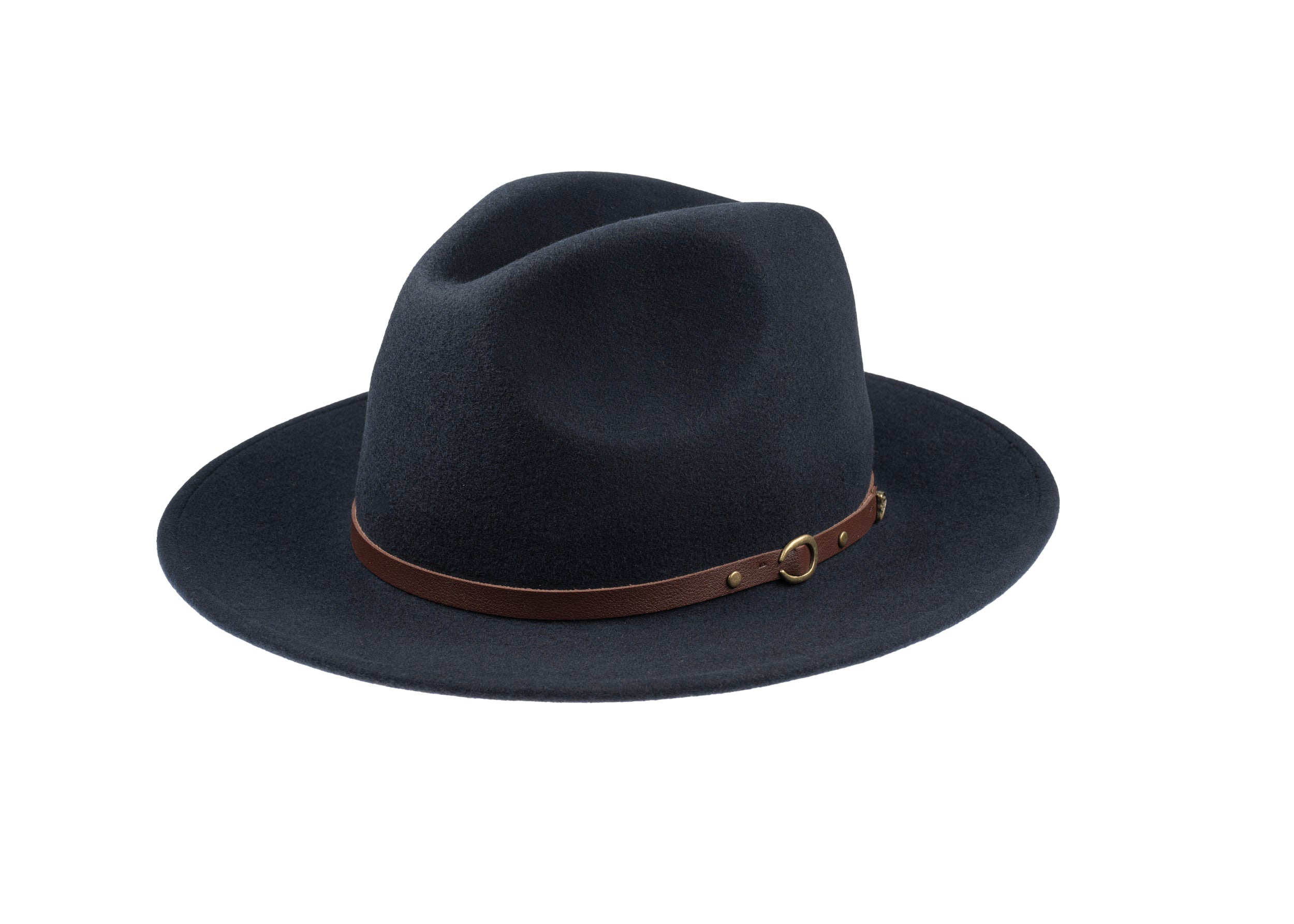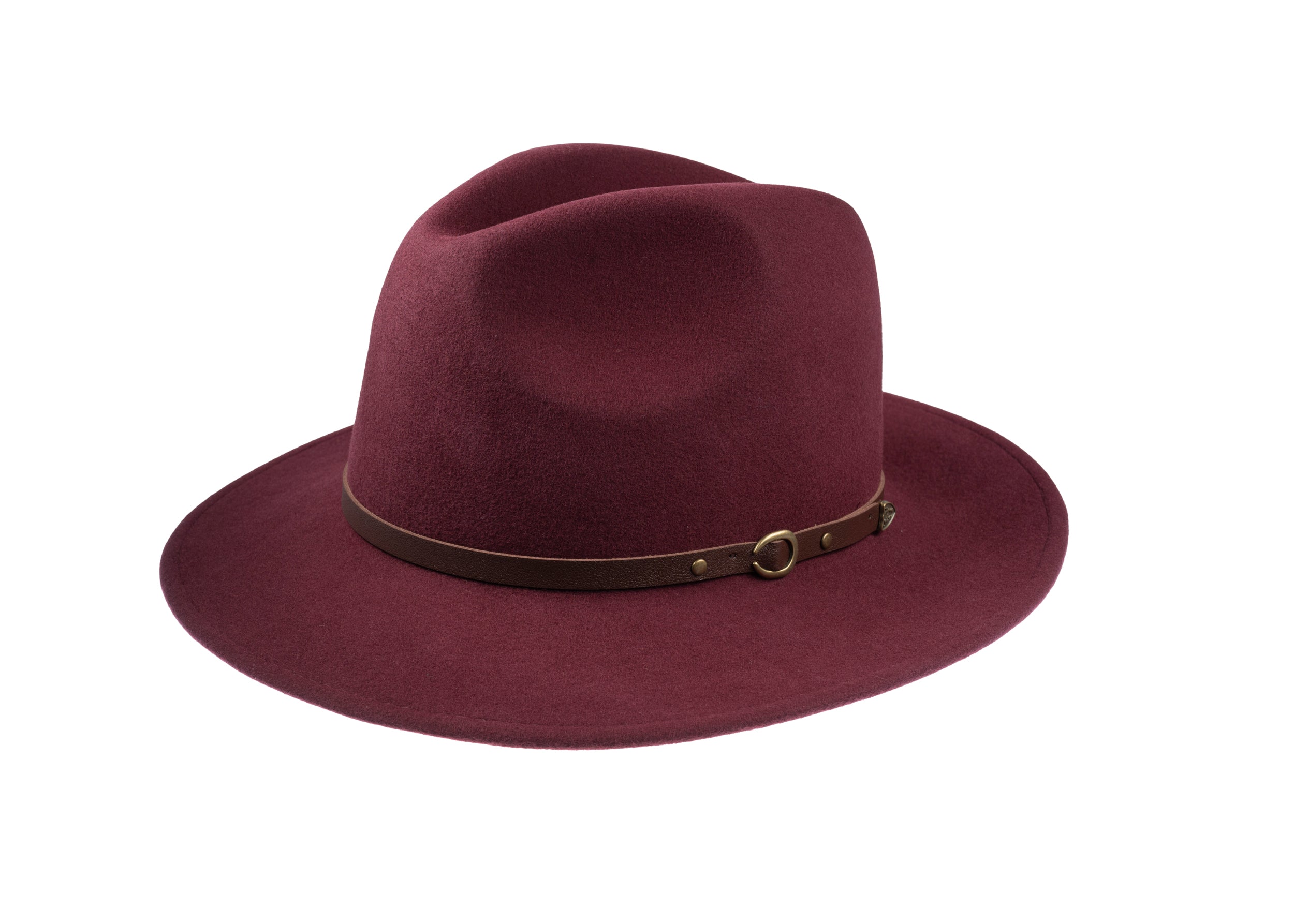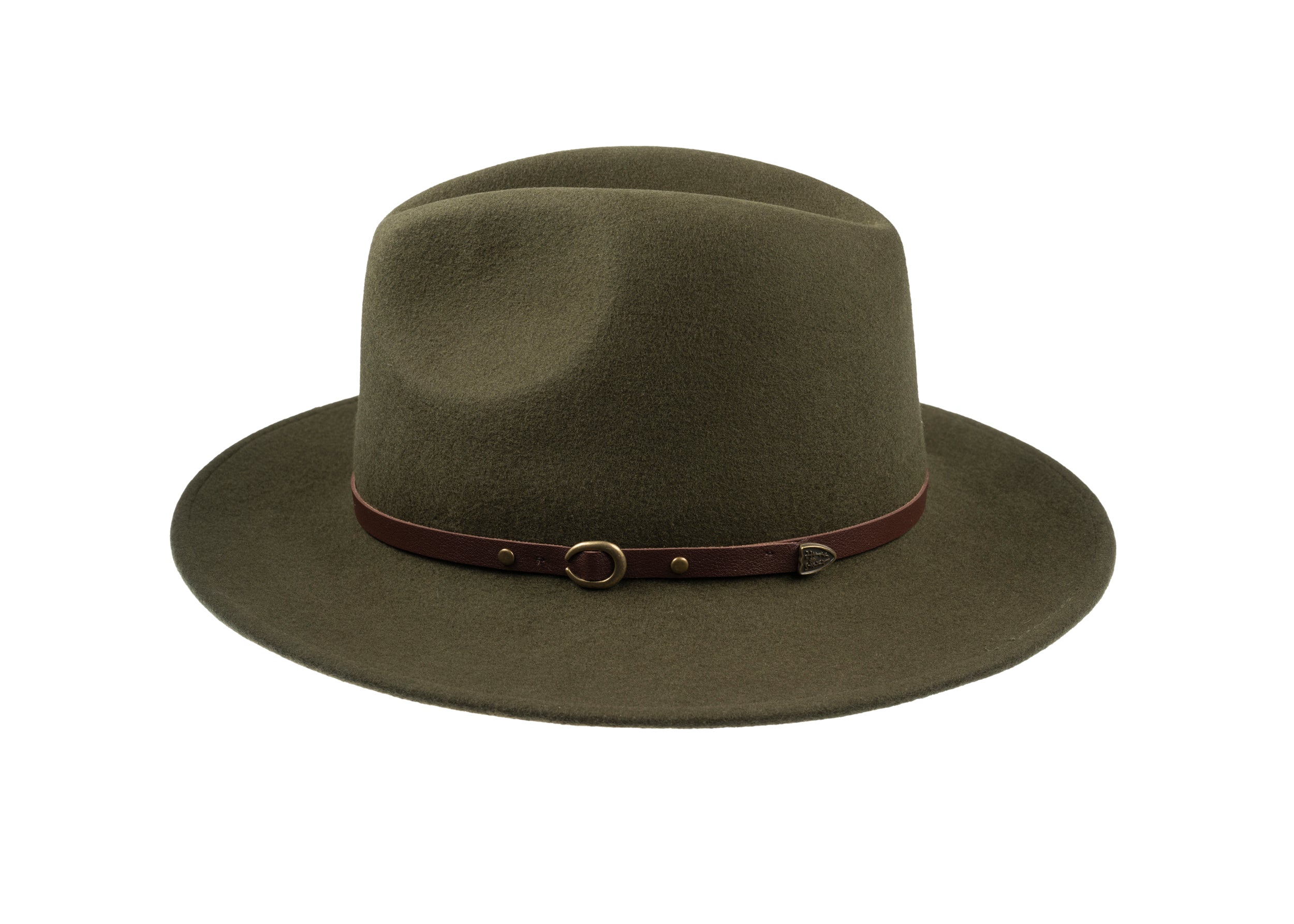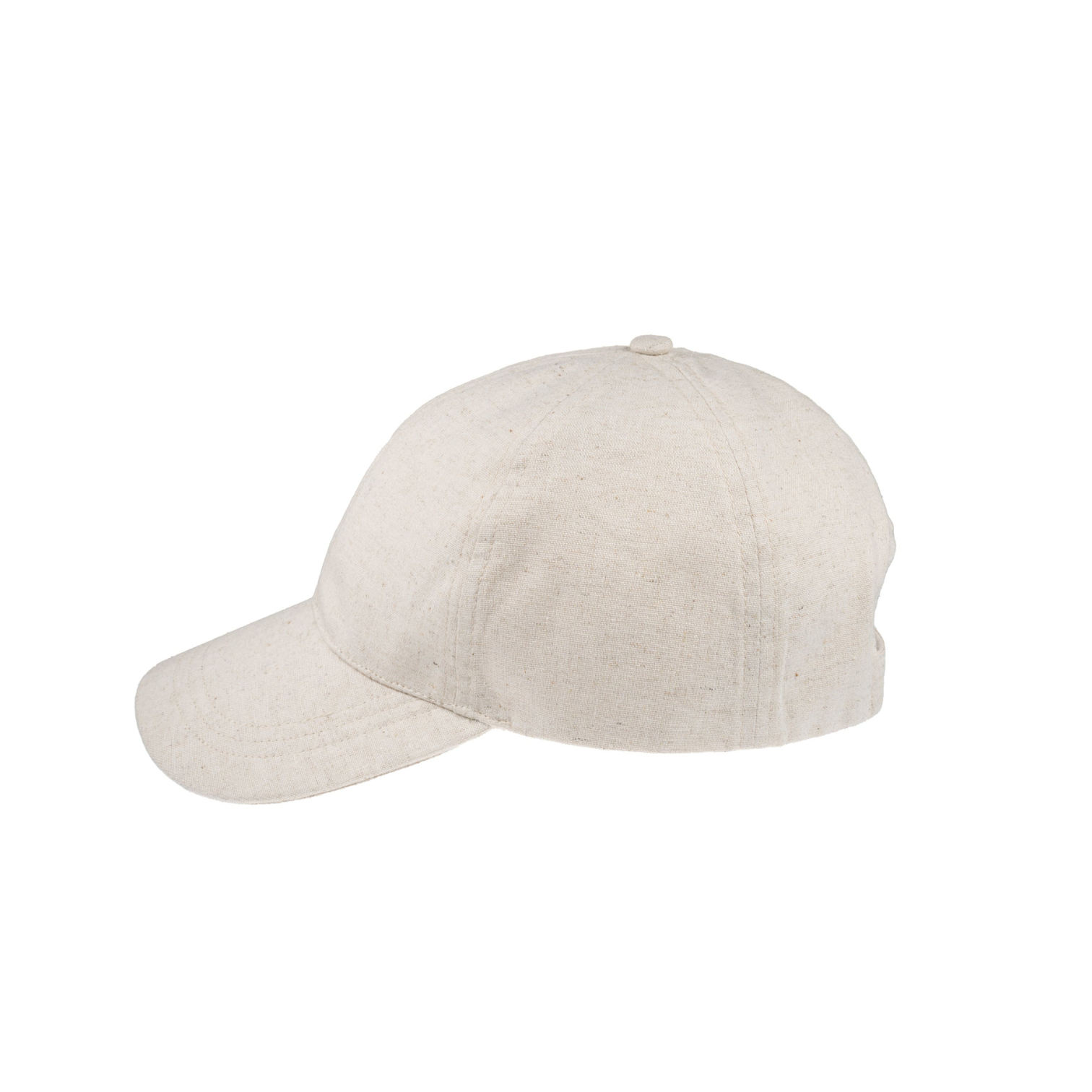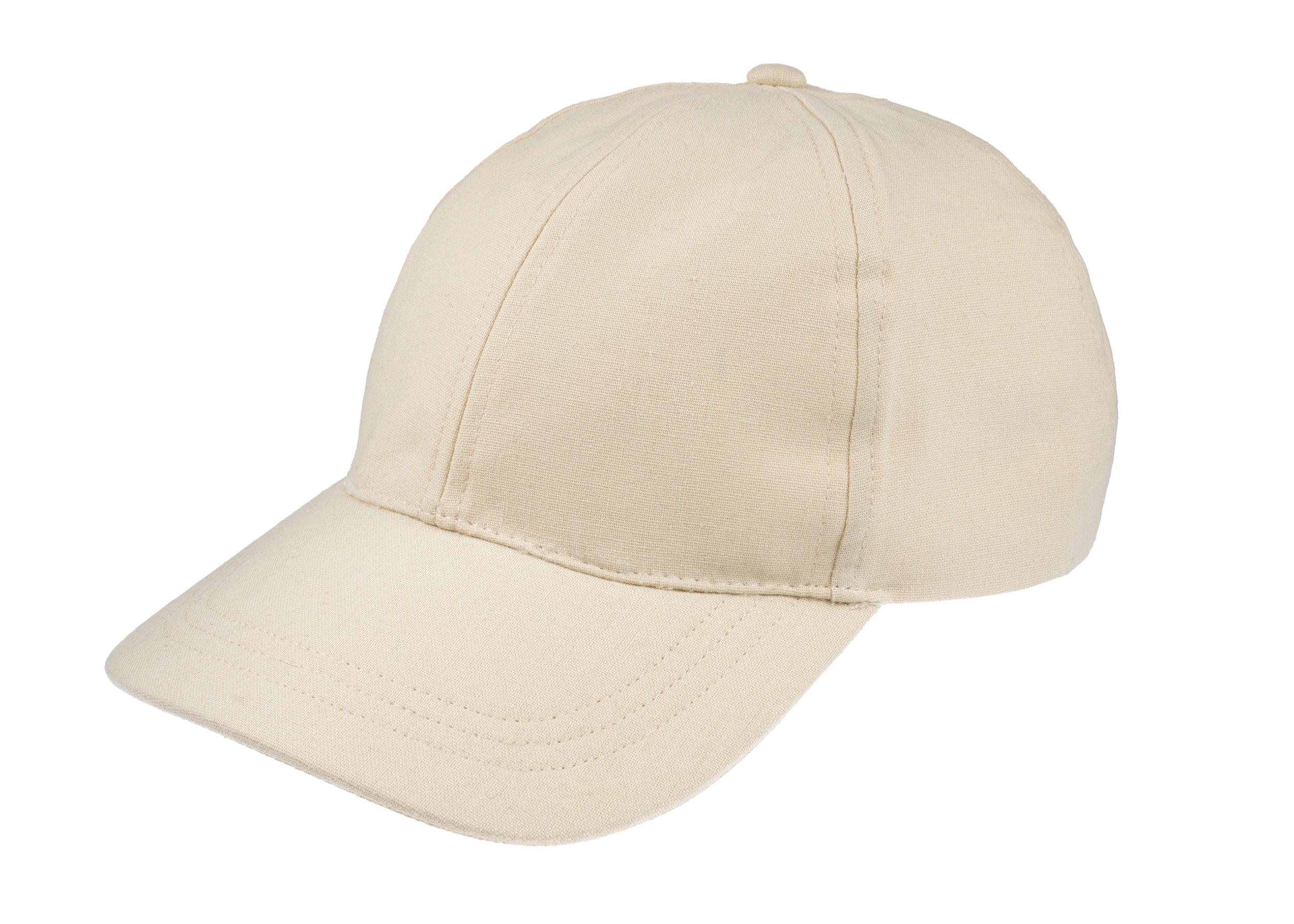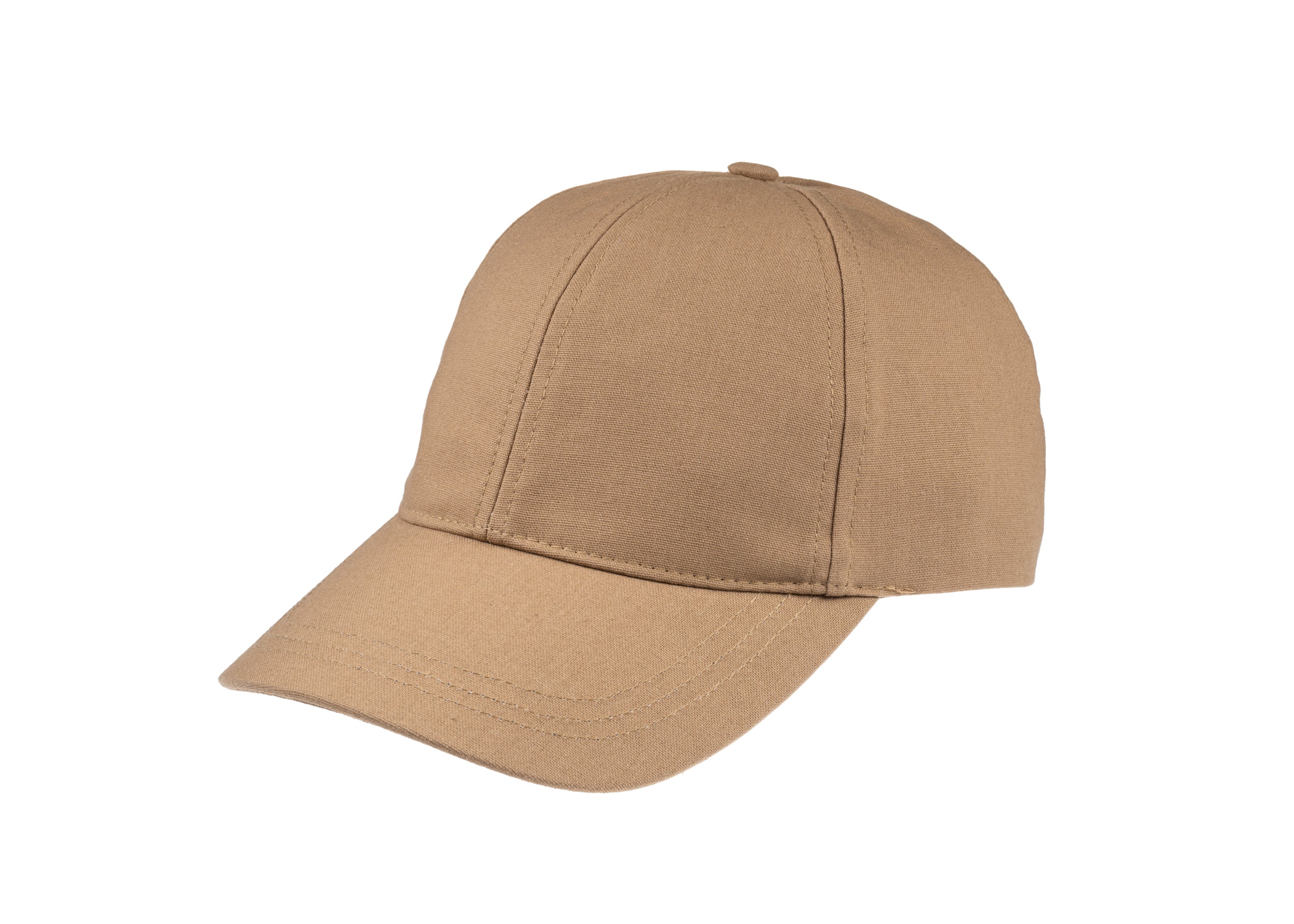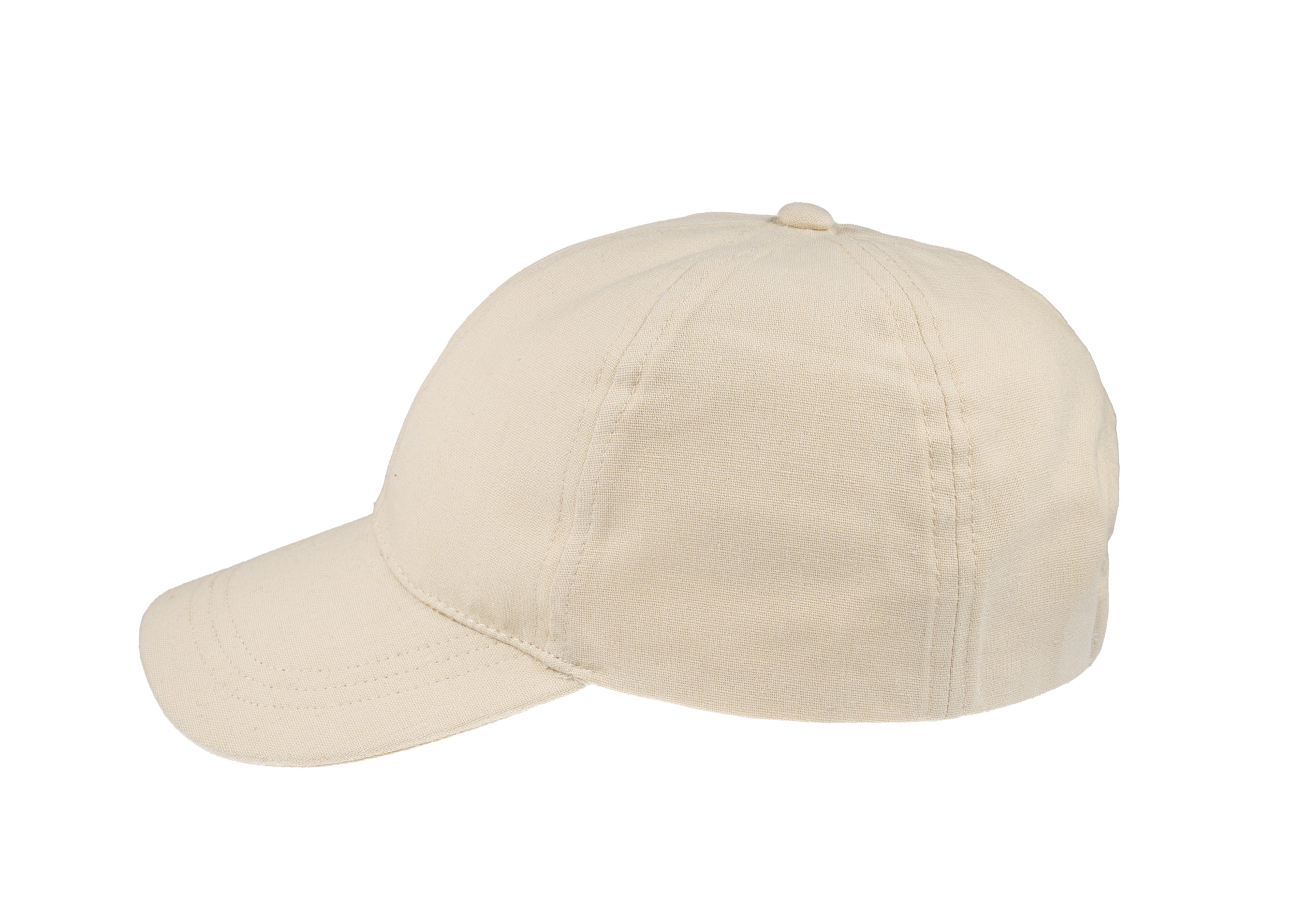





A carefully blocked cap cloth that softens, warps, or loses its profile after a few wears undermines the skill invested in it. Predicting which cloth will retain its shape requires attention to how fibre mix, felt quality, and finish interact with weight, stiffness, and patterns of wear to determine long-term resilience.
This post describes five measurable properties and practical tests: fibre composition, felt structure, bending stiffness, dimensional stability, and surface durability. Taken together, these indicators show how a hat shaped on a block will behave. Use the checks when choosing materials, blocking methods, and finishes; they clarify the trade-offs between resilience, hand, and appearance, and help you decide with confidence.

1. How to assess fibre composition and felt quality
Begin with composition and fibre metrics. Determine the percentage of wool, animal hair, and synthetic content, and measure fibre diameter and staple length under the microscope. Finer, shorter fibres bond and shrink differently from coarser, longer ones, so these figures help predict how a felt will respond during fulling and blocking. Assess felt density and internal structure by recording mass per unit area, compressed thickness under a specified pressure, and the degree of fibre entanglement. These measurements correlate with stiffness, resistance to collapse, and the drape a hat will exhibit once shaped. Add hydrothermal dimensional stability tests to complete the picture. Expose samples to controlled steam or hot water, then record percentage changes in crown height, brim diameter, and circumference, and measure recovery after drying. Materials that stabilise quickly under heat show smaller permanent changes and return closely to their original dimensions, indicating they will hold a refined shape through the blocking process.
After assessing composition and felt structure, run tensile, tear, and abrasion tests, recording loss of strength, edge fraying, and changes to the surface nap after a set number of cycles. Fabrics that retain seam integrity and surface structure under these stresses are less likely to deform in use, which is the essential measure of durability for shaped hats. To simulate blocking and everyday wear, block standard samples, capture baseline measurements and photographs, then subject them to repeated flexing, compression, and storage cycles. After each cycle, measure millimetre changes in crown height, brim profile, and nap disturbance to quantify form retention. A milliner or maker can use these measurable indicators to predict how a cloth will hold a blocked shape through handling and wear.

2. Assess how fabric weight, density, and compactness affect drape and durability
Begin by weighing a precisely cut sample to calculate grams per square metre (GSM), and note its hand-feel and the visible openness of the weave or knit. GSM is useful only in context: a high figure suggests potential support, but only when the yarns pack closely. Use a pick glass or loupe to count ends and picks per centimetre, record yarn thickness, and calculate the cover factor as a simple measure of compactness. Fabrics with high thread counts and low inter-yarn spacing generally hold a blocked curve; constructions with lower counts and bulky yarns can feel substantial yet relax quickly in wear. Examine yarn twist, ply, and surface hairiness under magnification, and by gently rubbing the sample. Tightly twisted, multi-ply yarns with low surface fuzz tend to knit or weave into more stable structures that resist shape loss.
Begin by measuring thickness with callipers or a thickness gauge under a fixed pressure to ensure comparable readings. Subject the sample to repeated compression cycles, then calculate percentage recovery after load removal; higher recovery indicates better resistance to hat-band pressure and packing. Next, perform a controlled wet-block and simulated wear trial: dampen a consistently sized specimen, block it over the intended form, allow it to dry undisturbed, and record any dimensional change and surface effects. Finish with abrasion or flex tests that mimic handling, then re-measure. Materials that remain dimensionally stable through wetting and that resist repeated flexing provide the clearest evidence of long-term shape retention.

3. Measuring bending stiffness and elastic recovery
To quantify bending stiffness, use standard, repeatable methods such as the cantilever test and the fixed-length bending test. Cut specimens in both the warp and the weft to capture directional differences, and condition them at a defined temperature and relative humidity so moisture content is consistent. Measure bending length, calculate flexural rigidity from multiple replicates, and report the mean and standard deviation to permit objective comparison between materials. To assess elastic recovery, bend the sample to a defined curvature or angle over a mandrel, release it, and measure the residual curvature or deflection. Express recovery as per cent recovery = (1 - residual curvature / initial curvature) × 100. Repeat the bend-release cycle to assess fatigue, and report recovery after the first cycle, after a small number of cycles, and after many cycles to reveal any progressive permanent set.
The most reliable assessment of brim shape retention comes from combining laboratory rheology with simple bench checks. Use dynamic mechanical analysis or a sinusoidal bending rig to record the storage modulus, which quantifies elastic stiffness, and the loss tangent, which describes damping. A high storage modulus together with a low loss tangent predicts good instantaneous brim memory; a rising loss tangent or a fall in storage modulus under humidity points to poorer long-term shape retention. Complement these laboratory metrics with low-tech tests: a mandrel curl, clamp-and-deflect measurements taken with calipers or by image analysis, and a wet-versus-dry stiffness comparison. Remember that wet blocking can temporarily reduce stiffness, so measure the dry set to understand the lasting effect of blocking. Normalise stiffness values to fabric mass or thickness, compare warp and weft directions, and track elastic recovery percentage and its variance. Correlate those trends with wearer trials or controlled abrasion simulations to estimate when shape retention will begin to degrade, rather than relying on single numbers. These are the small, objective details that reward closer inspection.

4. Assess dimensional stability and retention of the blocked shape
To assess dimensional stability, take precise measurements before and after blocking. Measure crown height, crown circumference, brim width, and panel seams at repeatable points using digital calipers or a fixed template, and report both absolute and percentage change for objective comparison. Expose samples to a controlled moisture programme that mimics rain, perspiration, and drying. Record the moisture dose, the drying conditions, and whether the piece remained on the block or was allowed free relaxation. These details reveal whether the fabric or structure sets or relaxes on drying. Include immediate post-block readings and further measurements after a period of simulated wear so you can map short-term set against longer-term drift. Run multiple replicates to calculate mean changes and to compare variability across constructions. When you present results, give absolute values and percentage changes, and note exact measurement points and environmental conditions to ensure the test is reproducible.
Measure blocking-set retention by mounting each cap on a standard block, applying a reproducible load, then recording the residual set after defined cycles of compression, storage, and handling. Express permanent set as residual strain or as a millimetre change, and report means alongside variability. Simulate donning by cyclically flexing, folding, or pulling the crown and brim with a simple hand rig or a tensile tester. Track shape drift and stiffness over short and long recovery intervals to separate elastic rebound from permanent deformation. Complement these assessments with bending-stiffness measurements and contour tracing or 3D scanning, and report both changes in stiffness and deviation from the block template. Note how weave, lining, and interlinings influence the results so construction choices are evidence led.

5. Assess surface finish, abrasion resistance, and water repellency
Begin with a surface finish and nap assessment. Photograph samples under consistent lighting, inspect them under low magnification, and record nap direction, pile height, sheen, and, where possible, surface roughness or a simple rub score. Note that smoother, glazed finishes tend to slide during blocking, while textured finishes grip the block and help hold shape. Complement visual inspection with abrasion testing using a standard rubbing, or Martindale-style, protocol. Log the number of cycles to first visible change, mass loss, visible thinning, hole formation, and pilling grade. These objective figures indicate which fabrics retain crisp edges and crown definition as they wear. Finally, assess water repellency. Carry out a drop test, measure contact angle where equipment permits, and perform spray or tilt absorbency checks. Record how repellency changes after abrasion, because loss of hydrophobicity correlates with increased wetting-related softening and slump in wet wear. Together, these measurements give a clear, comparable view of how a material will behave through shaping and everyday use.
To judge how surface metrics translate into use, begin with real-world trials that alternate blocking to a target profile with defined wear simulation: repeated flexing, controlled abrasion, and measured moisture exposure. This approach measures retention rather than just initial hold. At each checkpoint, record crown height, brim curvature, and circumference with calipers or by profile tracing, and quantify dimensional change and surface breakage so fibre blends and finishes can be compared objectively. Next, subject matched samples to routine interventions, such as cleaning, gentle steaming, UV exposure, and sweat simulants, then retest finish, abrasion resistance, and water repellency, noting which treatments precede shape relaxation. Map those outcomes to practical maintenance guidance, such as gentle reproofing or selective pressing, and use the evidence to select finishes that best preserve the blocked form over the product lifetime.
Assessing whether a blocked cap will retain its shape requires measurable, repeatable tests rather than guesswork. Fibre and felt analysis, measurements of weight, compactness, bending stiffness, dimensional stability, and surface durability together indicate which materials and blocking methods will provide the resilience, hand, and appearance appropriate to the hat's purpose.
Use the five headings as a practical checklist during sampling, blocking, and finishing, and record standardised results so decisions rest on measurement rather than guesswork. Conduct a few simple trials, note millimetre changes and percentage recovery, and caps will hold their blocked profile better, requiring less corrective work in wear.