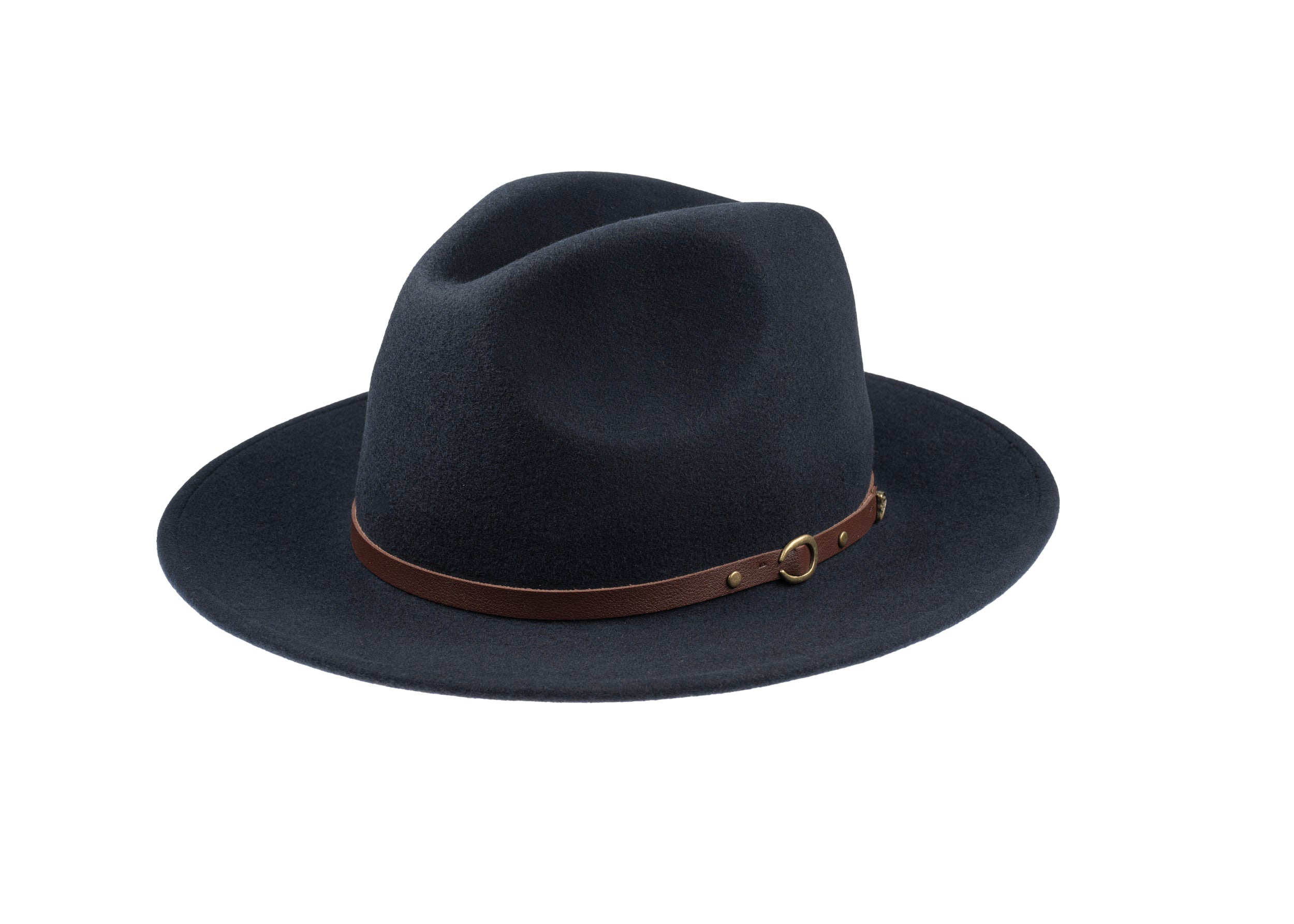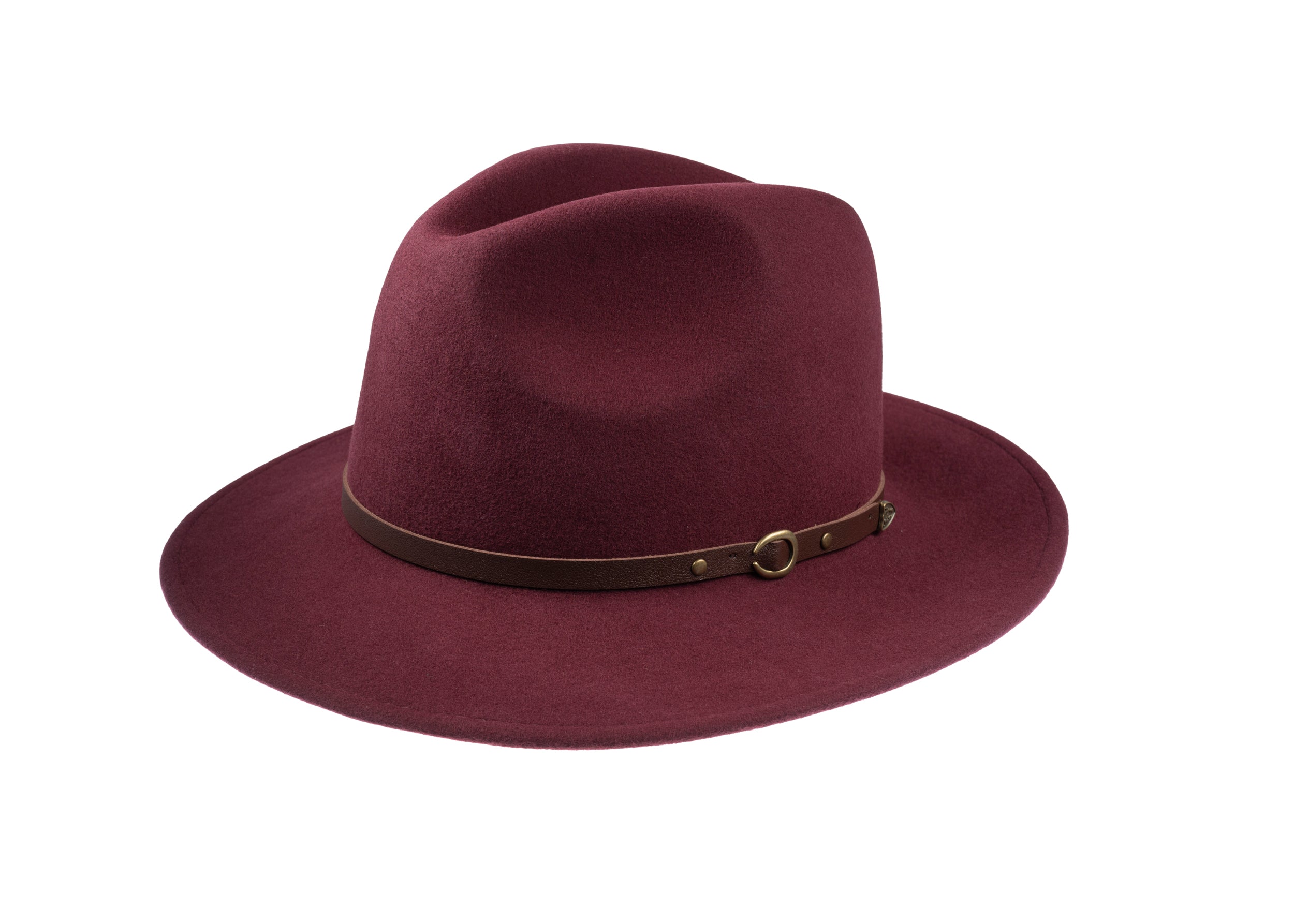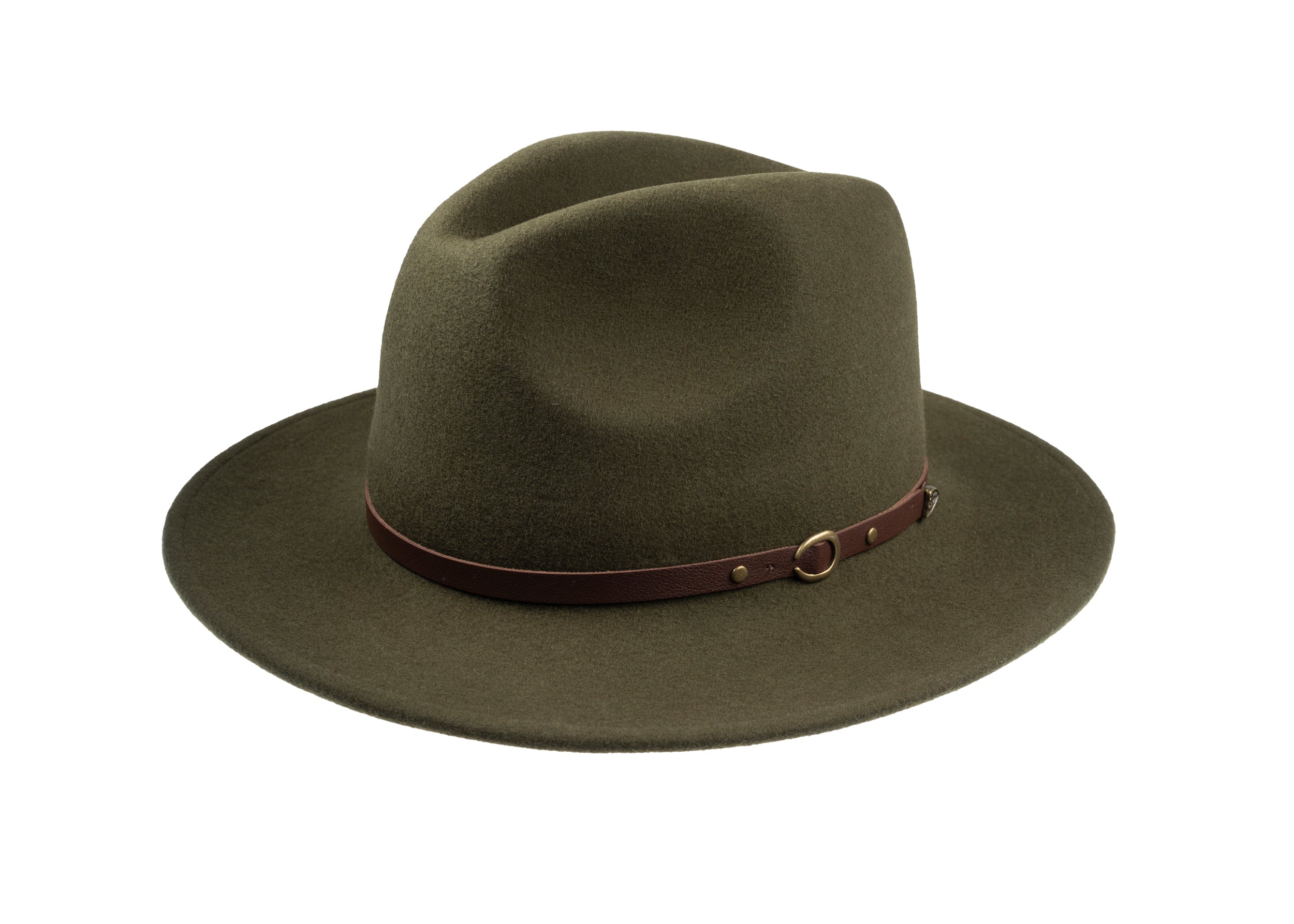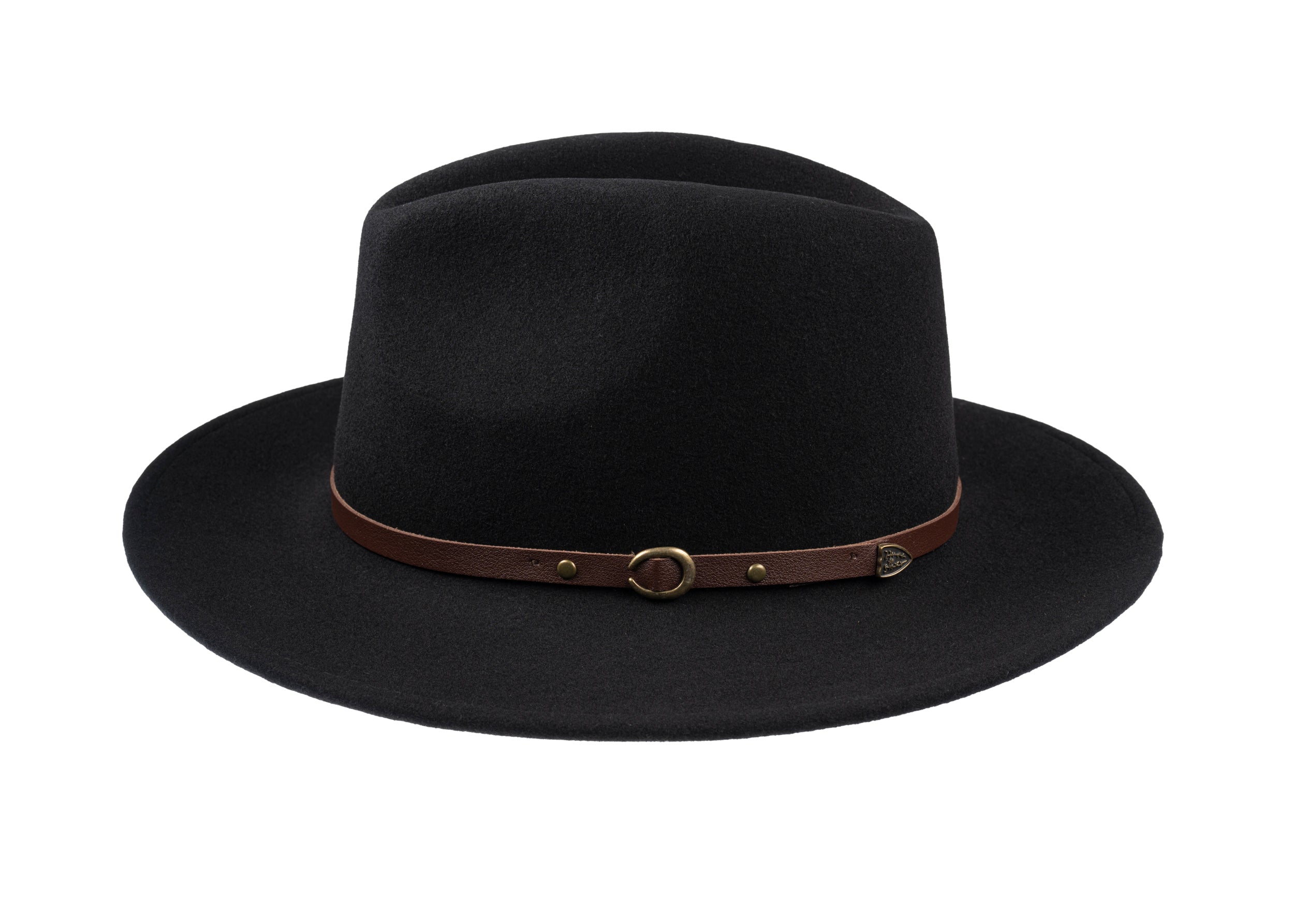



What makes a plain flat cap an unmistakable signature of a person, an era, or a place? Often it is not the cap itself but a sequence of small choices, from cloth and pattern to cut, the way it sits on the head, and the marks of wear, that signal status, profession, or temperament.
This post unpicks the choices that define a cap, from cultural and historical resonance to the silhouette and surface shaped by material and construction, and on to how wear, styling, and continuity alter its reading. It sets out practical cues for selecting fabric and form, and for staging a cap so it reads consistently in fiction, on film, or within a considered wardrobe.

How craft, provenance, and history create cultural resonance
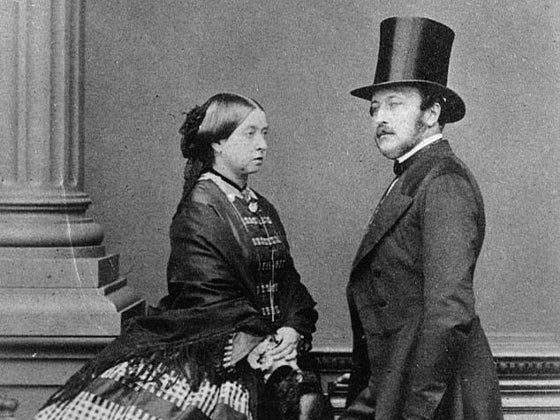
Anchor the cap in time and place by consulting archival photographs, theatre costume records, and first-person accounts that show who wore it and why. Choose materials and construction details as deliberate signals: tweed or herringbone for rural work and regional identity, finer suiting cloths for urban respectability, and stitch, lining, and peak shape as instant cues to occupation and character. Catalogue typical wear points, ageing patterns, and authentic repairs so the cap reads as evidence of lived experience rather than a costume prop.
Complement archival research with a survey of stage and screen to map which shapes, fits, and wearing habits read as stoicism, mischief, respectability, or defiance. Offer modest, actionable changes in fit, tilt, and accompanying garments that either reinforce or quietly subvert those shorthand cues. Employ restrained ageing and visible mending, such as selective fading, selvedge fray, and stitched repairs, to suggest a life lived without lapsing into caricature. Make explicit the rituals of wear: how the cap is put on and taken off, the company it keeps, and the occasions it accompanies, and show how a single gesture can signal belonging, custom, or social friction. Together, these layers allow a flat cap to function as a compact biography on stage or page, legible at a glance, yet rich enough to reward closer inspection.

How material choice shapes a hat's silhouette and surface
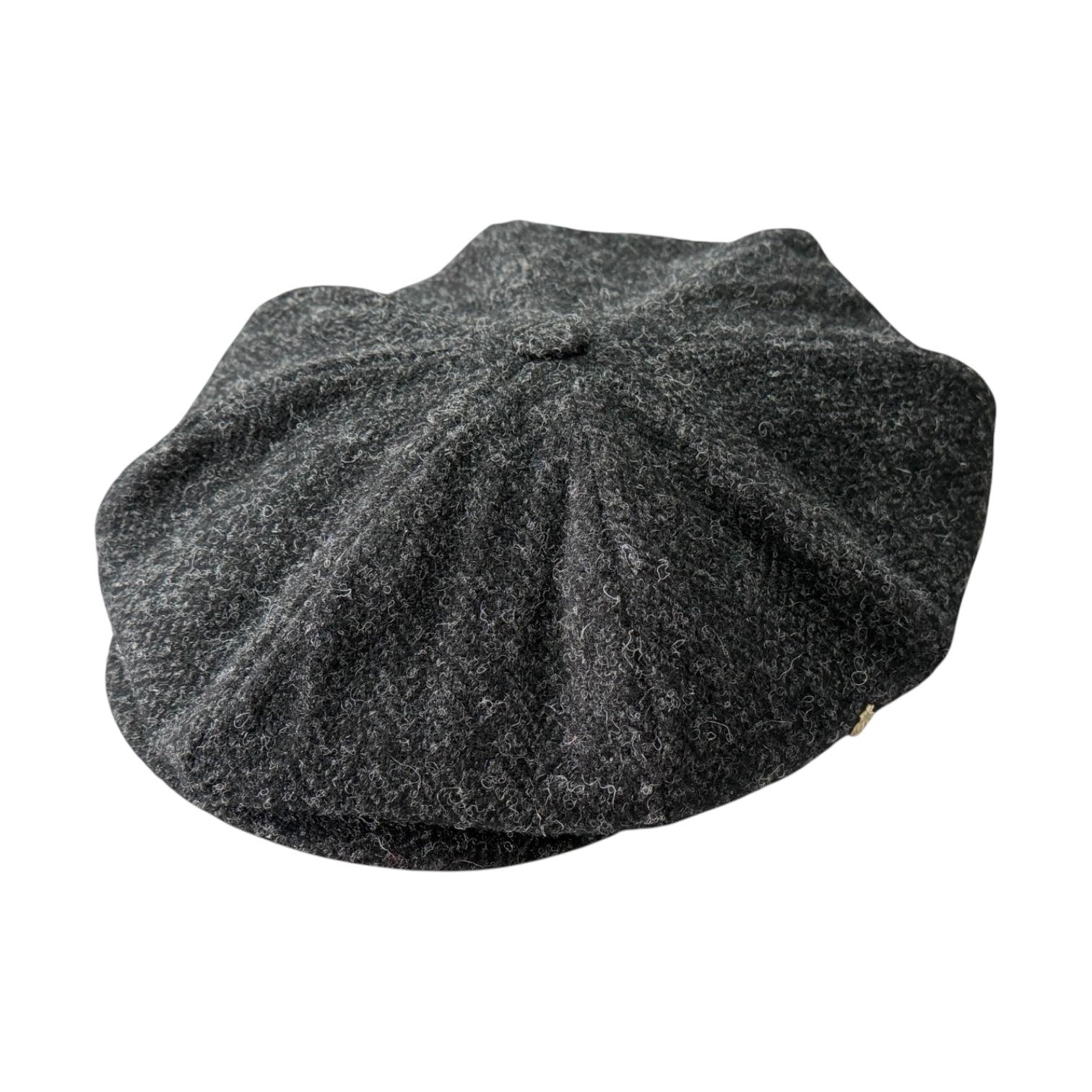
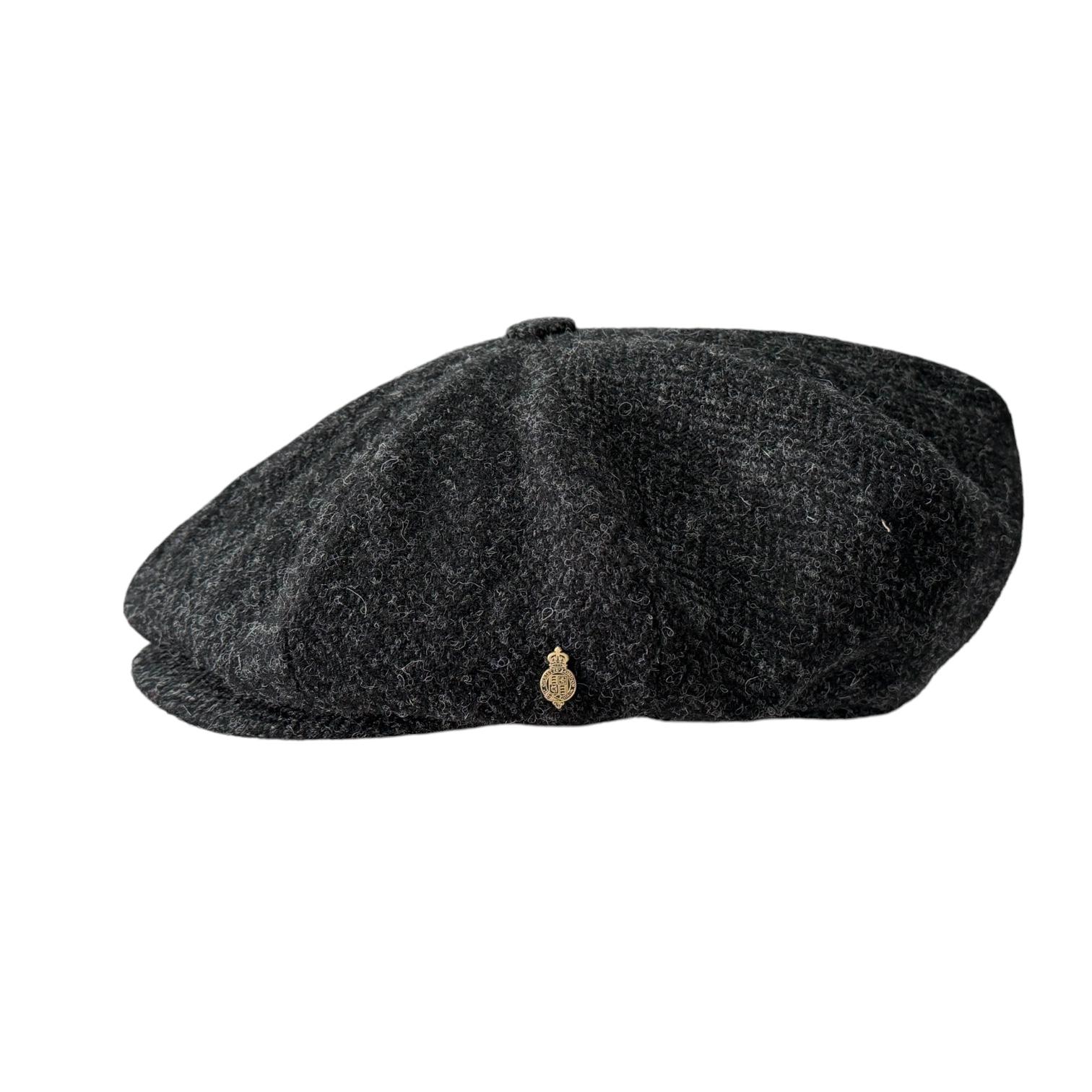
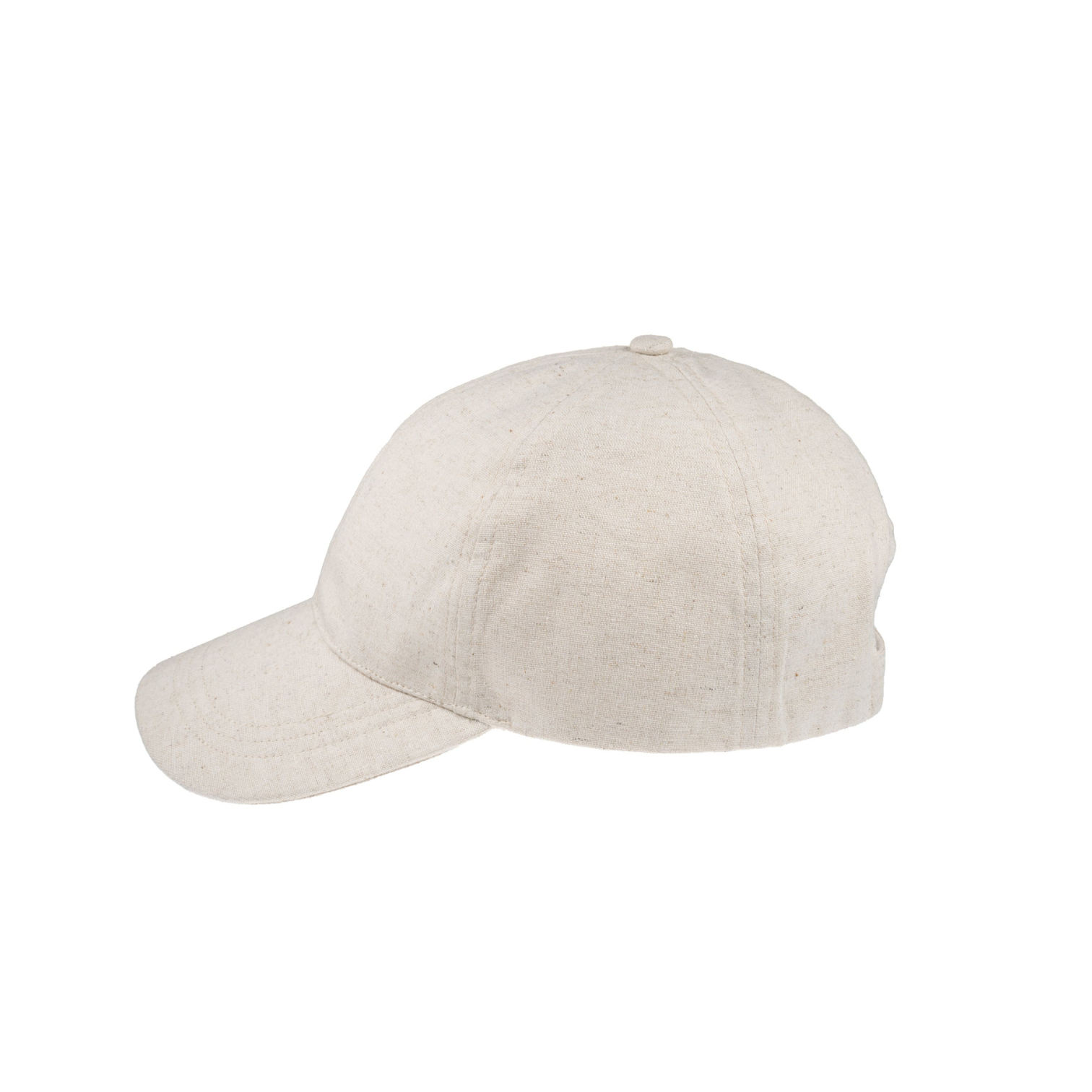
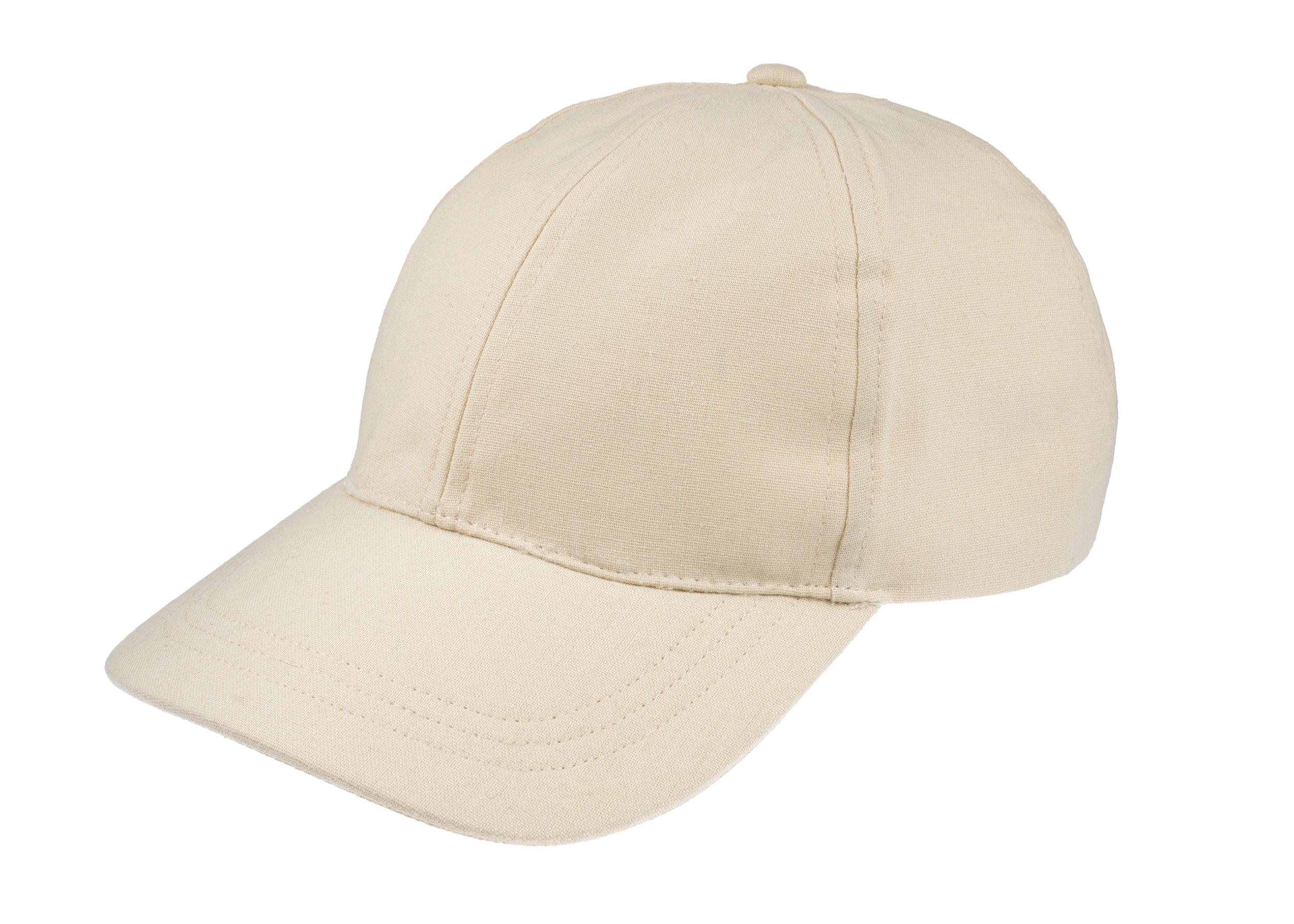
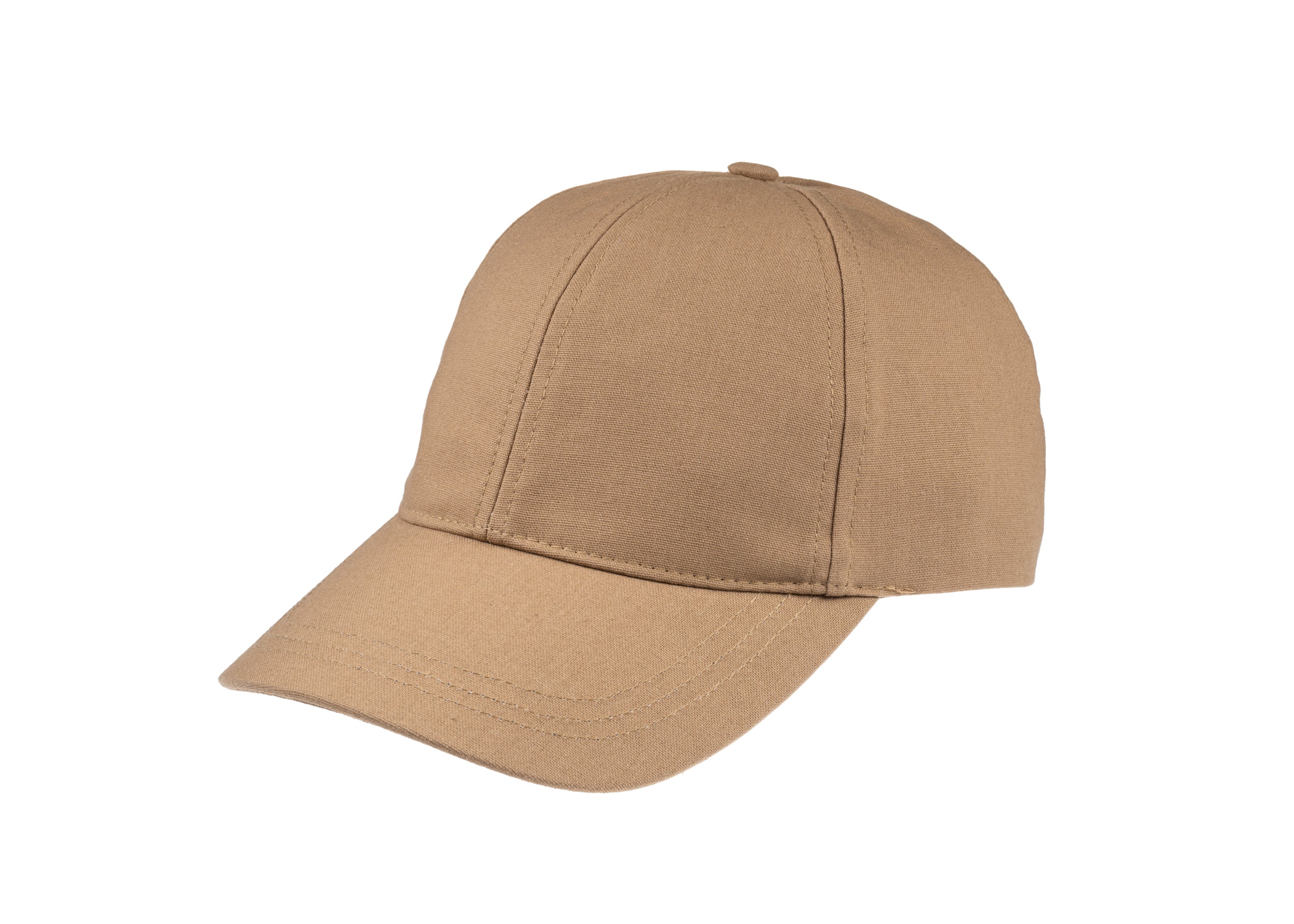
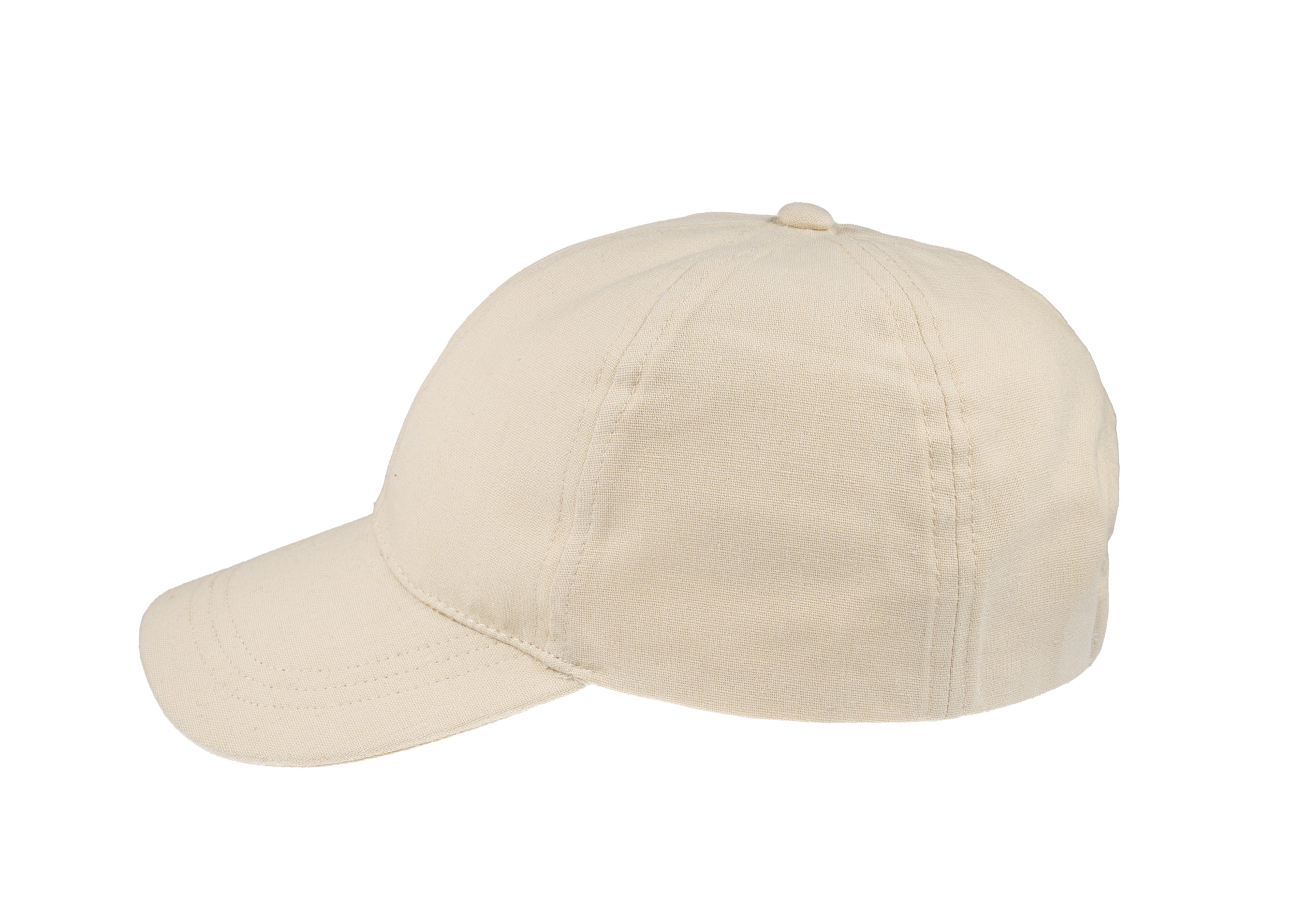
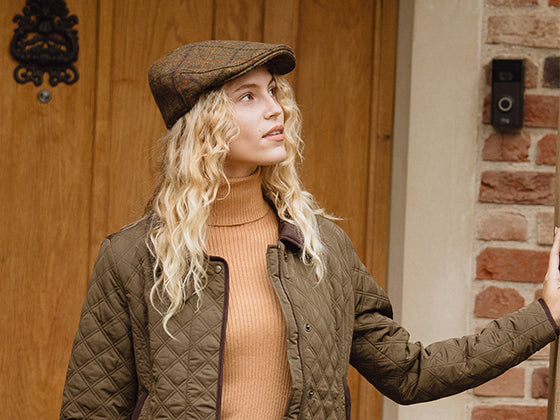
Consider how fibre, weave, and hand shape a cap's silhouette. Dense twill or compact tweed sustains a crisp crown and a defined peak; long-staple linen or brushed cotton will relax into a softer, slouched profile. Adjust interlining density to amplify or temper that behaviour, and test by pinching the crown to see how quickly it springs back. Use surface texture to signal occasion and character: a raised nap, coarse boucle, or corduroy rib reads rustic and tactile, while a fine worsted or smooth felt reads refined and formal, so pair textures with wardrobe choices to reinforce the narrative. Think in scale and direction when working with pattern and grain: match pattern scale to the wearer, align directional weaves with seams to lengthen the silhouette, and make careful pattern matching at seams the detail that rewards closer inspection.
Decide a cap's final character in the workshop, through internal construction and handwork. A soft, unfused interlining produces a relaxed crown and a comfortable fit, whereas a fused canvas or multiple linings yield a resolute shape that holds edge and peak. Attend to stitch density, hand-tacking, and underbrim finish: hand-tacked seams preserve flexibility, and a soft underbrim reduces visual sharpness around the face while improving comfort and movement. Treat finish and ageing as functional choices. Felting and fulling tighten fibres and increase weather resistance, pre-washing creates immediate slouch and surface bloom, and water-repellent treatments change how a cap responds to rain. Age samples by gentle abrasion and laundering to observe how colour, nap, and structure evolve, then select the treatments that suit the intended use, whether the cap should read polished at a garden party or pleasantly lived-in on country walks. These are the sorts of details a little attention will reveal.

How wear, style, and continuity reveal character over time
Specific marks on a flat cap act as visual shorthand: a sun-faded crown, a habitually crushed right side, and a darkened sweatband indicate where and how the wearer lives. Repeating a characteristic gesture, such as lifting the cap by the back, will reliably produce the same crease and read as worn rather than contrived. For makers and continuity teams, high-resolution photographs of micro-details, with clear annotations such as thinning wool, softened seams, or removed labels, provide the reference required to recreate the effect. They only become apparent under close scrutiny.
Decide how the cap will sit, and why. Fix recurring elements, collar height, scarf knot, and lapel width, so the cap becomes part of a considered styling relationship that communicates without exposition. Small contrasts, such as a precisely shaped cap set against a rumpled overcoat, will suggest aspiration, neglect, or social unease; visible stitching or a reinforced leather sweatband will register as telling cues when examined. Record measurable features that can be matched on set: brim curvature, preferred tilt, and which side the cap is cocked to. Keep a labelled reference cap and high-resolution close-ups. Finally, plan for how light, weather, and maintenance will alter the cap over time, so that dust, rain, or a neat patch mark narrative turning points on camera.
A flat cap becomes legible as a character when successive, small choices about material, shape, and wear accumulate into a readable biography. By treating fabric, construction, ageing, and gesture as intentional cues, a cap can register class, occupation, and temperament without a single word.
Begin by consulting cultural and historical sources to anchor the cap in a particular time or role. Tune the silhouette and surface by selecting fibres and refining construction through trials. Consider how the piece will be worn and how it will age, so that marks and rituals carry meaning in performance or in print. Together, these steps yield an object that reads immediately and rewards closer scrutiny, whether for costume, storytelling, or a thoughtfully curated wardrobe.